
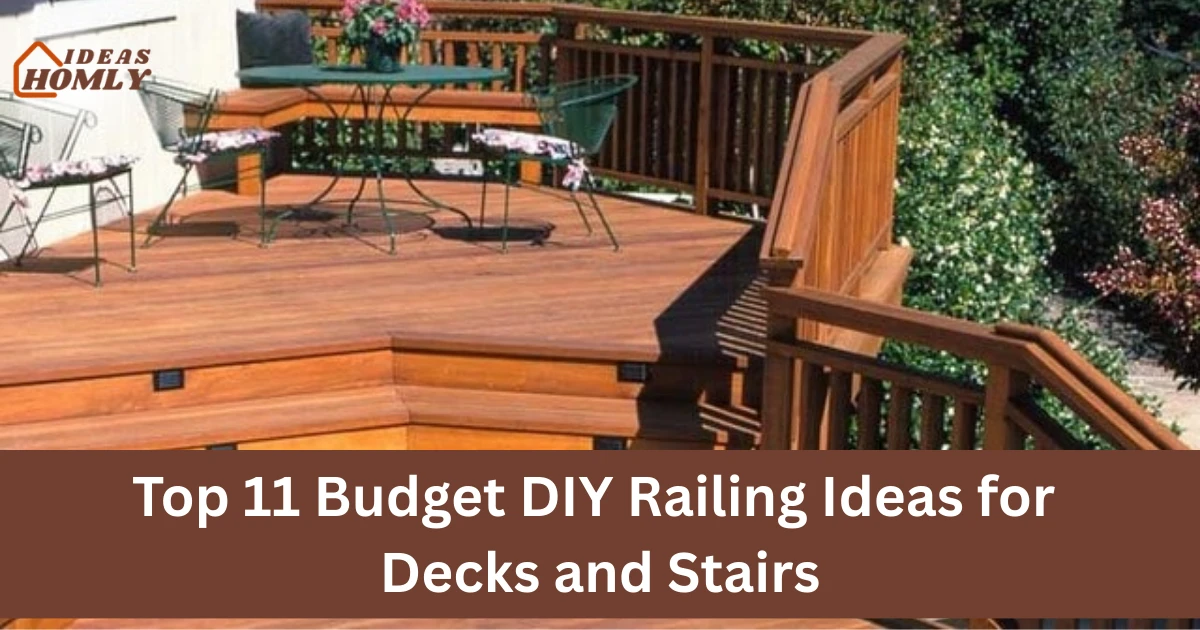

Budget DIY railing ideas help homeowners create safe and attractive spaces without spending a large amount of money. I often see people ignore railings until safety becomes a concern, but a simple DIY railing can improve both safety and design at the same time.
Many homeowners want affordable railing ideas for decks, balconies, porches, patios, or stairs. The good news is that several railing designs use low cost materials and simple tools, which makes them perfect for DIY home projects.
In this guide, I share budget friendly railing ideas that I personally like because they are practical, easy to build, and visually appealing. Each idea focuses on affordability, safety, and realistic installation methods.
Why Budget DIY Railings Are a Smart Home Upgrade
Budget railing projects offer homeowners an easy way to improve home safety and outdoor design. When I plan small home improvements, railing upgrades usually give quick results with minimal investment.
Another reason I recommend DIY railing ideas is flexibility. You can choose materials like wood boards, rope, wire, metal pipes, or recycled pallets depending on your budget and style preference.
A simple railing project can also increase property appeal. Even a basic deck railing or porch railing can make an outdoor area look more finished and organized.
1. Horizontal Wood Slat Railing
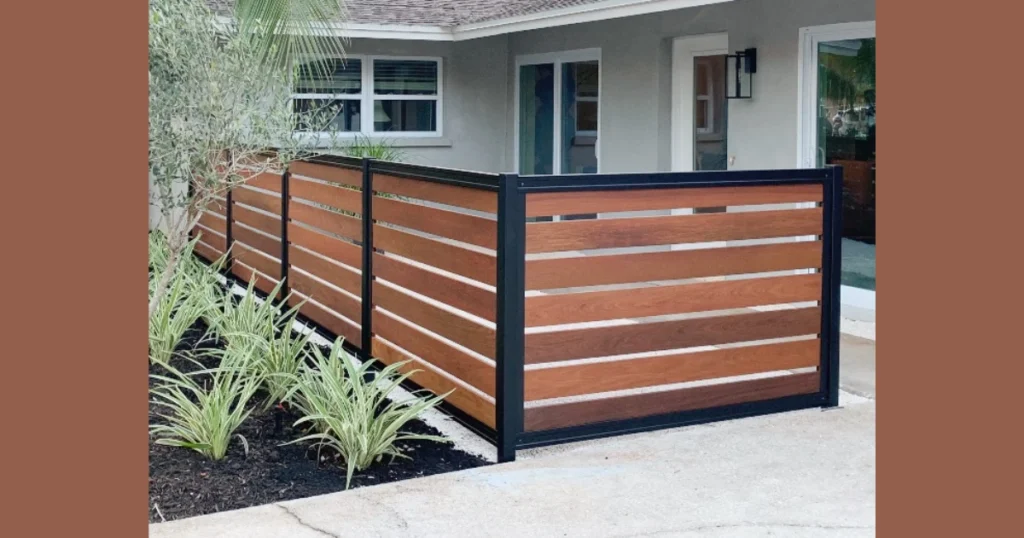
Horizontal wood railing remains one of the most affordable DIY railing ideas I recommend for modern homes. This railing style uses evenly spaced horizontal boards that create a clean and simple appearance.
I usually suggest pressure treated lumber or cedar boards for this project because they are affordable and durable. Install vertical posts first, then attach horizontal slats between them with exterior screws.
Horizontal wood railing works well for decks, balconies, and backyard patios. The spacing between boards keeps the design airy while still maintaining safety.
2. Rope Deck Railing
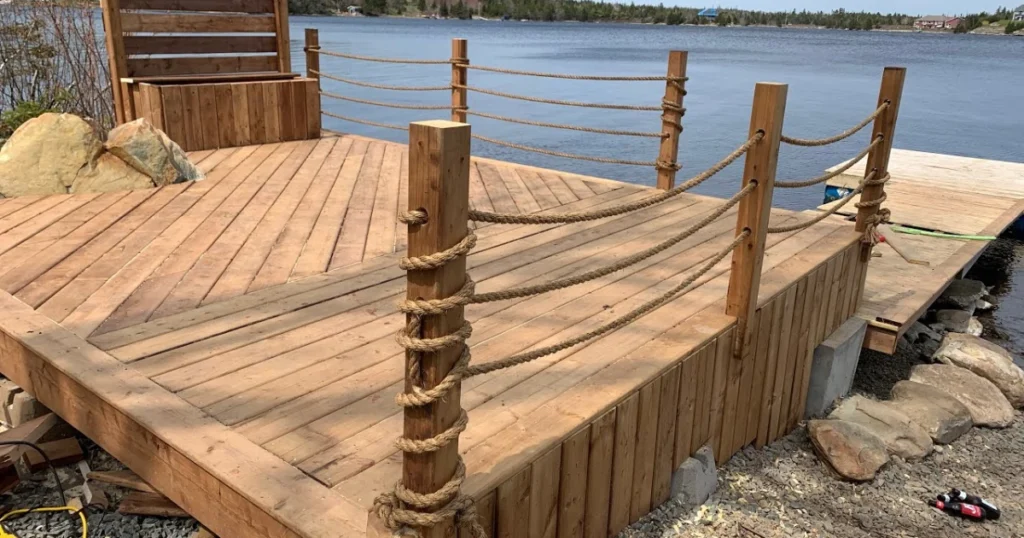
Rope railing offers a creative budget railing option that looks great in outdoor areas. I often see homeowners use thick marine rope for patios, garden decks, or beach style homes.
The installation process is simple. Install sturdy wooden posts first, then drill holes and run the rope through each post. Tie secure knots at both ends to keep the rope tight.
Rope railing adds a relaxed and decorative look while still creating a boundary. It works especially well for garden walkways, small decks, and outdoor seating areas.
3. Metal Pipe Industrial Railing
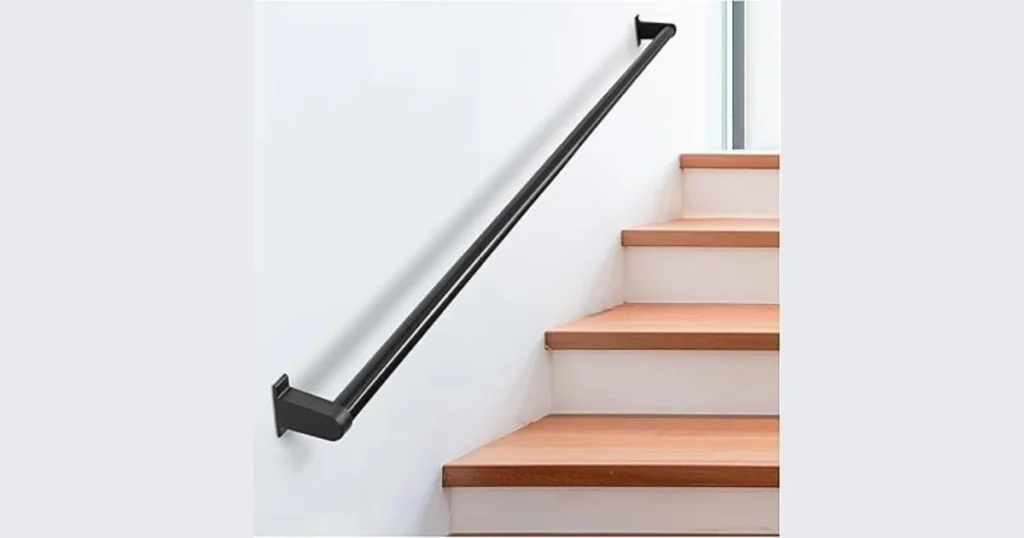
Metal pipe railing creates a strong railing system while still staying budget friendly. I like this idea because plumbing pipes are affordable and available in most hardware stores.
Black iron pipes are commonly used for industrial style railing. The pipes connect using threaded fittings, which means you do not need complicated welding tools.
Industrial pipe railings work perfectly for stair railings, loft railings, and modern interior spaces. The design looks simple but provides excellent strength and durability.
4. Pallet Wood Railing
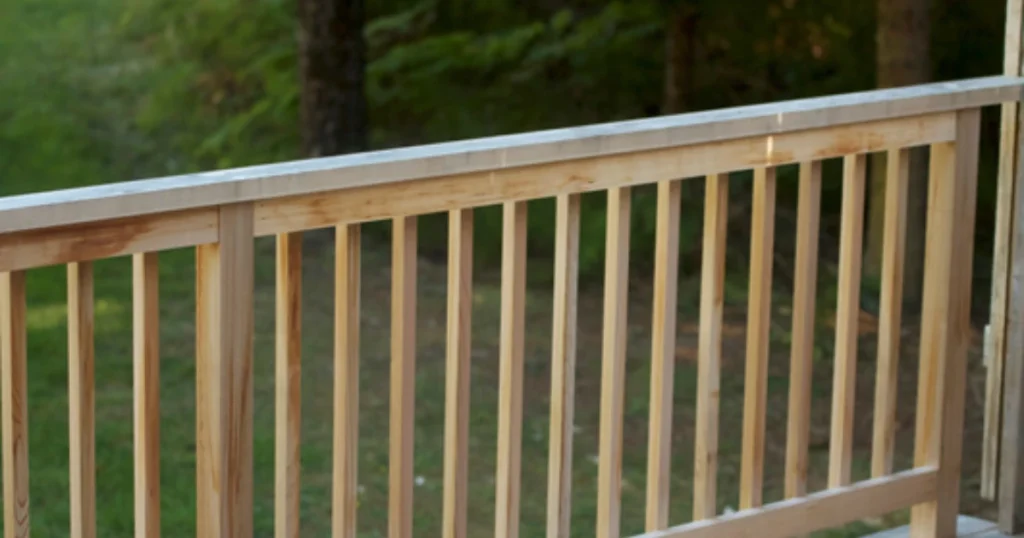
Pallet wood railing is one of the lowest cost DIY railing ideas available. Many homeowners can even find wooden pallets for free from warehouses or local stores.
I usually start by disassembling pallets and selecting the best wood pieces. These boards can then attach horizontally or vertically between railing posts.
Pallet railing works well for rustic decks, backyard fences, and garden spaces. A light sanding and wood stain can improve the appearance while protecting the wood.
5. Wire Cable Railing
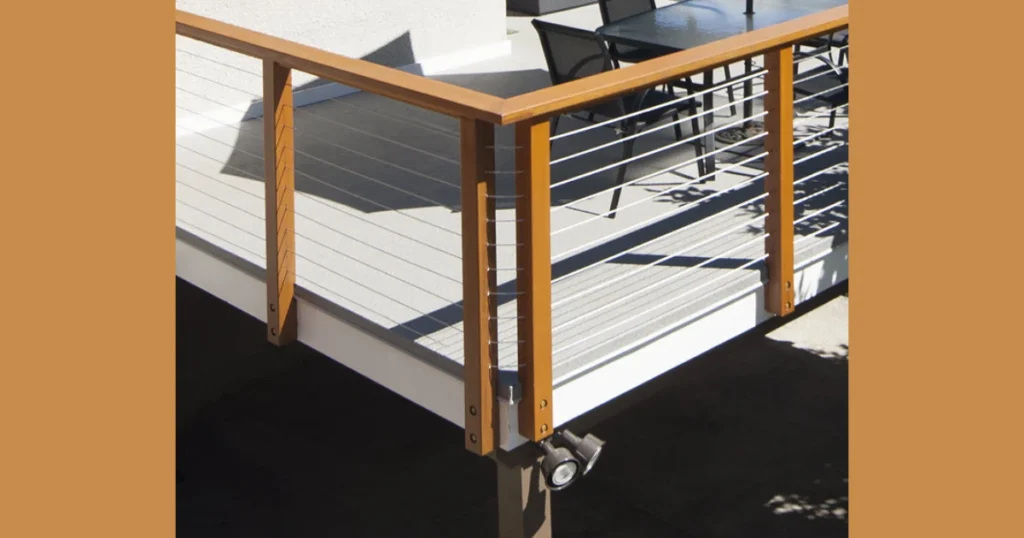
Wire cable railing provides a clean and modern appearance while keeping the cost relatively low. I often recommend this design when homeowners want clear views from decks or balconies.
The structure includes wooden or metal posts with stainless steel cable running horizontally between them. Cable tensioners help keep the wires tight and secure.
Cable railing suits modern decks, terraces, and stair railings. The thin wires create a minimal visual barrier while still maintaining safety.
6. Simple Vertical Wood Baluster Railing
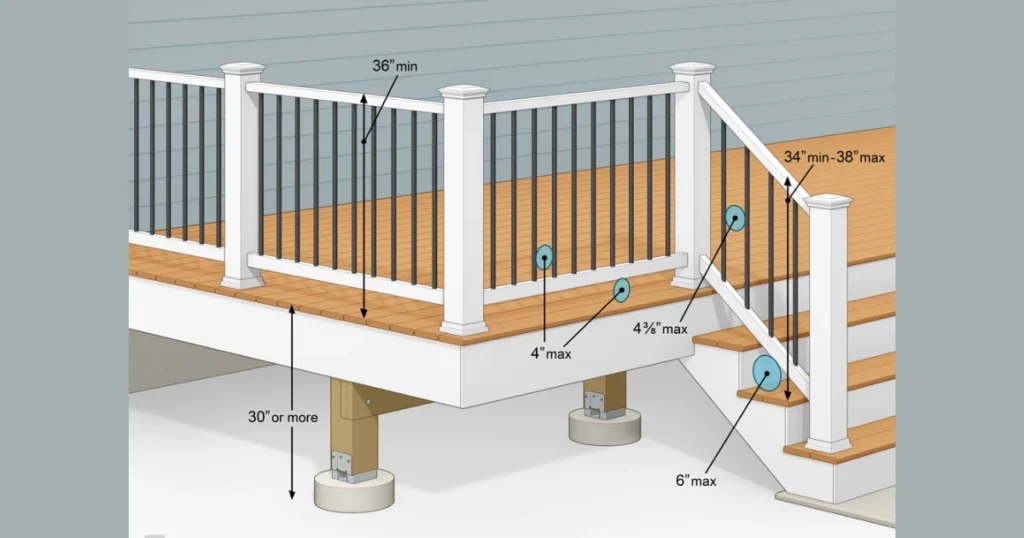
Vertical wood baluster railing is a classic railing style that works for almost every home design. I like this option because the materials are easy to find and the installation process is simple.
The design includes vertical wooden balusters attached between top and bottom rails. This method creates a secure railing system commonly used for porches and staircases.
Wood baluster railings can also be painted or stained to match the house exterior. This makes them one of the most flexible DIY railing options.
7. Hog Wire Panel Railing
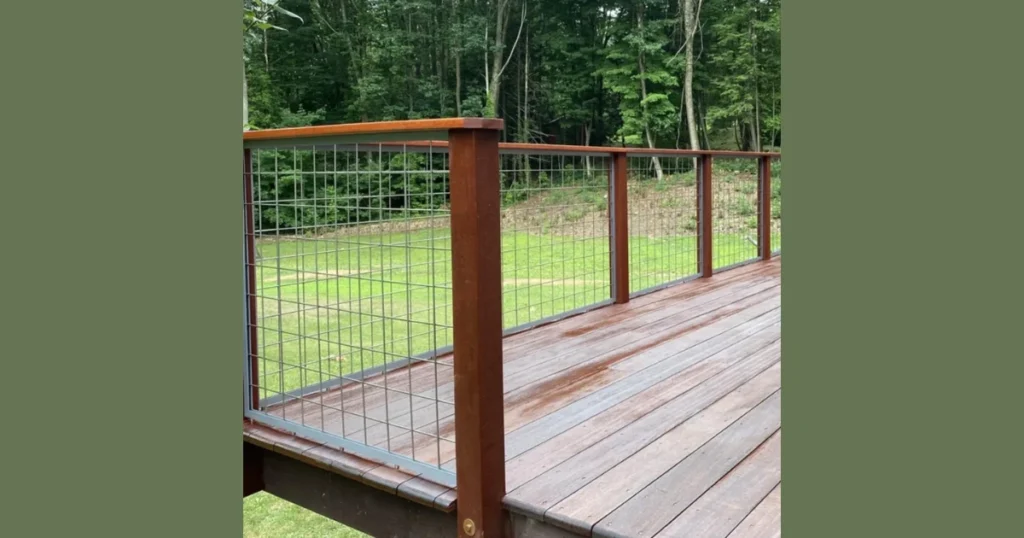
Hog wire railing combines wooden frames with metal wire panels. I often recommend this idea for homeowners who want a modern railing design without spending a lot of money.
The metal grid panels attach inside wooden frames between railing posts. The panels provide safety while still allowing airflow and visibility.
Hog wire railing works well for decks, patios, and garden areas. It also creates a slightly industrial look that many homeowners like.
Comparison of Budget DIY Railing Materials
| Railing Type | Average Cost | Difficulty | Best Location |
|---|---|---|---|
| Horizontal Wood Railing | Low | Easy | Decks, patios |
| Rope Railing | Very Low | Easy | Gardens, decks |
| Pipe Railing | Medium | Moderate | Stairs, lofts |
| Pallet Wood Railing | Very Low | Easy | Backyard decks |
| Cable Railing | Medium | Moderate | Balconies, decks |
| Wood Baluster Railing | Low | Easy | Porches, stairs |
| Hog Wire Railing | Low | Moderate | Patios, decks |
8. PVC Pipe Railing
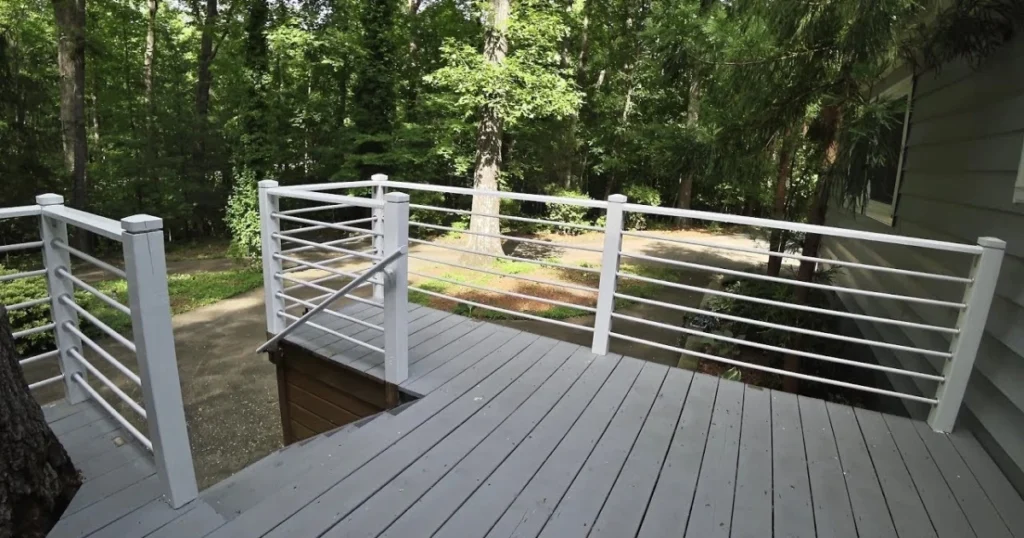
PVC pipe railing offers a very affordable railing option that many homeowners overlook. I like using PVC pipes because they are lightweight, easy to cut, and available in most hardware stores.
To build this railing, install wooden or metal posts first. After that, connect PVC pipes horizontally between the posts using simple pipe connectors.
PVC railing works well for small decks, porch steps, and garden walkways. A coat of outdoor paint can improve the appearance and help the railing blend with the house design.
9. Branch Wood Rustic Railing
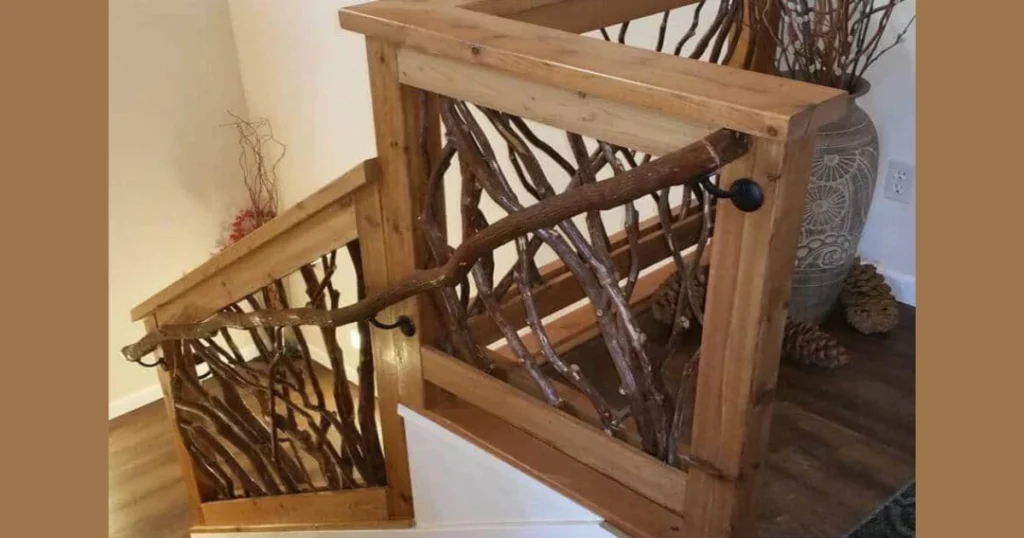
Branch wood railing creates a natural rustic railing design using tree branches. I personally like this idea for cabins, countryside homes, or backyard decks because it gives a handmade appearance.
Choose strong branches and trim them to equal lengths. Attach them vertically or diagonally between wooden posts using screws or metal brackets.
Branch railing costs almost nothing if you collect branches locally. It also creates a unique railing style that stands out from standard railing designs.
10. Recycled Metal Panel Railing
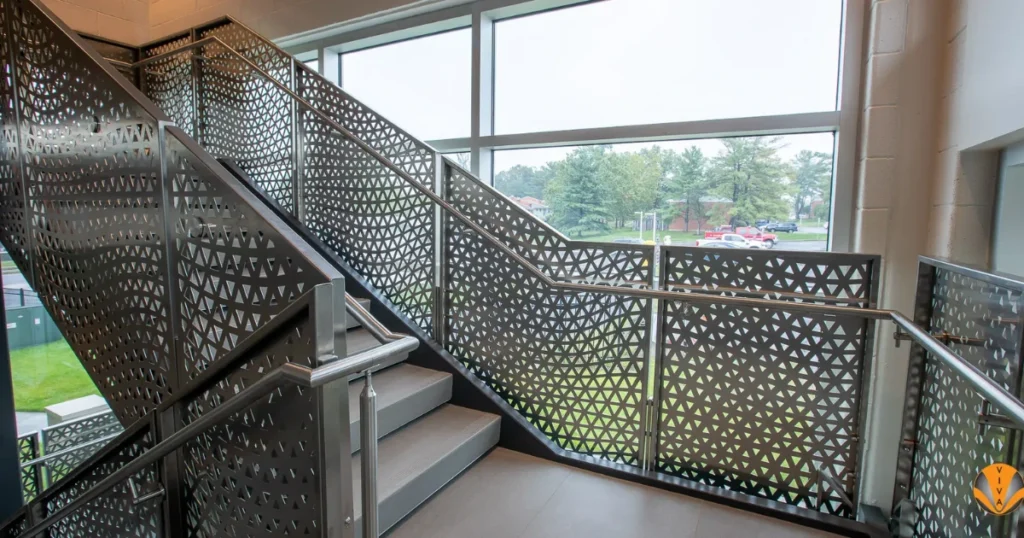
Recycled metal panel railing is a practical budget railing solution using old metal sheets or decorative metal panels. I often recommend checking salvage yards or old construction materials for affordable panels.
Attach the metal panel between wooden or metal railing posts. Secure the panel using screws or metal brackets to keep the structure stable.
Metal panel railing works well for balconies, patio railings, and garden decks. The solid panel also adds privacy while maintaining safety.
11. Simple Chain Railing
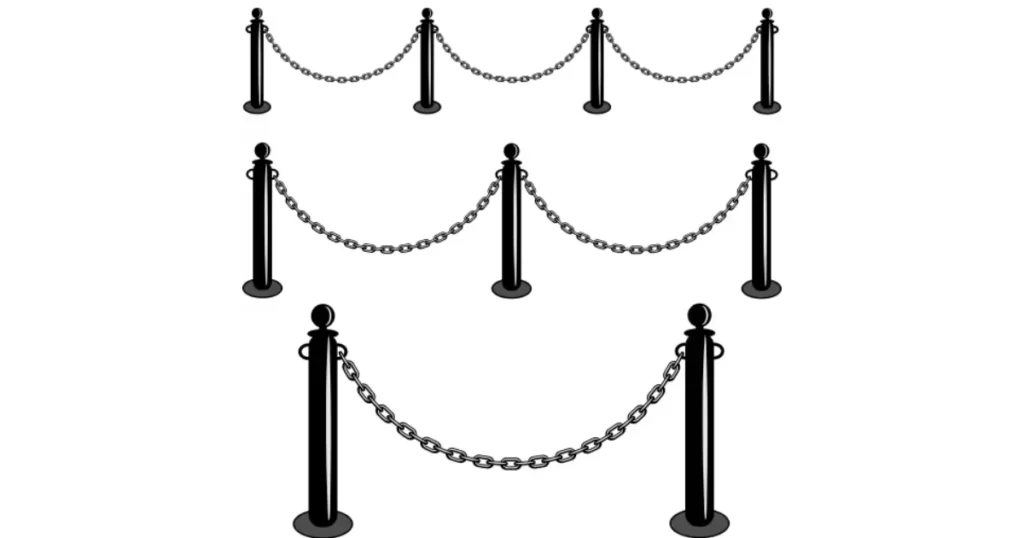
Chain railing provides a simple boundary railing using metal chains connected between posts. I sometimes suggest this idea for outdoor areas where a full railing system is not necessary.
Install wooden or metal posts first. Then attach metal hooks or eye bolts on each post and connect heavy duty chains between them.
Chain railing works well for patios, garden paths, and decorative outdoor areas. It creates a visible barrier while keeping the design minimal and affordable.
Practical Tips for Building Budget DIY Railings
Building a DIY railing project becomes easier when you follow a few basic planning steps. I always recommend measuring the space and checking the railing height before buying materials.
A good railing should balance safety, durability, and appearance. Even simple railing ideas should feel stable after installation.
Helpful DIY Railing Tips
- Measure the railing height carefully before starting construction
- Use weather resistant materials for outdoor railings
- Install strong posts first because they support the entire railing
- Check local safety guidelines for deck or stair railings
- Sand wood surfaces to prevent rough edges
Affordable Materials for DIY Railing Projects
Choosing the right materials keeps your railing project within budget. I usually select materials that are affordable but still strong enough for daily use.
| Material | Cost Level | Best Use | Benefits |
|---|---|---|---|
| Wood boards | Low | Deck railing | Easy to cut and install |
| Rope | Very low | Garden railing | Decorative and flexible |
| PVC pipes | Low | Porch railing | Lightweight and easy to paint |
| Metal pipes | Medium | Stair railing | Very strong and durable |
| Wire cables | Medium | Balcony railing | Clean modern look |
| Pallet wood | Very low | Backyard railing | Recycled and affordable |
Common Mistakes to Avoid in DIY Railing Projects
Many DIY railing projects fail because homeowners rush the installation process. I always recommend planning the design first before starting construction.
Weak posts and poor measurements often cause railing instability. Taking time to install strong support posts prevents future problems.
Mistakes I Often See
- Installing railings without proper support posts
- Using weak screws instead of exterior construction screws
- Leaving large gaps between railing sections
- Ignoring weather protection for wood railings
Avoiding these mistakes makes your DIY railing stronger and longer lasting.
Simple Planning Guide Before Starting a DIY Railing Project
Planning a railing project first saves both money and time. I always measure the area carefully before buying materials because small measurement mistakes can cause big installation problems.
The next step is choosing a railing design that fits the space. A deck railing, porch railing, or stair railing may require different materials and support structures.
I also check the strength of the posts before installing any railing sections. Strong posts hold the entire railing system together and keep it safe for everyday use.
Quick Planning Checklist for DIY Railings
| Step | What to Check | Why It Matters |
|---|---|---|
| Measure the area | Check railing length and height | Prevents material waste |
| Choose materials | Wood, pipe, cable, rope | Keeps project within budget |
| Install strong posts | Secure into floor or deck | Supports the whole railing |
| Check spacing | Keep gaps consistent | Improves safety |
| Protect materials | Paint, stain, sealant | Increases durability |
How I Keep DIY Railing Projects Budget Friendly
Budget DIY railing projects work best when you focus on simple materials and smart planning. I usually try to reuse materials or buy supplies from local hardware stores where prices are lower.
Another helpful trick is using recycled materials like pallet wood or leftover metal panels. These materials reduce project cost without affecting the strength of the railing.
I also recommend starting with a small railing section first. This helps test the design before building the entire railing.
Budget Saving Ideas for DIY Railings
- Buy materials during seasonal hardware store sales
- Use recycled wood, pallets, or salvaged metal panels
- Keep railing designs simple to reduce tool costs
- Choose locally available materials to avoid shipping expenses
Safety Tips I Always Follow When Building Railings
Safety should always guide every DIY railing project. A railing must protect people from falling, especially on decks, balconies, and staircases.
I make sure the railing height remains consistent across the entire structure. Most deck railings work best when they stay around waist height.
The spacing between balusters or cables should also stay narrow enough to prevent accidents. Strong fasteners and solid posts help the railing remain stable for years.
Basic Safety Rules for DIY Railings
- Use sturdy posts as the main support
- Keep railing height consistent across the structure
- Avoid wide gaps between balusters or cables
- Use rust resistant screws or bolts
- Check railing stability after installation
Conclusion
Budget DIY railing ideas allow homeowners to improve safety and style without spending large amounts of money. With simple materials like wood boards, rope, pipes, wire cables, or pallets, anyone can build a strong railing system at home.
In this guide, I shared practical railing ideas that work for decks, balconies, patios, and staircases. Each idea focuses on affordability, easy installation, and realistic DIY methods.
When I plan a railing project, I focus on three things: strong posts, affordable materials, and careful measurements. If you follow the ideas and tips above, building a safe and attractive DIY railing becomes a manageable weekend project.
FAQs
Wood boards and recycled pallet wood are usually the cheapest materials for DIY railings. Many homeowners also use rope or simple metal wire to reduce project costs.
Yes, many deck railing designs are suitable for DIY installation. Simple railing styles like horizontal wood railings or rope railings require basic tools and clear measurements.
Most deck railings are about 36 inches high. This height provides proper safety while keeping the design comfortable for leaning or resting arms.
Cable railings can be safe if the cables are properly tightened and supported by strong posts. Stainless steel cables work best for outdoor railing systems.
Most DIY railing projects require simple tools such as a drill, saw, measuring tape, screws, and a level. These tools help ensure accurate installation.
Weather protection helps extend the life of railings. Applying wood stain, paint, or protective sealant prevents moisture damage and improves durability.