
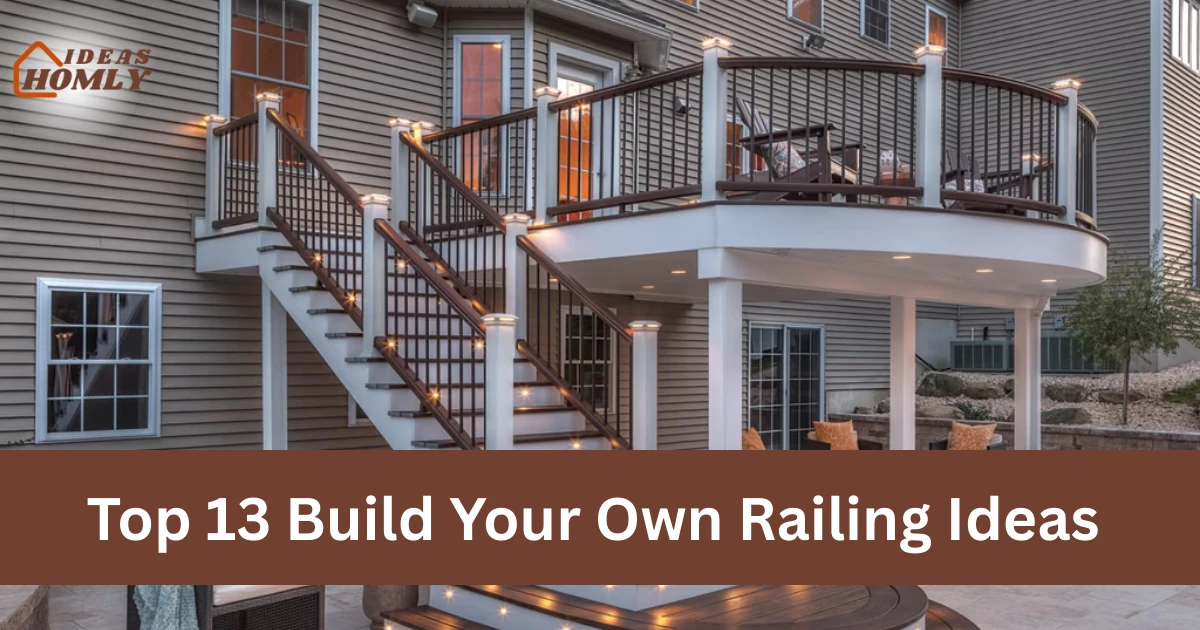

Build your own railing ideas help homeowners create safe and stylish railings without hiring a professional. Many people search for DIY railing ideas because they want affordable solutions for decks, stairs, balconies, or patios while adding a personal touch to their homes.
I personally like DIY railing projects because they give complete control over design and budget. With the right materials and a clear plan, anyone can build strong and attractive railings that improve both safety and appearance.
This guide shares 13 practical build your own railing ideas that real homeowners use. Each idea explains materials, benefits, and where the railing works best so you can choose the right project.
Things to Know Before You Build Your Own Railing
Planning the railing structure before starting the project saves time and avoids mistakes. Many DIY projects fail because people skip measurements or choose materials that do not match the space.
I usually start by checking three simple things: location, safety requirements, and materials. Deck railings, stair railings, and balcony railings may require different heights or spacing depending on local building rules.
1. Classic Wooden DIY Deck Railing
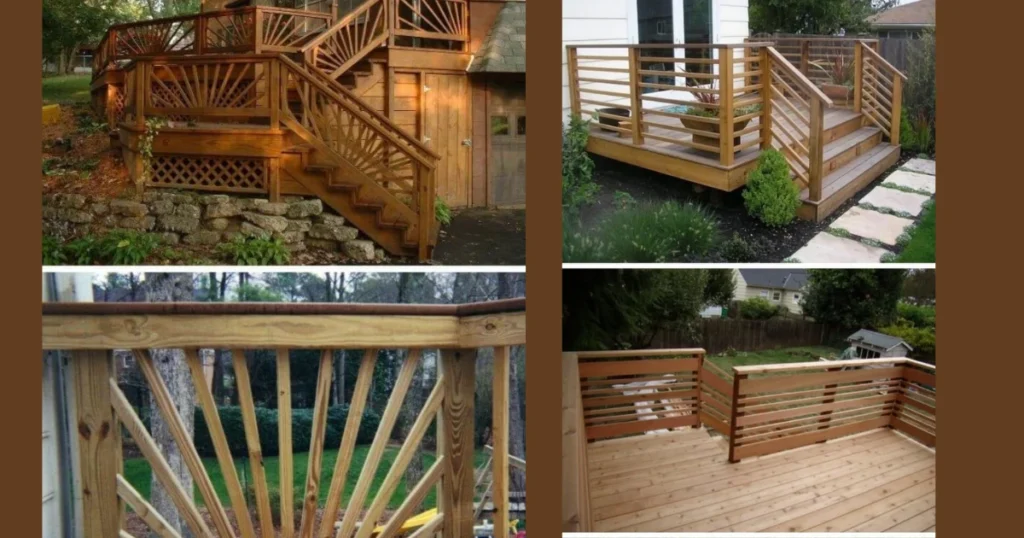
A classic wooden railing is one of the easiest build your own railing ideas for beginners. Wood is easy to cut, shape, and install with basic tools.
Most homeowners use pressure treated lumber for durability. Vertical balusters placed between wooden posts create a strong structure that meets safety requirements.
I often recommend this option for decks or porches because the design can be painted or stained easily. This allows homeowners to match the railing with the house exterior.
2. Industrial Pipe Railing
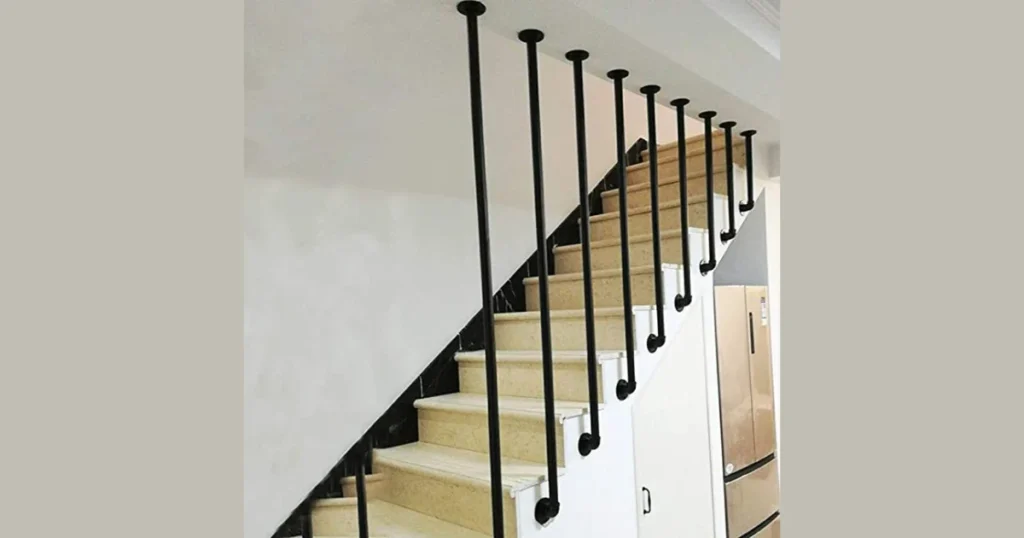
Industrial pipe railing is a strong and affordable option for modern homes. Metal plumbing pipes create a simple but durable railing system.
Many DIY builders use black iron pipes and fittings because they screw together easily. The pipes connect to wall brackets or floor flanges to form a secure handrail.
I like this railing style for indoor stairs or loft spaces. It gives a slightly rugged look while remaining very strong and low maintenance.
3. Cable Deck Railing
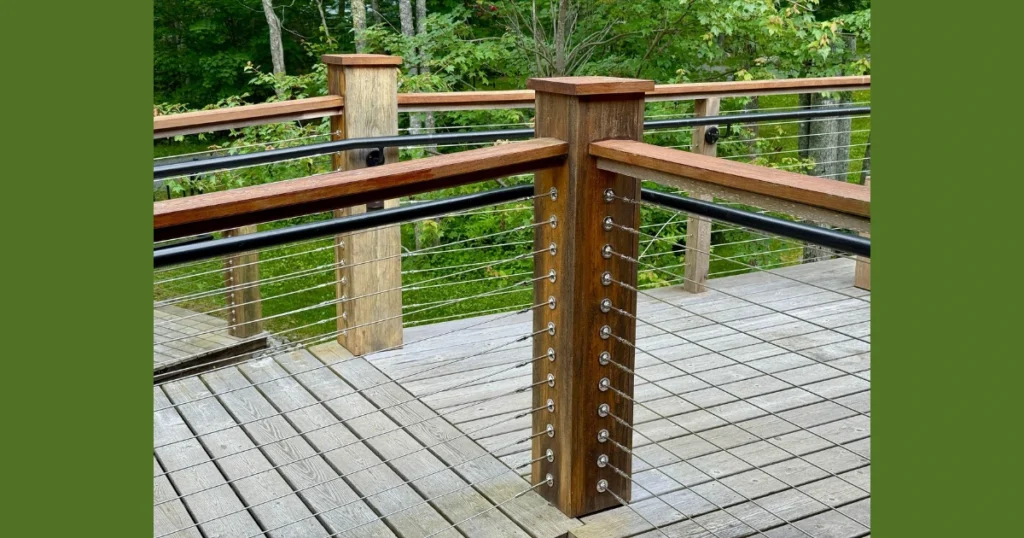
Cable railing is one of the most popular modern DIY railing ideas for decks and balconies. Thin stainless steel cables run horizontally between posts to create a clean appearance.
The biggest advantage of cable railing is the clear view it provides. Many people install it around decks facing gardens, mountains, or lakes.
Installing cable railings requires tension hardware, but the process is manageable with a basic cable kit. Once installed, the railing looks minimal while staying strong.
4. Pallet Wood Railing
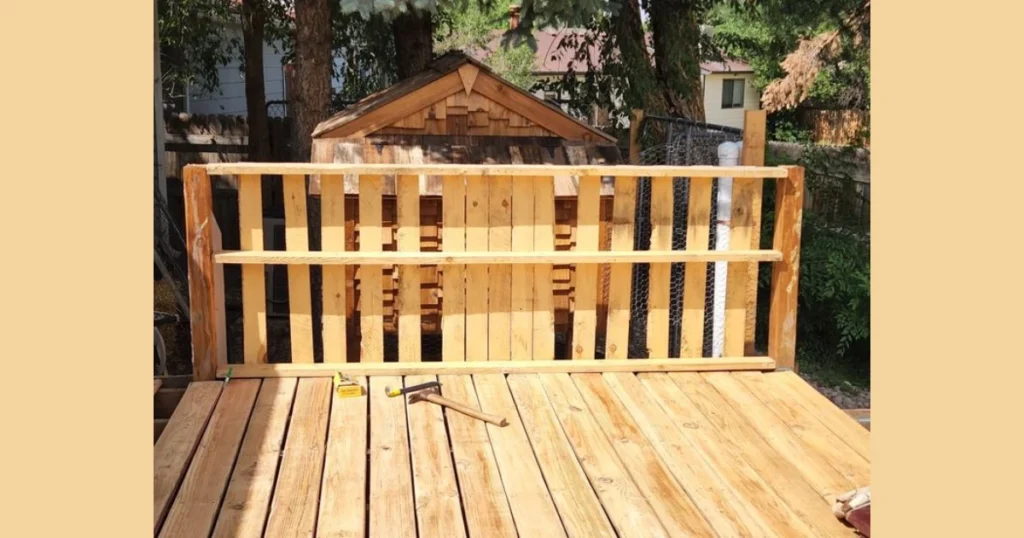
Pallet railing is a budget friendly build your own railing idea using recycled materials. Wooden pallets provide ready-made boards that can form rustic railing panels.
Many homeowners disassemble pallets and reuse the planks to create vertical or horizontal balusters. The rough texture adds character to outdoor spaces.
I find pallet railings work well for backyard decks, patios, or garden platforms. A good sanding and protective stain helps the wood last longer outdoors.
5. Rope Railing for Deck or Garden
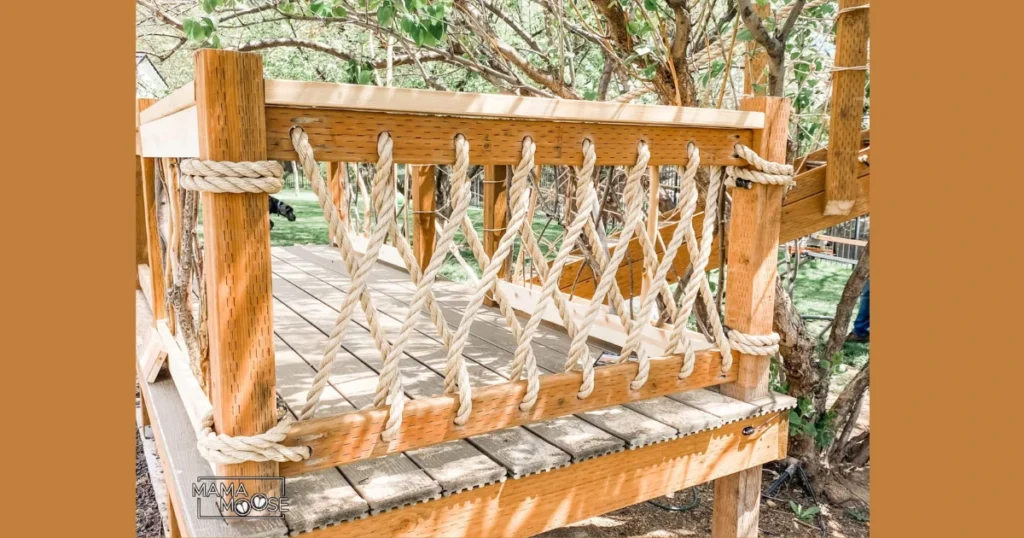
Rope railing creates a relaxed coastal look for outdoor spaces. Thick marine rope runs between wooden posts to form a flexible railing barrier.
This design is popular around garden paths, beach houses, and patios. The rope adds a decorative touch while still marking the boundary of the space.
I personally enjoy this style because installation is simple. You only need wooden posts, rope, and strong eye hooks to secure the lines.
6. Horizontal Wooden Slat Railing
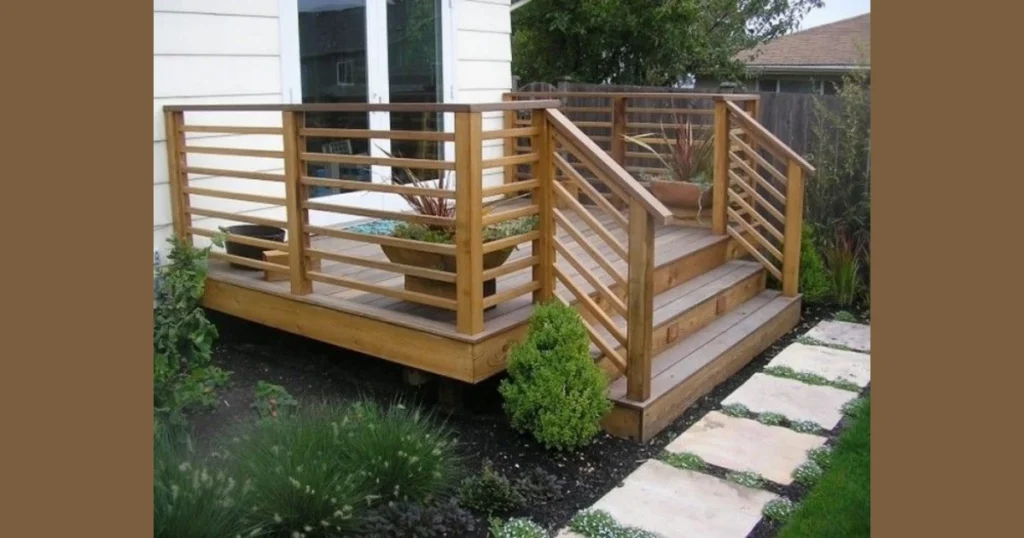
Horizontal wooden slat railing gives a modern appearance while staying simple to build. Wooden boards run horizontally between vertical posts to form clean lines.
This style works well for modern houses, patios, and balcony railings. The wide boards also provide a bit more privacy compared to traditional vertical balusters.
I often suggest spacing the boards evenly so the design looks balanced. Staining the wood in darker shades can make the railing look even more stylish.
7. DIY Metal Rod Railing
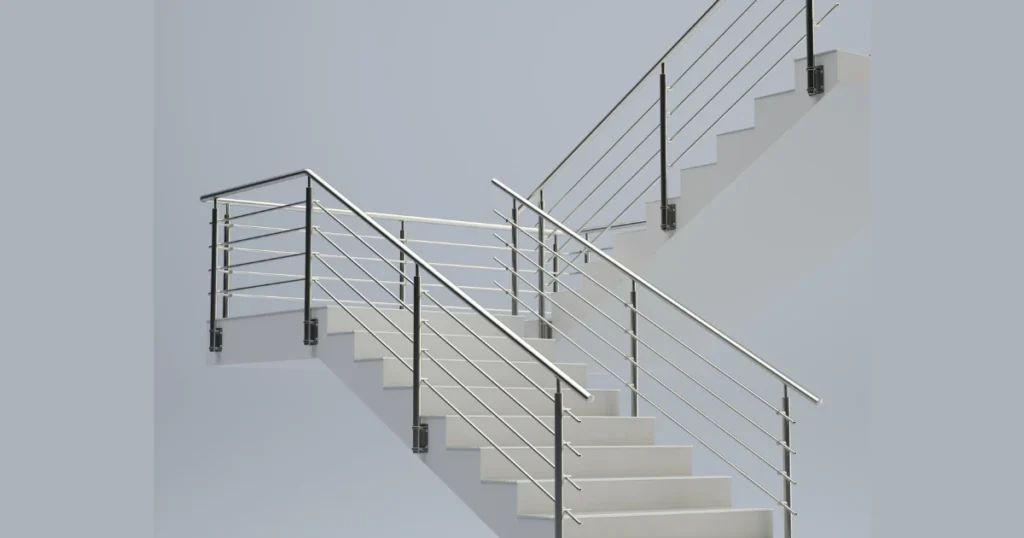
A metal rod railing creates a strong and clean look while remaining practical for DIY builders. Steel rods run horizontally or vertically between wooden or metal posts to form a durable barrier.
Most homeowners choose thin steel rods or stainless steel rods because they resist bending and weather damage. The rods pass through drilled holes in the posts and secure with nuts or brackets.
I like this railing style for modern staircases and outdoor decks. It offers strength and a minimal design without blocking light or open views.
8. Wire Mesh Panel Railing
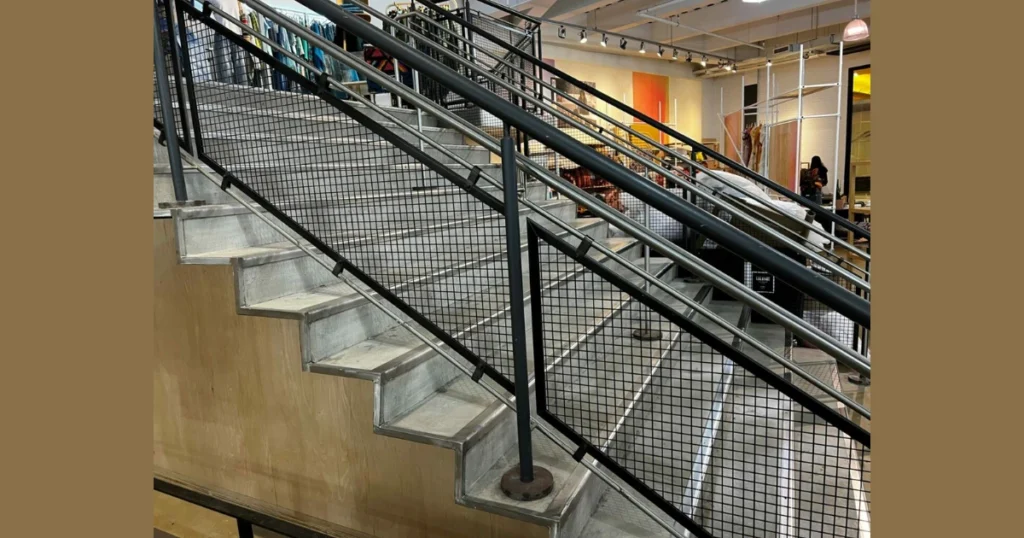
Wire mesh railing is a practical DIY railing option that adds safety and texture to a space. Metal mesh panels attach between wooden frames or metal posts.
The small grid openings help prevent children or pets from slipping through the railing. This makes it a reliable choice for family homes.
I have seen this railing used often on balconies, patios, and loft railings. It combines industrial style with strong protection.
9. Glass Panel Railing
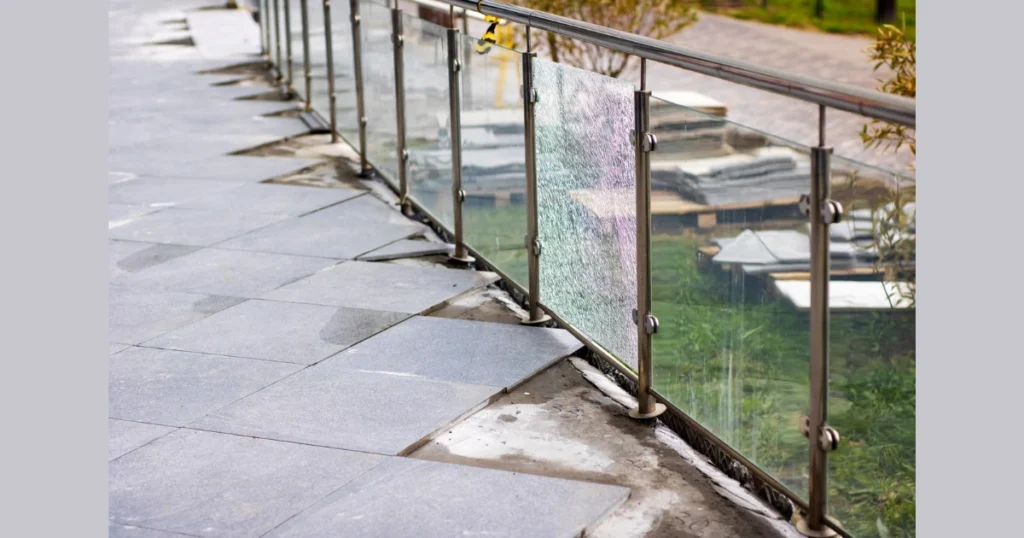
Glass panel railing creates a clean and open appearance while maintaining safety. Tempered glass panels sit between posts and secure with clamps or brackets.
Many homeowners choose this railing when they want an unobstructed outdoor view. It works especially well on decks overlooking gardens or scenic areas.
I recommend using tempered safety glass panels for durability. The installation requires careful measurement but the final result looks very polished.
10. Branch and Log Rustic Railing
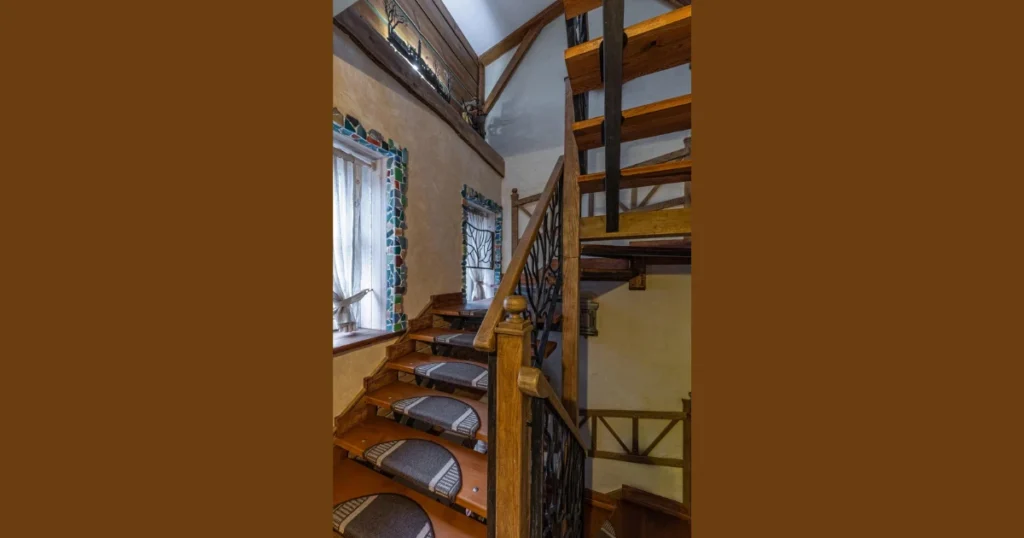
Branch railings bring a natural look that works well for cabins or woodland homes. Real branches and logs form unique patterns between strong wooden posts.
Each railing looks slightly different because natural wood shapes vary. This makes the railing feel more organic and handmade.
I often see this railing around mountain cabins, garden decks, and countryside homes. A protective wood finish helps the branches last longer outdoors.
11. PVC Pipe Budget Railing
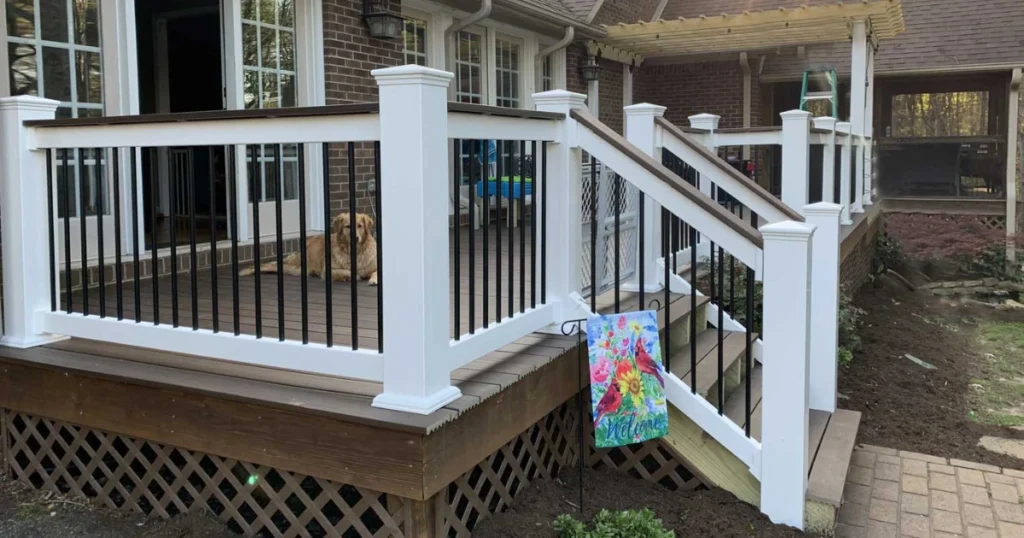
PVC pipe railing is one of the most affordable build your own railing ideas for simple projects. PVC pipes connect using fittings to form lightweight rail structures.
The material resists moisture and does not rust. This makes it useful for outdoor areas where rain or humidity is common.
I often suggest this railing for temporary decks, garden platforms, or small patios. Painting the PVC can also improve its appearance.
12. Farmhouse X Style Wood Railing
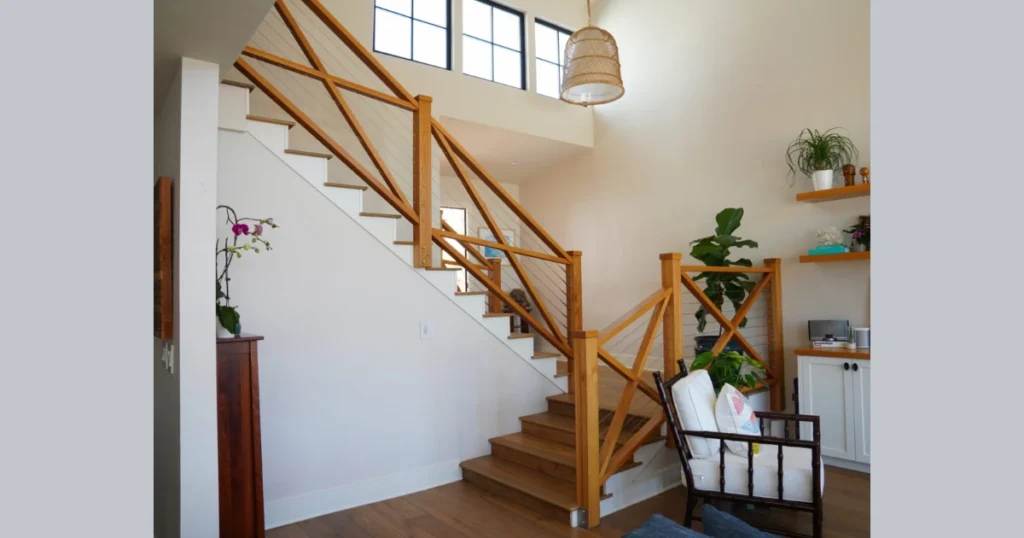
Farmhouse X railings create a decorative pattern that many homeowners enjoy. Wooden boards form an “X” shape between posts to add character to the railing.
This design works very well with farmhouse, rustic, and cottage style homes. It adds visual detail while still acting as a sturdy railing.
I often recommend thicker boards so the pattern looks bold and strong. Stained wood also highlights the shape nicely.
13. Lattice Panel Deck Railing
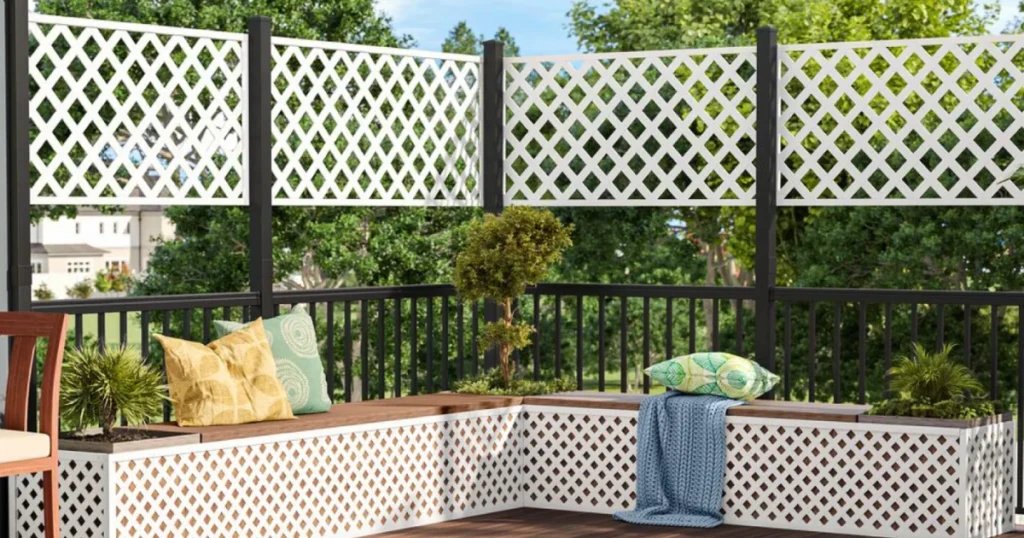
Lattice railing adds decorative detail while still keeping the structure lightweight. Wooden lattice panels install between posts to form a patterned barrier.
The small diamond openings provide both airflow and partial privacy. Many homeowners also use lattice panels for climbing plants.
I like this railing for garden decks, patios, and backyard porches. It creates a relaxed outdoor style that feels welcoming.
Practical Guide Before Building Your Own Railing
Planning the structure carefully improves both safety and durability. Many DIY builders rush the project and later realize the railing height or spacing is incorrect.
I usually follow a simple preparation checklist before starting any railing project.
Basic DIY Railing Planning Checklist
- Measure the deck or stair area carefully
- Confirm railing height requirements
- Choose weather resistant materials for outdoor railings
- Use strong screws and brackets
- Maintain even spacing between balusters
Recommended Tools for DIY Railing Projects
| Tool | Purpose |
|---|---|
| Measuring tape | Accurate railing layout |
| Drill machine | Install screws and brackets |
| Saw | Cut wood or pipes |
| Level | Keep railing straight |
| Wrench set | Tighten bolts and fittings |
Practical Tips Before You Build Your Own Railing
A well planned DIY railing project saves time, money, and frustration. Many homeowners start building immediately and later realize the measurements or materials were wrong. I always spend some time planning the project before cutting the first board.
A good railing should look attractive but also remain safe and stable for years. Deck railings, stair railings, and balcony railings all require proper height, spacing, and secure anchoring.
If you follow a few practical steps before installation, the project becomes much easier and the final result looks more professional.
Important Safety Tips for DIY Railing Projects
Safety should always guide every DIY railing project. Railings exist to prevent falls and provide support while walking on stairs or elevated decks.
I personally double check every measurement before installing posts or balusters. A small mistake can affect the entire railing structure.
Here are some important safety guidelines to follow:
- Maintain consistent spacing between balusters
- Secure posts firmly to deck framing or concrete
- Use weather resistant screws and brackets
- Ensure railing height follows local building rules
- Check the stability of the railing after installation
Comparison of Popular DIY Railing Materials
Choosing the right material makes a big difference in durability and maintenance. Some railing materials are easy to install but require frequent maintenance. Others last longer but cost slightly more.
I usually recommend selecting materials based on the location of the railing and the desired appearance.
DIY Railing Material Comparison
| Material | Best Location | Maintenance Level | Appearance |
|---|---|---|---|
| Wood | Decks, stairs, porches | Medium | Warm and natural |
| Steel cable | Decks and balconies | Low | Modern |
| Metal pipe | Indoor stairs | Low | Industrial |
| Rope | Garden paths and patios | Medium | Coastal style |
| Glass panels | Balconies and decks | Low | Minimal view blocking |
| Lattice panels | Garden decks | Medium | Decorative |
Cost Overview of DIY Railing Projects
DIY railing projects often cost far less than hiring a contractor. The total cost usually depends on the materials chosen and the size of the railing area.
I have seen simple wood railings built at a fraction of the price of professionally installed systems.
Estimated DIY Railing Costs
| Railing Type | Estimated Cost Per Linear Foot |
|---|---|
| Wood railing | $20 – $40 |
| Cable railing | $50 – $90 |
| Pipe railing | $30 – $60 |
| Glass railing | $80 – $150 |
| Lattice railing | $25 – $50 |
Common Mistakes to Avoid When Building Your Own Railing
Many DIY builders repeat the same mistakes during railing installation. Avoiding these errors can save time and prevent safety issues.
I learned some of these lessons the hard way during my first railing project. A little preparation makes a big difference.
Common DIY Railing Mistakes
- Skipping accurate measurements
- Installing weak or unstable posts
- Using low quality outdoor screws
- Ignoring railing height guidelines
- Uneven spacing between balusters
Conclusion
Build your own railing ideas give homeowners a practical way to improve safety and style without hiring professionals. With the right materials and planning, many railing designs become manageable DIY projects.
Throughout this guide, I shared 13 build your own railing ideas including wood railings, cable railings, pipe railings, lattice panels, and farmhouse designs. Each idea works for different spaces such as decks, stairs, balconies, and patios.
If I had to give one final piece of advice, it would be this: start simple. A basic wood railing or pipe railing often becomes the easiest entry point for DIY builders.
Once you gain experience, you can experiment with more decorative railing styles that add personality to your home.
FAQs
Wood railings are usually the easiest DIY railing option. Wood is simple to cut, drill, and assemble using common tools.
Pallet wood railings and PVC railings are often the most affordable options. Recycled pallet boards or inexpensive PVC pipes help reduce material costs.
Most deck railings should be around 36 to 42 inches high. Local building codes may vary depending on the region.
Cable railings are safe when installed with proper tension and spacing. Stainless steel cables provide strong support and long durability.
Yes, many DIY railing projects require only basic tools. A drill, measuring tape, level, and saw usually handle most installations.
Metal and stainless steel railing systems often last longer than untreated wood. These materials resist weather damage and require less maintenance.