
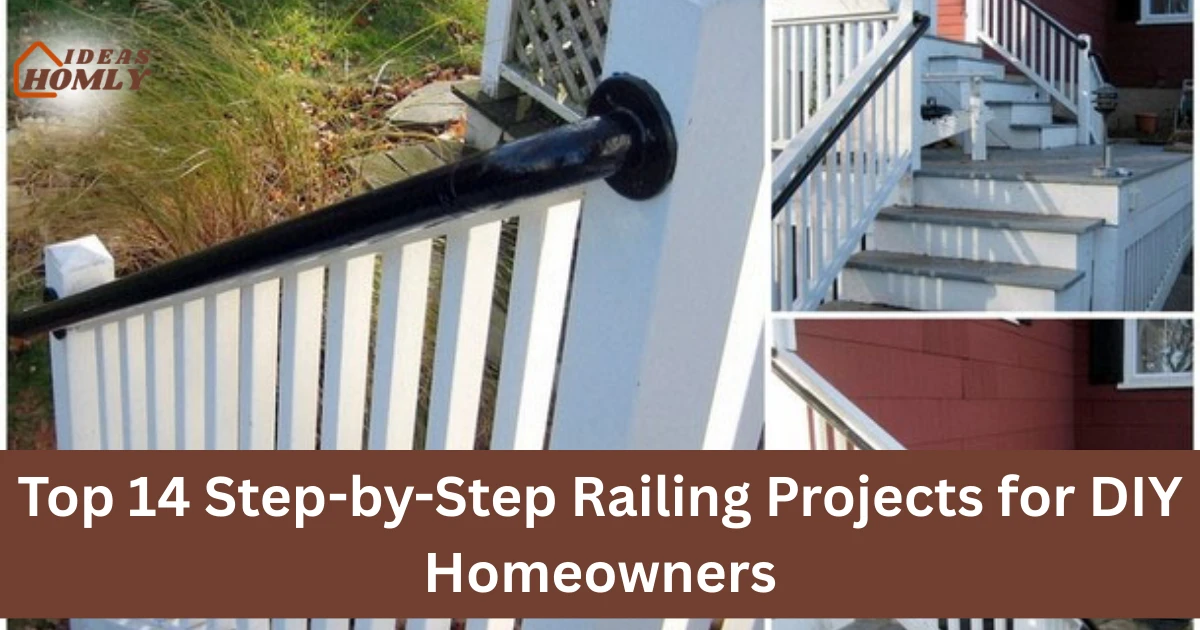

Installing a railing may look complicated at first, but many step-by-step railing projects become simple when you follow a clear process. I have completed several DIY railing projects at home, and most of them only required basic tools and careful measurements.
In this guide on Top 14 step-by-step railing projects, I explain practical railing projects that homeowners can build without professional help. Each project includes simple steps and ideas that work for staircases, decks, balconies, and porches.
If you enjoy DIY work, these railing projects step by step will help you improve safety, appearance, and value of your home. I also share personal tips that helped me avoid common mistakes.
What Makes a Good DIY Railing Project
A good DIY railing project should balance safety, durability, and design. When I plan a railing project, I always check the space, choose strong materials, and follow a step-by-step process.
Most homeowners prefer railing projects that require simple tools and affordable materials. Projects such as wood railings, cable railings, and pipe railings work well because they combine strength with simple installation.
1. Simple Wooden Stair Railing Project
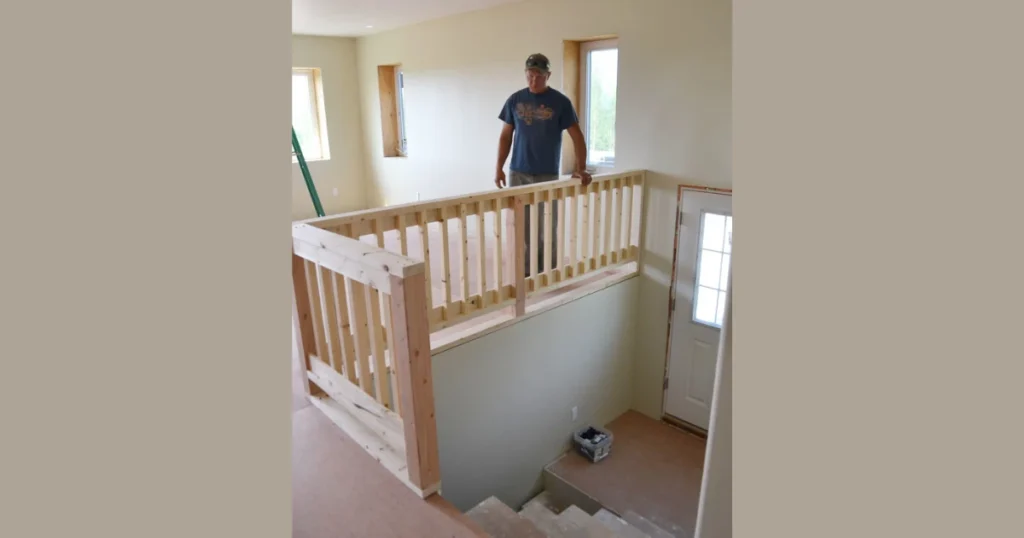
A wooden stair railing project is one of the easiest projects for beginners. I often recommend this project because wood is easy to cut, drill, and install.
Wood stair railings also suit many interior styles, from modern homes to farmhouse interiors.
2. Deck Railing Project for Outdoor Spaces
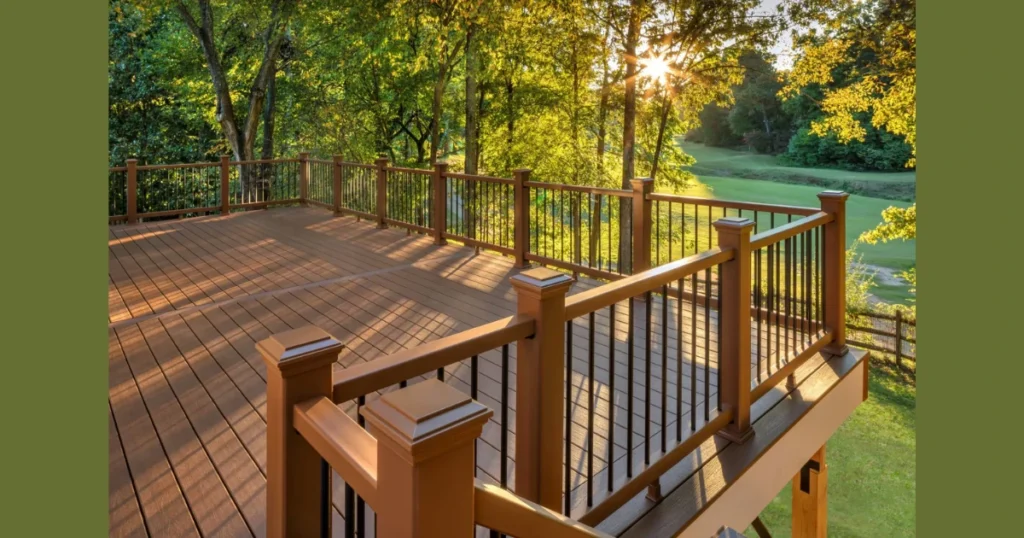
A deck railing project improves both safety and outdoor appearance. I installed a simple deck railing in my backyard, and it completely changed the look of the space.
Outdoor deck railings also protect family members and guests from accidental falls.
3. Modern Cable Railing Project
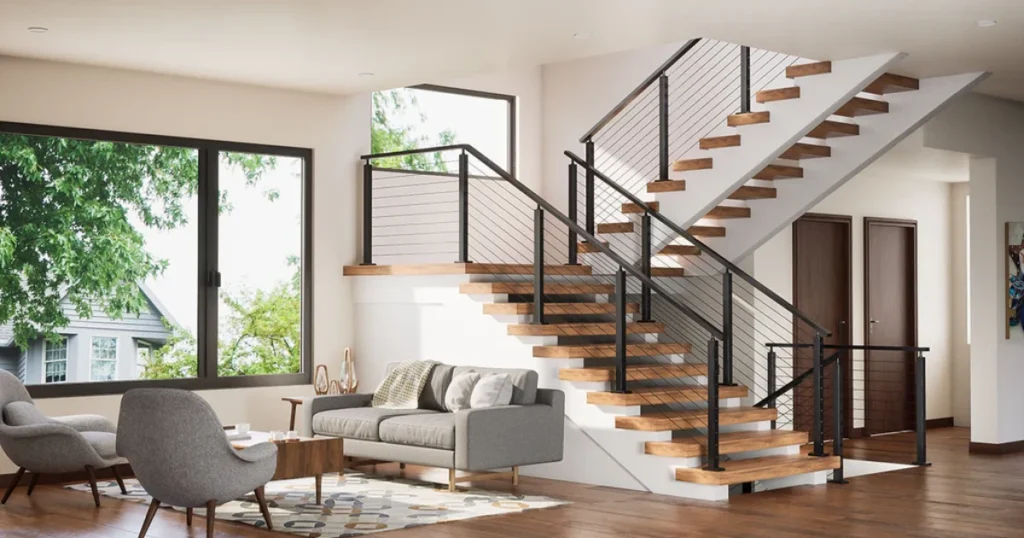
A cable railing project works well for modern homes. I like cable railings because they provide a clean appearance while keeping the view open.
These railings often appear on balconies, decks, and staircases.
4. Metal Pipe Railing Project
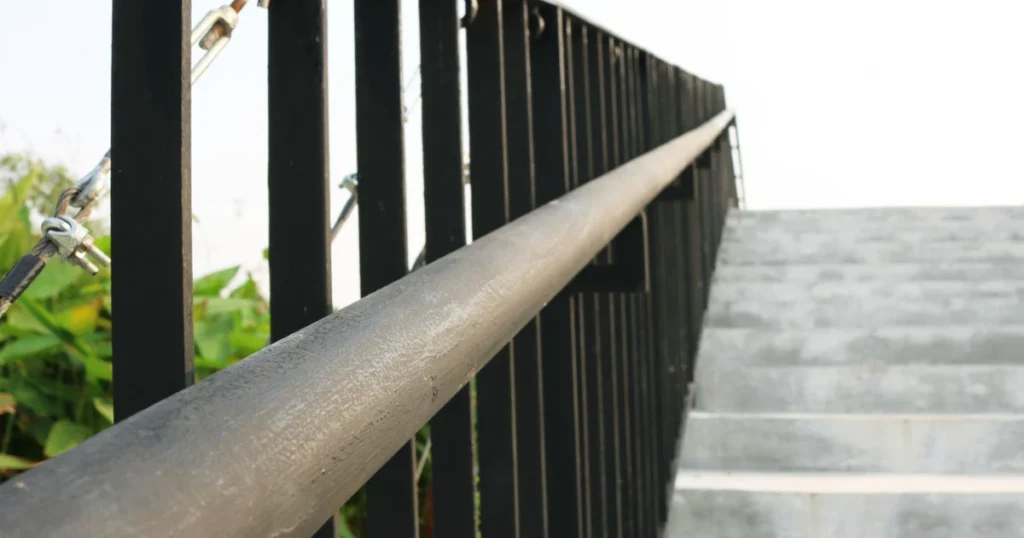
A pipe railing project gives an industrial appearance that many homeowners enjoy. I built one for a basement staircase, and the result looked surprisingly stylish.
Pipe railings also require fewer parts compared to traditional railings.
5. Glass Panel Railing Project
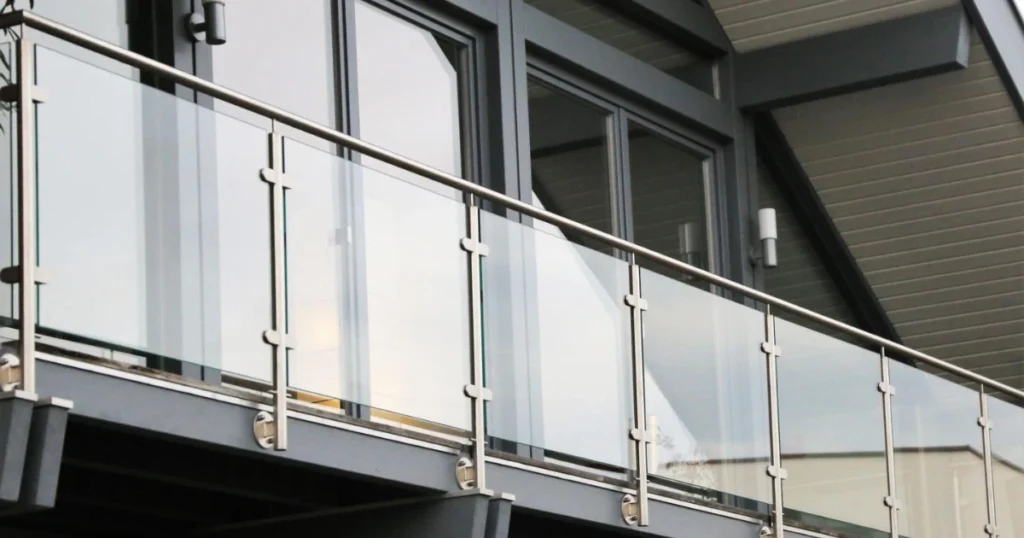
A glass railing project creates a modern and open look. I usually recommend glass railings for balconies and decks where people want to enjoy the outside view.
Glass panels also allow sunlight to pass through, making spaces feel larger.
6. Farmhouse Wooden Railing Project
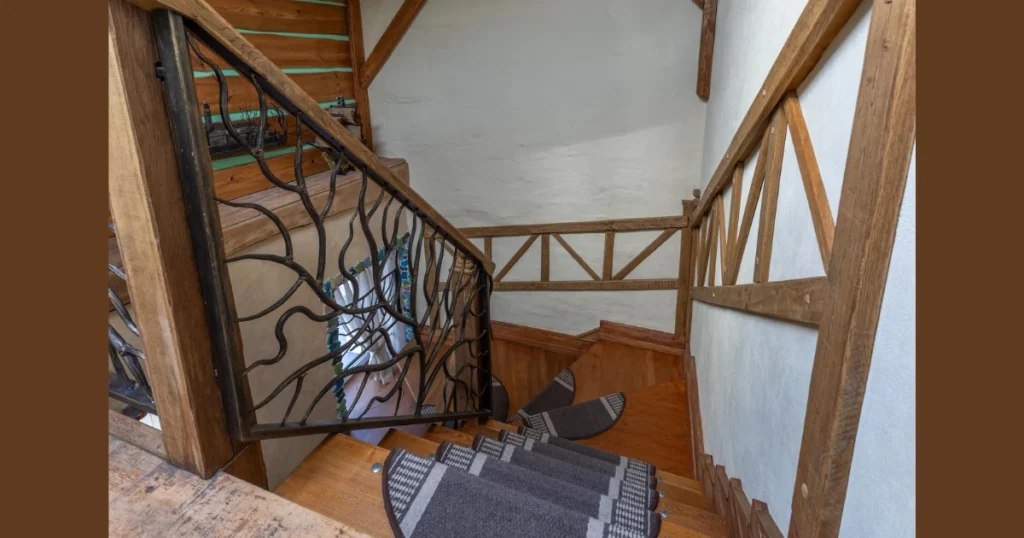
A farmhouse railing project creates a warm and traditional interior style. I often see this railing design in country homes and rustic spaces.
Wooden posts and simple balusters usually form the base of farmhouse railings.
7. Horizontal Wood Railing Project
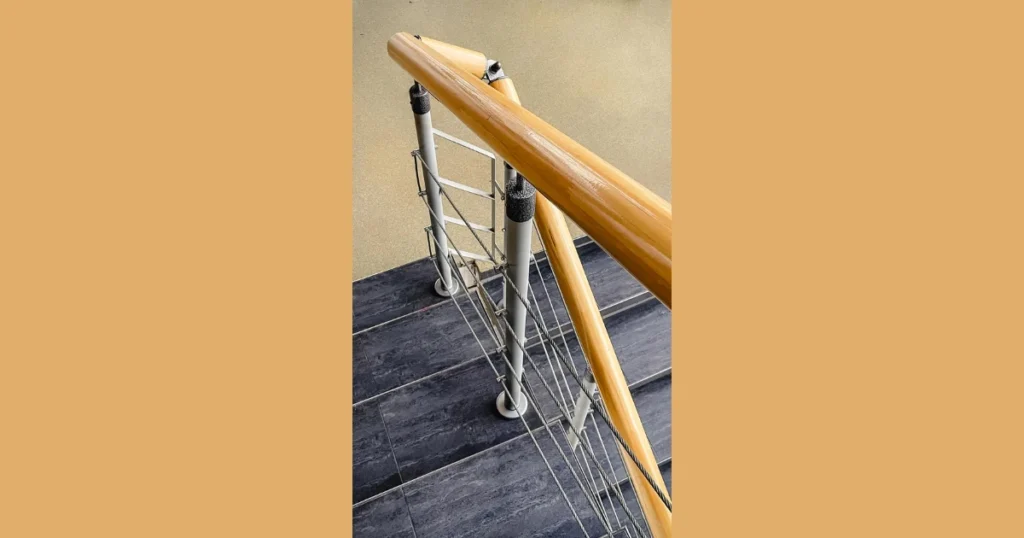
A horizontal wood railing project creates a clean and modern look while remaining easy to install. I often choose this design when I want a railing that looks modern but still uses simple wooden materials.
Horizontal rails also make small staircases look wider because the lines move across the space instead of vertically.
8. Balcony Railing Project
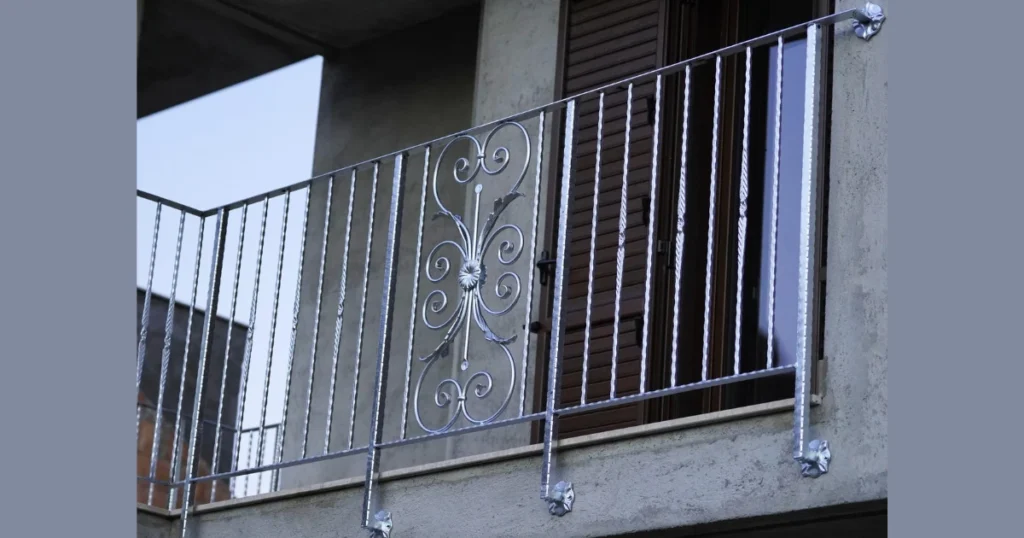
A balcony railing project improves both safety and exterior style. I once installed a simple steel balcony railing and the whole front of the house immediately looked more complete.
Balcony railings also protect children and guests from accidental falls.
9. Steel Stair Railing Project
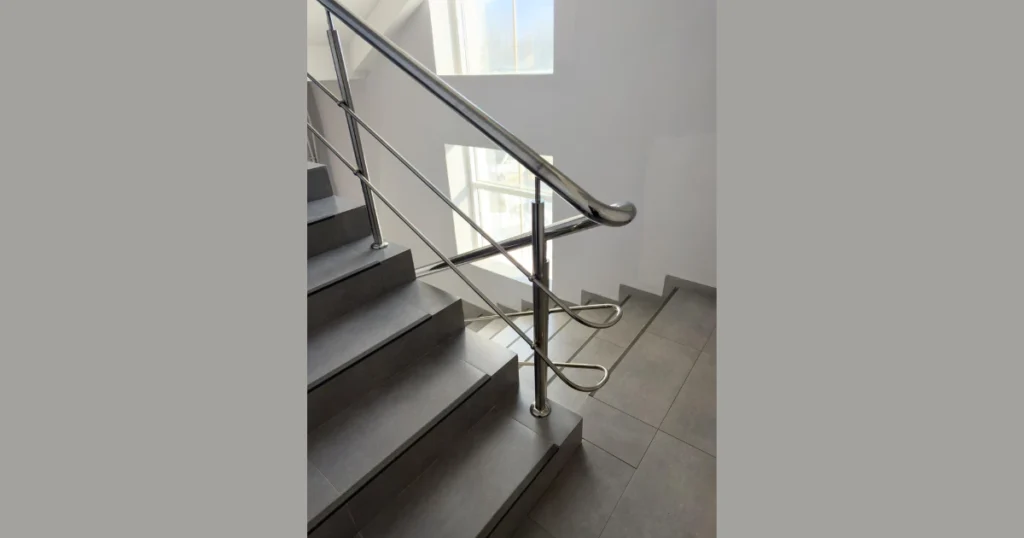
A steel stair railing project provides strong support and a modern appearance. I often recommend steel railings when homeowners want durability with minimal maintenance.
Steel railings also match modern interiors and industrial style homes.
10. Porch Railing Project
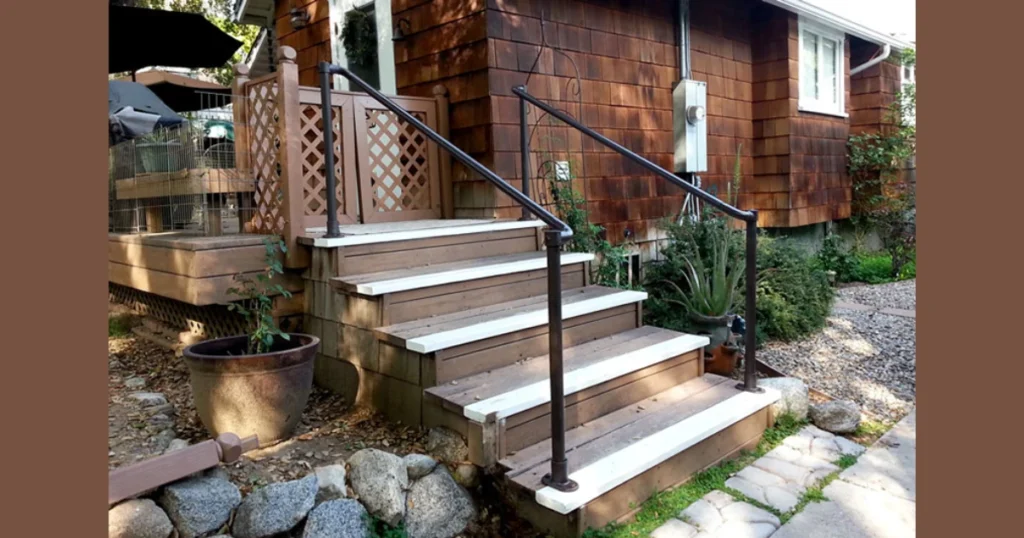
A porch railing project improves the entrance of a house while adding safety. I have noticed that a well designed porch railing makes the entire front area look more welcoming.
Porch railings often combine wooden posts with decorative balusters.
11. Cable Deck Railing Project
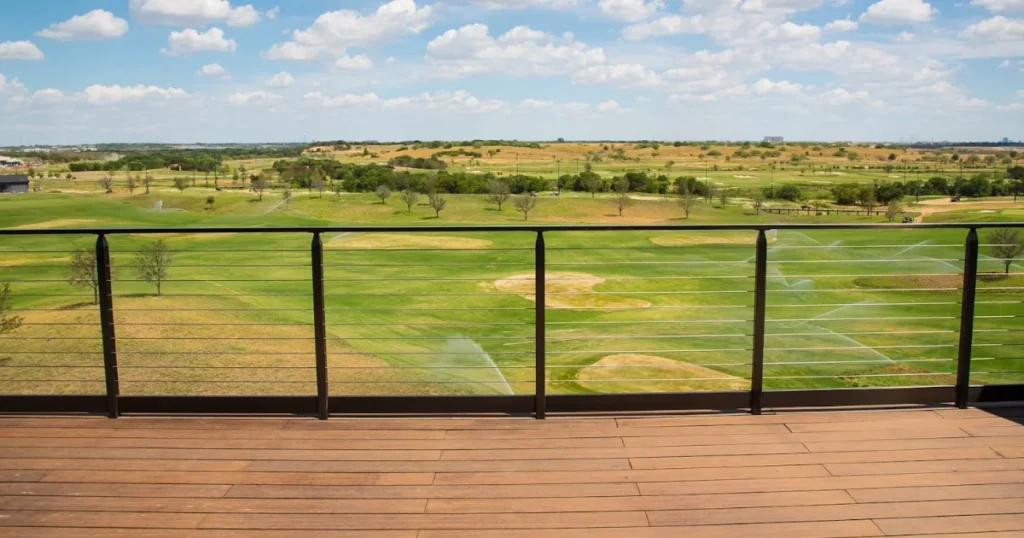
A cable deck railing project works well for homeowners who want an open outdoor view. I once installed cable railing on a deck facing a garden and the view remained completely clear.
Cable railings also require fewer materials compared to traditional railings.
12. Garden Railing Project
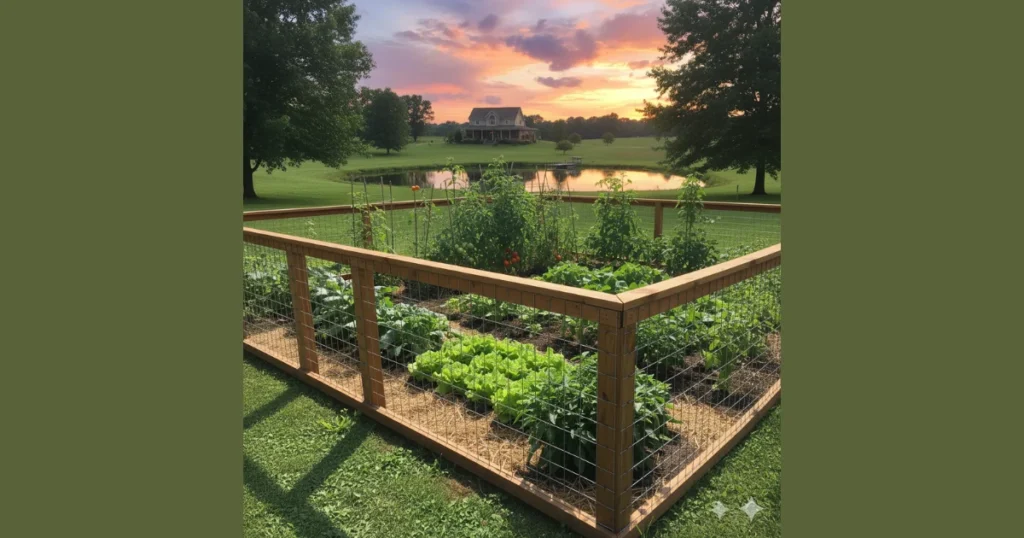
A garden railing project helps define outdoor pathways while adding decoration. I built a small wooden railing around a garden path and it improved both safety and design.
Garden railings also guide visitors through walkways and steps.
Practical Tips Before Starting Any Railing Project
Planning a railing installation project properly saves time and prevents mistakes. I learned from experience that measuring twice and cutting once avoids many problems.
Important Tips for DIY Railing Projects
- Always measure the space carefully before cutting materials.
- Choose materials that match indoor or outdoor conditions.
- Keep railing height between 36 and 42 inches for safety.
- Maintain safe spacing between balusters.
- Use strong screws and anchors.
Recommended Materials for Railing Projects
| Material | Best Use | Advantage |
|---|---|---|
| Wood | Stair and porch railings | Easy to cut and install |
| Steel | Modern staircases | Very strong |
| Cable | Deck railings | Clear view |
| Glass | Balcony railings | Modern appearance |
13. Rope Railing Project for Rustic Spaces
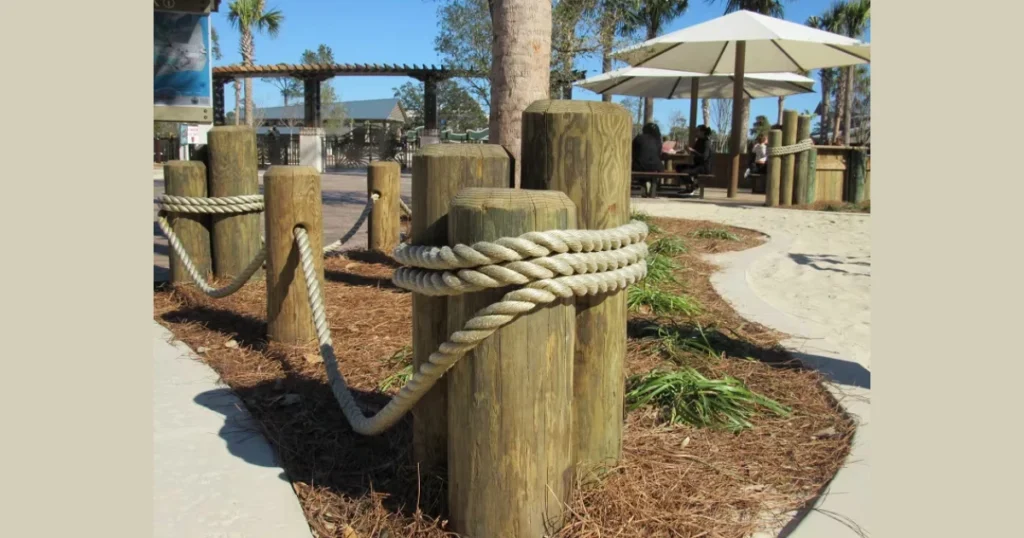
A rope railing project adds a rustic and relaxed look to stairs, decks, or garden paths. I once used thick marine rope on a small deck, and guests kept asking how such a simple idea looked so good.
Rope railings work well in cabins, beach houses, and farmhouse style homes.
14. Simple DIY Handrail Project for Narrow Stairs
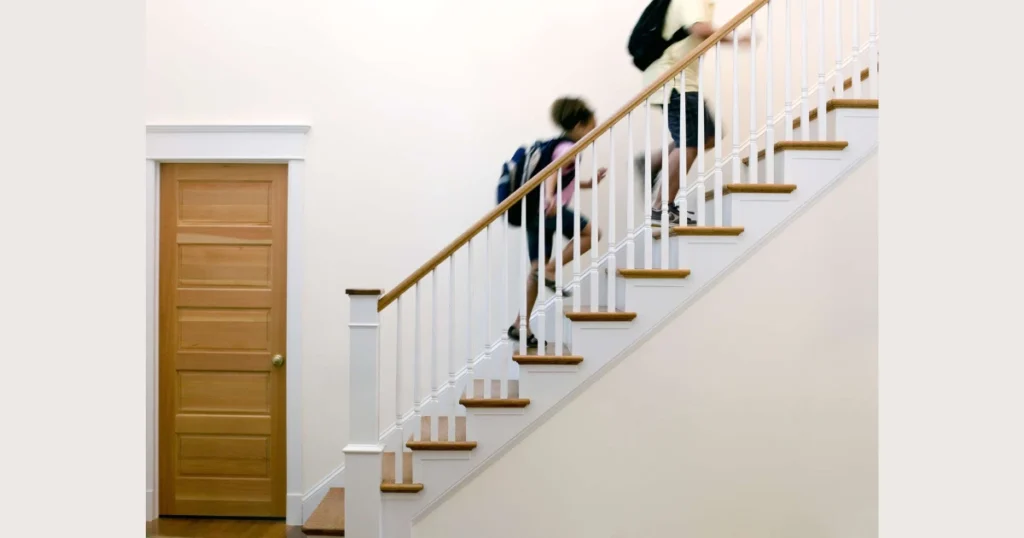
A simple stair handrail project works perfectly for narrow staircases where full railings may not fit. I installed one in a hallway staircase, and it improved safety without taking extra space.
Handrails are also one of the fastest railing projects you can complete.
Simple Planning Guide Before Starting Any Railing Project
Planning makes every step-by-step railing project easier and safer. I always spend a few minutes planning the layout before cutting materials.
Careful planning also helps you estimate materials and avoid wasting money.
Basic Steps I Follow Before Building Railings
- Measure the full area where the railing will be installed.
- Decide the railing height based on safety standards.
- Choose materials that match the interior or exterior design.
- Prepare tools and hardware before starting work.
- Mark all installation points clearly.
Safety Guidelines for DIY Railing Installation
Safety always comes first when building DIY railing projects. A railing must support body weight and prevent falls.
These small precautions make a big difference.
Important Safety Tips
- Always secure posts tightly to the structure.
- Maintain safe spacing between balusters.
- Use rust resistant screws for outdoor railings.
- Check railing stability after installation.
- Avoid weak materials in load bearing areas.
Following these tips keeps the railing strong for many years.
Common Materials Used in Railing Projects
Choosing the correct material improves both durability and appearance. I usually compare a few options before starting a railing project.
| Material | Best For | Advantage |
|---|---|---|
| Wood | Staircases and porches | Easy to cut and shape |
| Steel | Modern homes | High strength |
| Cable | Decks and balconies | Clear open view |
| Glass | Modern interiors | Clean appearance |
| Rope | Rustic outdoor areas | Decorative style |
Conclusion
Step-by-step railing projects help homeowners improve both safety and design without hiring expensive contractors. When I started doing DIY railing work, I realized that most projects only require basic tools and careful measurements.
These Top 14 step-by-step railing projects show that simple materials like wood, steel, cable, and rope can create strong and attractive railings. Each project follows a clear process so beginners can build them with confidence.
If you choose the right material, measure carefully, and follow proper steps, you can complete many railing projects over a weekend. A well installed railing not only protects people but also adds character and value to your home.
FAQs
A wooden stair railing or wall mounted handrail is usually the easiest project. These projects require fewer materials and simple tools.
Most stair railings measure 34 to 38 inches above the stair steps. Deck and balcony railings usually measure 36 to 42 inches.
Pressure treated wood, stainless steel cable, and powder coated steel work well outdoors because they resist weather damage.
Baluster spacing should normally stay around 4 inches to maintain safety, especially in homes with children.
Yes, many DIY railing projects are beginner friendly. With the right tools and step-by-step instructions, homeowners can complete them easily.
Simple railing projects may take 3 to 6 hours, while larger deck railings can take a full weekend.