


Winter crafts for preschool are one of the easiest ways I keep young children engaged when outdoor play becomes limited. In my experience, preschoolers learn best through simple, hands-on activities that feel fun rather than structured.
Winter crafting allows children to explore colors, textures, and shapes while strengthening fine motor skills. I’ve noticed that well-planned crafts also improve focus and confidence at an early age.
The key is choosing activities that are safe, easy to manage, and developmentally appropriate.
When done correctly, winter crafts become more than just art projects, they support creativity, learning, and joyful indoor play during the colder months.
1. Paper Plate Snowman Craft
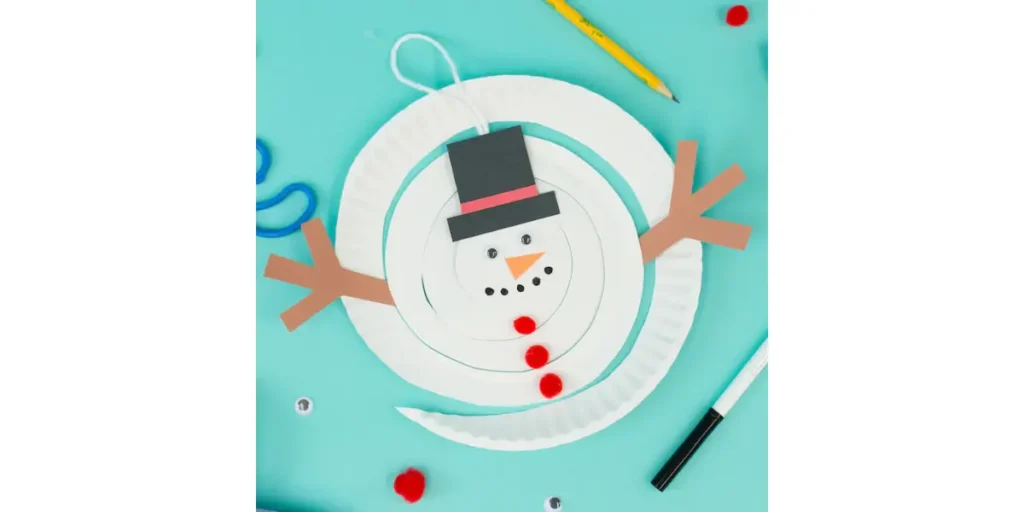
I often start winter crafting with paper plate snowmen because preschoolers instantly connect with them. In my experience, painting and decorating plates helps children practice hand control in a fun way.
Kids enjoy adding eyes, buttons, and scarves using safe materials. This craft encourages creativity without overwhelming them.
I’ve noticed it works well in both classrooms and home settings. It also gives children a sense of pride when they see their finished snowman.
2. Cotton Ball Snow Cloud Craft
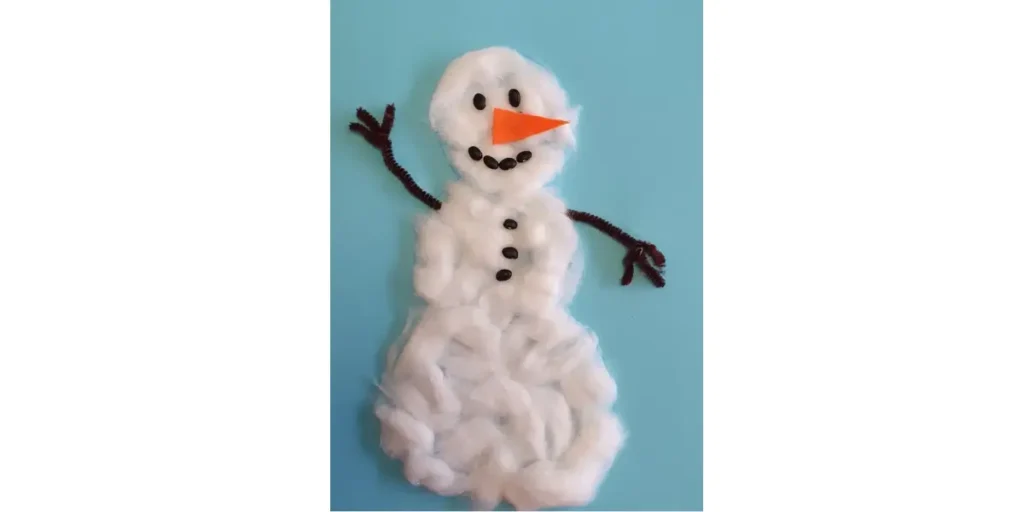
Cotton ball crafts are perfect for preschoolers because they are soft and easy to handle. I like this activity because it supports sensory learning while staying mess-free.
Children enjoy pressing and sticking cotton balls onto paper. This helps improve finger strength and coordination.
I’ve found it keeps kids engaged without frustration. The result always looks playful and winter-themed.
3. Handprint Winter Tree Art
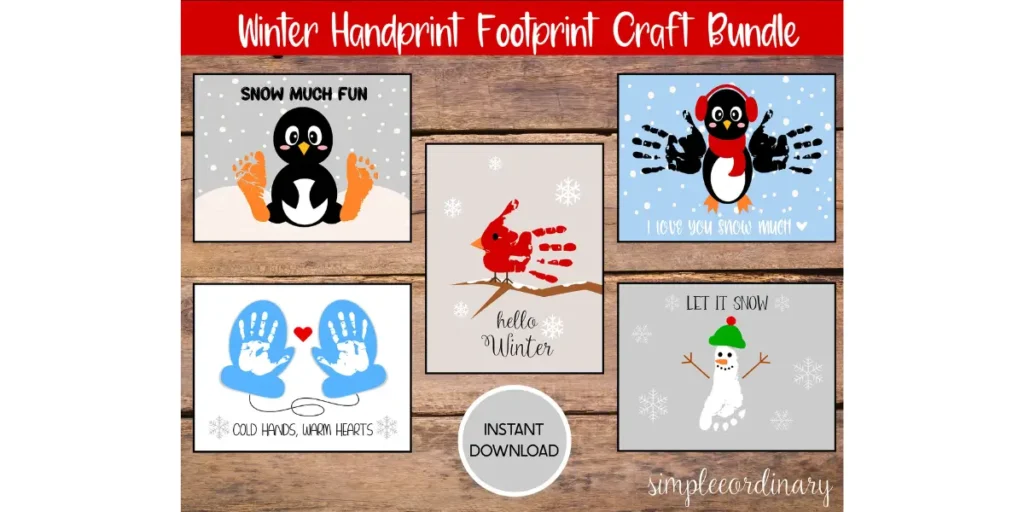
Handprint crafts are always meaningful for young children. I use this activity to help preschoolers explore shapes and colors through their own hands. Painting handprints feels exciting and personal for them.
In my experience, kids stay focused because the process feels interactive. This craft also creates a keepsake that parents love. It’s simple to supervise and easy to repeat.
4. Paper Snowflake Craft
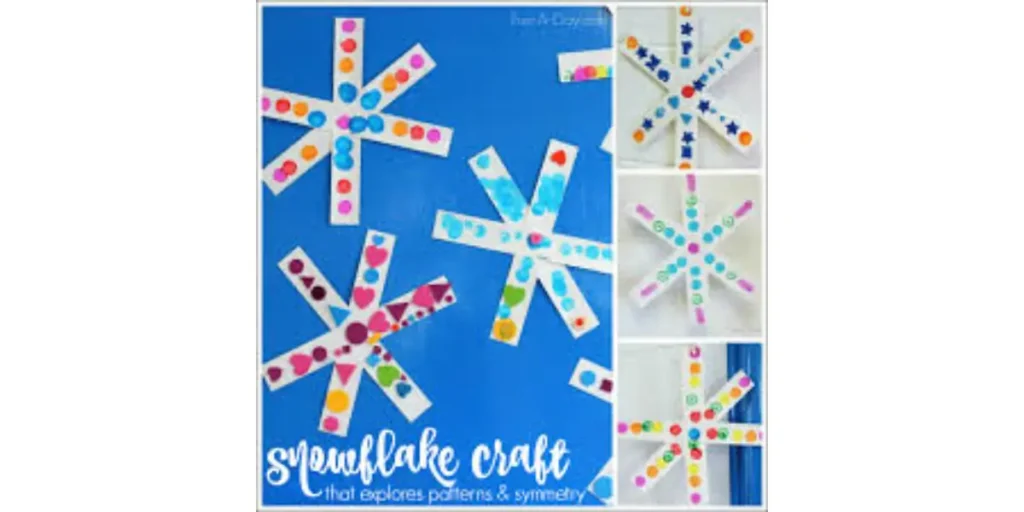
Paper snowflakes introduce preschoolers to patterns in a gentle way. I usually prepare pre-cut shapes so children can focus on decorating.
This activity improves coordination and color recognition. I’ve noticed kids enjoy choosing their own designs freely.
It keeps them busy without complex instructions. Snowflakes also make great classroom decorations.
5. Winter Hat Craft with Paper and Yarn
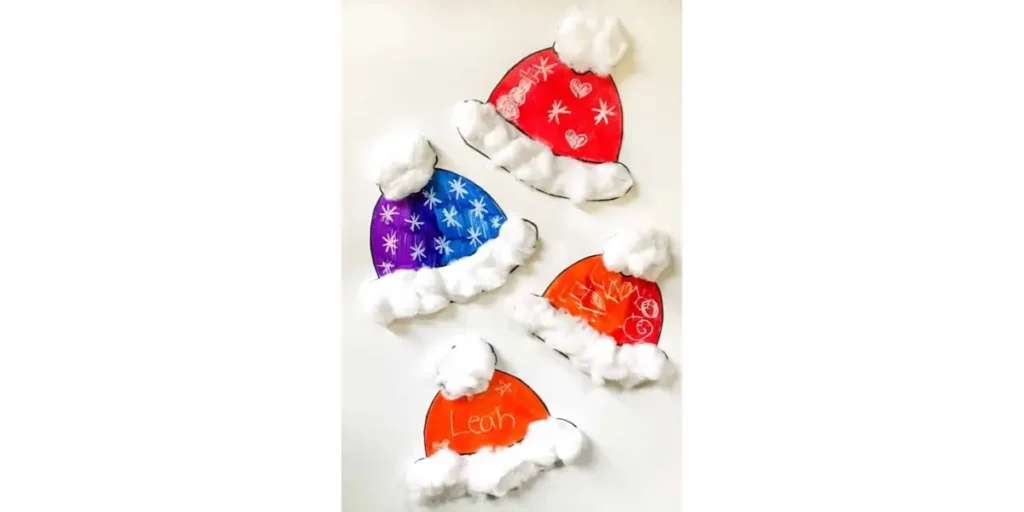
Winter hat crafts allow preschoolers to explore textures safely. I like using yarn because it helps children practice gripping and placing.
This activity supports early fine motor development. Kids enjoy mixing colors and creating their own hat designs. I’ve found it works well as a calm indoor winter activity. The finished hats always look cheerful and fun.
Why Winter Crafts Are Important for Preschool Learning
From my experience, winter crafts support early learning in ways that feel natural and enjoyable for preschoolers. These activities help strengthen fine motor skills through cutting, gluing, and painting.
I’ve noticed that crafting also improves focus and patience at a young age. Winter crafts encourage creativity while building confidence in small achievements. They provide structured indoor play without pressure.
This makes them especially valuable during colder months when outdoor activities are limited.
FAQs
Are winter crafts safe for preschool children?
Yes, winter crafts are safe for preschoolers when simple and age-appropriate materials are used. I always recommend non-toxic paint, child-safe scissors, and glue sticks. Adult supervision helps prevent small accidents. This keeps crafting fun and secure.
What materials work best for preschool winter crafts?
Basic materials like paper plates, cotton balls, yarn, crayons, and washable paint work best. I prefer supplies that are soft and easy to handle. These materials reduce frustration for young children. They also encourage creativity without complexity.
How long should a preschool craft activity last?
In my experience, preschool craft activities should last between 15 to 30 minutes. Short sessions help maintain attention and interest. Longer activities can lead to restlessness. Keeping it brief makes learning enjoyable.
Can these winter crafts be done at home as well as at school?
Yes, these crafts work well in both home and classroom settings. I’ve used the same activities successfully in both environments. They require minimal setup and cleanup. This makes them practical for parents and teachers alike.
Conclusion
Winter crafts for preschool offer much more than simple entertainment during colder months. From my experience, these activities play a valuable role in early childhood development by supporting creativity, coordination, and confidence.
When crafts are designed to be safe and age-appropriate, children feel encouraged to explore without pressure. I’ve noticed that simple projects help preschoolers stay engaged while learning through play.
These moments also create positive routines for both classrooms and homes. By choosing easy and thoughtful winter crafts, adults can turn indoor time into meaningful learning experiences.
Over time, these small creative activities help build skills that support a child’s growth in a calm, enjoyable, and nurturing way throughout the winter season.