
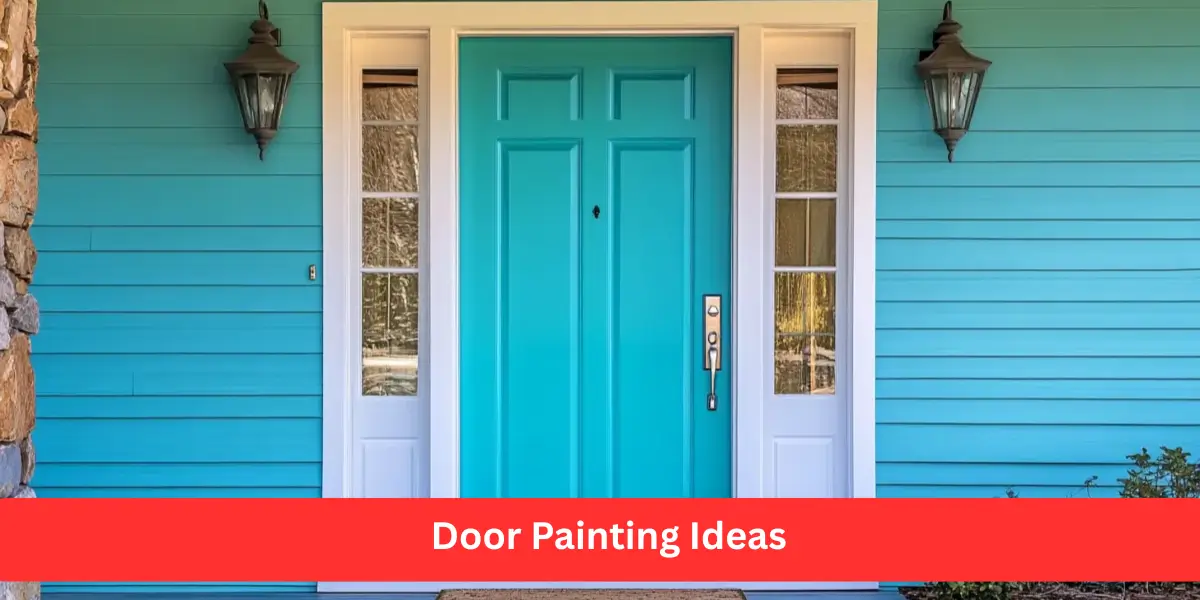

Door painting ideas can completely change how a home feels without requiring a full renovation. I’ve often seen people focus on walls and furniture while ignoring doors, even though they sit right at eye level and get used every single day.
The right paint color and finish can make a door feel modern, calm, bold, or full of character. What makes door painting so effective is its simplicity, it’s affordable, flexible, and easy to update over time.
In this article, I’ll share well-researched and widely used door painting ideas that professionals rely on, ideas that not only look good but also hold up well in real, everyday homes.
1. Matte Black Door for a Modern Statement
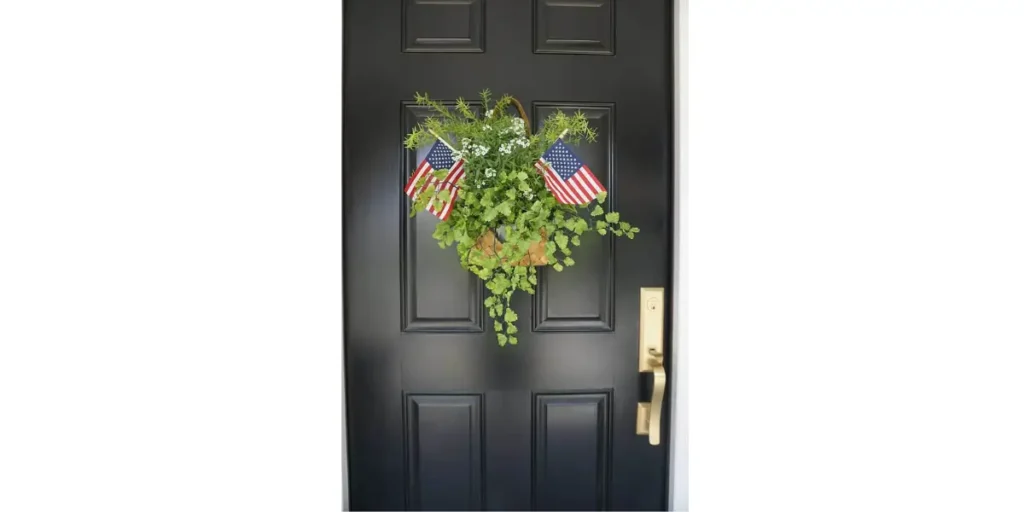
A matte black painted door creates a strong, confident look that instantly elevates any space. This color works especially well on front entry doors because it adds contrast and depth without feeling overly bold. Matte finishes also reduce glare and hide fingerprints better than glossy paints.
Designers often pair black doors with brass, chrome, or matte black hardware to keep the look cohesive. The color complements brick, stone, wood, and neutral exteriors equally well.
I’ve noticed this option stays relevant over time. It doesn’t rely on trends, which makes it a smart choice for homeowners who want a lasting, modern finish.
2. Soft Neutral Painted Door for a Calm Look
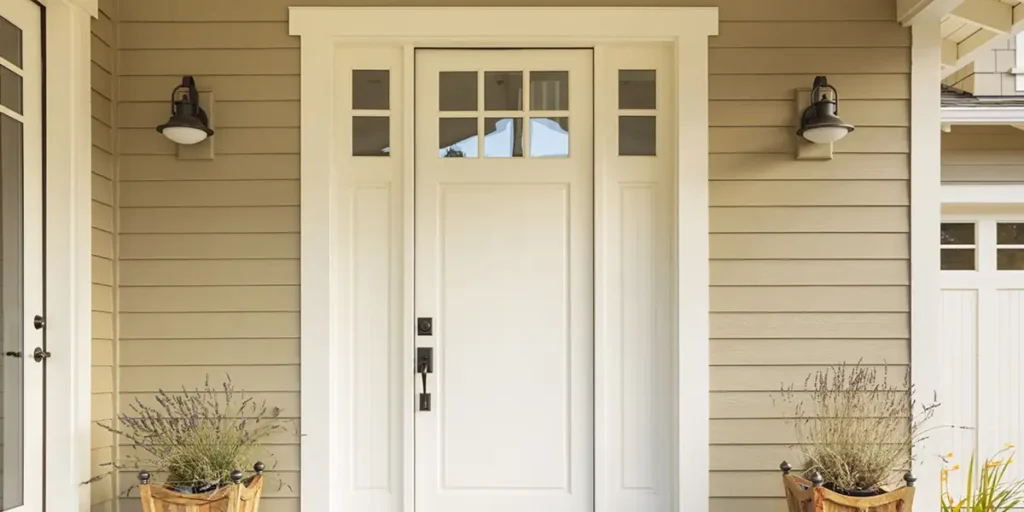
Soft neutral door colors like beige, greige, or light gray create a calm and balanced atmosphere. These shades blend effortlessly with walls and flooring, allowing the door to feel intentional without drawing too much attention. This approach works well in open-plan homes.
Neutral-painted doors help maintain visual continuity, especially in hallways or spaces with multiple doors. They also make rooms feel brighter and more spacious when paired with natural light.
From a practical standpoint, neutral colors age well. They resist visual fatigue and adapt easily if décor or wall colors change later.
3. Bold Color Door to Add Personality
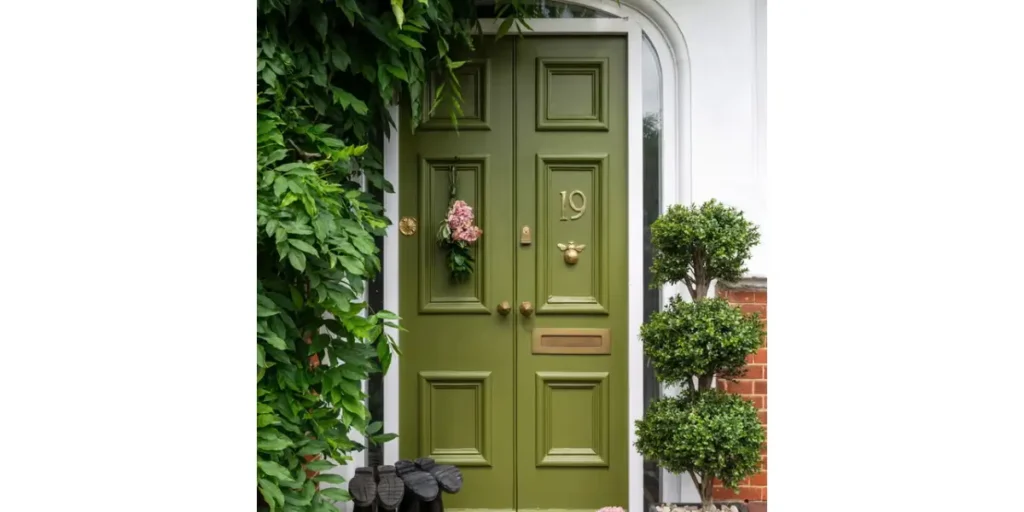
A bold-colored door brings character and energy into a space with minimal effort. Shades like navy blue, forest green, or deep red create a focal point that feels stylish rather than overwhelming. This idea works well when the surrounding walls stay neutral.
Painters often recommend testing bold colors in different lighting before committing. Natural and artificial light can dramatically change how the color appears throughout the day.
I’ve seen bold doors transform otherwise simple rooms. When used thoughtfully, they express personality while still maintaining balance and sophistication.
4. Two-Tone Painted Door for Visual Interest
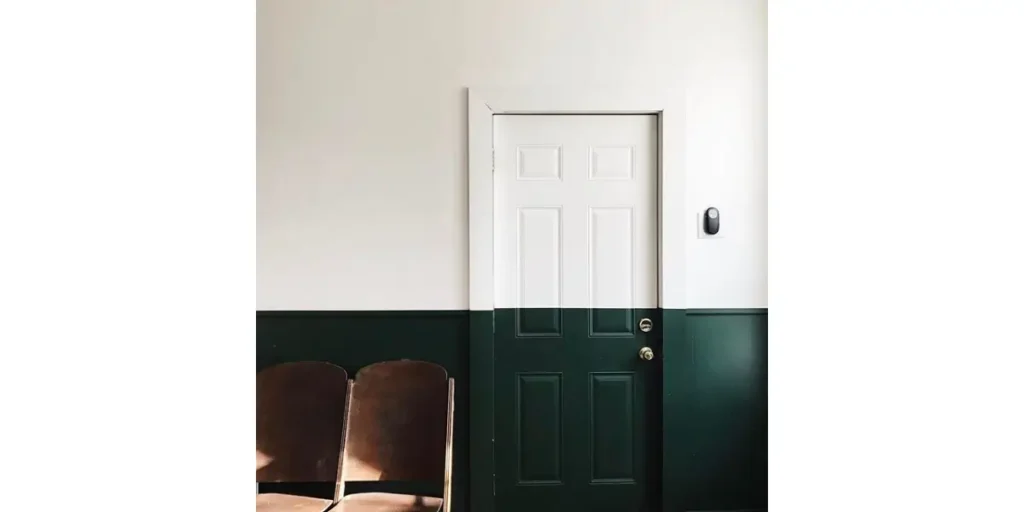
Two-tone painted doors introduce depth and creativity without requiring complex techniques.
Painting the top and bottom sections in contrasting shades adds structure and visual interest. Another popular approach uses one color on the door and another on the trim.
This style works especially well in modern and transitional interiors where subtle design details matter. Light and dark combinations help define the door as a design feature.
Active contrast keeps the look engaging while still controlled. When chosen carefully, two-tone doors feel modern and intentional rather than decorative.
5. Distressed or Vintage Painted Door Finish
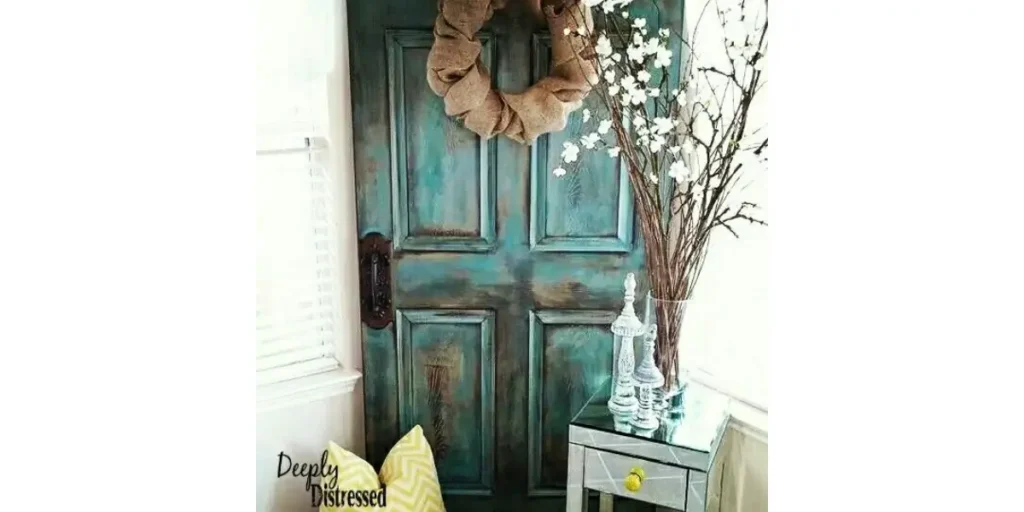
A distressed or vintage door finish adds warmth and character that new paint alone cannot achieve. This style uses layered paint techniques and light sanding to create a gently aged appearance. It suits wooden doors best.
Homeowners often use muted tones like off-white, sage, or soft blue to achieve an authentic look. The worn edges create texture and visual depth.
This idea works well in farmhouse, cottage, or rustic interiors. It brings personality into a space and tells a story without overpowering the overall design.
How Door Paint Choices Affect Mood and Overall Design
Door paint does more than change appearance; it quietly influences how a space feels and functions. Color, finish, and contrast all play a role in shaping mood and visual balance.
Light shades can make areas feel open and relaxed, while darker tones add depth and definition. Paint finish also matters matte feels modern and soft, while satin or semi-gloss offers durability for high-use doors.
When paint choices align with lighting, room purpose, and surrounding décor, the door becomes part of a cohesive design rather than a separate element.
FAQs
What type of paint finish works best for doors?
Satin and semi-gloss finishes work best for most doors because they balance durability and appearance. These finishes resist scuffs, clean easily, and handle frequent use well. Matte finishes also work but require more care, especially in high-traffic areas.
Should interior and exterior doors use the same paint?
Interior and exterior doors need different paint formulas. Exterior door paint resists weather, moisture, and temperature changes, while interior paint focuses more on finish and washability. Using the right type ensures better longevity and performance.
Can dark door colors make a space feel smaller?
Dark colors can add depth rather than shrink a space when used correctly. Pairing dark doors with lighter walls and good lighting keeps the room balanced. Dark doors often create contrast that adds structure and sophistication.
How often should doors be repainted?
Most doors need repainting every 5–7 years, depending on use and exposure. High-traffic or exterior doors may require more frequent touch-ups. Regular maintenance keeps doors looking fresh and prevents surface damage.
Conclusion
Door painting may seem like a simple upgrade, but its impact reaches far beyond appearance. The right color and finish can enhance mood, support the overall design, and bring cohesion to a space.
When chosen thoughtfully, painted doors become subtle focal points that reflect personal style while remaining practical for everyday use.
From what I’ve observed, doors that receive the same attention as walls and furniture tend to age better visually and functionally.
By considering lighting, usage, and surrounding décor, door painting turns into a smart, flexible design choice that refreshes a home without overwhelming it.