
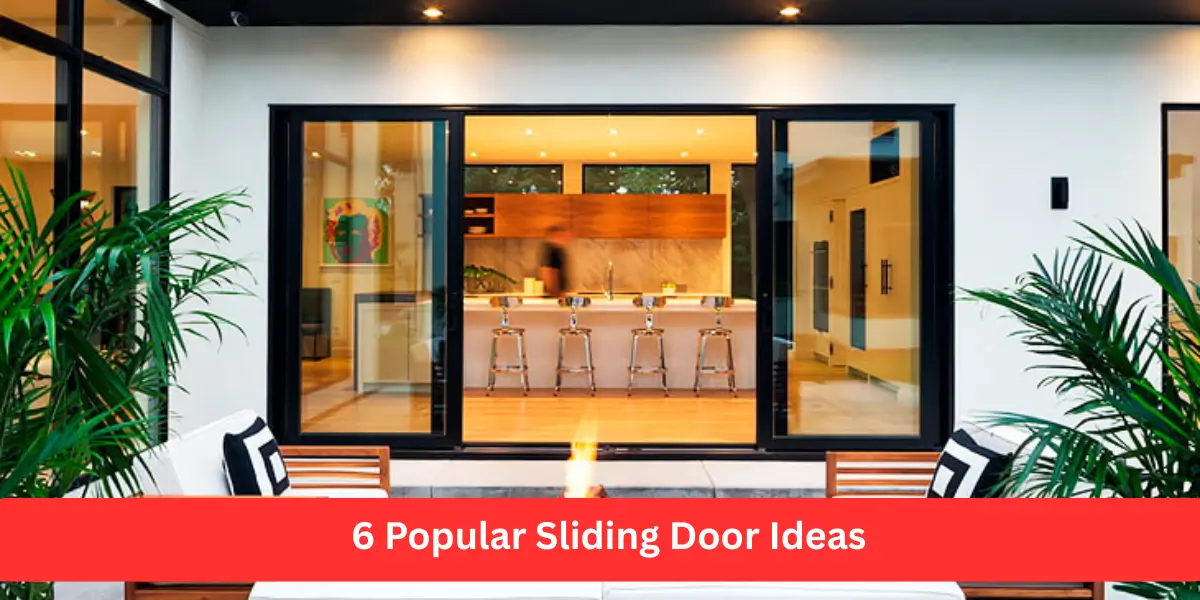

Door sliding ideas have become a smart solution for modern homes where space and flow matter. I’ve noticed that sliding doors often solve layout problems that traditional swing doors create, especially in compact or open-plan spaces.
Beyond functionality, the right sliding door can add character, improve light flow, and define areas without closing them off completely. Homeowners today look for designs that feel intentional, not just practical.
In this article, I’ll share well-researched sliding door ideas that designers frequently recommend, focusing on options that balance efficiency, privacy, and visual appeal while fitting naturally into everyday living spaces.
1. Modern Sliding Barn Door
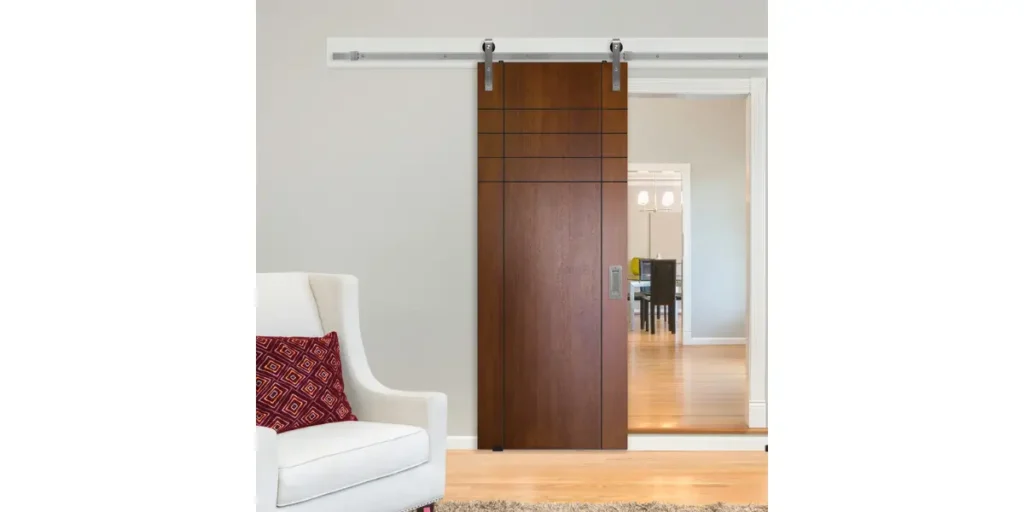
Modern sliding barn doors combine practicality with strong visual appeal.
Unlike traditional barn doors, modern versions use clean lines, smooth wood finishes, and minimal hardware to suit contemporary homes. They save space by eliminating door swing and work well in busy areas.
Designers often choose neutral colors or natural wood tones to keep the look refined. Sleek metal tracks add contrast without overpowering the door itself. This balance keeps the design modern rather than rustic.
I’ve seen this option work best in bedrooms and home offices. It adds personality while keeping the layout flexible and functional.
2. Glass Sliding Door for Bright Interiors
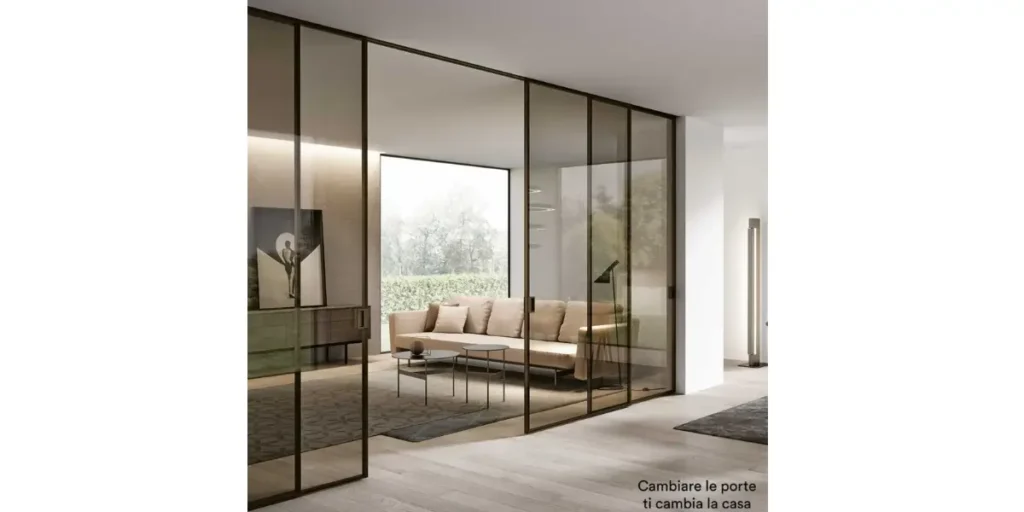
Glass sliding doors improve light flow and make interiors feel more open. They allow rooms to connect visually while still providing separation when needed. This feature works especially well in living rooms and kitchens.
Frosted or textured glass adds privacy without blocking daylight. Frames in black, white, or wood tones help match different interior styles. The sliding mechanism keeps the movement smooth and quiet.
From a practical standpoint, this idea enhances openness without sacrificing structure. It creates a lighter, more breathable interior experience that many modern homes benefit from.
3. Pocket Sliding Door for Space Efficiency
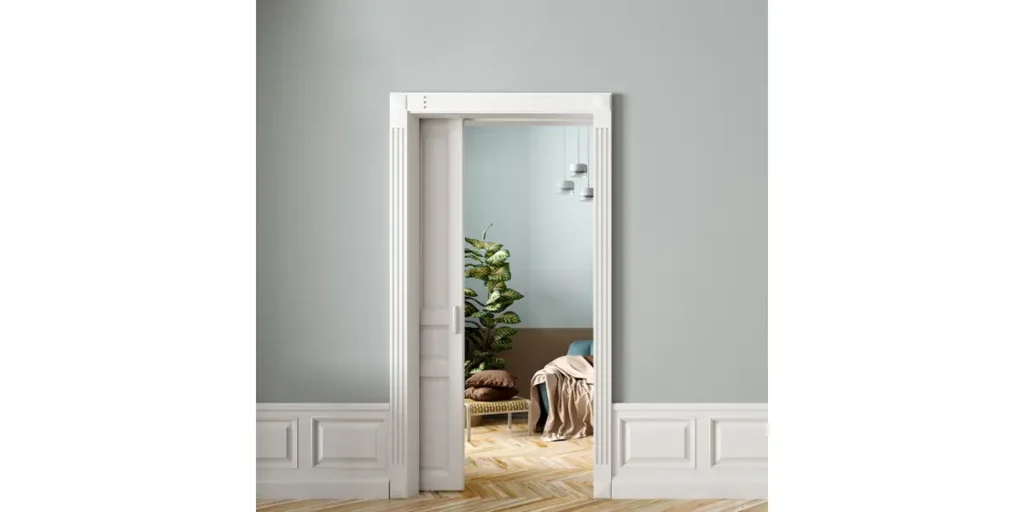
Pocket sliding doors slide directly into the wall, completely disappearing when open. This design maximizes usable floor space and keeps rooms visually clean. It suits small homes, apartments, and narrow layouts.
Builders often use pocket doors for bathrooms, closets, and laundry areas where swing space causes problems. When installed correctly, these doors operate smoothly and feel seamless.
I’ve found this idea ideal for minimalist interiors. It removes visual clutter and allows furniture placement without worrying about door clearance.
4. Wooden Sliding Door with Panels
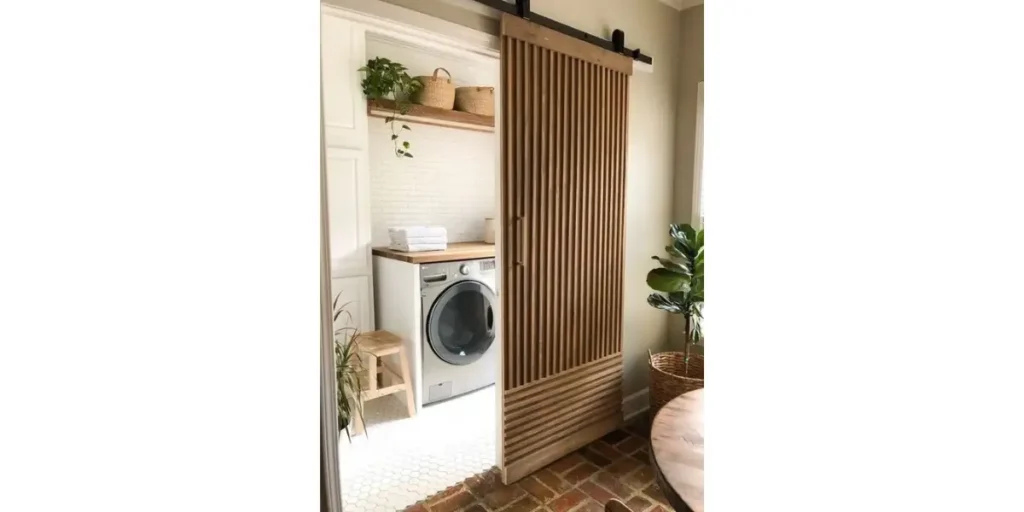
Panelled wooden sliding doors bring warmth and structure to interior spaces. The panel detailing adds depth, making the door feel substantial rather than flat. This style suits classic and transitional homes.
Wood finishes range from light oak to rich walnut, allowing easy coordination with flooring or furniture. Sliding hardware keeps the door functional without interrupting the traditional look.
This idea works well when privacy matters. The solid construction helps block sound and creates a defined separation between rooms.
5. Industrial-Style Sliding Door
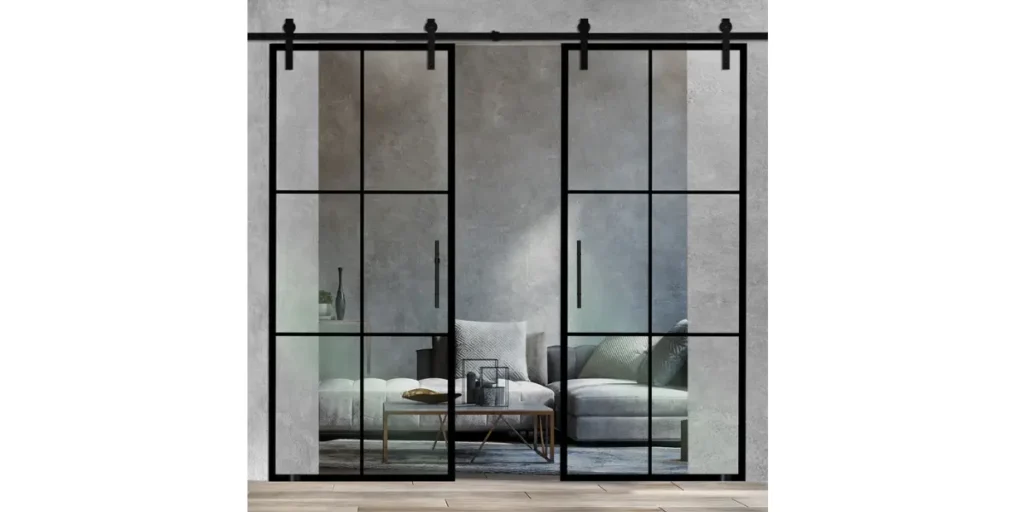
Industrial sliding doors feature metal frames, exposed tracks, and often glass inserts. This bold design creates contrast and suits lofts or urban-style homes. The sliding system supports heavy materials with ease.
Black metal frames remain the most popular choice because they create strong visual lines. Glass panels keep the door from feeling too heavy or closed off.
I’ve seen this idea excel as a room divider. It defines spaces clearly while maintaining an open, modern atmosphere.
How Sliding Doors Improve Layout and Everyday Living
Sliding doors change the way spaces function by improving flow and flexibility. They remove the need for swing clearance, which allows better furniture placement and smoother movement between rooms.
In open-plan homes, sliding doors help define areas without fully closing them off. When chosen carefully, they also improve natural light distribution and create a more balanced interior.
I’ve noticed that homes using sliding doors often feel calmer and more organized because the layout works with daily routines instead of against them.
FAQs
Are sliding doors suitable for small homes?
Yes, sliding doors work especially well in small homes because they save floor space. They eliminate door swing, which allows better use of tight areas. Many homeowners use them to make compact rooms feel more open and functional.
Do sliding doors provide enough privacy?
Sliding doors can provide good privacy depending on the material used. Solid wood or panelled doors block sound and sight effectively. Frosted glass also offers privacy while still allowing light to pass through.
What is the difference between barn doors and pocket doors?
Barn doors slide along an exterior wall, while pocket doors slide into the wall cavity. Pocket doors disappear completely when open, making them ideal for tight spaces. Barn doors remain visible and add decorative value.
Are sliding doors hard to maintain?
Sliding doors require minimal maintenance when installed properly. Regular cleaning of the track and occasional lubrication keep them running smoothly. High-quality hardware ensures long-term performance with everyday use.
Conclusion
Sliding doors offer more than just an alternative to traditional doors—they reshape how a home functions and feels. By saving space, improving flow, and adding visual interest, they support both practical needs and design goals.
The right sliding door choice can define areas, enhance light, and make everyday movement more comfortable.
From what I’ve observed, homes that use sliding doors thoughtfully tend to feel more flexible and organized.
When design, material, and placement align, sliding doors become a long-term solution rather than a trend, quietly improving daily living while maintaining a clean and modern aesthetic