
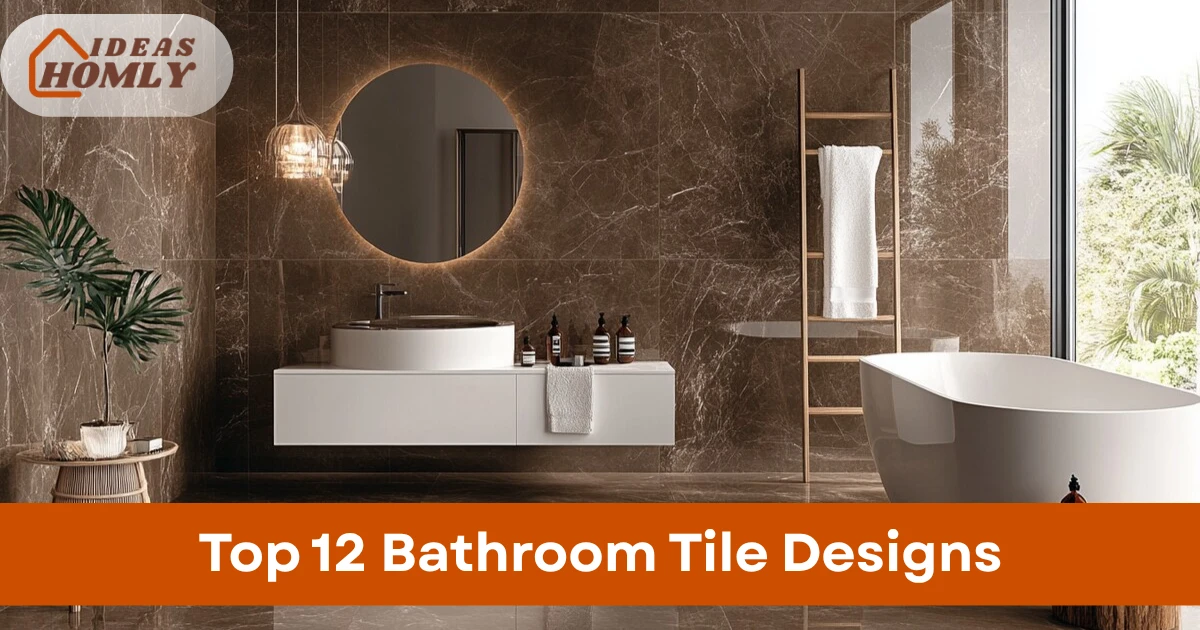

I always feel that tiles are the foundation of any bathroom design. The right tile choice can completely change how the space looks and feels. In this guide, I share bathroom tile designs that are practical, stylish, and easy to apply.
How to Choose Bathroom Tile Designs That Look Good and Last
I usually start by selecting bathroom tiles that match both the bathroom size and daily use. A design should look good, but also handle water and cleaning easily. This balance makes tiles more useful.
I also prefer combining different tile styles carefully instead of using one design everywhere. A mix of textures or patterns creates a better visual effect. It keeps the bathroom interesting without clutter.
1. Large Format Bathroom Tile Design for a Clean Look
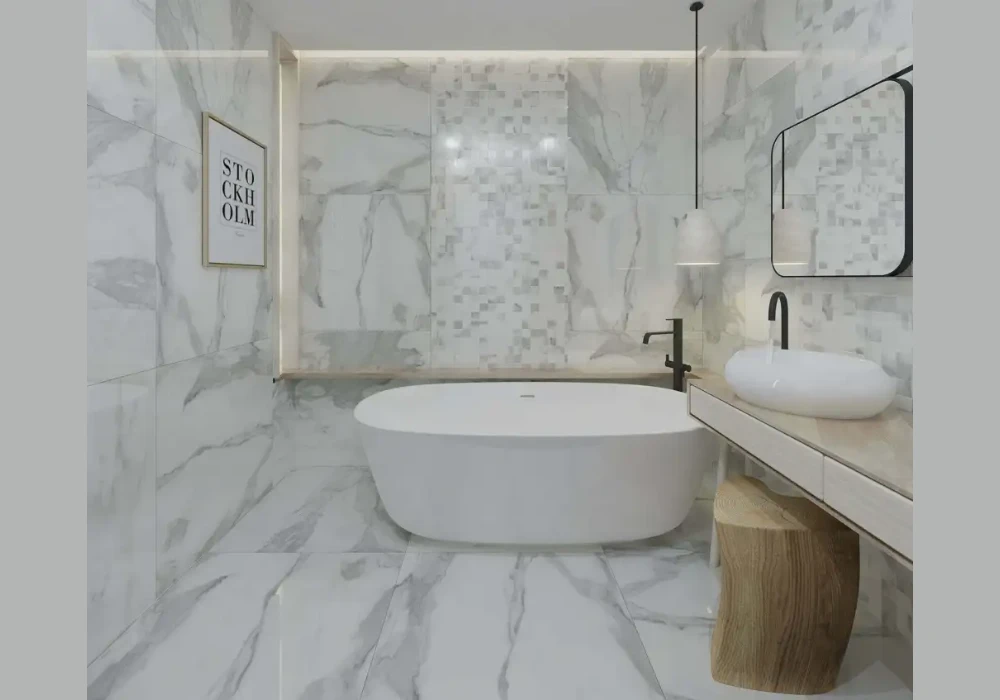
Large-format tiles create a smooth and clean bathroom appearance. I like how they reduce grout lines and make the space feel less busy. This improves the overall flow.
I usually use these tiles on both walls and floors to maintain consistency. This keeps the design simple and connected. It works well in modern bathrooms.
These tiles are also easier to clean because there are fewer joints. This reduces maintenance effort over time. That is a practical advantage.
If you want a simple and modern tile design, this option works very well. It creates a spacious and organized look.
2. Marble Style Tile Design for an Elegant Bathroom
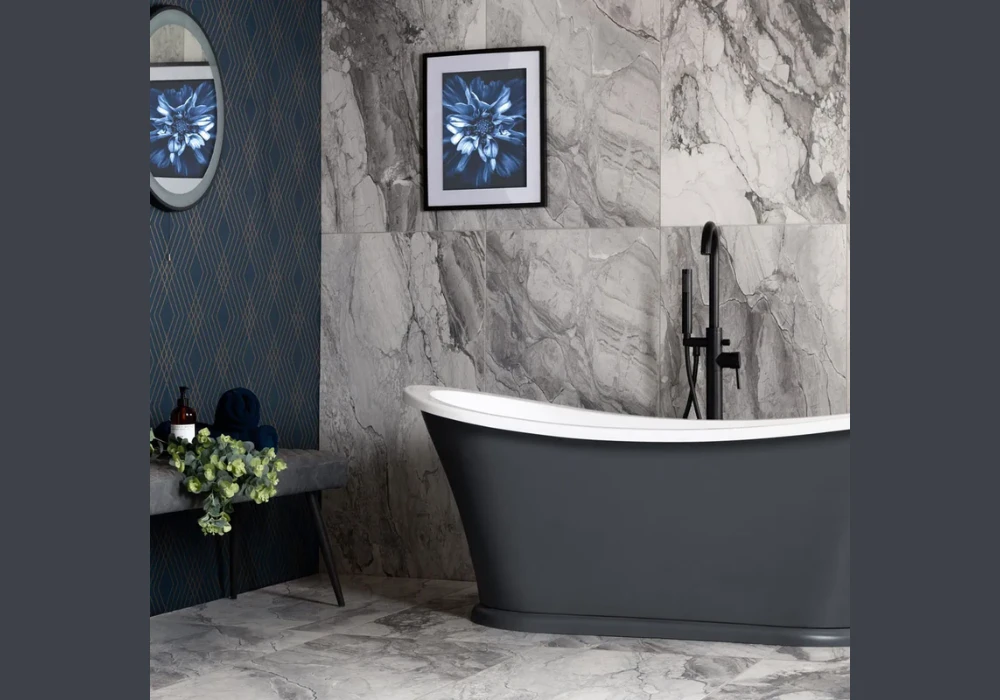
Marble-style tiles add a refined and polished feel to the bathroom. I prefer this design when I want a soft and premium look. It feels timeless.
I usually use marble tiles on walls or feature areas to avoid overdesign. This keeps the space balanced and clean. Too much can feel heavy.
Light marble patterns reflect light and make the bathroom feel brighter. This improves the overall atmosphere. That helps.
If you want an elegant design without complexity, this idea works well. It gives a strong visual upgrade.
3. Subway Tile Bathroom Design for Classic Style
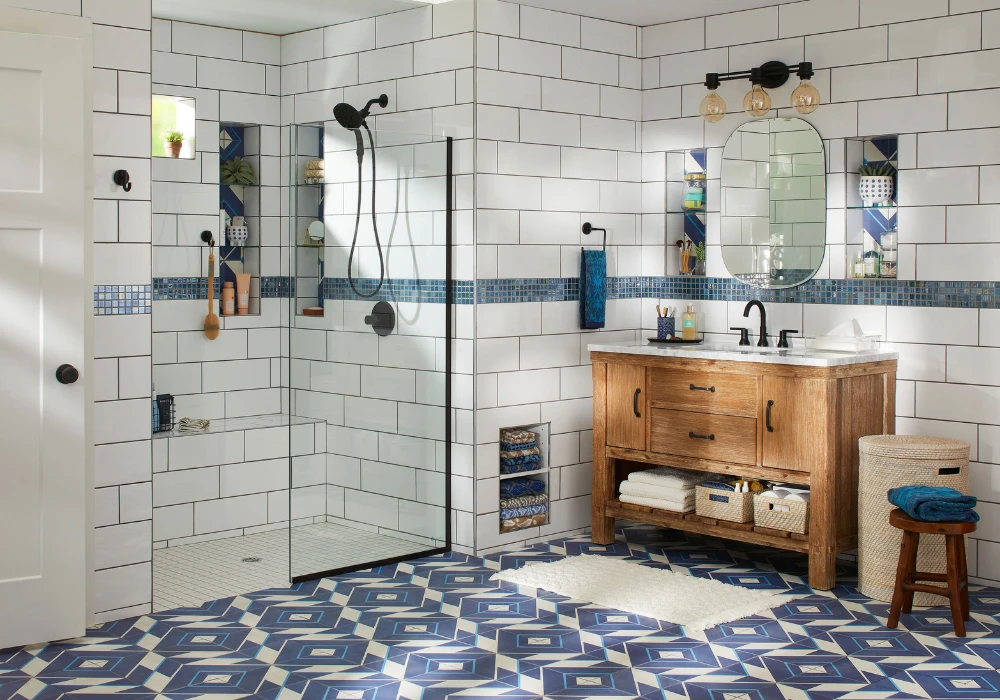
Subway tiles create a simple and classic bathroom look. I like how they stay relevant and easy to match with other elements. They feel clean.
I usually arrange them in horizontal or vertical patterns for variation. This adds interest without changing the design too much. It keeps things simple.
These tiles are also affordable and easy to maintain. This makes them practical for everyday use. That is useful.
If you want a reliable tile design, this option works well. It stays stylish for a long time.
4. Textured Tile Design for Depth and Detail
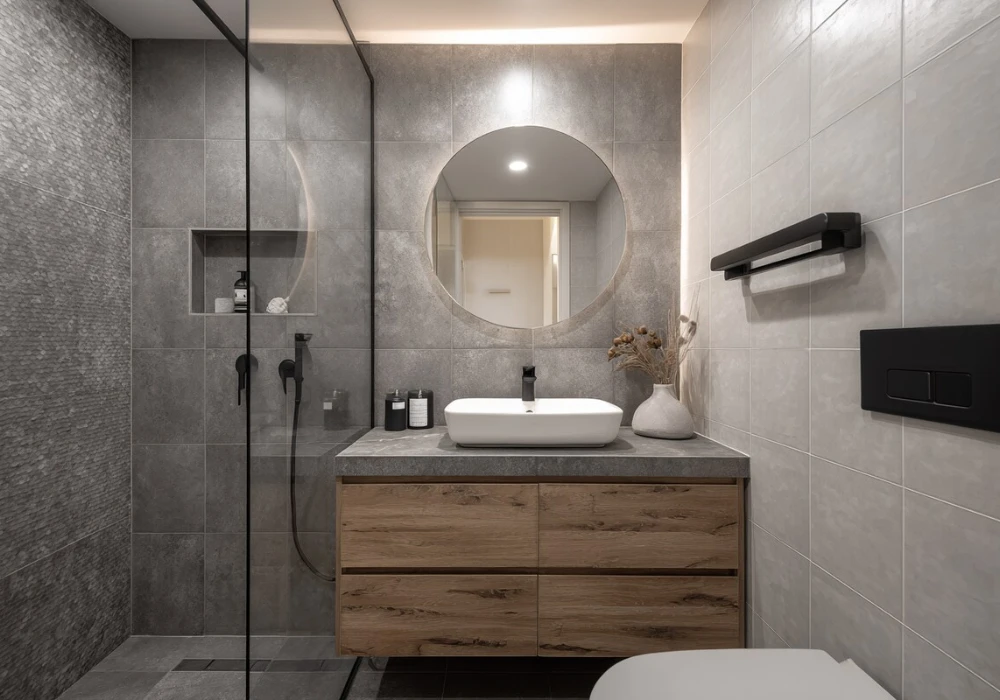
Textured tiles add depth and character to bathroom walls. I like how light creates subtle shadows on the surface. It makes the wall interesting.
I usually apply textured tiles on one accent wall to avoid clutter. This keeps the design balanced and controlled. Less is better.
These tiles also improve grip when used on floors, which adds safety. That makes them both stylish and practical.
If your bathroom looks plain, this idea works well. It adds detail without complexity.
5. Wood Look Tile Design for Warm Bathroom Feel
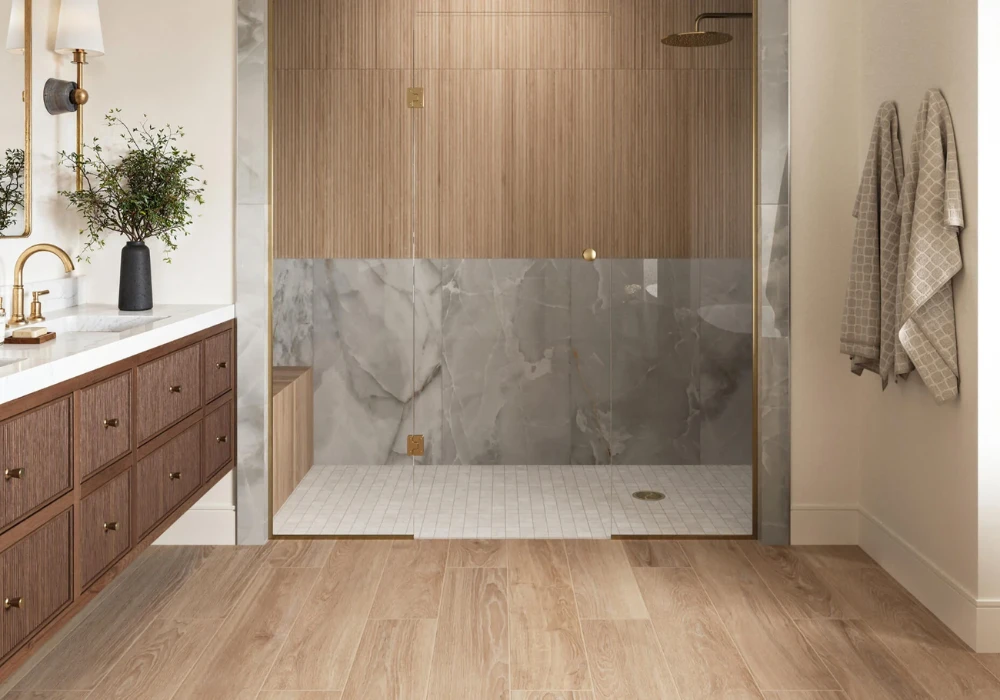
Wood look tiles bring warmth to the bathroom without real wood issues. I like how they create a natural and comfortable environment. It feels inviting.
I usually use these tiles on floors or lower walls for balance. This keeps the design grounded and stable. Placement matters.
These tiles are water-resistant, unlike real wood, which makes them practical. They last longer in wet areas. That helps.
If you want a warm and modern design, this idea works well. It combines style and durability.
6. Geometric Tile Design for Modern Pattern
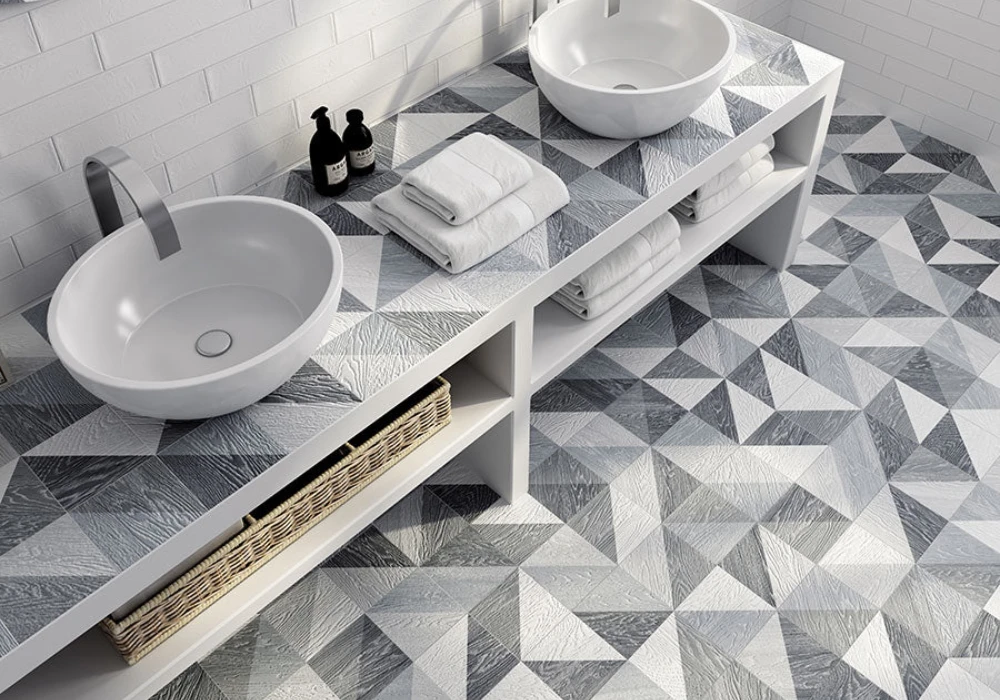
Geometric tiles create a modern and structured bathroom design. I prefer simple shapes that add detail without making the space busy. It feels organized.
I usually use these tiles on feature walls or small sections. This avoids overwhelming the space. Balance is important.
Neutral colors work best with geometric patterns to maintain a clean look. Bold colors need careful planning. That matters.
If you want a modern design with character, this idea works well. It adds visual interest easily.
7. Mosaic Tile Design for Creative Accent Areas
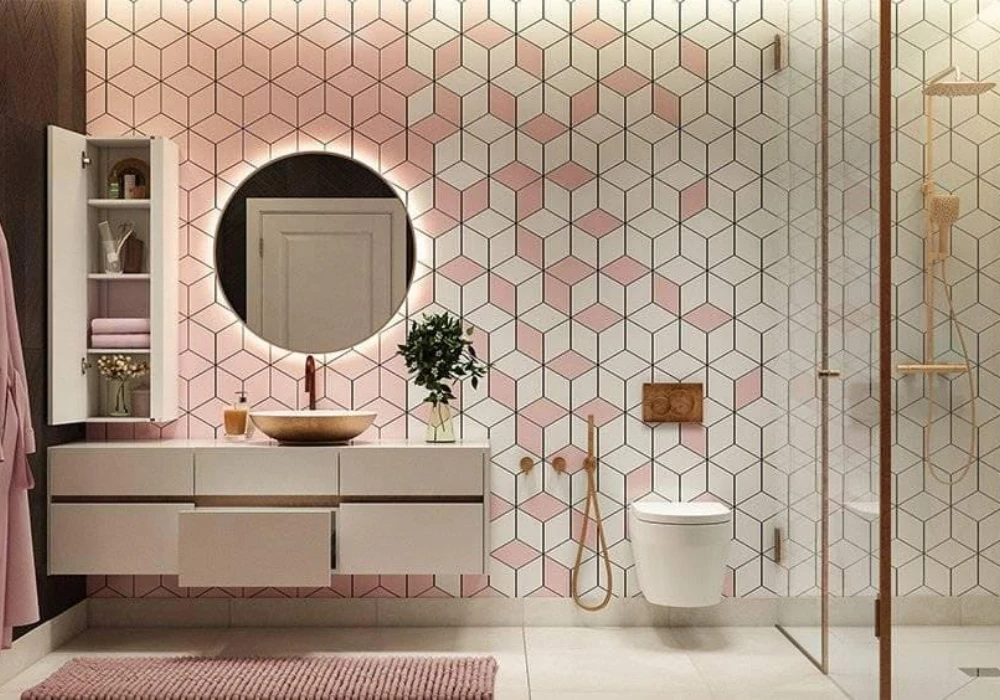
Mosaic tiles add creativity and detail to bathroom spaces. I like using them in small areas like shower walls or backsplashes. It creates focus.
I usually combine mosaic tiles with plain tiles to maintain balance. Too much detail can feel crowded. Controlled use works best.
These tiles also provide better grip on floors, which improves safety. That adds practical value.
If you want a creative touch, this idea works well. It enhances small areas effectively.
8. Neutral Tone Tile Design for Minimal Bathroom
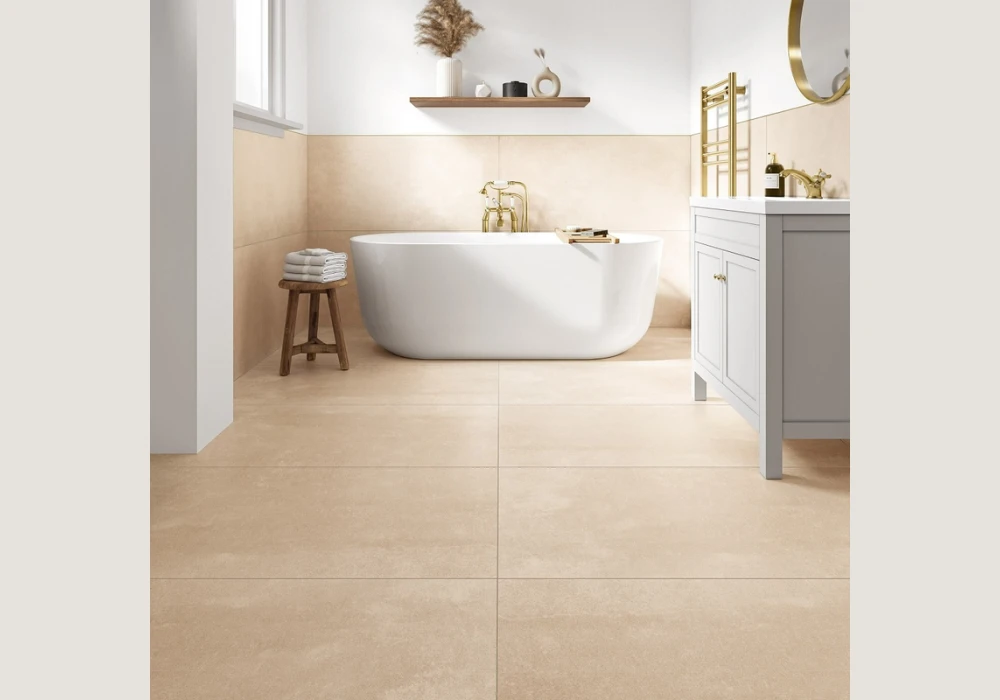
Neutral tiles create a calm and simple bathroom environment. I prefer colors like beige, grey, and white for a clean look. It feels balanced.
I usually combine different shades of the same color for depth. This keeps the design interesting without clutter. Subtle changes matter.
These tiles also match easily with different fixtures and decor styles. This makes future updates easier. That helps.
If you want a minimal and modern design, this idea works well. It stays relevant over time.
9. Patterned Floor Tile Design for Visual Impact
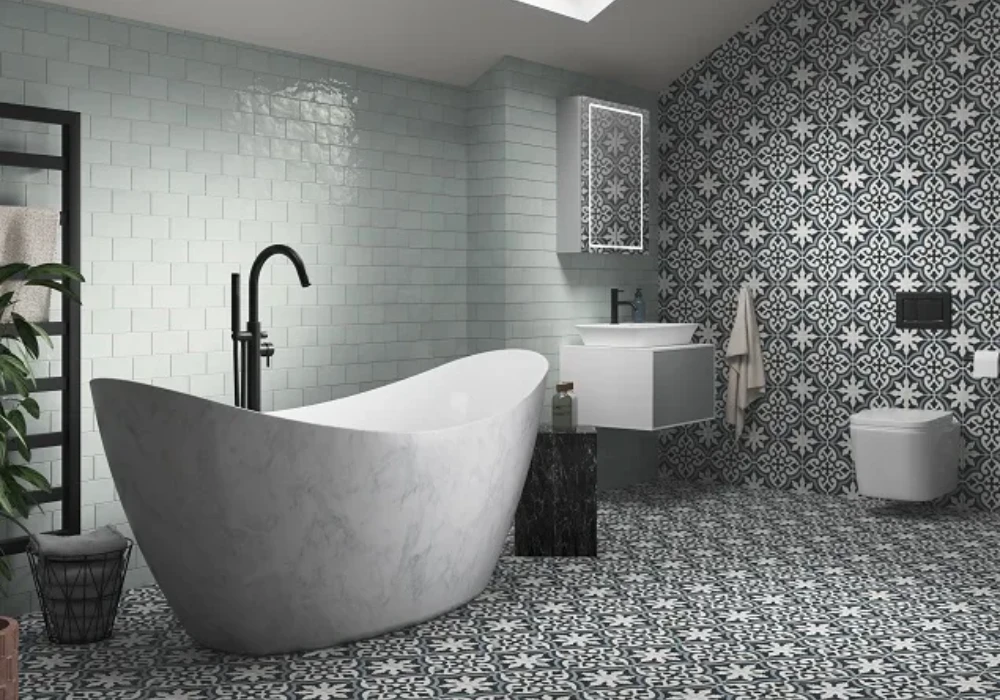
Patterned floor tiles create a strong visual base for the bathroom. I like how they draw attention without affecting the wall’s simplicity. It feels balanced.
I usually keep walls plain when using bold floor tiles. This avoids overwhelming the space. Contrast improves design.
These tiles also help hide dirt and wear better than plain tiles. This makes them practical for daily use. That helps.
If you want a bold design, this idea works well. It adds personality to the bathroom.
10. Glossy Tile Design for Bright Bathroom Space
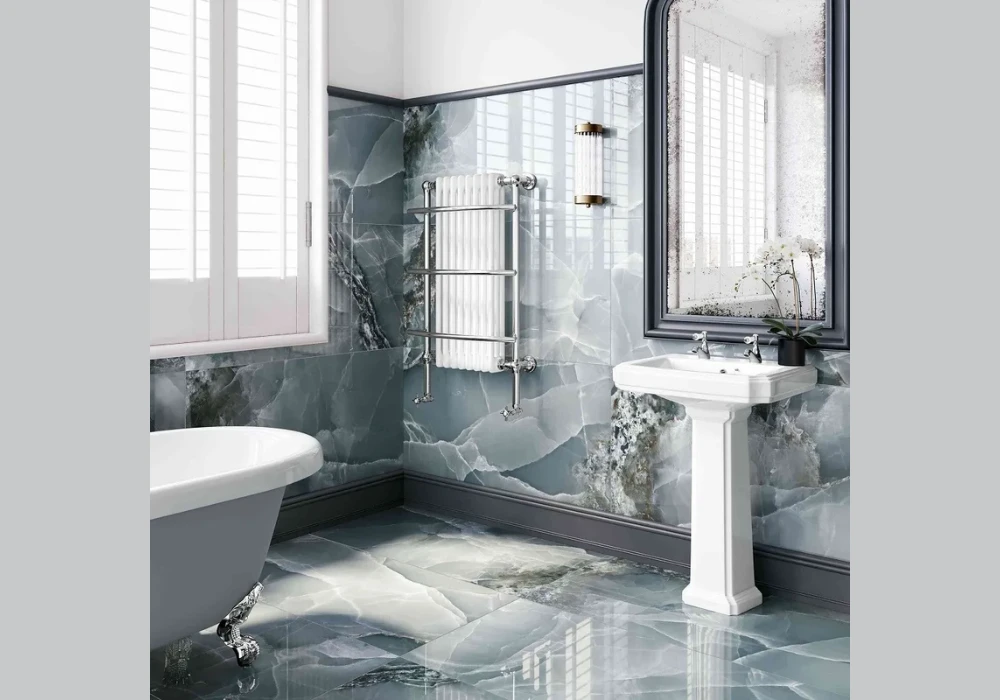
Glossy tiles reflect light and make bathrooms look brighter. I prefer them in small bathrooms to improve the space feel. They create openness.
I usually use glossy tiles on walls while keeping floors matte for safety. This keeps the design practical. Balance matters.
These tiles are easy to clean because of their smooth surface. This reduces maintenance effort. That helps.
If you want a brighter bathroom, this idea works well. It improves visibility and design.
11. Matte Finish Tile Design for Soft Look
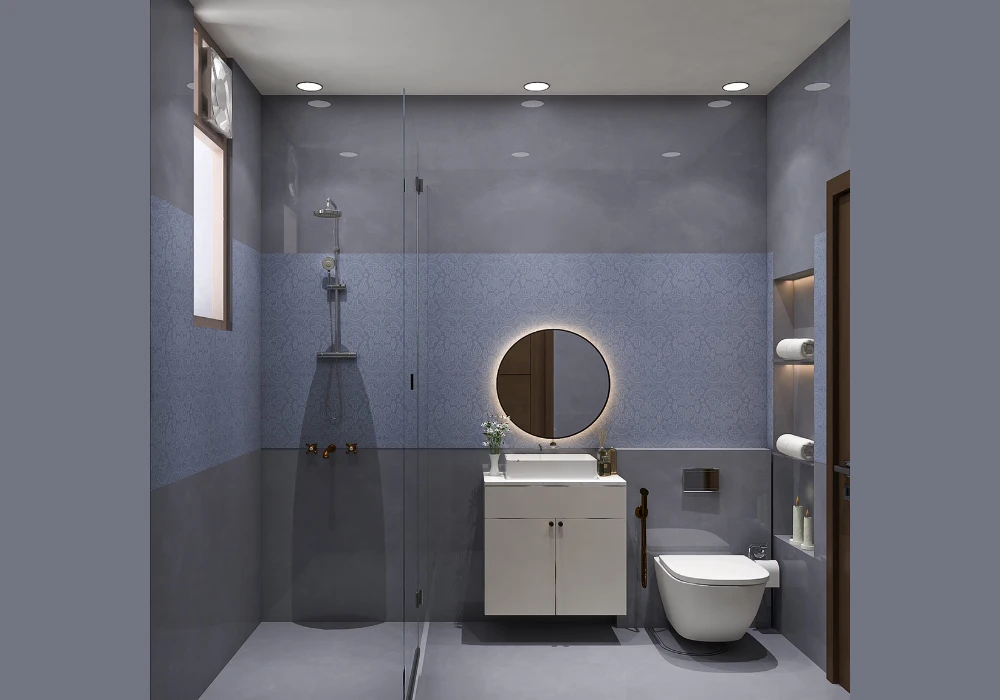
Matte tiles create a soft and modern bathroom appearance. I like how they reduce glare and feel comfortable. It looks calm.
I usually use matte tiles on floors to improve grip and safety. This makes daily use easier. Function matters.
These tiles also hide water spots better than glossy ones. This keeps them looking clean longer. That helps.
If you want a subtle modern design, this idea works well. It keeps the space simple.
12. Vertical Tile Layout Design for Height Effect
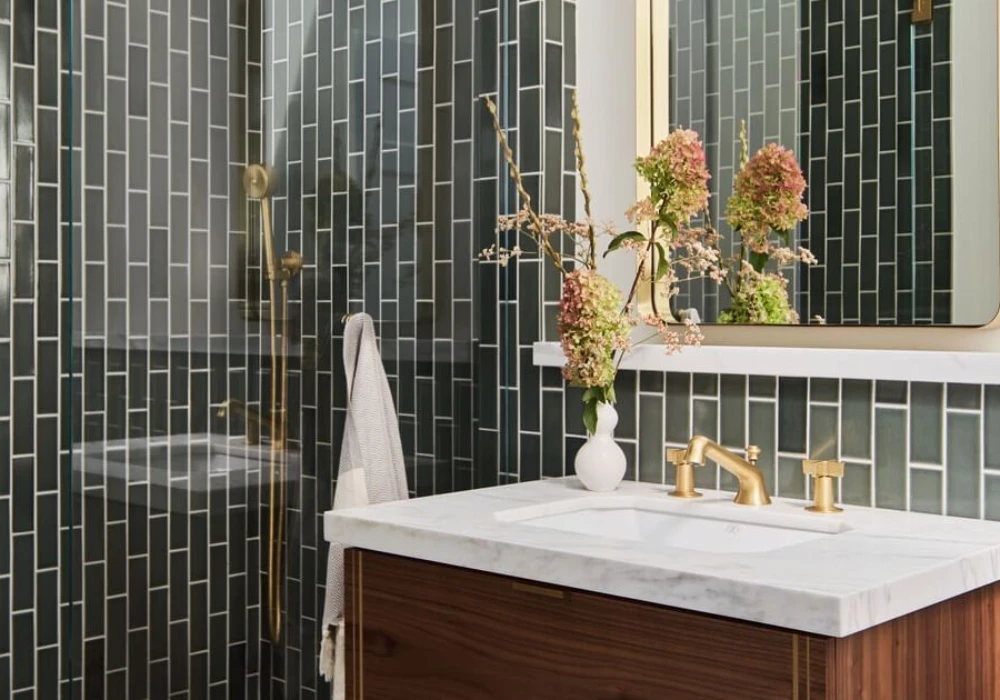
Vertical tile layouts make ceilings appear higher. I use this idea in small bathrooms to improve space perception. It creates openness.
I usually apply vertical tiles in shower areas for a strong visual effect. This improves the layout. Placement matters.
Light colors work best with this design to enhance the height illusion. This keeps the space airy. That helps.
If your bathroom feels low, this idea works well. It improves visual height easily.
Practical Tips to Choose Bathroom Tile Designs
I always start by choosing tiles that match both design and daily use needs. A bathroom should look good but also be easy to clean and maintain. Practical choices always perform better over time.
I prefer combining two tile styles instead of using too many patterns together. A simple mix of wall and floor tiles creates a balanced look. Too many designs can make the space feel messy.
I also make sure to select tiles based on bathroom size and lighting conditions. Light tiles work best in small spaces, while darker tones suit larger bathrooms. This keeps the design comfortable.
Quick Bathroom Tile Selection Guide
| Element | Best Choice | Why It Works |
|---|---|---|
| Floor Tiles | Matte or textured | Improves grip and safety |
| Wall Tiles | Glossy or smooth | Reflects light and looks clean |
| Patterns | Minimal or subtle | Prevents cluttered design |
| Colors | Light or neutral tones | Makes space feel bigger |
| Accent Tiles | Use on one wall only | Creates focus without overload |
Common Mistakes to Avoid in Bathroom Tile Design
I often see people using too many tile patterns in one space, which creates a cluttered look. A bathroom should feel calm and organized, not busy. Keeping designs simple always works better.
I also notice poor tile selection for floors, especially glossy tiles that become slippery. Safety should always come first in wet areas. Choosing the right finish is important.
Ignoring grout color is another mistake that affects the final look. The wrong grout can break the design balance. Matching grout improves the overall appearance.
Many people forget to consider maintenance when choosing tiles. Some designs look good but require more cleaning. It is better to choose practical options.
Conclusion
I believe bathroom tile designs should focus on simplicity, durability, and real-life usability. The right tiles can improve both the appearance and comfort of the space without unnecessary effort. Small design choices often create the biggest impact.
I have seen how selecting the right tile style and layout can completely change a bathroom. It is not about using expensive materials but about choosing the right combination. A balanced approach always works best.
If you apply even a few ideas from this guide, your bathroom will feel more organized and visually clean. A well-planned tile design improves both style and daily experience.
FAQs
Matte or textured tiles are best because they provide better grip and safety in wet areas.
Light-colored and large-format tiles help create a more open and spacious feel.
Yes, but it is better to use only two or three styles to maintain balance.
Glossy tiles are good for walls because they reflect light, but not ideal for floors.
Choose colors based on space size, lighting, and overall design theme.
Large format and neutral tiles are currently the most popular choices.
Related Posts
- 13 Best Trending Bathroom Wallpaper Ideas
- Top 14 Creative Bathroom Wall Decor Ideas
- 15 Best Bathroom Shower Makeover Ideas
- Top 10 Trending Bathroom Makeover Ideas
- 11 Best Trending Bathroom Ideas