
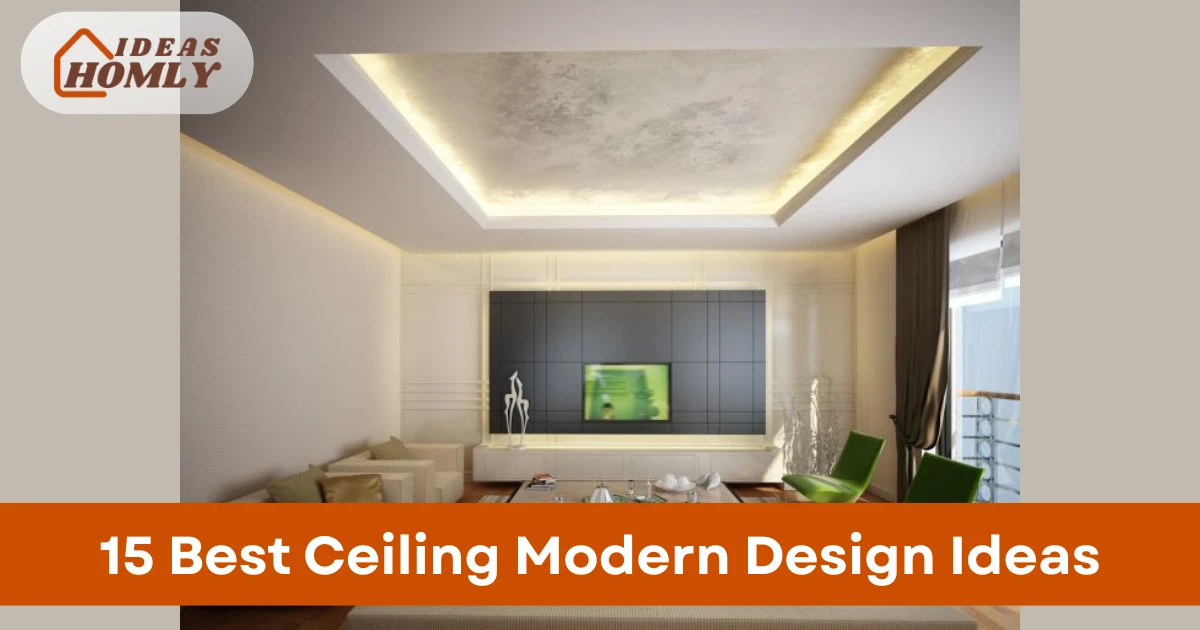

I see many people focus on floor patterns and wall colors while ignoring the huge space above their heads. The ceiling usually stays a flat white rectangle that does nothing for the room’s personality or atmosphere.
I believe your ceiling serves as the fifth wall and deserves just as much attention as your furniture. Adding a modern touch-up there changes how light moves and how the entire room feels to guests.
Key Factors to Consider for Modern Ceiling Upgrades
I suggest evaluating the specific architectural style of your home before selecting a new ceiling material. A design that complements your existing structural lines will always look more professional and intentional than a random choice.
I often remind my readers to think about the long-term maintenance of their chosen ceiling finish and texture. High-gloss surfaces and deep coffered grids may require more frequent cleaning to stay looking sharp and dust-free over time.
I recommend integrating your HVAC vents and smoke detectors into the design to maintain a clean and seamless look. Planning these functional elements early prevents them from ruining the visual flow of your sleek and modern overhead masterpiece.
I find that using professional-grade tools makes a significant difference in the final quality of any ceiling installation project. Investing in a quality laser level ensures that every plank, beam, or tile is perfectly aligned for a flawless finish.
1. Top Modern Wood Plank Ceiling Designs
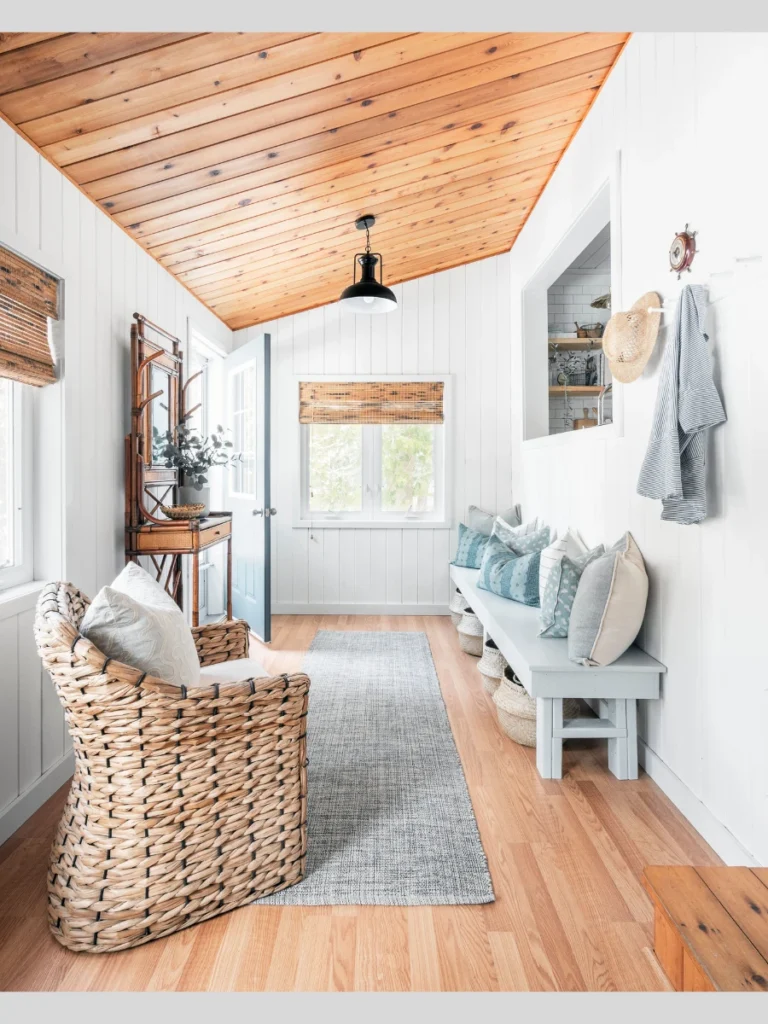
I often recommend wood planks to friends who want to add immediate warmth to a cold or sterile room. Natural wood textures break up the monotony of drywall and provide a high-end look without needing a full renovation.
I find that light oak or ash planks work best in smaller spaces to keep things feeling airy. Darker walnut finishes offer a more sophisticated and moody vibe that suits home offices or formal dining areas perfectly.
Installation requires a level surface and some patience with a nail gun to ensure every board sits flush. I suggest using tongue and groove boards because they hide the fasteners and create a professional, seamless appearance.
Wood also helps slightly with acoustics by reducing the echo in rooms with hardwood or tile floors. It creates a cozy environment that feels grounded and much more expensive than a standard painted ceiling.
2. Geometric Drywall Patterns for Living Rooms
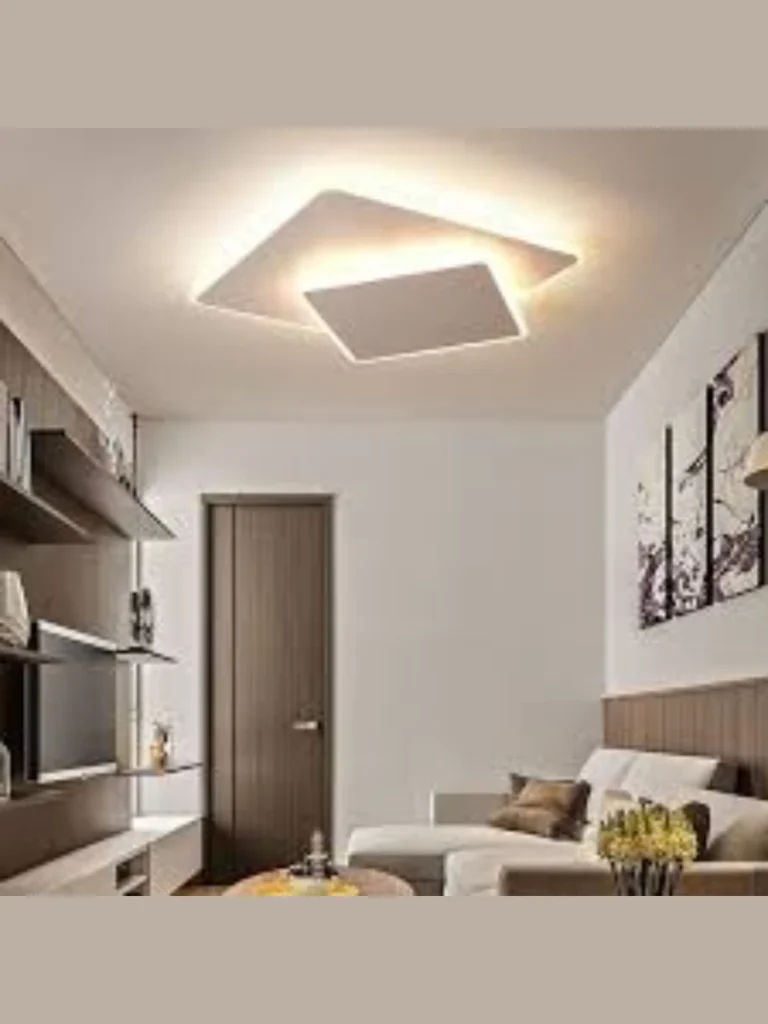
I like using drywall to create custom shapes because it is affordable and allows for total creative freedom. You can create recessed squares or raised triangles that add shadows and depth to an otherwise flat surface
These patterns work exceptionally well in large living areas where you need a focal point to anchor the space. I usually paint the inner parts of the geometric shapes a slightly different shade to emphasize the 3D effect.
Geometric designs allow you to hide structural beams or plumbing while making the fix look like a deliberate choice. I always tell my readers to plan the lighting layout alongside these patterns to highlight the sharp angles.
Drywallers can easily tape and finish these shapes to match your existing walls for a unified architectural look. It is a great way to show off a modern aesthetic without spending a fortune on exotic building materials.
3. Sleek Black Matte Ceilings for Media Rooms
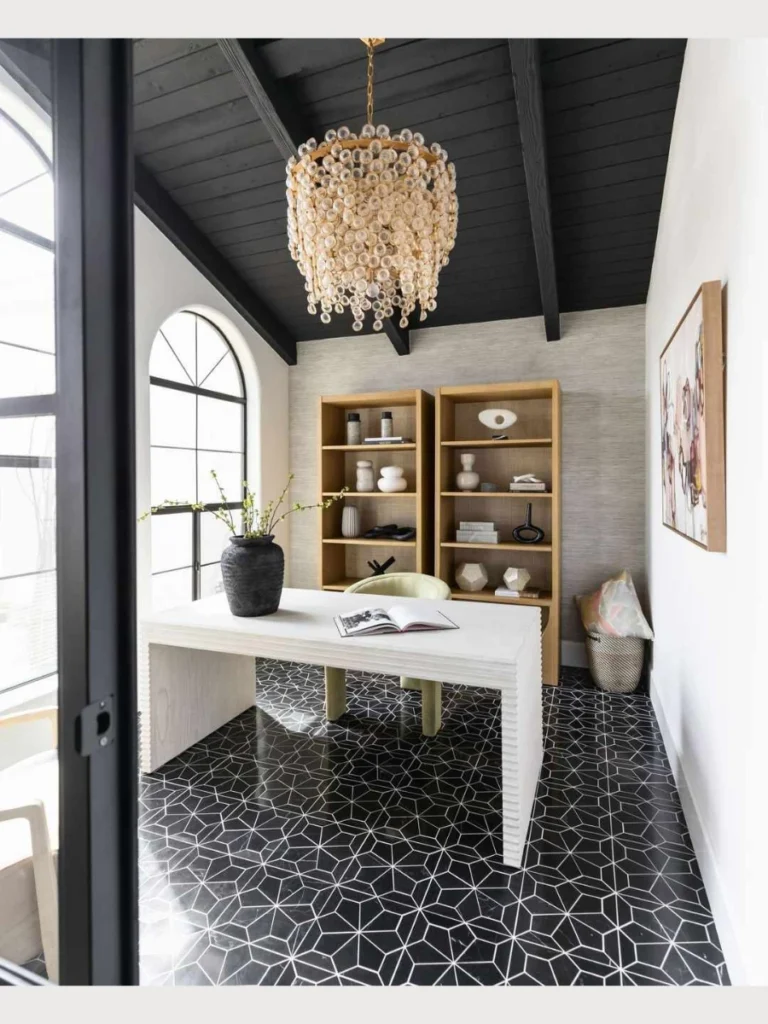
I think a black matte ceiling is the boldest move you can make to create a theater-like experience. Dark colors absorb light instead of reflecting it, which makes the ceiling seem to disappear into the distance.
This design choice works perfectly in rooms with high ceilings where you want to create a sense of intimacy. I suggest using a flat or matte finish to avoid any distracting glares from lamps or television screens.
Black ceilings also make colorful furniture and vibrant wall art pop with much more intensity than white backdrops. I often use this trick in bedrooms to encourage better sleep by making the environment feel darker and more enclosed.
Dust shows up more on dark surfaces, so I keep a long-reach microfiber duster handy for quick cleaning. The trade-off for a little extra cleaning is a space that looks incredibly modern and high-fashion.
4. Industrial Concrete Texture Finishes
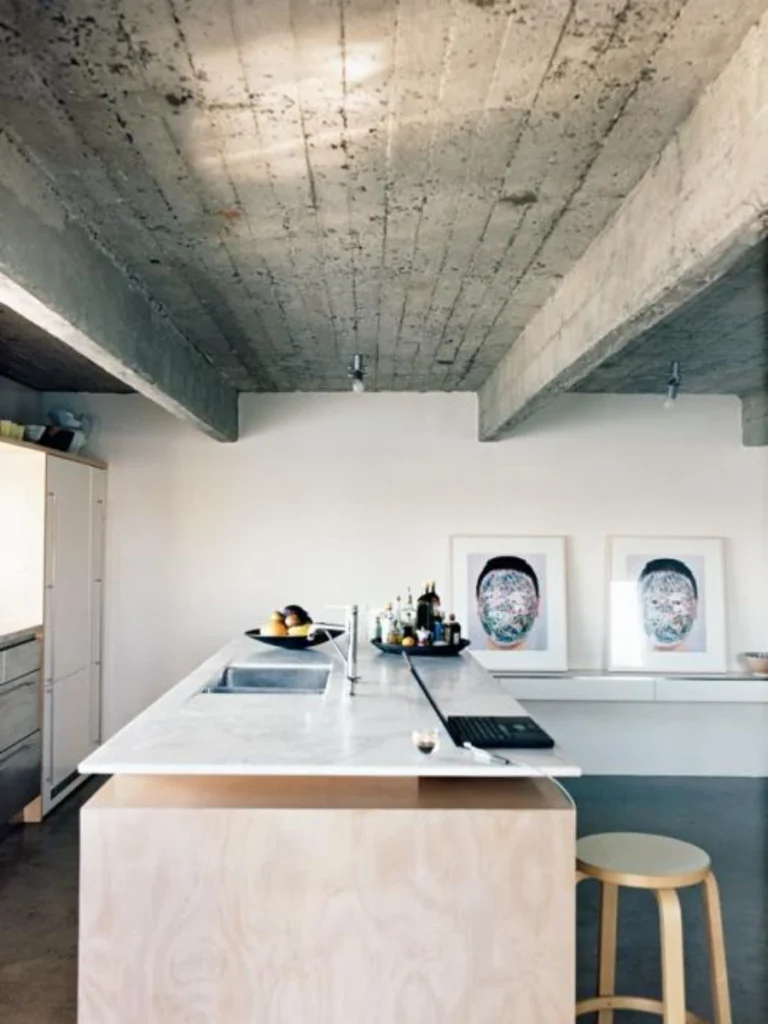
I appreciate the raw and honest look of concrete ceilings in modern lofts or contemporary suburban homes. You do not need a structural concrete slab to get this look thanks to high-quality concrete effect plasters.
These finishes add a gritty and urban feel that pairs beautifully with metal light fixtures and leather furniture. I find that the gray tones provide a neutral base that complements almost any color palette you choose.
Applying the texture requires a trowel and a bit of artistic flair to create those natural-looking imperfections. I prefer a subtle polish on the final layer to give it a slight sheen that catches the afternoon sun.
Concrete is durable and handles moisture well, making it a solid choice for modern kitchens or even bathrooms. It gives your home a sturdy and permanent feeling that standard paint simply cannot replicate for the long term.
5. Minimalist Recessed Tray Designs
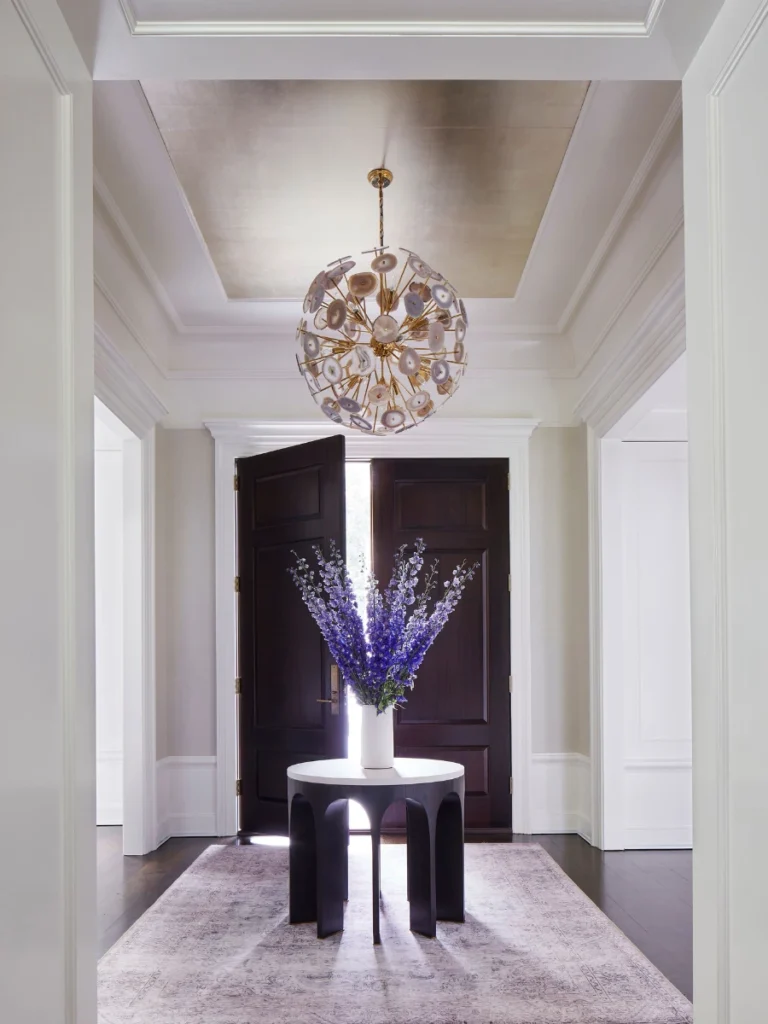
I view tray ceilings as the standard for modern luxury because they provide a clean and framed appearance. A simple recessed center section makes the room feel taller and provides a natural border for the space.
I usually install LED strip lights inside the tray to create a soft glow that illuminates the room indirectly. This hidden lighting method eliminates the need for harsh overhead bulbs and creates a very relaxing evening mood.
Minimalist trays should have sharp 90-degree angles rather than traditional rounded crown molding for a modern look.n I keep the colors monochromatic to ensure the architectural lines stay the primary focus of the ceiling design.
Trays are also perfect for defining specific zones in open-concept homes, like a dining area or a lounge. They act as invisible walls that organize the layout of your furniture without blocking any sightlines.
6. Modern Cove Lighting Installations
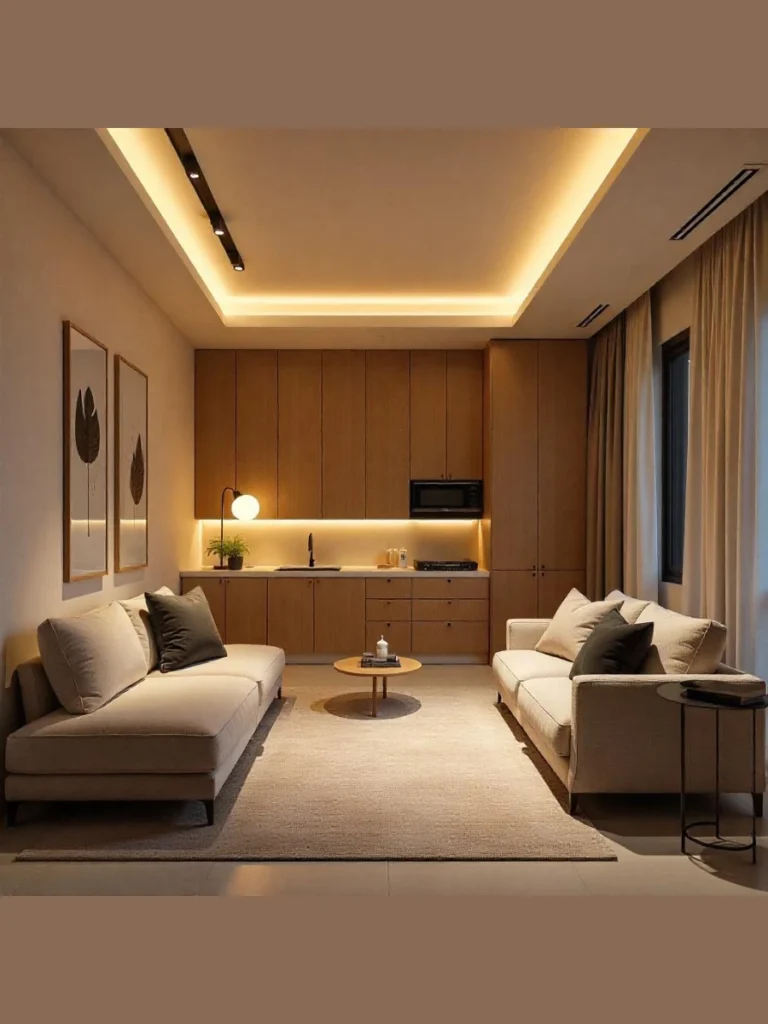
I love cove lighting because it hides the light source while bathing the ceiling in a soft, even glow. You can build a small ledge around the perimeter of the room to tuck away the LED hardware.
This setup makes the ceiling appear to be floating, which is a fantastic trick for making rooms feel larger. I recommend using smart LED strips so you can change the light temperature from warm to cool.
Cove lighting works best in rooms where you want a calm atmosphere, such as a master suite or nursery. I find it much more pleasant than a single bright pendant light that creates long and distracting shadows.
The ledge also provides a neat way to hide curtain tracks for a floor-to-ceiling drapery look. It is a functional design choice that solves several interior design problems at once while looking very sleek.
7. Metallic Tile Accents for Dining Areas
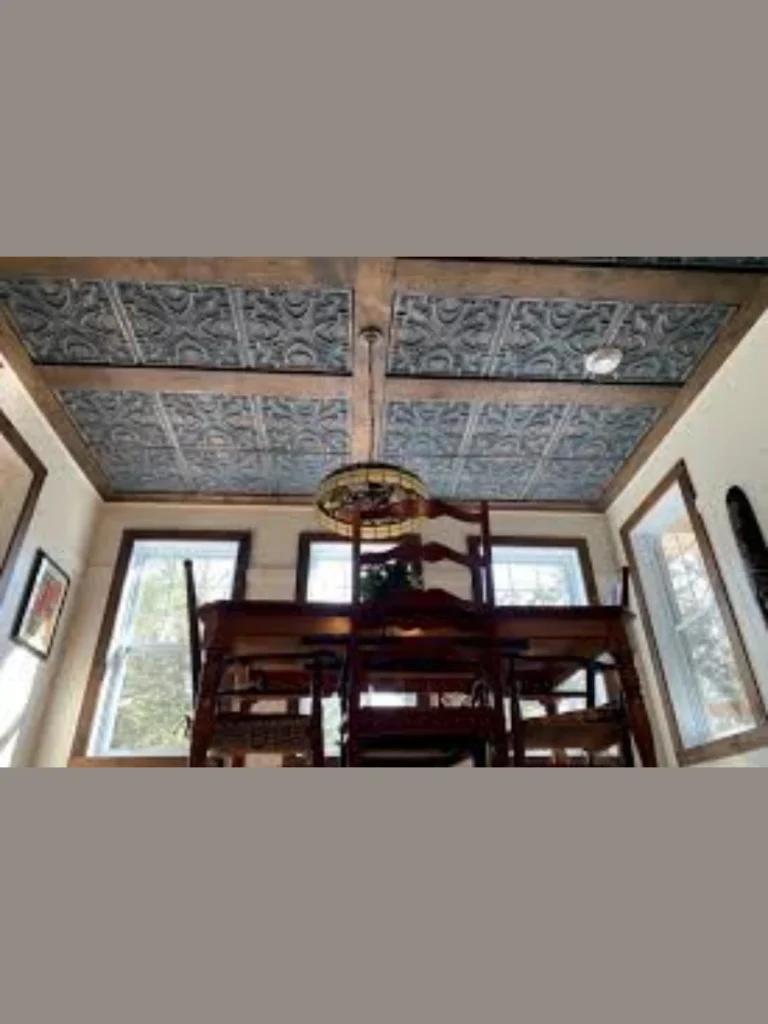
I occasionally use metallic tiles when I want to add a bit of vintage charm to a modern layout. Sleek silver or brushed brass tiles reflect light beautifully and act as a giant mirror for the room.

54x60cm LED Round Half Moon Bathroom Mirror with Anti-Fog Light, Modern Wall Makeup Mirror for Vanity & Entryway, Sleek Stylish Design, Functional Home Decor
54x60cm LED Round Half Moon Bathroom Mirror with Anti-Fog Light, Modern Wall Makeup Mirror for…
These tiles are lightweight and often come with an adhesive backing for a very straightforward installation process. I suggest using them as a centerpiece over a dining table rather than covering the entire room ceiling.
The reflective surface makes even the dimmest candlelight feel bright and celebratory during a dinner party. I always look for tiles with flat profiles to keep the look firmly in the modern category.
Metal is very easy to wipe down, which is a major plus if you use it in a kitchen. They resist heat and steam, ensuring the ceiling looks brand new for many years without any peeling.
8. Contemporary Coffered Ceiling Styles
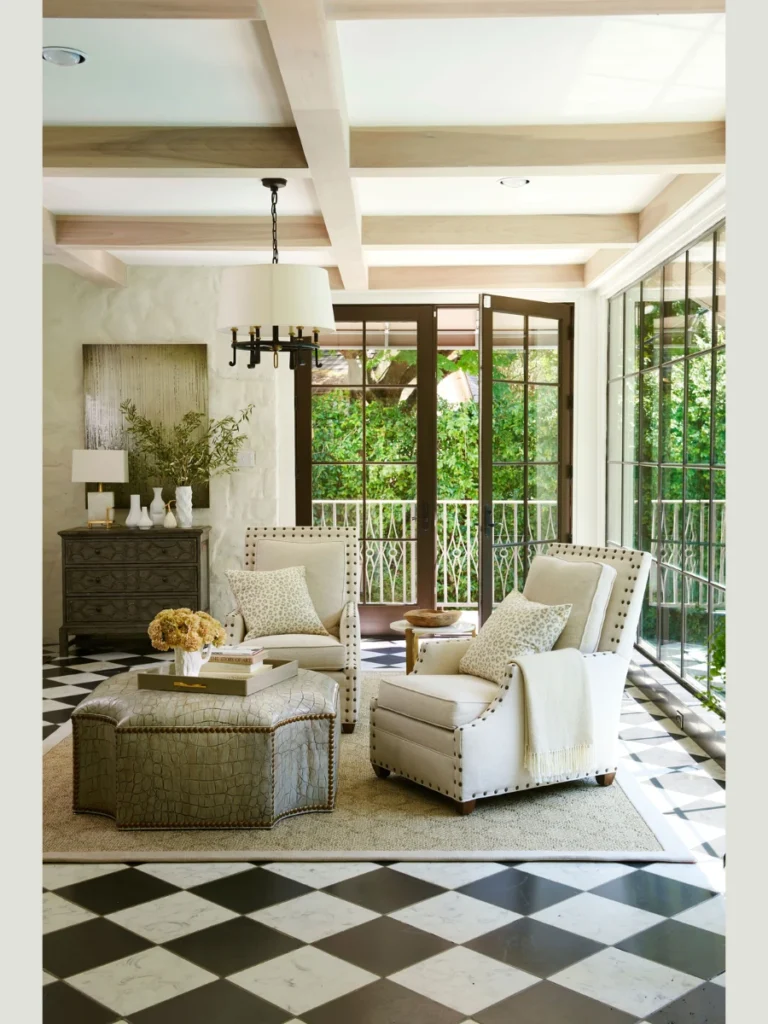
I enjoy how modern coffered ceilings use deep beams to create a grid that looks incredibly solid. Unlike old-world styles, modern versions use flat beams without ornate carvings to maintain a clean aesthetic.
I suggest painting the beams the same color as the ceiling for a subtle architectural shadow effect. This keeps the room from feeling too busy while still providing that high-end structural interest people love.
You can use the grid to perfectly center your light fixtures over specific pieces of furniture or art. It creates a sense of symmetry and order that makes any living room feel professionally designed and balanced.
Installing these grids takes some careful measuring to ensure every square is perfectly identical across the room. I usually build the boxes on the ground first to save my neck and shoulders during the installation.
9. Glossy Stretch Ceiling Finishes
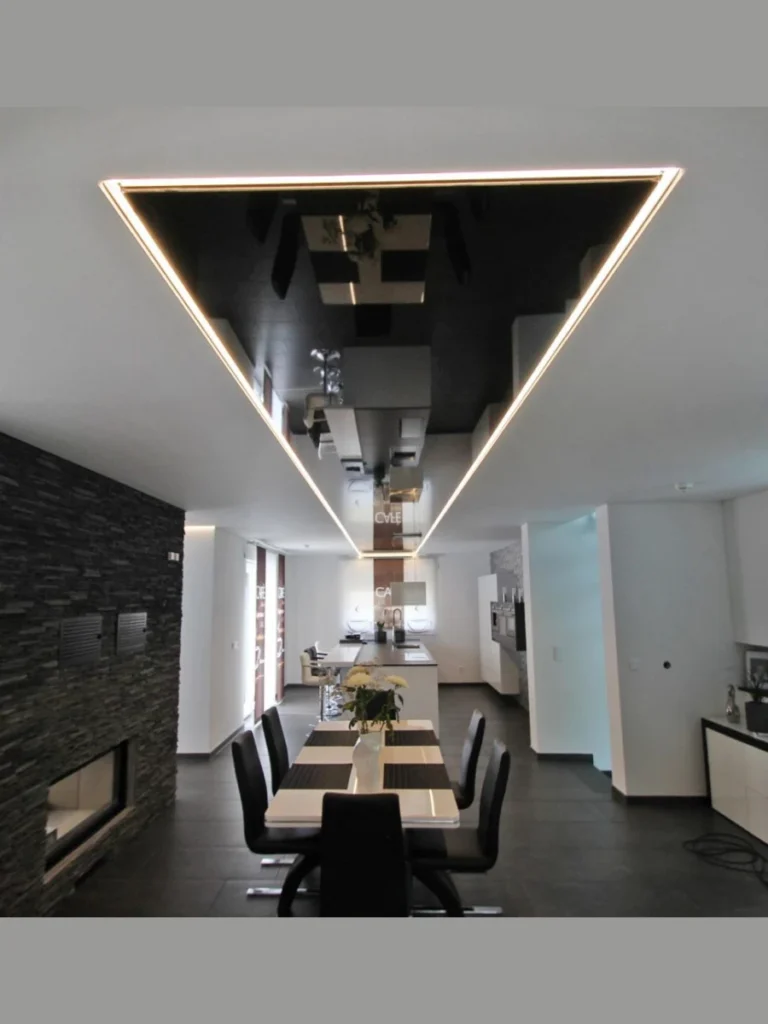
I think stretch ceilings are a brilliant modern solution for covering up cracked or ugly old plaster. A high-gloss PVC membrane is stretched across the room to create a perfectly flat and reflective surface.
The mirror effect makes a standard eight-foot ceiling feel like it is twice as high as it actually is. I find this particularly useful in small apartments or dark basements that need a sense of openness and light.
These ceilings are completely waterproof and will not harbor mold or mildew in humid environments like bathrooms. They come in hundreds of colors, but a classic white or light gray provides the most modern look.
Professional installation is a must because it requires specialized heat guns to shrink the material into place. Once it is up, you never have to paint it again, making it a very low-maintenance luxury option.
10. Minimalist Shadow Gap Details
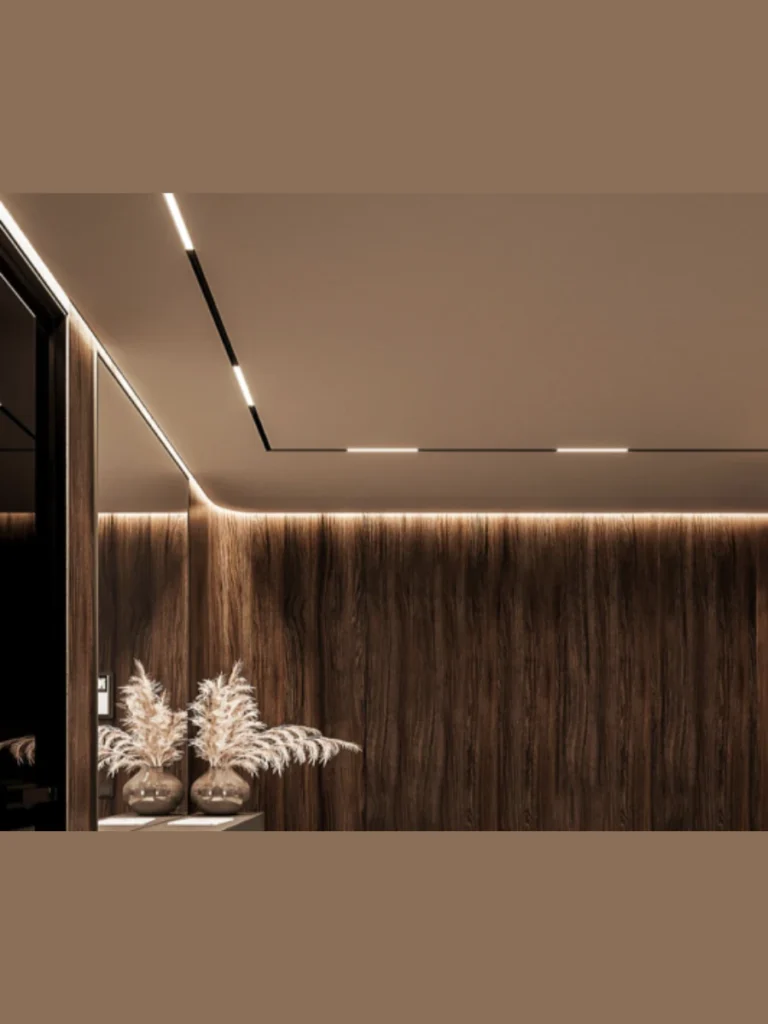
I often use shadow gaps at the top of walls to create a thin, dark line between the wall and ceiling. This small detail makes the ceiling look like it is floating independently from the rest of the structure.
It replaces bulky baseboards and crown molding with a clean, recessed channel that looks very sharp and modern. I find that this works best in homes with a “less is more” philosophy where every detail counts.
You can even hide small LED strips inside the shadow gap for a subtle glow that outlines the room. It provides enough light to navigate at night without needing to turn on any bright overhead lamps.
Contractors need to be very precise with the drywall edges to make sure the gap stays perfectly straight. It is a small investment in labor that yields a very high-end and custom architectural result for the home.
Helpful Guide for Planning Your Modern Ceiling Renovation
I always start a project by assessing the natural light in the room to see how shadows will fall. A complex ceiling design needs the right balance of sunlight and artificial fixtures to look its best.
I recommend checking the structural integrity of your joists before adding heavy materials like solid wood beams. Safety is my top priority, and ensuring the ceiling can hold the extra weight prevents future cracking or sagging.
I suggest keeping a consistent color palette between your walls and the new ceiling for a cohesive look. Using different shades of the same color creates a sophisticated and layered appearance without feeling overwhelming or busy.
Budgeting for both materials and professional labor is the smartest way to avoid mid-project stress during a remodel. I find that spending a bit more on high-quality finishes pays off in the long run through durability and style.
Comparison of Modern Ceiling Lighting Options
| Lighting Type | Best For | Visual Effect | Installation |
| LED Strips | Cove Ceilings | Floating Glow | Very Easy |
| Recessed Cans | Minimalist | Clean & Focused | Professional |
| Track Lighting | Industrial | Functional & Raw | Moderate |
| Pendant Lights | Tray Ceilings | Focal Point | Easy |
Conclusion
I believe that a well-designed ceiling is the secret to making a house feel like a professionally styled home. Taking the time to move beyond flat white paint opens up a world of architectural possibilities for every room.
I hope these ideas help you view your overhead space as a canvas for creativity and modern expression. Whether you choose the warmth of wood or the sleekness of matte black, the result will surely impress.
I always encourage my readers to start with one room to see how a new ceiling changes the mood. It is a rewarding project that adds significant character and value to your property with relatively little effort.
I look forward to hearing about your progress as you update your home with these modern design strategies. Changing your perspective by looking up is the first step toward a more beautiful and personalized living environment.
FAQs
I find that a fresh coat of matte paint in a bold color like charcoal or navy is the cheapest way to update. It requires very little equipment and provides an immediate modern vibe that changes the entire feeling of the space.
I usually install wood planks directly over drywall by using a combination of construction adhesive and finishing nails. You just need to locate the ceiling joists to ensure the boards are securely fastened and won’t pull away over time.
I noticed that dark ceilings actually create an illusion of infinite depth if the walls are kept a lighter color. It makes the boundaries of the room hard to define, which can actually make a space feel much more expansive.
I use a vacuum with a soft brush attachment or a long-handled microfiber duster to reach into the deep corners. Regular dusting prevents buildup and keeps the sharp lines of your modern design looking crisp and clean for many years.
I recommend using cove lighting as supplemental mood lighting rather than the primary source for tasks like reading. Pairing it with recessed lights or a stylish floor lamp ensures you have enough brightness for every activity in the room.
Related Posts
- 11 Best Ceiling Decoration Ideas
- Top 12 Ceiling Light Fixture Ideas
- 13 Best Ceiling Design Living Room Ideas
- Top 14 Ceiling Fans Ideas
- Best 15 Modern Ceiling Lights Ideas