
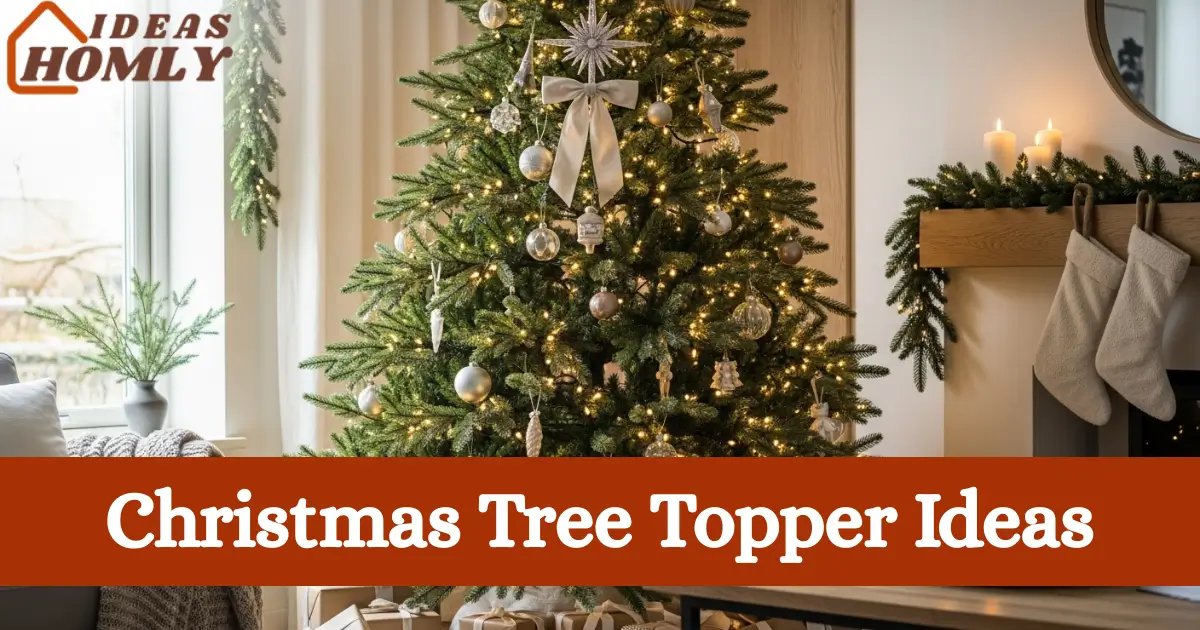

A Christmas tree topper instantly sets the mood for the entire tree, so I always treat it like the final spark that brings everything together.
When someone asks me how to finish a tree in style, I always start with the topper because it creates the first impression. A good topper adds height, personality and balance, and I’ve noticed it helps the whole tree feel intentional.
I remember the years when I picked a topper at the last minute and hoped for the best. The tree looked fine, but it never felt complete. Once I started choosing toppers with a bit more thought, everything changed.
The good thing is, you don’t need anything complicated. A few solid options work for almost every style, and they all feel easy enough to recreate.
Why Tree Toppers Matter
A topper guides the eye upward, so it sets the tone for the entire tree. When I choose one that reflects the theme, the tree feels coordinated instead of random. It also helps anchor the height, especially when the tree sits near a tall wall or window.
I also see toppers as a quick way to show personality. Some people go elegant, some go playful and some use toppers that spark conversations. A topper also balances the colors on the tree, so everything feels more polished. When a topper fits the shape and height of the tree, the whole setup looks more professional.
1. Classic Star Topper (Wood, Paper or Metal)
A classic star topper works well because it suits nearly any decorating style. When I use a wooden star, it brings a warm, rustic look that fits cabins, neutral themes or Scandinavian decor.
Metal stars feel more polished, and I like using them on modern or traditional trees because they catch the lights beautifully. Paper stars work great when I want something lightweight, affordable and easy to personalize.
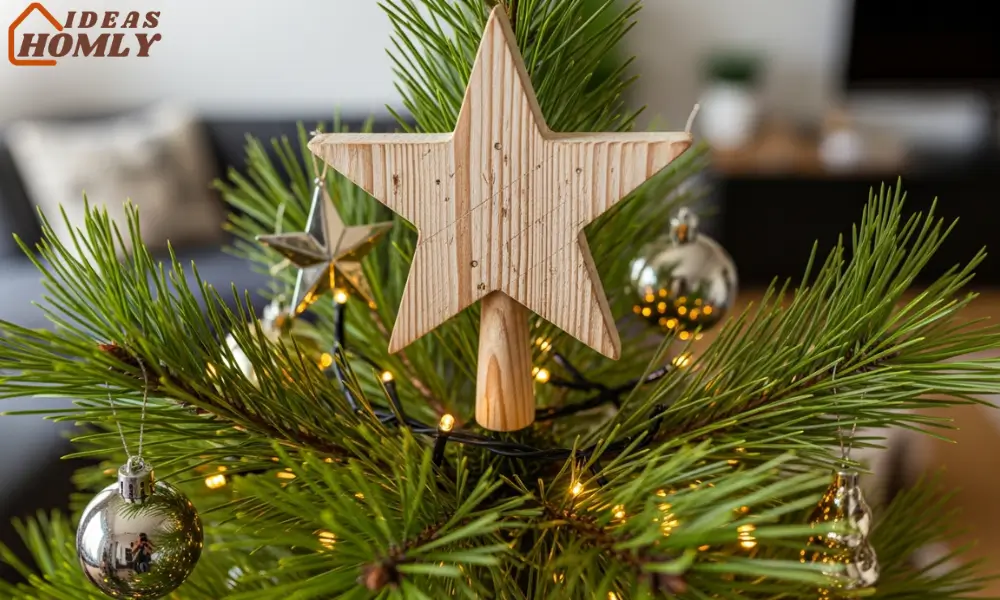
I prefer wooden stars when I want natural texture because they blend well with garlands and pinecones. Metal stars look sharper, especially when the lights reflect off them, so they help a tree look more refined. Paper stars also surprise people because they look delicate but feel easy to make in different colors.
When I place a star topper, I always secure it with a wired branch to keep it steady. A loose topper distracts the eye, so I like testing the angle before stepping back to see if the shape aligns with the tree.
Star Topper Materials
| Material | Look | Best For | Weight |
|---|---|---|---|
| Wood | Warm and natural | Rustic or minimalist trees | Medium |
| Metal | Shiny and bold | Traditional or modern trees | Heavy |
| Paper | Soft and customizable | Budget or handmade themes | Light |
2. Handmade Felt or Fabric Angel
A felt or fabric angel gives the tree a soft, handmade charm that reminds me of childhood decorations. I like these toppers because they feel personal and they work well with family-friendly themes.
When made with neutral felt, the angel blends into cozy winter decor. When made with patterned fabric, the angel brings a fun and colorful look.
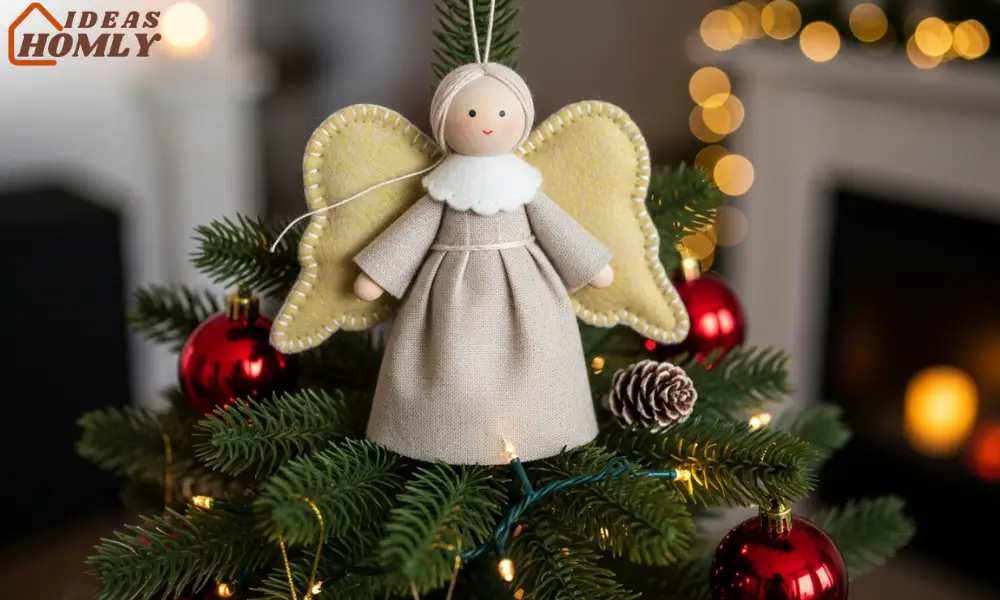
I’ve seen many people enjoy crafting these because they don’t require advanced skills. A simple felt cone, some fabric wings and a small wooden bead for the face already create something adorable. I also like using soft textures because they balance shiny ornaments and keep the tree from feeling too metallic.
I usually pick lighter felt angels for thin or narrow trees because they sit easily on top. Broader trees support larger fabric angels, and the size helps maintain visual balance. A handmade angel always feels warm, especially when you add little touches like embroidery or tiny stars.
3. Oversized Ribbon Bow Topper
A big ribbon bow topper creates height and gives the tree a polished, elegant finish. I prefer wide wired ribbon because it holds its shape and adds volume without looking messy. When I choose a bold color, the tree instantly feels more coordinated, especially if the ribbon appears throughout the branches.
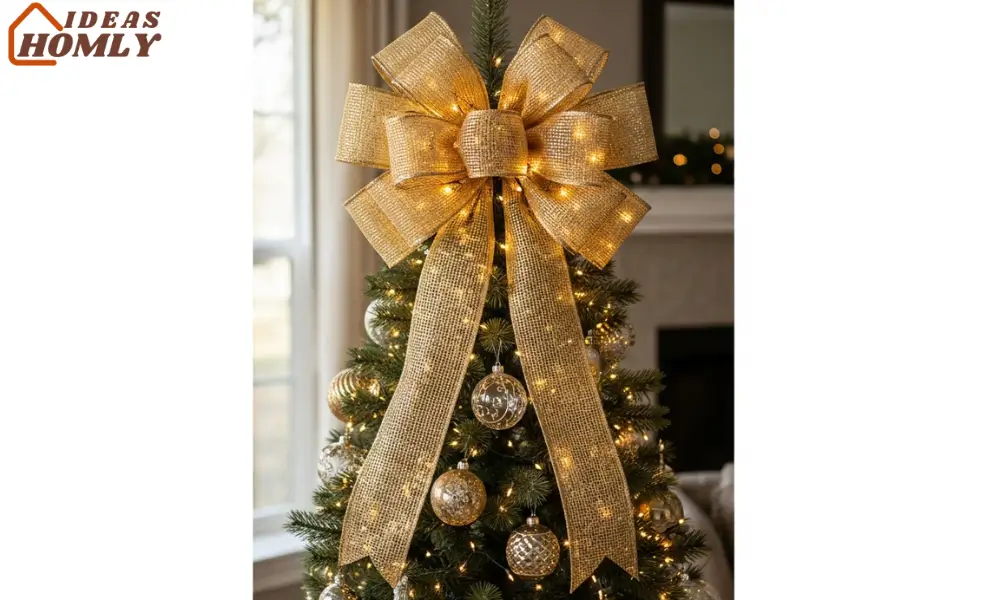
I’ve used this style often because it works even when I change the theme each year. A red velvet bow feels classic, while a gold mesh bow feels more glamorous. Neutral linen ribbon creates a soft and natural look that pairs well with wood ornaments.
I also like that bows work well on tall or short trees. A smaller bow suits compact trees, while an oversized bow looks dramatic on full-sized trees. The best part is how easy it feels to adjust the loops to get the right shape.
4. Whimsical Gnome or Snowman Topper
A gnome or snowman topper adds a fun touch, and I love using it when I want a tree that feels playful. These toppers usually make guests smile because they bring a cheerful, friendly look. I’ve noticed kids especially enjoy them, so they work great in family rooms.
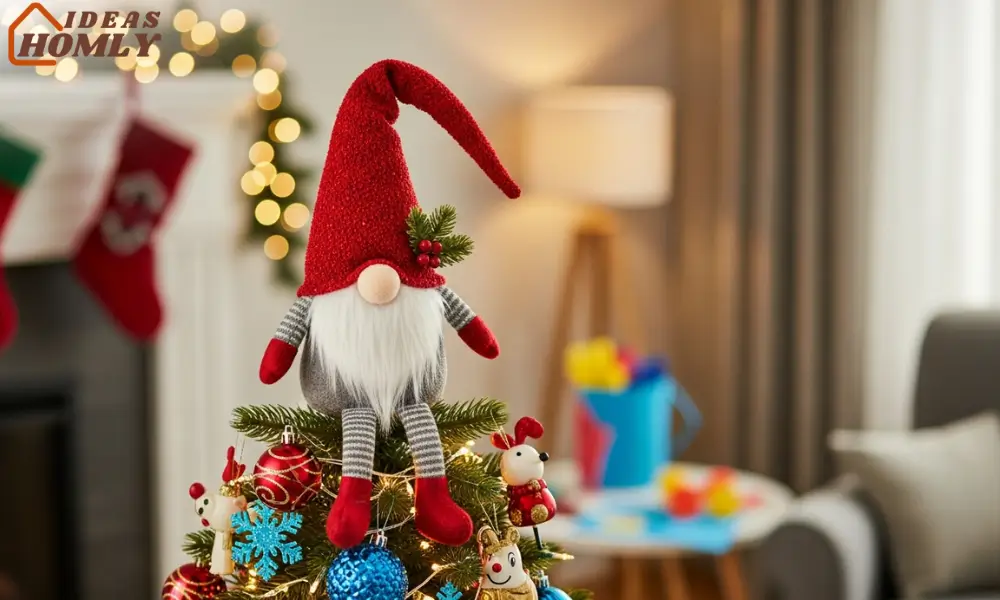
I like gnome toppers because the long hats give the tree extra height without feeling heavy. Snowman toppers feel rounder and cuter, which fits well with cozy or colorful themes. Both styles stand out nicely, especially when the ornaments have similar colors.
Some toppers come ready to use while others can be made with simple craft materials. I sometimes use a soft hat or plush figure because they stay lightweight and easy to secure. This style feels great when you want something fun but still neat.
5. Paper Snowflake or Origami Star
Paper snowflakes or origami stars feel affordable and surprisingly stylish when done right. I like them because they look delicate yet crisp, especially when made with thick paper. Larger snowflakes create a dramatic topper that still feels light and elegant.
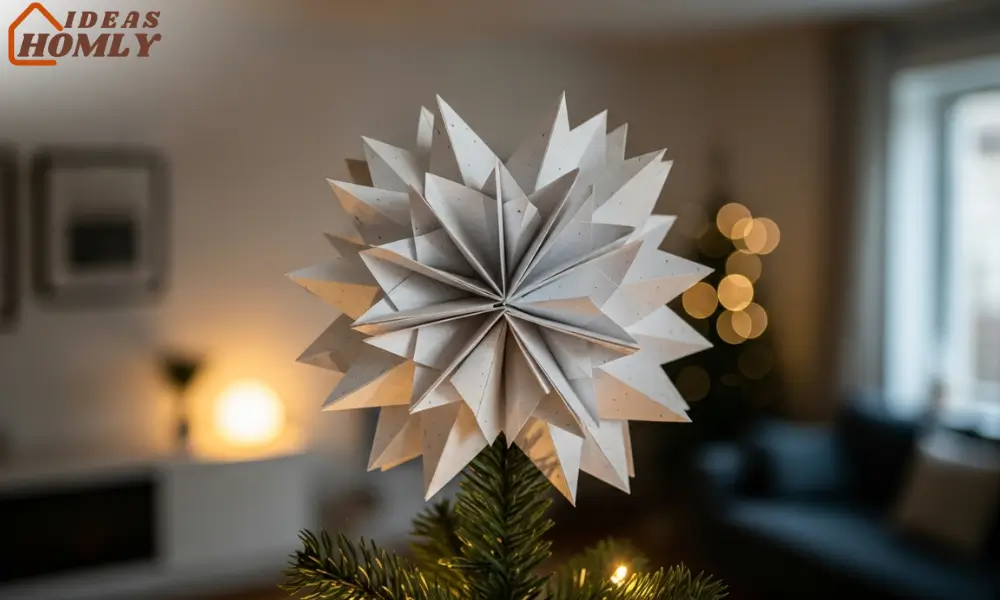
I often make origami stars with metallic or textured sheets because they reflect warm lights and add visual depth. These work well when I want a handmade look without spending too much time or money. Paper toppers also feel great for small apartments or slim trees because they don’t overpower the space.
Paper shapes allow endless customization. You can layer several snowflakes or fold multiple stars to get more dimension. This topper feels simple, but it looks handcrafted and thoughtful.
How to Choose the Right Topper for Your Tree Size?
Choosing the right topper depends on the height and width of the tree. I usually pick taller toppers for full trees because they help keep the proportions balanced. For narrow trees, I prefer lightweight toppers because heavy ones can tilt or look oversized.
A topper should take up about ten percent of the tree height. I always measure mine before placing it to avoid last minute surprises. I also check the tree tip strength to make sure it can hold the weight. Trees with flexible tips support light options like paper stars, while firm branches carry heavier metal toppers more easily.
I always base my topper choice on tree size because it changes how the whole tree looks. A large tree needs a topper with height so the shape stays balanced.
A small tree looks better with a lighter topper because heavy pieces pull the branches down. I also check how wide the top section is so the topper sits naturally.
Conclusion
A Christmas tree topper finishes the entire tree, so I treat it like the last piece that pulls everything together. When I pick the right one, the tree instantly looks more polished, even if the rest of the decor stays simple. A good topper adds height, personality and style, and it sets the mood for the entire room.
The classic star works for almost any theme, and the felt angel gives the tree a handmade charm. A ribbon bow creates a stylish finish, while a gnome or snowman adds personality.
Paper snowflakes and origami stars feel budget-friendly and customizable. Every option gives your tree a different vibe, and each one feels easy to work with.
FAQs
I usually stick with a topper that’s around ten percent of the tree height. This keeps the proportions balanced. It helps the tree look polished without making the top look too heavy.
I pick lightweight pieces like paper stars or small felt angels. These sit comfortably on flexible branches. They also keep the tree from looking overwhelmed.
I secure it with a wired branch or a zip tie hidden behind the topper. This gives it a steady base. It also helps it stay straight even when the tree gets bumped.
I usually choose a neutral topper like a wood star or a soft ribbon bow. These blend well with bold ornaments. They also help the tree look coordinated without clashing.