
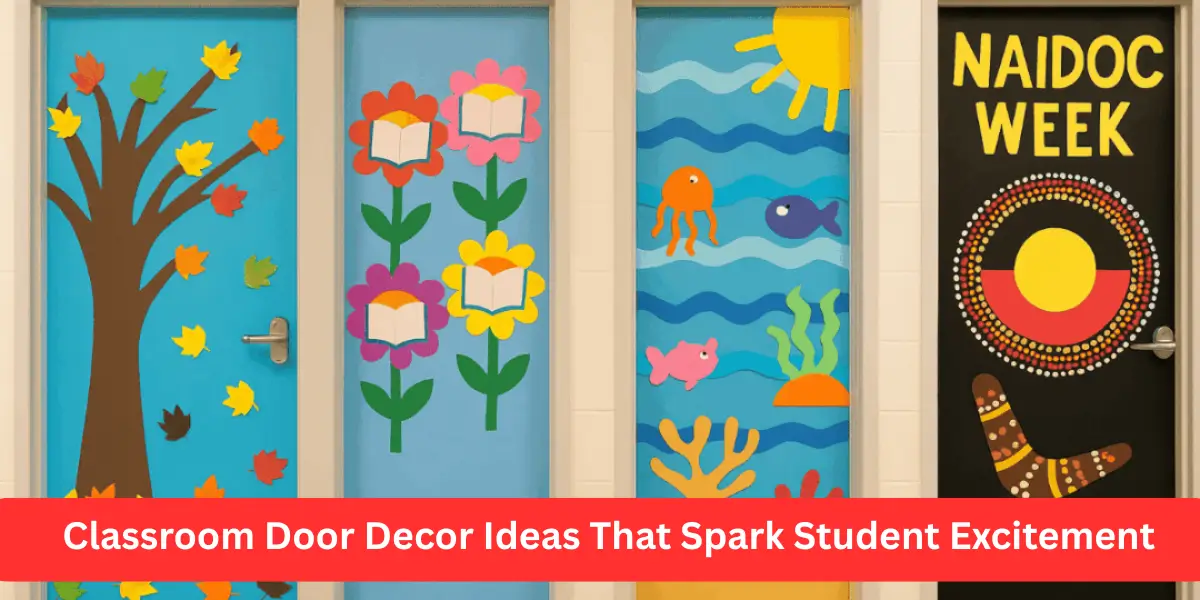

Classroom door decor ideas play a bigger role than many teachers realize. From my experience, a thoughtfully decorated door sets the emotional tone before a lesson even begins. It’s often the first visual students see each day, and that moment can influence their mood, curiosity, and readiness to learn.
Well-planned door decor doesn’t just look attractive, it communicates values like encouragement, creativity, and belonging.
I’ve noticed that classrooms with intentional door designs feel more welcoming and engaging, especially for younger learners.
In this guide, I’ll share carefully researched and widely used classroom door decor ideas that balance creativity with purpose, helping you create an entrance that truly supports learning.
1. Welcome-Themed Classroom Door
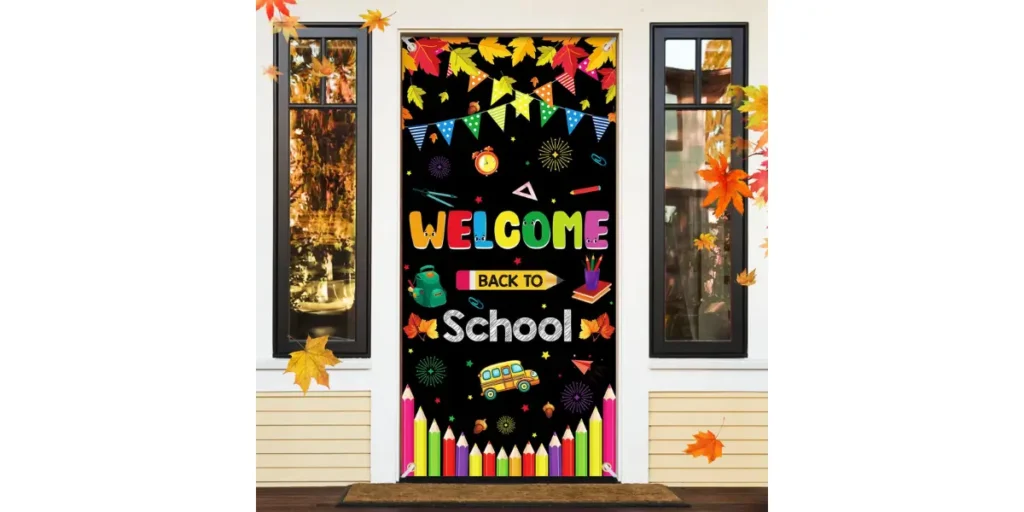
A welcome-themed classroom door helps students feel comfortable before they even step inside.
Bright colors, friendly words, and simple visuals can instantly reduce first-day anxiety and create a positive atmosphere. This idea is especially effective at the beginning of the academic year.
Many teachers use phrases like “You Belong Here” or “Welcome to Our Class” because they send a clear message of inclusion. Adding student names or handprints makes the door feel personal rather than decorative.
This type of door works well for all grade levels and sets a warm tone that supports better classroom behavior and engagement.
2. Growth Mindset Classroom Door
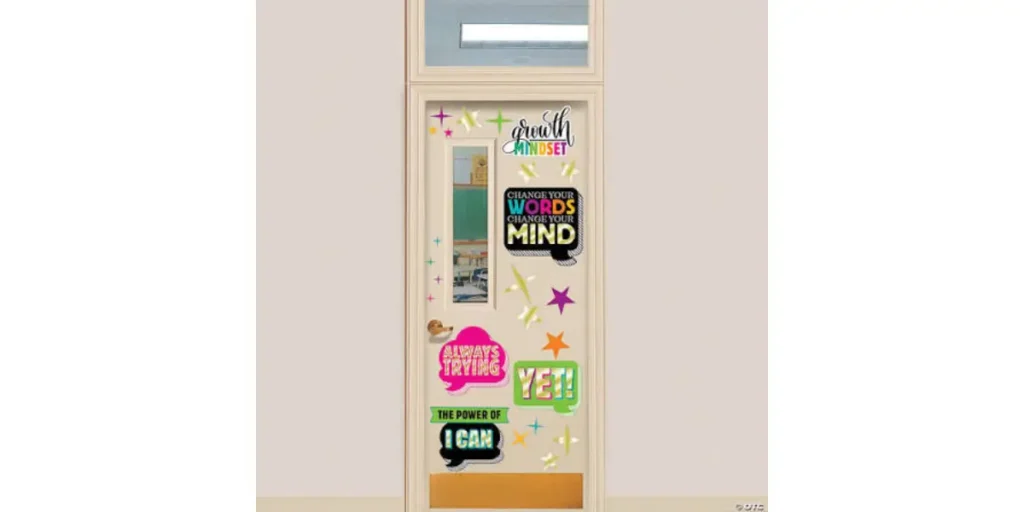
A growth mindset door focuses on effort, learning, and progress rather than perfection.
Messages such as “Mistakes Help Us Learn” or “I Can Improve with Practice” remind students that learning is a process. This visual reinforcement plays a quiet but powerful role in shaping attitudes.
Designs often include ladders, light bulbs, or brains to represent growth and thinking. These symbols are easy for students to understand and remember.
I’ve observed that classrooms using growth mindset visuals often encourage more participation and confidence, especially among students who struggle academically.
3. Seasonal or Holiday Classroom Door

Seasonal classroom doors keep the learning environment fresh and exciting throughout the year. Changing decor based on seasons or holidays gives students something new to look forward to and prevents visual boredom.
Fall leaves, winter snowflakes, spring flowers, or cultural holiday symbols are commonly used. These elements help students connect classroom learning with real-world events and time changes.
This idea also allows flexibility. Teachers can adjust themes based on age group, school culture, or local traditions while keeping the classroom environment lively and relevant.
4. Reading or Book-Themed Classroom Door
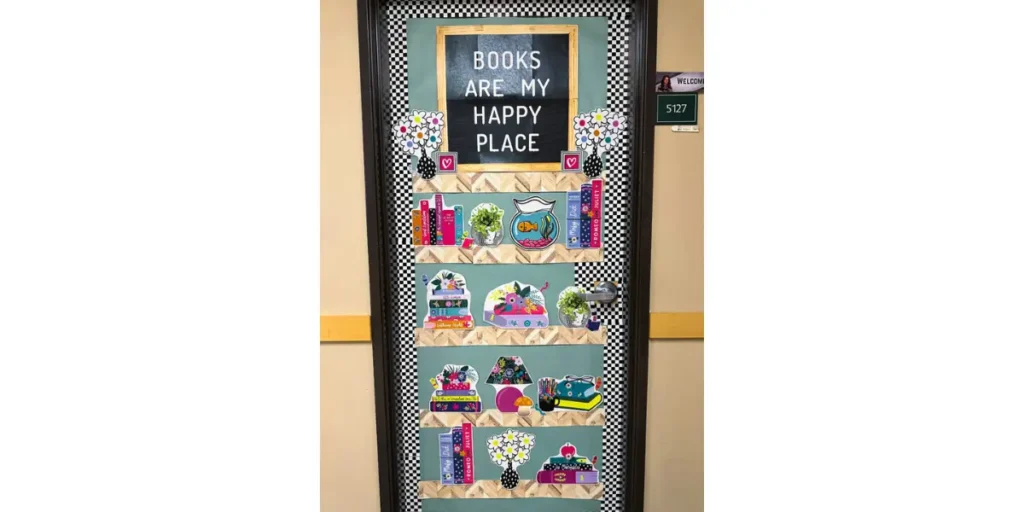
A reading-themed classroom door quietly promotes literacy without saying a word. Visuals like open books, famous characters, or phrases such as “Reading Opens Doors” naturally encourage curiosity and imagination.
This concept works particularly well near libraries or language classrooms. It creates an association between the classroom and storytelling, exploration, and creativity.
When students are repeatedly exposed to reading-focused visuals, it normalizes books as part of everyday life. Over time, this subtle exposure can help improve interest in reading activities.
5. Student Spotlight Classroom Door
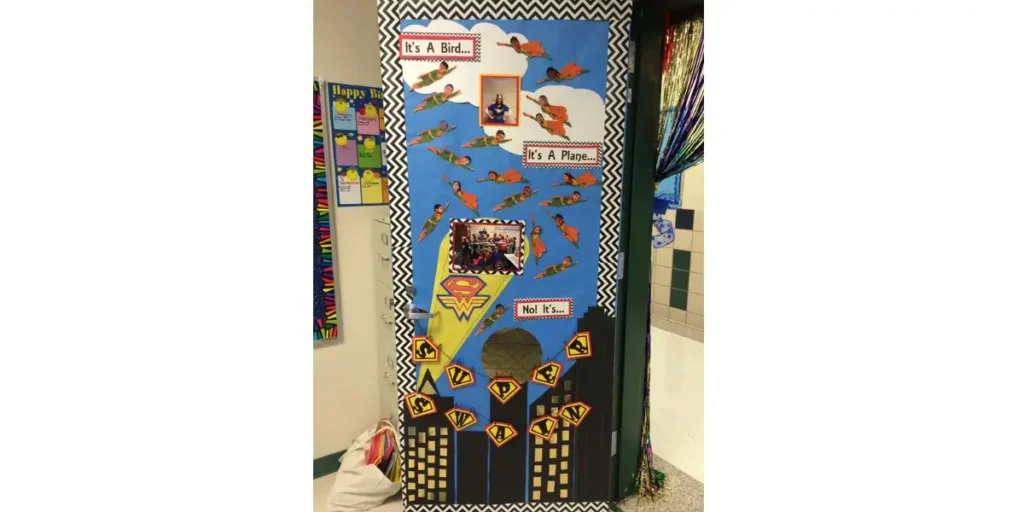
Student spotlight doors focus on recognition and appreciation. Instead of generic decorations, these doors highlight individual students through photos, achievements, or positive traits. The display usually changes weekly or monthly.
This approach helps students feel seen and valued, which supports confidence and emotional safety. Recognition doesn’t always have to be academic; kindness, effort, or teamwork can also be celebrated.
From a classroom management perspective, this idea encourages positive behavior and builds a stronger sense of community among students.
6. STEM or Learning-Concept Classroom Door
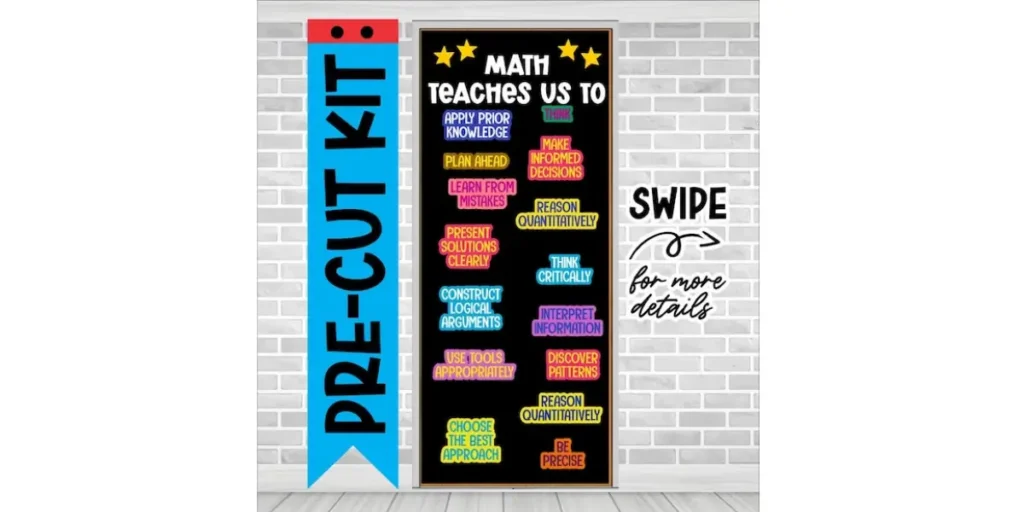
STEM-themed classroom doors are designed to spark curiosity and critical thinking. Numbers, equations, science tools, rockets, or puzzles visually introduce learning concepts before lessons even start.
These doors work best in science, math, or technology-focused classrooms, but the idea can be adapted for any subject. The visuals create an academic tone without feeling overwhelming.
Rather than decoration alone, this type of door acts as a learning cue. It subtly prepares students’ minds for problem-solving and exploration as soon as they arrive.
How Classroom Door Decor Influences Student Engagement
Classroom door decor does more than decorate a space; it quietly shapes how students feel about learning before they even enter the room.
Visual cues on a door can create a sense of safety, excitement, and curiosity, especially for younger learners. Over time, consistent themes and positive messages help students associate the classroom with encouragement and structure.
Well-planned door decor also supports classroom management by setting expectations and reinforcing values without verbal reminders.
When design choices align with learning goals, the classroom door becomes an extension of the teaching environment rather than just an entrance.
FAQs
How often should classroom door decor be changed?
There is no fixed rule, but many teachers update door decor seasonally or at the start of a new unit. Changing it too often can feel distracting, while keeping it the same all year may reduce impact. A balanced schedule keeps the classroom visually fresh without overwhelming students.
Is classroom door decor suitable for all age groups?
Yes, but the design should match the students’ age and maturity level. Younger students respond well to bright colors and characters, while older students prefer cleaner designs with motivational or subject-based themes. Age-appropriate visuals help maintain relevance and respect.
Does classroom door decor actually affect learning?
While it doesn’t replace teaching, door decor supports learning by creating a positive emotional environment. Students who feel welcomed and motivated are more likely to engage in lessons. Over time, these small visual cues can contribute to better focus and classroom culture.
Conclusion
Classroom door decor may seem like a small detail, but it carries a lasting influence on how students experience their learning space.
A thoughtfully designed door can welcome, motivate, and prepare students mentally before a lesson even begins. When decor choices reflect positivity, creativity, and purpose, they help build a classroom environment where students feel valued and ready to participate.
Rather than focusing only on appearance, the most effective door decor supports emotional comfort and learning goals.
With intentional planning and occasional updates, a classroom door can become a powerful tool that quietly reinforces engagement, confidence, and a strong sense of belonging throughout the school year.