
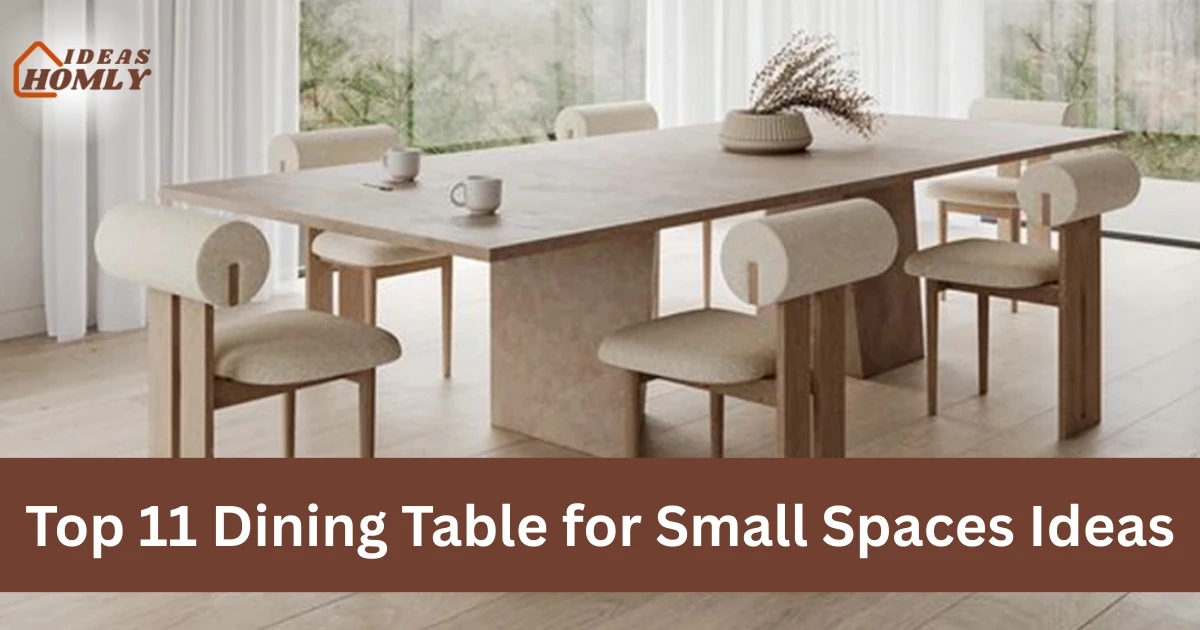

Top 11 dining table for small spaces ideas are all about smart design, compact sizes, and furniture that works harder than it looks. If you live in a small apartment, studio, or compact home, you do not need to sacrifice style for space. You just need the right dining table that fits your layout and daily routine.
I have worked with small dining areas many times, and I can tell you this honestly. The problem is never the room size. The problem is choosing the wrong table. In this guide, I will share practical, realistic, and space-saving dining table ideas that actually work in real homes.
Every idea below focuses on functionality, dimensions, layout planning, and comfort. No oversized farmhouse tables pretending to fit into a studio apartment. Only solutions that make sense.
Why Choosing the Right Dining Table for Small Spaces Matters
A dining table for small spaces must solve two problems at once. It should provide comfortable seating and still leave enough walking space around it. If it blocks movement, the whole room feels cramped within seconds.
Most small dining room mistakes happen because people ignore measurements. I always recommend leaving at least 30 inches of clearance around the table for easy movement. Even a compact dining table can feel large if placed poorly.
The good news is that modern small space dining tables come in foldable, extendable, wall-mounted, and narrow designs. You just need to match the table with your layout and lifestyle.
1. Foldable Dining Table for Small Apartments
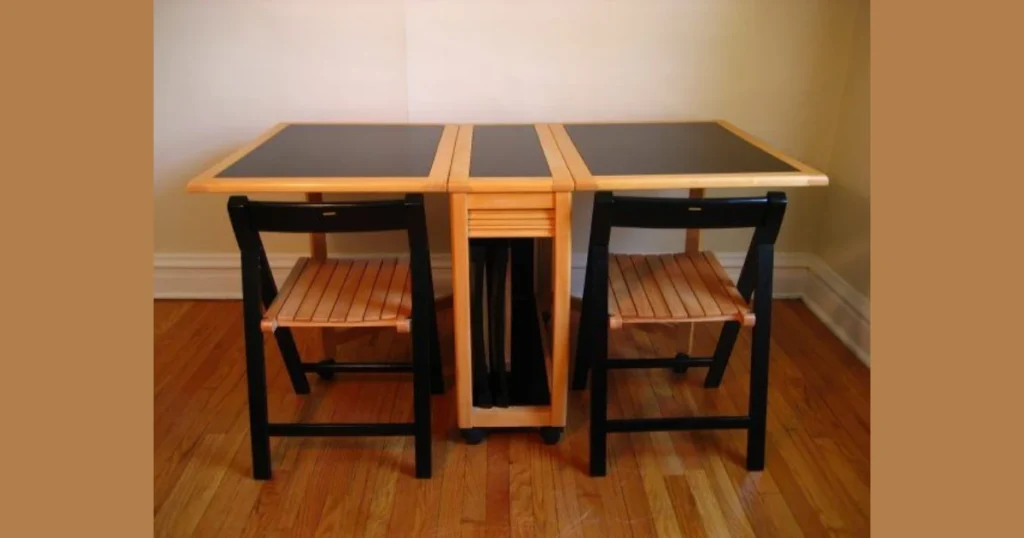
A foldable dining table is one of the most practical dining table ideas for small spaces. It gives you flexibility when you need it and disappears when you do not. This makes it ideal for studio apartments and rental homes.
I personally like foldable tables that fold flat against the wall or collapse completely for storage. You can use them during meals and then fold them to free up floor space. That extra space instantly makes the room feel bigger.
Look for tables around 30 to 36 inches wide for two people. Choose lightweight wood or engineered wood for easy movement. Pair it with stackable chairs so the entire dining setup becomes compact.
2. Wall-Mounted Drop-Leaf Dining Table
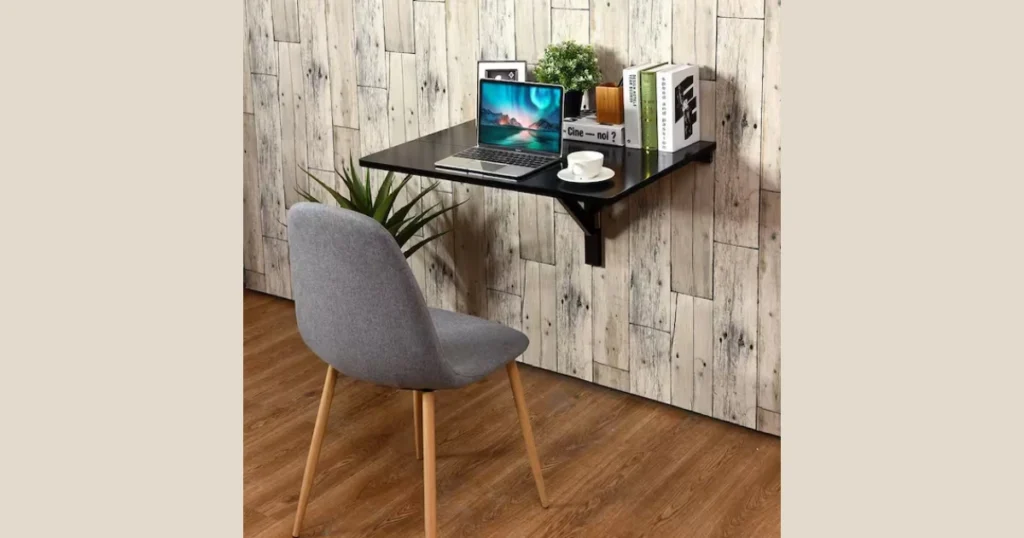
A wall-mounted drop-leaf dining table saves serious space. It stays attached to the wall and folds down only when needed. This works perfectly in narrow dining areas or small kitchens.
I often recommend this option for apartments where there is no dedicated dining room. You can install it near a window or kitchen wall and create a cozy breakfast corner. When folded up, it almost disappears.
Choose sturdy wall brackets and solid hinges. A width of 24 to 30 inches works well for tight areas. Add slim chairs that tuck completely underneath to maintain a clean look.
3. Round Pedestal Dining Table for Tight Corners
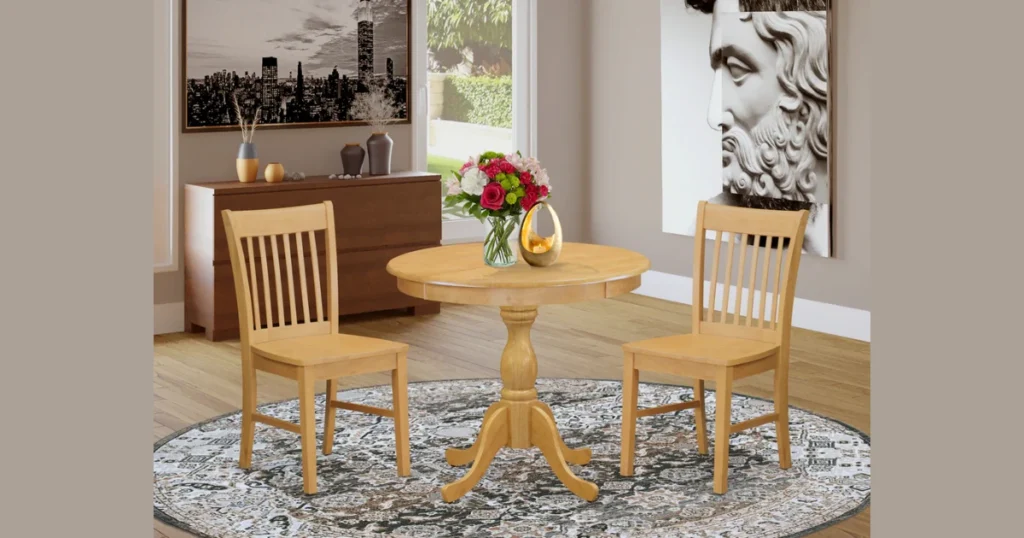
A round pedestal dining table makes small dining areas feel less crowded. The round shape removes sharp corners, which improves movement in tight layouts. It also makes conversations more comfortable.
In my experience, a 36 to 42 inch round table fits two to four people without overwhelming the room. The pedestal base gives more legroom compared to four-leg tables.
Place it in a corner or near a window to create a balanced layout. Light wood finishes or white finishes help small spaces feel open and airy. Dark finishes can work too, but only if the room has enough natural light.
4. Extendable Dining Table for Flexible Seating
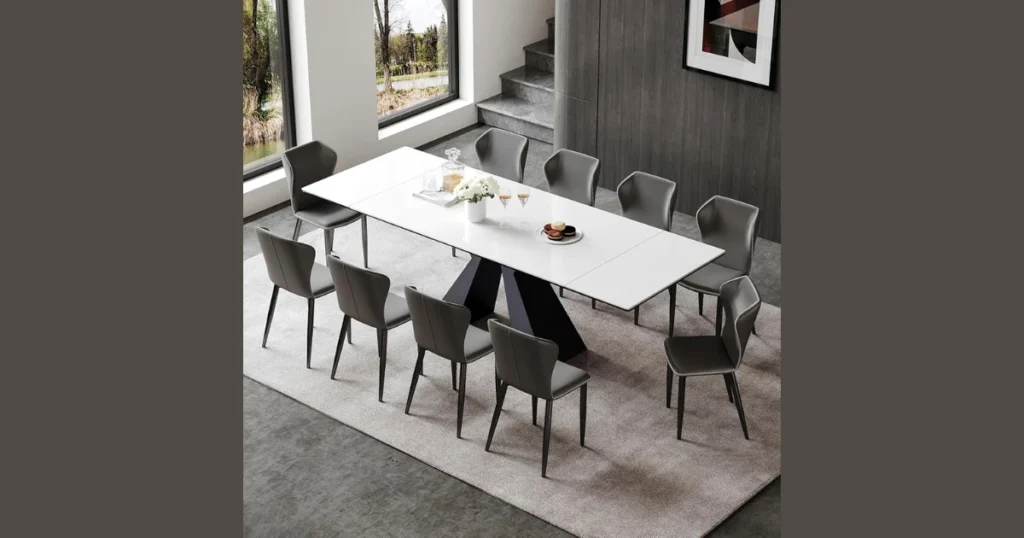
An extendable dining table works well if you occasionally host guests. It stays compact daily and expands when needed. This makes it a smart choice for small homes that entertain sometimes.
I prefer compact extendable tables that start around 40 to 48 inches long. When extended, they can seat four to six people comfortably. This way, you avoid buying a large table for occasional use.
Make sure the extension mechanism feels smooth and sturdy. Cheap mechanisms often wobble. Combine it with armless chairs to keep the overall look light and uncluttered.
5. Narrow Rectangular Dining Table for Small Rooms
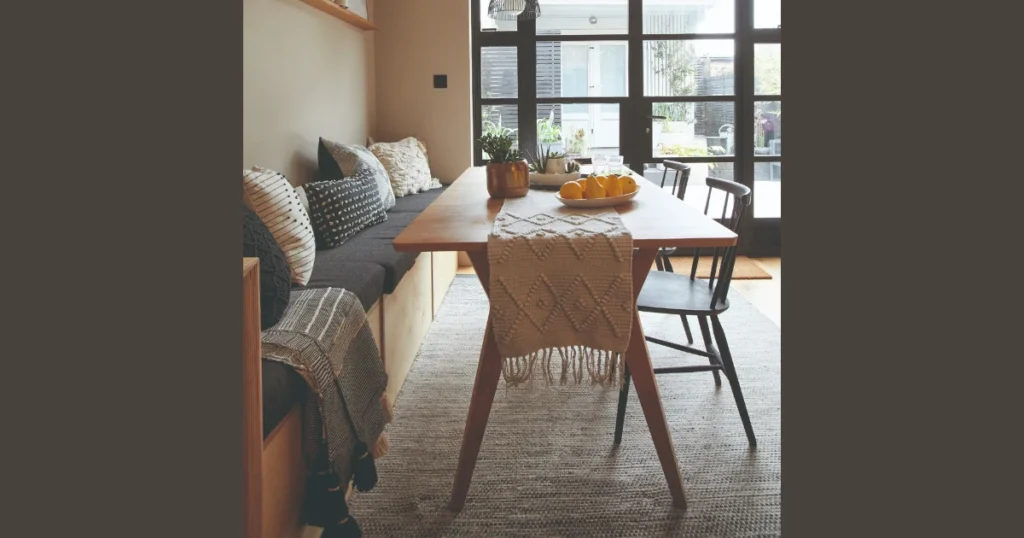
A narrow rectangular dining table fits well in small dining rooms and apartment layouts. Its slim depth keeps walking paths open while still offering enough surface space for meals.
I usually suggest tables with a depth of 24 to 30 inches for compact areas. Length can range from 36 to 60 inches depending on your available wall space. Measure carefully before buying.
Place the table against a wall if the room feels tight. Add a bench on one side and chairs on the other. This setup saves space and gives the room a modern, minimal feel.
6. Drop-Leaf Dining Table for Compact Living
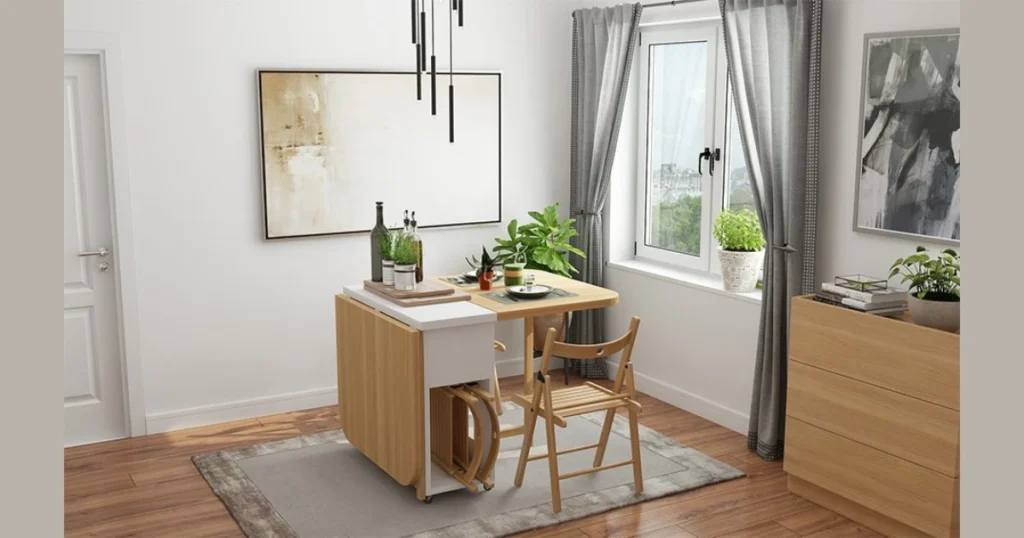
A drop-leaf dining table gives you flexibility without taking permanent space. You can expand one or both sides when needed and fold them down after meals. This design works perfectly in small dining rooms and kitchen corners.
I often suggest a 36 to 48 inch drop-leaf table for two to four people. When folded, it becomes narrow enough to sit against a wall. That makes it ideal for apartments where every inch matters.
Pair it with lightweight chairs that slide fully underneath. This keeps the layout clean and prevents visual clutter. Small spaces look better when furniture stays compact and tidy.
7. Wall-Mounted Floating Dining Table with Storage
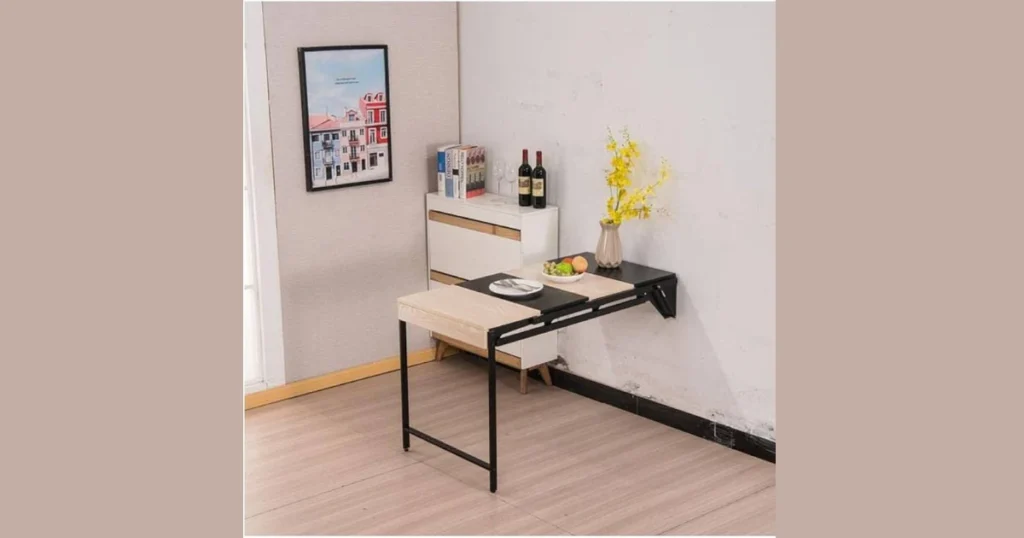
A floating dining table with built-in shelves adds storage and saves floor space at the same time. It attaches to the wall and often includes small compartments for plates, cutlery, or decor items.
I like this option for studio apartments where storage always feels limited. Instead of adding a separate cabinet, you combine dining and storage in one piece. That reduces furniture overload.
Choose a sturdy wall anchor system and durable wood. Keep the depth around 20 to 24 inches for narrow spaces. Add two slim stools that tuck underneath when not in use.
8. Small Square Dining Table for Two
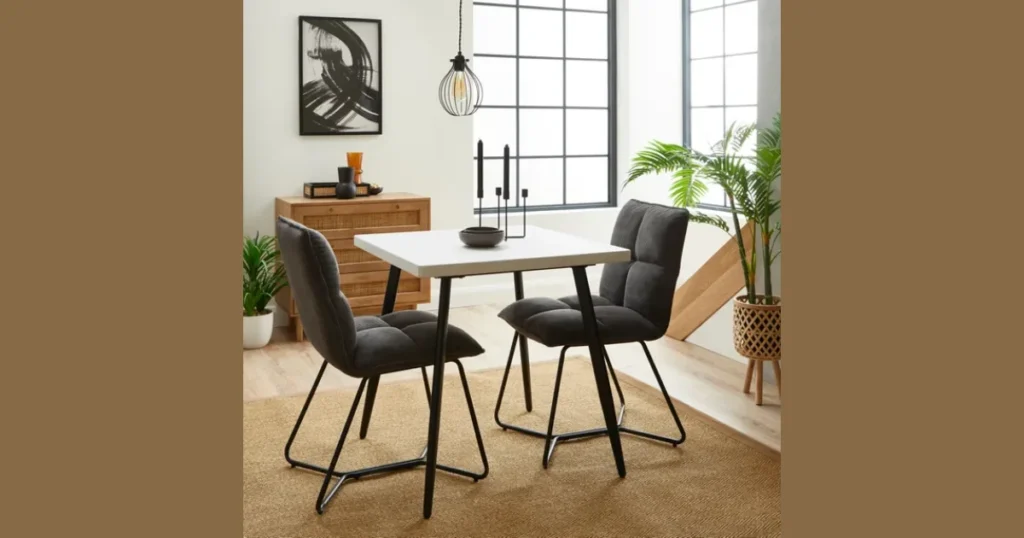
A small square dining table works well for couples or roommates. Its symmetrical shape fits nicely into corners or against walls. This makes it one of the simplest small dining table ideas.
I usually recommend a 30 x 30 inch table for two people. It offers enough space for meals without overwhelming the room. If needed, you can add a third chair temporarily.
Place it near a window to create a cozy breakfast nook. Use light colors like oak, white, or soft grey to keep the room feeling open. Dark heavy finishes can make small rooms feel tight.
9. Console-to-Dining Convertible Table
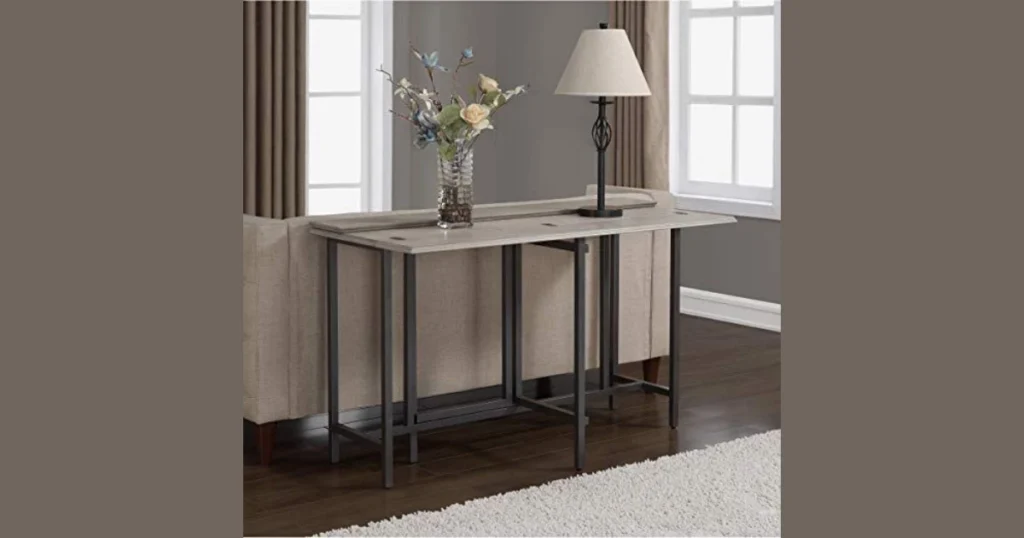
A console-to-dining table gives you maximum flexibility in small spaces. It stays slim like a console table and expands into a full dining table when needed. This design suits compact apartments and multipurpose rooms.
I have seen many small homes use this as an entryway console during the day. When guests arrive, it expands to seat four to six people. That means one piece of furniture handles two roles.
Look for strong extension panels and stable legs. Make sure the expanded size still allows 30 inches of walking clearance around it. Planning layout space is always more important than the table style itself.
10. Bar-Height Dining Table for Small Kitchens
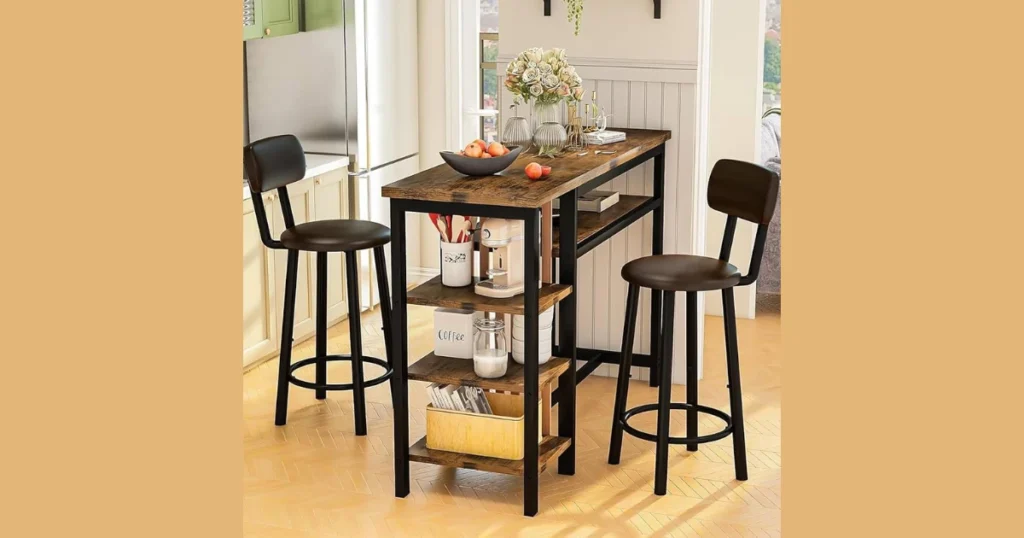
A bar-height dining table works well in small kitchens and open-plan apartments. It creates a casual dining area without taking the visual weight of a traditional table.
I prefer bar tables that are 36 to 42 inches high with a slim rectangular top. They fit neatly along walls or near kitchen islands. This design works especially well in narrow layouts.
Use backless stools that slide completely underneath. This keeps the floor area clear. A bar-height table also doubles as a work desk if you need extra workspace.
11. Bench Seating Dining Table for Small Spaces
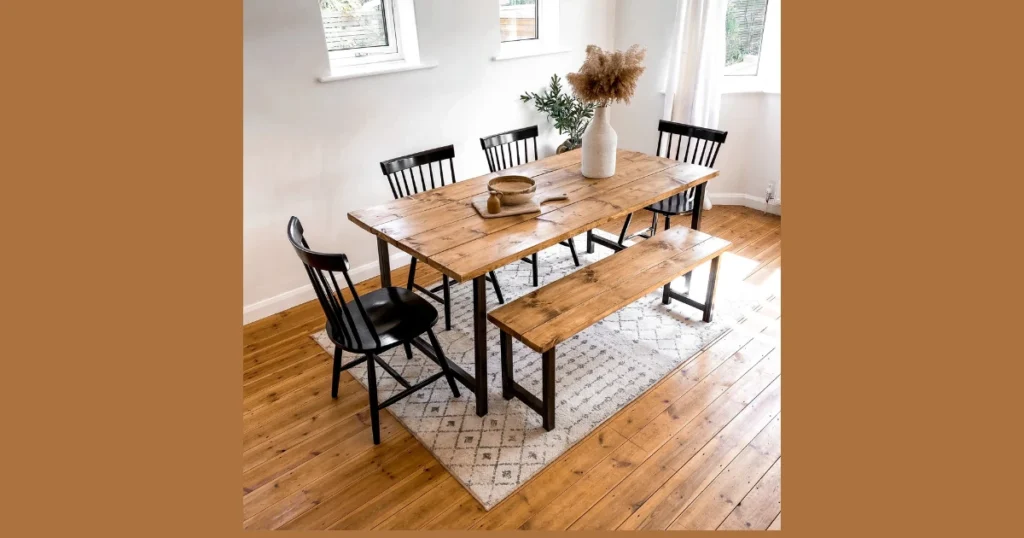
A dining table with bench seating saves more space than traditional chair setups. Benches slide fully under the table, which keeps the dining area compact.
I personally like pairing a 48 inch narrow table with one bench and two chairs. This combination offers flexible seating while maintaining balance. It also gives a modern look without feeling crowded.
Choose benches with hidden storage if possible. Storage under seating helps reduce clutter in small apartments. Less clutter always makes a room feel larger.
Smart Buying Guide for Small Dining Tables
Choosing the right dining table for small spaces requires careful measurement and planning. Size, shape, and seating style all matter more in compact rooms.
1. Measure Before You Buy
Always measure your dining area first. Leave at least 30 inches of clearance around the table for movement. In very tight spaces, 24 inches can work but feels tighter.
2. Choose the Right Shape
Different shapes work better in different layouts.
| Room Layout Type | Best Table Shape | Reason |
|---|---|---|
| Narrow room | Rectangular | Fits along wall |
| Small square area | Round or Square | Balanced look |
| Studio apartment | Drop-leaf or Foldable | Saves space |
| Corner placement | Round | Easy movement |
3. Focus on Visual Lightness
Light colors make small dining rooms feel bigger. Thin legs, pedestal bases, and glass tops reduce visual heaviness. Avoid bulky frames in compact rooms.
4. Use Multi-Functional Furniture
In small homes, every piece should serve more than one purpose. Dining tables that extend, fold, or include storage offer better value and practicality.
5. Select Space-Saving Seating
Consider these seating options:
- Stackable chairs
- Backless stools
- Storage benches
- Armless chairs
These options keep your dining area flexible and organized.
Final Thoughts
The best dining table for small spaces always balances size, function, and comfort. You do not need a large dining room to enjoy proper meals. You only need smart furniture that fits your layout and daily routine.
In this guide, I shared foldable tables, drop-leaf designs, round pedestal tables, narrow rectangular options, and convertible console tables. Each idea focuses on saving space while maintaining style. I have used many of these setups myself, and they truly change how a small room feels.
FAQs
Round and narrow rectangular dining tables work best in small spaces. Round tables improve movement in tight corners, while narrow rectangular tables fit neatly against walls.
You should leave at least 30 inches of clearance around the table for comfortable movement. In very tight areas, 24 inches may work but feels compact.
A 30 to 36 inch round table or a 36 to 48 inch narrow rectangular table usually fits well in small apartments. Always measure before purchasing.
Yes, extendable dining tables are practical for small homes. They stay compact for daily use and expand when guests arrive.
Bench seating often saves more space because you can slide it completely under the table. Storage benches add extra functionality.
Yes, many compact dining tables double as work desks. Bar-height tables and narrow rectangular tables work especially well for this purpose.
Light wood finishes, white, and soft neutral tones help small rooms feel larger. Dark finishes can work if the space has strong natural lighting.