
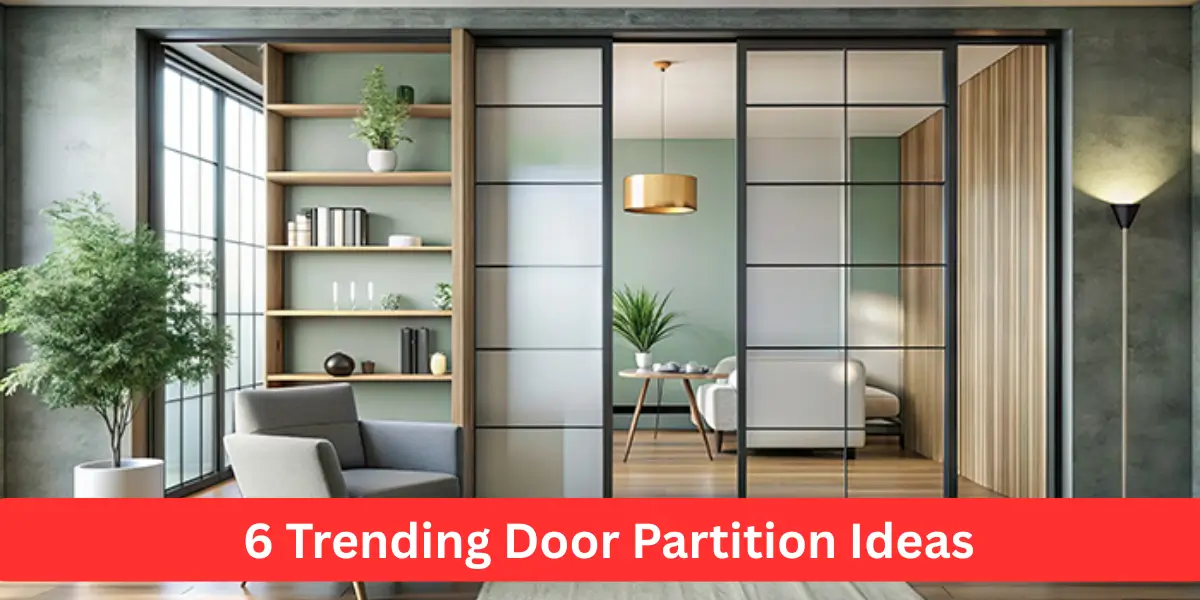

Door partition ideas for living rooms have become essential as more homes move toward open layouts. I’ve noticed that while open spaces feel airy, they often lack privacy and structure during daily life.
A well-chosen door partition solves that problem without making the living room feel closed or heavy. It allows you to define zones, control noise, and manage light while keeping the space visually connected. The key lies in choosing designs that feel intentional rather than temporary.
In this article, I’ll share practical and widely used door partition ideas that designers rely on, ideas that improve functionality while preserving the comfort and openness every living room needs.
1. Sliding Glass Door Partition
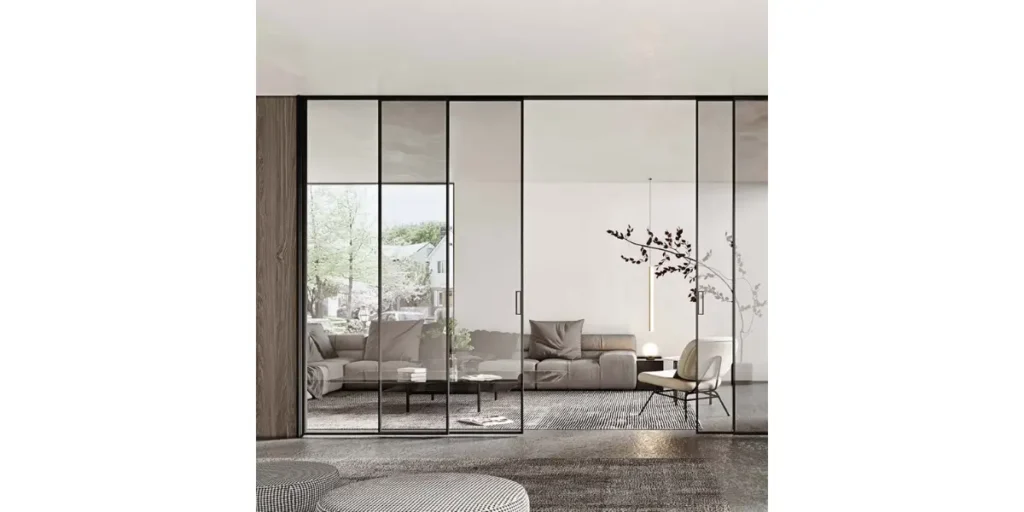
Sliding glass door partitions divide the living room without blocking natural light. They maintain openness while allowing separation whenever privacy becomes necessary. This solution works especially well in modern open-plan homes.
Designers often choose clear or lightly frosted glass to balance visibility and comfort. The sliding mechanism keeps the floor area free, which helps the room feel larger and less crowded.
I’ve seen sliding glass partitions improve daily living by offering flexibility. You can keep spaces connected during gatherings and close them off when quiet or focus matters.
2. Wooden Slatted Door Partition
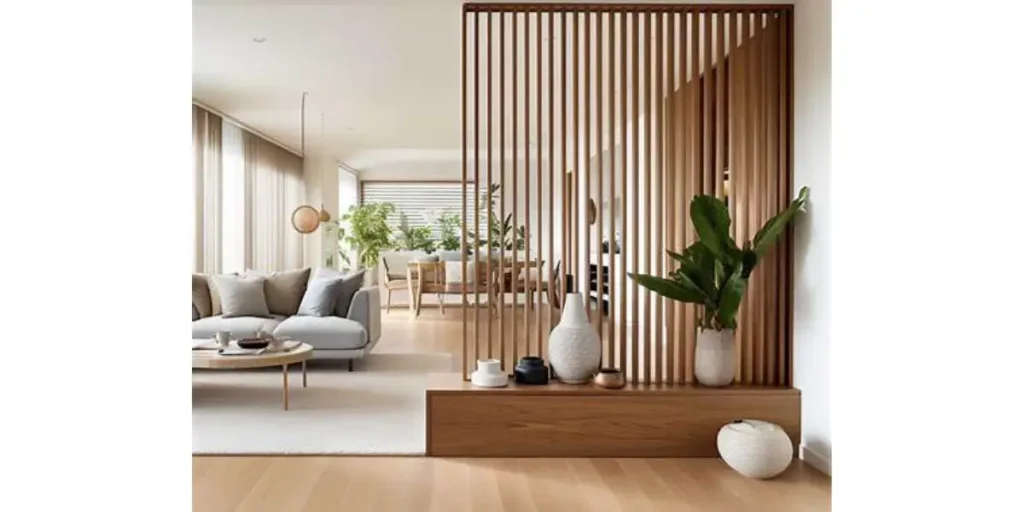
Wooden slatted door partitions bring warmth and texture into the living room. The vertical or horizontal slats create visual separation without fully closing the space. This design keeps airflow and light moving naturally.
Natural wood tones work well with modern, Scandinavian, and minimalist interiors. The spacing between slats controls how much privacy the partition provides while keeping the room visually balanced.
From my experience, this option feels both decorative and functional. It defines zones gently and adds character without making the living room feel boxed in.
3. Folding or Bi-Fold Door Partition
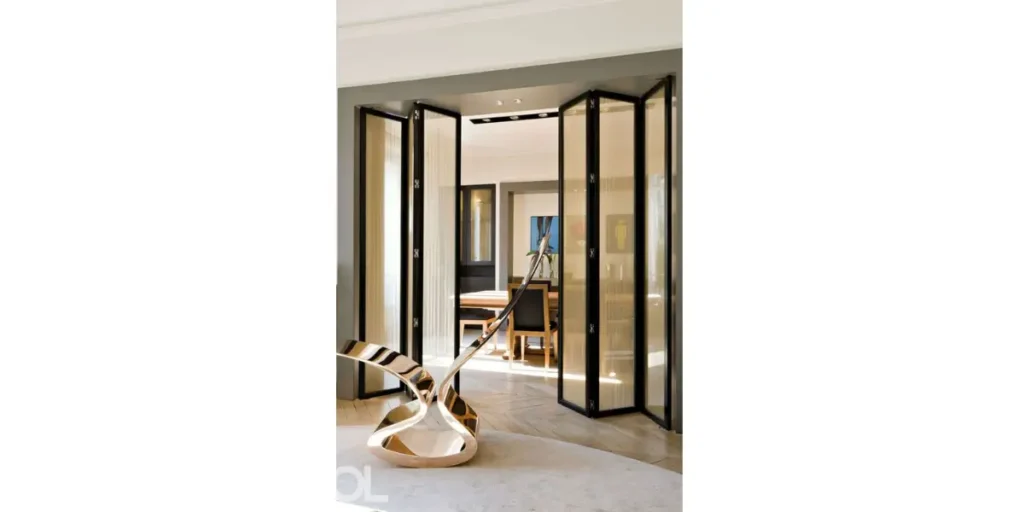
Folding door partitions offer maximum flexibility for living rooms that serve multiple purposes. You can fully open them to connect spaces or close them to create privacy when needed.
Homeowners often install these partitions between the living and dining areas. The panels fold neatly to one side, allowing smooth transitions between open and closed layouts.
I’ve found folding doors especially useful in family homes. They adapt easily to different activities while keeping the living room functional and organized.
4. Black Frame Glass Door Partition
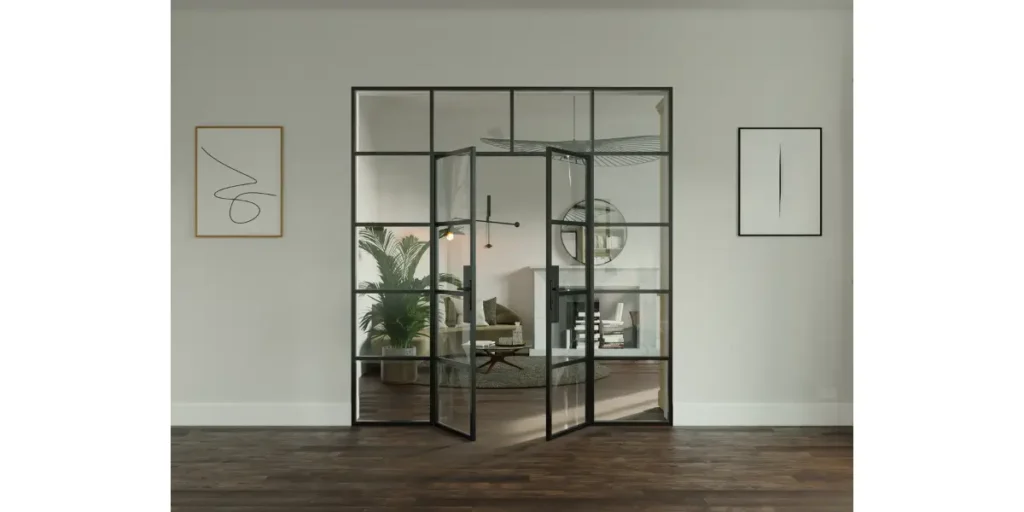
Black frame glass partitions create a strong architectural statement in living rooms. The dark frames define boundaries clearly, while the glass keeps the space bright and open.
This style works well in industrial and contemporary interiors. The contrast between black metal and glass adds structure without overwhelming the room.
I often recommend this option when homeowners want a bold yet practical solution. It adds visual interest while maintaining openness and modern appeal.
5. Pocket Door Partition for Small Living Rooms
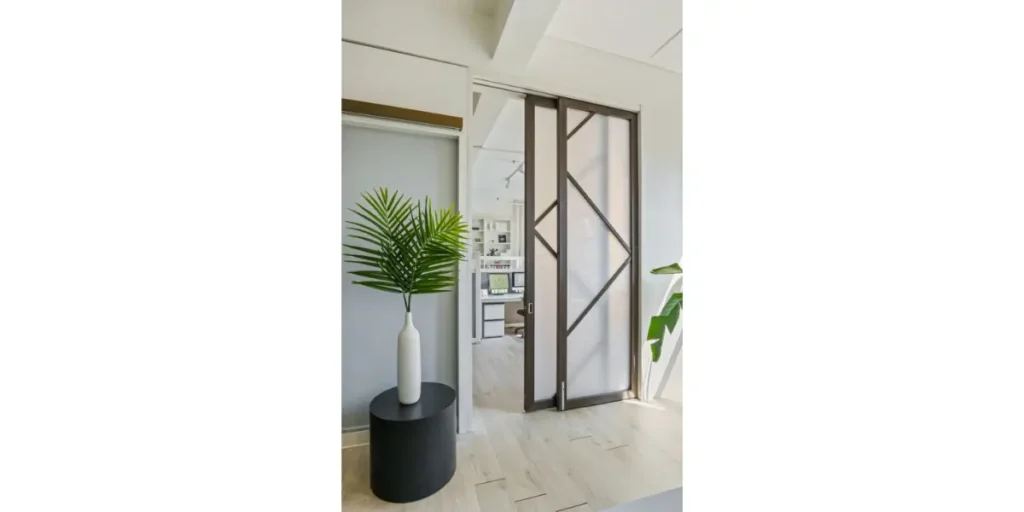
Pocket door partitions slide into the wall, making them ideal for compact living rooms. They save space and eliminate the need for swing clearance, which helps maintain clean layouts.
These doors work well when separating the living room from bedrooms or workspaces. When open, they disappear completely, preserving the room’s open feel.
I’ve seen pocket doors transform small homes. They provide privacy when needed without permanently dividing the living room or reducing usable space.
6. Decorative Glass Door Partition
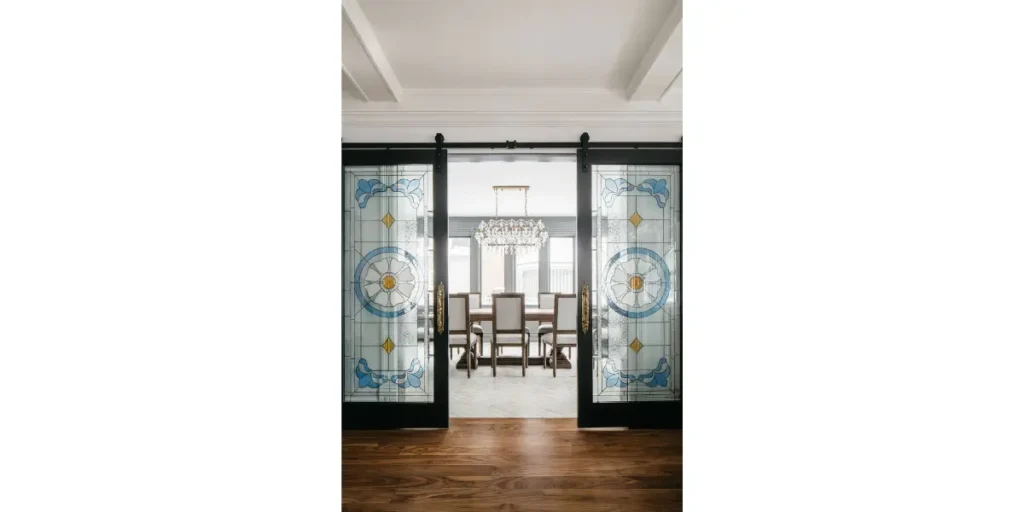
Decorative glass door partitions combine function with artistic appeal. Etched or patterned glass creates separation while adding a design feature to the living room.
This option suits homeowners who want privacy without using solid walls. The patterns soften transparency and create visual interest without blocking light.
In my experience, decorative glass works best as a feature partition. It defines zones elegantly and adds personality while keeping the living room bright and welcoming.
How Door Partitions Improve Comfort and Flexibility in Living Rooms
Door partitions play a key role in making living rooms more functional without sacrificing openness. They allow homeowners to control noise, manage privacy, and define zones based on daily needs.
A well-placed partition helps separate work, relaxation, and social areas while still maintaining visual connection. I’ve noticed that living rooms with flexible partitions feel more organized and adaptable, especially in open-plan homes.
By choosing designs that support light flow and easy movement, door partitions enhance comfort and make the living space respond better to changing routines.
FAQs
What type of door partition works best for a living room?
The best option depends on space and lifestyle needs. Sliding glass and pocket doors suit modern, compact homes, while folding and slatted partitions work well for flexible layouts. Choosing a design that balances privacy and openness ensures the living room remains comfortable and functional.
Do glass door partitions reduce privacy?
Glass partitions do not always compromise privacy. Frosted, textured, or patterned glass limits visibility while allowing light to pass through. Selecting the right glass type helps maintain comfort without closing off the living room completely.
Are door partitions suitable for small living rooms?
Yes, door partitions can work very well in small living rooms when space-saving designs are used. Sliding or pocket doors prevent overcrowding and keep the layout clean. These options offer privacy without reducing usable floor space.
Can door partitions help with noise control?
Door partitions help reduce noise by creating physical separation between areas. Solid or framed glass partitions limit sound movement more effectively than open layouts. This makes them useful for homes where multiple activities happen at the same time.
Conclusion
Door partition ideas for living rooms offer a smart way to balance openness with everyday practicality. The right partition allows you to separate areas when needed while still preserving light, flow, and visual connection.
From glass and wood designs to space-saving solutions, each option serves a different lifestyle need.
I’ve found that living rooms with flexible partitions feel more organized and comfortable because they adapt easily to work, relaxation, and social gatherings.
Instead of relying on permanent walls, door partitions provide control without confinement.
When chosen thoughtfully, they enhance both function and style, helping the living room remain welcoming, versatile, and well-structured over time.