
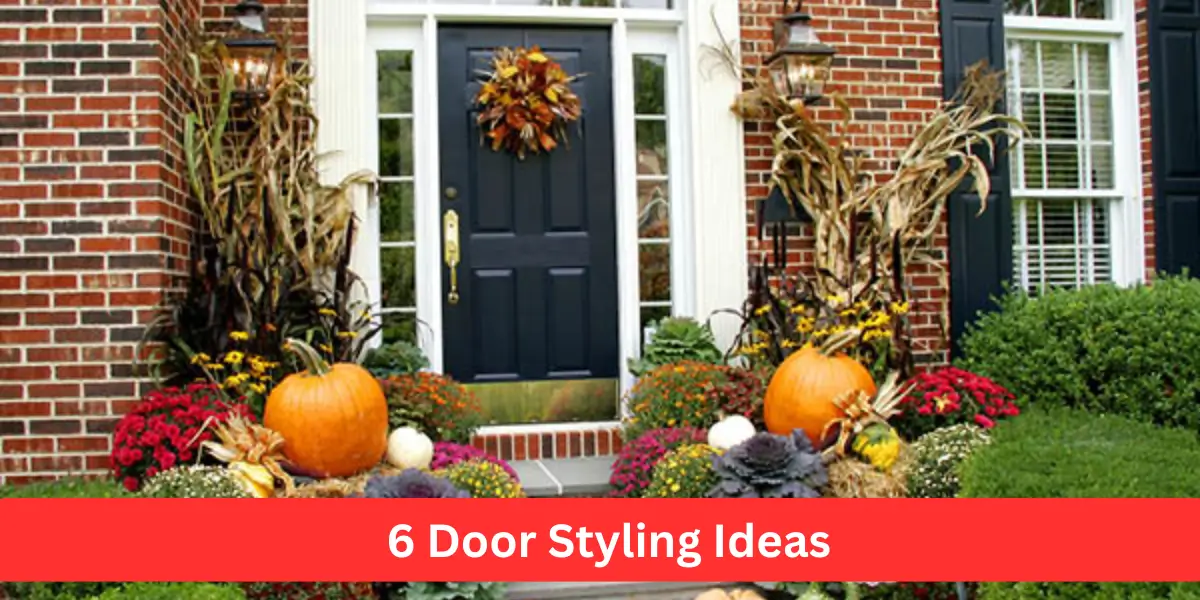

Door styling ideas are one of the most underestimated ways to transform a home, yet from my experience, they shape how a space is felt before it’s even entered. I’ve noticed that a thoughtfully styled door doesn’t just look good, it sets expectations.
It signals warmth, order, and personality in a subtle but powerful way. Today, door styling goes far beyond paint or décor; it’s about the balance between design, proportion, and daily use.
When details like color, texture, and hardware work together, the door becomes part of the home’s identity.
In this guide, I focus on door styling ideas that are popular yet distinctive, practical yet expressive, and designed to create lasting visual impact without feeling forced.
1. Minimal Modern Door Styling
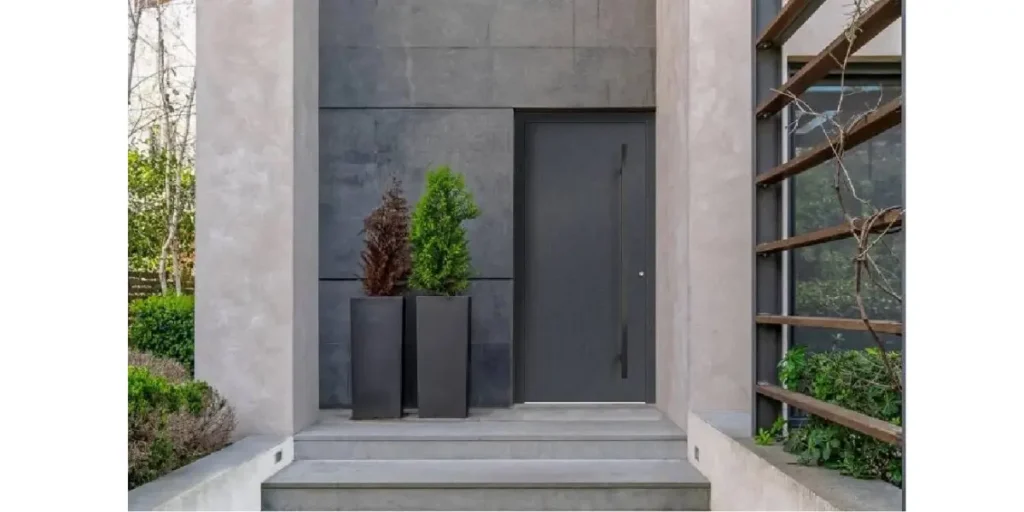
I often see minimal door styling work best when the goal is a clean and confident look. This style relies on simple colors, smooth finishes, and uncluttered surroundings.
Neutral tones like white, beige, or soft gray help the door blend seamlessly into modern interiors without demanding attention.
The key detail here is restraint. Sleek handles, hidden hinges, and flat surfaces keep the design calm and intentional. When everything around the door feels balanced, the entrance looks refined rather than plain.
Minimal styling also ages well. Without heavy decoration, the door remains visually relevant over time and supports a timeless interior aesthetic.
2. Wooden Door Styling with Natural Accents
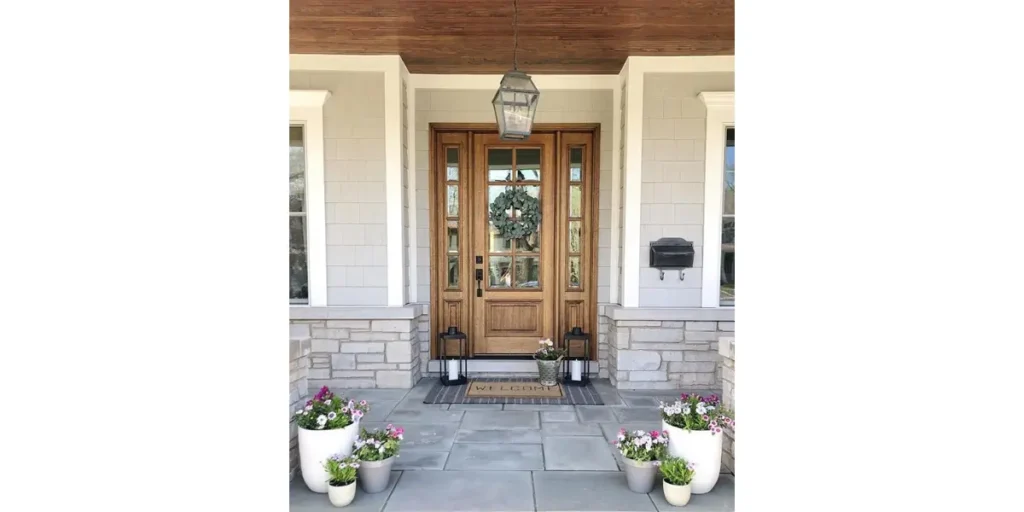
Wooden door styling brings warmth that few materials can replicate. Natural wood grains instantly make an entrance feel welcoming and grounded. Pairing wood with subtle accents like planters, soft lighting, or matte hardware enhances its organic beauty.
This style works especially well when the surroundings are kept simple. Natural textures should stand out without competition from bold colors or busy décor. The result feels calm and inviting.
Wooden doors styled thoughtfully create emotional comfort. They connect the interior with nature and give the entrance a sense of authenticity and balance.
3. Black Door Styling for Strong Visual Contrast
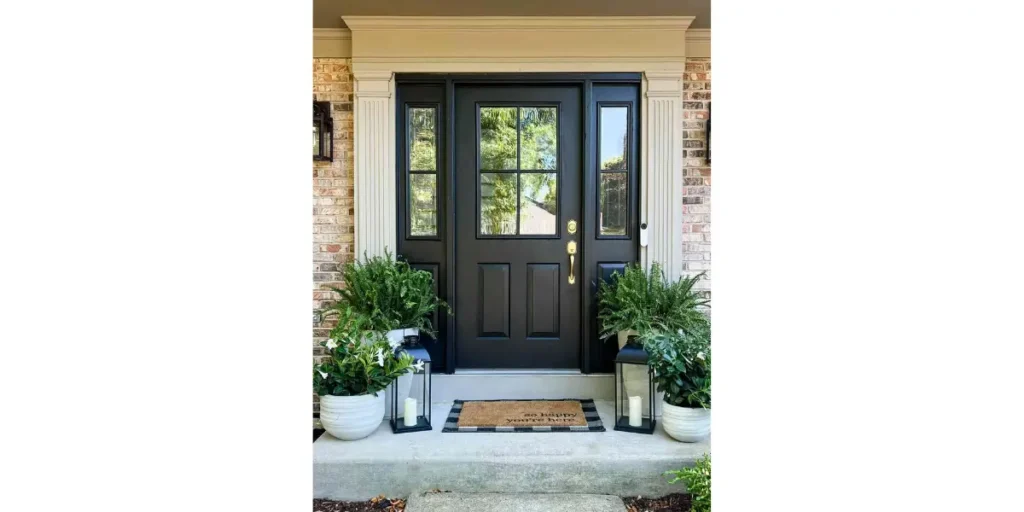
A black door creates instant definition and depth. This styling choice works best when contrast is intentional, especially against light walls or neutral surroundings. The bold color frames the doorway and adds a sense of structure.
Black doors pair beautifully with metallic or matte hardware, allowing small details to stand out clearly. Clean lines and controlled accessories keep the look elegant rather than overpowering.
This style feels confident and modern. When done right, a black door adds sophistication and makes the entrance feel deliberate and well-designed.
4. Seasonal Door Styling with Subtle Decor
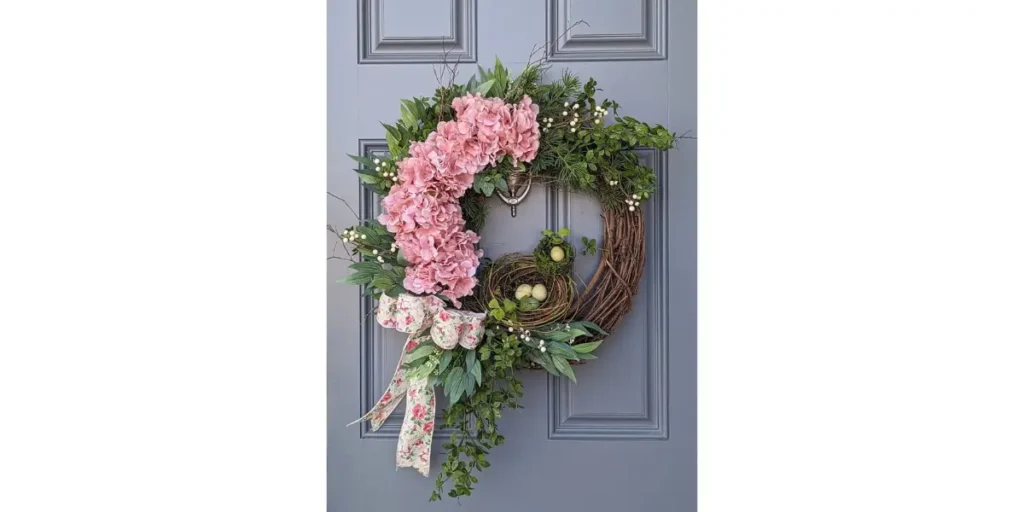
Seasonal door styling allows flexibility without permanent change. Small updates like wreaths, greenery, or seasonal textures refresh the door throughout the year. The key is subtlety rather than heavy decoration.
Keeping a consistent base door color makes seasonal elements feel intentional. Accessories should enhance the door, not hide it. This balance keeps the styling tasteful.
Seasonal updates add personality and movement to a home. They allow creativity while maintaining a cohesive overall design that evolves naturally over time.
5. Glass Door Styling with Privacy Elements
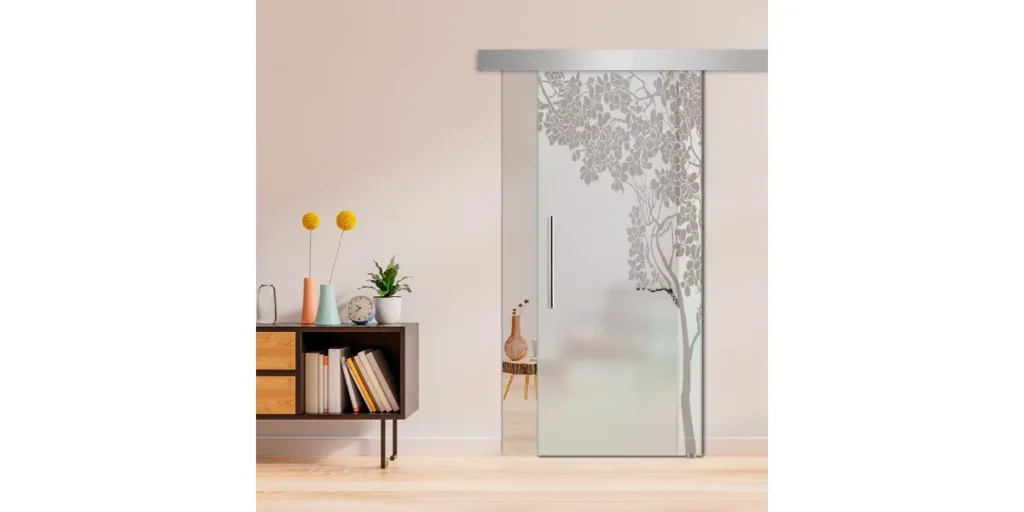
Glass doors can be styled beautifully without sacrificing comfort. Frosted films, sheer curtains, or patterned panels soften transparency while keeping light flowing through the space. This approach balances openness and privacy.
The styling should feel light and intentional. Over-layering glass doors can make them feel heavy or cluttered. Clean lines and soft materials work best here.
Well-styled glass doors feel airy and elegant. They enhance brightness while maintaining a sense of calm and control within the interior.
6. Statement Hardware Door Styling
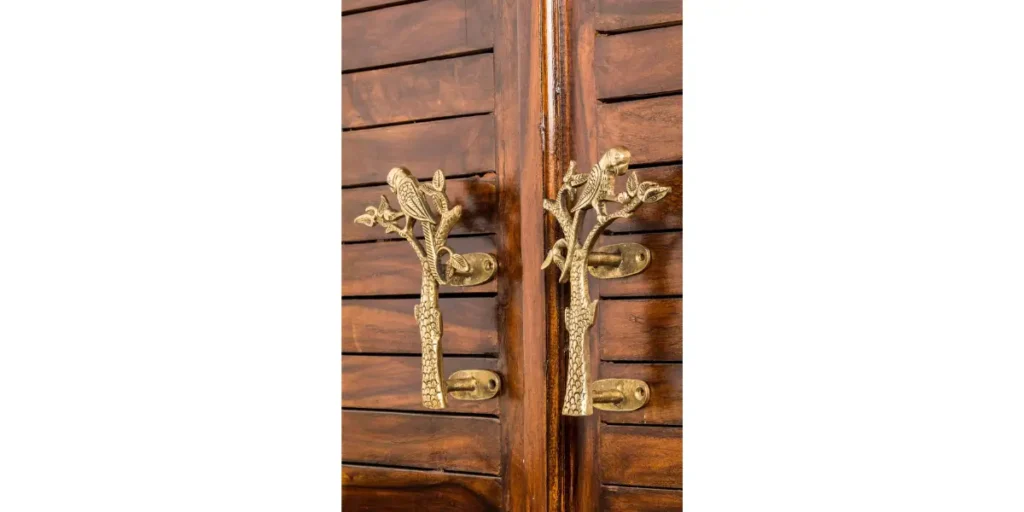
Sometimes the door itself stays simple, and the hardware becomes the focal point. Bold handles, unique knockers, or modern locks can completely change the door’s character. This approach works well when the structure is already strong.
Consistency matters. Hardware should match the overall style of the space, whether modern, classic, or industrial. A single standout element is often enough.
Statement hardware proves that small details carry weight. With the right choice, a door feels upgraded, intentional, and visually complete without major changes.
How Door Styling Influences Mood, Flow, and Everyday Experience
Door styling is not just about appearance, it directly affects how a space feels and functions. A well-styled door creates a smooth visual transition between rooms and sets the emotional tone before anyone steps inside.
Elements like color, texture, and hardware subtly guide movement and perception. When styling choices are balanced, doors feel like natural extensions of the space rather than interruptions.
Thoughtful door styling improves flow, enhances comfort, and adds a sense of intention to everyday living without requiring structural changes.
FAQs
Which door styling idea works best for modern homes?
Minimal modern styling and statement hardware work especially well in modern homes. Clean lines, neutral colors, and simple finishes create a sleek look. These styles avoid visual clutter and support contemporary interiors. They also remain timeless as trends change.
Can door styling really improve curb appeal?
Yes, door styling has a strong impact on curb appeal. A styled door creates a welcoming first impression. Even small updates like color, hardware, or lighting can noticeably elevate the exterior. It’s one of the easiest upgrades with visible results.
How often should door styling be updated?
Door styling doesn’t need frequent changes. A strong base style can last for years. Seasonal or accessory updates can be done occasionally to refresh the look. This keeps the design flexible without major effort.
Conclusion
Door styling is a powerful design tool that shapes how a home is perceived and experienced. When done thoughtfully, it enhances flow, adds character, and creates a sense of intention without overwhelming the space.
Each styling approach offers a different mood, whether calm, bold, warm, or refined. The key lies in balance, choosing details that support the door rather than compete with it.
Small adjustments in color, texture, or hardware can deliver lasting impact with minimal effort.
Well-styled doors don’t demand attention, they quietly elevate the environment and contribute to a home that feels cohesive, welcoming, and thoughtfully designed.