
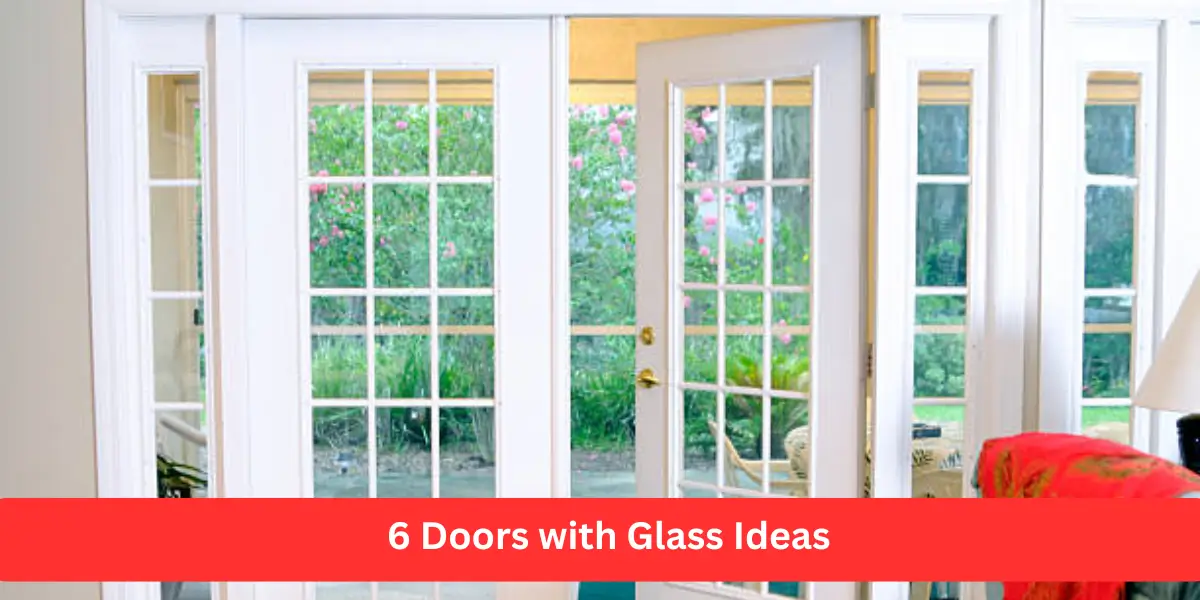

Doors with glass ideas continue to grow in popularity because they solve two problems at once: they brighten interiors and elevate design. I’ve often seen homes feel closed off simply because solid doors block light and visual flow.
Glass doors change that instantly, creating openness while still maintaining structure and separation. When chosen correctly, they don’t feel fragile or impractical; instead, they add balance, elegance, and modern appeal.
In this article, I’ll share carefully selected and widely used doors with glass ideas that designers trust, ideas that work in real homes and improve how spaces look, feel, and function on a daily basis.
1. Frosted Glass Doors for Privacy and Light
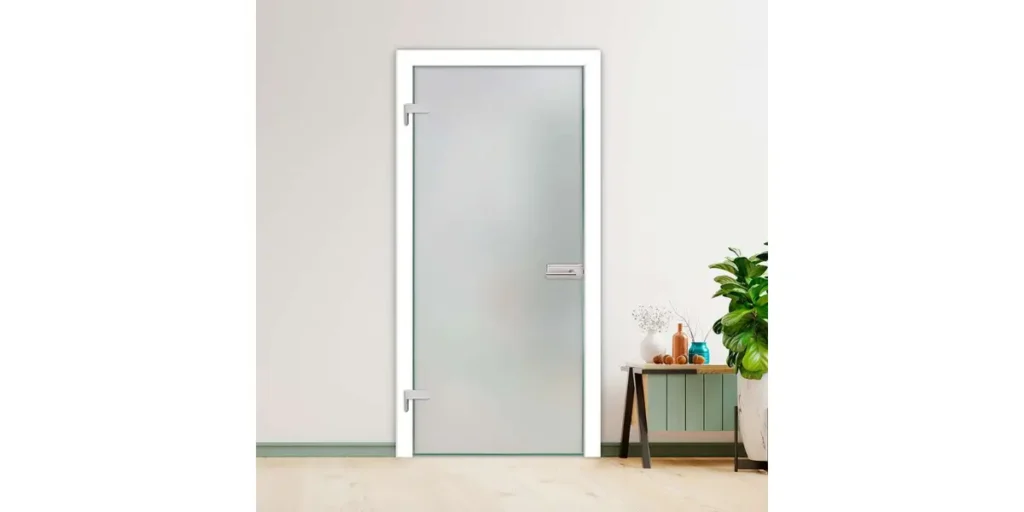
Frosted glass doors allow natural light to pass through while protecting privacy. This balance makes them ideal for spaces where openness matters, but visibility does not, such as bathrooms, home offices, or entryways. The soft, diffused light creates a calm and comfortable atmosphere.
Manufacturers design frosted glass in many patterns, from simple matte finishes to subtle textures. These options help control how much light enters while adding visual interest to the door.
I often recommend frosted glass when homeowners want brightness without exposure. It feels practical, modern, and easy to maintain in daily use.
2. Clear Glass Doors for an Open and Modern Feel
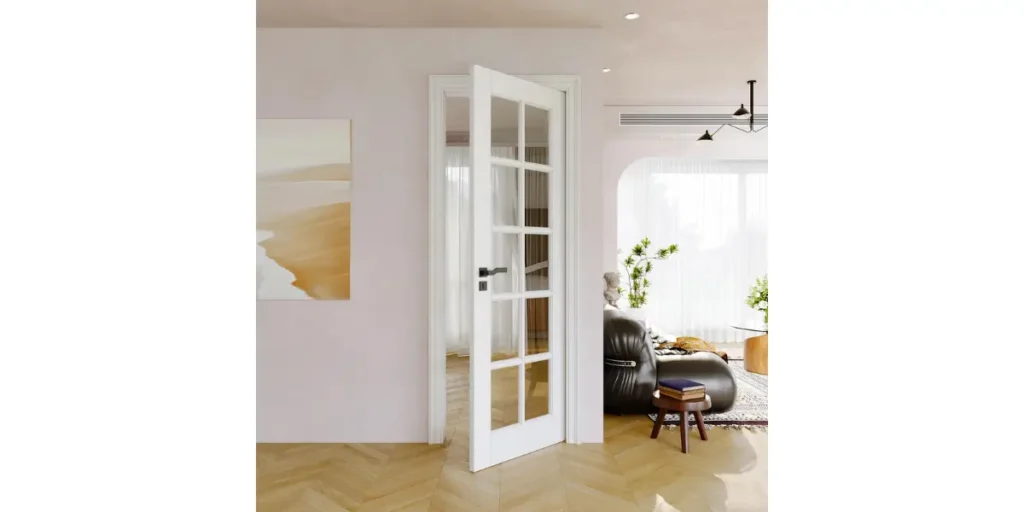
Clear glass doors create strong visual connections between rooms. They allow light to travel freely, which makes interiors feel larger and more open. This idea works especially well in modern homes with open layouts.
Designers frequently use clear glass doors for living rooms, dining areas, and home offices. The transparency keeps spaces connected while still defining separate zones.
From what I’ve seen, clear glass doors suit homes that value openness and flow. When paired with simple frames, they feel clean, minimal, and intentionally designed.
3. Wooden Doors with Glass Panels
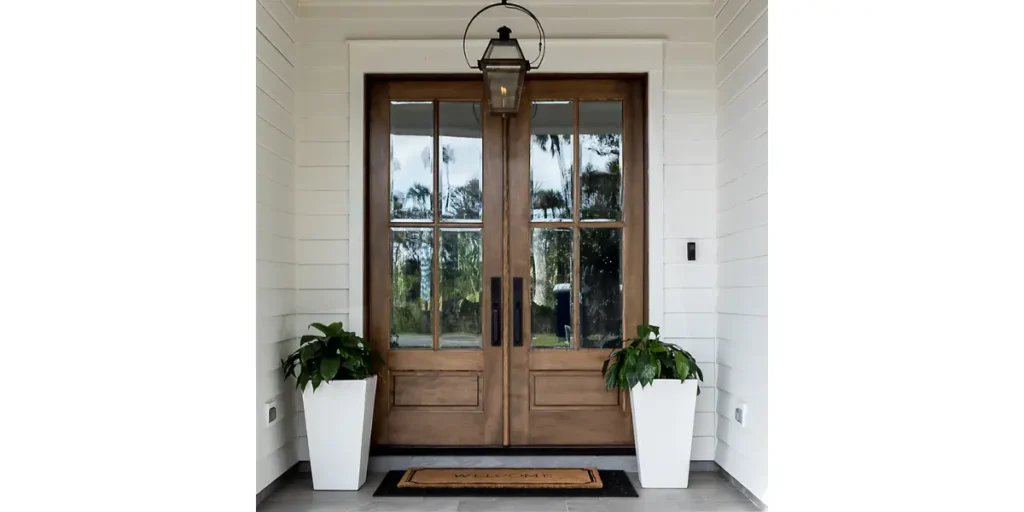
Wooden doors with glass panels combine warmth and structure with light and elegance. The solid wood frame provides stability, while glass inserts prevent the door from feeling heavy or closed off.
Homeowners often choose this style for front entries, kitchens, or interior transitions. Panel placement plays a key role, as vertical or centered glass panels keep the design balanced.
This option works well because it blends traditional and modern elements. I’ve noticed it fits many home styles without feeling outdated or overly trendy.
4. Sliding Glass Doors for Space Efficiency
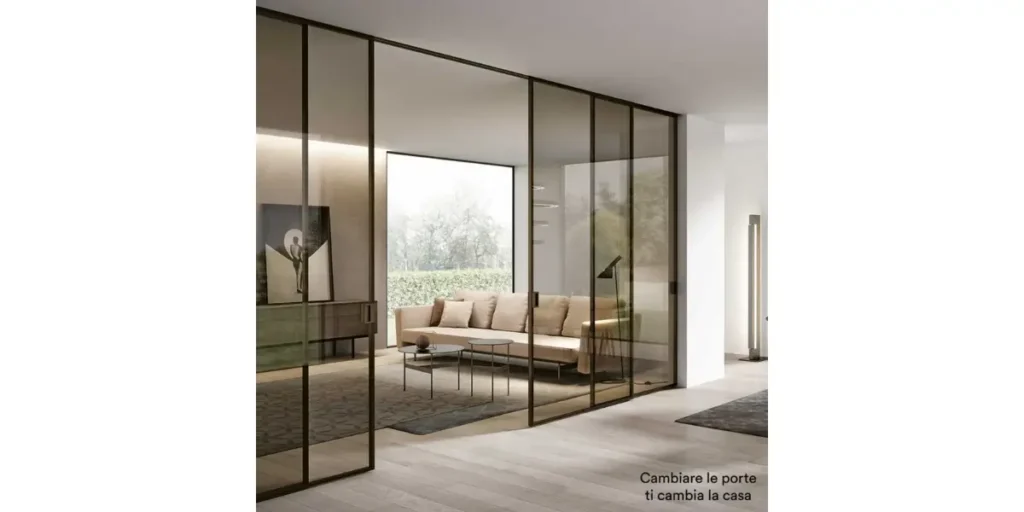
Sliding glass doors save space while maintaining visual openness. Instead of swinging inward or outward, they glide smoothly along a track, making them ideal for smaller rooms or tight layouts.
People often use sliding glass doors as room dividers, patio connections, or closet doors. The glass keeps areas bright while the sliding mechanism improves accessibility.
I’ve found this idea practical for modern living. It improves movement, maximizes usable space, and keeps rooms feeling connected rather than confined.
5. Black Frame Glass Doors for a Bold Look
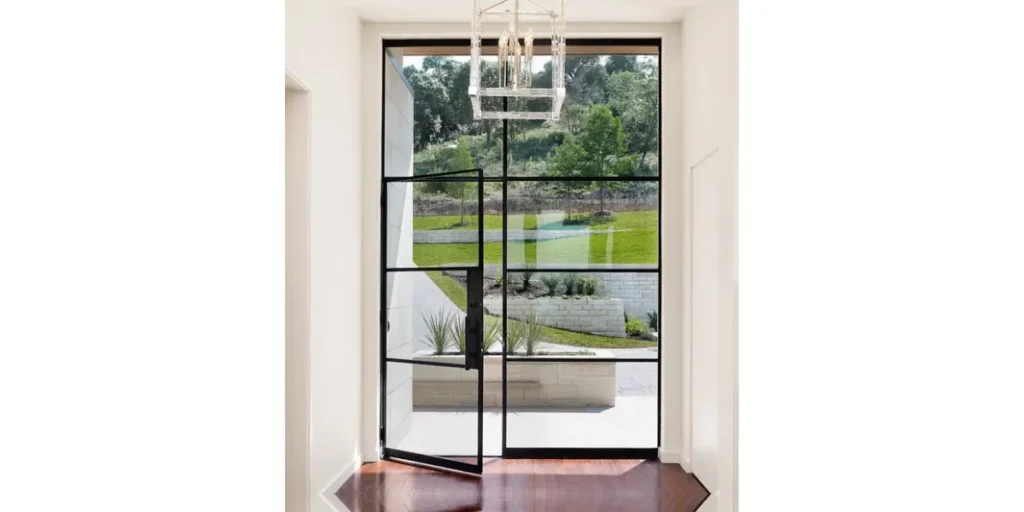
Black frame glass doors add structure and contrast to interiors. The dark frame outlines the glass clearly, creating a strong architectural statement without blocking light.
This style works particularly well in industrial, modern, or contemporary homes. Black frames pair easily with neutral walls, wood floors, and metal accents.
From a design perspective, this option adds definition. I’ve seen it transform plain spaces into visually striking rooms while keeping the overall layout open and balanced.
6. Decorative or Patterned Glass Doors
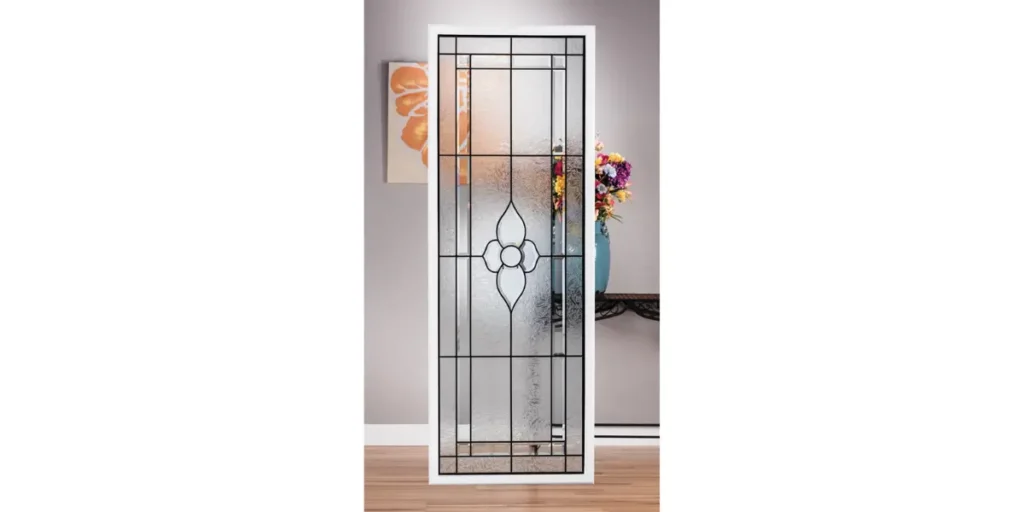
Decorative glass doors introduce personality and detail into a space. Etched, textured, or patterned glass adds visual interest while offering partial privacy.
Homeowners often choose this idea for areas like entryways, dining rooms, or feature doors. The patterns break up transparency and create a more artistic look.
I like this option because it feels expressive without being overwhelming. It allows creativity while still maintaining light flow and functional separation between spaces.
How Glass Doors Improve Light Flow and Spatial Balance
Glass doors change the way light moves through a home, creating brighter and more connected spaces. By allowing natural light to travel beyond windows, they reduce dark corners and make interiors feel more open.
This improved light flow also helps balance room proportions, especially in narrow or enclosed layouts. When used thoughtfully, glass doors maintain separation without creating visual barriers.
I’ve seen homes feel noticeably more comfortable and inviting once glass doors replace solid ones, proving that light and transparency play a major role in how a space is experienced day to day.
FAQs
Are glass doors safe for everyday use?
Modern glass doors use tempered or laminated glass, which is designed to be strong and impact-resistant. These materials reduce the risk of breakage and increase safety for daily use. When properly installed, glass doors perform just as reliably as solid doors.
Do glass doors compromise privacy?
Glass doors do not always reduce privacy. Options like frosted, textured, or patterned glass limit visibility while still allowing light to pass through. Choosing the right glass type helps balance openness and personal comfort.
Are glass doors suitable for exterior entrances?
Yes, many glass doors work well for exterior use when paired with durable frames and weather-resistant seals. These doors provide natural light while maintaining insulation and security. Proper material selection ensures long-term performance.
How difficult is it to maintain glass doors?
Glass doors are relatively easy to maintain with regular cleaning. Smudge-resistant coatings and quality finishes reduce fingerprints and marks. Routine care keeps the glass clear and helps the door maintain its appearance over time.
Conclusion
Doors with glass offer a practical way to enhance both the look and feel of a home. When chosen thoughtfully, they improve natural light, support visual flow, and add character without sacrificing function.
Each glass style serves a different purpose, from privacy-focused designs to open, statement-making features. What matters most is matching the door to how the space is used and how light moves throughout the home.
From my experience, well-placed glass doors make interiors feel more comfortable and intentional.
Rather than following trends, focusing on balance, durability, and everyday usability leads to choices that remain effective and appealing for years to come.