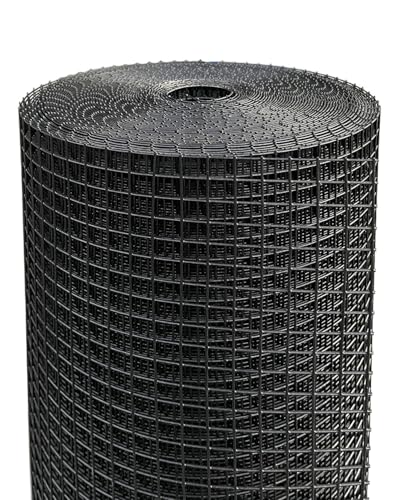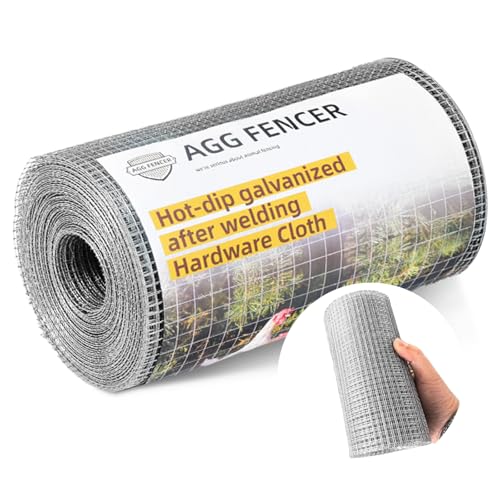
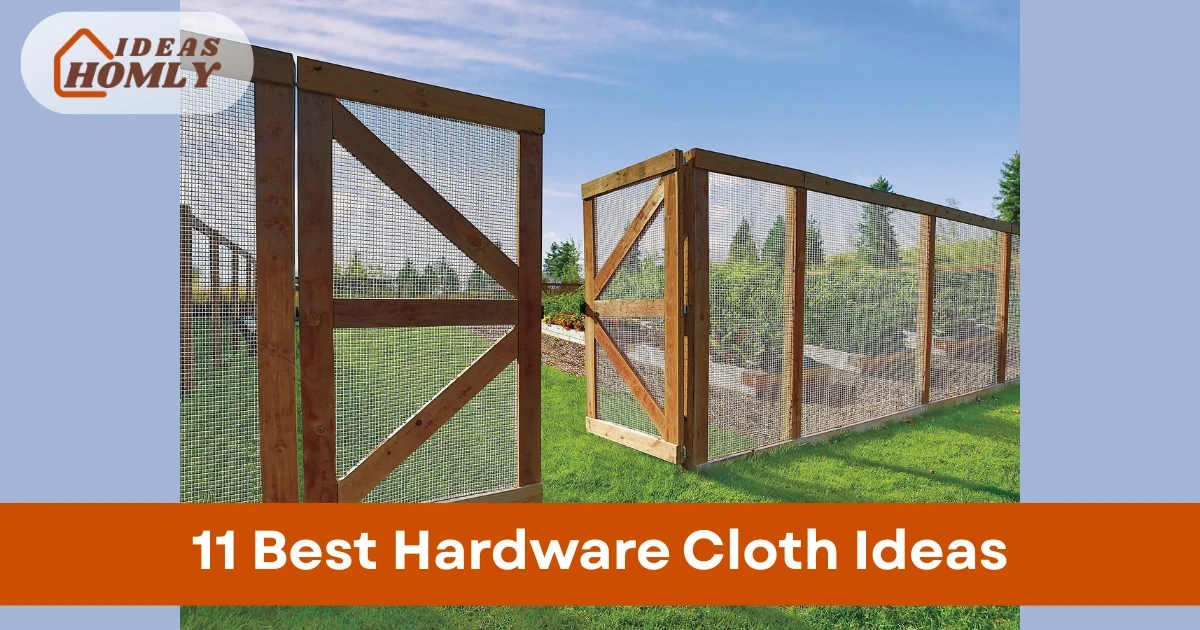

I want to show you how this heavy-duty galvanized wire mesh can solve your toughest backyard and gardening problems. You do not need to struggle with flimsy chicken wire when a sturdy square grid offers much better defense.
Protecting Your Backyard Assets with Sturdy Metal Mesh
I believe that choosing the right wire gauge is the absolute secret to building a successful outdoor barrier for your property. You should use hot-dip galvanized materials after welding to prevent rust from eating your hard work over time.
A tight metal grid provides excellent security against burrowing rodents and persistent climbing predators that target your vulnerable spaces. I suggest matching the mesh size specifically to your project needs to keep your outdoor structures working perfectly.
You can combine wire fabric with natural wood frames to build beautiful garden features that look clean and highly professional. My favorite backyard layouts always rely on these tough screens to keep destructive pests away from expensive plants.

I find that handling this material requires a good pair of leather gloves and heavy-duty wire snips for safety. Focus on building solid foundations that anchor your wire mesh deeply into the ground for the best results.
1. Gopher Proof Raised Garden Bed Liners
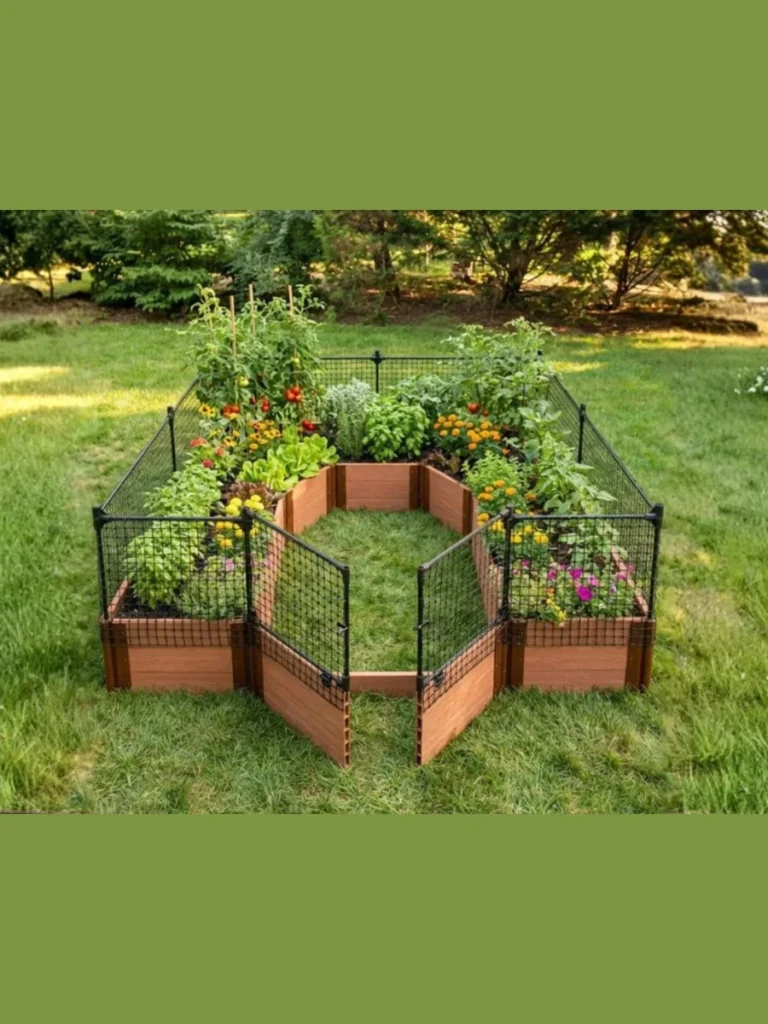
I think lining the bottom of your raised beds with metal mesh is the best way to stop burrowing pests. It creates a physical barrier that prevents moles, voles, and gophers from tunneling up into your rich soil.
You get a secure growing environment while still allowing beneficial earthworms and deep plant roots to pass through the grid easily. I find that a half-inch grid size works perfectly to block larger rodents without disrupting your natural drainage.
Staple the metal cloth securely to the inner wooden frame before you add any soil or organic composting layers. I prefer using heavy galvanized staples to ensure the mesh stays permanently attached to the base of the bed.
I suggest checking the corners carefully during installation to leave absolutely no gaps for clever pests to exploit over time. It is a simple step that saves your vegetables from being ruined by underground visitors looking for an easy snack.
2. Predator Proof Chicken Coop Runs
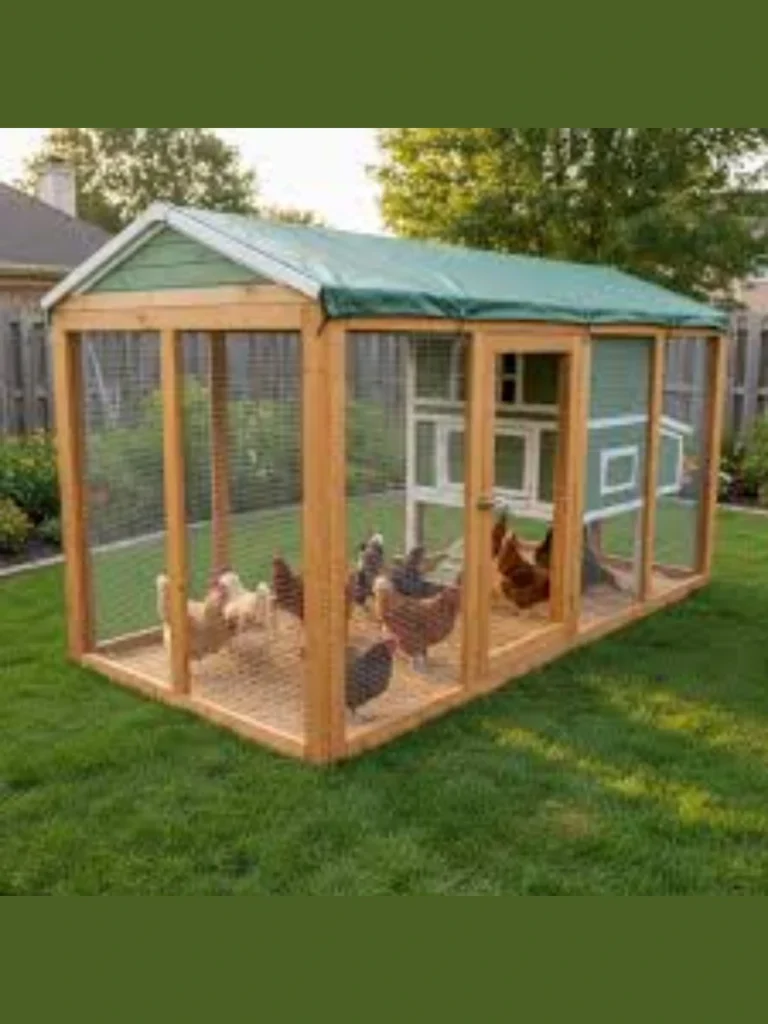
I love using heavy-gauge metal cloth because it is the only material that keeps aggressive predators away from your backyard poultry. Hungry raccoons, foxes, and stray dogs can easily tear right through standard chicken wire without breaking a sweat.

You should wrap the entire run and bury the mesh at least twelve inches deep to stop digging animals. I find that a half-inch grid provides maximum security while still allowing excellent airflow and clear visibility for your birds.
Fasten the wire mesh to your wooden posts with heavy-duty u-nails or washers and screws for a permanent hold. I prefer using a thick 19-gauge wire because it feels completely solid and resists rust even during heavy rainy seasons.
I suggest covering any ventilation windows on the coop itself with this wire fabric to keep weasels out at night. It is an affordable way to buy peace of mind knowing your flock stays safe while you sleep comfortably inside.
3. Custom Soil Sifters for Gardening
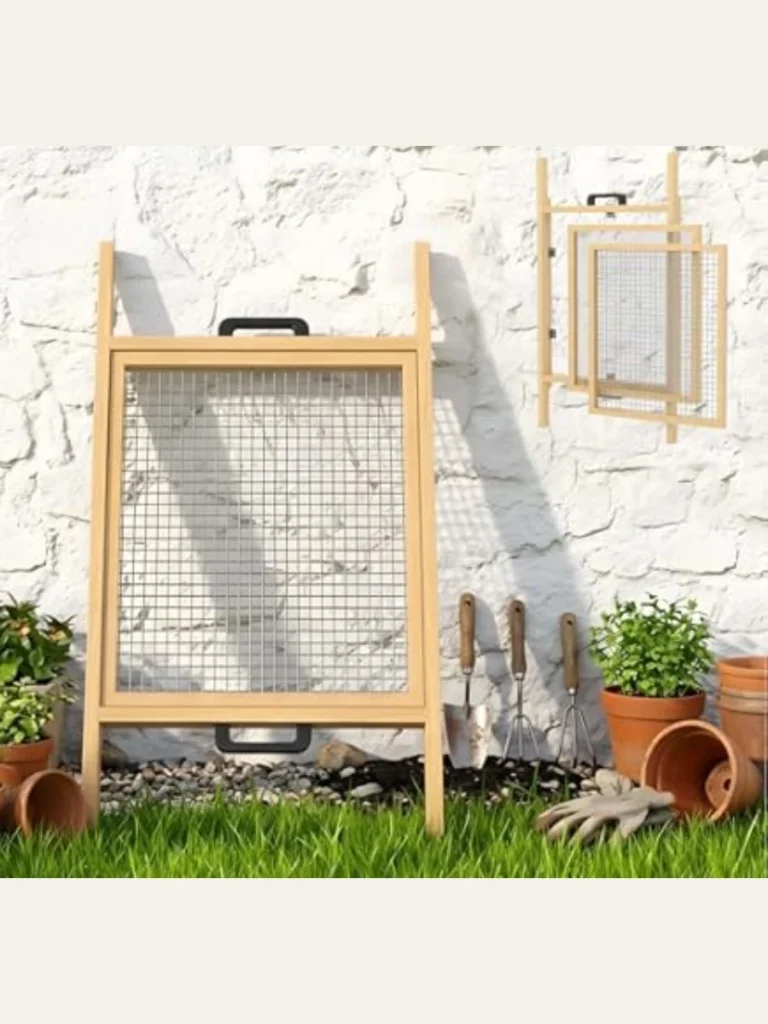
I use a homemade wooden frame fitted with a quarter-inch metal mesh to sift my garden compost and native soil. It quickly separates large rocks, roots, and uncomposted twigs from the rich dirt you need for seed starter trays.

You get a perfectly smooth and light soil texture that helps young vegetable seedlings grow strong and healthy root systems. I find that building your own sifter is a fun weekend project that saves you money on commercial equipment.
Size the frame so it sits comfortably on top of your standard wheelbarrow for an easy and mess-free workflow. I prefer using treated lumber so the sifter can handle wet dirt and outdoor storage without rotting over the winter.
I suggest giving the frame a good shake to let the fine dirt fall through while keeping debris trapped on top. It is a highly practical accessory that every serious organic gardener should keep in their backyard tool collection today.
4. Tree Trunk and Sapling Guards
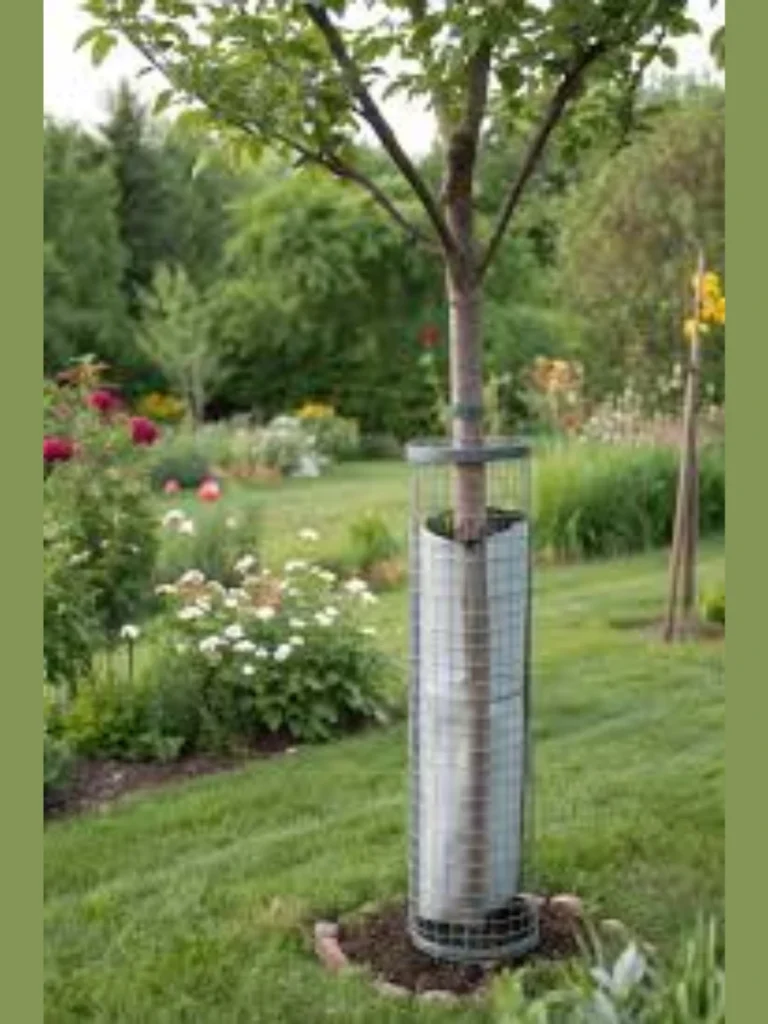
I recommend wrapping young tree trunks with a tall cylinder of metal cloth to prevent deer and rabbits from chewing bark. Hungry wildlife can destroy a young sapling in a single night by stripping away the protective outer layers.
You can create a wide tube around the base of the tree to allow room for natural trunk growth over the years. I find that a quarter-inch mesh keeps smaller field mice from nesting near the roots and causing hidden damage.

Secure the wire cylinder with zip ties or landscape staples to keep it standing upright during strong windstorms. I love how this simple shield lets your valuable fruit trees grow safely without using nasty chemical animal repellents.
I suggest checking the guards every spring to ensure they are not rubbing against the expanding bark of the tree. It is a professional and reliable way to protect your long-term landscaping investments from seasonal backyard wildlife damage.
5. Modern Farmhouse Cabinet Door Inserts
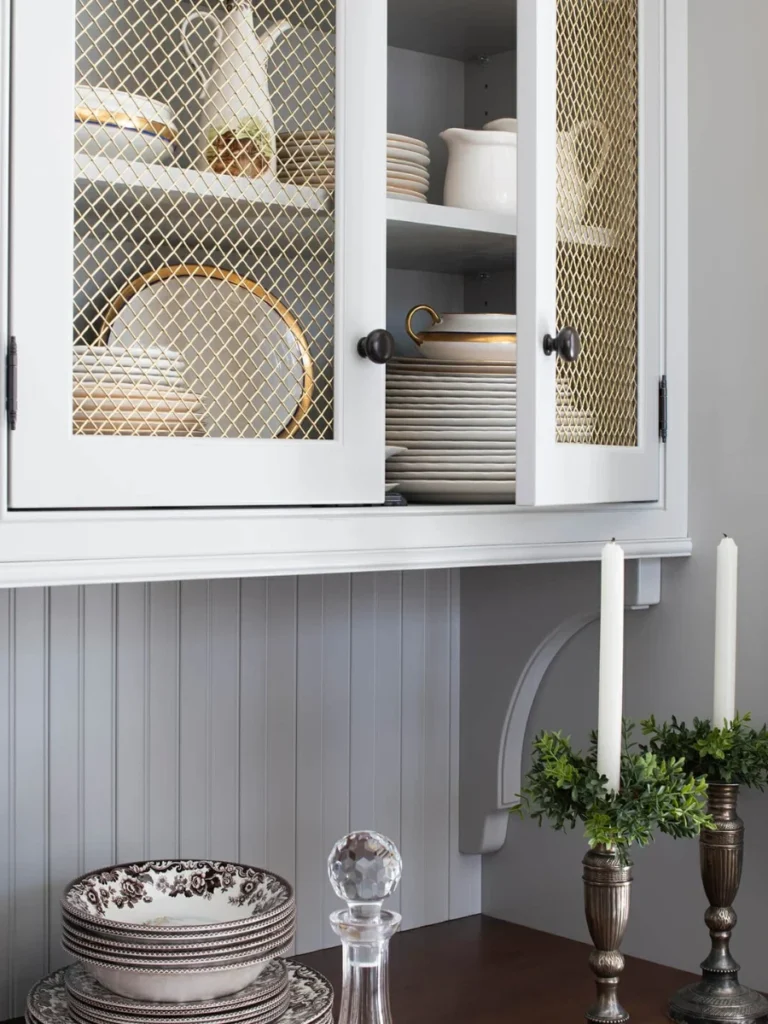
I think replacing boring glass or solid wood cabinet panels with galvanized wire mesh adds a great rustic touch to your kitchen. It provides a unique modern farmhouse style that allows you to display your favorite dishware or antique storage jars.
You get an open and airy feel in your kitchen while keeping your items safe from dust and pet hair. I find that a fine quarter-inch grid looks incredibly sharp when paired with matte black or soft sage green painted frames.
Flatten the wire fabric completely before stapling it to the back of the cabinet door cutout for a flush look. I prefer painting the mesh a dark charcoal color if you want to create a more sophisticated industrial theme.
I suggest trying this on a single pantry door or a standalone hutch before committing to your entire kitchen layout. It is a clever DIY trick that makes standard cabinetry look like custom furniture with minimal effort on your part.
6. Durable Compost Bin Enclosures
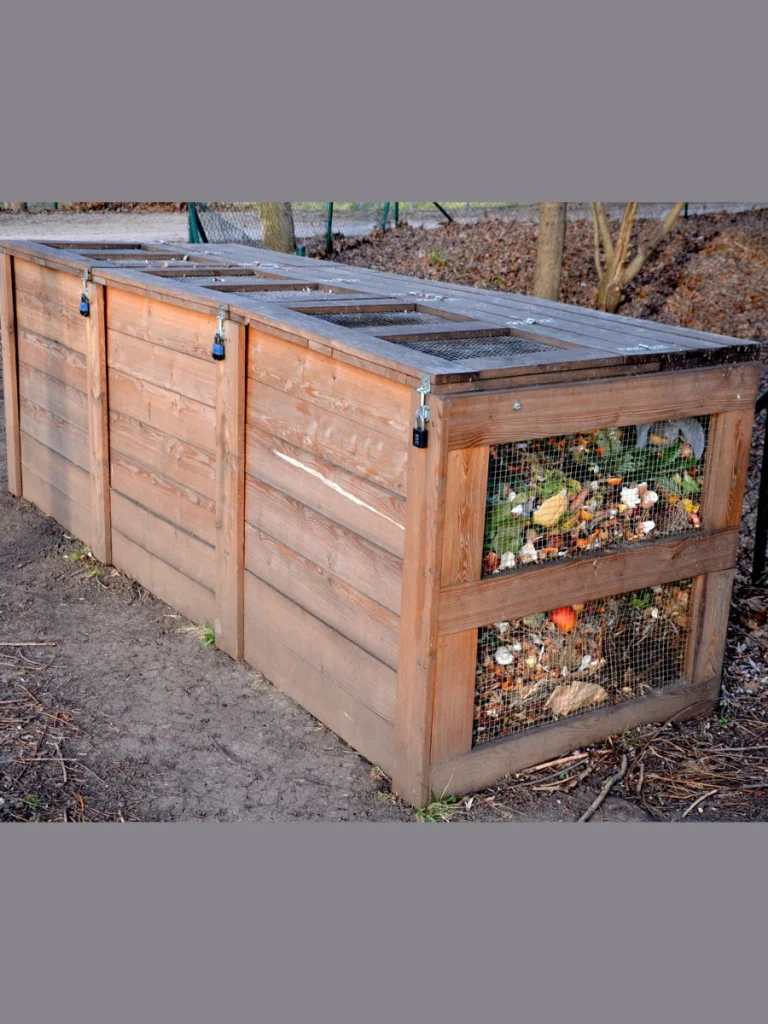
I build my outdoor compost bins using strong cedar posts wrapped in a thick layer of galvanized metal wire fabric. This setup provides maximum airflow to speed up the decomposition process while keeping unwanted scavenging pests out of the pile.
You can create a neat three-bin system to easily rotate your organic kitchen waste and yard scraps throughout the seasons. I find that the wire mesh keeps the compost securely contained without looking ugly or messy in your backyard corner.
The open grid allows rain to hydrate the pile naturally which keeps the beneficial microbes active and healthy for you. I love how easy it is to hose down the wire panels when you need to clean the area.
I suggest using a removable front panel made of wood slats so you can scoop out the finished compost easily. It is a highly efficient design that helps you recycle waste while keeping your backyard looking organized and professional.
7. Fruit and Vegetable Drying Racks
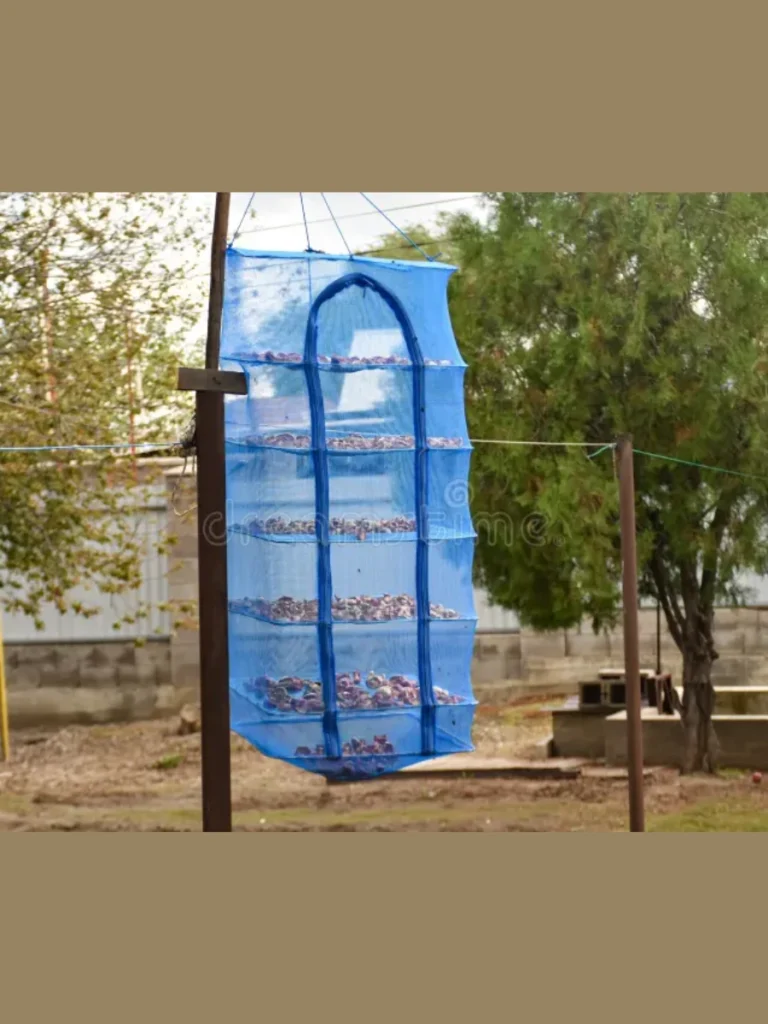
I use food-safe stainless steel hardware mesh to build stacking trays for drying fresh herbs, tomatoes, and orchard fruits outdoors. The grid allows warm summer air to circulate above and below the produce for a much faster drying time.
You get a natural way to preserve your backyard harvest without relying on expensive electric dehydrators inside your kitchen. I find that building a lightweight pine frame makes the trays very easy to carry into the shade when needed.
Cover the top of your drying racks with a layer of cheesecloth to protect your food from flies and bees. I love how this traditional method connects you to classic homesteading routines while creating delicious and healthy snacks for family.
I suggest storing the trays in a dry garage or pantry when they are not actively being used under the sun. It is a seasonal accessory that turns your surplus garden produce into a long-lasting pantry supply for the winter.
8. Anti Burr Climbing Trellises
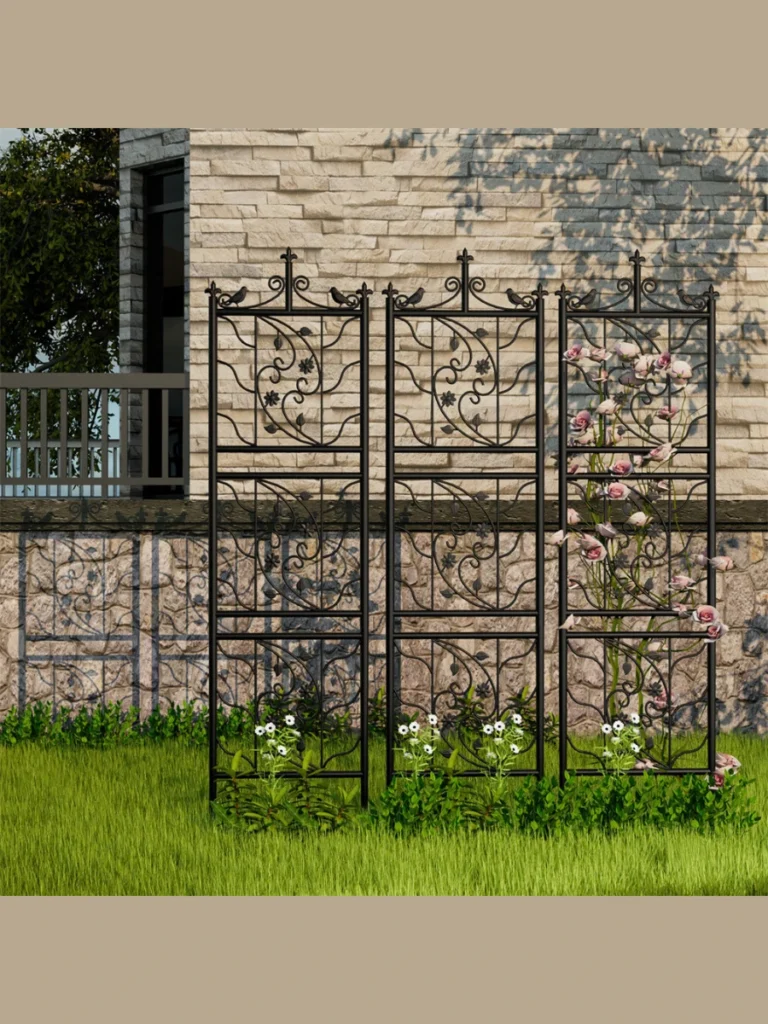
I recommend attaching wire mesh panels to a sturdy wall frame to create a durable trellis for climbing vines. It provides a highly stable support system for heavy plants like climbing roses, clematis, or backyard sugar snap peas.
You can guide the growing tendrils through the square grid to create a beautiful living privacy screen on your patio. I find that the metal cloth handles the weight of dense summer foliage much better than flimsy plastic netting.
Keep the wire panel offset about two inches from your wall to allow proper air circulation behind the leaves. I love how the clean geometric grid looks modern and organized even during the cold winter months when plants are bare.
I suggest using this method to mask ugly concrete walls or old wooden fences with beautiful green climbing ivy. It is an affordable landscaping solution that adds vertical interest and a touch of professional structure to your garden.
9. Heavy Duty Leaf Guards for Gutters
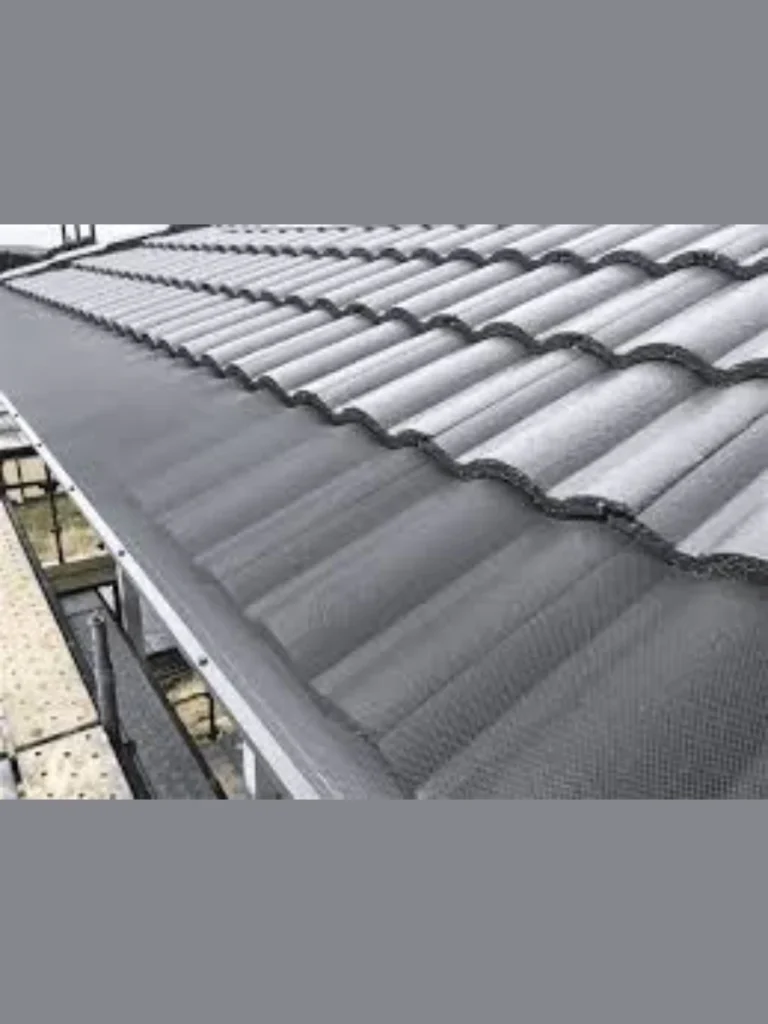
I use strips of quarter-inch metal cloth to create custom gutter guards that stop falling leaves from clogging my downspouts. Clogged gutters can cause major water damage to your roof foundation during heavy autumn and winter rain storms.
You get a durable screen that lets water flow freely while keeping pine needles and oak leaves out of the channel. I find that this DIY solution lasts much longer than cheap plastic guards that warp under the hot sun.

Cut the wire fabric into long strips and tuck them securely under your first row of roof shingles for stability. I prefer this method because the mesh stays locked in place even during strong winds and heavy winter snow.
I suggest cleaning off any resting debris once a year to keep your drainage system operating at maximum efficiency. It is a practical home maintenance idea that protects your property from expensive foundation repairs over the long haul.
10. Underground Mole Barriers for Lawns
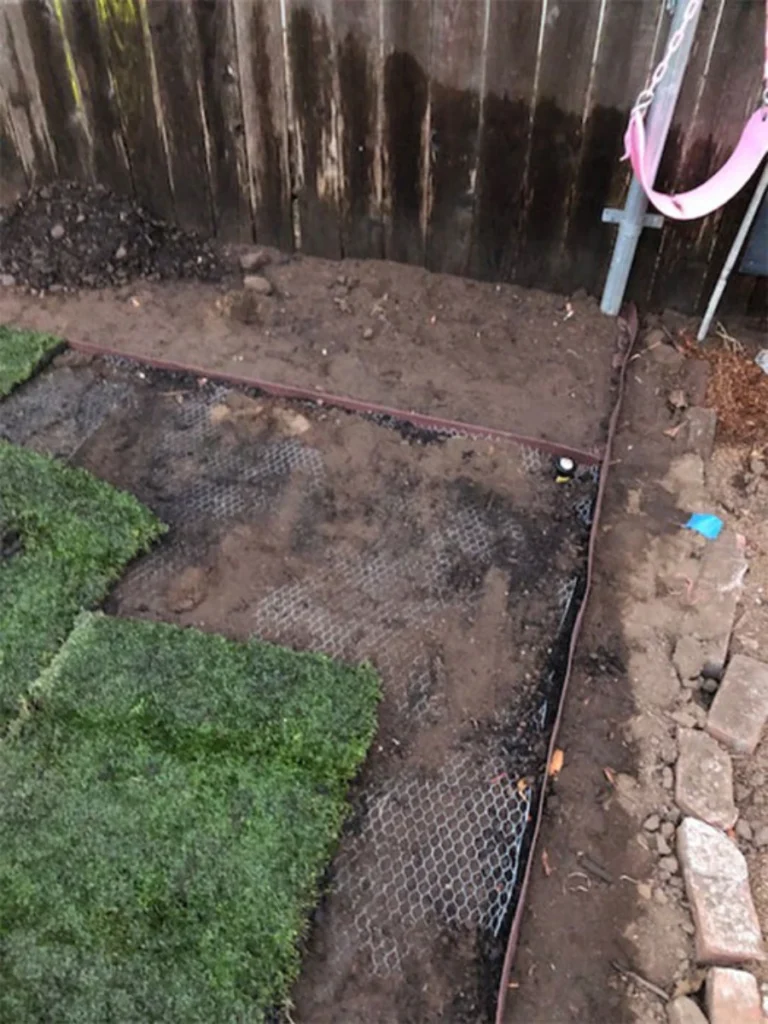
I believe burying a vertical wall of wire fabric is the best way to stop moles from ruining your pristine lawn. Moles tunnel horizontally just beneath the surface, leaving ugly dirt mounds across your beautiful green grass and flower beds.
You can dig a narrow trench two feet deep along your property line and insert the half-inch galvanized mesh sheet. I find that this creates an invisible shield that forces tunneling pests to stay out of your yard entirely.

Bend the bottom of the wire mesh outward into an L-shape to prevent animals from simply digging underneath the barrier. I love how this non-toxic method keeps your lawn looking professional without using dangerous chemical poisons or traps.
I suggest matching this with gravel in the trench to improve your yard drainage while reinforcing the metal pest barrier. It is a permanent landscaping upgrade that protects your turf grass investment from destructive underground tunneling over time.
11. Sturdy Wire Storage Baskets
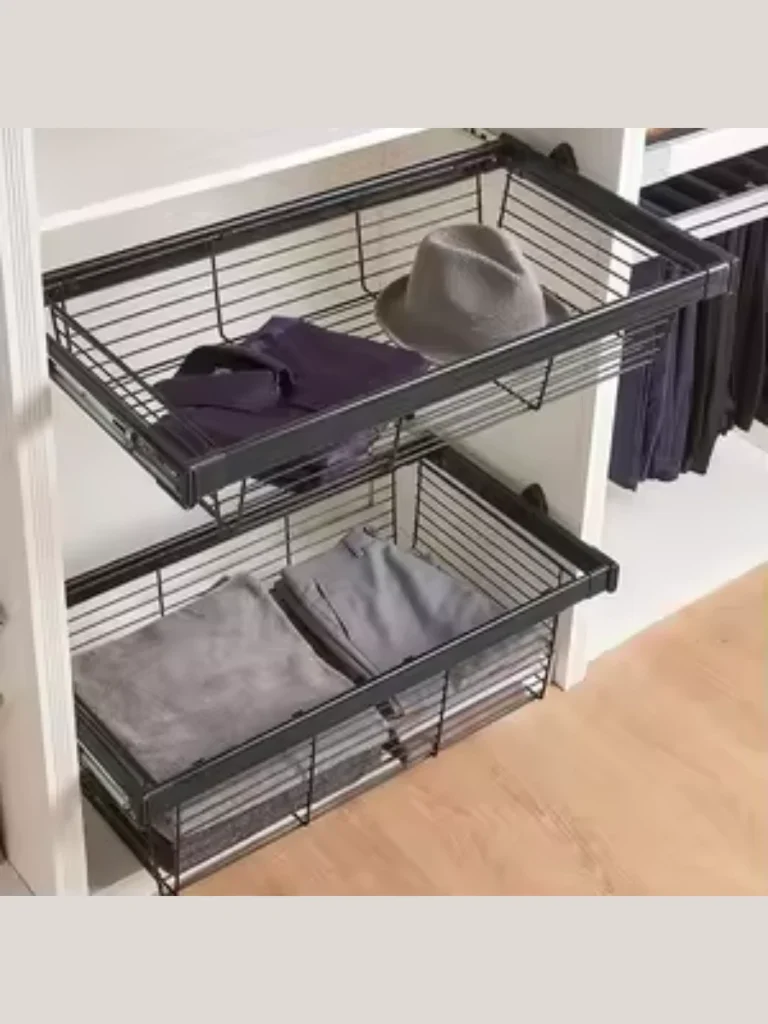
I love making custom storage baskets with leftover scraps of wire cloth and small pieces of industrial wood trim. They provide a beautiful vintage look that keeps your mudroom, garage, or potting shed looking perfectly organized and neat.
You can see exactly what is stored inside each bin without needing to pull them down from your high shelves. I find that the sturdy wire grid handles heavy tools, garden gloves, and outdoor gear without bending out of shape.

Line the inside of the basket with a removable canvas cloth if you want to store smaller items like seeds. I prefer adding a small metal label holder to the front wood trim for a highly organized and sharp look.
I suggest sanding down any sharp wire edges before assembly to protect your hands from getting scratched during daily use. It is a creative and resourceful recycling project that turns scrap workshop materials into functional home decor items.
Professional Guide to Cutting and Shaping Hardware Cloth
I have found that the secret to a painless installation is prepping your workspace with the proper safety gear and heavy-duty cutting tools. You should always wear thick leather work gloves to protect your hands from the incredibly sharp wire edges left after slicing the mesh.
A pair of compound-action aviation snips will make cutting through tough galvanized steel feel like slicing through warm butter for you. I recommend rolling the wire fabric out flat on your lawn and weighting the corners down with heavy bricks before making any marks.
You can easily shape the mesh around corners by clamping it against a straight piece of timber and bending it with a mallet. My favorite backyard projects always feature smooth, clean cuts that prevent pets or family members from getting accidentally snagged.
I suggest using a heavy-duty pneumatic or manual staple gun with galvanized crown staples to secure the wire mesh tightly to wood frames. It is a simple step that keeps your barrier looking professional and perfectly tensioned against any future animal impacts.

| Wire Gauge Size | Mesh Spacing | Primary Project Use | Tool Requirement |
| 19-Gauge Steel | 1/2-Inch Square Grid | Poultry run security and predator exclusion | Heavy-Duty Aviation Snips |
| 23-Gauge Steel | 1/4-Inch Square Grid | Rodent proofing and garden soil sifters | Standard Wire Cutters |
| 16-Gauge Steel | 1-Inch Large Grid | Heavy climbing trellises and safety fences | Handheld Bolt Cutters |
| Stainless Steel | 1/2-Inch Dense Grid | Food-safe fruit and herb drying racks | High-Tensile Shear Tools |
Final Thoughts on Wire Mesh Project Success
I believe that a roll of high-quality hardware cloth is the most valuable asset you can keep in your backyard workshop storage bin. You do not need to hire an expensive professional contractor to secure your garden or build sturdy outdoor enclosures.
The best ideas are always those that protect your investments while making your daily homestead chores much easier to manage. I find that skipping cheap plastic netting and going straight for galvanized steel saves you money over the long term.
You can create a very beautiful and safe backyard sanctuary by building neat wooden frames around your metal mesh barriers. I hope these practical suggestions give you the inspiration needed to tackle your next outdoor DIY property upgrade confidently.
I am certain that your new wire mesh structures will handle the elements and keep pests away from your hard work beautifully. Your journey toward a more secure, organized, and functional backyard layout starts with selecting the right wire gauge today.
FAQs
I suggest using hardware cloth because the welded square grid is thick enough to resist teeth and claws from aggressive climbing predators. Chicken wire is simply too thin and flexible, allowing raccoons or foxes to tear through it with ease.
I recommend using a quarter-inch mesh size because it is small enough to block tiny field mice and rats from squeezing through. A half-inch grid is great for larger pests like gophers but will not stop smaller rodents from entering.
I find that spraying the freshly cut wire tips with a light coat of cold-galvanizing zinc compound prevents rust from forming. This simple trick seals the exposed steel and keeps your outdoor barriers looking professional and clean for years.
You should look for wire fabric that is hot-dip galvanized after welding to ensure maximum protection against wet underground conditions. This manufacturing process coats the entire piece in a thick zinc shield that handles buried environments incredibly well.
I suggest digging a narrow trench twelve inches deep around the perimeter of your structure and dropping the wire sheet inside. Bending the bottom six inches outward into an L-shape creates an absolute roadblock for digging animals.
Related Posts
- Top 12 Hardware Cabinets Ideas
- 13 Best Hardware Kitchen Cabinets
- Top 14 Hardware Design Ideas
- 15 Best Fireplace Accessory Ideas
- Top 10 Fireplace Outdoor Ideas
- 11 Best Fireplace Rugs Ideas
Recommended for You