
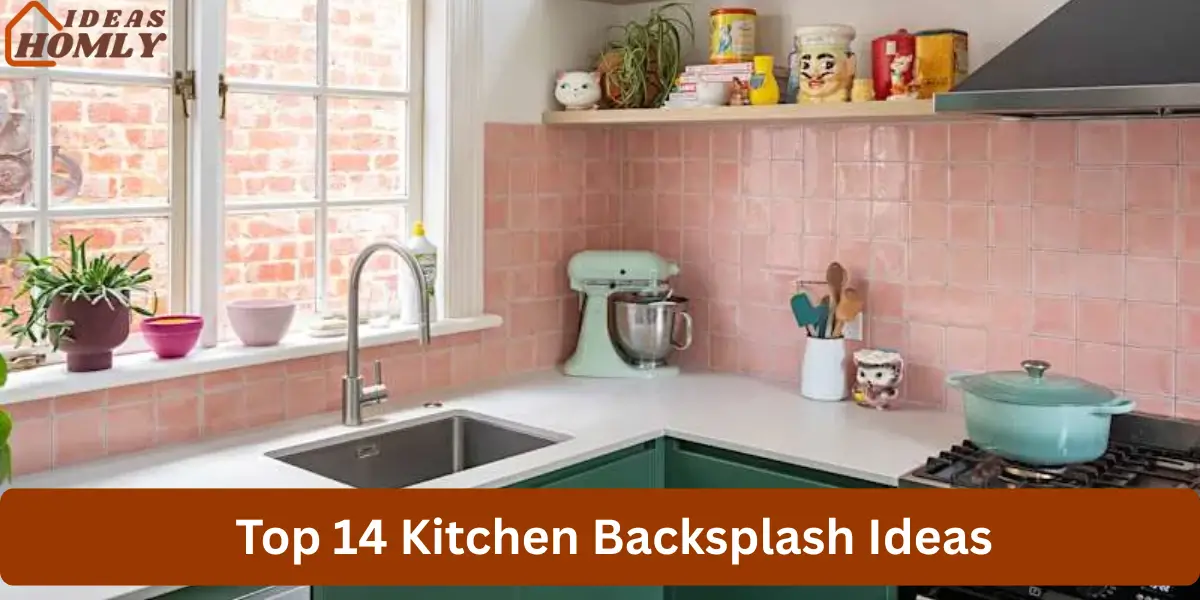

The area behind the stove and sink might seem like a small detail, but it can completely change how a kitchen looks and feels. I have often noticed that a well-chosen backsplash instantly adds character, texture, and depth to the entire space.
Instead of treating it as only a protective surface, many designers now use it as a key design feature.
When exploring different kitchen backsplash ideas, I usually focus on options that balance style with practicality, so the kitchen not only looks beautiful but also stays easy to clean and maintain during everyday cooking.
Stylish Kitchen Backsplash Ideas to Transform Your Cooking Space
A backsplash does much more than protect the wall behind the stove or sink. I always see it as an opportunity to add personality, texture, and color to the kitchen.
When chosen carefully, the backsplash can tie together cabinets, countertops, and lighting. These ideas show how different materials and patterns can elevate the entire space.
1. Classic Subway Tile Backsplash
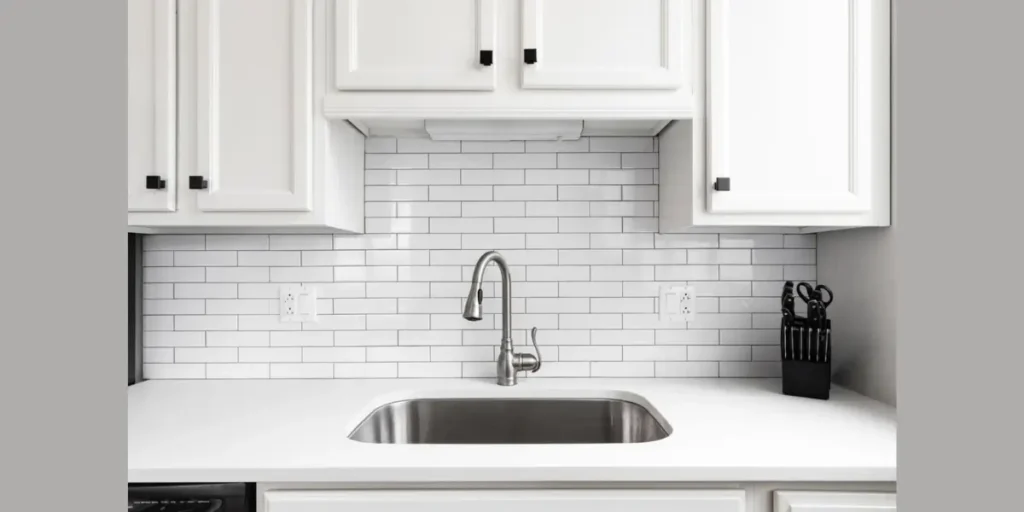
Subway tiles remain one of the most timeless backsplash options. I often recommend them because their simple rectangular shape works well in almost any kitchen style. Whether the space feels modern or traditional, subway tiles create a clean and balanced look.
White subway tiles with darker grout can add subtle contrast and highlight the tile pattern. This small detail gives the wall more visual interest without making the design feel busy.
Another advantage is maintenance. These tiles are easy to clean and durable, which makes them a practical choice for busy kitchens where spills and splashes happen regularly.
2. Marble Slab Backsplash
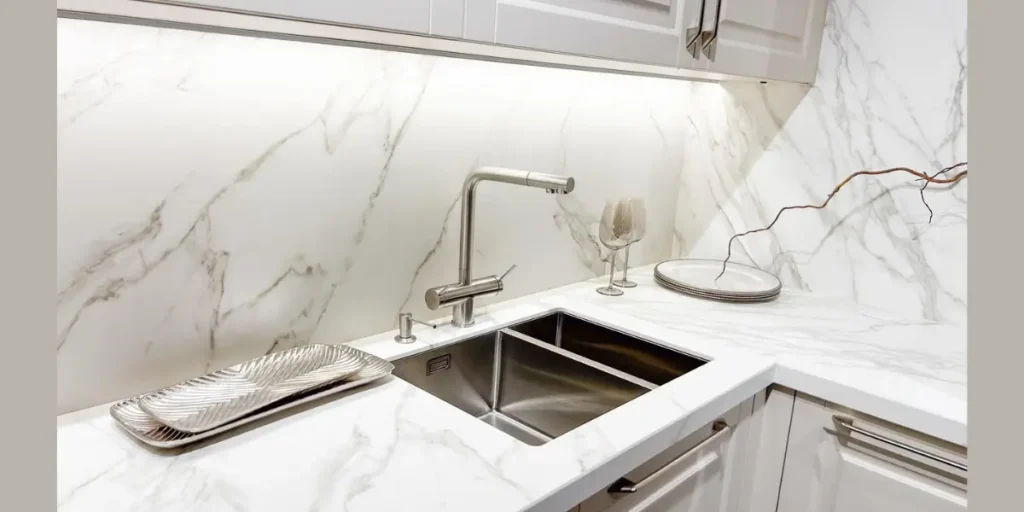
A marble slab backsplash instantly adds elegance to the kitchen. Instead of using small tiles, a single slab creates a smooth and seamless surface that feels luxurious and refined.
The natural veining in marble brings depth and character to the wall. Every slab looks slightly different, which gives the kitchen a unique design element.
I often see marble backsplashes paired with simple cabinets so the stone becomes the main visual feature. When combined with soft lighting, the marble surface can transform the entire atmosphere of the kitchen.
3. Herringbone Tile Pattern
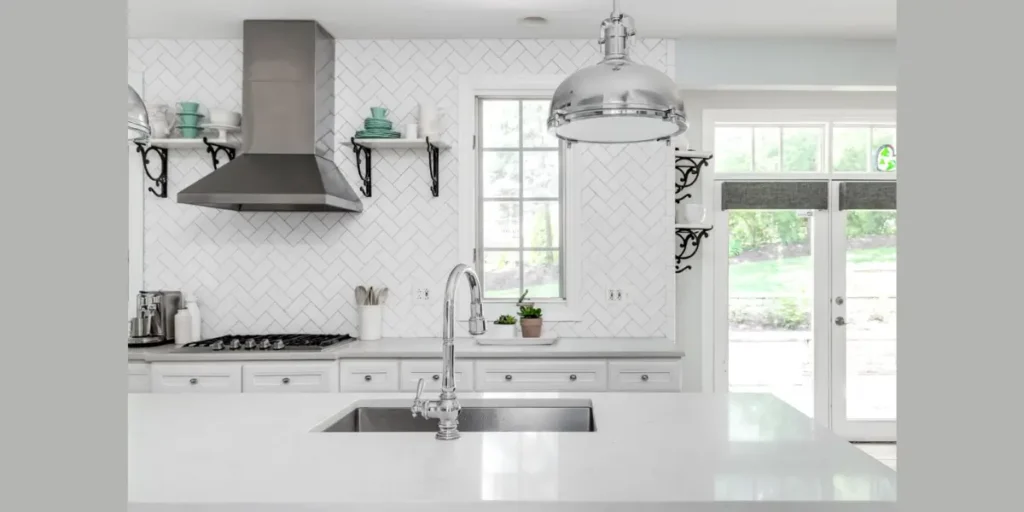
The herringbone tile pattern adds movement and sophistication to the kitchen wall. Instead of straight horizontal lines, the angled pattern creates a sense of texture and visual energy.
This style works beautifully with subway tiles or marble tiles. The pattern feels decorative but still elegant enough to fit modern kitchen designs.
I usually suggest keeping the color palette neutral when using a herringbone pattern. This allows the design to stand out without making the kitchen feel overly busy.
4. Bold Patterned Tile Backsplash
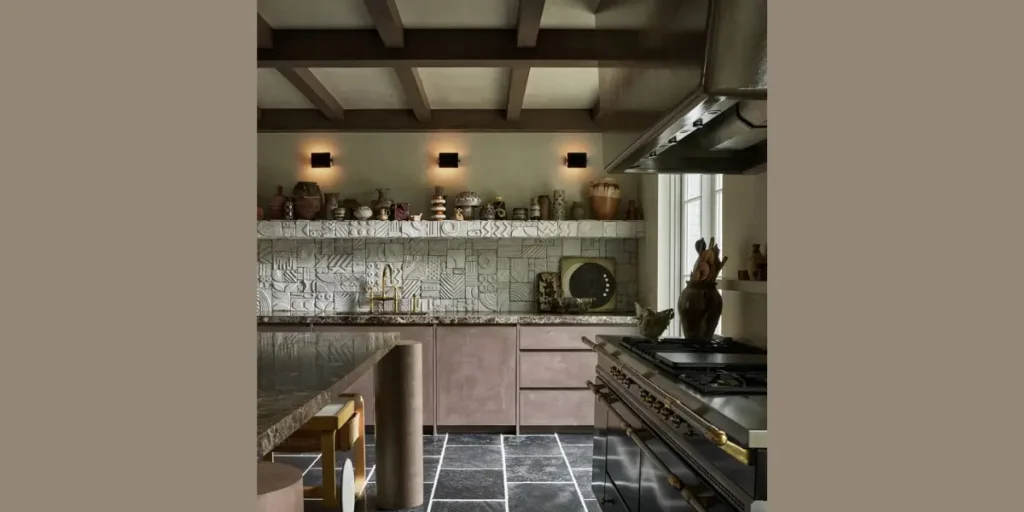
Patterned tiles can turn the backsplash into a statement feature. I like using these tiles when the rest of the kitchen design remains simple.
Geometric or Moroccan-inspired patterns introduce color and artistic detail. These tiles bring personality into the space and help the kitchen feel more lively.
However, balance remains important. Using patterned tiles only in the backsplash area keeps the design interesting without overwhelming the rest of the kitchen.
5. Glass Tile Backsplash
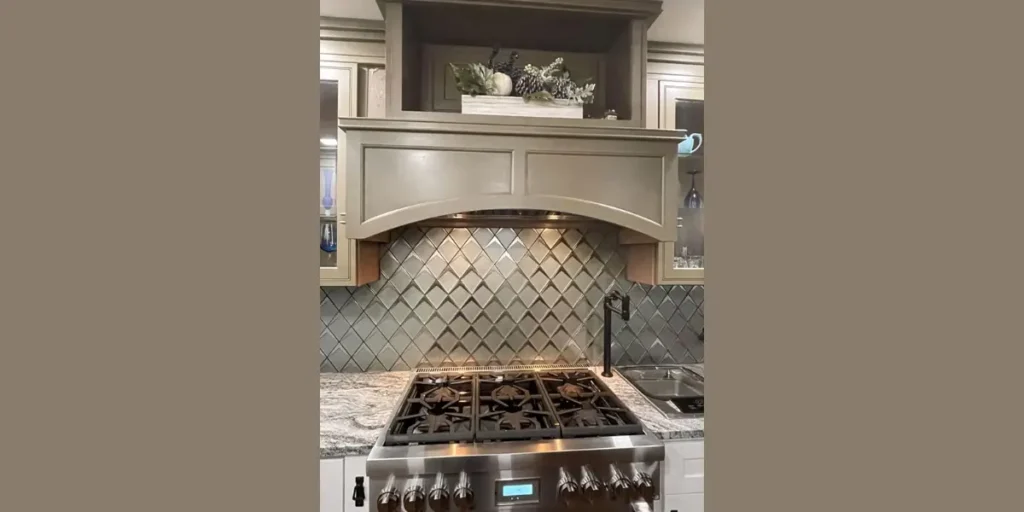
Glass tiles are an excellent option when the goal is to make the kitchen feel brighter. Their reflective surface helps bounce light around the room.
I often recommend glass backsplashes in smaller kitchens because they can visually expand the space. The glossy finish creates a clean and polished appearance.
Glass tiles also come in many colors, from soft neutrals to vibrant shades. This variety allows homeowners to match the backsplash with their cabinets or countertop materials.
6. Natural Stone Backsplash
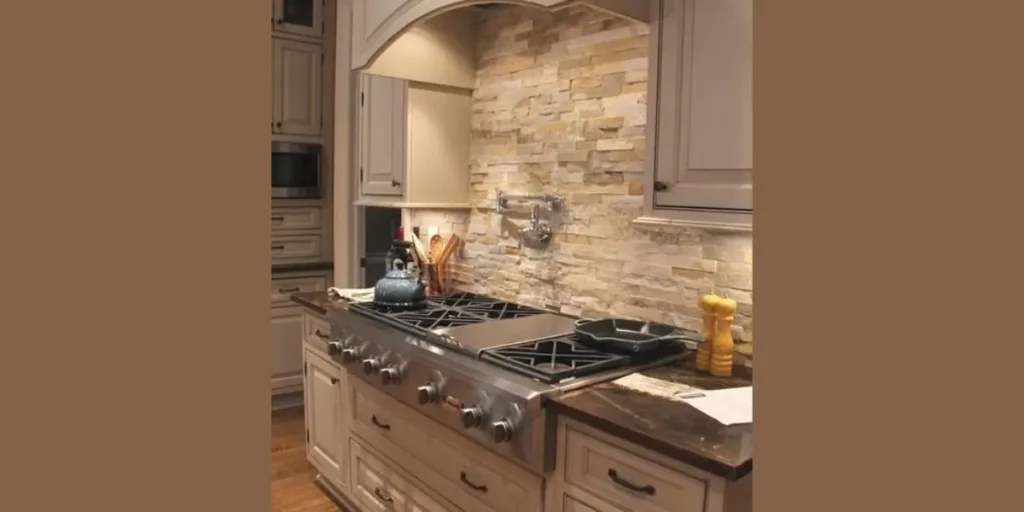
Natural stone backsplashes introduce texture and warmth to the kitchen. Materials like slate, travertine, or stacked stone can create a rich and layered look.
I particularly enjoy using stone in kitchens that aim for a rustic or farmhouse style. The natural variations in the stone give the wall a unique appearance.
Although stone requires a bit more maintenance, the visual impact can be worth the effort. It adds depth and natural beauty that few other materials can match.
7. Metallic Backsplash Panels
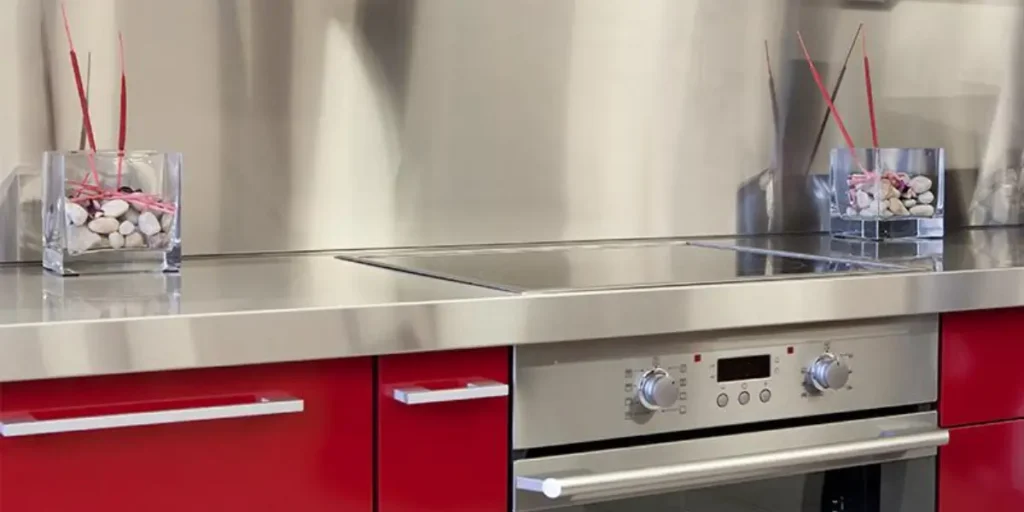
Metallic backsplashes create a sleek and modern kitchen environment. Stainless steel panels, for example, bring a professional look often seen in restaurant kitchens.
Besides their contemporary style, metal backsplashes are also highly durable. They resist heat, moisture, and stains, which makes them practical for cooking areas.
I usually recommend this style for industrial or minimalist kitchens. When paired with simple cabinets, the metallic surface adds a bold and sophisticated touch.
8. Mosaic Tile Backsplash
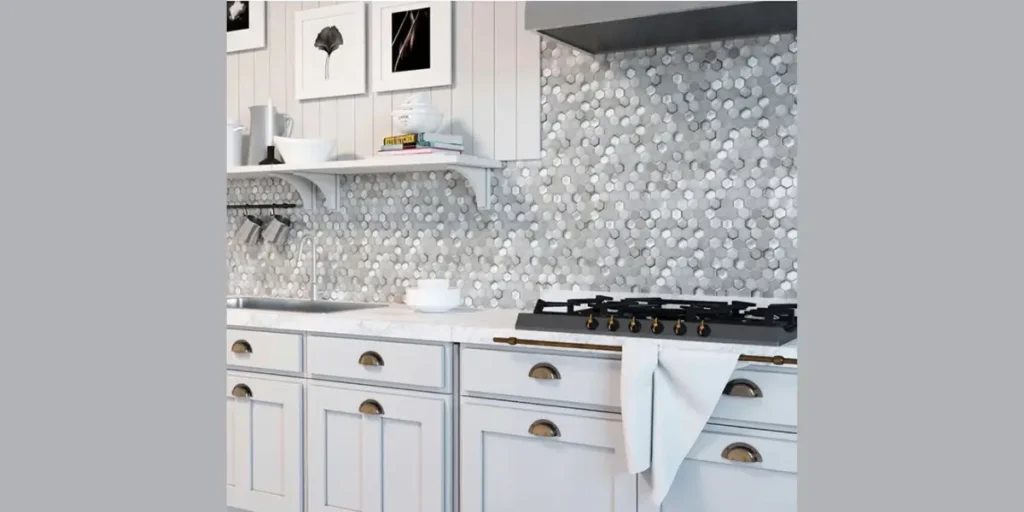
Mosaic tiles consist of small pieces arranged in decorative patterns. I like using them when I want to introduce texture and visual detail to the backsplash.
These tiles can combine different colors, materials, or finishes. The result often feels artistic and vibrant without overwhelming the entire kitchen.
Mosaic backsplashes also work well as accent areas, especially behind the stove. When placed carefully, they create a focal point that draws attention to the cooking space.
9. Hexagon Tile Backsplash
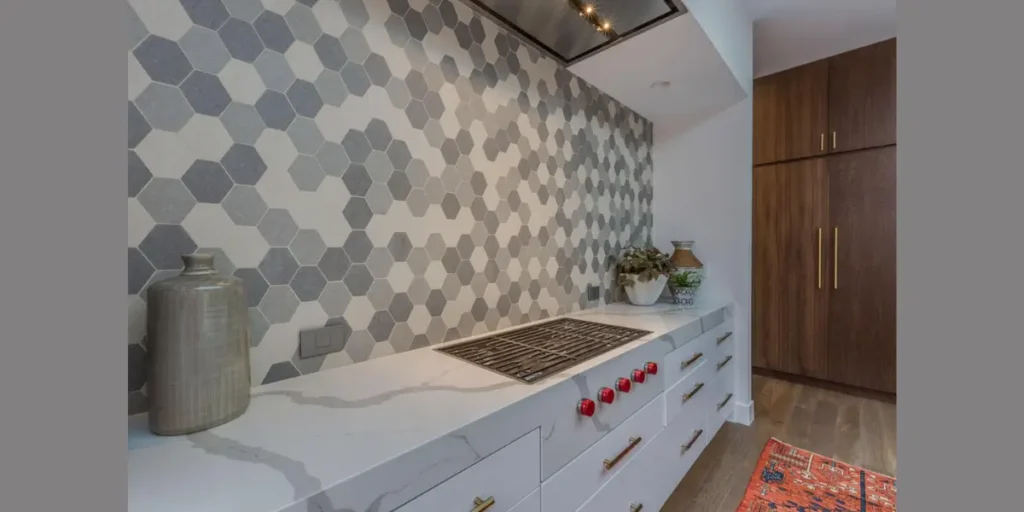
Hexagon tiles bring a modern geometric style to the kitchen wall. I often recommend them when someone wants something different from traditional rectangular tiles. Their honeycomb shape creates a subtle pattern that feels stylish without being overwhelming.
These tiles work well in neutral shades such as white, gray, or soft beige. The shape itself provides enough visual interest even when the color remains simple.
I also like pairing hexagon tiles with minimalist cabinets. This combination keeps the kitchen looking clean while allowing the backsplash pattern to stand out naturally.
10. Matte Black Backsplash
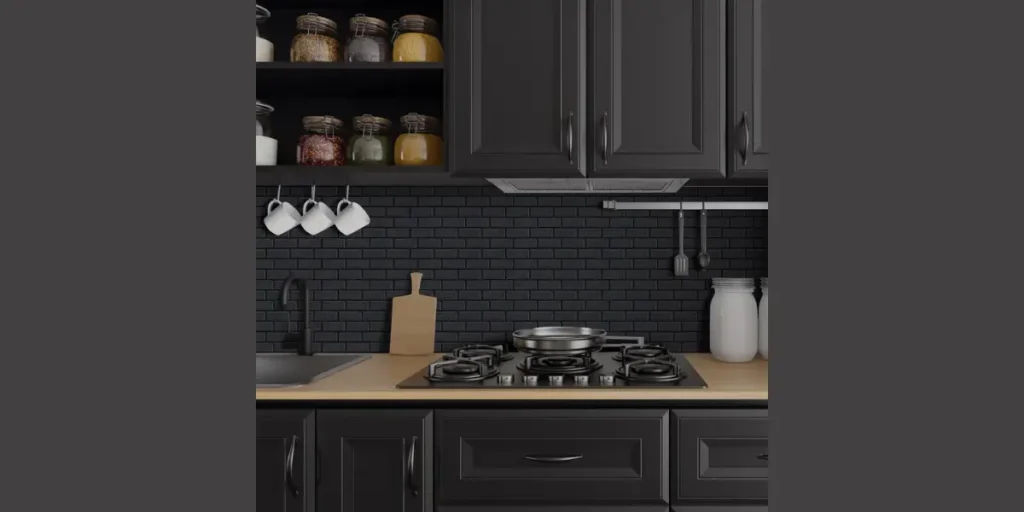
A matte black backsplash can instantly create a bold and sophisticated kitchen design. I usually suggest this style when the kitchen already has light-colored cabinets or countertops.
The contrast between dark tiles and lighter surfaces creates a dramatic visual effect. It also gives the kitchen a modern and slightly luxurious appearance.
Despite the bold color, matte finishes help keep the design balanced. The soft surface prevents excessive shine and makes the backsplash feel elegant rather than overwhelming.
11. Wooden Backsplash Panels
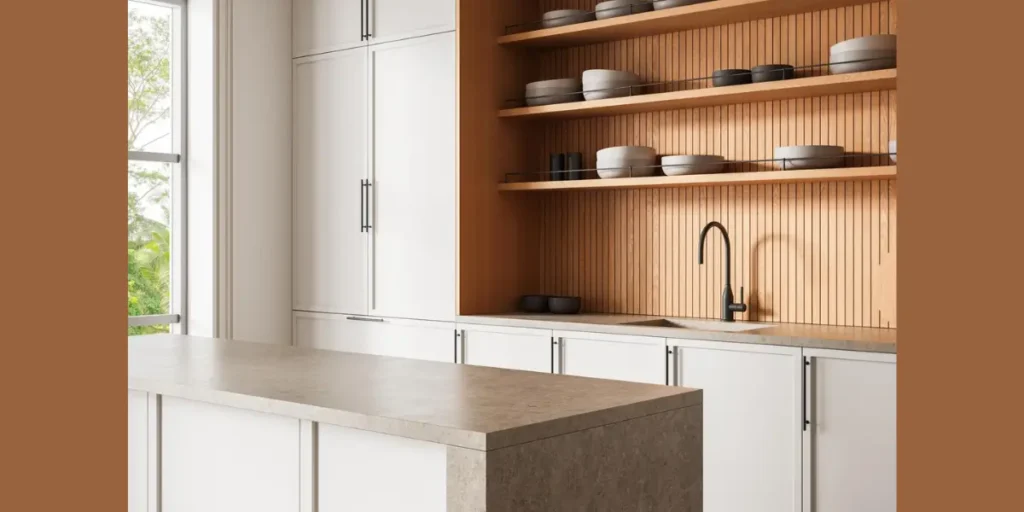
Wooden backsplashes introduce warmth and natural texture into the kitchen. I enjoy using this material in spaces that aim for a cozy or Scandinavian-inspired design.
Natural wood grains create a unique visual pattern that feels inviting and organic. When sealed properly, wood can handle moisture and heat better than many people expect.
Pairing wooden panels with neutral cabinets can create a calm and comfortable kitchen atmosphere. This combination often makes the space feel more relaxed and welcoming.
12. Mirror Backsplash
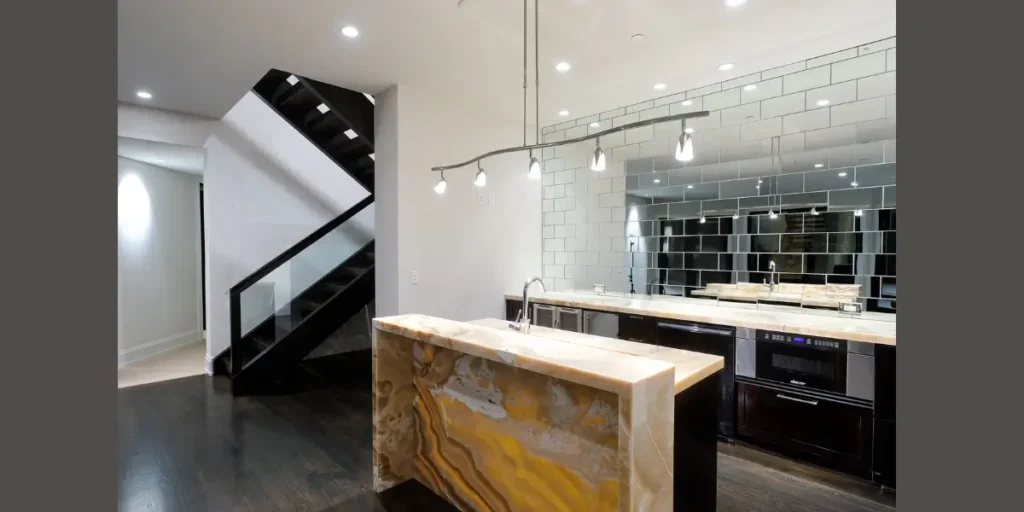
A mirror backsplash can make a kitchen appear much larger than it actually is. I often recommend this idea for compact kitchens where light and space feel limited.
The reflective surface bounces light around the room and brightens the entire space. This effect can make even a small kitchen feel open and airy.
Mirror tiles also introduce a modern design element. When combined with simple cabinetry, the reflective surface adds elegance while keeping the overall look sleek.
13. Terrazzo Backsplash
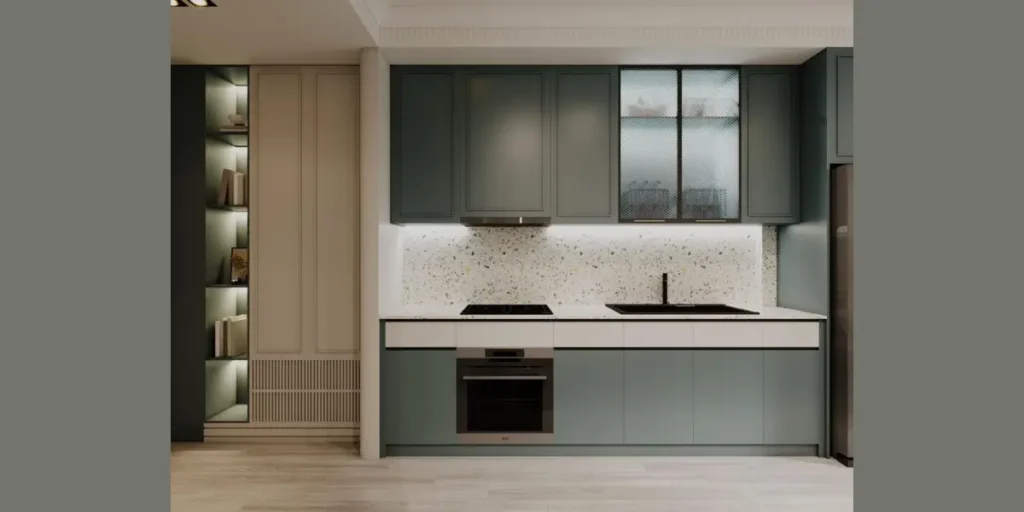
Terrazzo backsplashes bring a playful and artistic element into the kitchen. The surface contains small stone chips embedded in a smooth base, which creates a colorful speckled pattern.
I often recommend terrazzo for kitchens that want a unique and contemporary personality. The mix of colors allows it to complement many cabinet shades.
Despite its decorative look, terrazzo remains durable and easy to maintain. It offers both style and practicality for everyday kitchen use.
14. Vertical Tile Backsplash
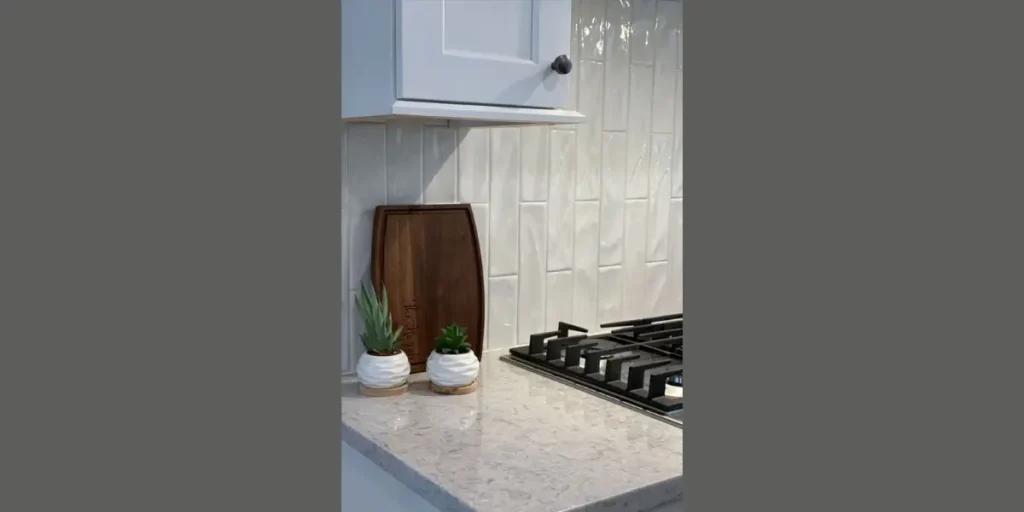
Vertical tiles offer a fresh twist on traditional tile layouts. Instead of placing tiles horizontally, stacking them vertically creates a more modern appearance.
I often see this technique used with subway tiles to give the kitchen a taller visual effect. The vertical lines can make the wall appear higher.
This layout works particularly well in minimalist kitchens. It keeps the design simple while still adding a subtle design detail that makes the backsplash stand out.
Expert Tips for Choosing the Right Kitchen Backsplash
Choosing a backsplash involves more than selecting a beautiful tile. I usually think about how the material, color, and texture will work with the rest of the kitchen design.
The right backsplash should enhance the cabinets and countertops while also remaining practical for everyday cooking. These simple tips can help create a balanced and functional kitchen space.
Match the Backsplash with the Kitchen Style
I always recommend choosing a backsplash that complements the overall kitchen theme. A modern kitchen may suit glass or metallic tiles, while a farmhouse kitchen often pairs well with natural stone or classic subway tiles.
Consider Maintenance and Cleaning
Some backsplash materials require more care than others. Smooth surfaces like ceramic or glass tiles are easier to wipe clean, which makes them ideal for busy kitchens where spills happen often.
Use Contrast for Visual Interest
Adding contrast between cabinets and backsplash tiles can create a strong focal point. For example, a darker backsplash against light cabinets can add depth and visual balance.
Pay Attention to Lighting
Lighting can change how backsplash colors and textures appear. I usually suggest checking how the material looks under natural and artificial light before making a final decision.
Avoid Overly Busy Patterns
While decorative tiles can look beautiful, using too many patterns may overwhelm the kitchen. Simple designs often keep the space looking clean and balanced.
Conclusion
A well-designed backsplash can quietly transform the entire kitchen without requiring a full renovation. I always see it as one of the most effective ways to introduce personality, texture, and color into the space.
Whether you prefer classic subway tiles, bold patterned designs, or natural materials like stone and wood, the right backsplash can tie the entire kitchen together.
The key is to choose a design that complements your cabinets, countertops, and overall kitchen style while remaining easy to maintain. When the backsplash balances beauty with practicality, it becomes more than just a protective surface.
It turns into a feature that enhances the kitchen and makes everyday cooking feel more enjoyable.
FAQs
Subway tile backsplashes remain one of the most popular choices because they offer a timeless and versatile design. Their simple layout works well with both modern and traditional kitchens. Many homeowners choose them because they are affordable, durable, and easy to maintain.
Yes, glass backsplashes are a great option because they reflect light and make the kitchen appear brighter. They are also smooth and easy to clean, which makes them practical for cooking areas.
A backsplash can visually expand a small kitchen when reflective materials such as glass or mirror tiles are used. These surfaces bounce light around the room and help the space feel more open.
Popular backsplash materials include ceramic tiles, glass tiles, marble, natural stone, and stainless steel. Each material offers different textures and durability levels, so the best choice often depends on the kitchen style and maintenance preferences.