
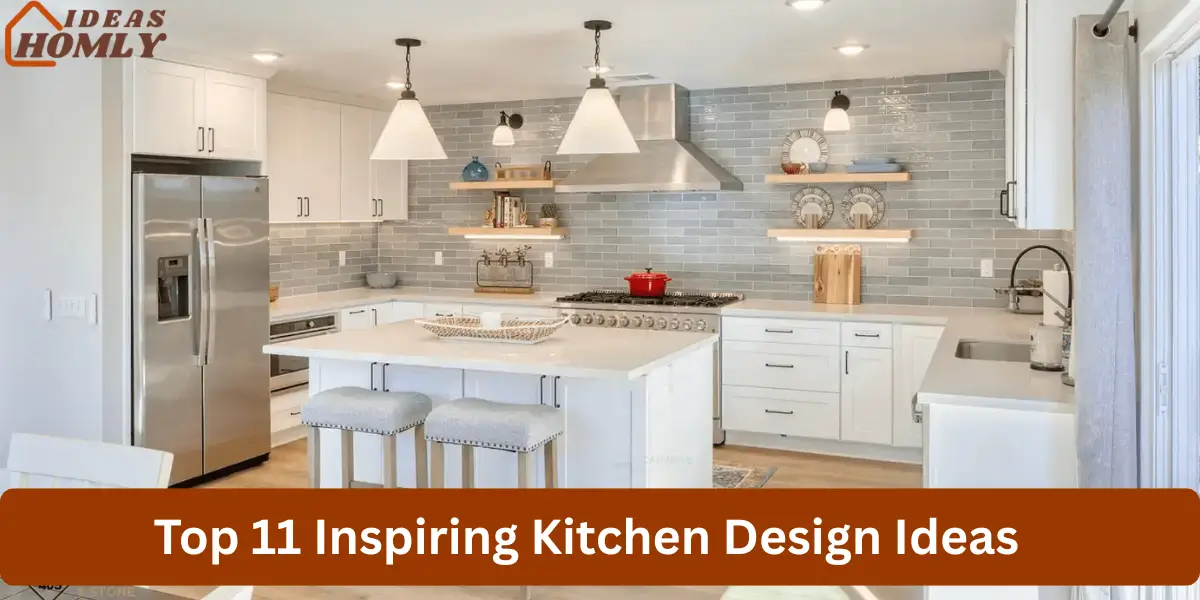

A kitchen often becomes the heart of the home, where daily routines, cooking, and conversations naturally come together. I have noticed that the right layout and thoughtful details can completely change how a kitchen feels and functions.
Instead of focusing only on appliances or cabinets, good design considers workflow, lighting, and smart storage. These elements work together to create a space that feels both practical and welcoming.
When I explore modern kitchen design ideas, I always look for solutions that improve efficiency while also making the kitchen visually appealing and comfortable for everyday use.
Inspiring Kitchen Design Ideas for Modern Homes
Designing a kitchen requires balancing style, functionality, and comfort. I always look for layouts and materials that improve workflow while making the space visually appealing.
When the right elements come together, lighting, storage, layout, and materials, the kitchen becomes more than a cooking area. It becomes a welcoming space where daily life naturally unfolds.
1. Open Concept Kitchen Design
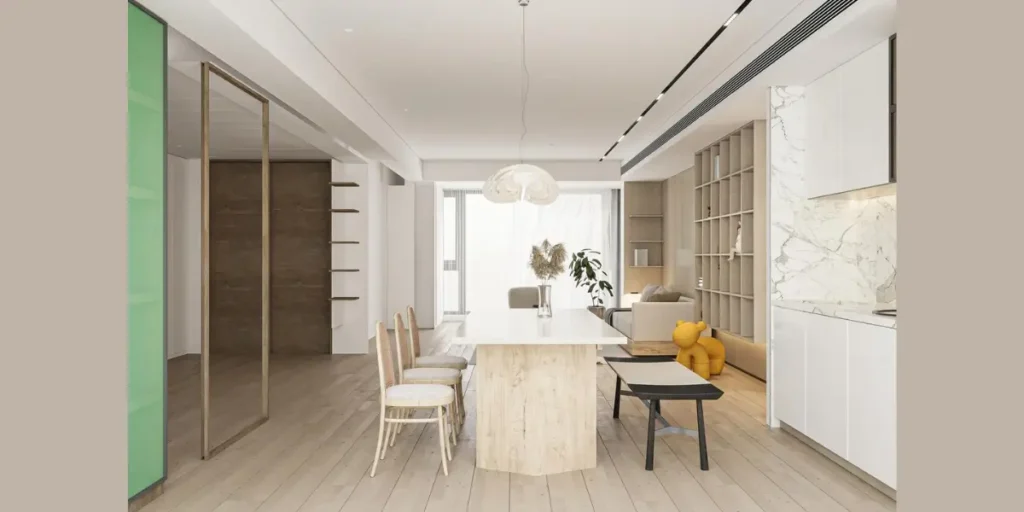
Open concept kitchens remove barriers between the kitchen and surrounding living spaces. I often recommend this layout because it creates a sense of openness and improves interaction within the home. Cooking becomes a more social activity when the kitchen connects directly with the dining or living area.
Natural light flows more freely in an open layout, making the entire space feel larger and brighter. Without walls blocking the view, the kitchen becomes part of the home’s overall design.
However, maintaining organization becomes important in open kitchens. Clean countertops and well-planned storage help keep the space visually balanced and inviting.
2. Minimalist Kitchen Design
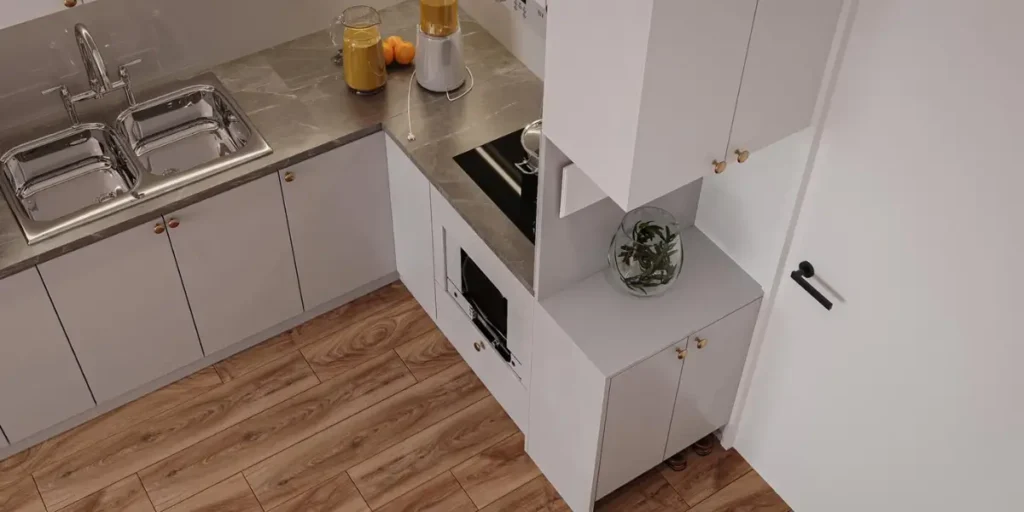
Minimalist kitchens focus on simplicity and functionality. I often see homeowners choose this design when they want a calm and uncluttered environment for cooking.
Handleless cabinets, hidden storage, and neutral colors define this style. Every design element serves a purpose, which helps the kitchen feel clean and organized.
When surfaces remain clear and materials stay consistent, the kitchen develops a peaceful atmosphere. Minimalist design proves that sometimes less truly creates more visual impact.
3. Farmhouse Kitchen Design
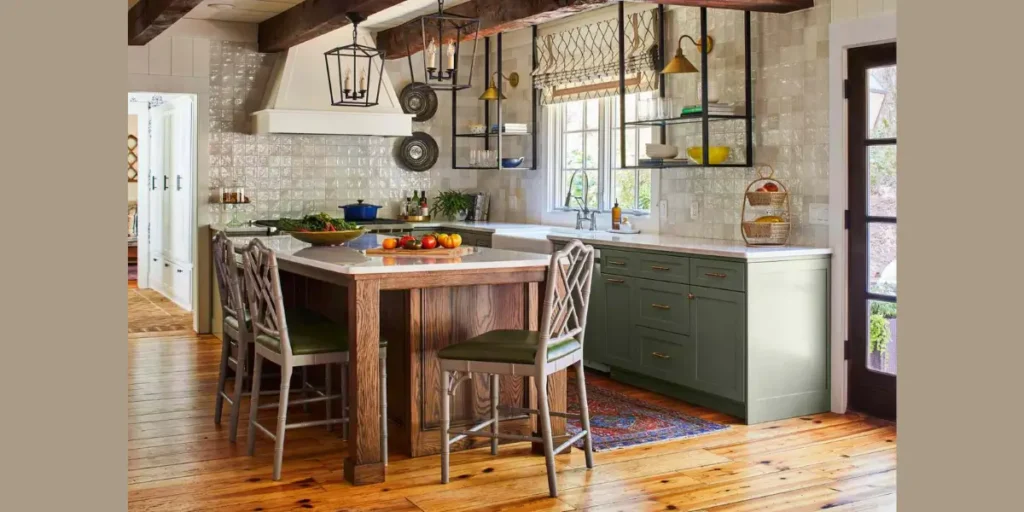
Farmhouse kitchens create warmth and character through natural materials and classic design elements. I often recommend this style for people who enjoy a welcoming and cozy kitchen environment.
Wooden beams, apron-front sinks, and shaker cabinets commonly appear in farmhouse kitchens. These details bring traditional charm while maintaining practical functionality.
Soft colors and natural textures help the space feel relaxed and comfortable. A farmhouse kitchen often becomes a place where family and friends naturally gather.
4. Two-Tone Cabinet Kitchen Design
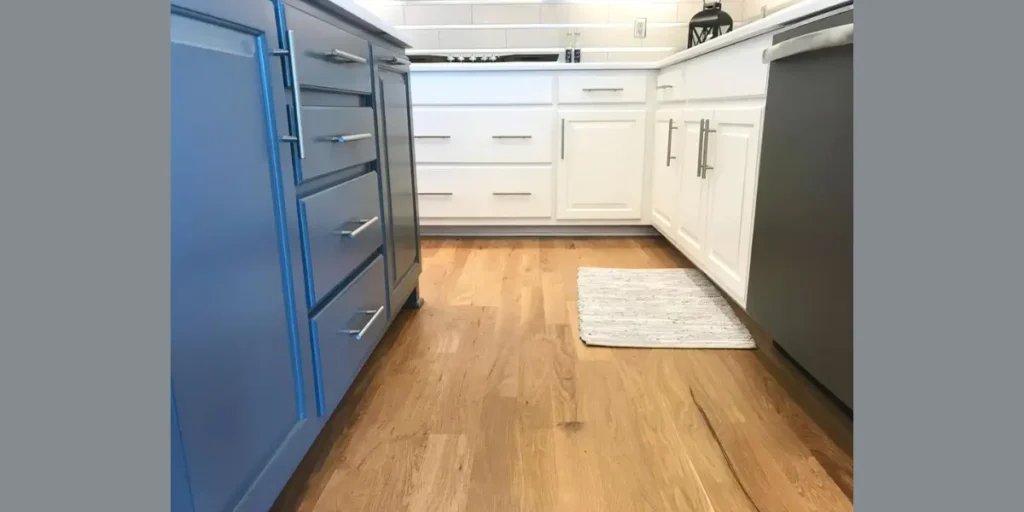
Two-tone cabinets add contrast and visual interest to the kitchen. Instead of using a single cabinet color, designers combine two complementary shades.
I often suggest lighter upper cabinets with darker lower cabinets. This combination keeps the space bright while adding depth to the overall design.
The balance between the two colors creates a more dynamic appearance. When done thoughtfully, two-tone cabinetry gives the kitchen a modern and stylish personality.
5. Kitchen Island Center Design
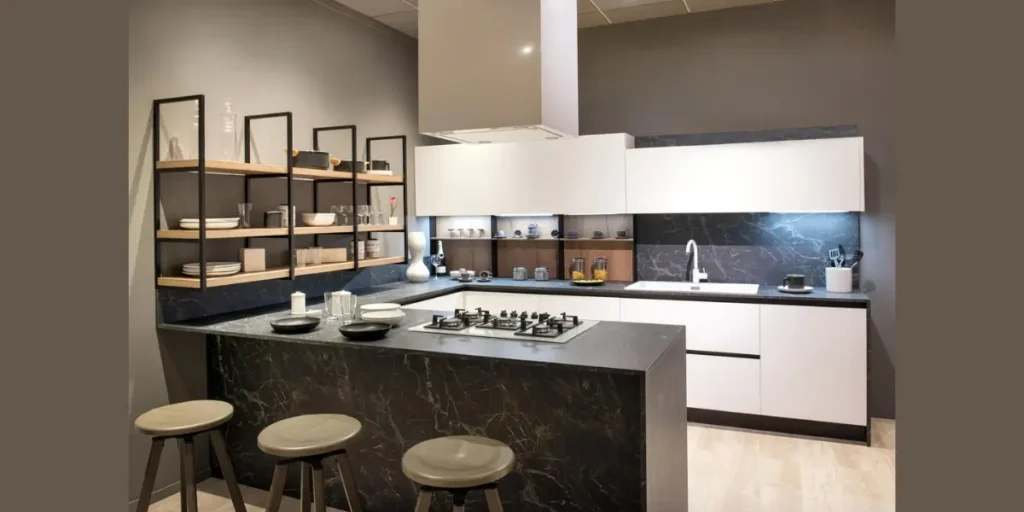
A kitchen island often becomes the focal point of the entire space. I usually recommend adding an island when the kitchen layout allows enough room for movement.
The island provides additional workspace for meal preparation and can also include storage drawers or shelves. Many homeowners also add seating to create a casual dining area.
This central feature encourages interaction while cooking. It turns the kitchen into a place where people can gather comfortably.
6. Industrial Kitchen Design
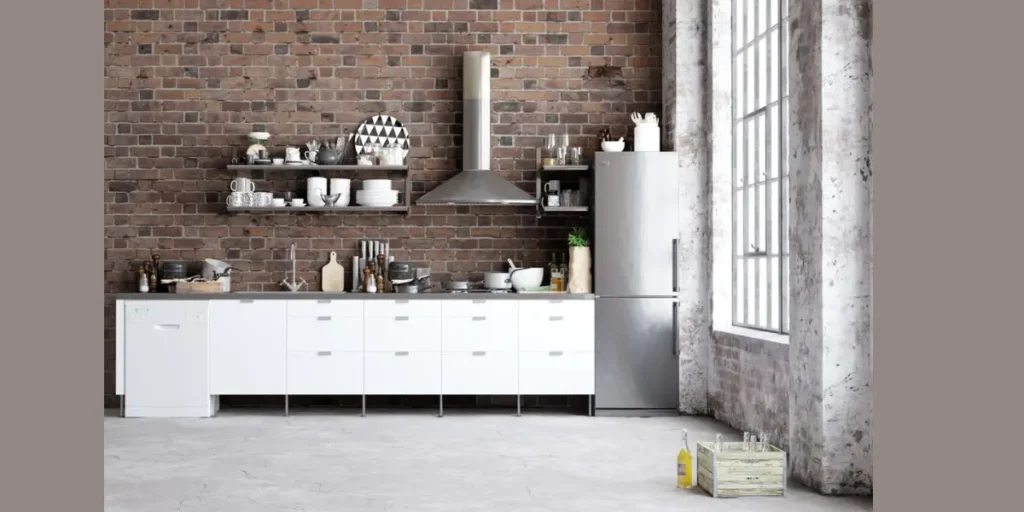
Industrial kitchens use raw materials and bold textures to create a modern urban look. I often see this design used in loft apartments or contemporary homes.
Exposed brick walls, metal shelves, and dark lighting fixtures define the industrial style. These elements bring a slightly rugged yet stylish atmosphere.
When combined with wooden countertops or warm lighting, the industrial look becomes balanced and inviting. The contrast between materials adds strong visual character.
7. Scandinavian Kitchen Design
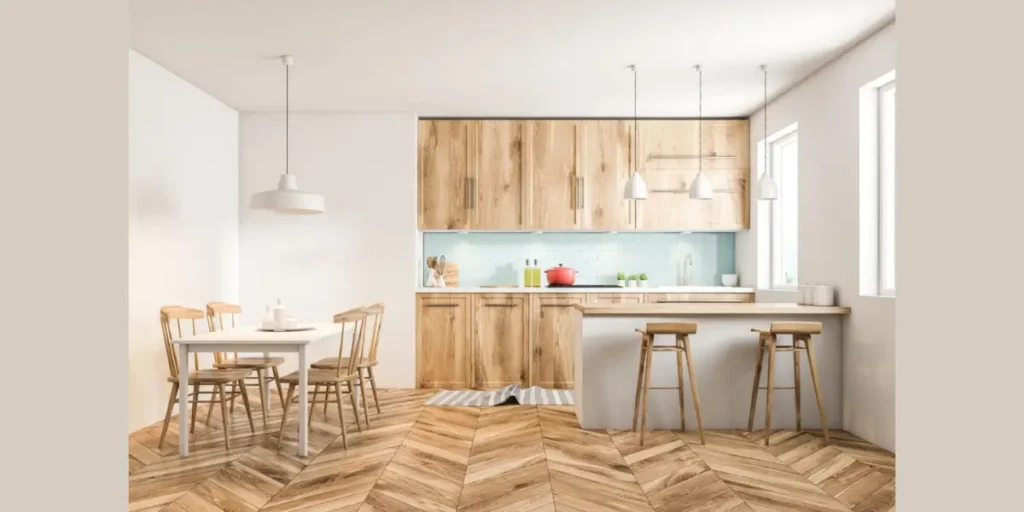
Scandinavian kitchens emphasize simplicity, light colors, and natural materials. I often recommend this style for smaller kitchens because it helps the space feel open and airy.
White cabinets, light wood accents, and minimal decor create a calm and balanced design. Natural light plays an important role in Scandinavian interiors.
This style focuses on both comfort and practicality. The result is a kitchen that feels bright, functional, and easy to maintain.
8. Smart Kitchen Technology Design
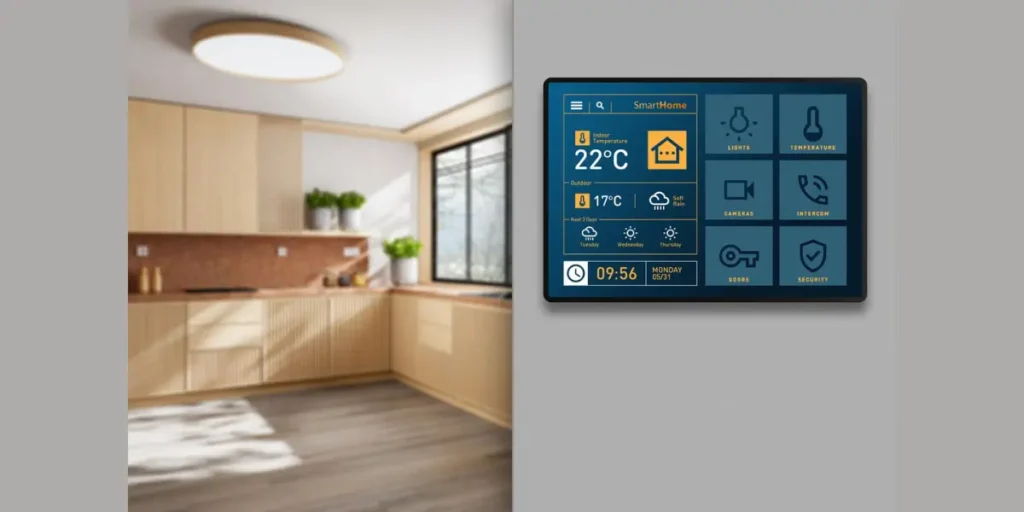
Modern kitchens increasingly include smart technology that improves convenience and efficiency. I often see homeowners integrating digital appliances into their kitchen designs.
Smart refrigerators, voice-controlled lighting, and automated ovens simplify everyday cooking tasks. These features help manage time and improve organization.
Technology also enhances energy efficiency. When integrated carefully, smart devices make the kitchen feel modern and forward-thinking.
9. Luxury Marble Kitchen Design
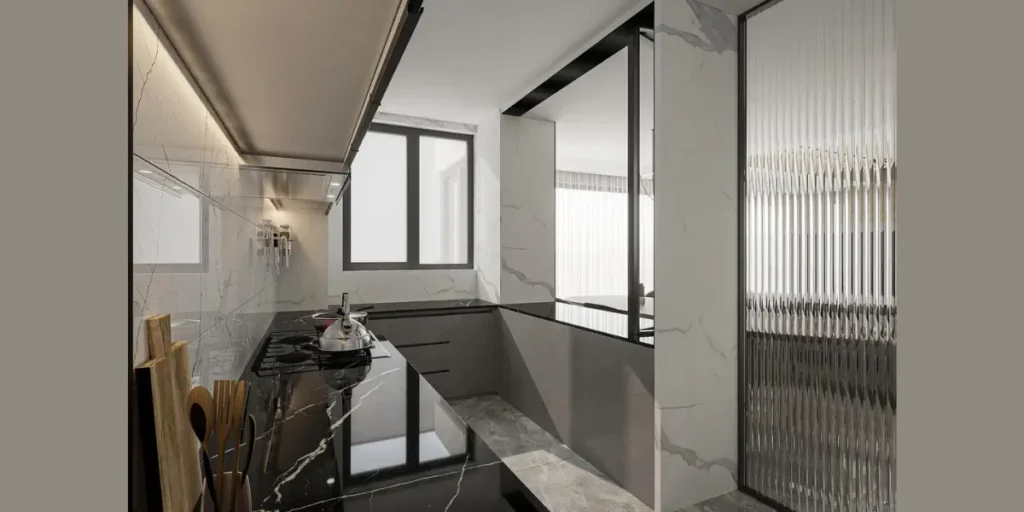
Marble surfaces bring elegance and sophistication to kitchen interiors. I often recommend marble countertops or backsplashes for homeowners who want a timeless aesthetic.
The natural veining patterns make every marble surface unique. This subtle variation creates visual depth without overwhelming the design.
Although marble requires maintenance, its beauty remains unmatched. When paired with simple cabinetry, marble becomes the highlight of the kitchen.
10. Compact Small Kitchen Design
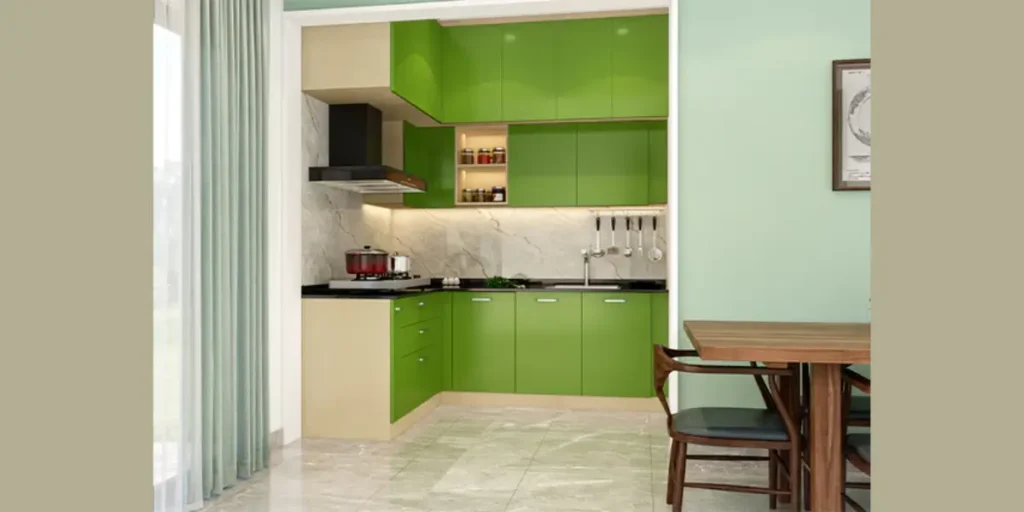
Compact kitchens require efficient layouts and thoughtful storage solutions. I often focus on maximizing every inch of space without making the room feel crowded.
Vertical cabinets, pull-out drawers, and multifunctional furniture help maintain organization. These features keep the kitchen practical even when space is limited.
Light colors and good lighting also help compact kitchens appear larger. With careful planning, small kitchens can feel both stylish and functional.
11. Luxury Lighting Kitchen Design
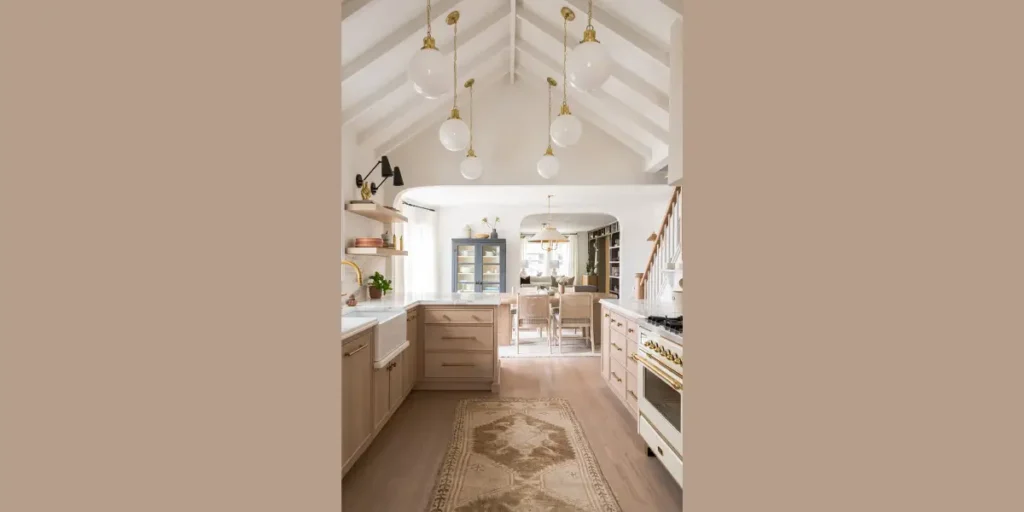
Lighting plays a crucial role in shaping the atmosphere of a kitchen. I always consider lighting one of the most important elements of kitchen design.
Statement pendant lights above the island or elegant chandeliers create a strong visual focal point. These fixtures add both beauty and functionality.
Layered lighting works best in most kitchens. Combining ambient, task, and accent lighting ensures the kitchen remains bright and comfortable for everyday use.
Practical Guidelines for Planning a Kitchen Layout
A well-designed kitchen begins with thoughtful planning. I always focus on layout choices that make cooking easier while keeping the space comfortable and organized.
When the layout supports movement and storage works efficiently, the kitchen becomes more practical for everyday use. Small design decisions can significantly improve how the space functions.
Prioritize the Kitchen Work Triangle
The work triangle connects the sink, stove, and refrigerator. I usually plan these three areas within a comfortable distance so movement remains efficient while cooking.
This layout reduces unnecessary steps and improves workflow. When the triangle remains clear of obstacles, the kitchen feels more practical and organized.
Plan Enough Counter Space
Adequate counter space makes food preparation easier. I always try to leave enough room near the stove and sink for cutting, mixing, and organizing ingredients.
More preparation space also helps keep the kitchen tidy. It prevents tools and ingredients from crowding a single surface.
Choose Durable Materials
Kitchen surfaces face daily use, so durable materials become important. I often recommend quartz, granite, or high-quality laminate for countertops.
Strong materials maintain their appearance while handling heat, spills, and regular cooking activities. This choice helps the kitchen remain attractive over time.
Use Layered Lighting
Good lighting improves both functionality and atmosphere. I prefer combining ambient lighting with task lighting above work areas.
Pendant lights, under-cabinet lights, and ceiling fixtures work together to brighten the kitchen evenly. Proper lighting makes cooking more comfortable.
Maximize Storage Efficiency
Efficient storage keeps the kitchen organized and clutter-free. I often recommend pull-out drawers, vertical cabinets, and hidden organizers.
These solutions help store cookware, utensils, and ingredients more effectively. When storage works well, the kitchen becomes easier to maintain.
Conclusion
Designing a kitchen is about creating a space that feels both practical and enjoyable to use every day. I have often seen how the right layout, materials, and lighting can completely transform the atmosphere of a kitchen.
Whether it is an open concept layout, a minimalist design, or the addition of a central island, each idea contributes to a kitchen that works better for daily life.
The most successful kitchens balance style with functionality. When storage, lighting, and workflow are planned carefully, the space becomes easier to use and more visually appealing.
With thoughtful design choices, any kitchen can become a comfortable and inspiring place for cooking and gathering.
FAQs
Many homeowners currently prefer modern and minimalist kitchens because they focus on simplicity and clean lines. These designs also include smart storage solutions and neutral color palettes. The result is a kitchen that feels both practical and visually appealing.
Small upgrades can make a big difference in kitchen design. Changing cabinet handles, improving lighting, or adding open shelves can refresh the space. These simple improvements often enhance both style and functionality.
Designers often recommend layouts that follow the kitchen work triangle. This arrangement keeps the sink, stove, and refrigerator within easy reach. It improves workflow and makes cooking tasks more convenient.
Kitchen islands work best when the space allows comfortable movement around them. In larger kitchens, they provide extra workspace and seating. In smaller kitchens, compact or movable islands can sometimes serve the same purpose.
Yes, small kitchens can look very stylish with smart layouts and efficient storage. Light colors, good lighting, and minimal decor help the space feel larger. With thoughtful planning, compact kitchens can be both beautiful and practical.