
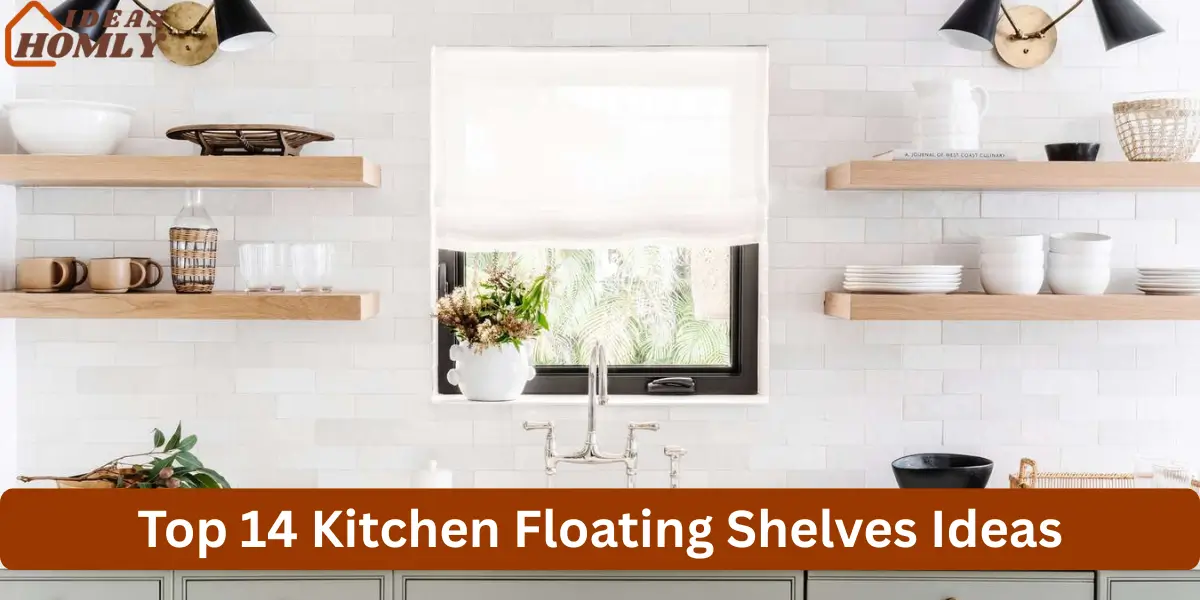

A well-designed kitchen often depends on how efficiently the space is used, especially the walls. I’ve noticed that when cabinets feel too heavy or crowded, floating shelves can instantly make the kitchen look more open and practical.
They not only provide extra storage but also create an opportunity to display everyday essentials in a visually pleasing way.
While exploring modern interior trends and functional layouts, I found that many homeowners search for creative kitchen floating shelves ideas that balance style with practicality.
In this guide, I’ll share inspiring shelf designs that can help turn simple kitchen walls into useful and stylish features.
Creative Kitchen Floating Shelves Ideas to Maximize Style and Storage
Floating shelves can completely change how a kitchen wall looks and functions. Whenever I review kitchen layouts, I often notice that replacing bulky upper cabinets with well-placed shelves instantly makes the space feel lighter and more open.
These shelves not only provide practical storage but also create an opportunity to style the kitchen creatively. With the right materials, arrangement, and décor, floating shelves can become one of the most attractive features in the kitchen.
1. Natural Wood Floating Shelves
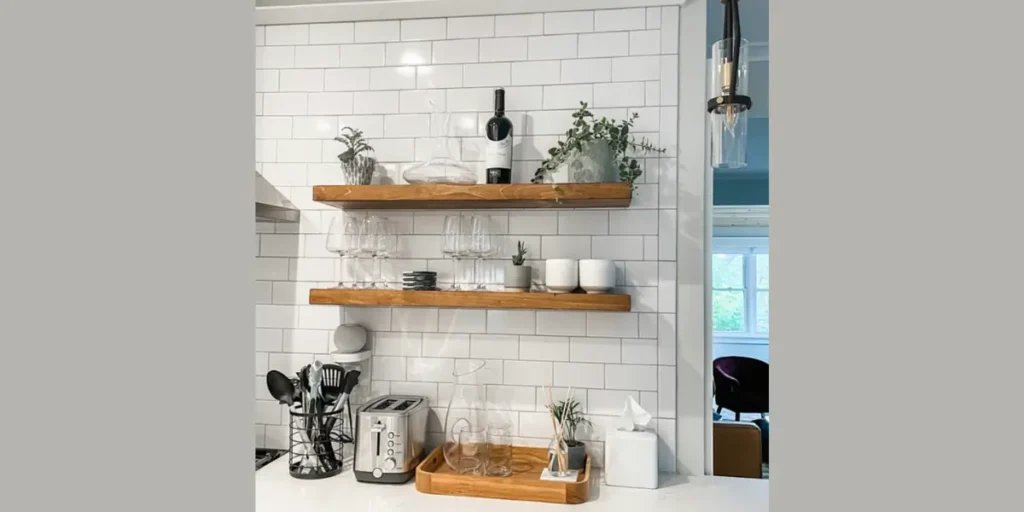
Natural wood floating shelves bring warmth and organic texture into the kitchen. I often recommend this design because the natural grain of wood creates a welcoming and balanced atmosphere.
When paired with neutral cabinets or stone countertops, wooden shelves soften the overall appearance of the kitchen.
Oak, walnut, and reclaimed wood are popular choices for this style. These materials offer durability while adding visual depth to the wall. The natural tones also work beautifully with modern and farmhouse kitchens.
Many homeowners use wooden shelves to display dishes, jars, and small plants. This arrangement keeps everyday items accessible while giving the kitchen a stylish and lived-in look.
2. Minimalist White Floating Shelves
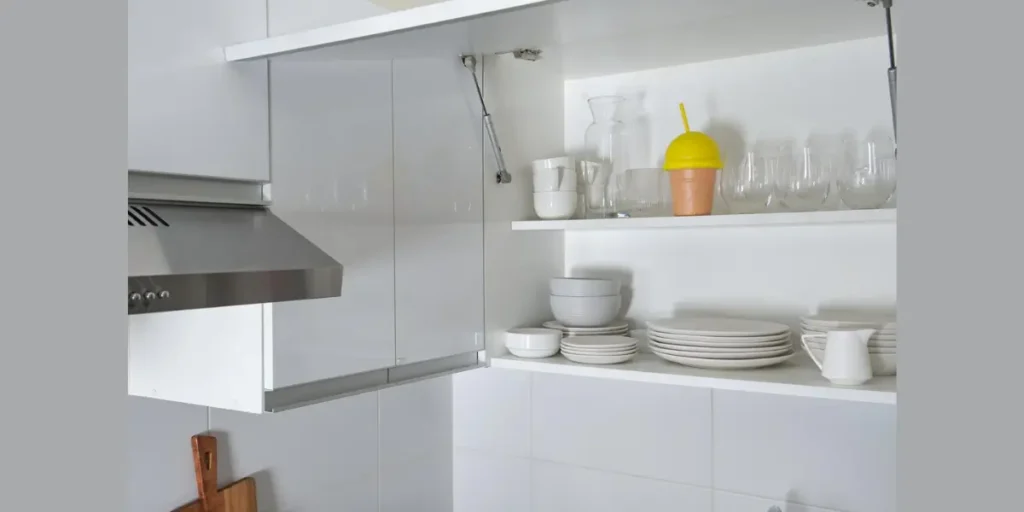
Minimalist white floating shelves create a clean and uncluttered kitchen environment. I often suggest this idea when homeowners want the space to feel brighter and more spacious. The simple design blends easily with white cabinets and neutral color palettes.
These shelves maintain a sleek appearance that suits modern or Scandinavian kitchens. Because they visually blend into the wall, they allow decorative items and dishes to stand out instead of the shelf itself.
Styling white shelves with glass jars, ceramic bowls, or simple décor keeps the kitchen organized while maintaining a calm and balanced aesthetic.
3. Rustic Farmhouse Floating Shelves
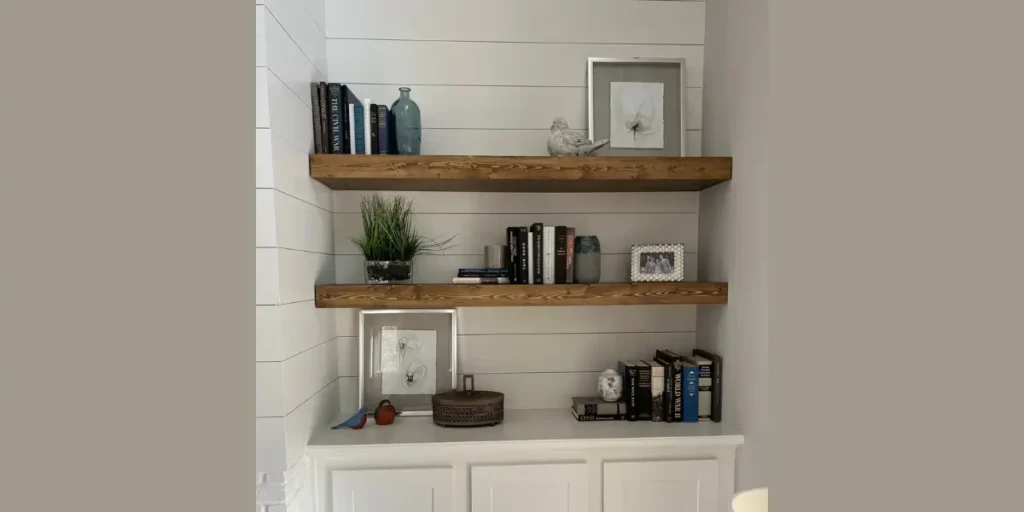
Rustic farmhouse floating shelves add charm and character to the kitchen. I enjoy incorporating reclaimed wood because its weathered texture introduces warmth and authenticity into the space.
These shelves work especially well with farmhouse sinks, shaker cabinets, and vintage décor elements. The slightly distressed wood surface helps create a relaxed and cozy atmosphere.
Homeowners often decorate farmhouse shelves with antique dishes, woven baskets, or cookbooks. This combination makes the kitchen feel welcoming while also maintaining practical storage.
4. Industrial Metal Bracket Shelves
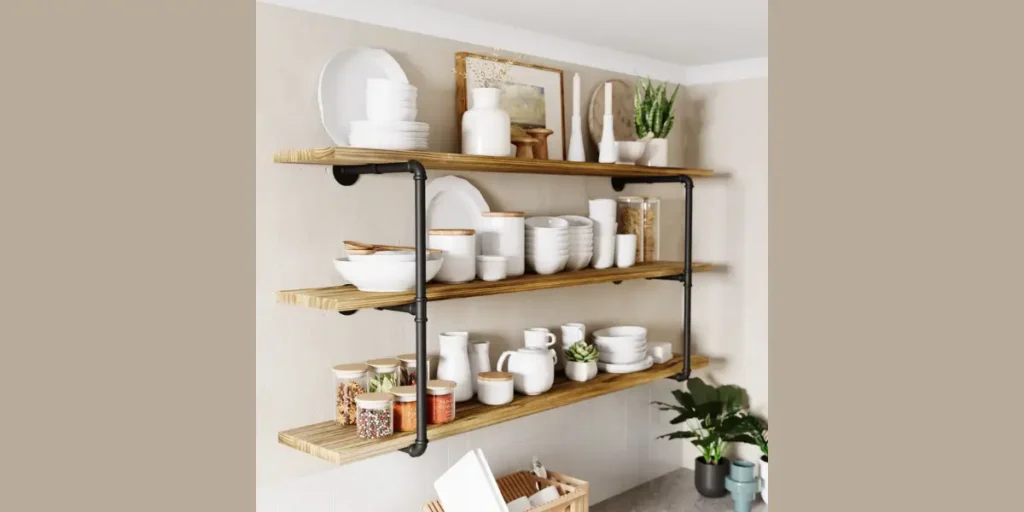
Industrial-style floating shelves combine wood with metal brackets to create a bold visual statement. I often recommend this design when a kitchen includes exposed brick, dark cabinets, or stainless steel appliances.
The metal brackets add strength and durability while introducing an edgy design element. This style balances warmth from the wood with the modern look of metal hardware.
Industrial shelves can hold heavier items like cookware, mixing bowls, or storage containers. Their sturdy construction makes them both practical and visually striking.
5. Corner Floating Shelves
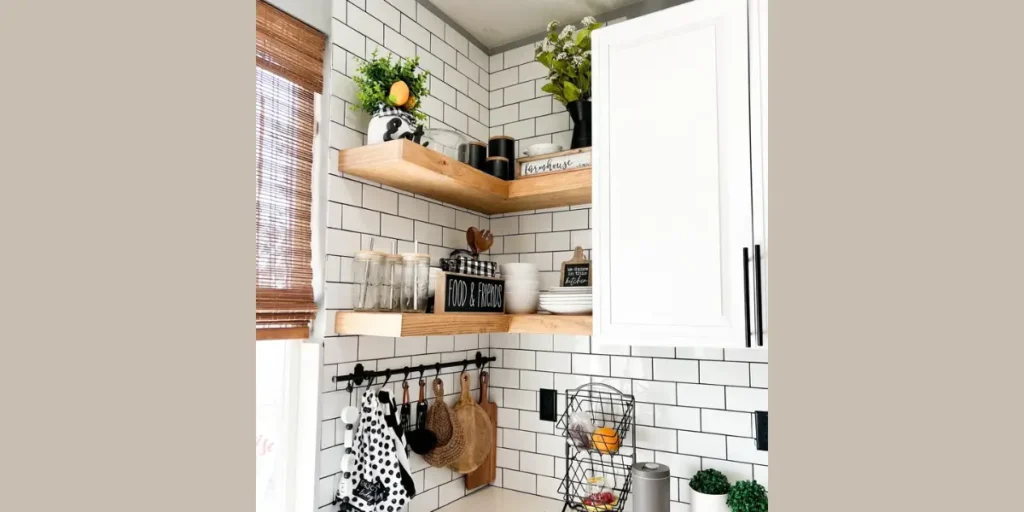
Corner floating shelves help utilize spaces that often remain unused in the kitchen. Whenever I work with compact kitchens, I frequently recommend using corner shelves to maximize vertical storage.
These shelves turn awkward corners into functional display areas. They provide space for spices, mugs, or small decorative items without occupying valuable countertop space.
Corner shelves also create visual balance by extending storage into areas that might otherwise appear empty. This approach helps the kitchen feel more organized and efficient.
6. Glass Floating Shelves
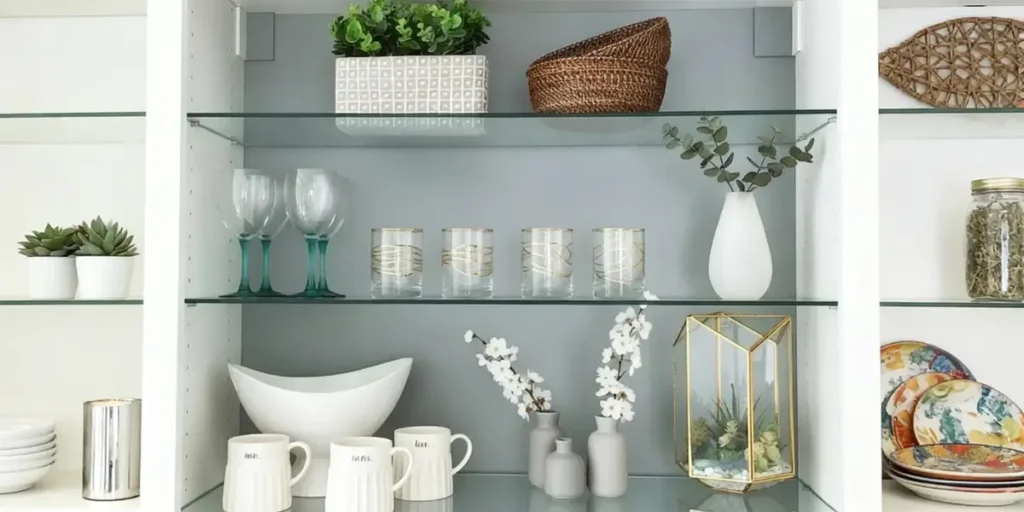
Glass floating shelves introduce elegance and lightness into the kitchen design. I often notice that transparent shelves make smaller kitchens appear more spacious because they allow light to pass through them.
These shelves work beautifully in modern or contemporary kitchens where minimalism plays an important role. The glass surface keeps the wall visually open and uncluttered.
Many homeowners use glass shelves to display decorative glassware, stylish bowls, or small kitchen accessories. The reflective surface also enhances the brightness of the room.
7. Floating Shelves with LED Lighting
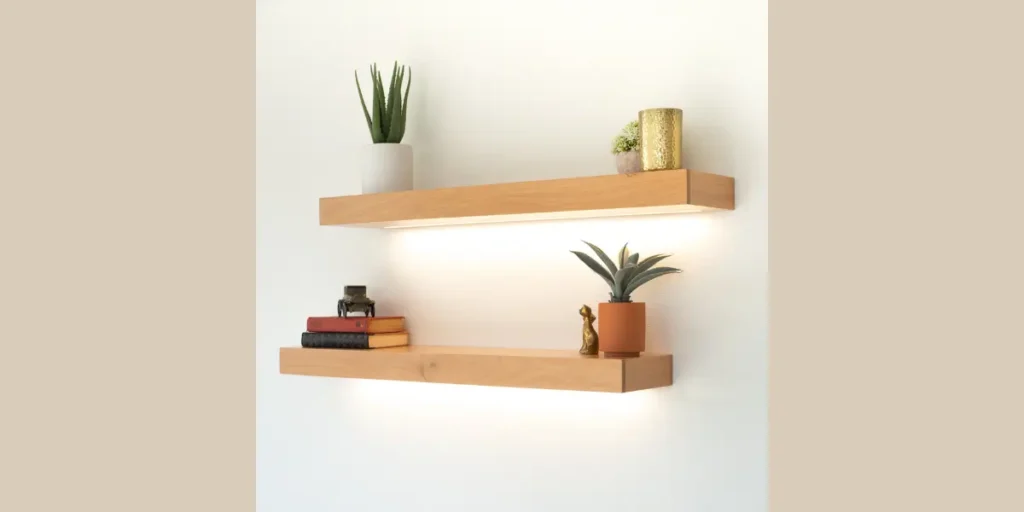
Floating shelves with integrated LED lighting add both function and atmosphere to the kitchen. I often recommend this feature when homeowners want their shelves to stand out as a design highlight.
LED strips installed beneath the shelves create a soft glow that illuminates decorative items and improves visibility during evening hours. The lighting also adds depth to the kitchen wall.
This design works particularly well in modern kitchens where lighting plays an important role in creating ambiance and highlighting architectural details.
8. Floating Shelves Above the Sink
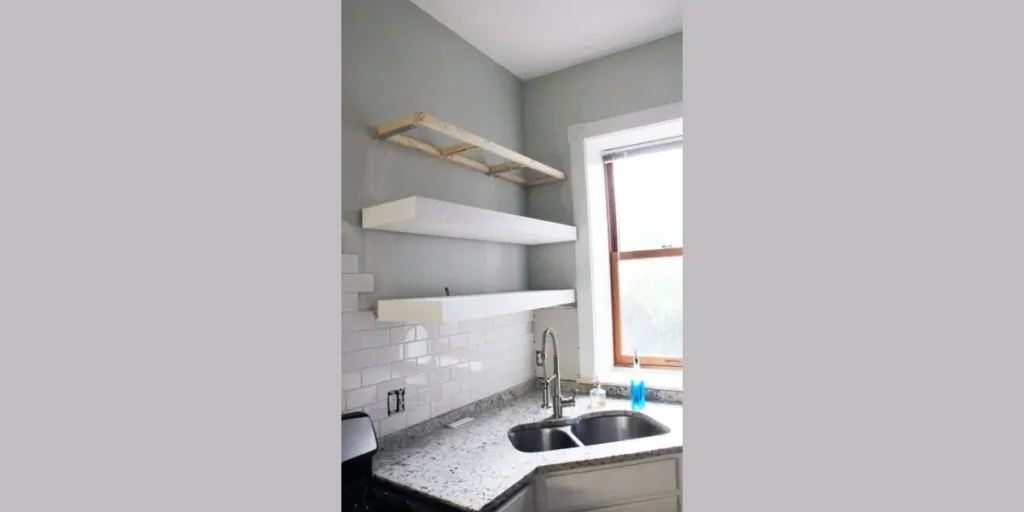
Installing floating shelves above the sink makes smart use of wall space that often remains empty. I frequently suggest this layout because it adds storage without crowding the kitchen.
Shelves above the sink can hold plants, small containers, or decorative dishes. These items bring life and personality to an area that usually lacks decoration.
This design also keeps frequently used items within easy reach while washing dishes or preparing food, making the kitchen more convenient to use.
9. Floating Shelves with Hooks
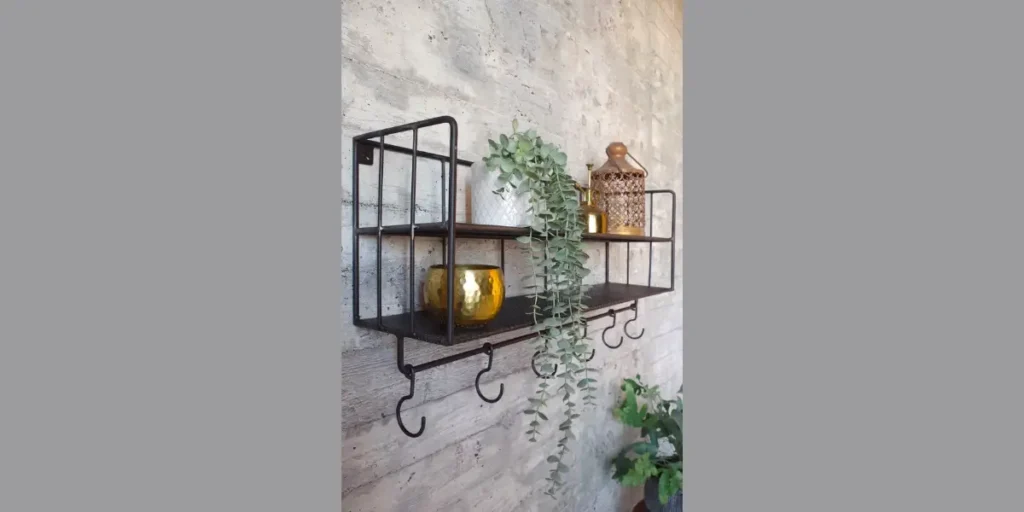
Floating shelves with hooks combine storage and hanging space in one practical design. I often recommend this style for smaller kitchens where every inch of wall space matters.
The shelf itself provides room for dishes or jars, while the hooks below hold mugs, utensils, or small pans. This arrangement keeps commonly used items easily accessible.
Besides its functionality, the combination of shelves and hooks also adds visual interest to the kitchen wall while maintaining an organized appearance.
10. Floating Spice Rack Shelves
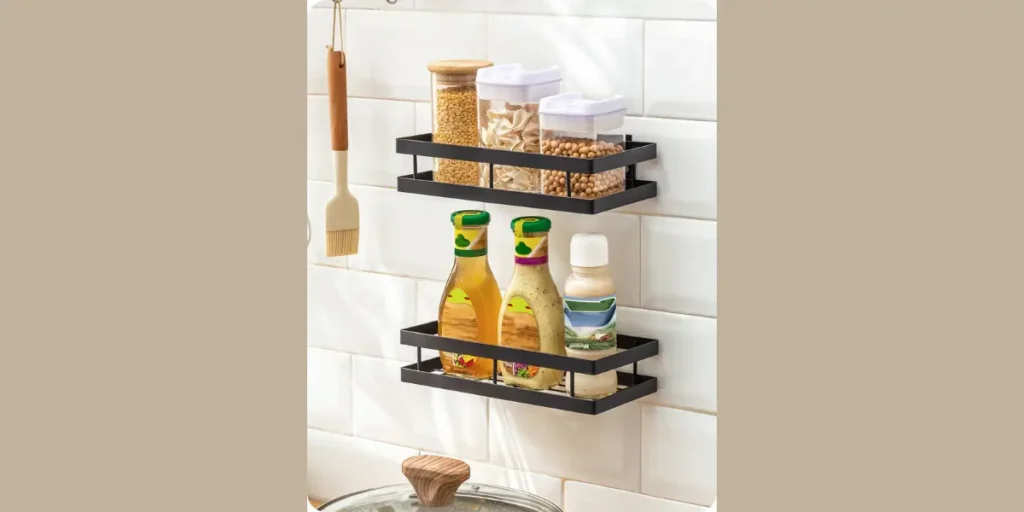
Floating spice rack shelves create a convenient storage solution for cooking essentials. I find that organizing spices on wall shelves makes them easier to reach during meal preparation.
Instead of hiding spices inside cabinets, these shelves turn them into part of the kitchen décor. Uniform jars arranged neatly create an attractive and organized display.
Spice shelves also help free up cabinet space while improving kitchen workflow. Keeping ingredients visible and accessible makes cooking faster and more efficient.
11. Floating Shelves with Decorative Plants
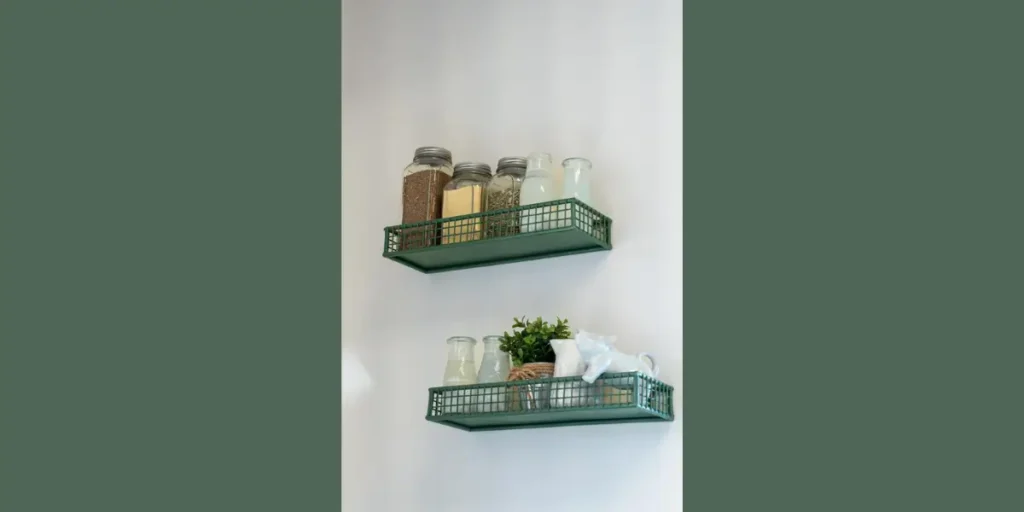
Floating shelves styled with decorative plants can instantly make a kitchen feel more vibrant and welcoming.
I often recommend adding greenery because it softens the look of modern appliances and hard surfaces. Even a few small plants can introduce freshness and life into the kitchen.
Herbs like basil, thyme, or mint work especially well on kitchen shelves. They not only look beautiful but also provide fresh ingredients for everyday cooking. This combination of beauty and functionality makes the design particularly appealing.
Pairing plants with ceramic bowls or wooden accessories creates a balanced shelf display. The greenery naturally draws attention while keeping the kitchen atmosphere calm and inviting.
12. Floating Shelves Between Cabinets
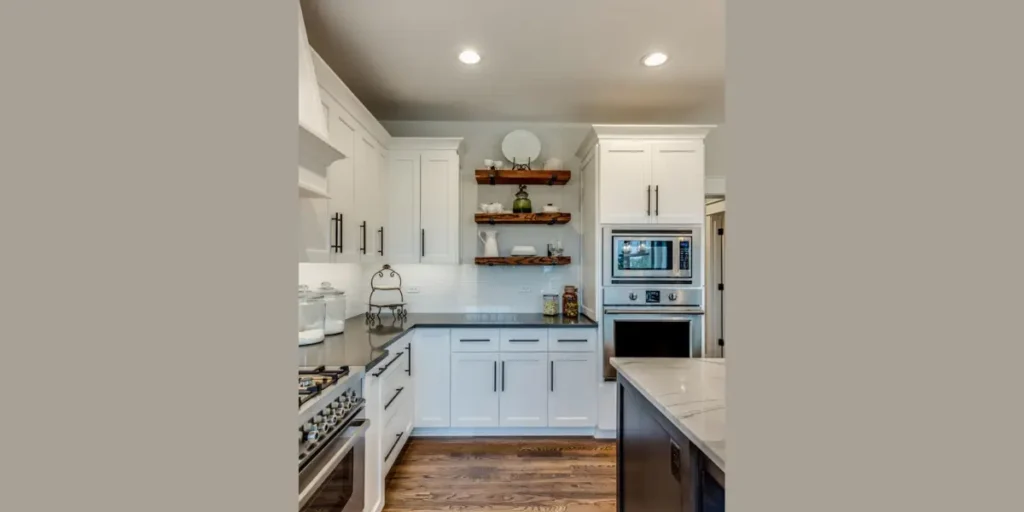
Floating shelves placed between cabinets help break the monotony of continuous cabinetry. I often see designers add one or two open shelves in the middle of cabinets to create visual breathing space within the kitchen layout.
This design allows homeowners to display dishes, glassware, or decorative jars without overwhelming the wall. The open space also prevents the kitchen from feeling too heavy or enclosed.
When styled thoughtfully, shelves between cabinets create balance between storage and decoration. They keep the kitchen functional while adding a subtle design highlight.
13. Floating Shelves with Tile Backsplash
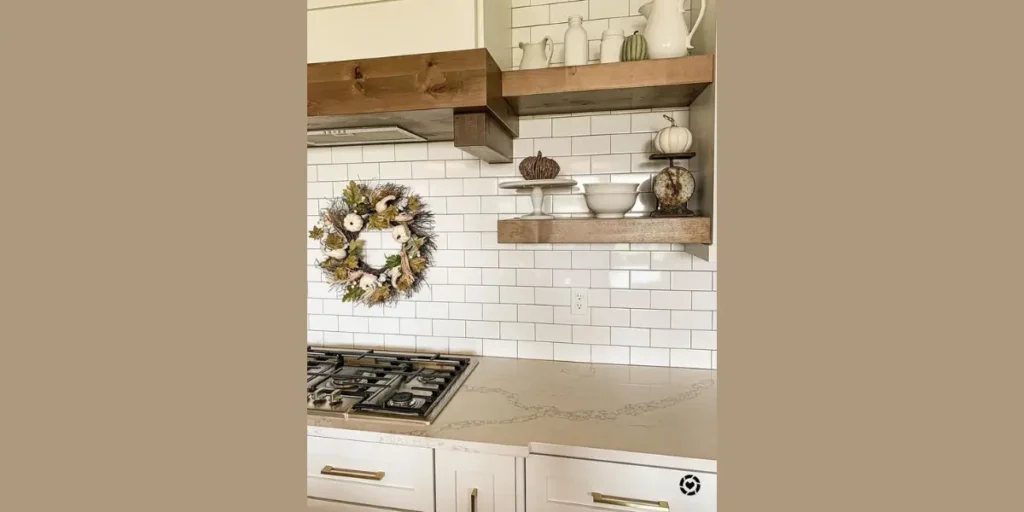
Combining floating shelves with a tiled backsplash creates a visually striking kitchen wall. I often recommend this approach because the tile introduces texture while the shelves add practical storage.
Subway tiles, geometric patterns, or handcrafted ceramic tiles work beautifully behind floating shelves. The contrast between smooth shelves and textured tiles adds depth to the kitchen design.
This combination works particularly well in modern kitchens where a decorative backsplash already acts as a focal point. The shelves enhance the design without overwhelming the wall.
14. Floating Shelves for a Coffee Station
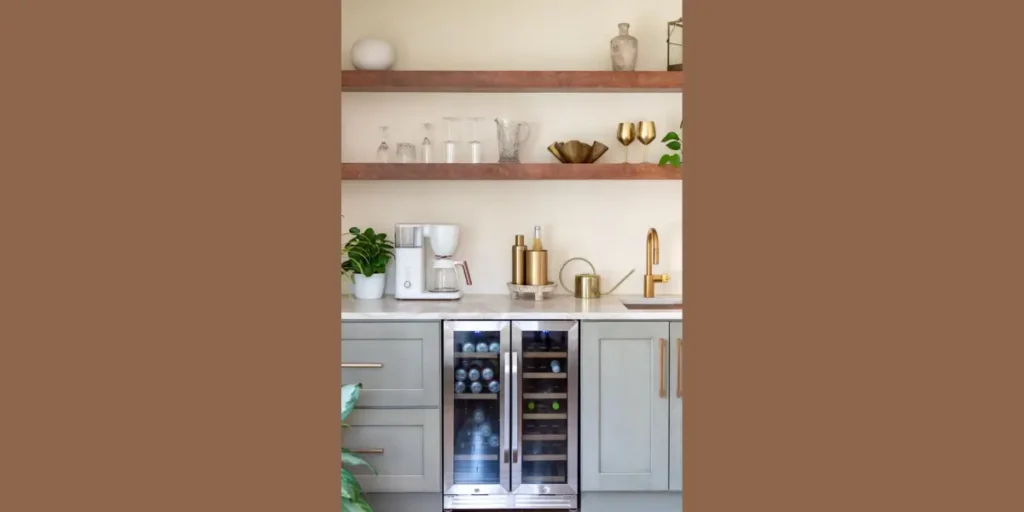
Floating shelves can easily transform a small kitchen corner into a stylish coffee station. I often see homeowners dedicate a section of wall space above the countertop to store mugs, coffee jars, and accessories.
The shelves keep everything organized and within easy reach while preparing coffee. Arranging mugs, glass containers, and a few decorative elements creates a cozy café-style corner at home.
This idea works especially well in kitchens where homeowners enjoy morning coffee rituals. A thoughtfully styled coffee station shelf can add both charm and functionality to the kitchen.
Practical Guide to Styling Kitchen Floating Shelves
Floating shelves can look beautiful, but the way they are styled makes the biggest difference.
When I plan kitchen shelves, I always focus on balancing storage with decoration so the shelves never appear cluttered or empty. The goal is to make the shelves useful while still enhancing the kitchen’s overall design.
The right placement, materials, and arrangement help floating shelves blend naturally with cabinets, countertops, and wall finishes. By following a few simple styling principles, it becomes easier to create shelves that look organized, functional, and visually appealing.
Choose the Right Shelf Material
The material of floating shelves influences both durability and style. Wood shelves add warmth and work well in farmhouse or modern kitchens. Glass shelves create a lighter appearance, while metal-supported shelves suit industrial designs.
Selecting the right material ensures that the shelves match the overall kitchen style while remaining strong enough to support everyday items.
Maintain Balanced Shelf Styling
I always recommend mixing practical items with decorative elements when styling shelves. Plates, jars, and bowls provide functionality, while small plants or framed artwork add personality.
Keeping a balanced arrangement prevents the shelves from looking crowded. Leaving some open space also helps maintain a clean and visually pleasing layout.
Use Vertical Space Efficiently
Floating shelves allow homeowners to make the most of vertical wall space. Installing two or three shelves above each other can create additional storage without taking up counter space.
This approach works especially well in smaller kitchens where cabinets alone cannot provide enough storage.
Keep Frequently Used Items Accessible
Floating shelves work best when they store items that are used regularly. I often suggest placing dishes, mugs, spice jars, or cooking essentials on the shelves.
Keeping everyday items within easy reach improves convenience while making the shelves look purposeful rather than purely decorative.
Floating Shelf Styling Guide
| Kitchen Style | Recommended Shelf Type | Main Benefit |
|---|---|---|
| Modern Kitchen | LED Floating Shelves | Adds modern lighting and depth |
| Farmhouse Kitchen | Rustic Wood Shelves | Creates warmth and texture |
| Minimalist Kitchen | White Floating Shelves | Keeps the kitchen clean and open |
| Industrial Kitchen | Metal Bracket Shelves | Adds strong visual character |
| Small Kitchen | Corner Floating Shelves | Maximizes vertical storage |
Conclusion
Floating shelves can completely change the way a kitchen looks and functions. In many kitchens I’ve observed, replacing bulky upper cabinets with thoughtfully styled shelves instantly creates a lighter and more inviting atmosphere.
They provide a practical place to store everyday items while also offering an opportunity to showcase décor, dishes, and plants in a visually pleasing way.
The key is choosing shelf materials, placement, and styling that match the overall kitchen design. Whether someone prefers rustic wood shelves, minimalist white designs, or modern illuminated shelves, each option can enhance both storage and aesthetics.
By exploring creative kitchen floating shelves ideas, homeowners can turn empty walls into organized, stylish features that add personality and practicality to the kitchen.
FAQs
Yes, floating shelves can be very practical when installed correctly. They provide easy access to everyday items like dishes, jars, and mugs. Many homeowners prefer them because they make the kitchen feel more open while still offering useful storage space.
Floating shelves work best for items that are used frequently or visually appealing. Common choices include plates, spice jars, glass containers, cookbooks, and small plants. Mixing functional items with decorative pieces helps create a balanced and attractive display.
The number of shelves depends on the wall space and kitchen layout. Most kitchens look balanced with two or three shelves placed vertically. Installing too many shelves can make the wall feel crowded, so spacing should remain comfortable and practical.
Yes, properly installed floating shelves can easily hold dishes and kitchen items. It is important to mount them securely into wall studs or strong anchors. Choosing durable materials like solid wood also improves their weight capacity.