
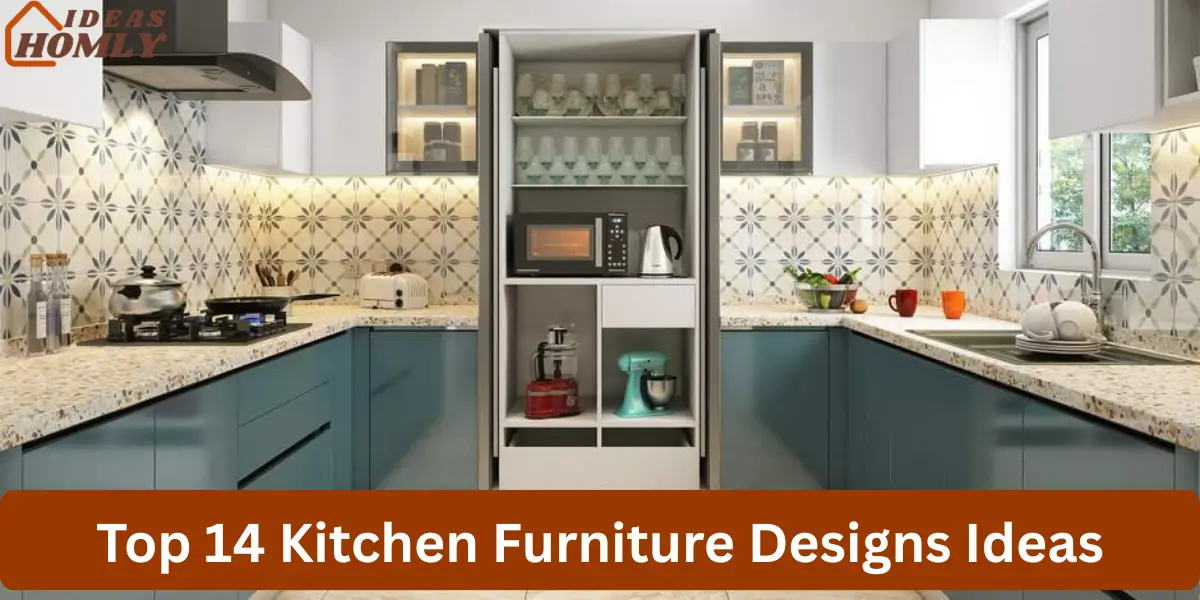

A kitchen works best when its furniture design supports both function and comfort. I often notice that the right layout and cabinet design can completely change how a kitchen feels and operates.
Good furniture design not only improves storage but also makes daily cooking easier and more organized. Many homeowners focus on appliances, but well-planned furniture plays an equally important role in the overall space.
In this guide, I will share practical kitchen furniture designs that help create a balanced kitchen where style and usability work together naturally.
Modern Kitchen Furniture Designs That Improve Style and Function
The design of kitchen furniture plays a major role in how comfortable and efficient a kitchen feels. I often see kitchens become more organized simply by choosing furniture that fits the layout properly.
Well-planned furniture designs help create better storage, smoother workflow, and a more balanced kitchen environment. The right design can turn an ordinary kitchen into a practical and inviting space.
1. Contemporary Kitchen Island Design
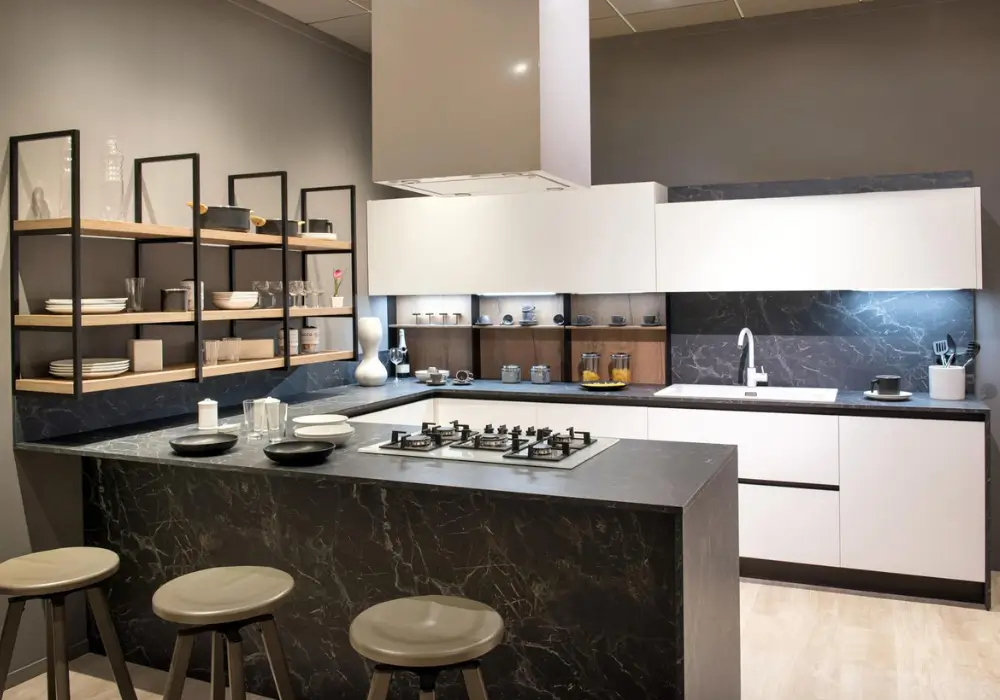
A contemporary kitchen island often becomes the centerpiece of the entire kitchen. I usually recommend this design when homeowners want a dedicated space for food preparation, storage, and casual dining. A well-designed island adds both style and functionality without interrupting the kitchen workflow.
Most modern islands include cabinets, drawers, and sometimes open shelves. This storage allows you to keep cooking tools, utensils, and ingredients within easy reach while preparing meals. The design also creates a clear workspace that makes daily cooking tasks easier.
Another advantage I often notice is the social aspect of an island. When stools are added around the island, it becomes a place where family members can sit, talk, and enjoy quick meals together.
2. Minimalist Kitchen Cabinet Design
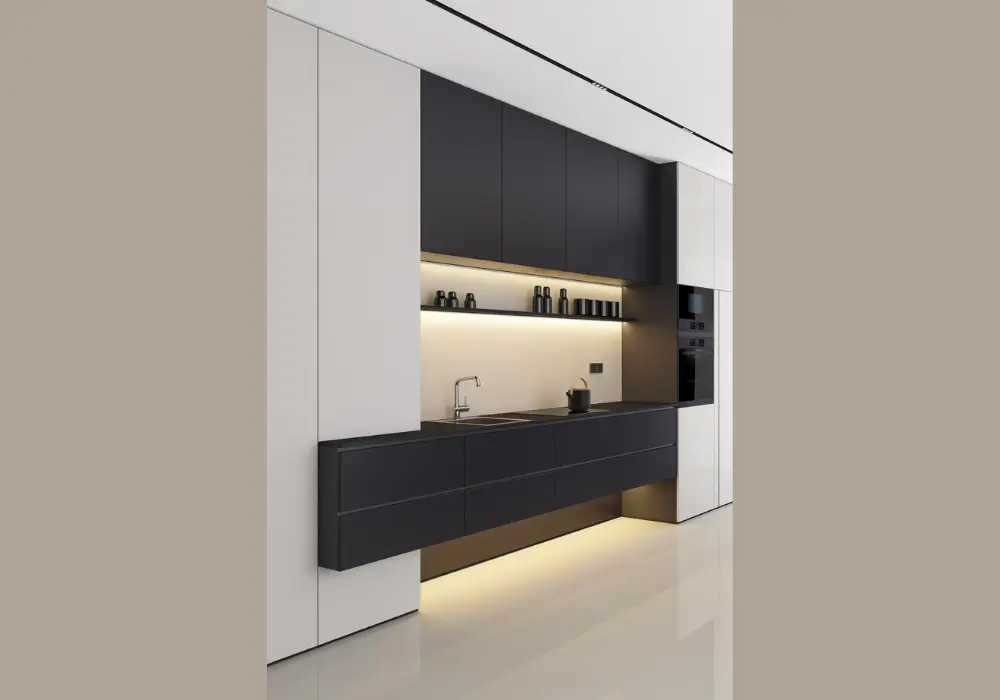
Minimalist cabinet design focuses on simplicity and clean lines. I often suggest this style for kitchens that aim to look calm, organized, and visually uncluttered. Flat cabinet fronts and hidden handles create a smooth and modern appearance.
This design works particularly well in smaller kitchens because it reduces visual noise. Without heavy detailing or decorative elements, the cabinets allow the kitchen to feel more open and spacious.
I also appreciate how practical minimalist cabinets can be. Many designs include soft-close drawers and well-organized compartments that help store kitchen essentials in a simple and efficient way.
3. L-Shaped Kitchen Furniture Design
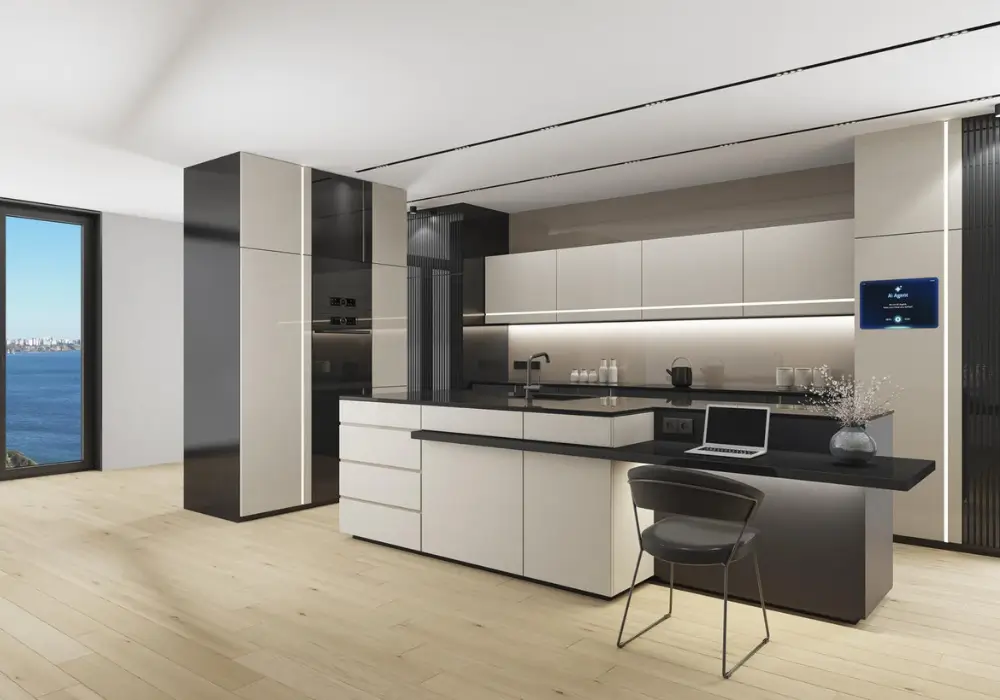
The L-shaped kitchen layout is one of the most practical furniture designs I often recommend. Cabinets and counters run along two connected walls, creating an efficient working area that supports cooking, cleaning, and food preparation.
This design naturally forms a comfortable work triangle between the sink, stove, and refrigerator. Because of this arrangement, movement inside the kitchen becomes easier and more efficient.
Another benefit I often see is flexibility. The open side of an L-shaped layout can easily accommodate a small dining table, kitchen island, or additional storage furniture depending on the available space.
4. U-Shaped Kitchen Furniture Design
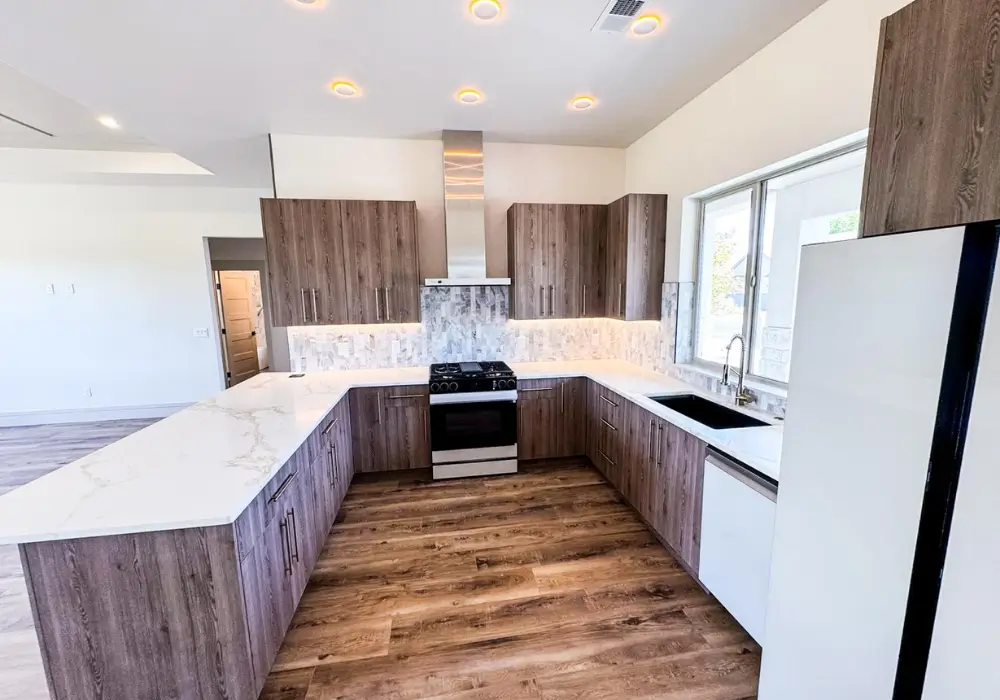
A U-shaped kitchen design surrounds the cooking area with cabinets and countertops on three sides. I usually recommend this design for kitchens that require maximum storage and workspace.
Because everything stays within a short distance, this layout allows you to move quickly between cooking, washing, and preparation areas. It creates a compact and highly functional workspace.
Many homeowners also appreciate the storage capacity this design provides. With cabinets covering three walls, the kitchen can store a large amount of cookware, pantry items, and appliances without feeling cluttered.
5. Open Shelf Kitchen Furniture Design
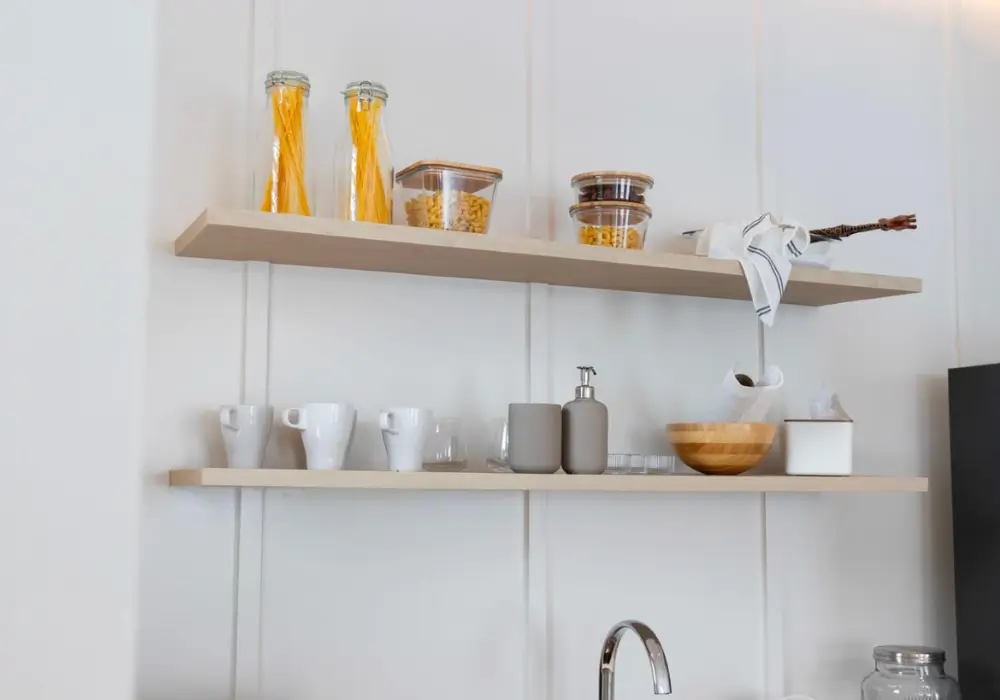
Open shelving offers a simple and practical alternative to traditional upper cabinets. I often suggest this design when homeowners want their kitchens to feel lighter and more open.
With shelves instead of cabinets, everyday dishes, bowls, and jars remain easily accessible. This design encourages better organization because everything stays visible and within reach.
Another reason I like open shelving is its decorative potential. When arranged carefully, dishes, glassware, and containers can add personality and warmth to the kitchen without needing extra decoration.
6. Floor-to-Ceiling Cabinet Design
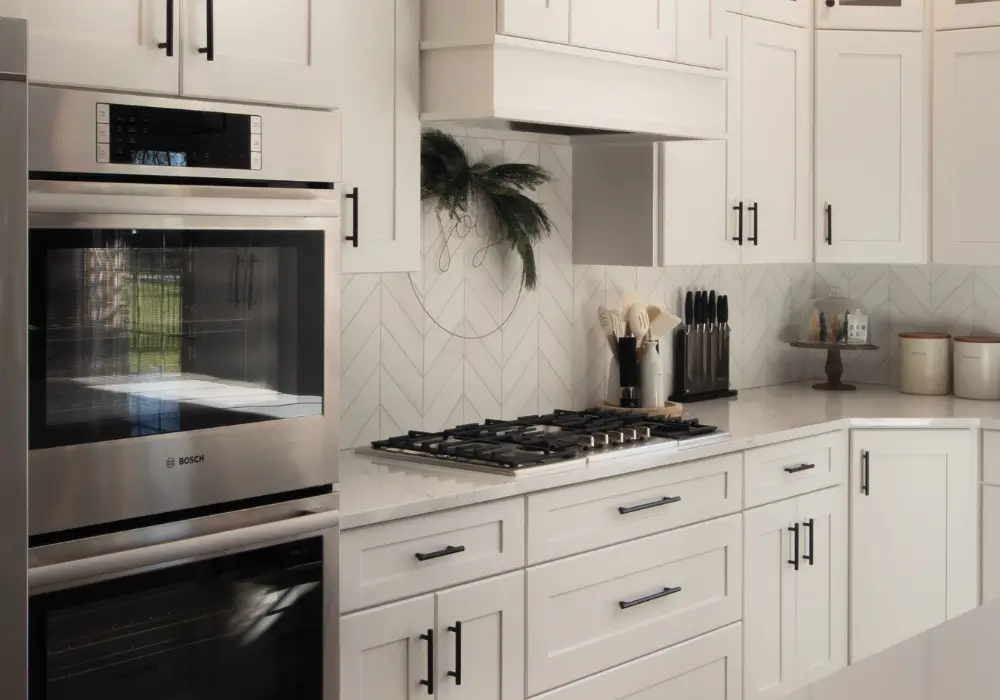
Floor-to-ceiling cabinets maximize storage by using the entire wall height. I frequently recommend this design for kitchens where storage space is limited but ceiling height allows taller cabinets.
These cabinets create a clean and structured appearance. They hide clutter effectively while keeping kitchen items neatly organized behind closed doors.
From my experience, homeowners often store rarely used items in the upper sections while keeping everyday cookware within easy reach. This system helps maintain a tidy and efficient kitchen.
7. Glass Door Kitchen Cabinet Design
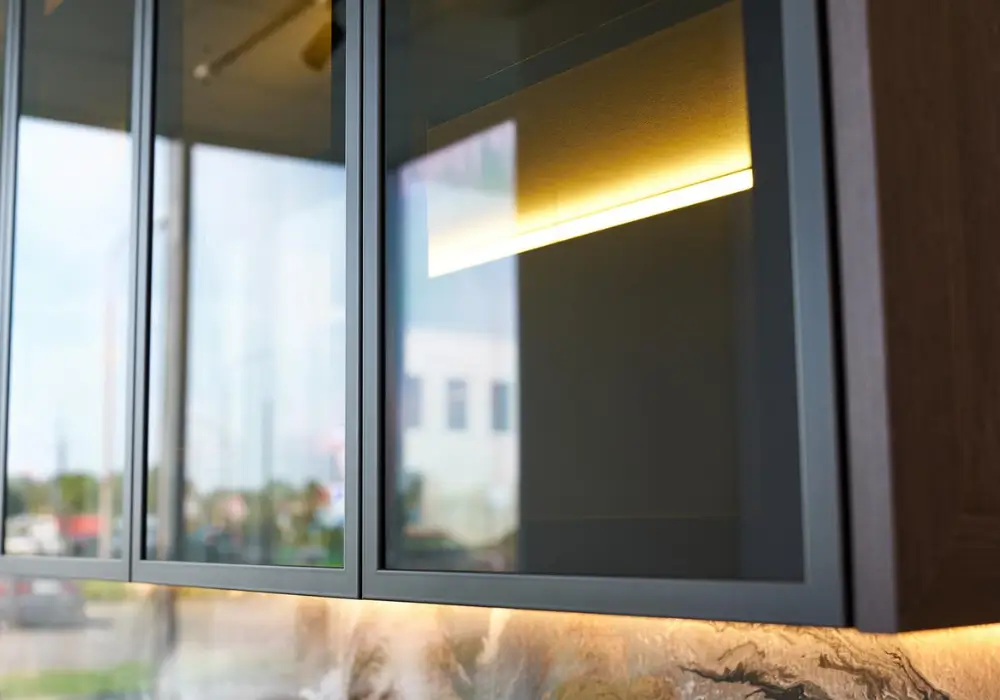
Glass door cabinets add visual depth and elegance to kitchen furniture. I often suggest them when homeowners want to display attractive dishes or glassware without leaving everything completely open.
The transparent panels break the solid appearance of traditional cabinets. This design helps the kitchen feel more spacious and visually interesting.
Many kitchens also combine glass cabinets with interior lighting. I find that this feature highlights decorative items and creates a softer atmosphere, especially during evening hours.
8. Rustic Wooden Kitchen Furniture Design
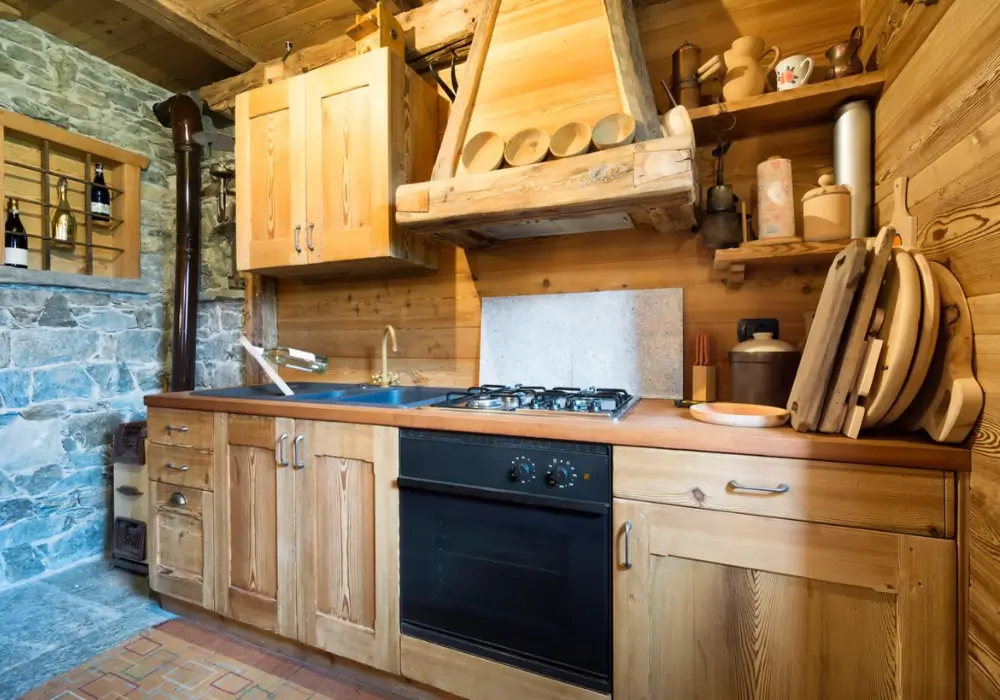
Rustic wooden furniture brings warmth and character into the kitchen. I often see homeowners choose natural wood cabinets or wooden islands when they want a welcoming and comfortable environment.
The natural grain and texture of wood create a timeless appearance. Unlike many modern materials, wood develops more character over time and adds depth to the kitchen design.
In many homes I have seen, rustic furniture pairs beautifully with stone countertops or farmhouse sinks. This combination creates a kitchen that feels both traditional and practical.
9. Modular Kitchen Furniture Design
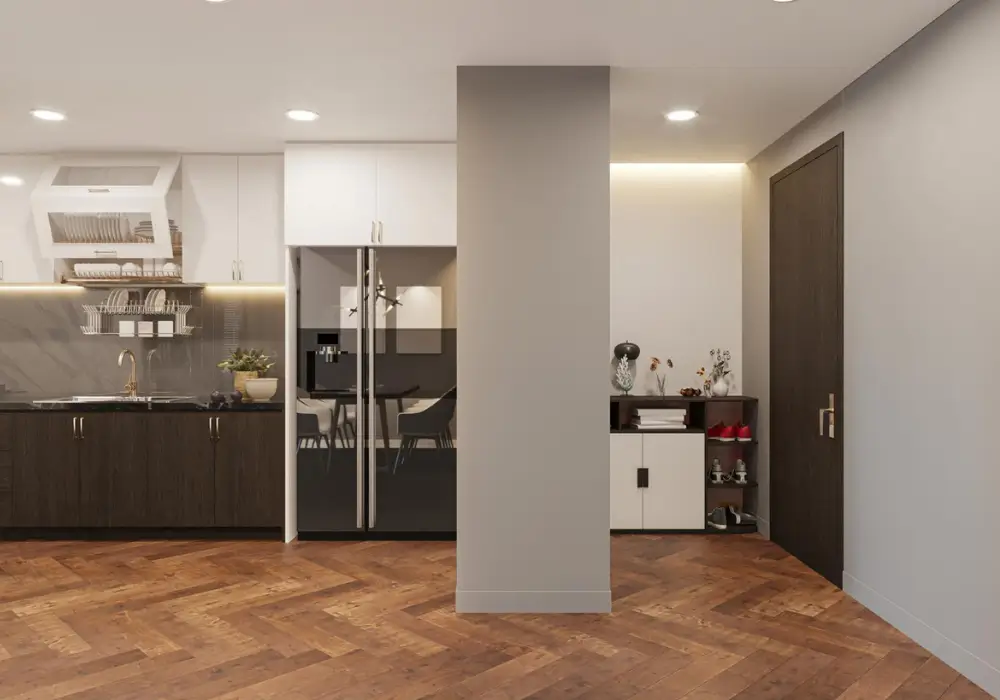
Modular kitchen furniture offers flexibility that traditional built-in cabinets often cannot provide. I usually recommend modular designs for modern homes because they allow homeowners to customize storage according to their needs.
Each cabinet, drawer, and shelf functions as an individual unit that fits into a larger system. This structure allows the kitchen to stay organized while adapting to different layouts.
Another advantage I often notice is easy maintenance. If one unit needs replacement or adjustment, homeowners can update a single section instead of remodeling the entire kitchen.
10. Corner Kitchen Storage Design
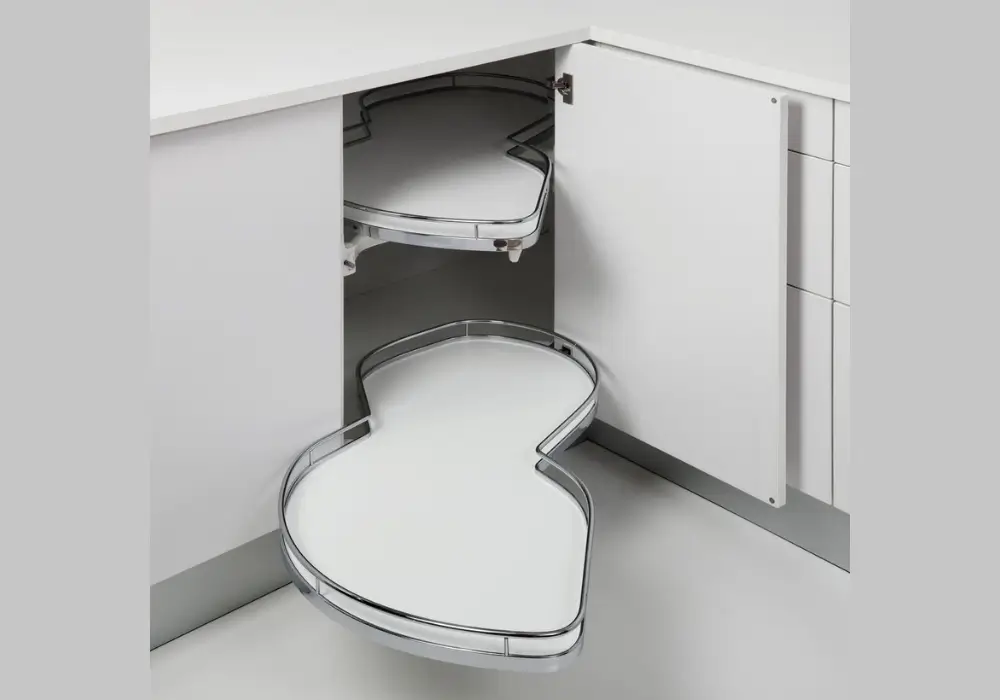
Corner areas often become wasted space in many kitchens. I always suggest installing corner storage furniture because it allows homeowners to use those areas efficiently.
Modern corner cabinets often include rotating trays or pull-out systems. These mechanisms bring items forward when the cabinet opens, making everything easier to access.
I have seen many kitchens gain significant storage space simply by improving corner areas. With the right design, corners can hold cookware, pantry items, or cleaning supplies without creating clutter.
11. Kitchen Furniture with Breakfast Bar
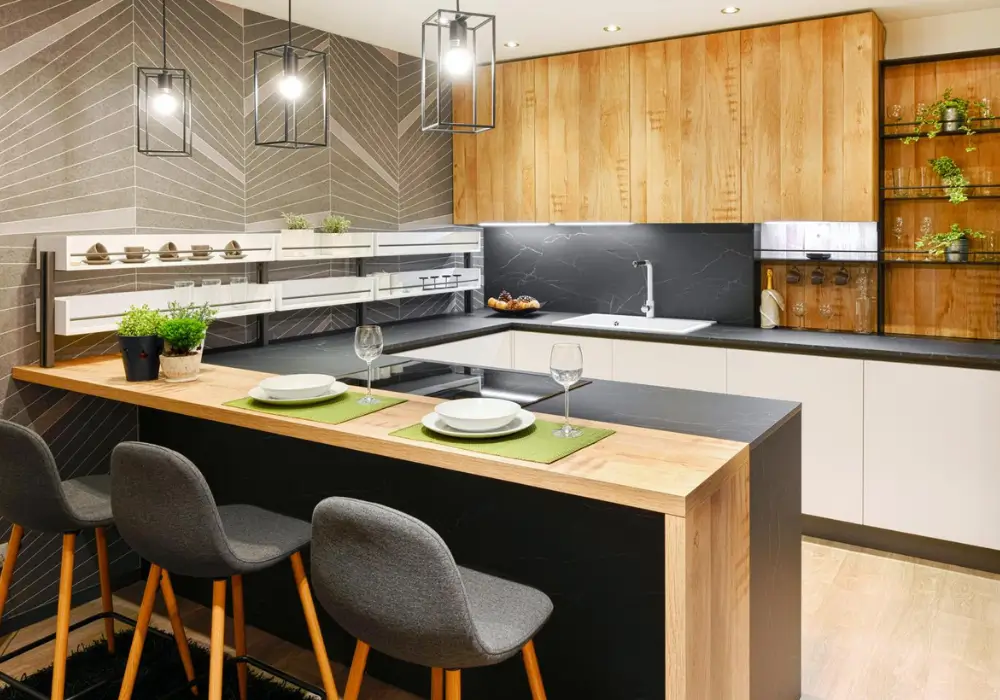
A breakfast bar design adds a relaxed dining area directly inside the kitchen. I often recommend this design when homeowners want a place for quick meals, coffee, or casual conversations without using the main dining table.
The bar usually connects to a kitchen island or extends from the countertop. With a few high stools, it creates a comfortable seating area that blends naturally with the kitchen layout.
I have noticed that breakfast bars work especially well in open kitchens. They help connect the cooking space with the living area while still keeping the kitchen organized and functional.
12. Floating Kitchen Cabinet Design
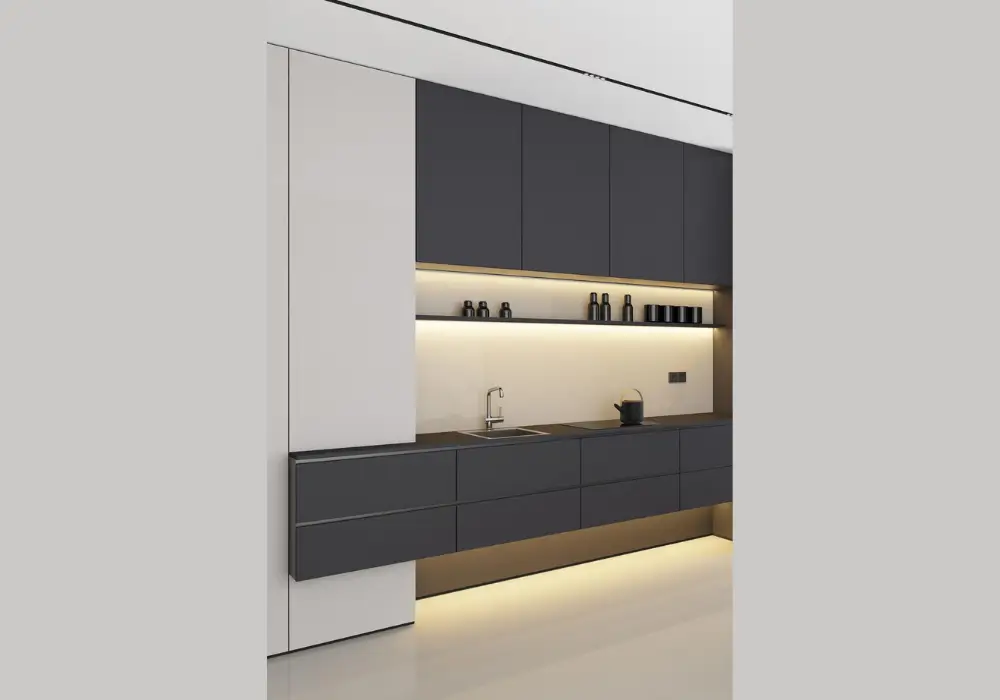
Floating kitchen cabinets create a clean and modern appearance. I often suggest this design when homeowners want the kitchen to feel lighter and more spacious.
Because the cabinets mount directly on the wall, they leave space underneath that makes the room look more open. This design works particularly well in contemporary kitchens that focus on simplicity.
Another benefit I often see is easier maintenance. With space below the cabinets, cleaning the kitchen floor becomes simpler while the overall layout stays sleek and organized.
13. Kitchen Furniture with Hidden Appliance Storage
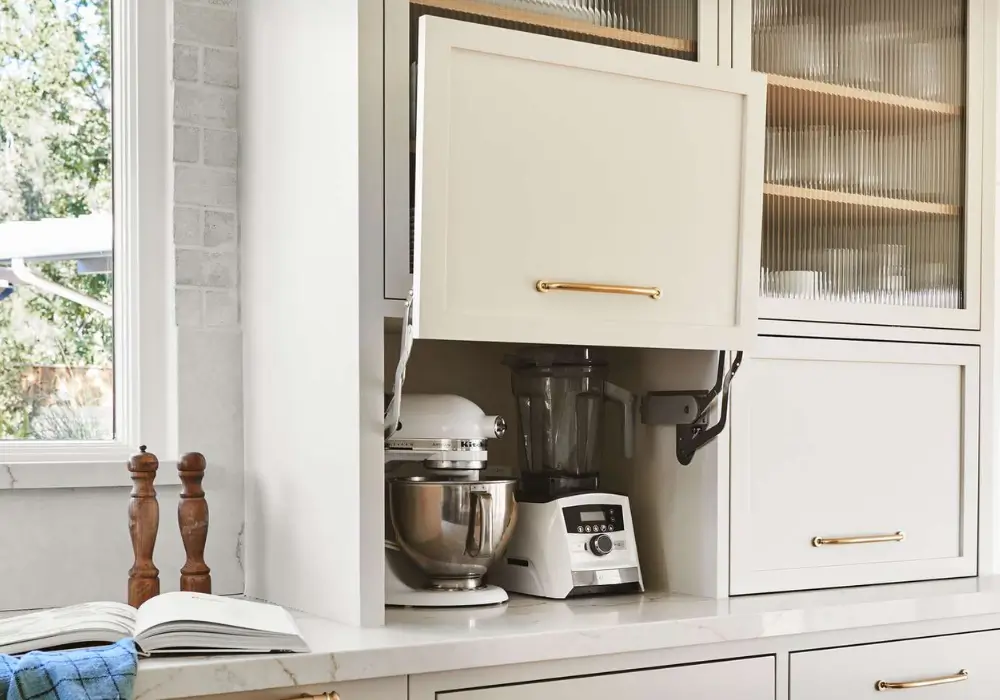
Hidden appliance storage helps keep the kitchen visually neat and clutter-free. I often recommend this design for homeowners who use several small appliances but prefer a clean countertop.
Special cabinets hide appliances such as coffee makers, mixers, and toasters behind lift-up or sliding doors. When needed, the appliance becomes accessible without taking up permanent counter space.
In many kitchens I have worked with, this design significantly improves organization. It allows the kitchen to look tidy while still keeping essential appliances ready for daily use.
14. Multi-Functional Kitchen Furniture Design
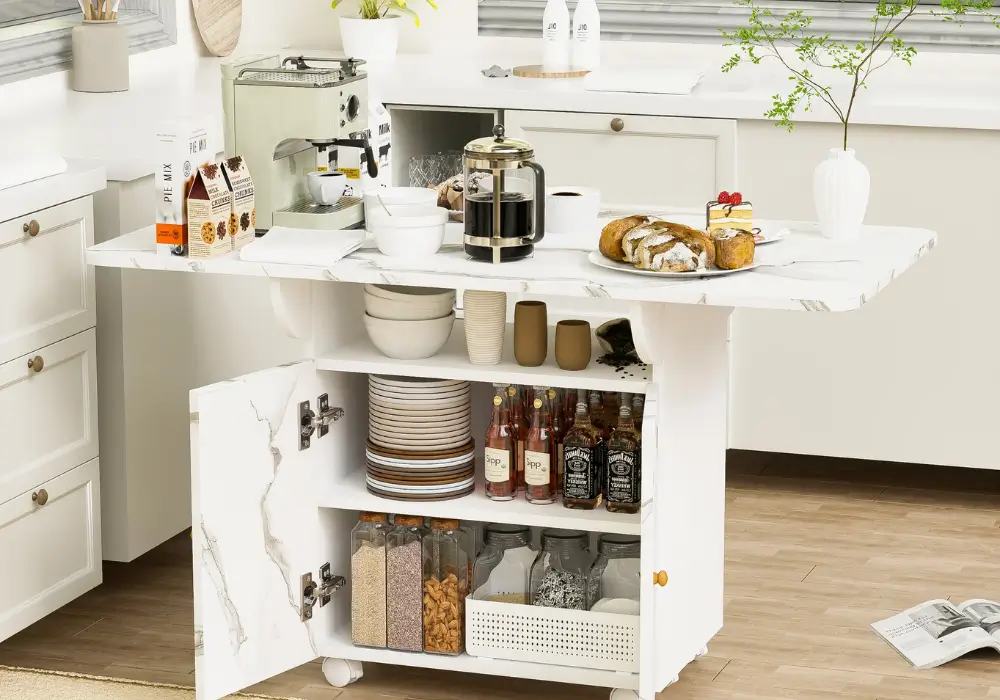
Multi-functional kitchen furniture focuses on combining several purposes into one piece. I often suggest this design for kitchens where maximizing space is important.
For example, a cabinet may include a foldable table, extra drawers, or hidden storage compartments. These features help homeowners make better use of limited space.
I have found that multi-functional furniture works especially well in smaller homes. It allows the kitchen to stay practical while reducing the need for additional furniture pieces.
Practical Guide to Choosing the Right Kitchen Furniture Design
Selecting the right kitchen furniture design requires more than just choosing something that looks good. I always recommend thinking about how the furniture will support daily cooking, storage, and movement inside the kitchen.
A design that fits the layout properly can make the space feel more organized and comfortable.
Another important factor is long-term usability. Durable materials, efficient storage features, and a layout that supports everyday routines will keep the kitchen functional for years.
When the design balances style with practicality, the kitchen becomes both visually appealing and easy to use.
Understand Your Kitchen Layout
Before choosing any furniture design, it is important to study the kitchen layout. I often suggest measuring available space and identifying where appliances, counters, and storage should sit. A layout that supports easy movement will make cooking far more comfortable.
Focus on Storage and Organization
Good kitchen furniture design always prioritizes storage. Cabinets, drawers, and pantry units should help organize cookware, utensils, and ingredients. I usually recommend designs that include pull-out drawers or adjustable shelves to keep items accessible.
Choose Durable and Practical Materials
Kitchen furniture experiences daily use, heat, and moisture. Because of this, I advise choosing materials such as solid wood, plywood, stainless steel, or durable laminates. These materials maintain their appearance and performance for a long time.
Match Furniture with Interior Style
Furniture should complement the overall interior style of the home. Whether the kitchen follows a modern, minimalist, or rustic theme, the furniture design should match that visual direction to create a balanced space.
Consider Multi-Functional Furniture
In many kitchens, especially smaller ones, multi-functional furniture can solve several problems at once. Designs that combine storage, seating, or foldable surfaces help maximize space without overcrowding the kitchen.
Conclusion
Choosing the right kitchen furniture design can greatly improve both the appearance and functionality of your kitchen.
I often see how a thoughtful combination of cabinets, storage units, and layout choices can turn an ordinary kitchen into a more organized and comfortable space.
The key is to focus on designs that support daily cooking routines while keeping the kitchen visually balanced. From modular systems to space-saving storage solutions, every design plays a role in making the kitchen easier to use.
When furniture design matches the kitchen layout and lifestyle needs, the entire space becomes more efficient, practical, and enjoyable for everyday living.
FAQs
Many homeowners prefer modular and minimalist kitchen furniture designs because they offer flexibility and clean aesthetics. I often see modular layouts used in modern kitchens because they allow easy customization. These designs also provide efficient storage solutions while maintaining a sleek appearance.
Start by understanding the size and layout of your kitchen. I usually recommend selecting furniture that fits the available space without blocking movement. Designs such as L-shaped layouts or modular cabinets often work well because they adapt to different kitchen sizes.
Modular designs provide more flexibility compared to traditional built-in furniture. They allow homeowners to customize storage units and rearrange components if needed. In my experience, this adaptability makes modular furniture a practical choice for modern kitchens.
Small kitchens benefit from designs that maximize storage without overcrowding the space. Open shelving, floating cabinets, and L-shaped layouts often work very well. I also recommend furniture with multiple functions to help save space.