
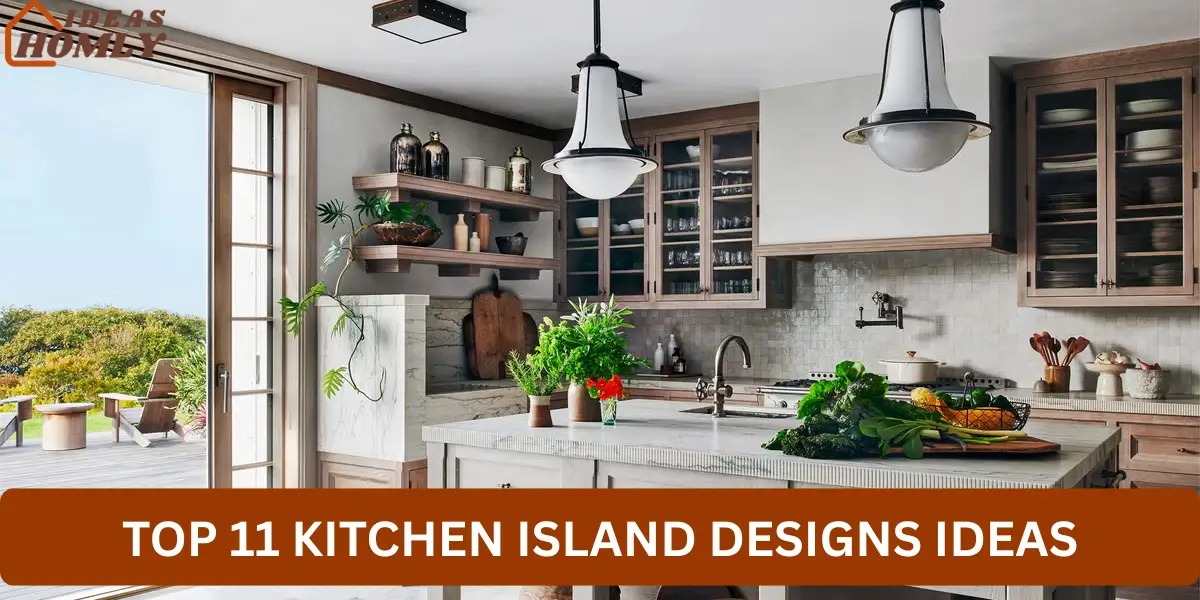

A well-designed kitchen island can completely change how a kitchen looks and functions. I often notice that when an island is planned thoughtfully, it becomes the natural centerpiece where cooking, conversation, and daily activities come together.
From adding extra storage to creating a casual dining space, the right design can make a kitchen far more practical and inviting. While exploring modern layouts and expert recommendations, I found that many homeowners search for smart kitchen island designs that balance style with functionality.
In this guide, I’ll walk through creative island ideas that can elevate both the beauty and usability of a kitchen.
Creative Kitchen Island Designs That Transform Your Kitchen
A thoughtfully designed island can completely reshape how a kitchen works and feels. When I evaluate kitchen layouts, I often focus on the island first because it usually becomes the central workspace.
Modern kitchens use islands for far more than extra counter space. From seating and storage to cooking and entertaining, the right design can improve both efficiency and style.
1. Waterfall Edge Kitchen Island
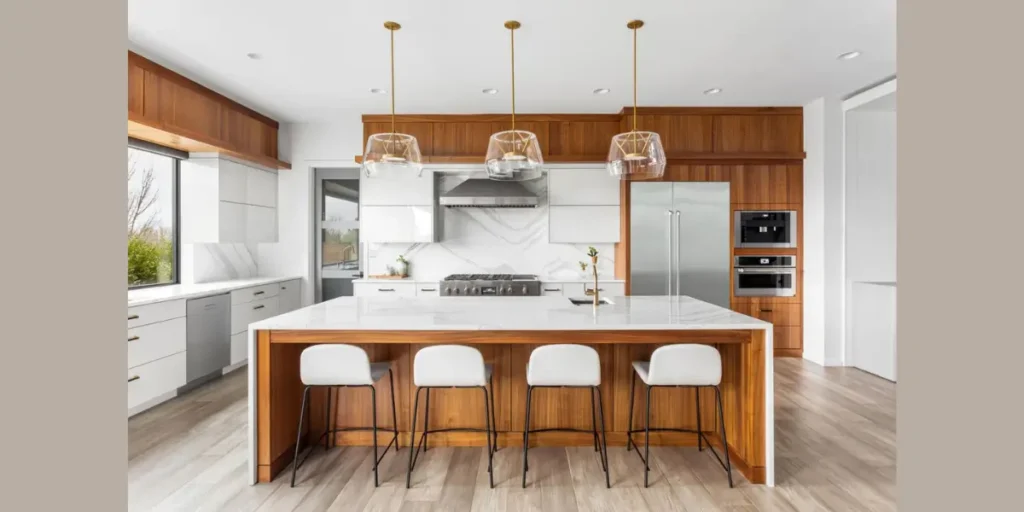
A waterfall edge island instantly gives the kitchen a sleek and contemporary appearance.
I often recommend this design when homeowners want the island to look like a sculptural centerpiece rather than just another countertop. The surface flows vertically down the sides of the island, creating a seamless and elegant finish.
Designers typically use quartz or marble for waterfall islands because these materials highlight the continuous pattern of the stone. The result looks clean, refined, and visually striking in modern kitchens.
This design works particularly well in minimalist spaces where fewer decorative details allow the dramatic countertop edges to stand out and become the focal point.
2. Double-Tier Kitchen Island
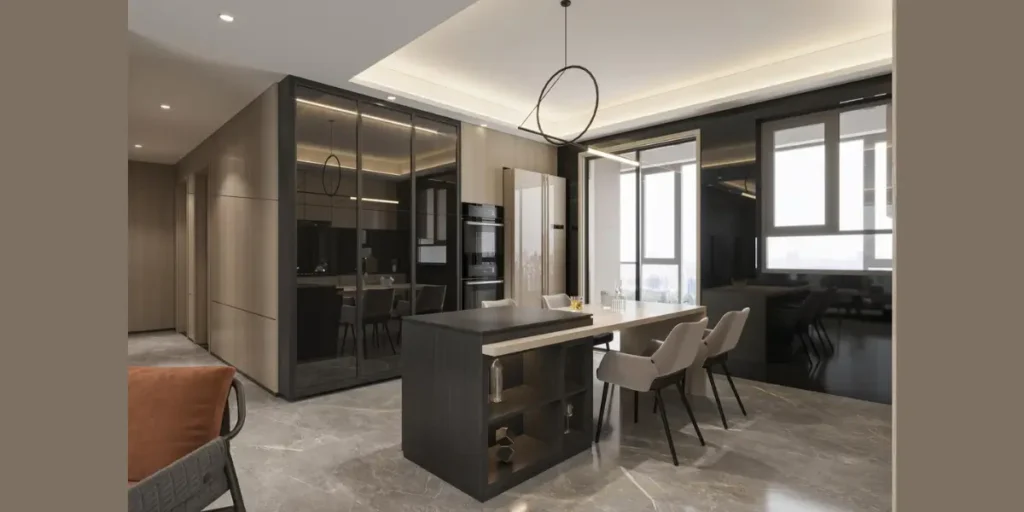
A double-tier island separates the cooking workspace from the seating area by using two different countertop levels. I often suggest this layout when homeowners want both functionality and casual dining in the same space.
The lower section usually serves as a food preparation surface, while the raised level creates a comfortable bar-style seating area. This layout keeps cooking activities slightly hidden from guests.
Families appreciate double-tier islands because they allow people to gather, talk, or enjoy quick meals while someone prepares food on the lower counter.
3. Kitchen Island with Built-In Seating
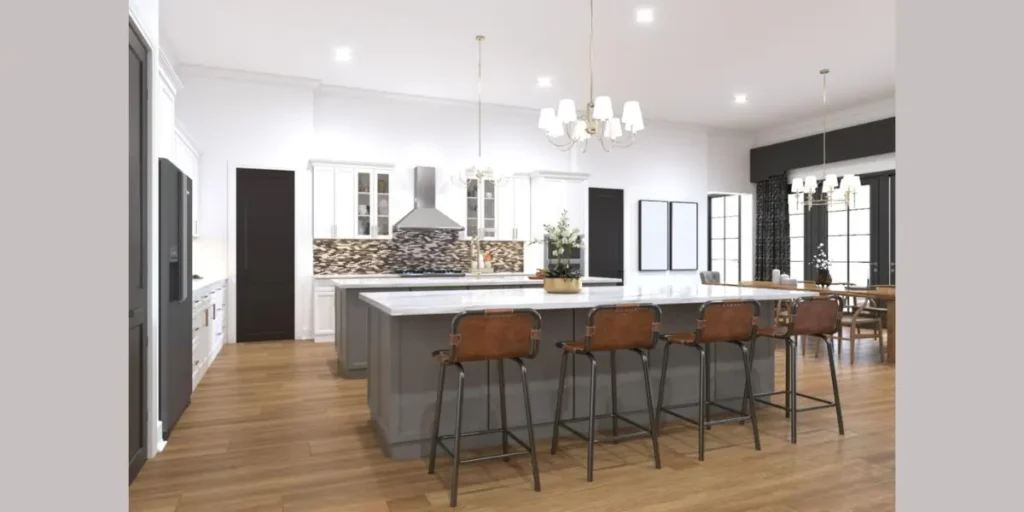
An island with built-in seating transforms the kitchen into a social gathering space. I frequently see this design in open-concept homes where the kitchen connects directly to living or dining areas.
Extending the countertop slightly allows stools or chairs to fit comfortably beneath the island. This creates a casual dining area that works well for breakfast, snacks, or conversations while cooking.
This design encourages interaction because people can sit nearby without interrupting the cooking process. It helps the kitchen feel more welcoming and interactive.
4. Storage-Focused Kitchen Island
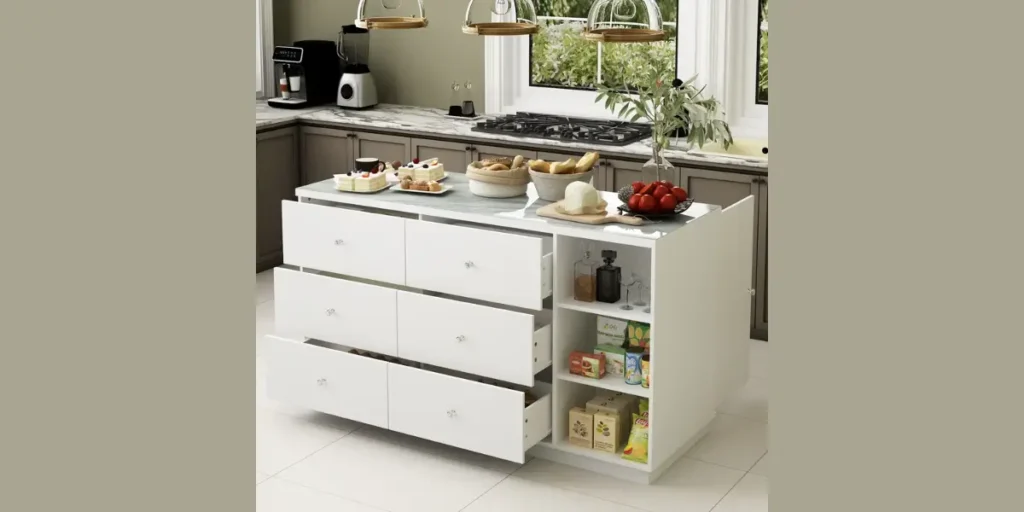
A storage-focused island maximizes organization and efficiency in the kitchen. I often recommend adding deep drawers, cabinets, or open shelves to keep essential tools within easy reach.
Many homeowners use island storage to hold cookware, utensils, or small appliances that would otherwise crowd the main cabinets. This approach keeps the kitchen cleaner and easier to navigate.
Designers sometimes include pull-out shelves or hidden compartments to make storage even more practical. With the right planning, the island becomes a powerful organizational hub.
5. Rustic Wooden Kitchen Island
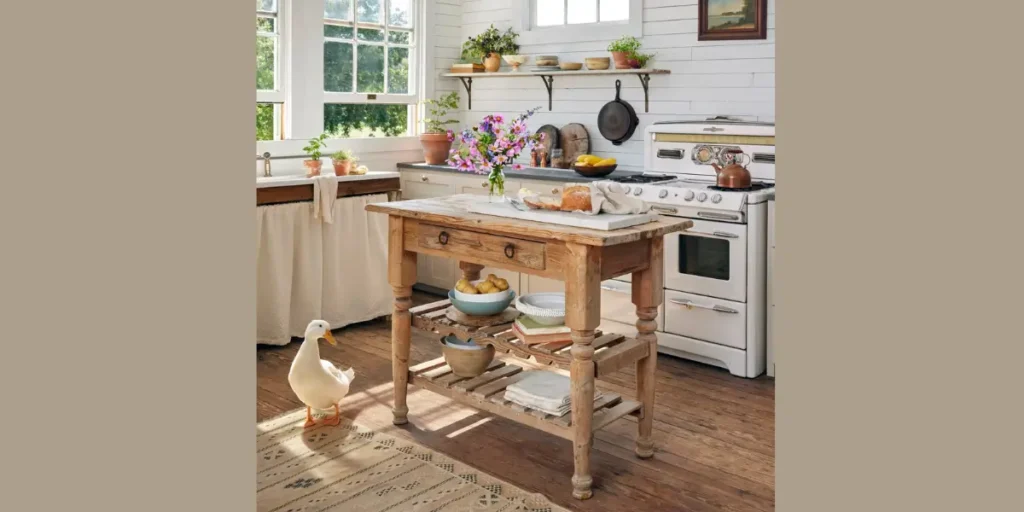
A rustic wooden island adds warmth and natural texture to the kitchen environment. I enjoy incorporating natural wood surfaces because they introduce character that painted cabinets sometimes lack.
Reclaimed wood or butcher block countertops create a welcoming and slightly traditional atmosphere. These materials also pair beautifully with white cabinets or stone backsplashes.
Rustic islands work especially well in farmhouse-style kitchens where natural materials help create a cozy and relaxed feeling.
6. Marble Top Kitchen Island
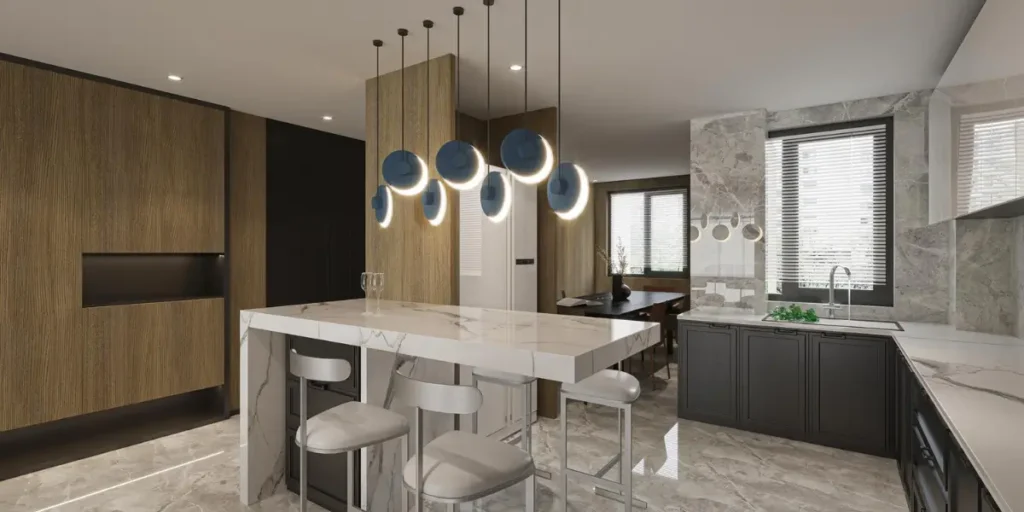
A marble-top island brings elegance and timeless beauty into the kitchen. Whenever I design a luxury kitchen, I often consider marble because its natural veining creates a stunning visual effect.
Marble surfaces reflect light gently and add a sense of sophistication to the space. They pair beautifully with both light and dark cabinetry.
Although marble requires proper care, many homeowners still prefer it because its unique patterns make every kitchen island feel distinctive and high-end.
7. Two-Tone Kitchen Island
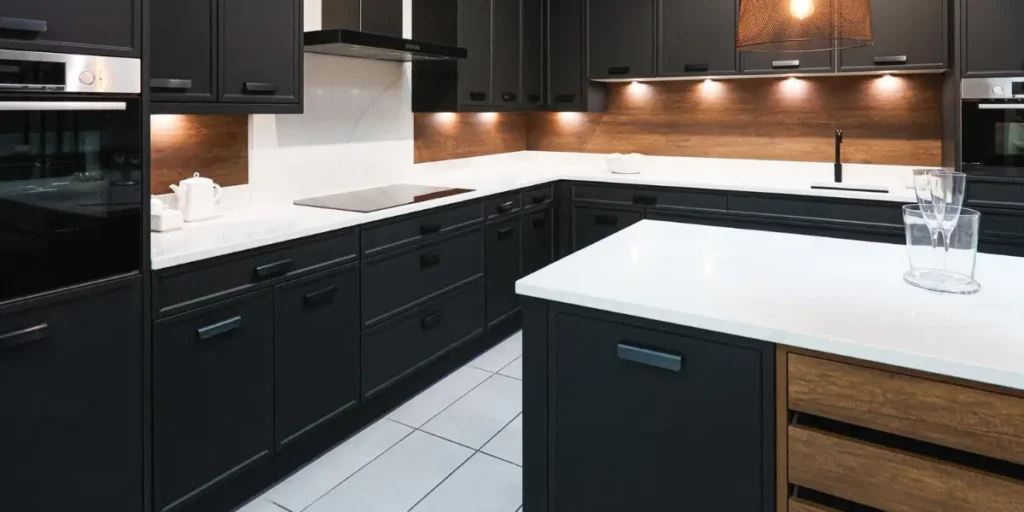
A two-tone island uses a different color from the surrounding cabinets to create contrast. I often recommend this approach when the kitchen needs a focal point that breaks up a uniform color scheme.
For example, a navy or charcoal island can stand out beautifully against white or cream cabinets. This contrast adds depth and visual interest to the space.
Two-tone islands also allow homeowners to experiment with bolder colors without committing to painting all cabinets in the same shade.
8. Kitchen Island with Sink
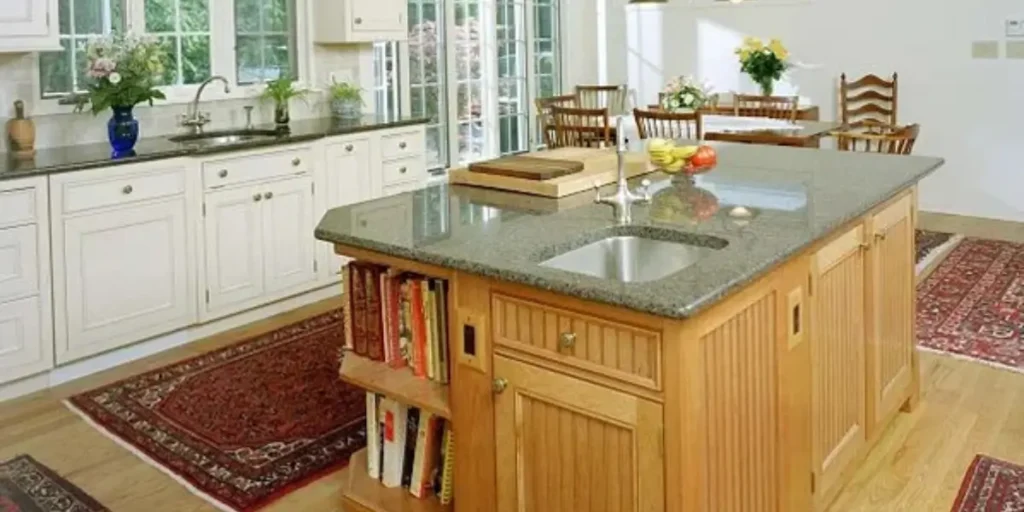
Adding a sink to the island improves the kitchen workflow significantly. I often notice that this layout allows the cook to face the room rather than the wall while washing or preparing food.
This design encourages interaction because the cook can easily talk with family or guests during meal preparation.
Island sinks also create an efficient work triangle between the sink, refrigerator, and cooktop, which helps streamline everyday cooking tasks.
9. Kitchen Island with Cooktop
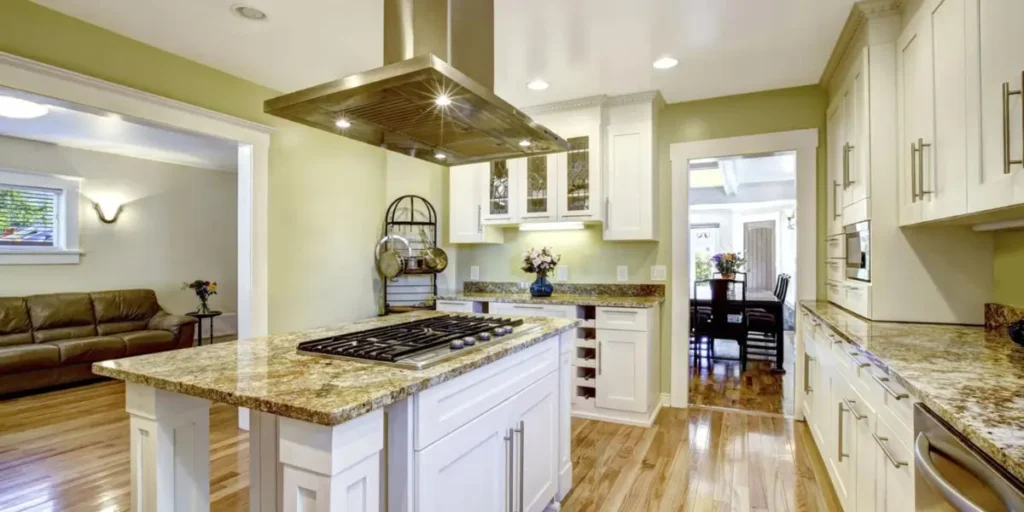
An island cooktop creates a central cooking zone within the kitchen. I often suggest this design for homeowners who enjoy entertaining while cooking.
Placing the cooktop on the island allows the cook to face the room and stay engaged with guests or family members. It makes cooking feel more interactive.
However, designers must plan proper ventilation and safety measures to ensure the island remains comfortable and functional.
10. Rolling Kitchen Island
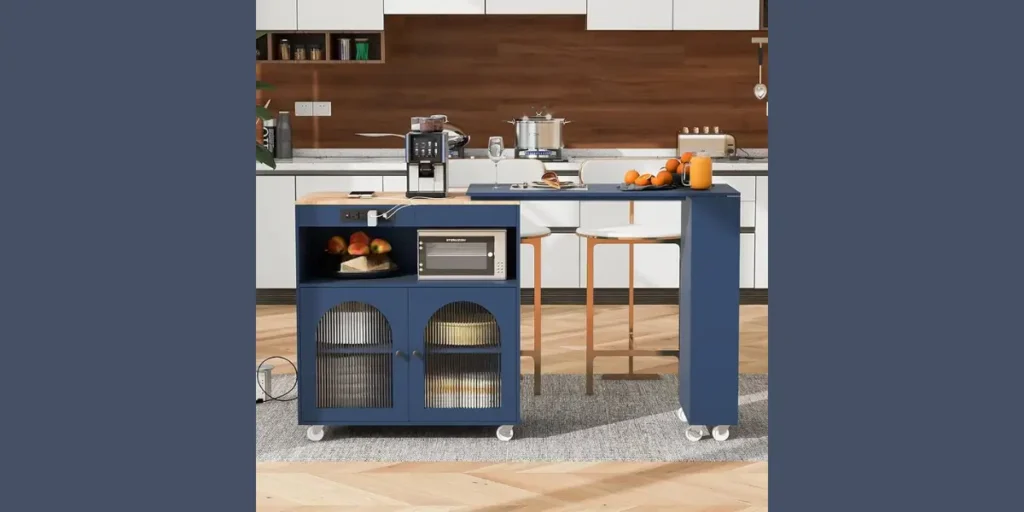
A rolling kitchen island provides flexibility that fixed islands cannot offer. I usually recommend this option for smaller kitchens where space needs to remain adaptable.
The island sits on wheels, which allows it to move easily around the kitchen. Homeowners can reposition it when they need additional prep space or push it aside when more room is required.
Despite their compact size, many rolling islands include drawers, shelves, or small cabinets to provide useful storage.
11. Multi-Functional Kitchen Island
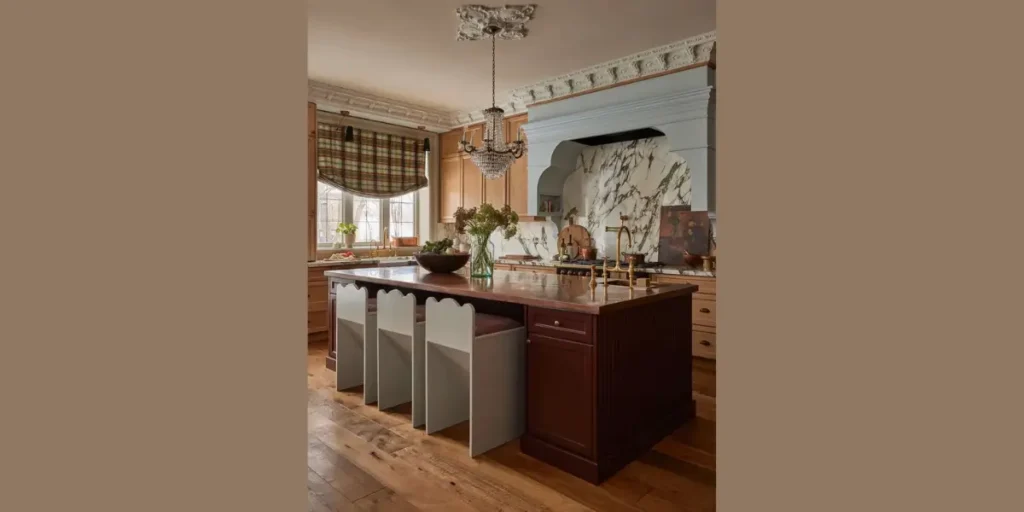
A multifunctional island combines several features into one highly practical design. I often see islands that include seating, storage, a sink, and even appliances within the same structure.
This design turns the island into the central workstation of the kitchen. It supports cooking, dining, and storage all in one place.
Modern homes favor multifunction islands because they maximize efficiency while maintaining a stylish and organized kitchen layout.
Tips for Choosing the Right Kitchen Island Design
Selecting the right island design requires more than just choosing a beautiful countertop.
When I plan a kitchen layout, I always consider how the island will function during daily cooking, storage, and social interaction. A well-planned island improves workflow and keeps the kitchen comfortable to use.
The best kitchen islands balance practicality with visual appeal. Factors like kitchen size, seating needs, storage options, and materials all influence the final design. Paying attention to these details helps create an island that feels both stylish and highly functional.
Consider Kitchen Space
Before installing an island, I always measure the available space carefully. A kitchen island should fit comfortably without blocking movement or making the kitchen feel crowded.
Designers usually recommend leaving enough walking space around the island. This ensures that cabinets, appliances, and drawers can open easily while maintaining a smooth kitchen workflow.
Plan Functional Features
Every island should serve a clear purpose in the kitchen. Some homeowners prioritize extra storage, while others prefer seating or additional prep space.
I often suggest deciding early whether the island will include a sink, cooktop, drawers, or seating. Planning these features ahead of time helps avoid layout issues later.
Choose the Right Materials
The materials used for the island strongly affect both durability and appearance. Countertop choices such as quartz, marble, and butcher block each bring different benefits.
For example, quartz offers durability and easy maintenance, while marble provides a luxurious look. Wood surfaces create warmth and work beautifully in farmhouse-style kitchens.
Maintain Comfortable Walkway Space
A kitchen should always feel easy to move around in. I recommend leaving enough clearance around the island so people can cook, walk, and open appliances comfortably.
Good spacing also helps multiple people work in the kitchen at the same time without feeling cramped.
Match the Overall Kitchen Style
The island should complement the rest of the kitchen design. Matching cabinet colors, lighting fixtures, and materials helps create a cohesive interior.
When designed thoughtfully, the island becomes a natural focal point that enhances the entire kitchen rather than feeling like a separate element.
Conclusion
A thoughtfully designed island can completely transform how a kitchen functions and feels. In many homes I’ve worked with or studied, the island naturally becomes the heart of the kitchen where cooking, conversation, and everyday moments come together.
The right design does more than add extra counter space; it improves workflow, creates storage opportunities, and adds a strong visual centerpiece to the room.
From elegant waterfall islands to multifunction layouts with seating and appliances, each design offers unique advantages. The key is choosing an option that matches your kitchen size, lifestyle, and overall style.
When planned carefully, modern kitchen island designs can elevate both the beauty and practicality of the entire kitchen space.
FAQs
The ideal size depends on the kitchen layout and available space. Designers usually recommend leaving enough walking space around the island so people can move comfortably while cooking. A well-sized island should provide workspace without making the kitchen feel crowded.
Yes, smaller kitchens can still benefit from an island if the design is carefully planned. Compact or rolling islands work especially well because they provide extra prep space and storage without permanently occupying valuable floor area.
Popular materials include quartz, marble, granite, and butcher block. Quartz is highly durable and easy to maintain, while marble offers an elegant and timeless look. Wood surfaces bring warmth and texture to kitchens with rustic or farmhouse styles.
A kitchen island does not always need to match the surrounding cabinets. Many modern kitchens intentionally use contrasting colors for the island to create a focal point. This approach adds depth and visual interest to the overall design.