
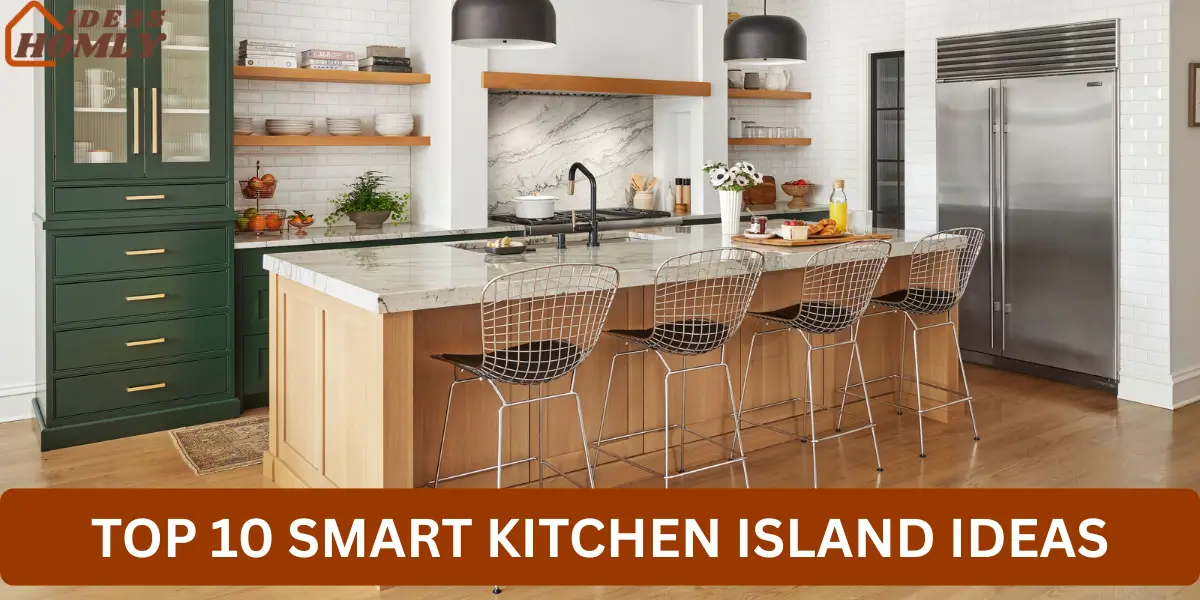

A well-designed kitchen island can completely change how a kitchen works. I have seen many kitchens become more practical and inviting simply by adding the right island design.
It creates extra space for preparation, storage, and even casual dining, which makes everyday cooking much easier. While exploring different layouts, I often look for kitchen island ideas that combine functionality with style.
The right island does more than fill empty space, it becomes the center of the kitchen where people cook, gather, and interact comfortably.
Creative Kitchen Island Ideas That Improve Function and Style
A well-planned kitchen island can completely reshape the way a kitchen works. When I design or evaluate a kitchen layout, I often look at the island as the centerpiece because it supports cooking, storage, and social interaction at the same time.
Modern islands are no longer just extra counters. Today they often include seating, appliances, storage, and design features that make the entire kitchen more efficient and visually balanced.
1. Waterfall Edge Kitchen Island
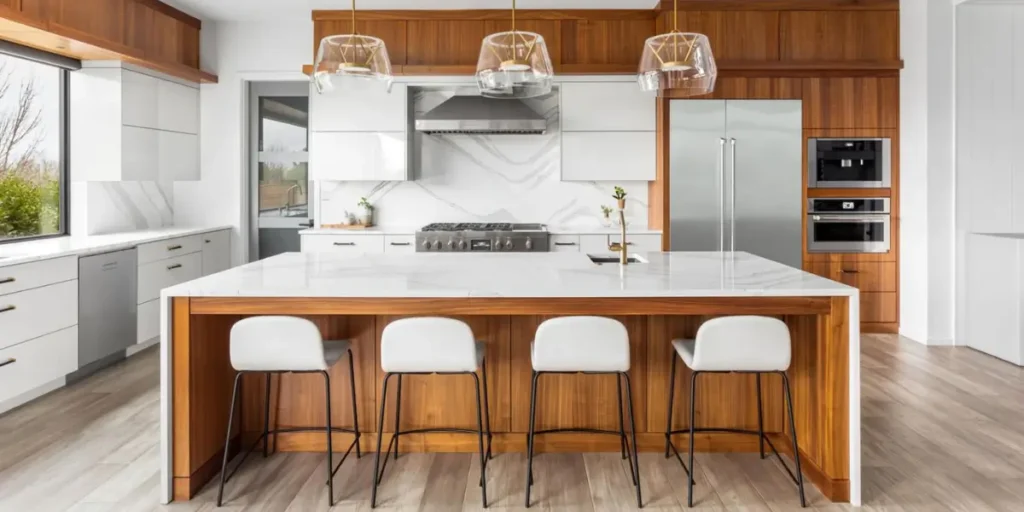
A waterfall edge island instantly creates a clean and luxurious appearance in the kitchen. I often recommend this design when homeowners want the island to act as a focal point.
In this style, the countertop material flows smoothly down both sides of the island, forming a continuous surface that looks elegant and modern.
Materials such as quartz, marble, and granite work especially well for waterfall islands because their patterns remain visible along the sides. This highlights the natural beauty of the stone and gives the kitchen a high-end appearance.
Beyond aesthetics, waterfall edges also protect the cabinet sides from scratches and spills. This makes the island both stylish and practical for everyday use.
2. Multi-Level Kitchen Island
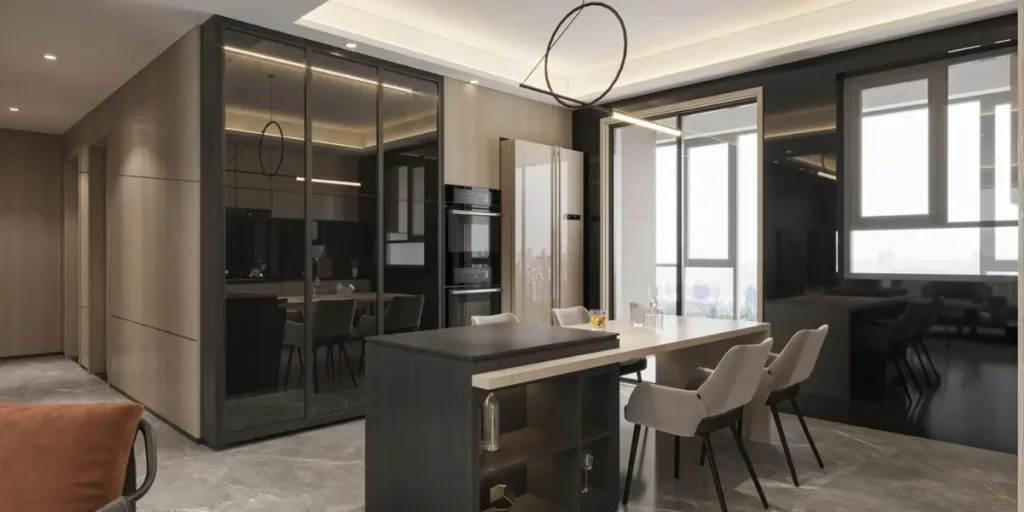
A multi-level island separates different kitchen activities while keeping the space organized. I often see this design used in homes where the island serves both cooking and dining purposes. One level remains lower for food preparation, while the higher section works as a breakfast bar.
This layout helps keep cooking tasks slightly hidden from guests or family members sitting at the island. The raised section also creates a comfortable place for stools and casual meals.
Multi-level islands also improve workflow. By dividing tasks between levels, the kitchen feels more structured and allows several people to use the island at the same time.
3. Kitchen Island with Built-in Storage
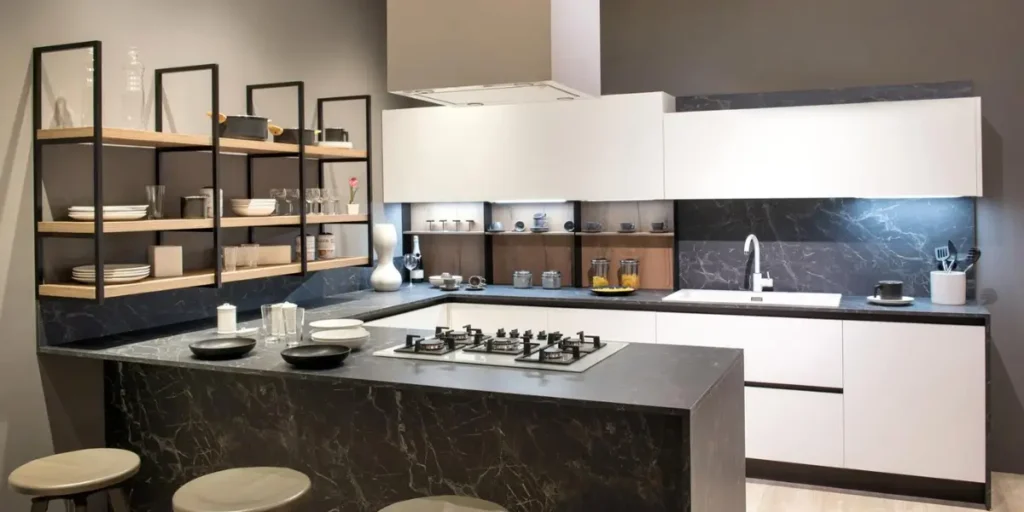
A kitchen island with built-in storage can dramatically improve organization. I always recommend adding drawers, cabinets, or shelves inside the island because they help store cookware, utensils, and kitchen tools that might otherwise clutter other cabinets.
Deep drawers work particularly well for storing pots and pans. Open shelves can hold cookbooks, baskets, or decorative items that add personality to the kitchen.
This storage solution also keeps frequently used items close to the cooking area. When the island includes well-planned storage, the kitchen becomes easier to maintain and much more efficient during daily cooking.
4. Rolling Kitchen Island
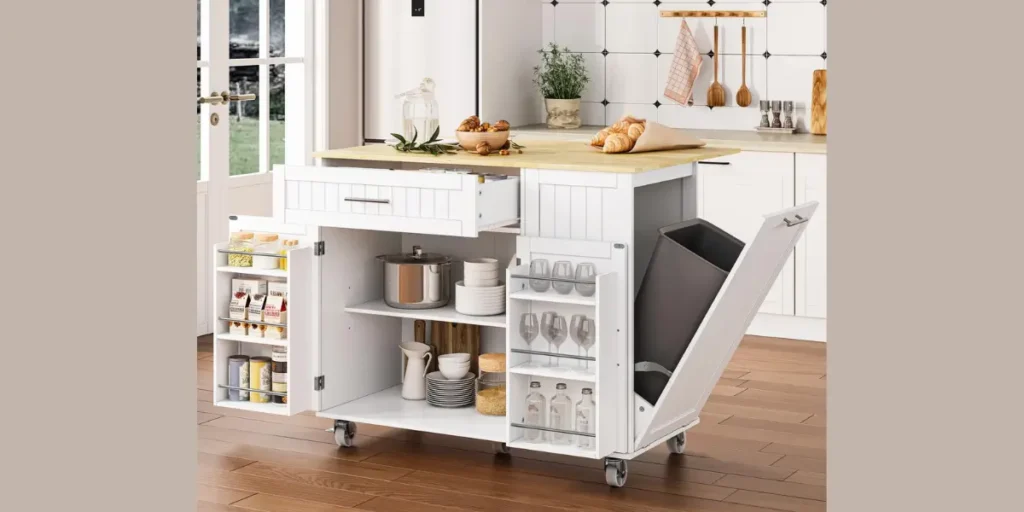
A rolling kitchen island offers flexibility that traditional fixed islands cannot provide. I often suggest this option for smaller kitchens where space needs to remain adaptable. Because the island sits on wheels, it can easily move around depending on cooking needs.
When more workspace is required, the island can stay near the preparation area. When the kitchen needs more open space, it can simply roll aside.
Rolling islands also work well as portable serving stations during gatherings. This versatility makes them a practical choice for kitchens where space and functionality must remain flexible.
5. Kitchen Island with Sink
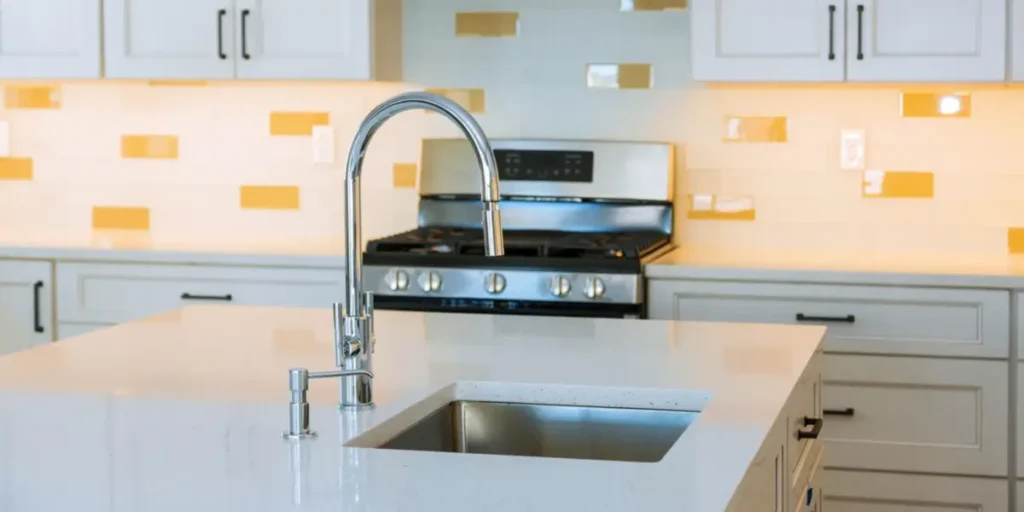
Adding a sink to the island transforms it into a highly functional preparation station. I find this layout especially useful in kitchens where the island sits at the center of the room. It allows someone to wash vegetables or prepare food while still facing the rest of the space.
This design also encourages interaction. Instead of facing a wall while working at the sink, you remain connected with family members or guests nearby.
An island sink also improves workflow by placing water access closer to the cooking and preparation areas. This makes the kitchen feel more efficient and comfortable to use.
6. Kitchen Island with Seating
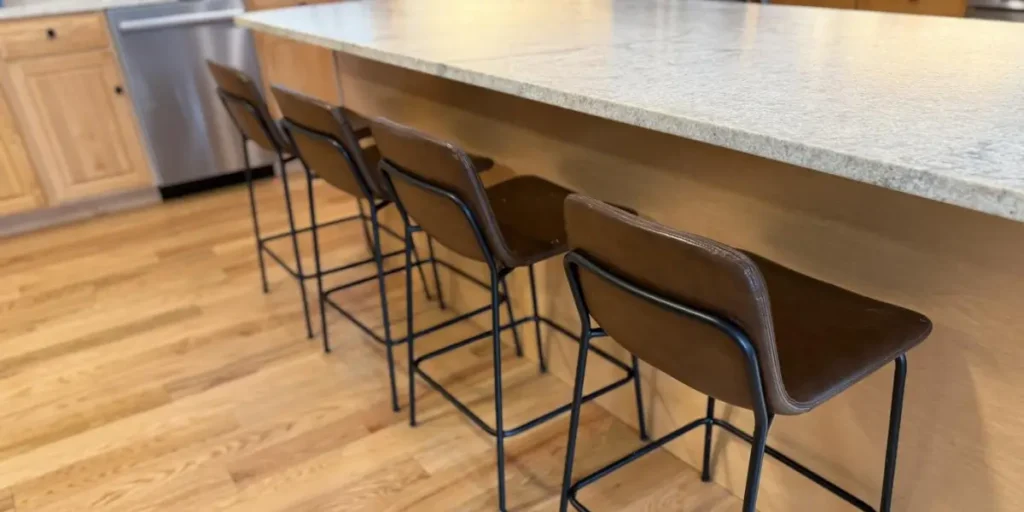
An island with seating turns the kitchen into a social hub. I often notice that families naturally gather around the island during meals or casual conversations. Adding bar stools allows the island to function as an informal dining area.
This seating arrangement works well for quick breakfasts, snacks, or homework time while meals are being prepared. It encourages interaction between the cook and other family members.
Seating islands also help maximize space in open kitchens where a separate dining table may not always be necessary. The island becomes both a workspace and a gathering spot.
7. Double Kitchen Island Layout
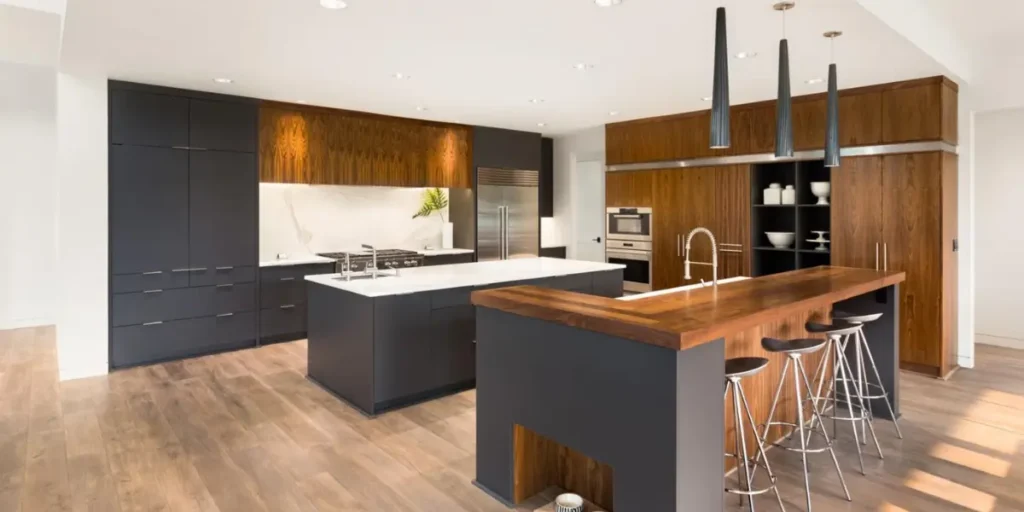
A double island layout works best in larger kitchens that need additional preparation and serving space. I often see this design used in luxury kitchens where cooking and entertaining happen at the same time.
One island typically handles food preparation, cooking, or appliances such as sinks and cooktops. The second island often serves as a seating or serving area for guests.
This layout keeps the kitchen organized even when several people are present. By separating tasks across two islands, the kitchen workflow becomes smoother and more efficient.
8. Rustic Wood Kitchen Island
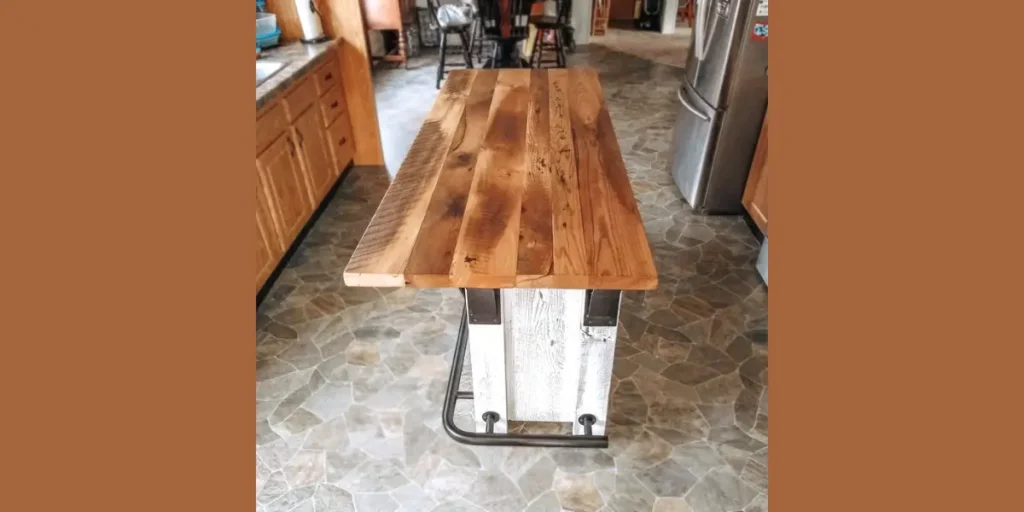
A rustic wooden island introduces warmth and natural texture into the kitchen. I appreciate how wood instantly softens the look of modern kitchens and creates a welcoming atmosphere.
Many rustic islands feature reclaimed wood or butcher block countertops. These materials highlight natural grain patterns that add character and depth to the space.
Wood islands also work beautifully with farmhouse and transitional kitchens. When paired with neutral cabinetry or stone countertops, they create a balanced design that feels both cozy and stylish.
9. Minimalist Modern Kitchen Island
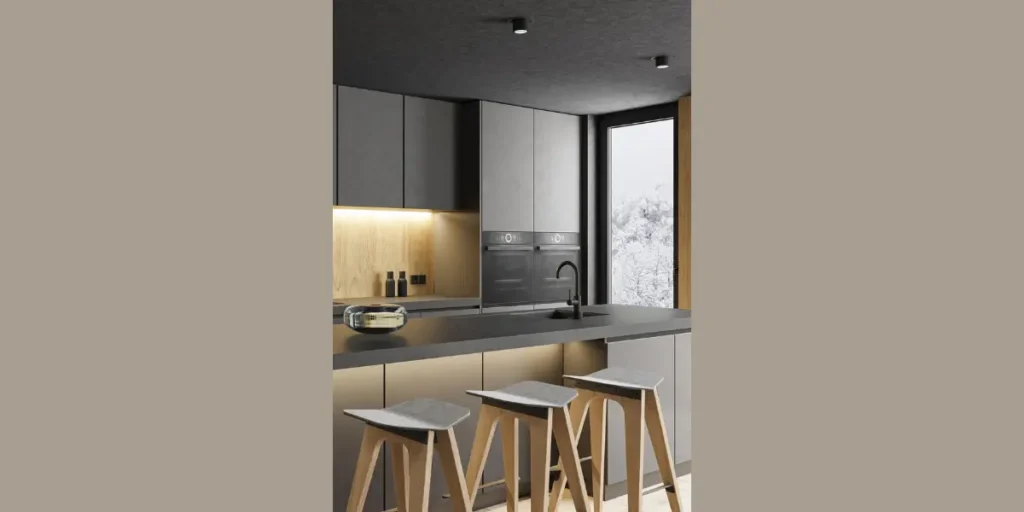
Minimalist islands focus on simplicity and clean lines. I often recommend this style when homeowners want a kitchen that feels uncluttered and contemporary. These islands usually feature smooth surfaces, flat panels, and neutral colors.
Handleless cabinets and integrated appliances often complement this design. The goal is to create a sleek island that blends seamlessly with the overall kitchen layout.
Minimalist islands also emphasize functionality. By removing unnecessary details, the island becomes a practical workspace that keeps the kitchen visually calm and organized.
10. Open Shelf Kitchen Island
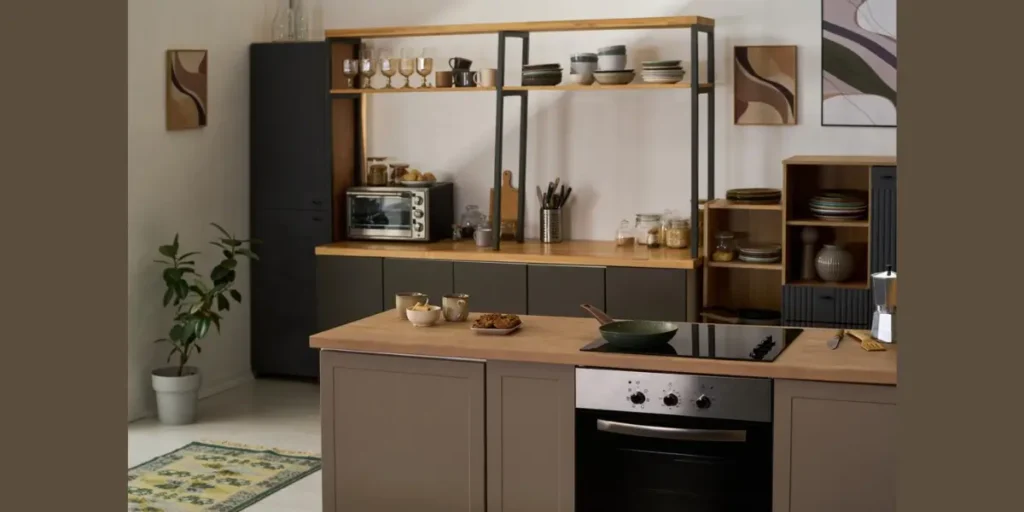
An island with open shelves offers both storage and display opportunities. I like this design because it allows homeowners to keep frequently used items easily accessible without opening cabinets.
Cookbooks, baskets, bowls, and decorative jars often look beautiful when arranged neatly on open shelves. This adds personality to the kitchen while still serving a practical purpose.
Open shelving also prevents the island from feeling too heavy or bulky. By keeping part of the structure visually open, the kitchen maintains a lighter and more spacious appearance.
Practical Tips for Planning a Kitchen Island
Designing a kitchen island requires careful planning so it fits naturally within the layout.
I usually start by considering how the island will be used, whether for cooking, dining, storage, or a combination of all three. A well-planned island should improve movement and workflow rather than block important kitchen areas.
Size, spacing, and features all influence how useful the island becomes. When these elements are balanced properly, the island can turn into the most functional part of the kitchen.
Leave Enough Space Around the Island
Adequate walking space around the island keeps the kitchen comfortable to move in. Most designers recommend leaving at least 36 to 42 inches of clearance on all sides. This allows cabinets, appliances, and drawers to open easily without creating congestion.
Choose Durable Countertop Materials
Kitchen islands experience heavy daily use, so the countertop material should be durable. Quartz, granite, and butcher block are common choices because they resist heat and scratches. I usually suggest selecting a surface that complements the rest of the kitchen design.
Add Functional Storage
Including drawers, cabinets, or open shelves inside the island increases its practicality. Storage features help organize cookware, utensils, and small appliances. This keeps essential kitchen items close to the cooking area.
Consider Seating Options
If the island will be used for dining, comfortable seating is important. Bar stools or counter-height chairs create a casual dining space where family members can gather. Seating also makes the island feel more social and welcoming.
Install Proper Lighting
Lighting above the island improves both visibility and design appeal. Pendant lights or small chandeliers often work well because they focus light on the workspace while also enhancing the kitchen’s style.
Conclusion
A thoughtfully designed kitchen island can transform both the functionality and atmosphere of a kitchen. I often see how the right island design creates a natural center for cooking, dining, and everyday interaction.
When planned carefully, it adds valuable workspace, improves storage, and encourages people to gather comfortably in the kitchen.
The best islands balance practicality with style. Whether someone prefers a modern waterfall design, a rustic wooden island, or one with built-in seating, the key is choosing a layout that fits the kitchen’s size and daily needs.
By exploring these kitchen island ideas, homeowners can create a kitchen that feels organized, welcoming, and perfectly suited to their lifestyle.
FAQs
A kitchen island provides extra workspace for cooking and food preparation. It can also include storage, seating, and appliances that improve the overall kitchen layout. Many homeowners use the island as a central gathering place where cooking and social interaction happen at the same time.
The size of a kitchen island depends on the overall kitchen layout. Most islands are between four and seven feet long, but the most important factor is leaving enough walking space around it. Proper spacing ensures comfortable movement and prevents the kitchen from feeling crowded.
Yes, many kitchen islands include appliances such as sinks, dishwashers, or cooktops. Adding appliances to the island can improve workflow and make cooking more convenient. It also allows the main countertop areas to remain less cluttered.
Popular materials include quartz, granite, marble, and butcher block. These surfaces provide durability and complement different kitchen styles. The best choice usually depends on how the island will be used and the overall design theme of the kitchen.