
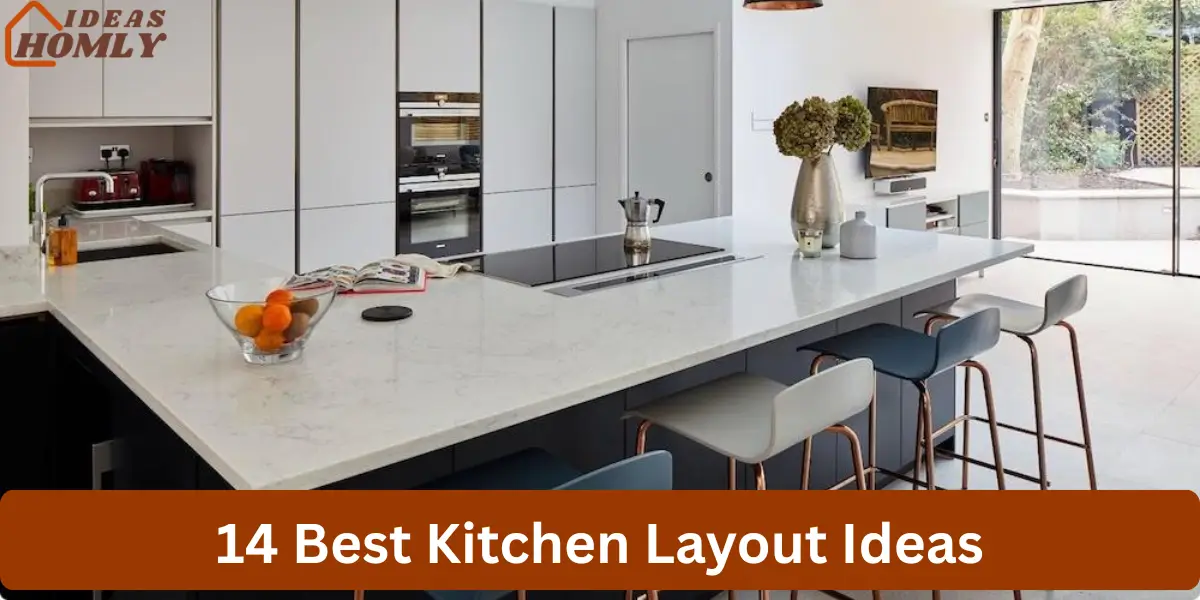

The way a kitchen is arranged can completely change how comfortable and efficient it feels. I often notice that a well-planned layout makes cooking easier, improves movement, and keeps everything within reach.
Even beautiful cabinets and appliances cannot perform well if the layout does not support daily tasks. A thoughtful design helps organize cooking, cleaning, and storage areas so the kitchen works smoothly.
In this guide, I will share practical kitchen layout ideas that can help you create a space that feels balanced, functional, and easy to use every day.
Smart Kitchen Layout Ideas for Better Space and Workflow
A well-planned kitchen layout can make everyday cooking easier and more organized. I often notice that when cabinets, appliances, and work areas follow a clear layout, the kitchen immediately feels more comfortable to use.
Good layouts improve movement, reduce clutter, and keep essential tools within reach. Choosing the right arrangement can turn even a small kitchen into a practical and efficient workspace.
1. Classic L-Shaped Kitchen Layout
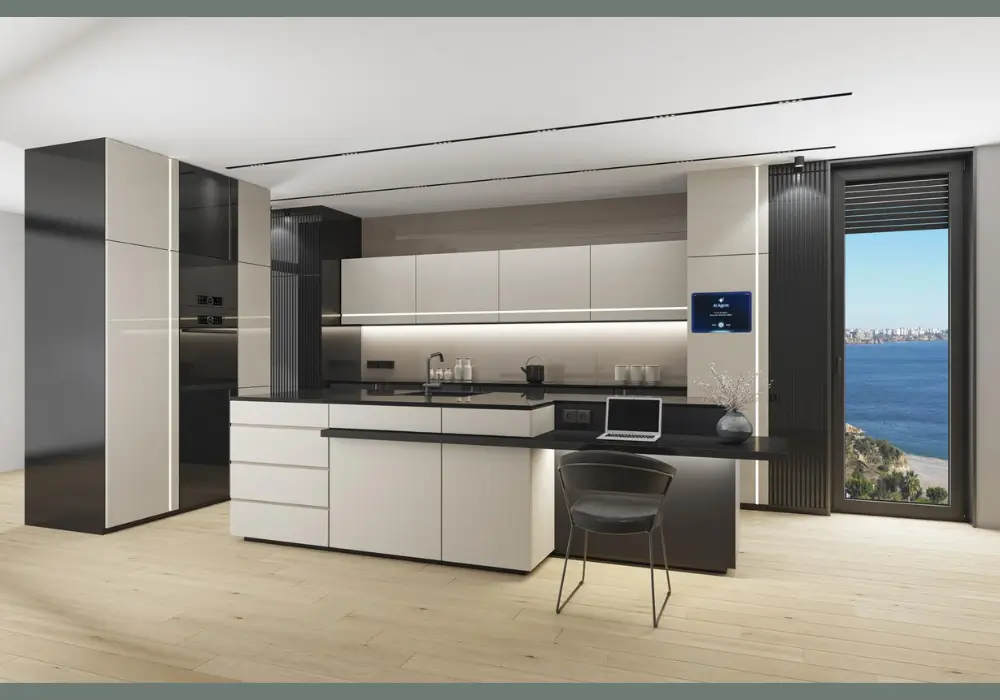
The L-shaped layout remains one of the most practical kitchen designs. I often recommend this layout because it uses two connected walls to organize cabinets, appliances, and counters in a natural flow.
This arrangement keeps the center of the kitchen open, which makes movement easier. Many homeowners appreciate how the design allows several people to work in the kitchen without feeling crowded.
Another advantage is flexibility. The open side of the layout leaves space for a dining table, a small island, or additional storage depending on the kitchen size.
2. U-Shaped Kitchen Layout
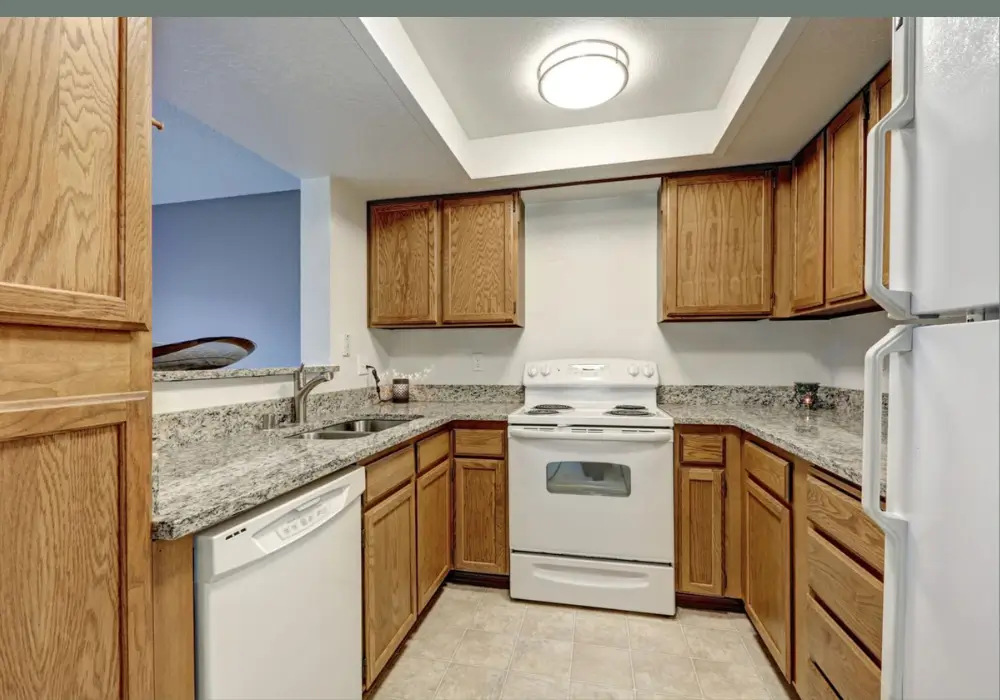
A U-shaped layout surrounds the kitchen workspace with cabinets and counters on three sides. I usually suggest this design for kitchens that require generous storage and plenty of counter space.
Because all work areas remain close together, the layout makes cooking tasks efficient. The sink, stove, and refrigerator can easily form a practical work triangle.
In many kitchens I have seen, the U-shaped layout also helps keep everything organized. With cabinets on three walls, homeowners gain significant storage capacity without overcrowding the space.
3. Galley Kitchen Layout
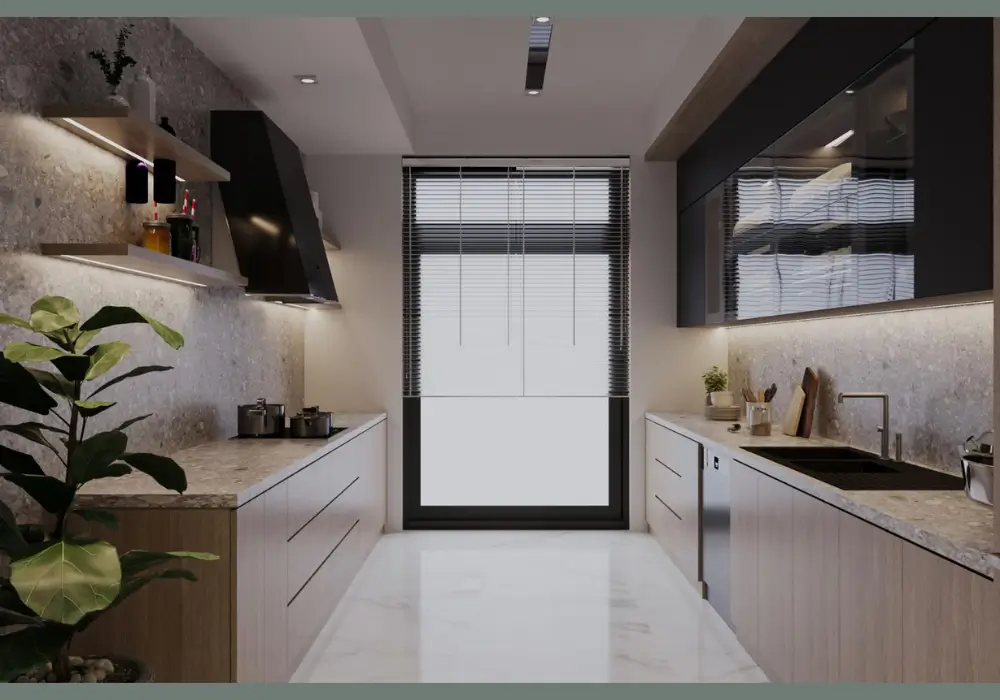
Galley kitchens feature two parallel counters with a walkway in between. I often recommend this layout for narrow kitchens or apartments where space is limited.
The design keeps all appliances and work surfaces within easy reach. This makes the cooking process efficient because movement between stations stays minimal.
When planned well, a galley kitchen can feel surprisingly functional. Good lighting and simple cabinetry help prevent the space from feeling too enclosed.
4. Island Kitchen Layout
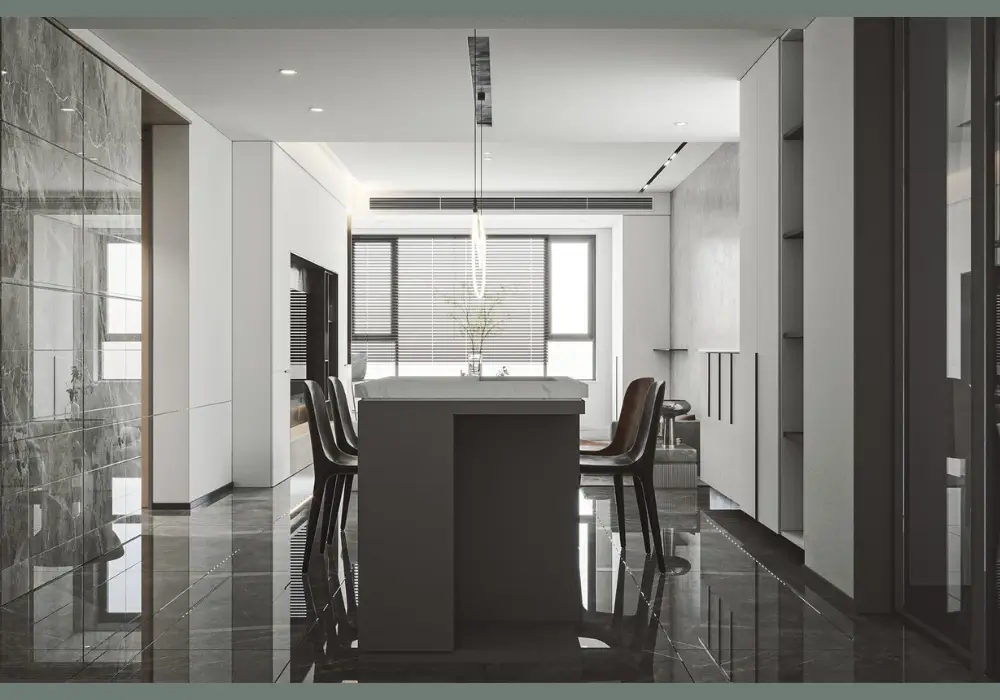
An island layout introduces a central workspace into the kitchen. I often suggest this option when homeowners want additional preparation space and storage.
The island can hold cabinets, drawers, or even seating. This makes it a versatile area for cooking, serving, or casual dining.
In many homes I have seen, the island becomes the main gathering point in the kitchen. It allows family members or guests to interact while someone prepares food.
5. Peninsula Kitchen Layout
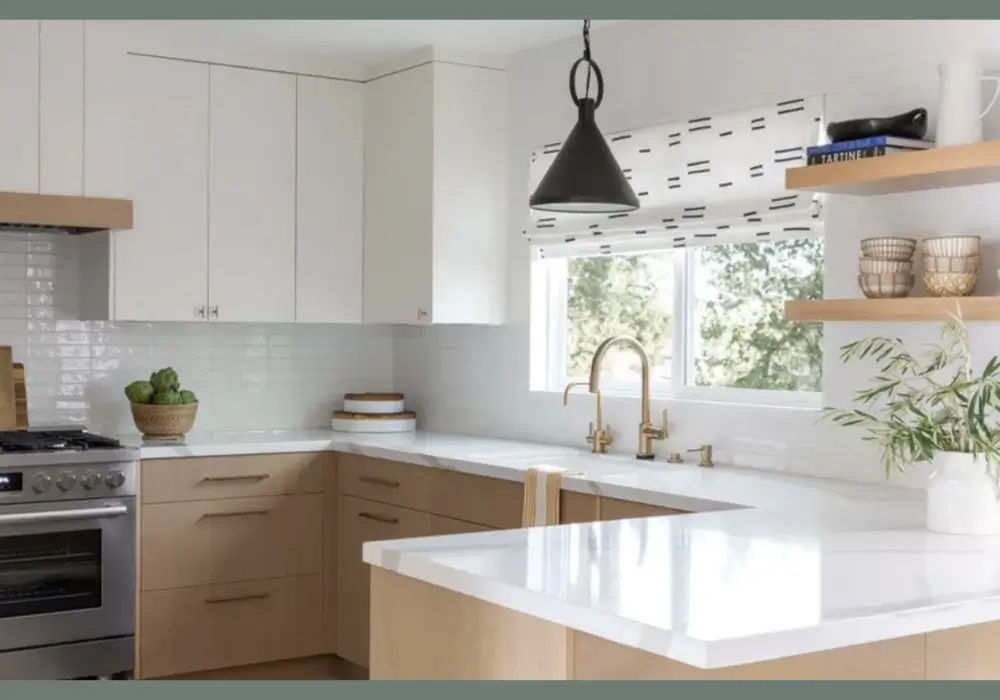
A peninsula layout works similarly to an island but remains connected to the main cabinets. I often recommend this design when the kitchen does not have enough space for a full island.
The extended counter provides extra preparation space and can also include seating. This feature creates a natural transition between the kitchen and nearby living areas.
Peninsula layouts also help define the kitchen area in open floor plans. The counter extension acts as a subtle boundary without closing the space.
6. One-Wall Kitchen Layout
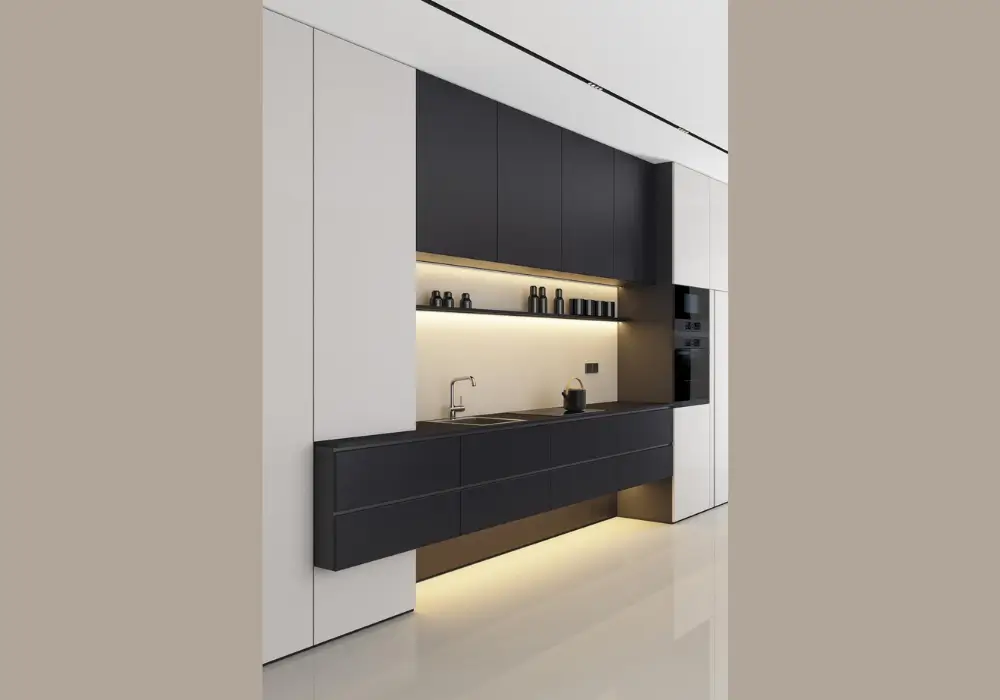
In a one-wall kitchen layout, all cabinets and appliances line up along a single wall. I usually suggest this design for studio apartments or compact homes.
This arrangement keeps the layout simple and space-efficient. Because everything sits along one wall, the remaining floor area stays open.
To maintain functionality, homeowners often add vertical storage or floating shelves. These elements help maximize storage without cluttering the kitchen.
7. Open Concept Kitchen Layout
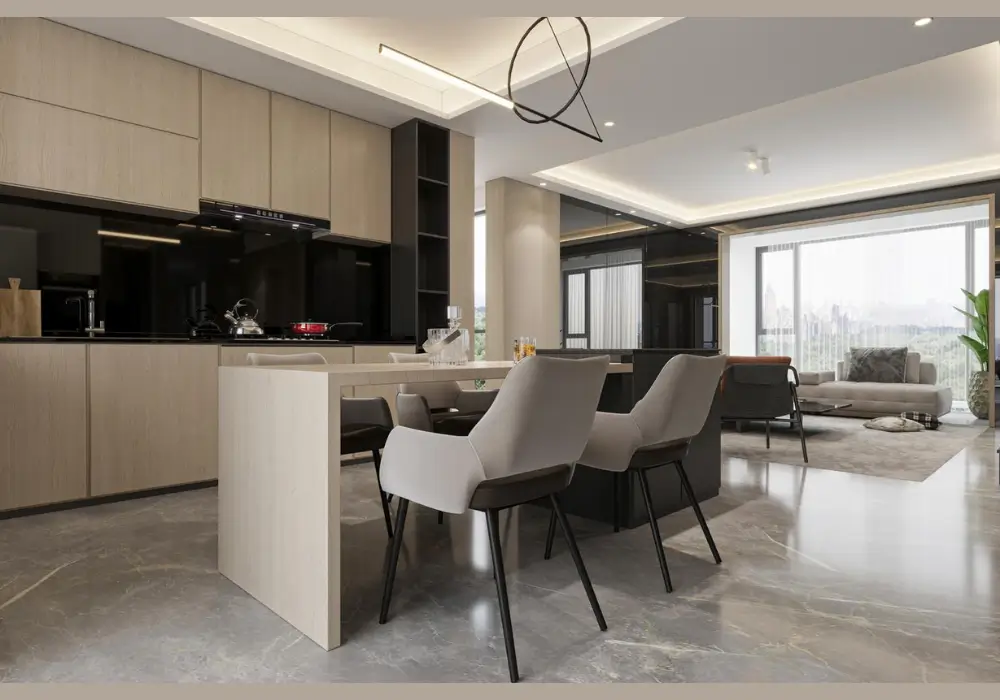
Open concept kitchens connect directly with the living or dining area. I often see this layout in modern homes where families prefer a more social cooking environment.
Without dividing walls, the kitchen feels larger and brighter. It also allows people in the kitchen to interact easily with guests or family members.
This layout often includes an island or breakfast bar to define the cooking space. The open design keeps the kitchen connected with the rest of the home.
8. G-Shaped Kitchen Layout
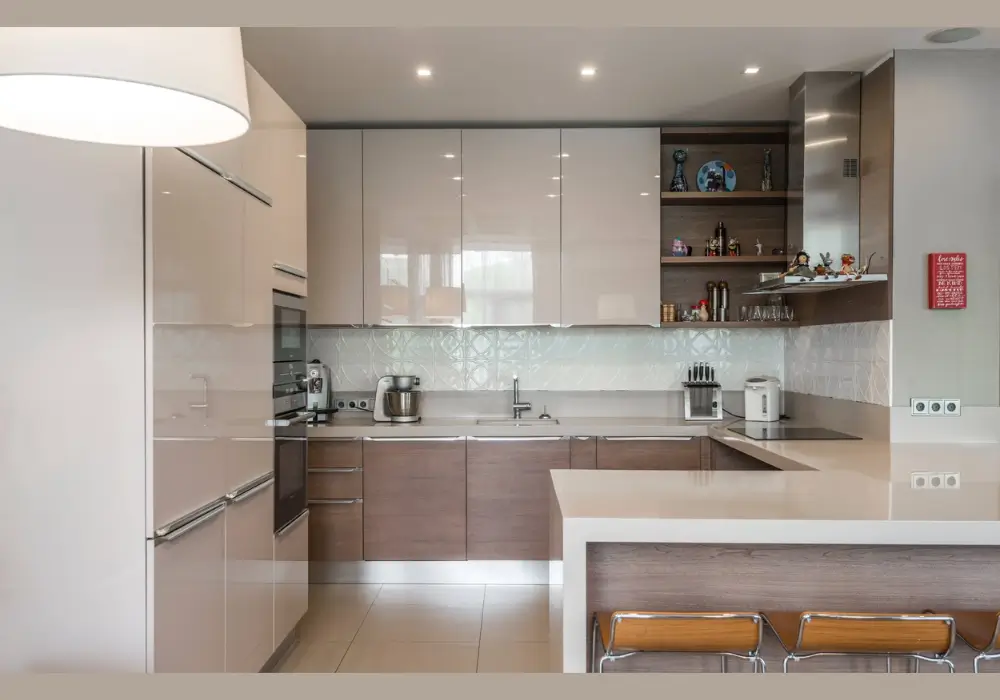
The G-shaped layout expands on the U-shaped design by adding an extra counter extension. I usually suggest this layout for larger kitchens that need maximum workspace.
This additional section can serve as a breakfast bar or preparation area. It also increases storage with extra cabinets and drawers.
However, the layout works best when there is enough floor space. When planned carefully, it creates a highly efficient cooking environment.
9. Parallel Kitchen Layout
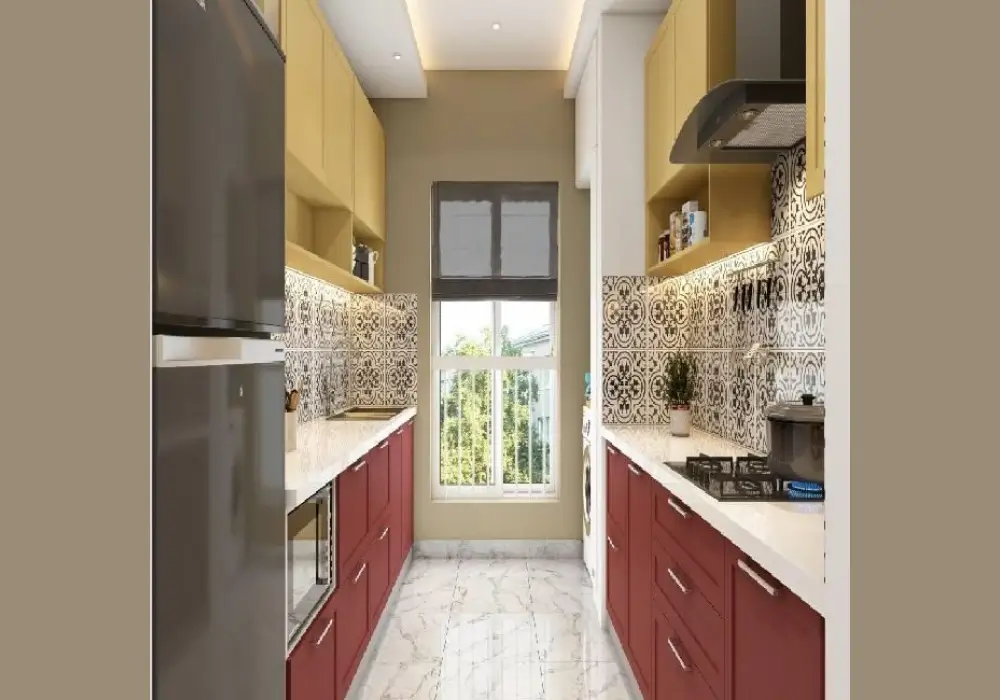
Parallel kitchens feature two counters facing each other across a central walkway. I often recommend this layout for cooking-focused kitchens where efficiency is important.
One side typically holds the stove and preparation area, while the other side includes the sink and storage. This separation helps organize different kitchen tasks.
The layout also keeps movement simple and direct. Many professional kitchens use this arrangement because it supports fast and efficient workflow.
10. Kitchen Layout with Breakfast Bar
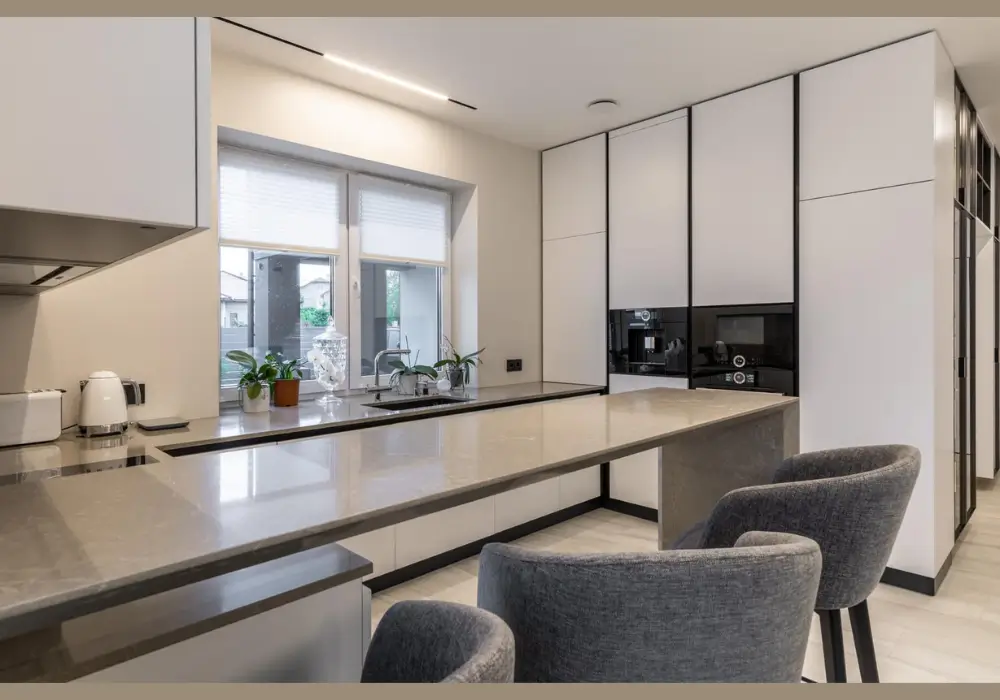
Adding a breakfast bar can transform the kitchen into a multifunctional space. I often suggest this layout when homeowners want casual seating inside the kitchen.
The bar usually extends from an island or peninsula and includes stools. This creates a comfortable spot for quick meals or conversations.
Breakfast bars also help connect the kitchen with nearby living areas. They allow the cook to remain part of the conversation while preparing food.
11. Compact Small Kitchen Layout
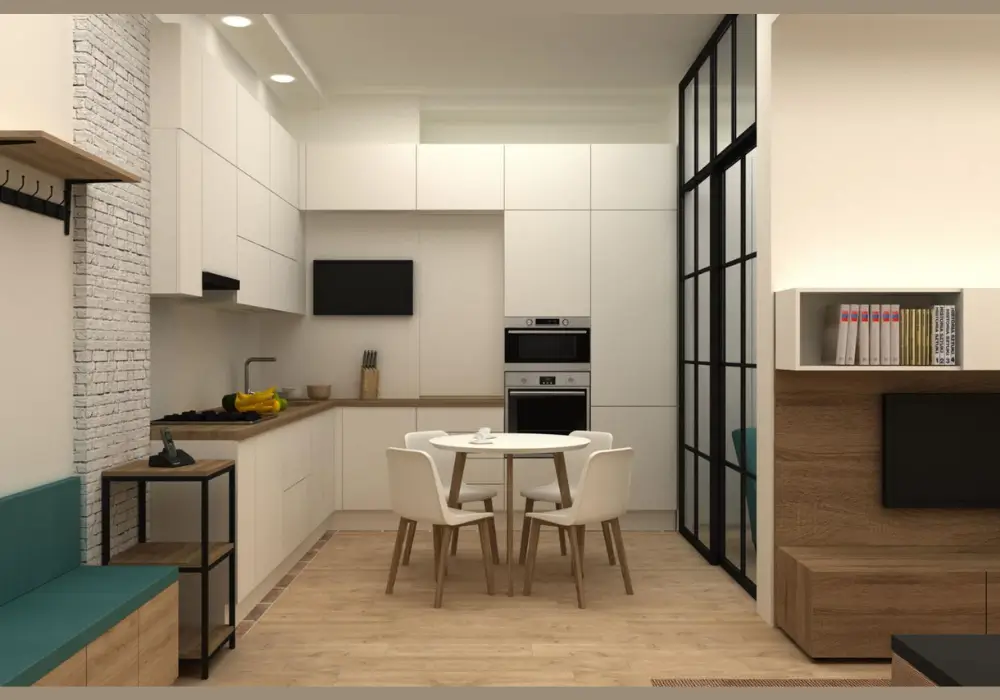
A compact kitchen layout focuses on maximizing limited space without sacrificing functionality. I often recommend this approach for apartments or smaller homes where every inch of space matters. Careful placement of cabinets, appliances, and counters helps keep the kitchen efficient.
In compact layouts, vertical storage becomes especially important. Tall cabinets, wall-mounted shelves, and slim appliances help keep the floor area clear while still providing enough storage.
I have seen many small kitchens become surprisingly functional when the layout is planned carefully. When storage, lighting, and work areas stay organized, even a small kitchen can feel comfortable and efficient.
12. Modern Minimal Kitchen Layout
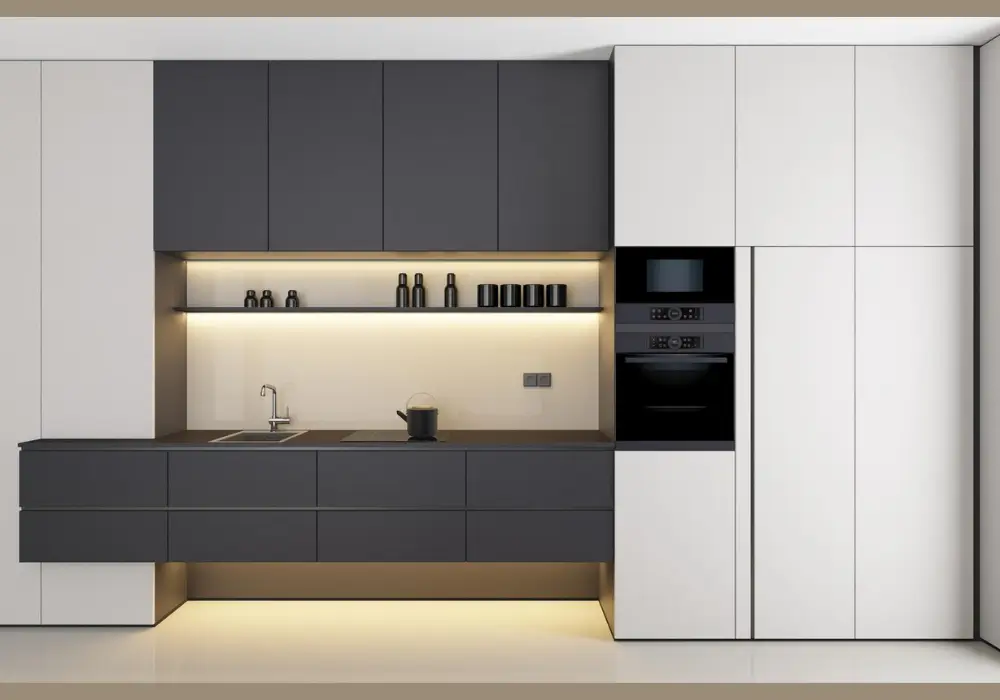
A modern minimal layout focuses on simplicity and uncluttered design. I often suggest this style for homeowners who prefer clean lines and a calm cooking environment. Cabinets usually feature flat surfaces with hidden handles to maintain a smooth appearance.
The layout avoids unnecessary elements and keeps the space organized. Appliances and storage areas remain carefully arranged to reduce visual clutter.
In many kitchens I have seen, this approach makes the room feel larger and more relaxing. The simplicity of the layout allows natural light and materials to become the main design features.
13. Kitchen Layout with Dining Area
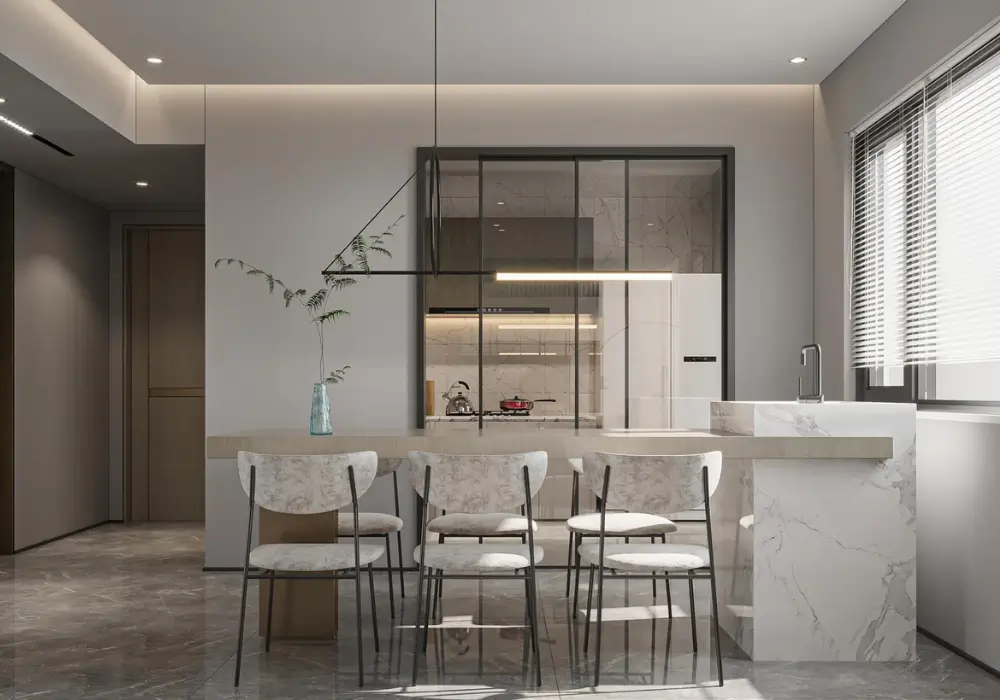
Combining the kitchen with a dining space creates a practical and welcoming environment. I often recommend this layout for families who enjoy gathering around meals without leaving the kitchen area.
A dining table or small seating area can fit naturally beside the cooking zone. This arrangement allows people to eat, talk, and relax while food preparation continues nearby.
In many homes I have visited, this layout strengthens the sense of connection in the kitchen. It turns the space into more than just a cooking area and encourages everyday interaction.
14. Zoned Kitchen Layout
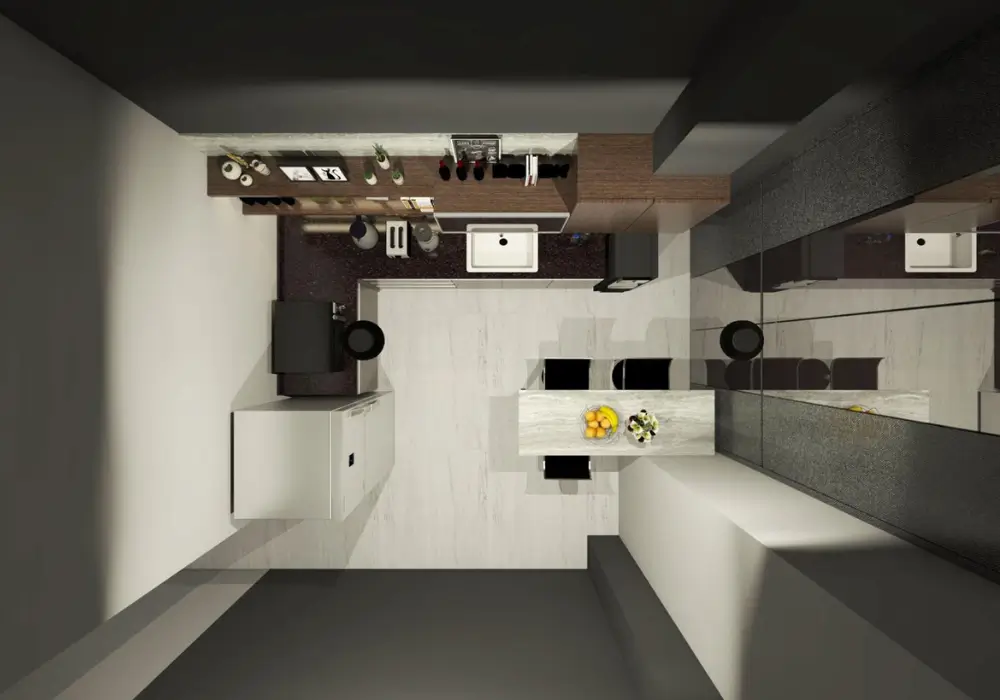
A zoned kitchen layout divides the space into dedicated areas for different tasks. I often suggest organizing the kitchen into zones such as cooking, preparation, cleaning, and storage.
Each zone contains the tools and appliances needed for its specific purpose. This organization helps reduce unnecessary movement during cooking.
When the layout follows this structure, the kitchen becomes far more efficient. I have seen zoned kitchens work especially well in busy households where several people use the kitchen at the same time.
Practical Tips for Choosing the Right Kitchen Layout
Choosing the right kitchen layout requires careful planning. I often suggest studying the available space first and understanding how people move through the kitchen during daily activities. A layout that supports natural movement makes cooking and cleaning much easier.
Another important factor is balancing storage, appliances, and work surfaces. When everything sits in a logical position, the kitchen becomes more comfortable to use. A well-planned layout also helps reduce unnecessary movement and keeps the space organized.
Understand Your Kitchen Space and Shape
Every kitchen has a different size and structure. I usually recommend measuring the available area and identifying where walls, windows, and doors sit. This information helps determine which layout will work best.
Follow the Kitchen Work Triangle Principle
The work triangle connects the sink, stove, and refrigerator. I often see kitchens function better when these three elements remain close but not crowded. This simple rule improves efficiency while cooking.
Prioritize Storage and Counter Space
Adequate storage and preparation space are essential in any kitchen. Cabinets, drawers, and counters should remain easily accessible so cooking tasks feel organized and smooth.
Balance Movement and Accessibility
A good layout allows people to move freely without obstacles. I usually suggest leaving enough walkway space between cabinets and counters so the kitchen does not feel cramped.
Plan Layout Around Appliances
Appliances such as ovens, refrigerators, and dishwashers should fit naturally within the layout. Proper placement prevents interruptions while cooking and keeps the workflow comfortable.
Conclusion
A well-designed kitchen layout can completely change how comfortable and efficient the space feels. I often notice that when cabinets, appliances, and work areas follow a logical arrangement, everyday cooking becomes much easier.
The right layout not only improves movement but also helps keep the kitchen organized and visually balanced.
Whether it is an L-shaped design, an island layout, or a compact arrangement for smaller spaces, thoughtful planning makes a big difference.
By choosing a layout that fits the available space and daily routine, homeowners can create a kitchen that works smoothly and feels inviting every day.
FAQs
Many designers consider the L-shaped and U-shaped layouts among the most efficient. These layouts support the work triangle and keep essential appliances within easy reach. I often see them used in kitchens that require both functionality and open space.
Small kitchens often benefit from one-wall or galley layouts because they save space while maintaining functionality. These designs keep cabinets and appliances compact. I usually recommend adding vertical storage to improve organization.
The work triangle connects the three main work areas: the sink, stove, and refrigerator. The goal is to keep these points close enough for convenience but far enough apart to avoid crowding. This arrangement helps create a smoother cooking workflow.
Open layouts are popular because they connect the kitchen with living or dining areas. This design creates a social and spacious atmosphere. In many homes I have seen, open kitchens make gatherings and everyday interaction easier.