
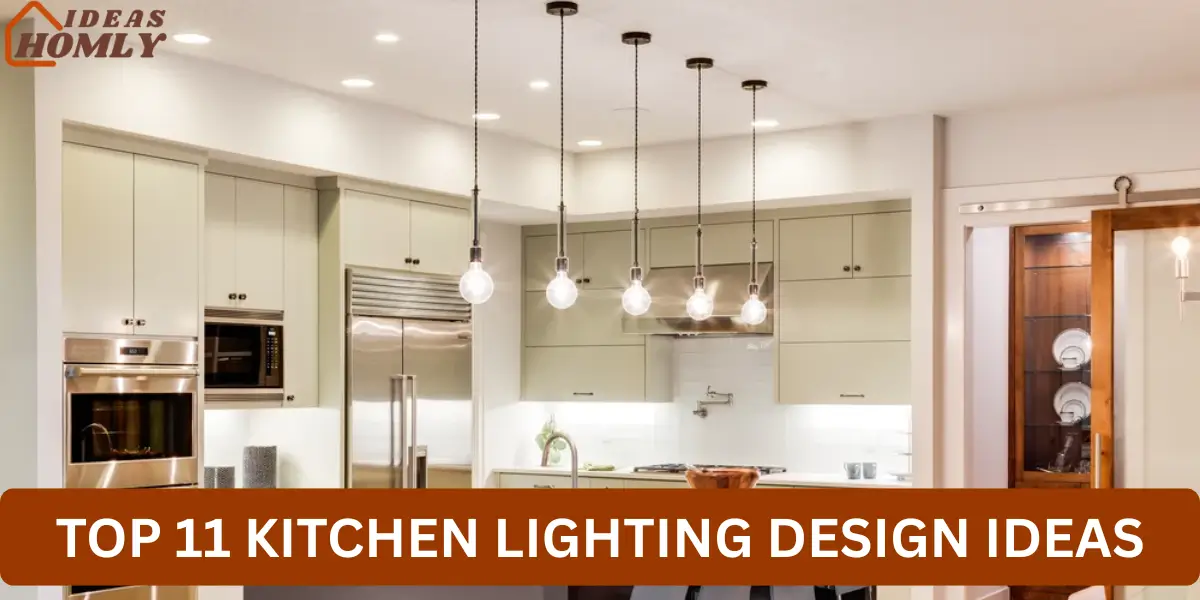

Lighting can completely change the way a kitchen feels after sunset. I have often seen beautiful kitchens lose their charm simply because the lighting was poorly planned.
A well-designed lighting layout not only improves visibility for cooking but also adds warmth and character to the space. When I explore different kitchen lighting design ideas, I always focus on solutions that balance functionality with visual appeal.
From focused task lighting to decorative fixtures, the right choices can transform an ordinary kitchen into a bright, welcoming environment that feels comfortable throughout the day and night.
Inspiring Kitchen Lighting Design Ideas for a Brighter and More Functional Space
Lighting plays a major role in how a kitchen feels and functions throughout the day. I often notice that even a well-designed kitchen can feel dull if the lighting plan is not carefully considered. The right lighting improves visibility, highlights important areas, and creates a welcoming atmosphere.
Modern kitchens rely on layered lighting rather than a single light source. By combining task lighting, ambient lighting, and decorative fixtures, it becomes possible to create a kitchen that feels balanced, practical, and visually appealing.
1. Pendant Lighting Over the Kitchen Island
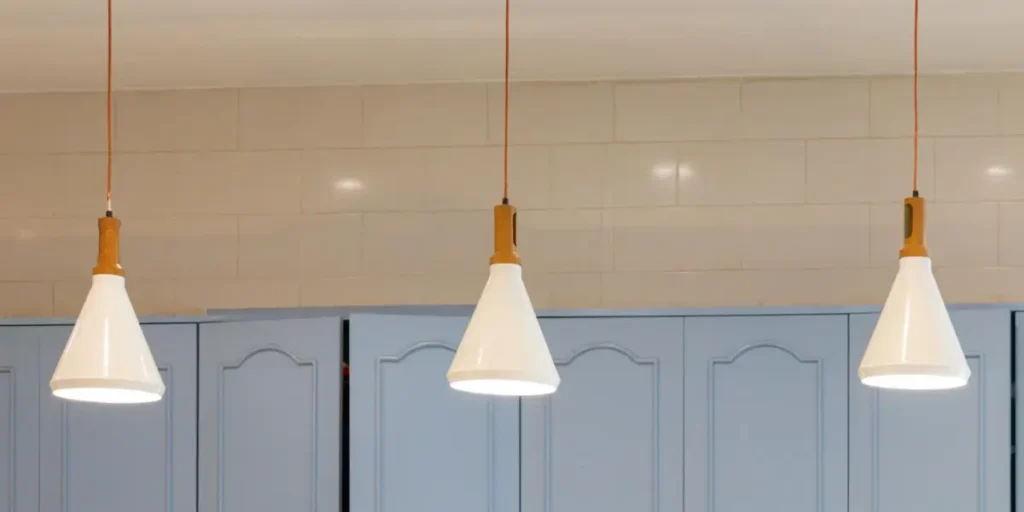
Pendant lights above the kitchen island remain one of the most popular lighting choices in modern kitchens.
I often recommend them because they provide focused illumination exactly where food preparation usually happens. The hanging fixtures also help define the island area and add a decorative element to the overall design.
Many designers install two or three pendant lights in a row to create symmetry and balanced lighting. Glass, metal, or minimalist fixtures work particularly well in contemporary kitchens.
Pendant lighting also adds depth to the room. When positioned correctly, these lights draw attention to the island and create a warm gathering space where cooking and conversation naturally come together.
2. Under-Cabinet LED Task Lighting
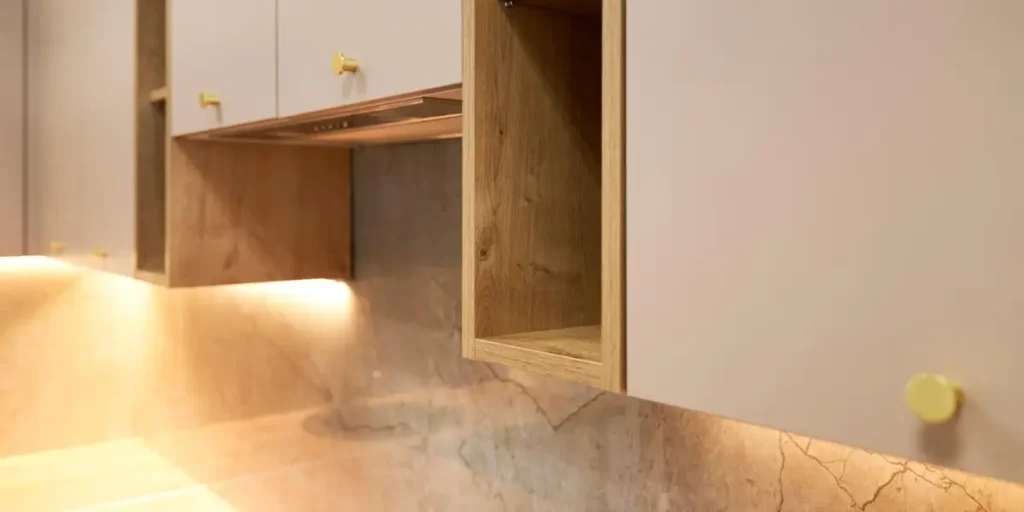
Under-cabinet lighting dramatically improves the functionality of a kitchen workspace. I often find that countertops become easier to use when LED strips illuminate the surface directly below upper cabinets. This reduces shadows that overhead lights sometimes create during food preparation.
LED strip lighting works especially well because it remains discreet while producing bright and even illumination. Many homeowners choose warm white LEDs to create a comfortable atmosphere while still keeping the workspace clear.
Another advantage of under-cabinet lighting is its modern appearance. The subtle glow along the backsplash adds depth and makes the kitchen feel more refined during evening hours.
3. Recessed Ceiling Lighting
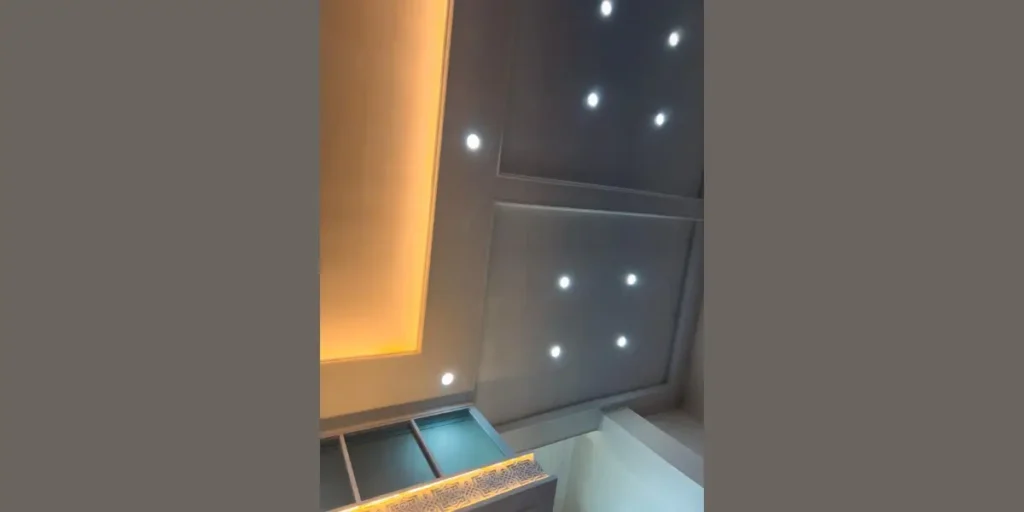
Recessed ceiling lights provide clean and uniform illumination across the kitchen. I usually consider them the foundation of a good lighting plan because they distribute light evenly without occupying visual space in the room.
These fixtures sit flush with the ceiling, which helps maintain a minimalist and uncluttered look. When installed strategically across the ceiling, they ensure that the entire kitchen remains well lit.
Recessed lights also work well with other lighting layers. By combining them with pendant lights or under-cabinet lighting, the kitchen gains both general illumination and focused task lighting.
4. Statement Chandelier Lighting
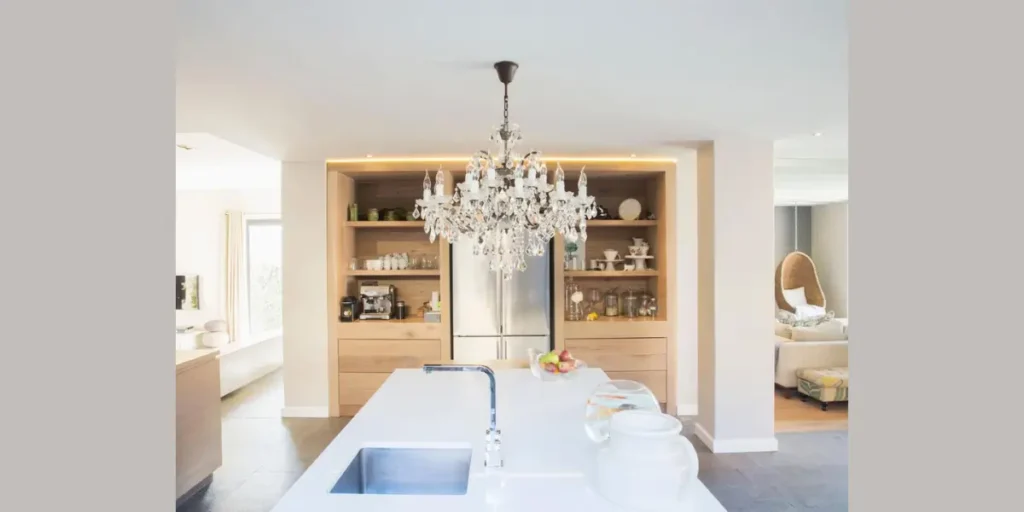
A chandelier can instantly add personality and elegance to a kitchen. I often suggest this option for larger kitchens or open-plan spaces where the lighting fixture can act as a visual centerpiece.
Modern kitchen chandeliers come in many styles, from sleek metal designs to more decorative glass structures. When placed above a dining area or kitchen island, they create a focal point that enhances the room’s character.
Beyond aesthetics, chandeliers also provide soft ambient lighting. This makes the kitchen feel more inviting during gatherings or evening meals.
5. Adjustable Track Lighting
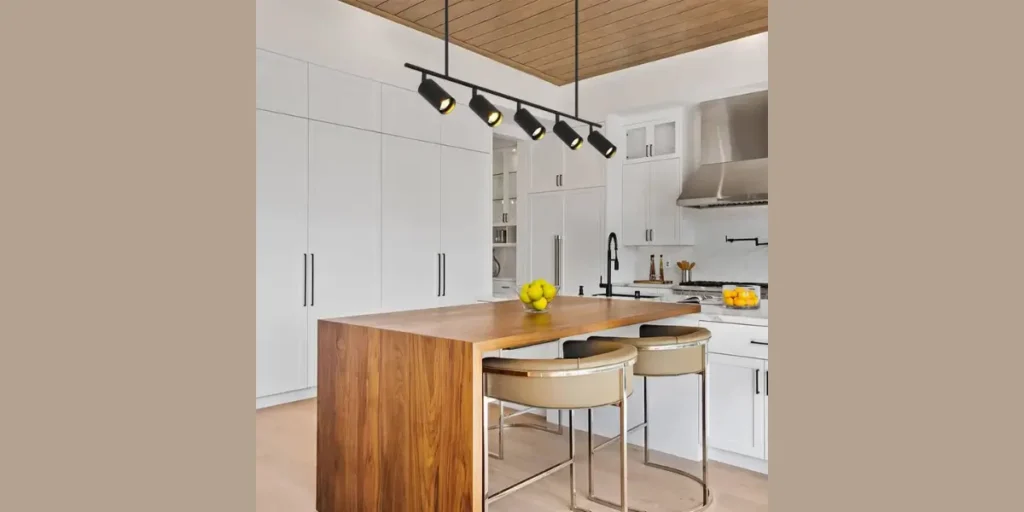
Track lighting offers flexibility that many other fixtures cannot provide. I like recommending this system because each light head can rotate and focus on a specific area of the kitchen.
This makes track lighting particularly useful for highlighting countertops, cooking zones, or decorative shelves. Instead of installing multiple separate lights, one track system can illuminate several areas.
Track lighting also complements modern and industrial-style kitchens. Its sleek lines and adjustable design make it both practical and visually appealing.
6. Toe-Kick Cabinet Lighting
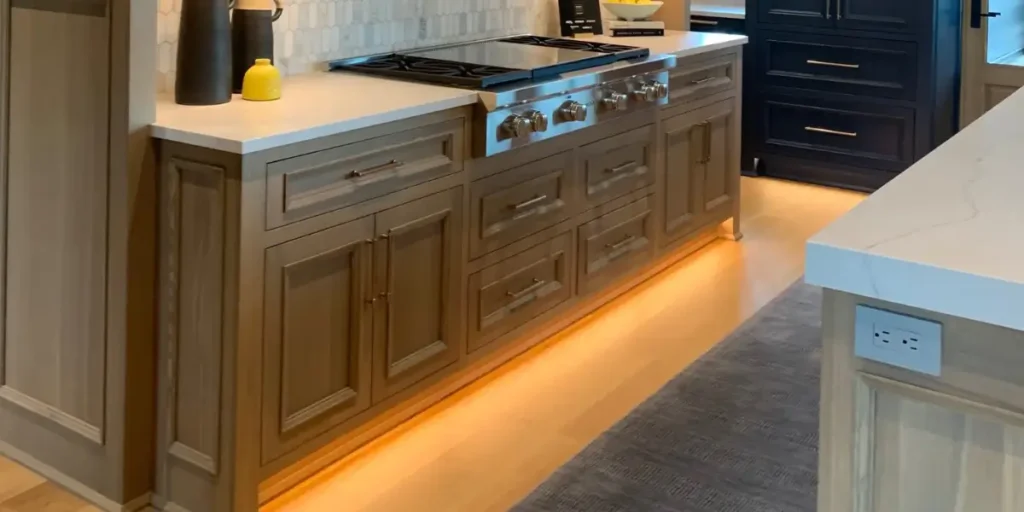
Toe-kick lighting sits beneath the lower kitchen cabinets near the floor. I find this lighting technique especially effective for creating subtle ambient illumination during the evening.
The soft glow makes the kitchen safer to navigate at night without needing to switch on bright overhead lights. It also creates a floating effect that makes cabinets appear lighter and more modern.
Many designers use LED strips for toe-kick lighting because they are energy efficient and easy to conceal. The result is a gentle illumination that adds both style and practicality.
7. Glass Cabinet Interior Lighting
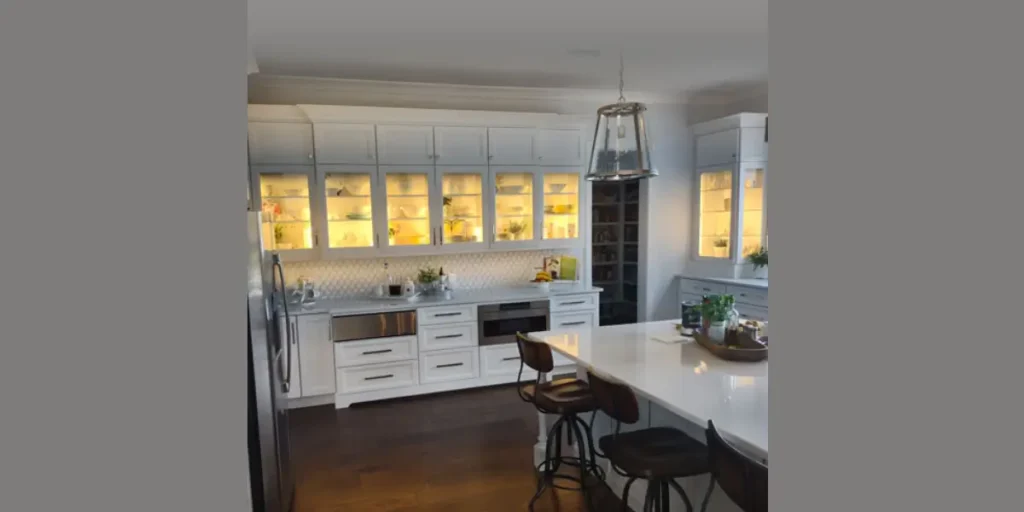
Interior cabinet lighting highlights dishes, glassware, and decorative items stored behind glass cabinet doors. I often see this technique used to add depth and visual interest to kitchen walls.
Small LED lights installed inside cabinets illuminate shelves and create a soft display effect. This makes glass cabinets feel more elegant and visually appealing.
Beyond decoration, this lighting also improves visibility inside cabinets. It becomes much easier to find items stored on shelves, especially in deeper cabinets.
8. Industrial Style Kitchen Lighting
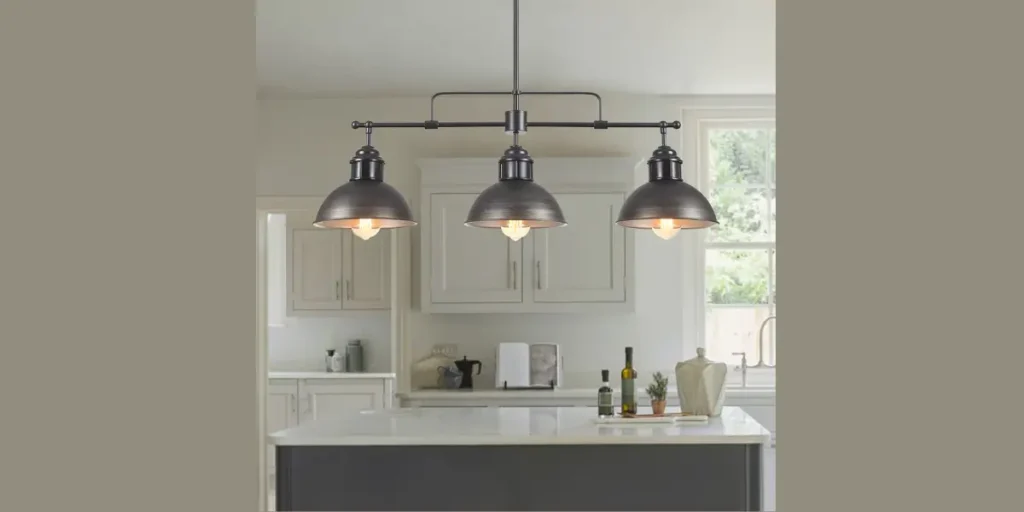
Industrial-style lighting introduces bold character into the kitchen. I usually associate this style with metal fixtures, exposed bulbs, and darker finishes such as matte black or brushed steel.
These lights work especially well in modern or loft-inspired kitchens where raw materials like concrete, brick, or wood appear in the design.
Industrial lighting also provides strong and focused illumination. This makes it practical for kitchens that require clear lighting while still maintaining a distinctive visual style.
9. Cove Ceiling Lighting
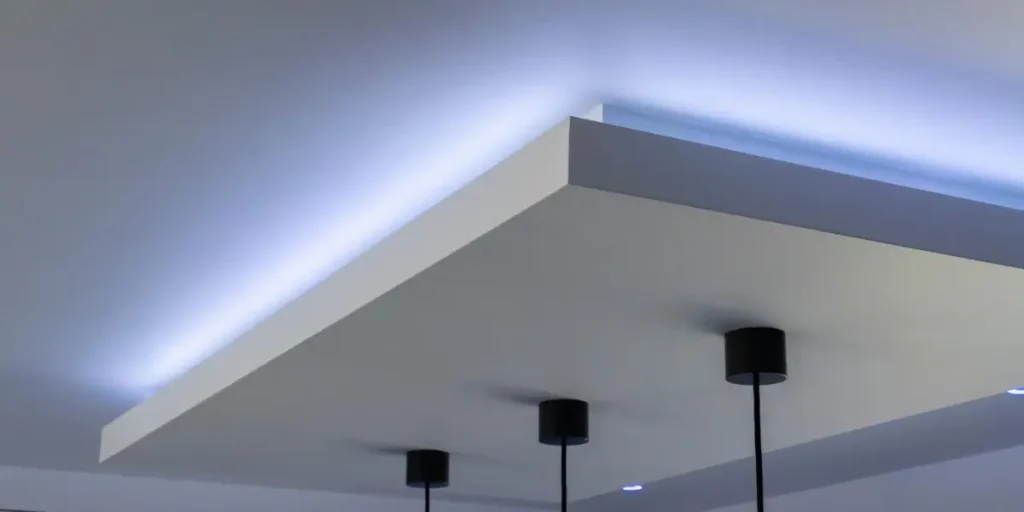
Cove lighting creates a soft glow that spreads indirectly across the ceiling. I often use this technique to add subtle ambient lighting that feels calm and relaxing.
LED strips remain hidden inside ceiling recesses, which allows the light to bounce gently off the ceiling surface. This indirect lighting eliminates harsh glare and creates a warm atmosphere.
Cove lighting works particularly well in modern kitchens that aim for a sophisticated and layered lighting design.
10. Smart Kitchen Lighting Systems
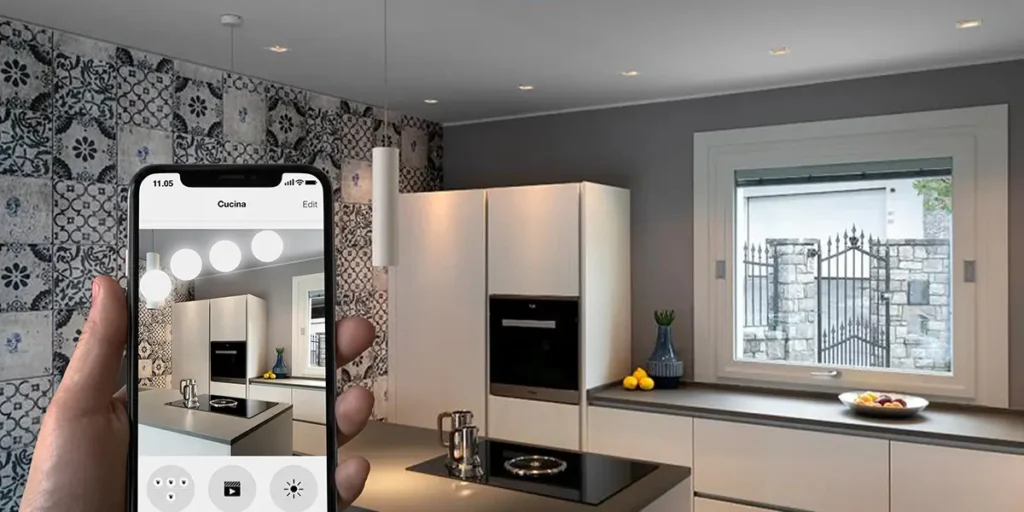
Smart lighting systems bring convenience and flexibility to kitchen lighting. I appreciate how these systems allow homeowners to control brightness and color temperature using a mobile app or voice commands.
With smart lighting, it becomes easy to adjust the kitchen atmosphere depending on the time of day. Bright white light works well for cooking, while warmer tones create a comfortable evening environment.
Many smart lighting systems also include timers and automation features. These options improve energy efficiency while making the kitchen easier to manage.
11. Layered Kitchen Lighting Design
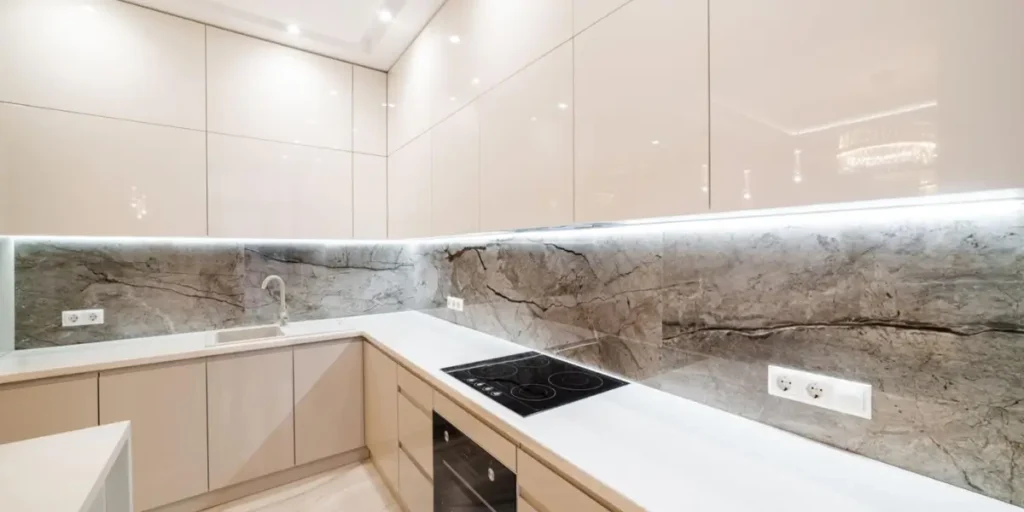
Layered lighting combines multiple lighting types to create a balanced environment. I always consider this approach the most effective way to design kitchen lighting.
Ambient lighting provides general illumination, task lighting focuses on work areas, and accent lighting highlights decorative features. Together, these layers ensure that every part of the kitchen remains well lit.
A layered lighting design also improves the overall mood of the space. By mixing different light sources, the kitchen feels dynamic, comfortable, and visually appealing throughout the day.
Practical Tips for Planning Kitchen Lighting
A well-planned lighting layout makes a kitchen far more comfortable to use. I always approach kitchen lighting by thinking about how people actually move and work in the space.
When lights are positioned correctly, they remove shadows, highlight important areas, and make the kitchen feel balanced rather than overly bright or dim.
Good lighting design also focuses on layering different types of light instead of relying on a single fixture. By combining ambient, task, and accent lighting, the kitchen becomes both practical for cooking and welcoming for gatherings.
Focus on Task Lighting
Task lighting targets the areas where most kitchen activities happen. Countertops, sinks, and cooking zones need direct light so tasks like chopping and preparing food remain safe and easy. I often recommend under-cabinet lighting because it illuminates work surfaces without creating harsh shadows.
Use Ambient Lighting for Overall Brightness
Ambient lighting provides the general illumination that fills the entire kitchen. Ceiling fixtures such as recessed lights or flush mounts help distribute light evenly across the room. This layer ensures the kitchen remains bright enough to move around comfortably.
Add Accent Lighting for Style
Accent lighting highlights specific features in the kitchen. Glass cabinets, open shelves, and decorative backsplashes benefit from subtle lighting that adds depth. These lights create visual interest and make the kitchen feel more inviting.
Install Dimmers for Flexibility
Dimmers allow you to adjust lighting intensity depending on the situation. Bright light works well during cooking, while softer lighting creates a relaxed atmosphere for dining. I often suggest dimmers because they give homeowners more control over the kitchen environment.
Balance Natural and Artificial Light
Natural daylight should always play a role in the kitchen lighting plan. Large windows or skylights provide soft illumination during the day. Artificial lights then support the space after sunset and maintain consistent brightness.
Conclusion
A thoughtfully planned lighting layout can completely transform how a kitchen looks and functions. I have often noticed that when lighting is layered correctly, the space immediately feels brighter, more organized, and far more comfortable to use.
The right combination of ceiling lights, task lighting, and decorative fixtures helps highlight work areas while also creating a welcoming atmosphere for everyday living.
Instead of relying on a single light source, it is always better to mix different lighting styles that support both functionality and design. From pendant lights above the island to subtle under-cabinet lighting, each choice plays a role in shaping the kitchen’s overall mood.
By exploring these kitchen lighting design ideas, homeowners can create a kitchen that feels practical, inviting, and visually balanced.
FAQs
Pendant lights are most commonly installed above kitchen islands or dining counters. They provide direct lighting for food preparation and also serve as decorative elements. Proper spacing between pendant fixtures helps create balanced and comfortable illumination.
LED lights work extremely well in kitchens because they are energy efficient and long lasting. They produce bright illumination while consuming less electricity than traditional bulbs. Many modern kitchens rely on LED strips for under-cabinet and accent lighting.
The number of lights depends on the kitchen size and layout. Larger kitchens usually require several light sources, including ceiling lights and task lighting. A layered lighting plan ensures that no area remains too dark or overly bright.
Layered lighting combines three main lighting types: ambient lighting for overall brightness, task lighting for work areas, and accent lighting for decorative features. This method creates a balanced lighting environment that improves both functionality and atmosphere.