


A kitchen often feels complete only when the right surfaces come together, and tiles play a bigger role than many people realize. When I study well-designed kitchens, I usually notice how tile patterns quietly shape the room’s character.
The right material, color, and layout can turn a plain wall or backsplash into a defining feature of the space. While exploring different interiors over time, I’ve seen how thoughtful kitchen tile designs bring balance between practicality and visual appeal.
Choosing the right design not only improves durability but also gives the kitchen a more refined and welcoming atmosphere.
Popular Kitchen Tile Designs That Improve the Look of Your Kitchen
Tiles often shape the visual identity of a kitchen more than people expect. When I analyze well-designed kitchens, I notice that the tile pattern, texture, and layout often define the atmosphere of the entire space. A thoughtful tile design can turn a simple kitchen wall into an attractive design feature.
Different tile styles introduce different moods. Some create a calm and timeless appearance, while others add texture or bold character. By choosing the right tile design, homeowners can improve both the beauty and practicality of their kitchen.
1. Subway Tile Design
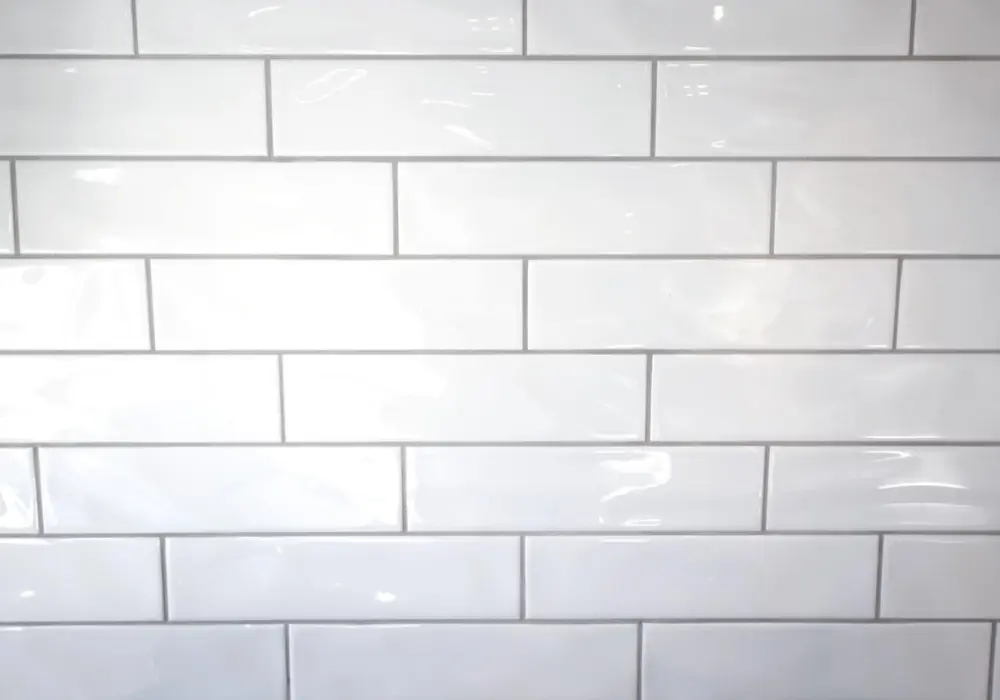
Subway tiles continue to remain one of the most reliable choices in kitchen design. I often recommend them because their rectangular shape creates a clean and structured appearance that suits many kitchen styles.
Whether a kitchen follows a modern, transitional, or traditional theme, subway tiles blend naturally into the design.
Many kitchens use white subway tiles because they reflect light and make the space feel brighter. However, I also see homeowners experimenting with soft gray, deep blue, or muted green subway tiles to add subtle personality to the backsplash.
Another advantage of subway tiles is their versatility in layout. They can be installed horizontally, vertically, or even in patterns like herringbone. This flexibility allows designers to maintain a simple tile while still achieving a customized look.
2. Marble Tile Design
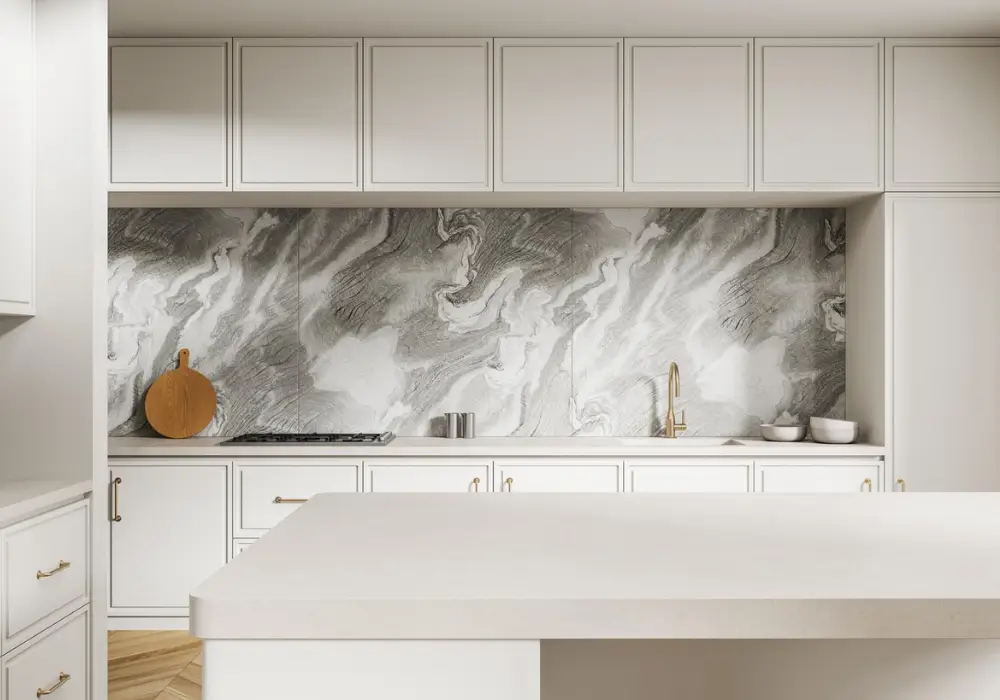
Marble tiles bring a refined elegance that instantly elevates a kitchen interior. Whenever I see marble tiles used in a backsplash or wall design, the kitchen immediately feels more sophisticated and polished.
The natural veins running through marble create patterns that cannot be replicated exactly.
Designers often prefer white marble with soft gray veining because it pairs beautifully with both light and dark cabinetry. The subtle texture also adds visual depth without making the kitchen look overly decorative.
Marble tiles also reflect light in a unique way, which helps brighten the kitchen. Although marble requires sealing and occasional care, many homeowners appreciate the timeless character it brings to the space.
3. Herringbone Tile Design
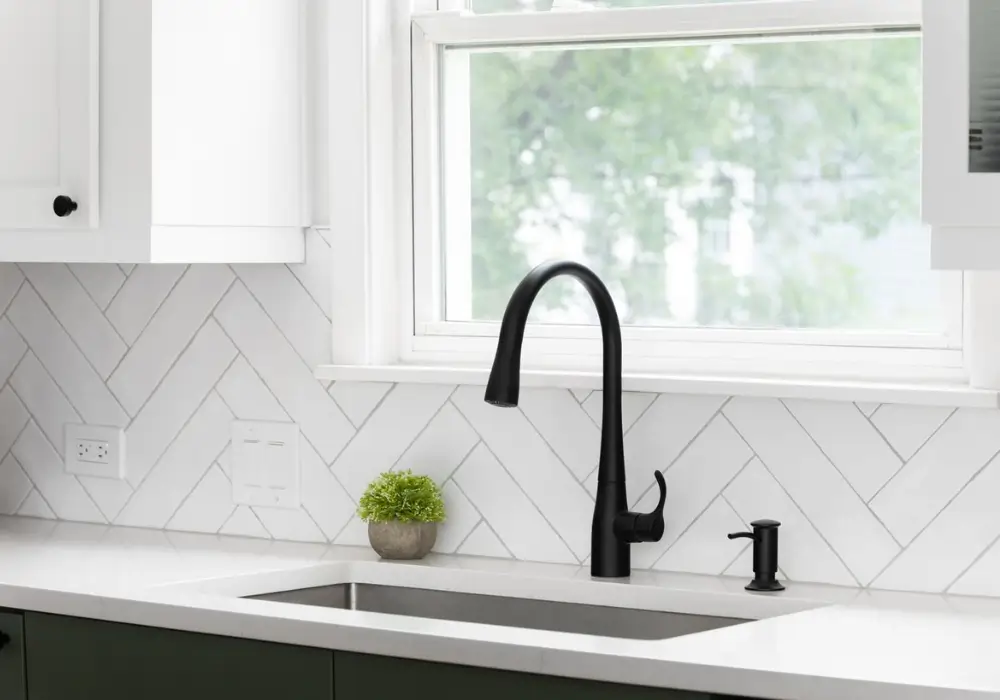
Herringbone tile patterns introduce movement and visual interest into kitchen walls. I often suggest this layout when a kitchen design feels too plain and needs a bit of structural rhythm. The angled arrangement naturally guides the eye across the surface.
This pattern works especially well with subway tiles or slim rectangular porcelain tiles. Even simple white tiles become more visually engaging when arranged in a herringbone layout.
Another reason I appreciate this design is its timeless appeal. The herringbone pattern has been used in architecture for centuries, which helps it remain stylish even as kitchen trends evolve.
4. Hexagon Tile Design
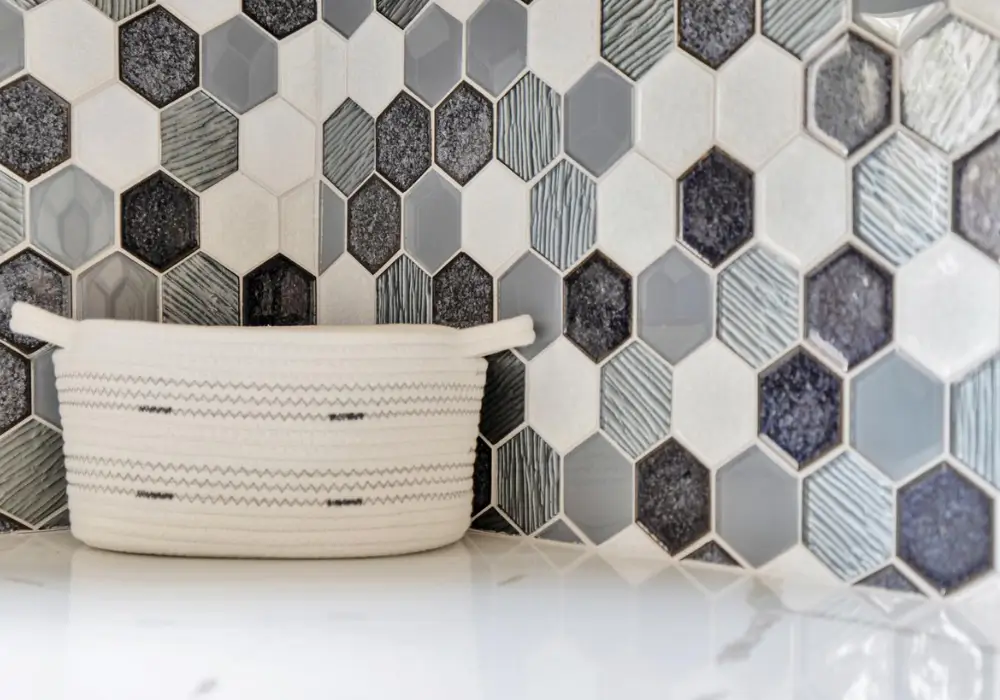
Hexagon tiles introduce a geometric element that gives kitchens a more contemporary personality. I frequently notice this design in modern kitchens where homeowners want a backsplash that feels different from traditional rectangular tiles.
The honeycomb shape creates a repeating pattern that adds texture and depth to the wall. Even when the tile color remains neutral, the geometric structure still attracts attention.
Hexagon tiles also adapt well to different design styles. Light tones create a minimal modern look, while darker colors or mixed shades produce a more dramatic effect.
5. Moroccan Zellige Tile Design
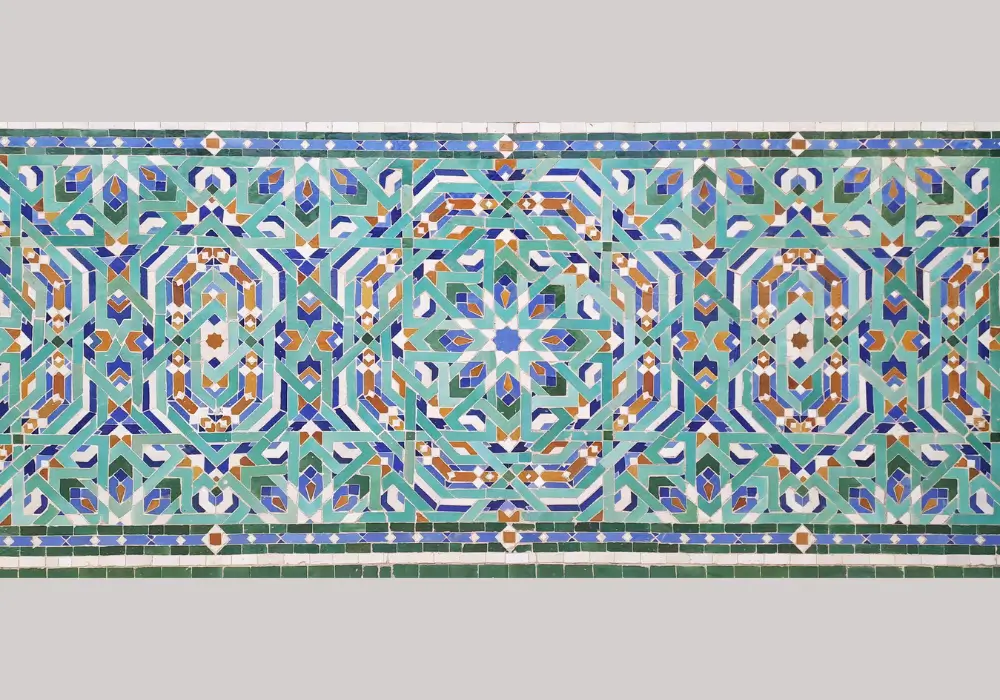
Moroccan Zellige tiles bring handcrafted beauty to kitchen interiors. I often admire these tiles because their slightly uneven surfaces reflect light in subtle and interesting ways. This handmade quality gives the kitchen a more authentic and artistic feel.
Each Zellige tile is unique, which means the backsplash never appears perfectly uniform. Instead, the small variations in color and texture create depth and character across the wall.
Many kitchens use Zellige tiles in rich tones such as emerald green, deep blue, or creamy white. These colors create a warm and welcoming environment while maintaining a refined appearance.
6. Terrazzo Tile Design
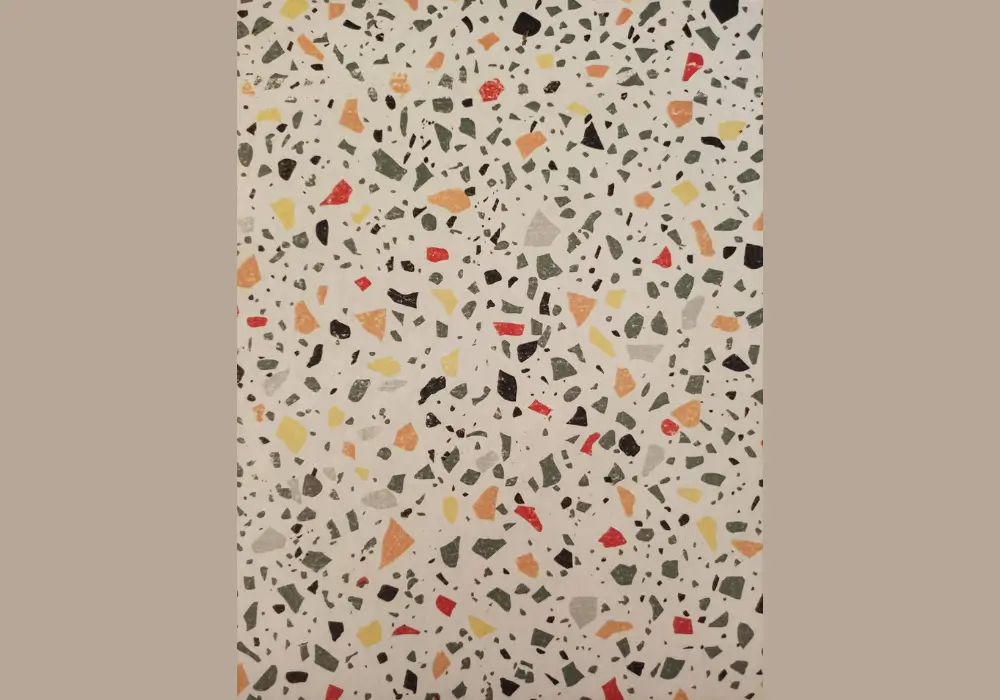
Terrazzo tiles have returned as a popular design choice in contemporary kitchens. I find them particularly interesting because they combine durability with a playful visual texture. Small fragments of marble or stone embedded in the surface create a speckled pattern.
This mixture of colors and materials introduces subtle energy into the kitchen without overwhelming the design. Terrazzo backsplashes often work well with minimalist cabinets and simple countertops.
Another advantage of terrazzo tiles is their durability. They resist stains and wear effectively, which makes them suitable for kitchens that experience daily cooking activity.
7. Patterned Cement Tile Design
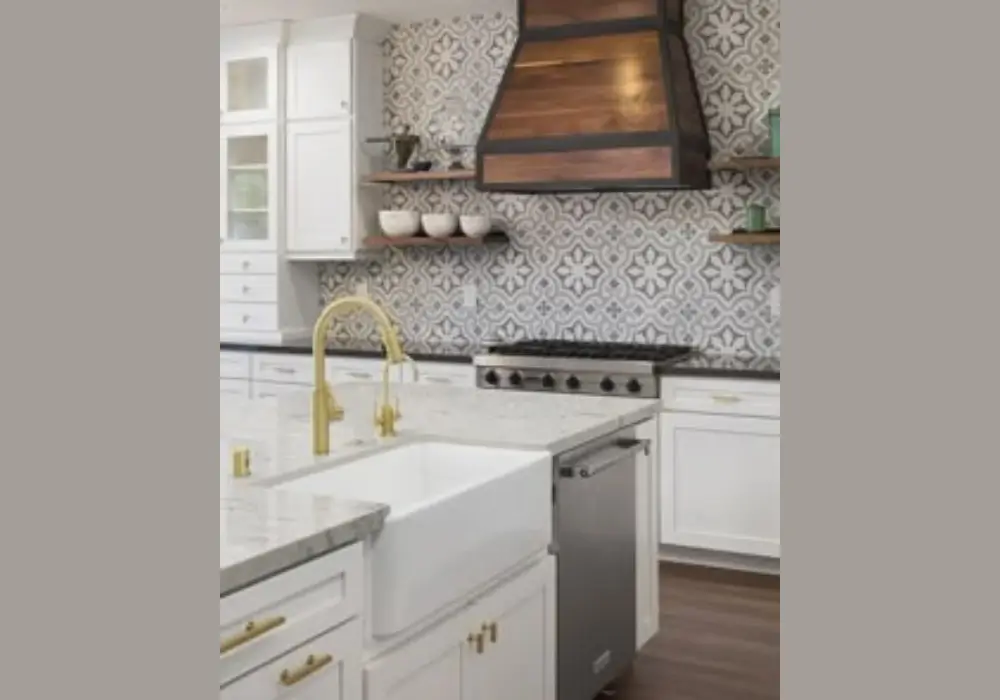
Patterned cement tiles instantly become the focal point of a kitchen wall. Whenever I want to introduce personality into a kitchen design, these tiles offer a powerful visual solution. Their intricate patterns create a decorative element that feels artistic.
Many cement tiles feature geometric or Mediterranean-inspired motifs. These repeating designs add energy while still maintaining structure and balance in the kitchen.
When paired with neutral cabinets and simple lighting, patterned cement tiles stand out even more. Proper sealing also helps protect them from stains and moisture, making them suitable for kitchen environments.
8. Fish Scale Tile Design
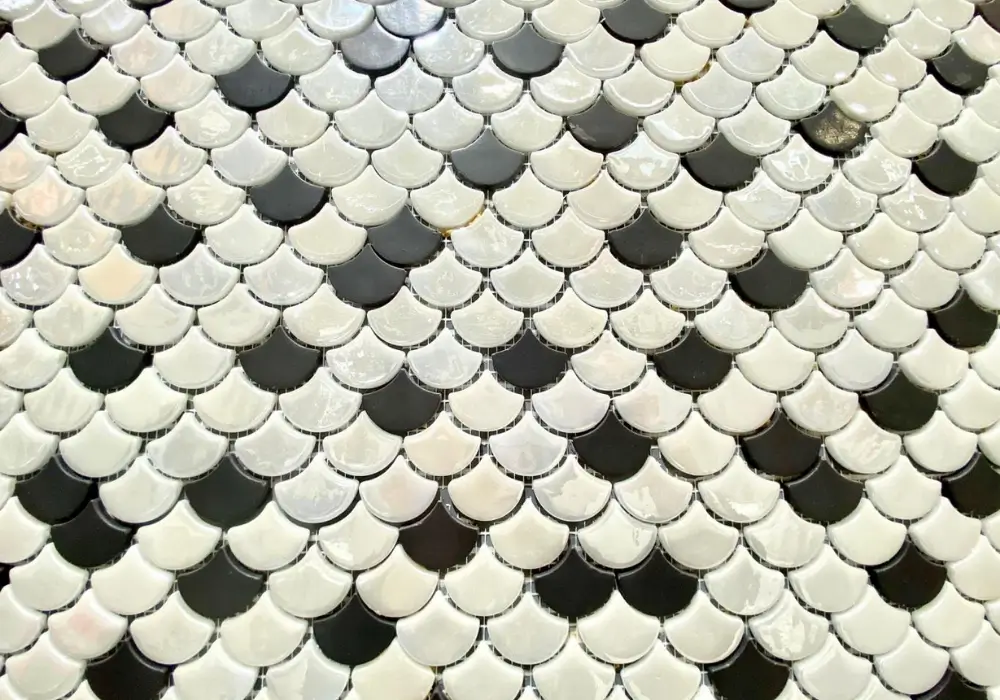
Fish scale tiles create a soft flowing pattern that looks elegant and decorative. I often see them used when a kitchen design needs a touch of visual softness instead of sharp geometric shapes.
The curved shape resembles overlapping scales, which produces a gentle wave-like pattern across the wall. This design adds movement while maintaining a calm and balanced appearance.
Glossy finishes enhance the beauty of fish scale tiles because they reflect light across the curved surfaces. Colors such as teal, pearl white, and sea green often highlight this pattern beautifully.
9. Matte Black Tile Design
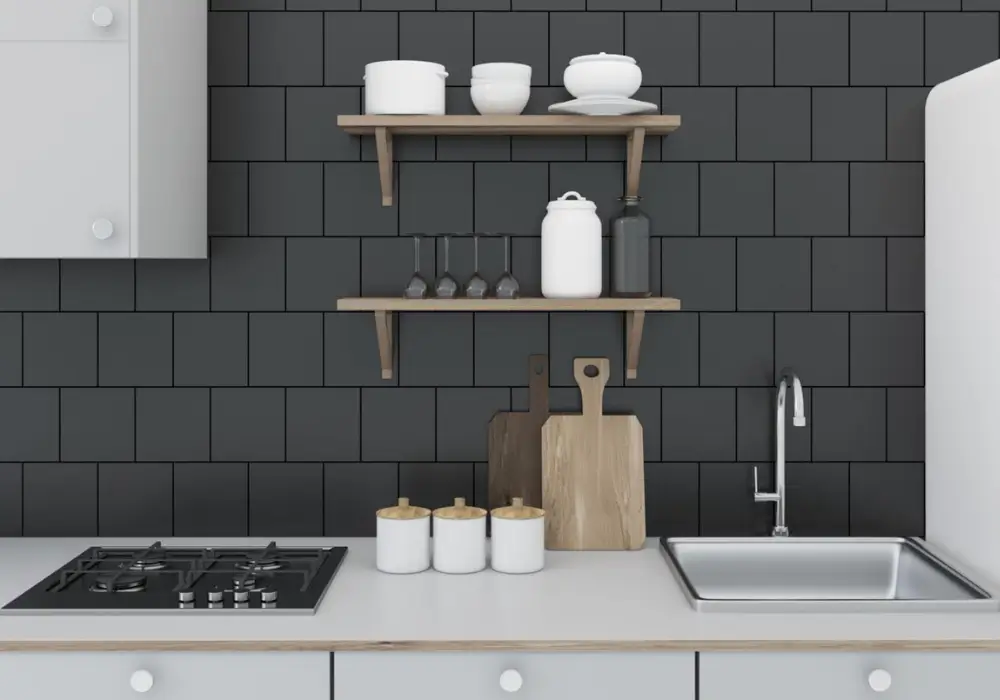
Matte black tiles introduce a bold and modern character into the kitchen. Whenever I see them used in a backsplash, the design immediately feels more dramatic and contemporary. The dark tone creates strong contrast against lighter cabinets.
Many modern kitchens combine matte black tiles with brass or gold hardware. This combination produces a striking balance between dark surfaces and warm metallic accents.
Matte finishes also provide practical advantages. They tend to hide fingerprints and minor smudges better than glossy tiles, which helps the kitchen maintain a cleaner appearance.
10. Mosaic Tile Design
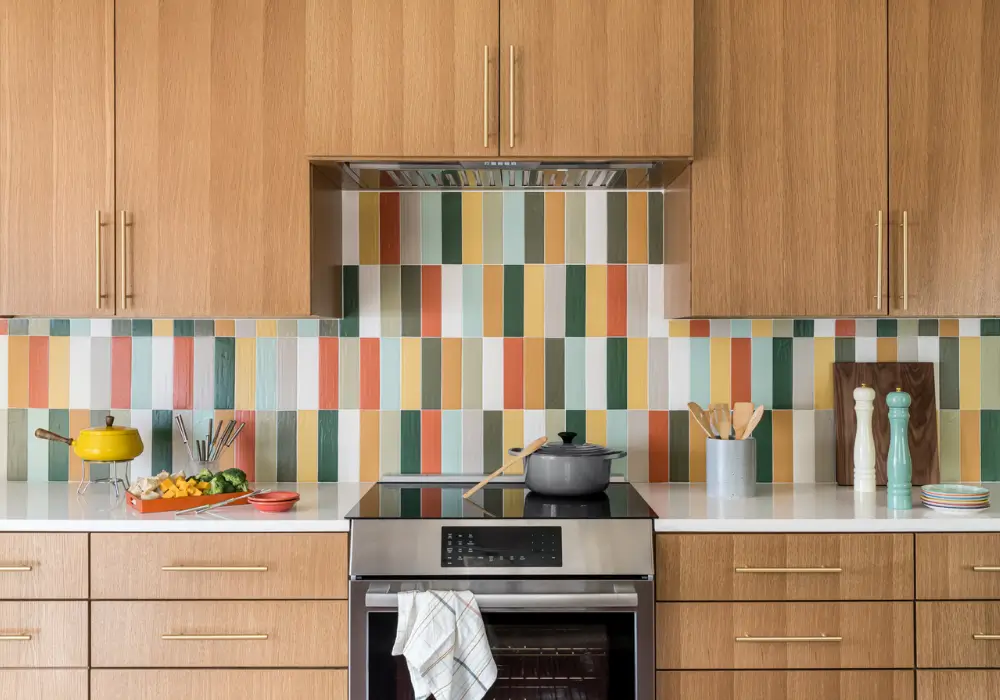
Mosaic tiles offer endless design possibilities for kitchen walls. I often recommend them when homeowners want to add texture and color variation to their backsplash. Because mosaics use small pieces, they can create detailed and artistic patterns.
These tiles can combine materials such as glass, stone, and ceramic. The mixture of textures often produces a backsplash that feels layered and visually interesting.
Another advantage of mosaic tiles is their flexibility in design. They work well in both modern and traditional kitchens, allowing homeowners to experiment with subtle patterns or bold color combinations.
Smart Tips for Choosing the Right Kitchen Tile Design
Selecting the right tile design for a kitchen requires careful thinking about both appearance and practicality. When I evaluate different kitchens, I always start by considering how the tile will interact with cabinets, countertops, and lighting. A design that looks beautiful on its own should also blend naturally with the rest of the kitchen.
Durability also plays a major role. Kitchen walls and backsplashes face heat, moisture, and frequent cleaning, so choosing materials that handle daily use is essential. Porcelain, ceramic, and natural stone tiles often perform well because they resist stains and remain easy to maintain.
Match Tiles With Your Kitchen Style
Every kitchen has a distinct style, and the tile design should support that theme. In modern kitchens, I usually recommend simple geometric tiles, marble patterns, or large neutral surfaces that maintain a clean look.
Traditional kitchens often benefit from classic designs such as subway tiles or patterned cement tiles. Matching the tile style with the overall kitchen concept helps create a more unified and intentional interior.
Choose Durable and Easy-to-Clean Materials
Kitchen tiles should handle daily cooking activity without losing their appearance. I prefer materials that resist stains, moisture, and heat because they make maintenance easier.
Ceramic and porcelain tiles remain popular because they provide strength while staying affordable. These materials allow homeowners to enjoy attractive designs without worrying about frequent repairs or replacements.
Select the Right Tile Size for Your Space
Tile size can influence how spacious a kitchen appears. Larger tiles create fewer grout lines, which often makes the wall look cleaner and more continuous.
Smaller tiles, such as mosaics, add texture and detail. I usually suggest using them in limited areas like backsplashes where they can become a subtle design highlight.
Balance Color, Texture, and Pattern
A successful kitchen design balances visual interest with simplicity. When tiles include strong patterns or bold colors, I often keep surrounding elements neutral so the design feels balanced.
Soft tones such as white, beige, or gray help create a calm kitchen environment. Meanwhile, accent tiles can introduce personality without overwhelming the overall design.
Consider Lighting and Kitchen Layout
Lighting changes how tile colors and textures appear throughout the day. I always observe how natural light interacts with the kitchen before choosing glossy or matte tiles.
In darker kitchens, reflective surfaces help brighten the space. In brighter kitchens, matte finishes often create a softer and more comfortable visual effect.
Conclusion
Kitchen tiles do far more than cover a wall or backsplash, they shape the character of the entire cooking space. When I evaluate a well-designed kitchen, the tile pattern often connects all the elements together, from cabinets to countertops and lighting.
The right design can introduce texture, color balance, and a sense of structure that improves both appearance and practicality.
Whether you choose classic subway tiles, elegant marble, or bold patterned options, thoughtful tile selection can transform an ordinary kitchen into a refined and welcoming space that remains functional for everyday cooking.
FAQs
Subway tiles, mosaic tiles, and marble tiles are among the most popular choices for kitchen backsplashes. They provide durability while also improving the visual appeal of the wall. Many homeowners prefer these options because they combine practicality with timeless style.
Patterned tiles can work well in small kitchens if they are used carefully. I usually recommend applying them in limited areas such as a backsplash or feature wall. This approach adds personality without making the kitchen feel crowded.
Neutral shades such as white, soft gray, and beige continue to remain popular in kitchen designs. These colors create a clean and timeless appearance that works with many cabinet styles. Recently, deeper tones like navy and forest green have also gained popularity.
Both finishes can work well depending on the kitchen environment. Glossy tiles reflect light and make smaller kitchens appear brighter, while matte tiles create a softer look and hide smudges more effectively.