

A kitchen can feel completely different depending on how natural light enters the space. I often notice that the right window design not only brightens the room but also improves ventilation and overall comfort.
Many homeowners focus on cabinets and appliances, yet windows quietly shape the atmosphere of the kitchen every day. When chosen thoughtfully, they can make the space feel larger, fresher, and more inviting.
In this guide, I will share practical kitchen window ideas that help improve light, airflow, and the overall look of your kitchen.
Creative Kitchen Window Ideas That Improve Light and Style
Kitchen windows do more than bring in daylight. I often see how the right window design improves ventilation and makes the kitchen feel more comfortable.
A well-placed window can also highlight the kitchen layout and create a brighter, more welcoming atmosphere.
1. Large Picture Kitchen Window
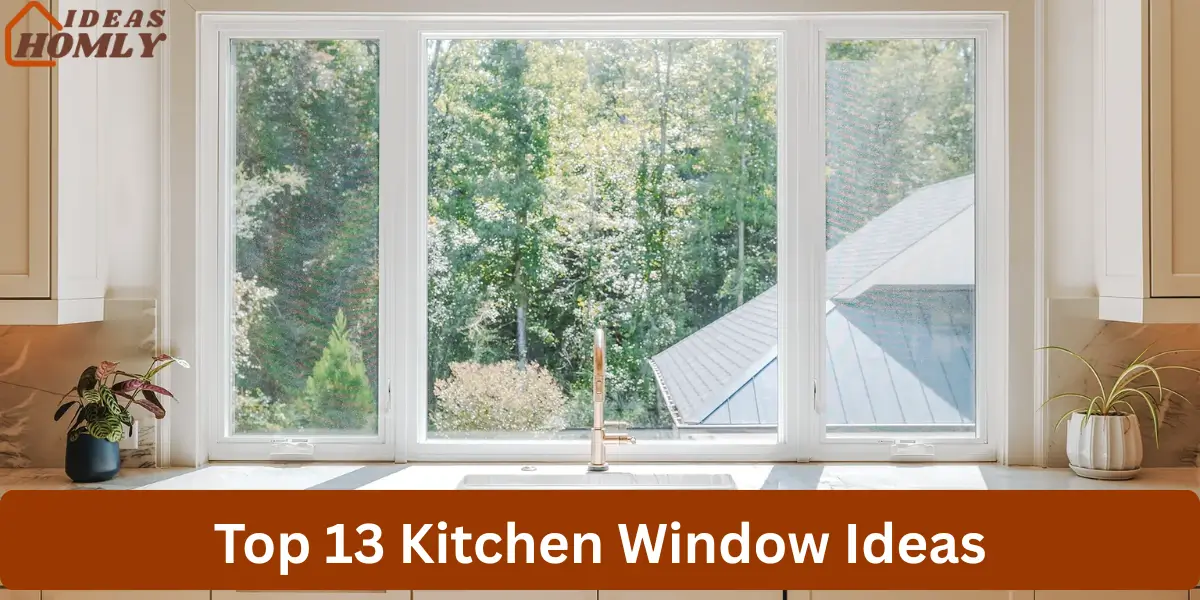
A large picture window is one of the most effective ways to bring natural light into a kitchen. I often recommend this design for homeowners who want a bright and open cooking space. The wide glass panel allows sunlight to enter freely and creates a clear view of the outdoors.
This type of window usually remains fixed, which means it does not open. However, its main purpose is to maximize light and provide an uninterrupted view.
In many kitchens I have seen, placing a picture window above the sink works beautifully. It makes everyday tasks more pleasant while brightening the entire room.
2. Garden Kitchen Window
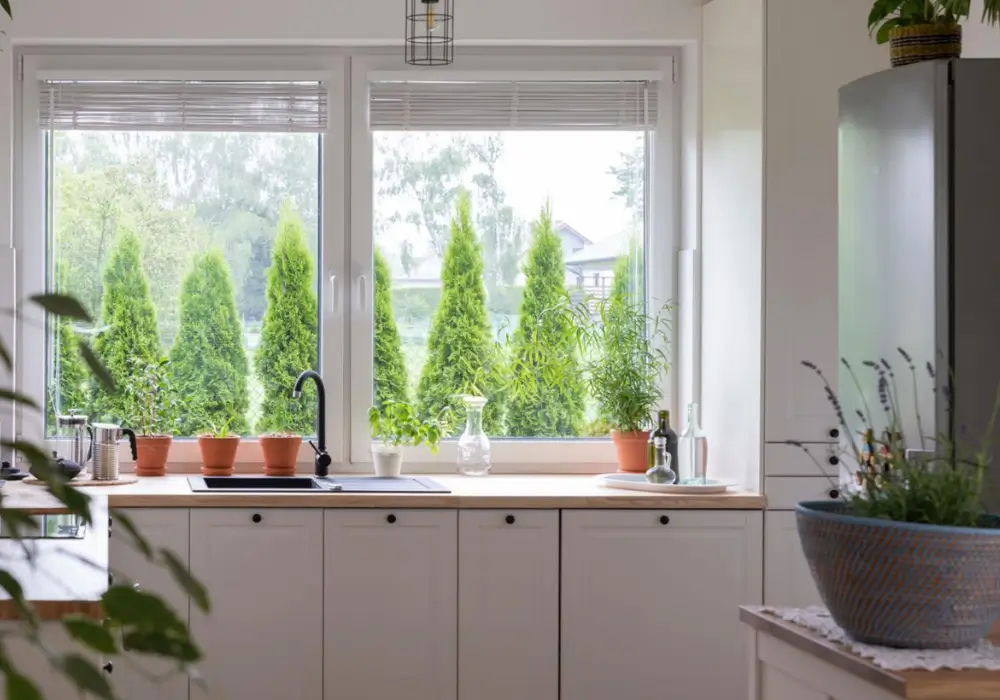
A garden window extends outward from the wall and creates a small shelf area inside the kitchen. I often suggest this design for homeowners who enjoy growing herbs or small indoor plants.
Because the window projects outward, sunlight reaches the plants from multiple angles. This design works perfectly for herbs such as basil, mint, and parsley.
Garden windows also make the kitchen feel more lively. The combination of natural light and greenery adds warmth and personality to the space.
3. Sliding Kitchen Window
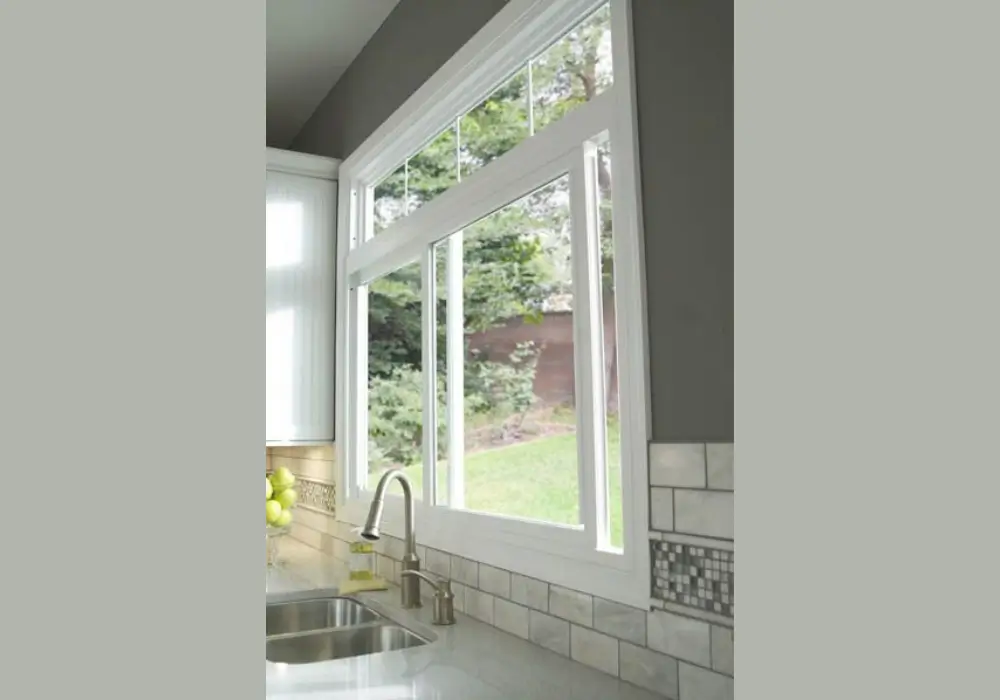
Sliding windows are a practical choice for many kitchens. I usually recommend them when space around the window is limited because the panels slide horizontally instead of opening outward.
This design allows fresh air to circulate easily, which is helpful when cooking. Good ventilation keeps the kitchen comfortable and reduces cooking odors.
Another advantage is simplicity. Sliding windows are easy to operate and require minimal maintenance, which makes them a reliable option for everyday use.
4. Bay Kitchen Window
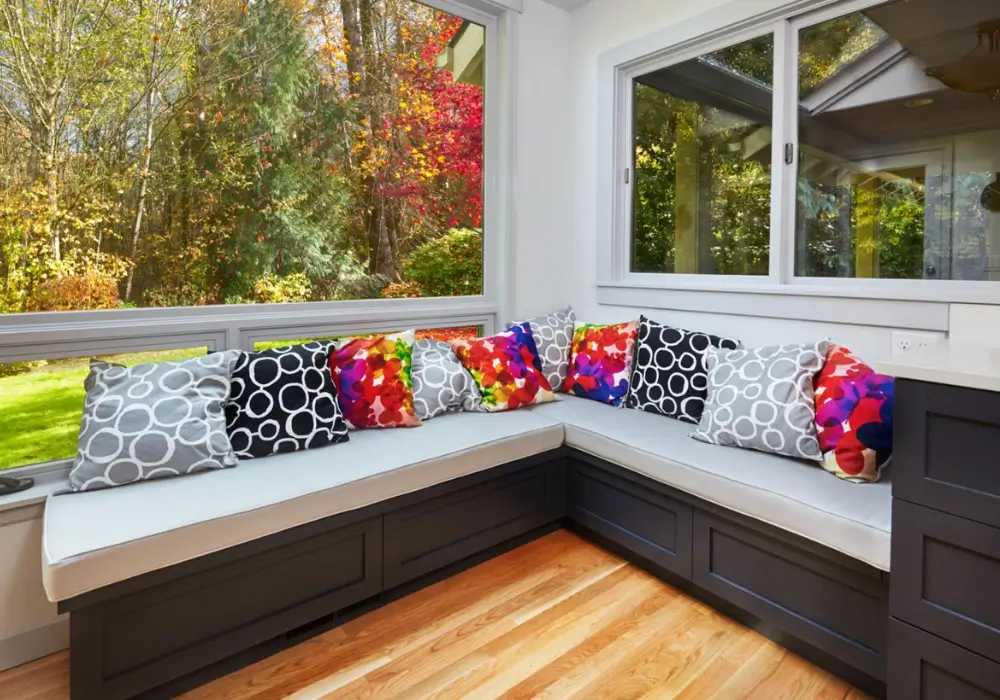
A bay window projects outward from the wall and creates additional space inside the kitchen. I often suggest this design when homeowners want to add character and depth to the room.
The extended structure allows sunlight to enter from multiple directions. This makes the kitchen feel brighter and more open.
Many homeowners use the extra space for decorative displays or seating. A bay window can easily become a cozy focal point in the kitchen.
5. Casement Kitchen Window
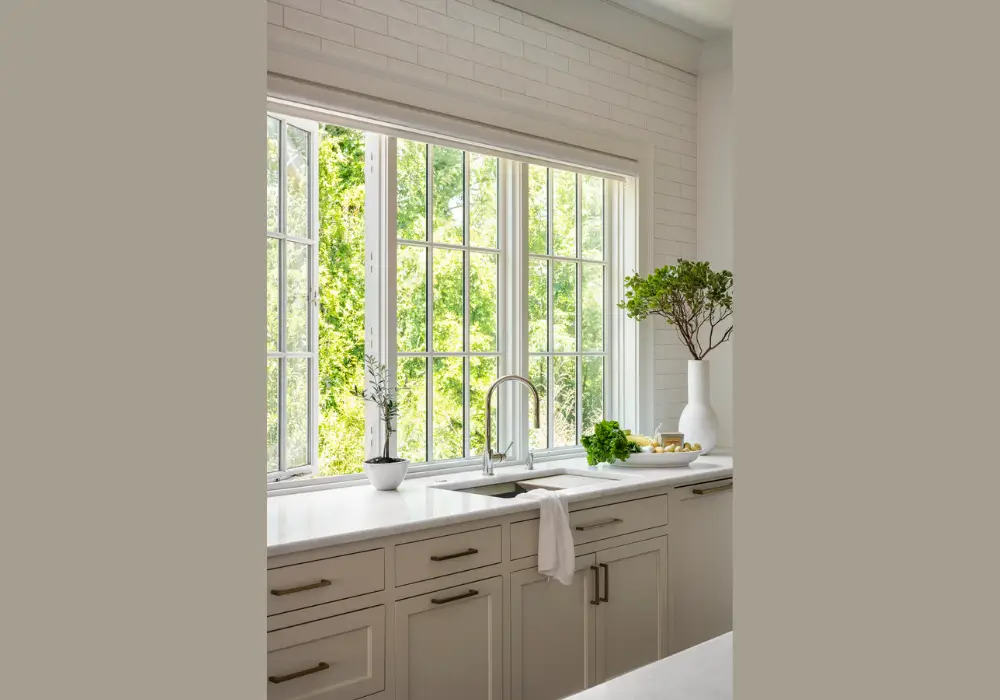
Casement windows open outward using a crank handle. I often recommend this design because it allows maximum airflow into the kitchen.
When fully opened, casement windows capture breezes and direct fresh air inside. This feature makes them especially useful near cooking areas.
Another benefit is the clear view they provide. Without central frames blocking the glass, the outdoor scenery remains visible and unobstructed.
6. Corner Kitchen Window
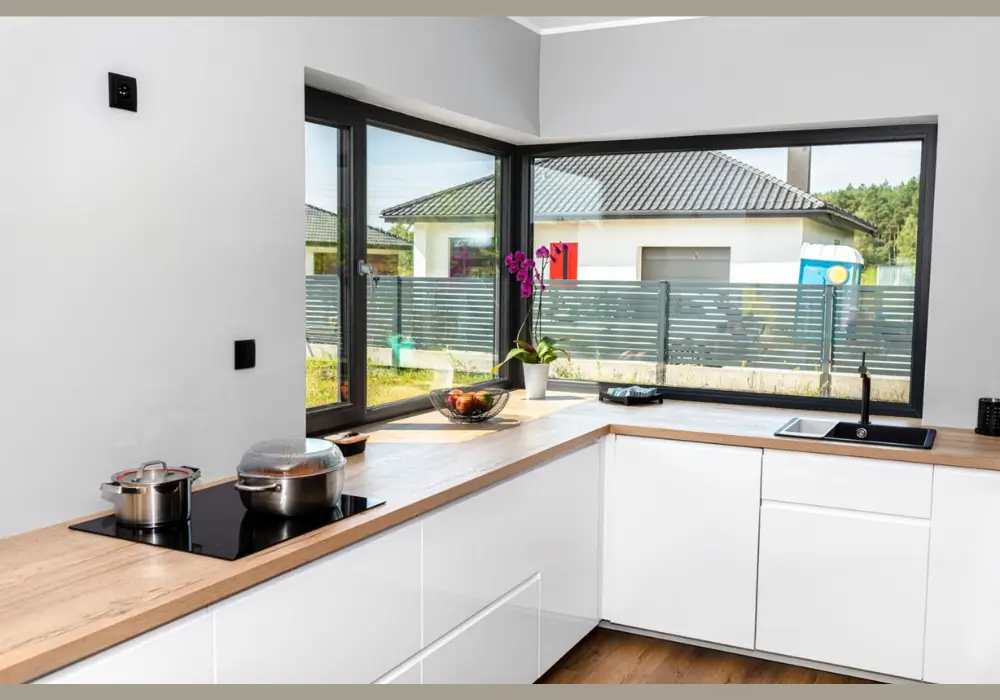
Corner windows create a unique architectural feature by joining two windows at a corner of the kitchen. I often suggest this design when homeowners want to increase natural lighting.
Because light enters from two directions, the kitchen feels brighter throughout the day. The open glass angles also create a modern appearance.
In many kitchens I have seen, corner windows make the space feel larger. They also highlight outdoor views and connect the interior with the surrounding environment.
7. Arched Kitchen Window
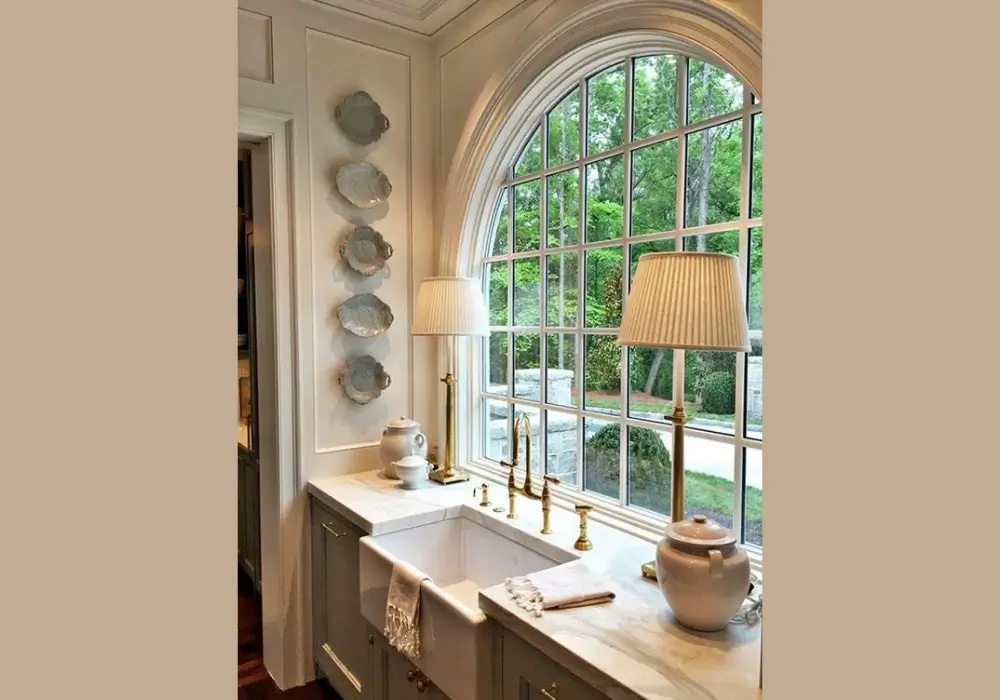
Arched windows introduce a soft architectural detail that adds elegance to the kitchen. I often recommend them in traditional or farmhouse-style interiors.
The curved shape breaks the straight lines usually found in cabinets and countertops. This design creates visual balance within the room.
Even when the window size remains modest, the arch draws attention and becomes a decorative feature. It adds character without overwhelming the overall design.
8. Black Frame Kitchen Window
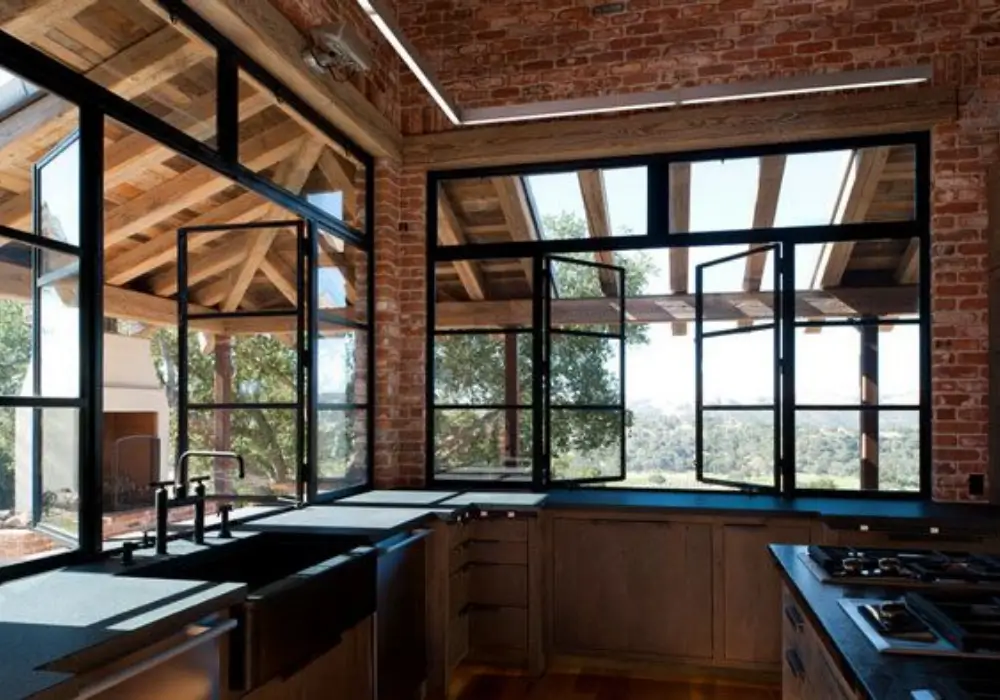
Black frame windows create strong visual contrast in modern kitchens. I often suggest this style for homeowners who prefer a bold and contemporary look.
The dark frame outlines the glass and emphasizes the shape of the window. It pairs especially well with white cabinets and light-colored walls.
This design also fits beautifully in industrial-style kitchens. The contrast between the dark frame and bright interior creates a clean, modern appearance.
9. Window with Built-In Shelf
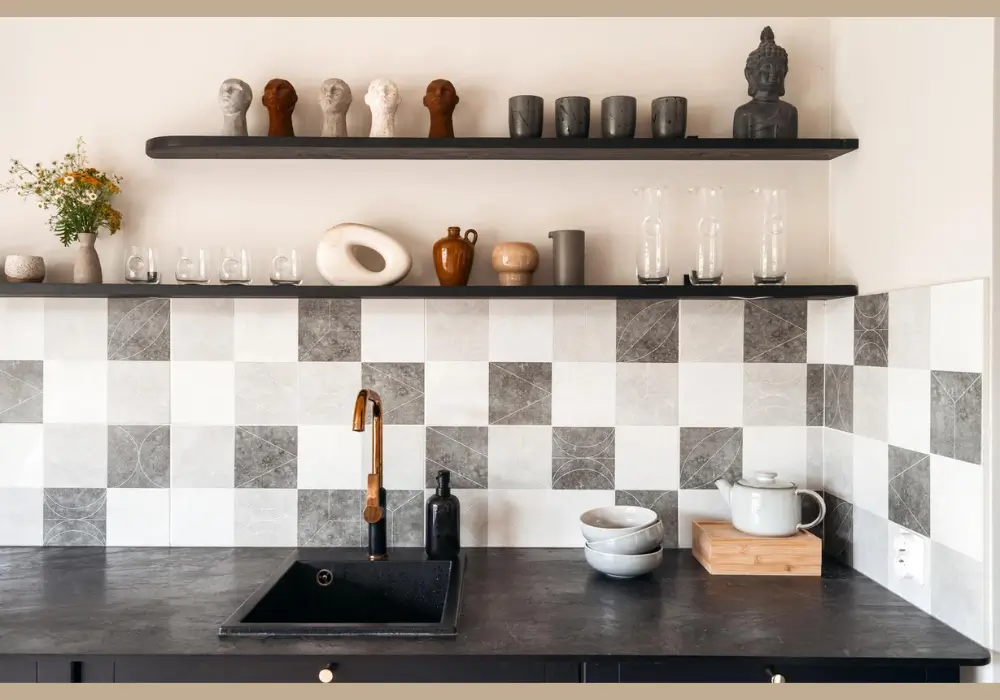
Adding a shelf inside the window area can make the space more functional. I often recommend installing a narrow shelf for small plants, spice jars, or decorative items.
This feature transforms the window into both a lighting source and a storage area. It also helps personalize the kitchen with small decorative touches.
In several kitchens I have seen, window shelves become the perfect place for herbs or small kitchen accessories. The sunlight keeps plants healthy while adding color to the room.
10. Frosted Glass Kitchen Window
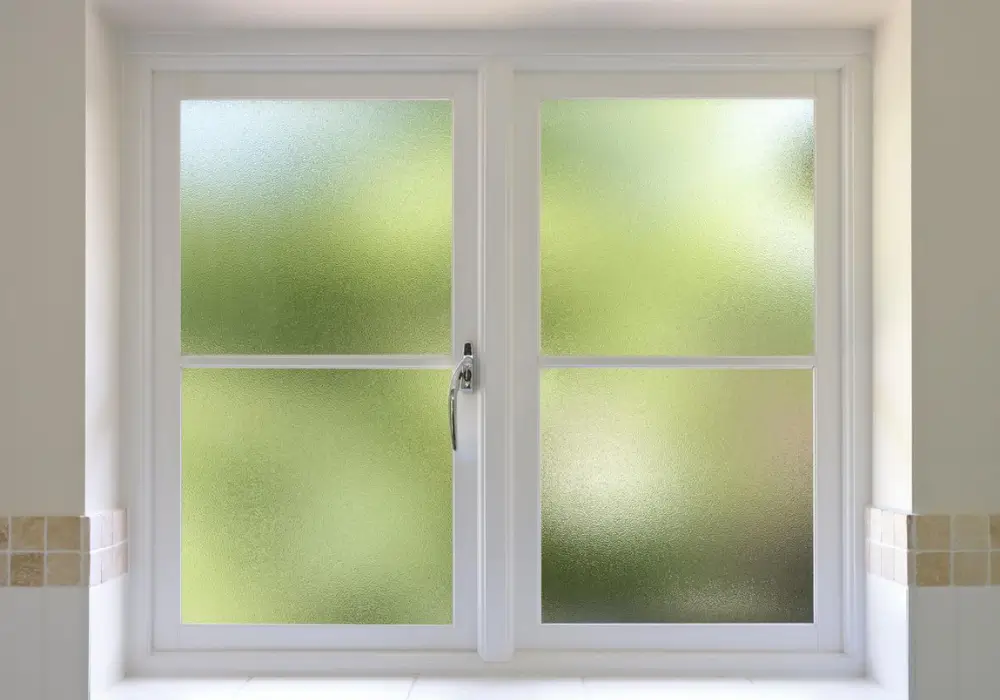
Frosted glass windows provide privacy while still allowing natural light to enter. I often recommend this design for kitchens that face neighboring houses or busy streets.
The textured surface diffuses light softly throughout the kitchen. This effect creates brightness without exposing the interior.
Many homeowners choose frosted windows for areas near the sink or cooking space. The design balances privacy, lighting, and practicality in a simple way.
11. Double Hung Kitchen Window
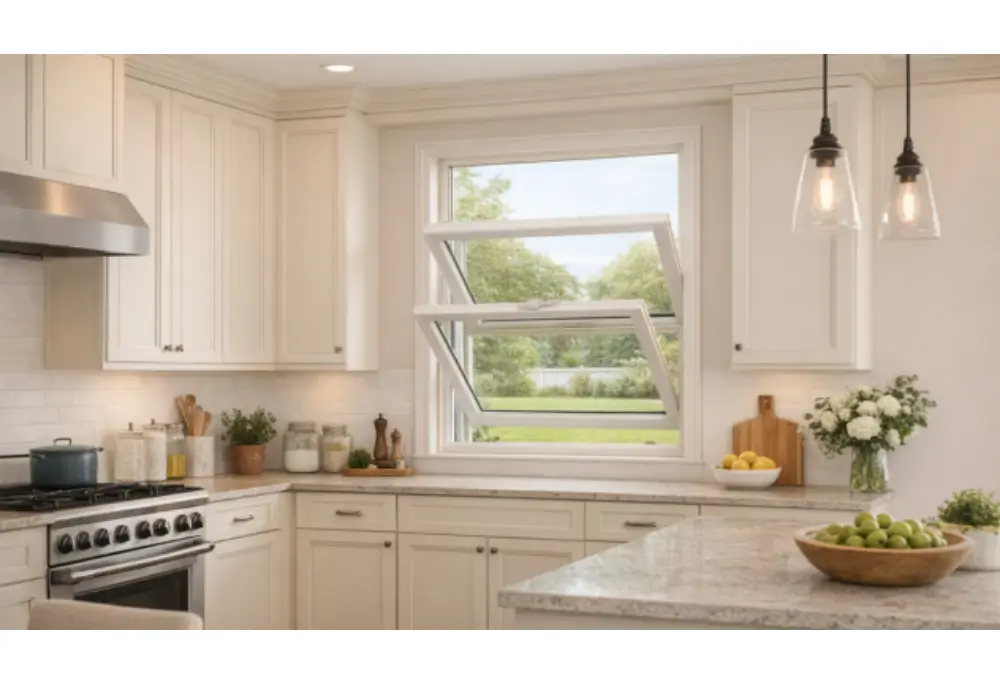
Double hung windows remain a classic option for many kitchens. I often recommend this design because it combines traditional style with practical ventilation. The window includes two movable panels that slide vertically.
Homeowners can open either the top or bottom section to allow fresh air into the kitchen. This flexibility helps improve airflow, especially while cooking.
Another advantage is easy maintenance. Many modern double hung windows tilt inward, which makes cleaning both sides of the glass much easier from inside the kitchen.
12. Floor-to-Ceiling Kitchen Window
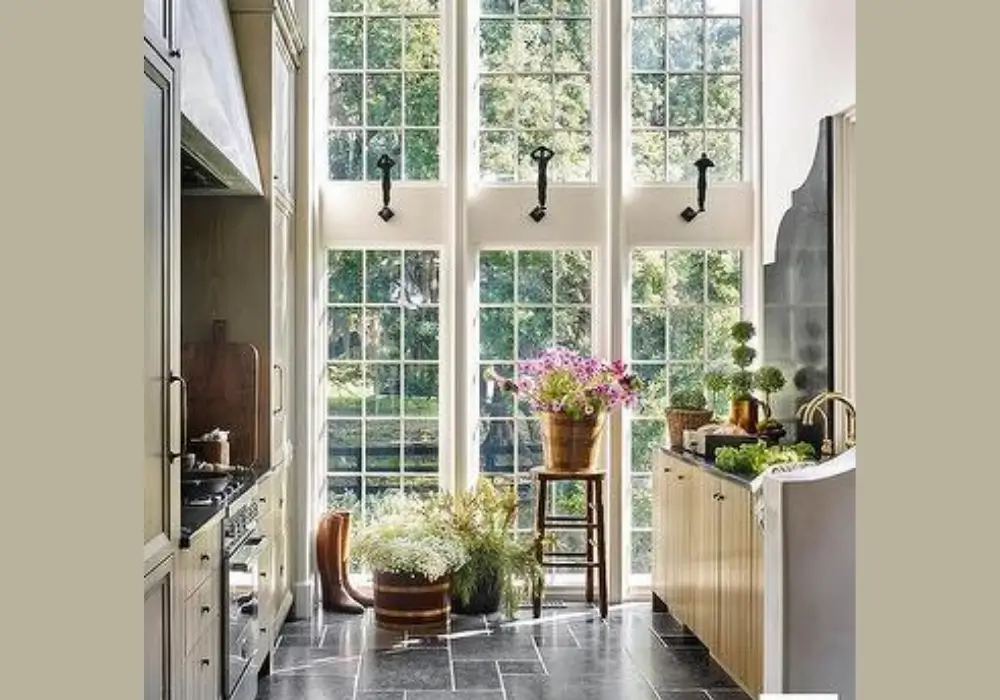
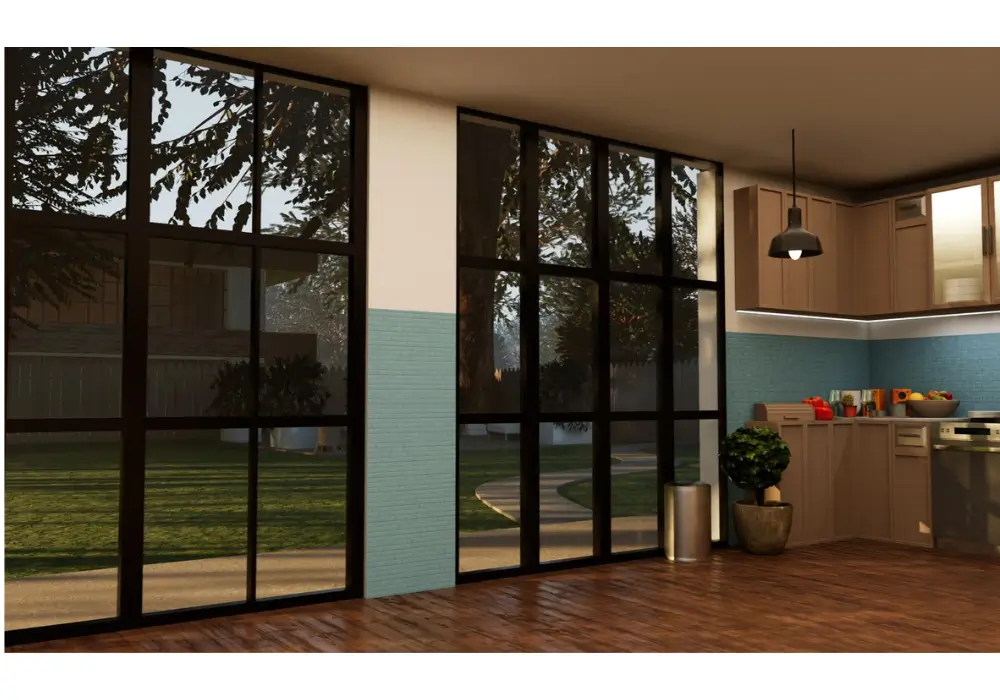
Floor-to-ceiling windows create a dramatic visual effect in the kitchen. I often suggest this design for homes that want to maximize natural light and outdoor views.
The tall glass panels allow sunlight to flood the entire kitchen, which makes the space feel larger and more open. This design also creates a strong connection between the kitchen and the outdoor environment.
In many modern homes I have seen, floor-to-ceiling windows become the highlight of the kitchen. They turn the wall into a bright architectural feature that transforms the atmosphere of the room.
13. Kitchen Window with Roman Shades
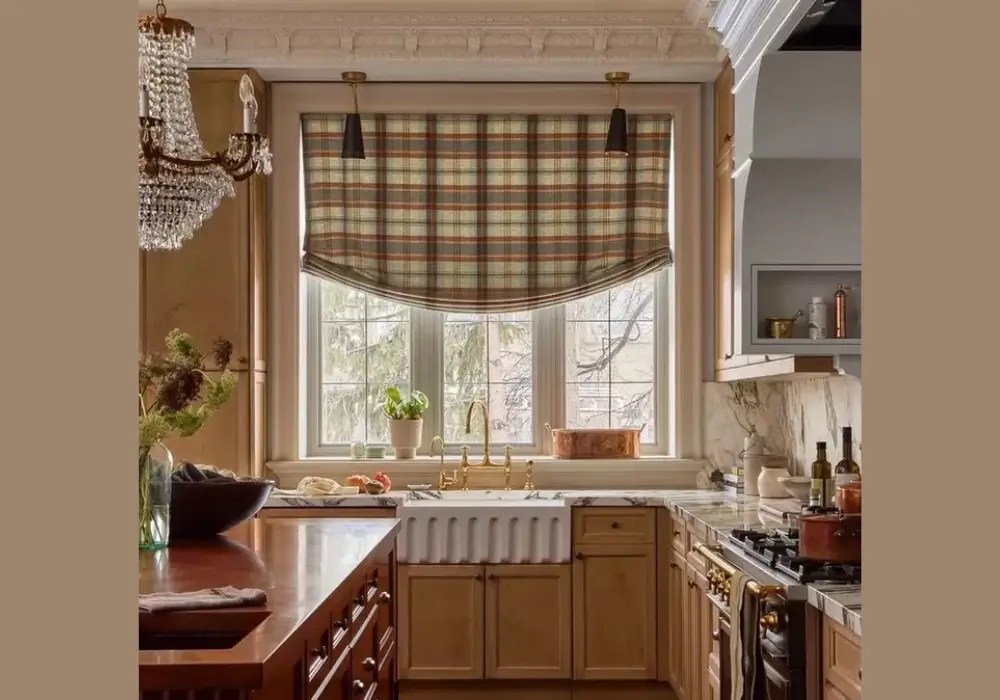
Roman shades provide a stylish way to control light and privacy in the kitchen. I often recommend them when homeowners want a soft decorative touch around the window.
Unlike traditional blinds, Roman shades fold neatly into fabric layers when raised. This creates a clean and elegant appearance that works well in many kitchen styles.
The variety of fabrics and patterns also allows homeowners to match the shade with the kitchen color scheme. When chosen carefully, Roman shades can complement cabinets, countertops, and overall decor.
Smart Tips for Choosing the Right Kitchen Window
Choosing the right kitchen window involves more than selecting a style that looks attractive. I often suggest focusing on how the window will improve lighting, ventilation, and the overall comfort of the kitchen. A well-chosen window can brighten the space while making daily cooking tasks more enjoyable.
Another important step is matching the window design with the kitchen layout. When the window size, placement, and material work together with cabinets and countertops, the kitchen feels balanced and more functional.
Consider Natural Light and Kitchen Layout
Natural light plays a major role in how a kitchen feels throughout the day. I usually recommend placing windows where they can capture sunlight without interfering with cabinets or appliances. Proper placement can make the entire kitchen feel brighter and more open.
Choose Windows That Improve Ventilation
Good airflow is essential in a kitchen because cooking often produces heat and odors. Windows that open easily, such as sliding or casement styles, allow fresh air to circulate and keep the space comfortable.
Match Window Style with Kitchen Design
The window style should complement the overall kitchen design. I often see modern kitchens benefit from large glass panels or black frames, while traditional kitchens work well with classic window shapes.
Add Functional Elements Like Shelves or Shades
Adding shelves, shades, or simple decorative details can make a kitchen window more useful. Window shelves provide space for plants or small decor items, while shades help control sunlight and privacy.
Select Durable Window Materials
Kitchen environments experience heat, moisture, and frequent use. Because of this, I suggest choosing durable window materials such as vinyl, aluminum, or treated wood that can withstand daily conditions.
Kitchen Window Type Comparison
| Window Type | Best For | Key Benefit |
|---|---|---|
| Picture Window | Bright kitchens | Maximizes natural light |
| Garden Window | Plant lovers | Ideal for herbs and small plants |
| Sliding Window | Compact spaces | Easy operation and ventilation |
| Bay Window | Decorative kitchens | Adds depth and extra space |
| Casement Window | Ventilation needs | Allows strong airflow |
| Frosted Glass Window | Privacy areas | Lets light in while maintaining privacy |
Conclusion
A well-chosen kitchen window can completely change how the space feels and functions. I often notice that the right window design brings in more natural light, improves airflow, and makes the kitchen feel more open and comfortable.
Whether it is a large picture window, a practical sliding window, or a decorative bay window, each option can add both style and usefulness to the room. The key is selecting a design that matches the kitchen layout while supporting everyday activities.
When lighting, ventilation, and aesthetics come together, the kitchen naturally becomes a brighter and more enjoyable place to cook and gather.
FAQs
The best window style depends on the kitchen layout and ventilation needs. I often recommend sliding or casement windows because they open easily and allow fresh air to circulate. Large picture windows also work well when the goal is to bring in more natural light.
Many kitchens place windows above the sink because it allows natural light to reach the main work area. This position also makes everyday tasks more pleasant. Proper placement should also consider cabinet layout and outdoor views.
Yes, ventilation is very important in a kitchen. Cooking produces heat, steam, and odors that need to escape. Windows that open, such as sliding or casement styles, help maintain airflow and keep the kitchen comfortable.
Large picture windows and floor-to-ceiling windows usually allow the most natural light. These designs include wide glass panels that brighten the entire kitchen. I often see them used in modern homes that emphasize open and airy interiors.