
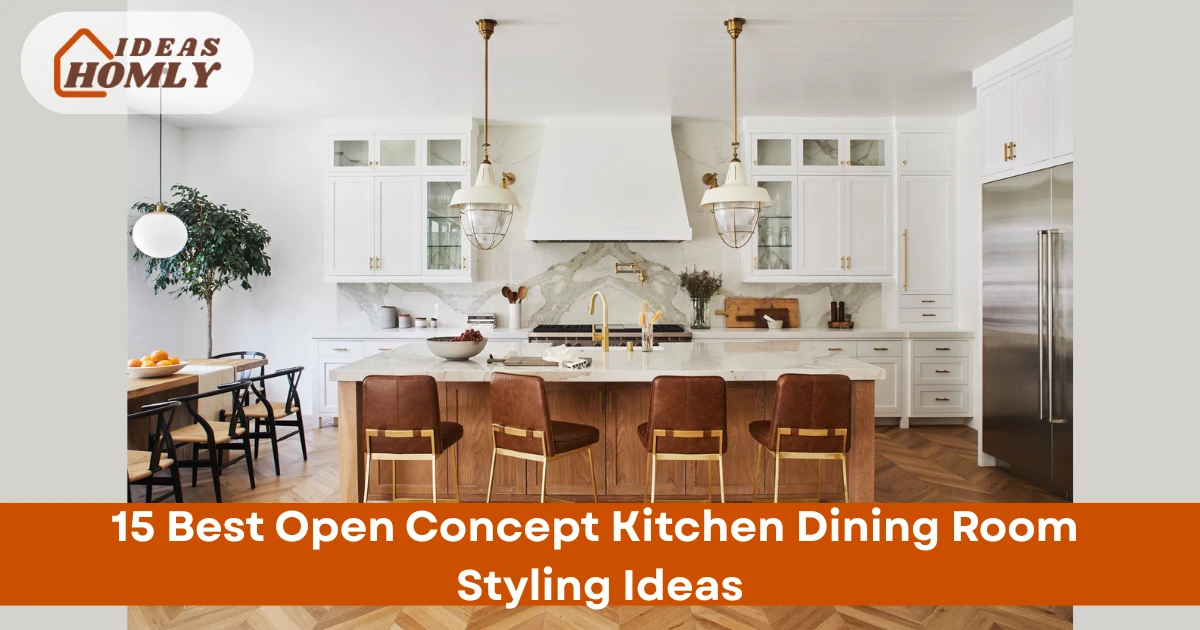

We know how hard it is to make an open layout feel cozy when your kitchen table looks like it is floating in a giant basketball court. Large open spaces need clear boundaries so your dining chairs do not accidentally end up drifting into your food preparation zone.
We found that the best way to fix this layout problem is by planning your walking paths before buying any new furniture. You want at least 3 feet of open space between your kitchen island and your dining table so guests can walk past without squeezing.
Our team learned that placing a large area rug under the dining set instantly creates a separate room feel without using a single physical wall. The rug acts as a visual border that anchors your table and tells the eye exactly where the kitchen ends and the dining room begins.
Good layout design means keeping your furniture heights varied so your sightlines across the kitchen and dining areas remain interesting. Low profile chairs paired with a substantial wooden table keep the view open while establishing a strong sense of purpose in the room.
Why Shared Cooking And Dining Spaces Work Beautifully
We love how open layouts bring people together by removing physical barriers between the person cooking dinner and the guests waiting at the table. This setup ensures that nobody feels isolated in a separate room while prepping meals or cleaning up after a family gathering.
Our team noticed that combining these two zones allows natural light from your dining windows to flood deep into your food preparation areas. This extra brightness makes your entire home feel much larger and creates an inviting atmosphere that dark closed kitchens simply cannot replicate.

Best Choice Products 3-Piece Modern Dining Set, Space Saving Dinette for Kitchen, Dining Room, Small Space w/Steel Frame, Built-in Storage Rack - Gray/Black
Best Choice Products 3-Piece Modern Dining Set, Space Saving Dinette for Kitchen, Dining Room, Small…
We find that a shared layout offers incredible flexibility because you can easily expand your dining seating into the kitchen space during large holiday parties. You are never restricted by tight wall boundaries when you need to add an extra table leaf for dinner guests.
This modern design choice simplifies your daily routine by keeping your clean up sink just a few quick steps away from your eating surface. It streamlines the process of serving fresh hot food directly from your stove to your family table without awkward hallway trips.
1. Parallel Island and Rectangular Table Layouts
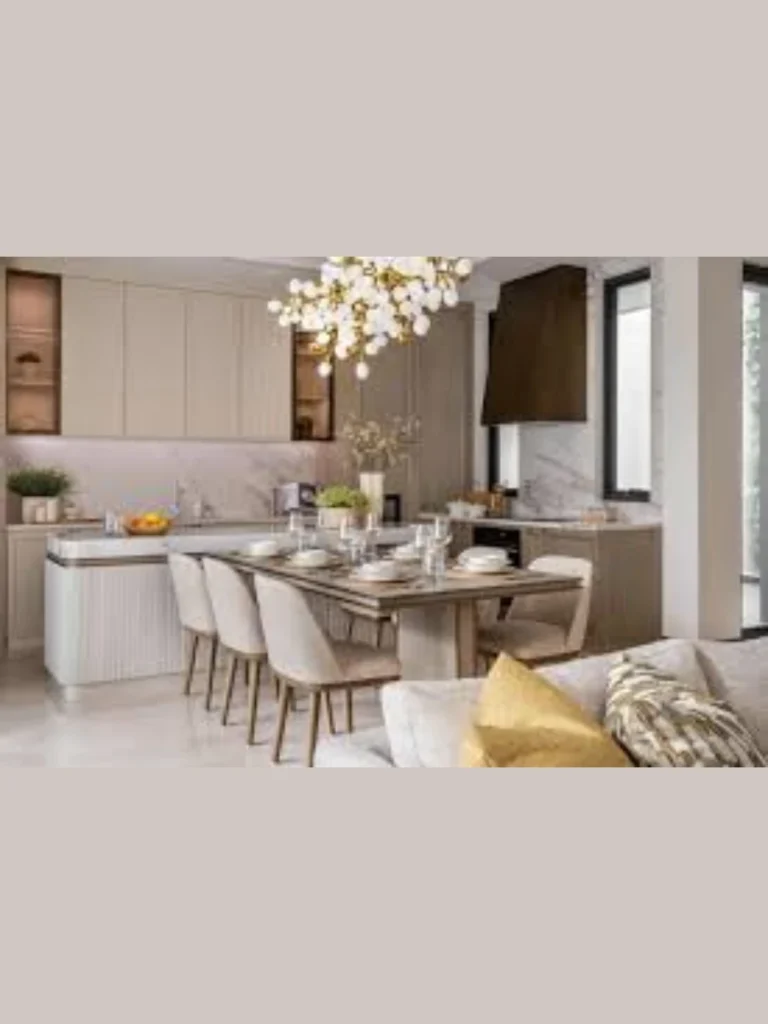
We love placing a long rectangular dining table parallel to a kitchen island because this setup creates a clean and balanced look. This layout works perfectly for long rooms since it mirrors the straight lines of your kitchen cabinets and keeps traffic moving smoothly.
Our experience shows that this arrangement maximizes your floor space while creating a clear direct path for your family and guests. You can easily serve food straight from the counter to the table without walking around any awkward furniture obstacles.
We recommend leaving exactly 4 feet of space between the island stools and the dining chairs to avoid a cramped feeling. This distance ensures that someone can sit at the island while someone else comfortably pulls out a dining chair.
Choosing a table that matches the exact length of your island creates a pleasing symmetry that makes the room feel organized. This visual alignment anchors the center of your home and makes the transition between cooking and eating feel completely natural.
2. Round Tables for Small Open Spaces
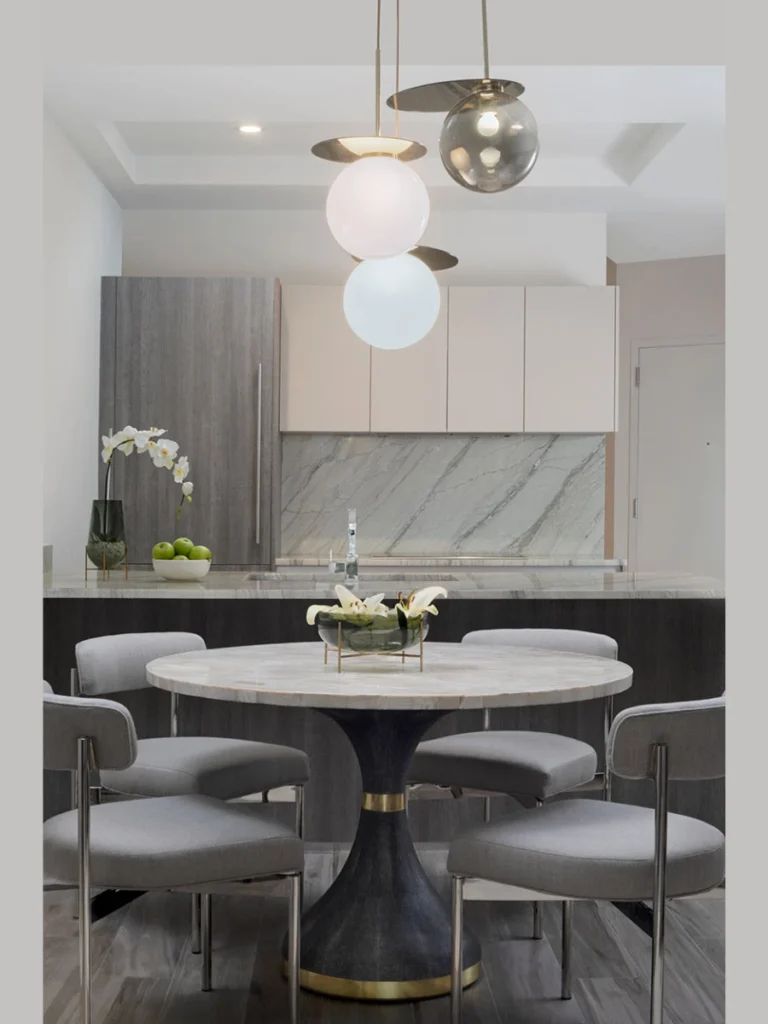
Our favorite trick for tight square spaces is choosing a round dining table and placing it off center from your main cooking zone. Round tables soften the sharp corners of your kitchen counters and create a relaxed flow that makes small open layouts feel much larger.

IDEALHOUSE 71" Tall Pantry Cabinet with Countertop & LED Light Strip – Kitchen Storage Cabinet with Microwave Shelf & Adjustable Shelves, Farmhouse Kitchen Hutch for Dining Room, Oak
IDEALHOUSE 71" Tall Pantry Cabinet with Countertop & LED Light Strip – Kitchen Storage Cabinet…
We find that round tables are excellent for traffic flow because they remove sharp corners that people might bump into. Guests can easily navigate around the seating area without disrupting the overall layout or blocking access to the refrigerator.

Jocoevol Extendable Round Dining Table for 4-8, Round to Oval Dining Table with Open Storage Shelf, Space Saving Expandable Kitchen Table, Modern Design for Apartments & Dining Rooms,Grey
Jocoevol Extendable Round Dining Table for 4-8, Round to Oval Dining Table with Open Storage…
A round pedestal table works best here because it allows you to tuck the dining chairs completely under the surface. This space saving feature keeps your walkways clear during the day when the eating area is not being used.
We suggest placing a round woven rug underneath the table to emphasize the circular shape and define the dining zone beautifully. This contrast against the rectangular lines of kitchen cabinets adds a wonderful layer of visual interest to your open home.
3. Low Profile Sofa Backing Arrangements
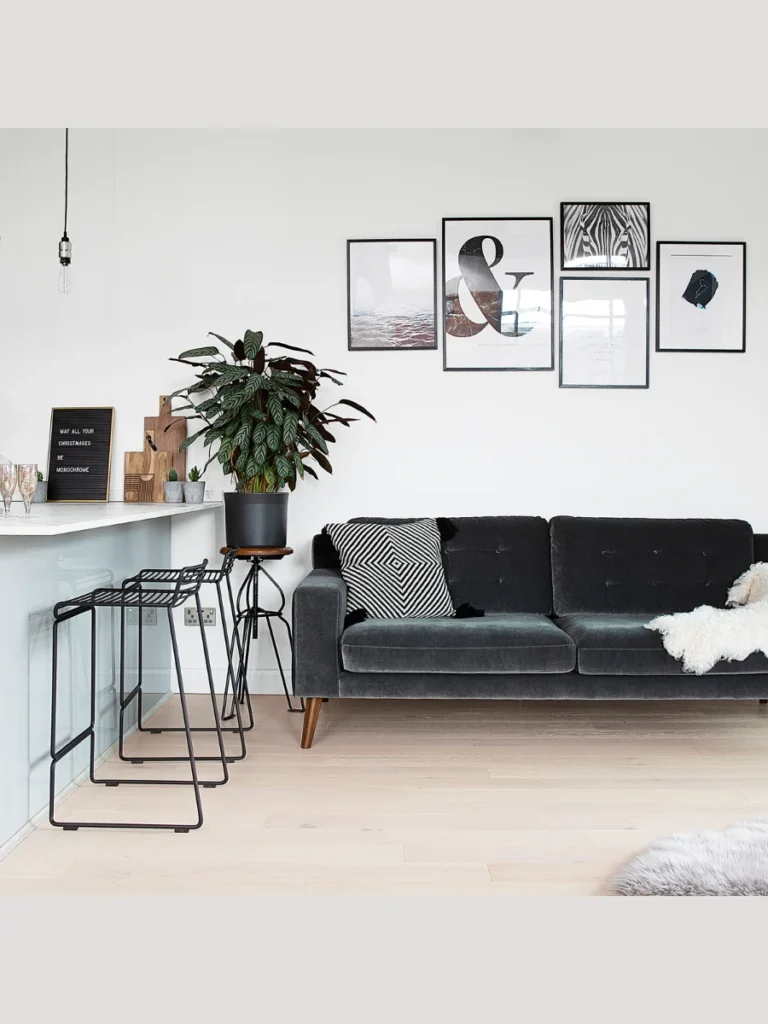
We often position a low back sofa with its backside facing the kitchen island to build an invisible barrier between cooking and relaxing. This layout creates three distinct zones in one large space while keeping the open conversation flowing between the cook and the guests.
Our team noticed that keeping the sofa back low is essential so you do not block the natural light. A tall sofa cuts the room in half visually and ruins the spacious open atmosphere you want to achieve.
You can place a narrow console table directly behind the sofa to bridge the gap between the living and dining areas. This console table provides a perfect spot for lamps or decor pieces that tie both sides of the room together.
This arrangement works best if you keep the fabric colors of your sofa neutral to blend with your kitchen cabinetry. It keeps the transition smooth and prevents the living furniture from competing with your beautiful kitchen dining design elements.
4. T Zone Furniture Configurations
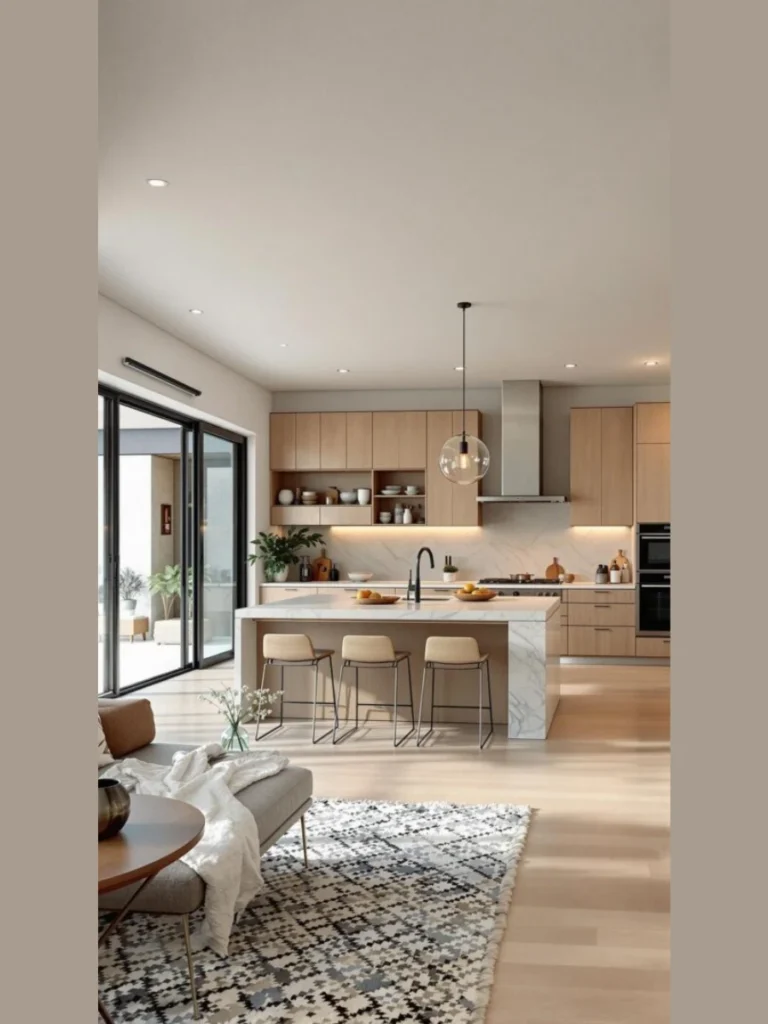
We suggest arranging your dining table perpendicular to the center of your kitchen island to create a classic T shape layout. This configuration turns your kitchen island into a natural extension of the dining table and works beautifully for casual entertaining.
Our design testing shows that this setup is perfect for narrow homes where you do not have space for separate zones. It focuses all your social activity into one central hub where family members can talk easily during meal prep.
You should use the same countertop material for both the island and the attached dining table to create a seamless look. Alternatively you can use a thick wood slab for the table part to introduce warmth against stone countertops.

Best Choice Products 3-Piece Modern Dining Set, Space Saving Dinette for Kitchen, Dining Room, Small Space w/Steel Frame, Built-in Storage Rack - Medium Brown/Black
Best Choice Products 3-Piece Modern Dining Set, Space Saving Dinette for Kitchen, Dining Room, Small…
This layout requires built in or low profile seating on the island side so the view remains completely clear and uncluttered. It streamlines your daily routine by keeping your clean up area just steps away from where your family eats.
5. Dual Purpose Workspace Dining Areas
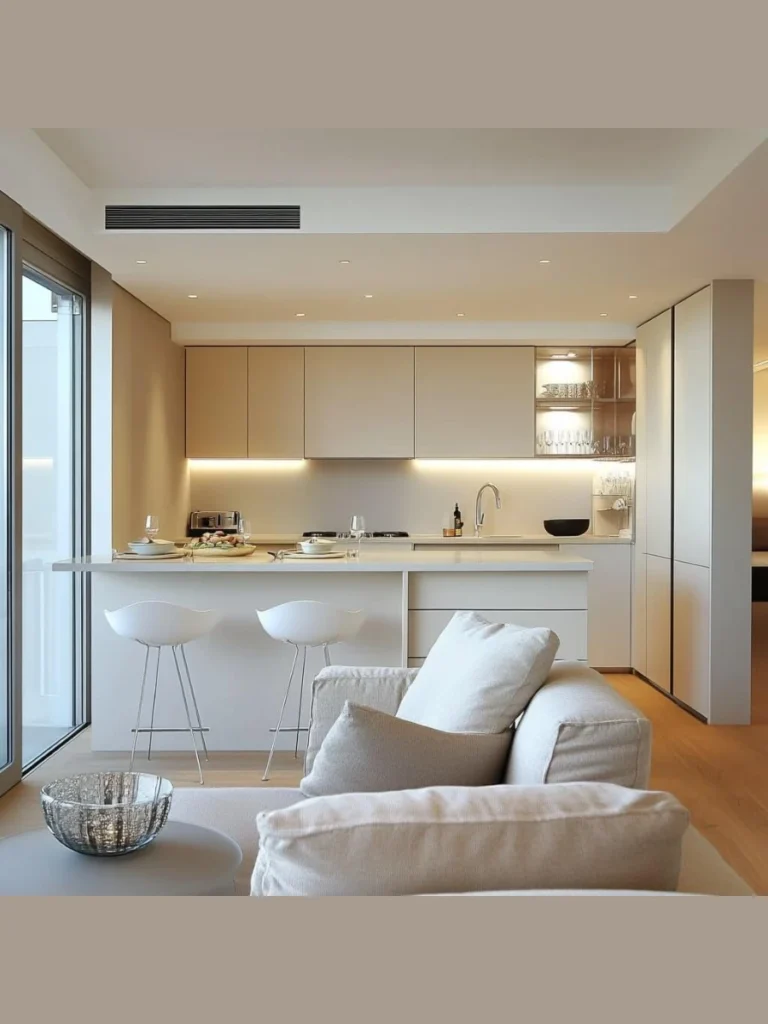
We recommend selecting a heavy duty wooden dining table that can easily double as a large home office desk during the day. This setup is ideal for open concept homes where every piece of furniture must perform multiple duties without looking cluttered.

We suggest using comfortable upholstered dining chairs that offer excellent back support for long hours of sitting and working. This choice ensures your dining area functions like a professional workspace without losing its cozy evening dinner party appeal.
You can install hidden floor outlets directly under the table location to plug in your laptops without stretching cords across walkways. Keeping wires out of sight prevents tripping hazards and maintains the clean lines of your open layout styling.
We use a nearby buffet cabinet to store work laptops and papers quickly before transition time for family dinners arrives. This storage habit keeps your eating surface clean and separates your work tasks from your relaxing evening meals.
6. Mixed Metal Finish Lighting Schemes
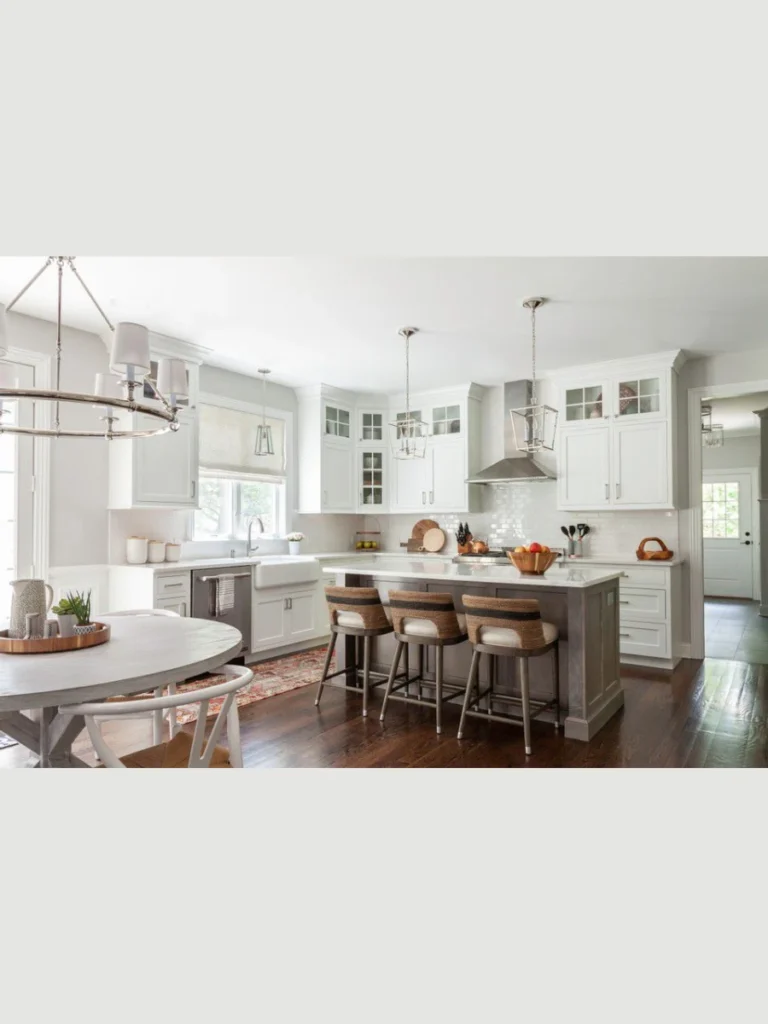
We suggest hanging matching pendant lights over your kitchen island and a completely different statement chandelier above your dining table. This combination provides bright task lighting where you chop your food and soft atmospheric light where you sit down to eat your meals.
Our design testing shows that all your open space light fixtures must share at least one common element like a matte black finish. Sharing a metal finish prevents your kitchen pendants and dining chandeliers from looking like they were bought from two different houses.
We always install dimmer switches for every single light fixture in an open concept kitchen and dining room layout. Dimmers allow you to turn down the bright kitchen lights after cooking so you do not look at dirty dishes while eating dinner.
We recommend keeping the bottom of your dining room chandelier exactly 30 to 36 inches above your tabletop surface. This specific height keeps the light fixture out of your direct line of sight when you look across into the kitchen area.
7. Natural Wood Tone Transitions
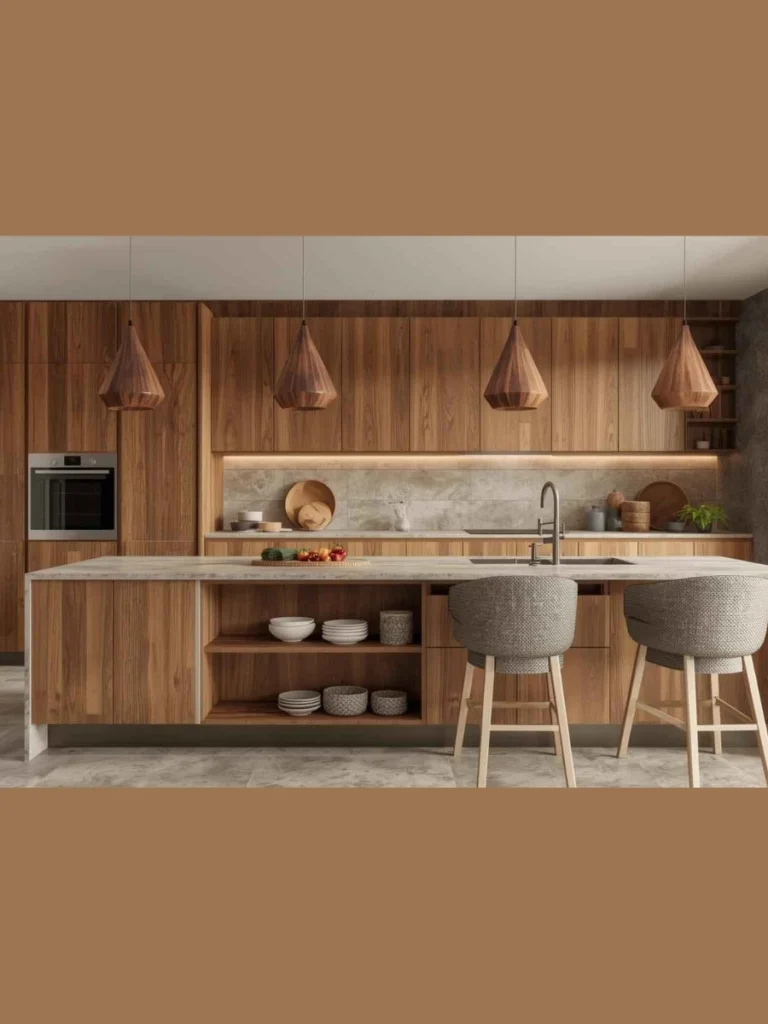
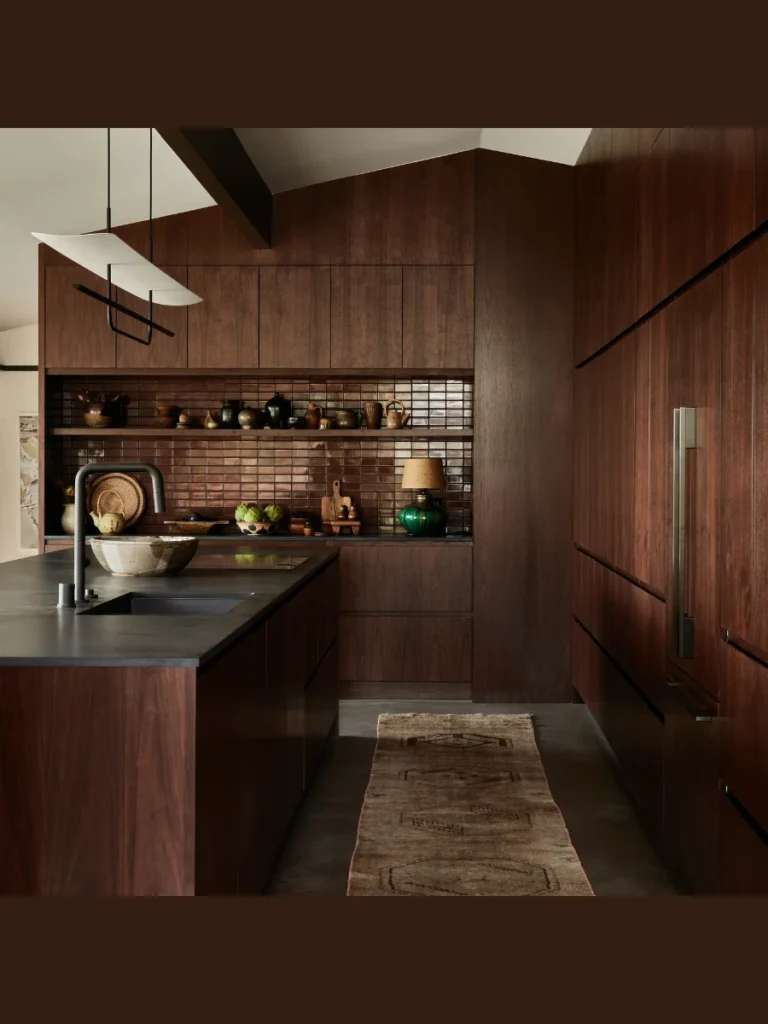
Our personal experience shows that repeating wood tones across both zones is the easiest way to make your design look intentional. If your kitchen features oak open shelves you should use that exact same oak wood for your dining table legs.
We find that mixing too many different wood colors in an open layout makes the space look chaotic and disorganized. Sticking to two complementary wood tones keeps the design grounded and creates a relaxing natural environment for your family.

Convenience Concepts Ellaine Butcher Block Kitchen Cart 24.75" - 4 Tier Kitchen Island with Storage Drawer, Dining Room Wine Rack on Wheels, Coffee Station Table, Mobile Utility Trolley, Black
Convenience Concepts Ellaine Butcher Block Kitchen Cart 24.75" - 4 Tier Kitchen Island with Storage…
You can introduce these wood tones through smaller accents if you already have painted cabinets and modern metal furniture pieces. Woven wooden window shades or large salad bowls on the counter can easily match your main dining room table finish.
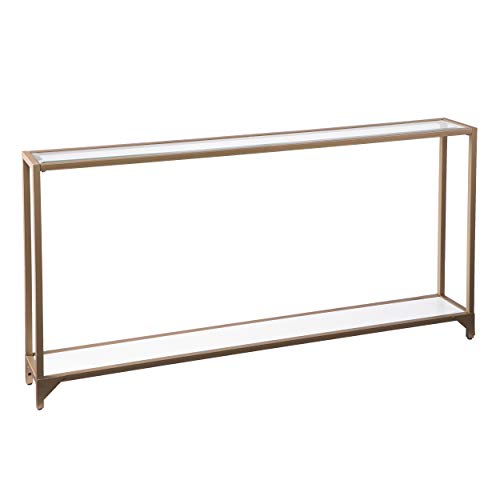
SEI Furniture Bergen 56 inches Long Narrow Metal Console Table, Open Concept Living Space, Glam Style Painted Iron, Gold
SEI Furniture Bergen 56 inches Long Narrow Metal Console Table, Open Concept Living Space, Glam…
This strategy brings a warm organic texture that breaks up the cold hard surfaces of kitchen tile and quartz countertops. It connects the functional cooking zone with the comfortable dining space using a simple and timeless design language.
8. Accent Wall Color Coordination
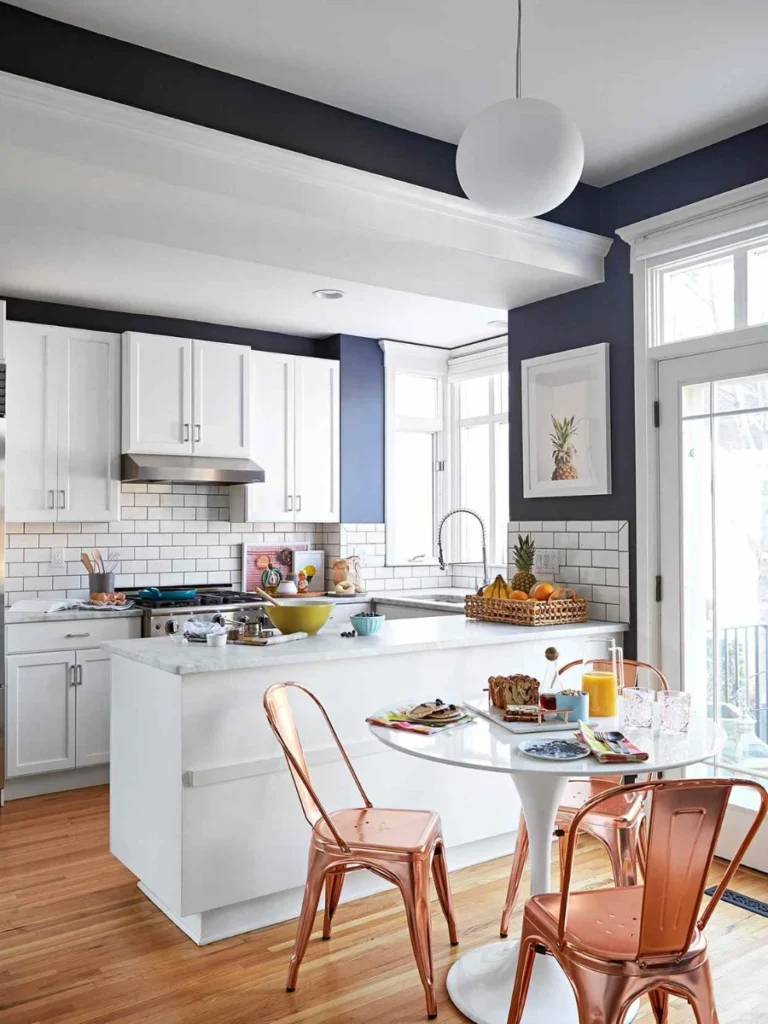
We recommend painting your entire open concept space in one neutral backdrop color to create a continuous and spacious look. You can then use your kitchen island cabinets to introduce a bolder accent color that matches your dining room chair cushions.
Our team discovered that using a single accent wall in the dining area can draw the eye through the open space beautifully. This feature wall should feature a color that appears subtly in your kitchen tile or countertop veining.
You must avoid using two completely different main wall colors for the kitchen and dining zones because it shrinks the room. A single background color keeps the boundaries open while your colorful decor accents do the zoning work for you.
We love using soft blues or sage greens for this purpose because they are calming and fit both cooking and eating zones. These tones blend into the background while giving your open space a cohesive and professionally designed appearance.
9. Monochromatic Textile Layering
We suggest using shades of the same color family for your kitchen window curtains and your dining room area rug. This monochromatic approach to textiles creates a soothing rhythm that makes your open floor plan feel unified and sophisticated.
Our testing proves that choosing performance fabrics for your dining chairs prevents stains while adding a luxurious layer of texture. You can match these fabrics with your kitchen counter stool cushions to tie both seating areas together perfectly.

GOFLAME Drop Leaf Dining Table for 2-4, Folding Kitchen Table with Open Shelves & Drawer, Lockable Wheels, Space Saving Extendable Table for Dining Room, Living Room, Small Space, Natural & White
GOFLAME Drop Leaf Dining Table for 2-4, Folding Kitchen Table with Open Shelves & Drawer,…
We like to use different textures like linen for windows and wool for rugs to keep the monochromatic look from feeling boring. This variety adds depth to your open concept layout without introducing distracting colors that disrupt the visual flow.
Textiles also help absorb sound waves in large open rooms that have hard tile floors and bare drywall surfaces. Adding these soft layers makes your dinner conversations sound warmer and reduces the echo from noisy kitchen appliances.
10. Statement Artwork Visual Anchors
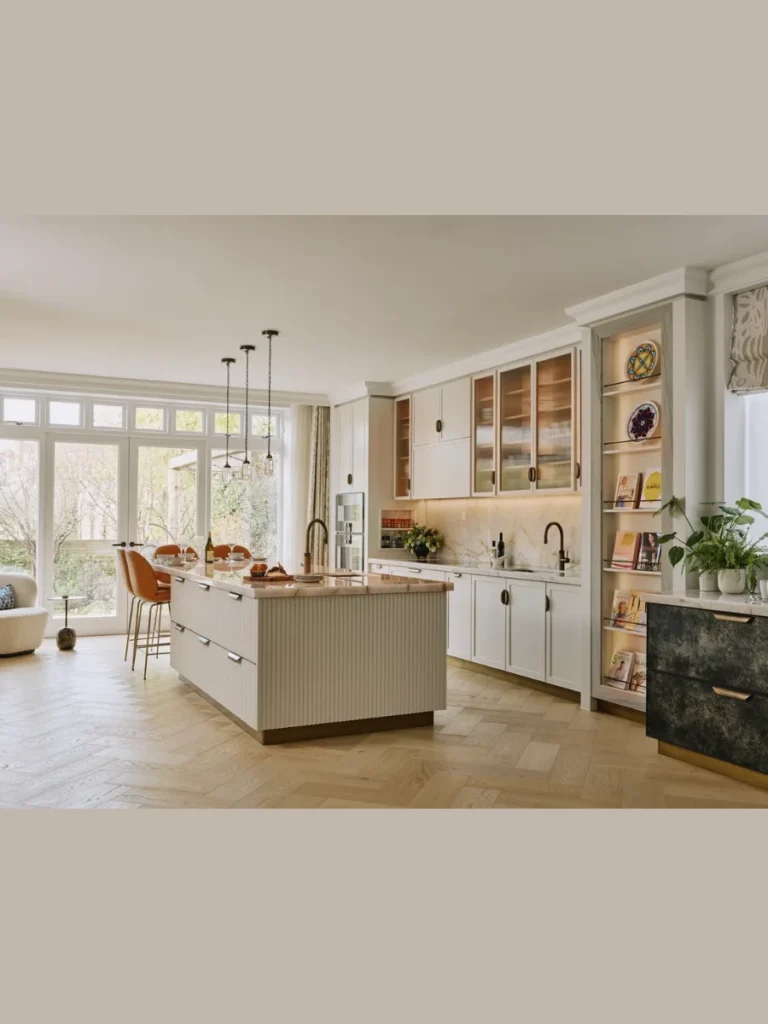
We suggest using artwork on your dining room wall to tie together all the colors present in your kitchen tile backsplash. A large colorful canvas creates a strong visual connection that pulls the two separate functional areas into one beautiful design story.
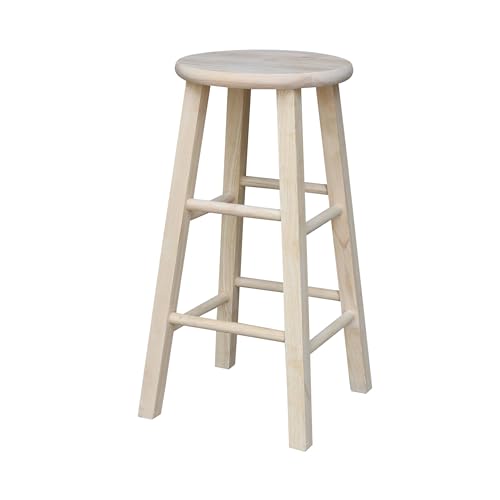
IC International Concepts, Round Top Stool-24" Seat Ht, 12.5"W x 12.5"D x 24"H, Solid Parawood, 24"H, 225 lb Wt. Capacity, Kitchen/Dining, Fully Assembled, DIY, Paint/ Stain In Any Color, Unfinished
IC International Concepts, Round Top Stool-24" Seat Ht, 12.5"W x 12.5"D x 24"H, Solid Parawood,…
Our experience shows that one massive piece of art works much better than a gallery wall of small frames in open spaces. A single large frame creates a clean focal point that anchors the dining zone without adding visual clutter to the room.
You should hang the artwork at eye level when sitting down so your guests can enjoy it during dinner conversations. This placement keeps the focus low and intimate within the dining zone even if your ceilings are very high.
The colors in the artwork can serve as your style guide for choosing small decor objects like vases or table linens. This simple trick ensures that every decorative item you add feels like it belongs to the overall open plan design.
11. Open Shelving Display Continuations
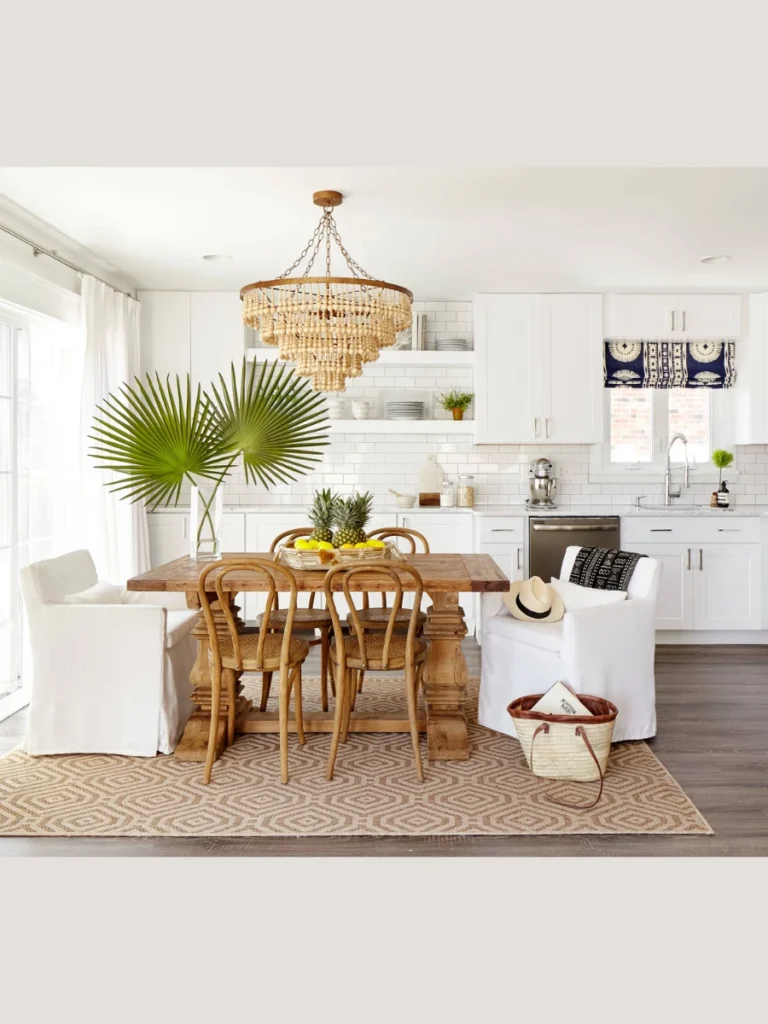
We love extending your kitchen open shelving directly into the dining room area to create a long continuous visual line. This styling trick tricks the brain into seeing one large unified space while providing extra storage for your favorite dishes.
We recommend styling these shelves with a mix of functional white plates and decorative items that match your dining room theme. This balance keeps the shelves looking clean and intentional rather than cluttered with random kitchen spices and boxes.
Using the same bracket style and wood finish for all the shelves across both zones is necessary for design success. It creates a familiar pattern that guides the eye smoothly from the cooking zone to the entertaining zone.
This approach allows you to showcase beautiful glassware that catches the natural light from your dining room windows. It adds a bright airy feel to your open layout and keeps your frequently used items within easy reach.
12. Floating Buffet Storage Separation
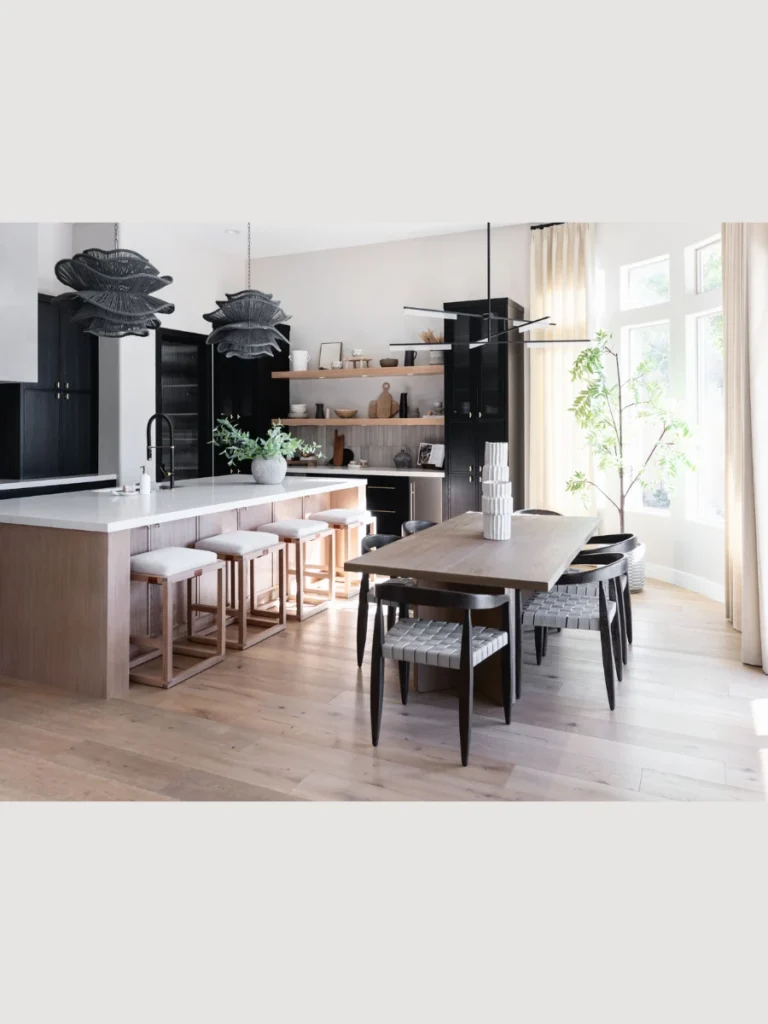
We suggest placing a long modern buffet cabinet on the empty wall between your kitchen work area and your dining table. This furniture piece provides excellent storage for extra linens while physically separating the two functional zones of your room.

SAFAVIEH Furniture - Hammis 59" - 76" Extendable Dining Table - Black Solid Wood - Fully Assembled - Expandable Table for Dining Room & Kitchen (DTB4304A)
SAFAVIEH Furniture - Hammis 59" - 76" Extendable Dining Table - Black Solid Wood -…
Our team finds that keeping the buffet cabinet floating off the floor creates an airy look that saves visual space. It offers a clean surface to set down serving platters when your dining table gets crowded with food plates.
You can hang a large round mirror directly above the buffet cabinet to reflect light back into a darker kitchen corner. This reflection makes the entire open concept layout appear double its actual size and adds a touch of elegance.
Storing your dinnerware inside this cabinet keeps your kitchen counters completely free of clutter and ready for easy meal preparation. It places your plates exactly where you need them when transitioning from cooking to serving your family meals.
13. High Counter Stool Continuity
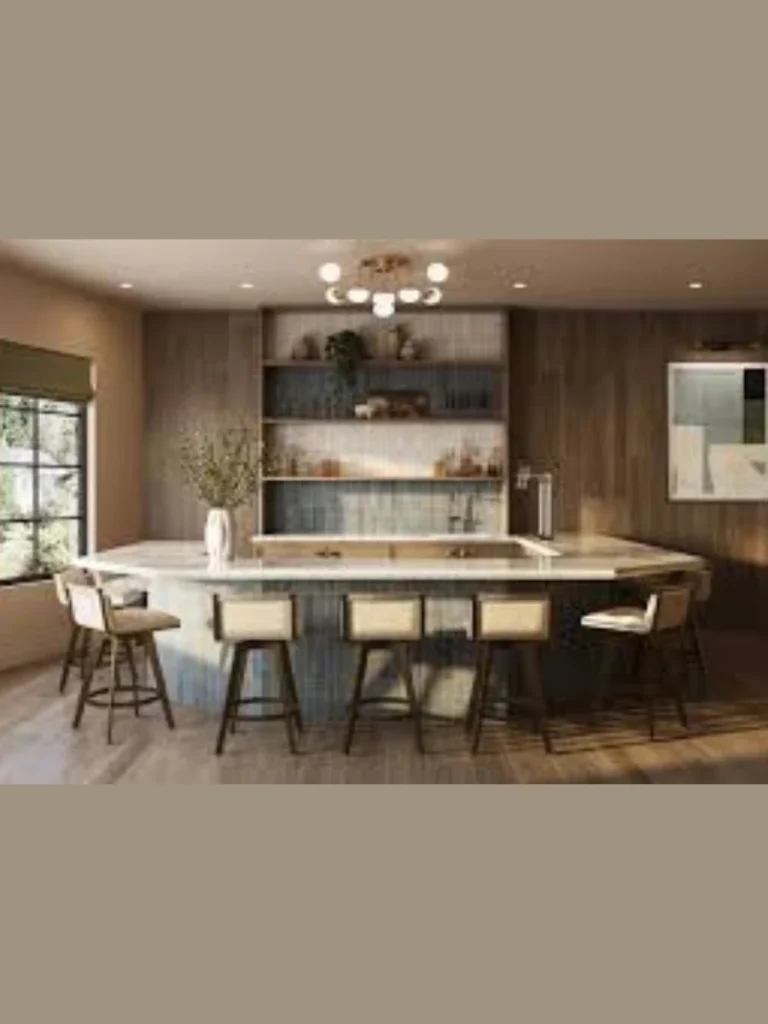
We recommend matching your kitchen counter stools with your dining room chairs by selecting the same frame style or material. This simple repetition creates an instant visual connection that makes your open plan layout look cohesive and expertly styled.
Our testing reveals that low back stools are best for islands that face the dining table directly because they maintain open sightlines. High back stools can act like a mini wall that blocks the view and disrupts the flowing open concept feel.
You can choose stools with a slightly lighter wood finish if you want to create a subtle contrast against dark island cabinets. This choice keeps the seating area looking bright and inviting while maintaining a clear connection to the main dining chairs.
Ensuring that both types of seating feature similar cushion fabric makes the transition between casual island snacking and formal dining seamless. It builds an approachable environment where guests can sit comfortably anywhere in the large open space.
14. Corner Nook Bench Integration
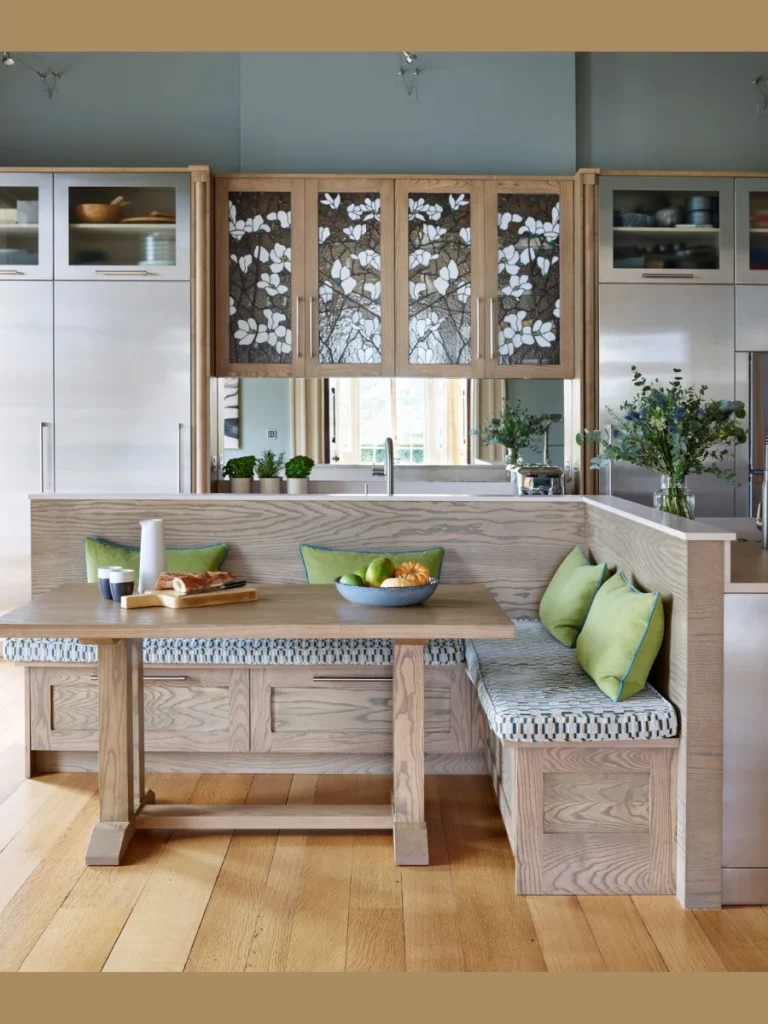
We love building a custom L shaped bench into a corner near your kitchen to create a cozy built in dining nook. This idea saves an enormous amount of floor space because the seating pushes directly against the walls of your open room.
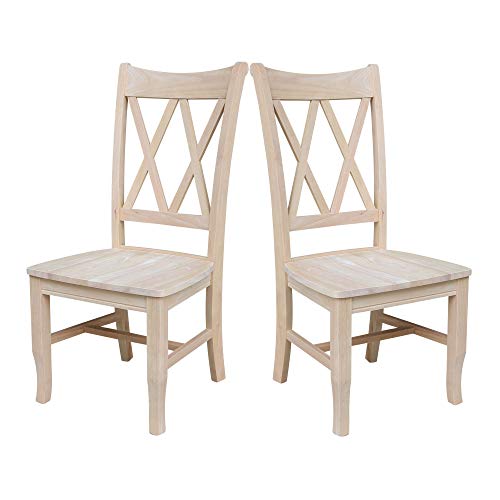
IC International Concepts, Set of 2 Double X-Back Dining Chairs, Armless, Real Wood, Kitchen/Dining/Accent, 19.9"W x 22"D x 41.3"H, 225 Lbs Wt. Capacity, DIY, Paint/Stain In Any Color, Unfinished
IC International Concepts, Set of 2 Double X-Back Dining Chairs, Armless, Real Wood, Kitchen/Dining/Accent, 19.9"W…
Our personal experience shows that bench nooks invite family members to hang out near the kitchen without getting under the cook feet. You can add hidden storage compartments under the bench seats to hide seasonal items or large serving platters.
Pairing this built in bench with a light pedestal table keeps the walkways clear and allows people to slide in easily. It transforms an unused corner into a highly functional and charming zone that enhances your overall open layout flow.
You can use durable outdoor fabrics for the bench cushions to ensure they withstand daily coffee spills and breakfast messes. This practical choice keeps your cozy corner looking fresh and beautiful for years without requiring high maintenance care.
15. Architectural Ceiling Beam Zoning
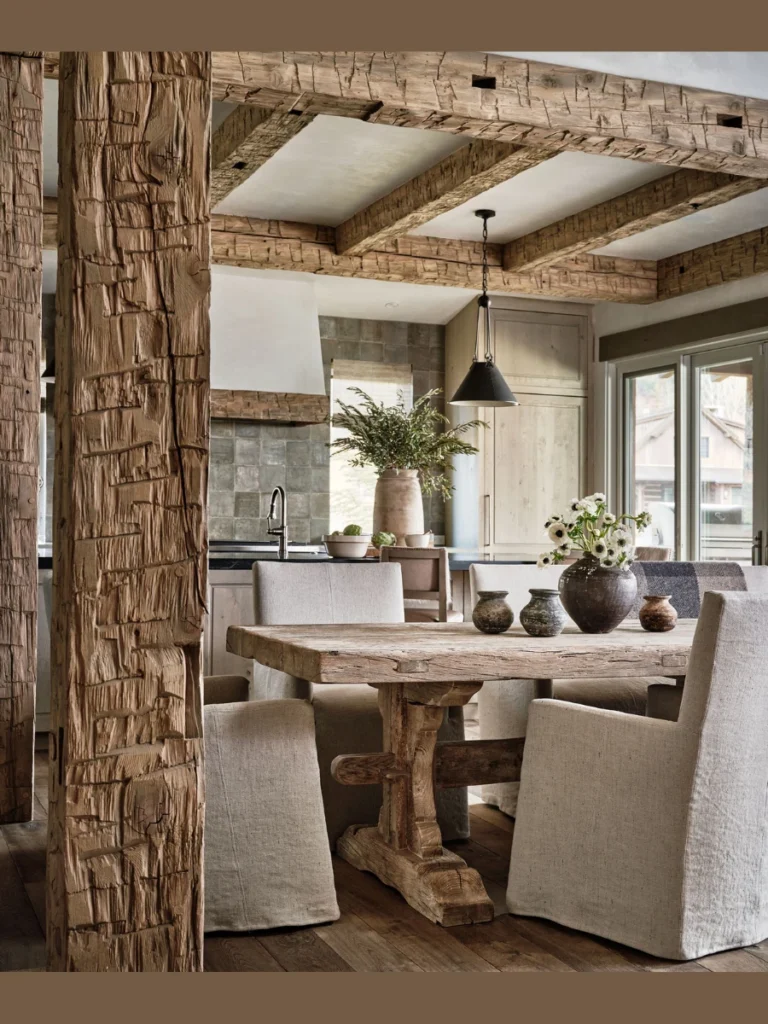
We suggest installing exposed wooden ceiling beams across the dining zone to separate it visually from a plain kitchen ceiling. This architectural detail creates a beautiful overhead border that defines the eating space without using any floor area.
Our team noticed that running the beams parallel to your dining table emphasizes the length and shape of your gathering area. It draws the eyes upward and adds a wonderful rustic texture that breaks up flat drywall ceilings in modern homes.
You should match the stain of these ceiling beams to your kitchen island wood or your main dining room table surface. This color coordination ties the upper and lower halves of your open layout design together into one unified theme.
This technique works exceptionally well in large open spaces with high ceilings that feel cold or clinical without architectural details. It lowers the visual scale of the dining area making your evening dinners feel incredibly intimate and warm.
Best Open Concept Layout Guidelines and Furniture Sizing
We know that arranging a large open space can feel confusing when you want to avoid a cluttered look. Setting specific distances between your furniture pieces keeps your paths open and ensures your family can move around easily.
Our team gathered the exact layout measurements that help create comfortable walkways while maintaining clear zoning. These numbers prevent your dining set from crowding your kitchen island space and keep your sightlines clean.
| Furniture Layout Item | Best Distance From Kitchen Island | Ideal Furniture Shape For Flow | Common Styling Pitfall To Avoid |
| Dining Room Table | 36 to 48 Inches | Rectangular or Oval Shape | Blocking main walking pathways |
| Dining Area Rug | 24 Inches past table edges | Matches your table shape | Buying a size that is too small |
| Storage Buffet Cabinet | 4 Feet from dining chairs | Shallow depth design | Crowding the dining chair space |
Best Styling Guide for Open Concept Spaces
Our experience shows that successful open layouts rely on repeating key design details across both functional zones. You can use simple styling rules to make your kitchen and dining area look like they belong together naturally.
- Select a Single Background Color: Paint all walls in one neutral tone to maximize light and space.
- Coordinate Lighting Finishes: Use the same metal finish for kitchen pendants and dining room chandeliers to create balance.
- Vary Your Seating Heights: Keep island stools low profile while choosing comfortable standard heights for dining chairs.
- Anchor Zones With Area Rugs: Place a large rug under your table to define the eating space instantly.
Conclusion
We want to help you create a beautiful open home that feels organized, spacious, and incredibly cozy for your family. Our collection of fifteen styling ideas demonstrates that you do not need physical walls to build distinct, functional zones. By focusing on smart furniture placements, matching wood tones, and coordinated lighting schemes, you can tie your spaces together seamlessly.

SAFAVIEH Furniture - Melo Dining Table - Walnut Wood Dining Table - Rectangular Kitchen & Dining Room Table, Fully Assembled, 65" W x 35.4" D x 30" H (DTB4305A)
SAFAVIEH Furniture - Melo Dining Table - Walnut Wood Dining Table - Rectangular Kitchen &…
We found that planning your walking paths and keeping your furniture scale balanced prevents the common floating feeling. Repeating small decor textures like matching metal finishes or single background paint colors keeps your look clean and intentional. A well planned open layout improves your daily routine and turns your home into an inviting space for entertaining guests.
We hope these practical design layout rules give you the confidence to transform your large open space into a masterpiece. Remember to measure your walkways carefully and select multi purpose furniture pieces that fit your daily lifestyle needs perfectly. Your open concept kitchen and dining room can look beautiful while supporting a busy, functional household every single day.
FAQs
We recommend using one main wall paint color throughout the entire space and repeating identical wood tones or metal finishes. This strategy connects the cooking area to the seating zone visually without requiring matching furniture sets.
We suggest leaving at least 36 to 48 inches of open space between your island counters and your dining chairs. This distance ensures that family members can walk past comfortably even when people are sitting down.
We prefer using different styles of light fixtures that share a single common element like a matte black finish. This choice provides bright task lighting for cooking and softer atmospheric light for eating without clashing visually.
We find that placing a large area rug under your dining table is the easiest way to anchor the zone. The rug acts as an invisible boundary that separates the eating area from the main kitchen workspace.
We love using round dining tables in square open spaces because they soften the hard edges of your kitchen cabinets. Round tables also improve foot traffic flow by removing sharp furniture corners that people might bump into.
Related Posts
- 25 Best Renter Friendly Dining Room Makeover Ideas
- Top 20 Dining Room and Home Office Combo Layout Ideas
- 15 Best Corner Breakfast Nook Decor Ideas
- 25 Best Built-In Banquette Dining Seating Ideas
- Top 20 Earthy Terracotta Dining Room Accents Ideas
- 15 Best Iridescent Glass Dining Room Lighting Ideas
Recommended for You

Tribesigns 47-Inch Dining Table for 4, Walnut Brown Kitchen Dinner Table with Heavy Duty Pedestal, Farmhouse Wooden Eating Table for Home, Dining Room, Small Space
Tribesigns 47-Inch Dining Table for 4, Walnut Brown Kitchen Dinner Table with Heavy Duty Pedestal,…