
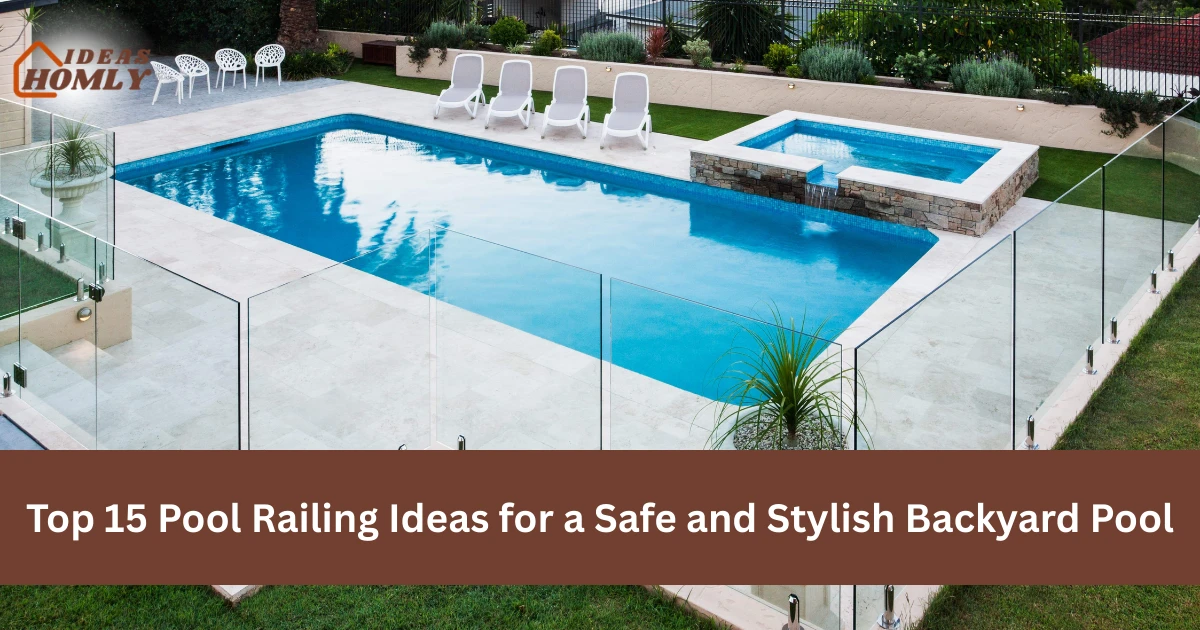

Top pool railing ideas help improve safety while making your swimming pool area look stylish and organized. A good railing gives support, prevents slips, and defines the pool space clearly.
When I planned my own backyard pool area, I realized that the right railing design changes the entire look. It adds safety for kids and also gives the pool area a clean finished appearance.
In this guide, I will share practical pool railing ideas that homeowners commonly use around swimming pools, pool decks, and backyard pool areas.
Why Pool Railings Are Important for Safety and Design
Pool railings improve safety and also enhance the appearance of the pool area. A strong railing provides support when entering or leaving the pool and reduces the risk of slipping.
Many homeowners install railings not only for safety but also to create a more structured outdoor space. A well designed railing can match the style of your home and backyard.
Choosing the right railing also depends on factors like durability, weather resistance, maintenance, and design compatibility with the pool deck.
1. Stainless Steel Pool Railing
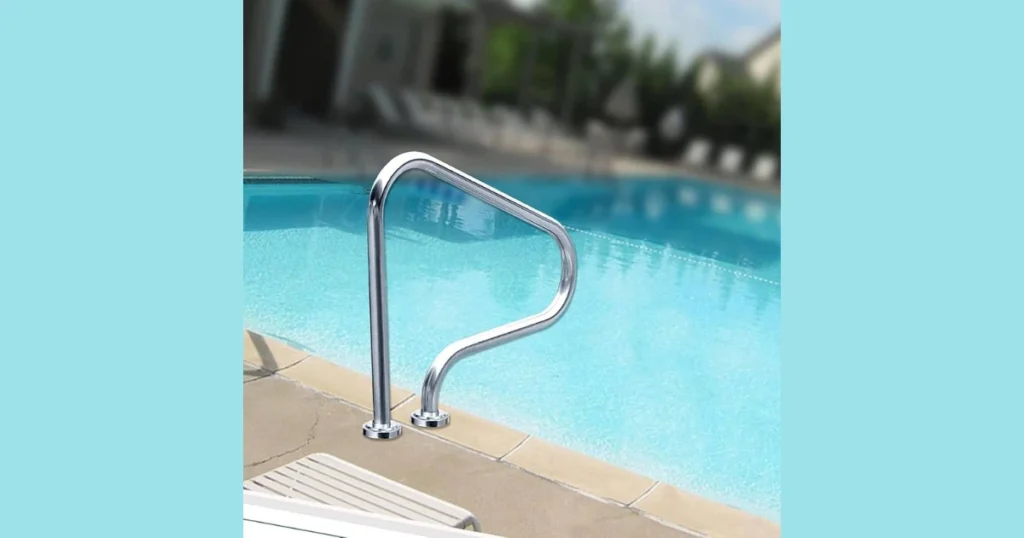
Stainless steel pool railings remain one of the most popular choices for modern swimming pools. They provide strong support and handle constant exposure to water and chemicals.
I often recommend stainless steel railings because they resist rust and require very little maintenance. They work perfectly for both residential pools and hotel style pool designs.
Another advantage is their clean modern appearance, which matches tile pools, concrete decks, and contemporary outdoor spaces.
2. Glass Panel Pool Railing
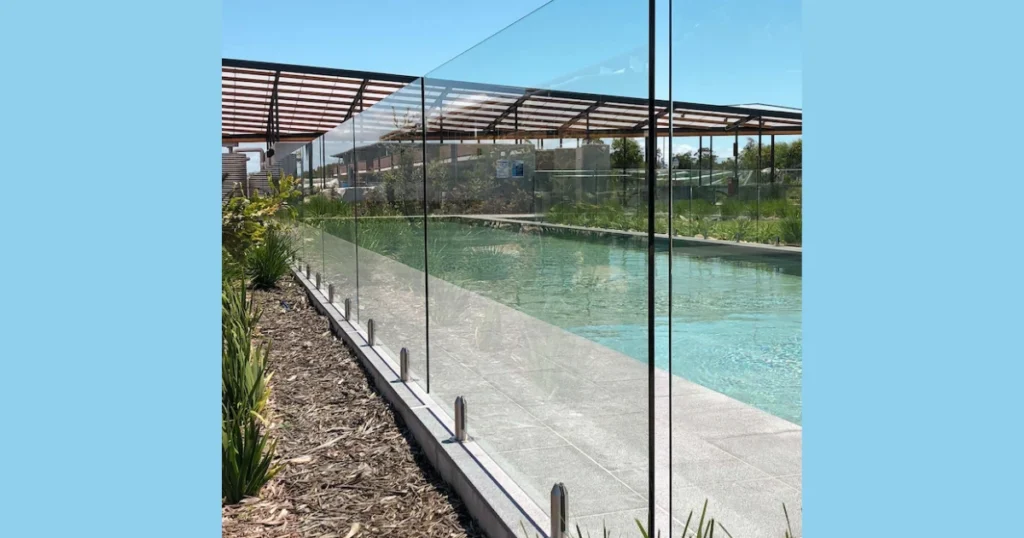
Glass pool railings create a clear and open look around the swimming pool area. Tempered glass panels provide safety without blocking the view of the pool.
Many homeowners prefer glass railings because they make the pool space look larger and brighter. The transparent design allows people to watch children swimming easily.
Frameless or semi frameless glass railings are commonly installed around luxury backyard pools and modern pool decks.
3. Aluminum Pool Railing
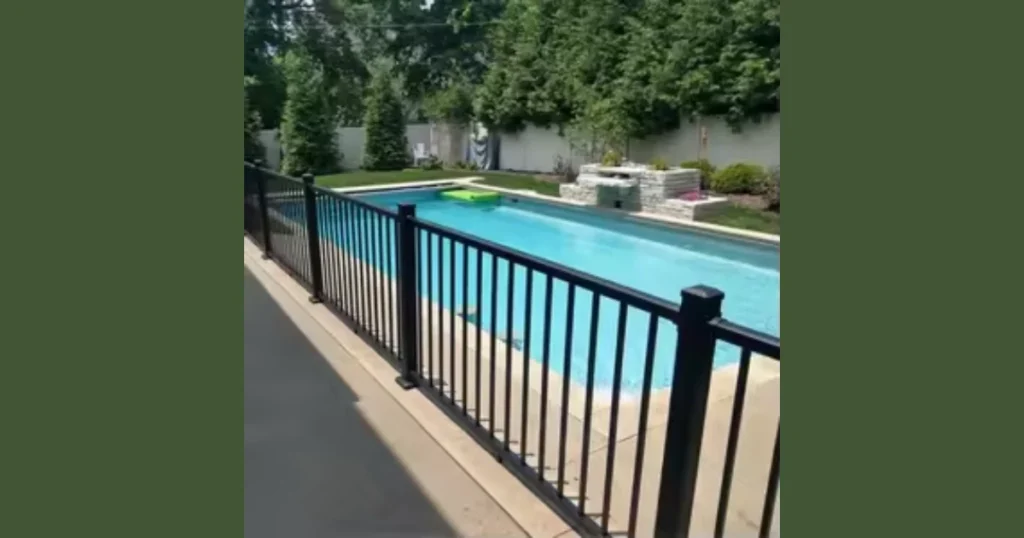
Aluminum pool railings provide a lightweight yet durable option for outdoor pool areas. Aluminum does not rust easily, which makes it suitable for humid and wet environments.
I have seen aluminum railings used in many residential pools because they are affordable and easy to install. They also come in different powder coated colors.
Homeowners often choose black aluminum railings because they match modern outdoor designs and require minimal maintenance.
4. Cable Pool Railing
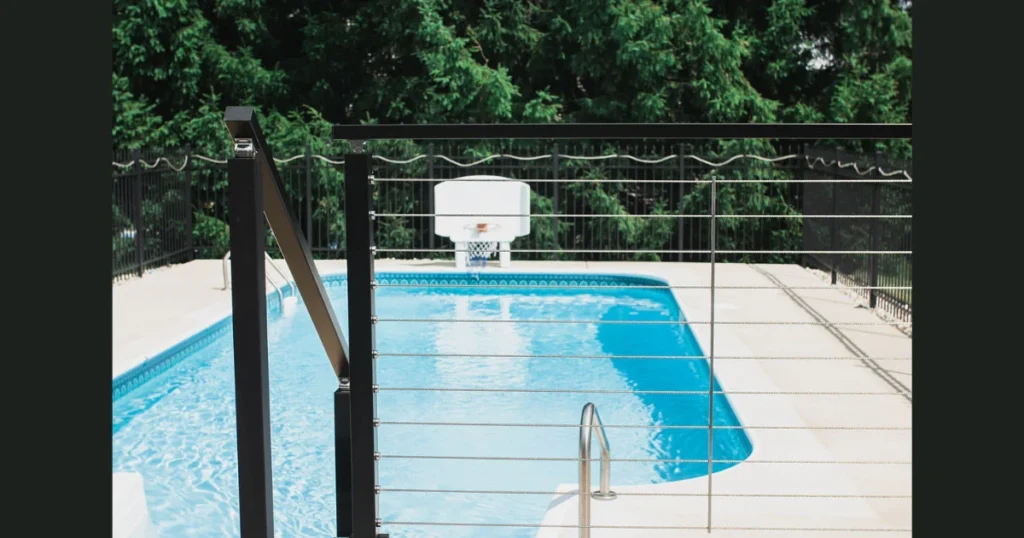
Cable pool railings offer a minimalist design that keeps the pool area open and airy. Stainless steel cables run horizontally between metal posts.
This railing style works well when homeowners want safety without blocking the pool view. It creates a sleek appearance similar to modern resort pools.
Cable railings also allow airflow and natural light, making the pool area feel more spacious and comfortable.
5. Wooden Pool Deck Railing
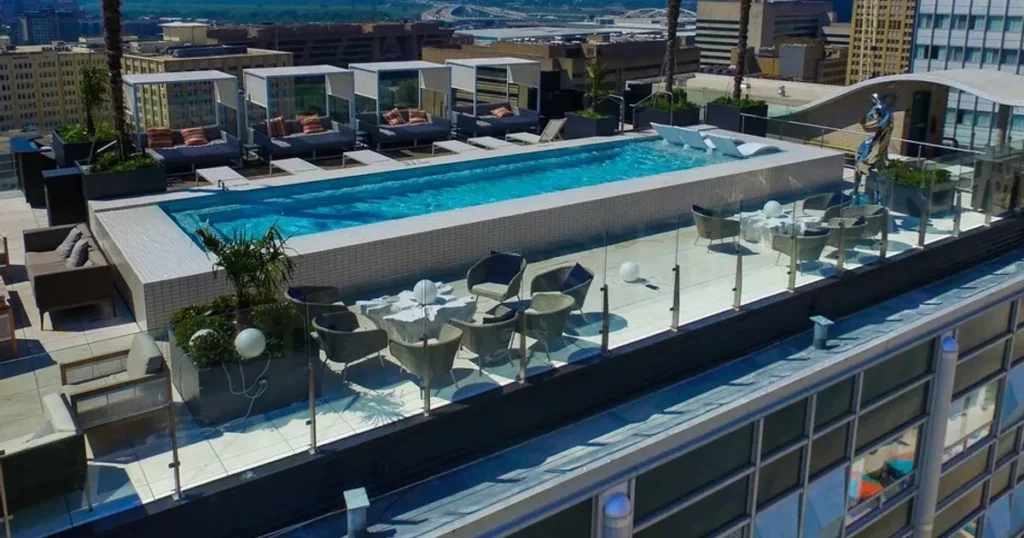
Wooden pool railings bring a warm and natural look to backyard swimming pools. They work especially well with wooden pool decks or garden style landscapes.
I like wooden railings because they blend nicely with outdoor furniture, pergolas, and deck flooring. Cedar and pressure treated wood are common choices.
Regular sealing or staining helps wood railings handle moisture and sunlight around the pool area.
6. Wrought Iron Pool Railing
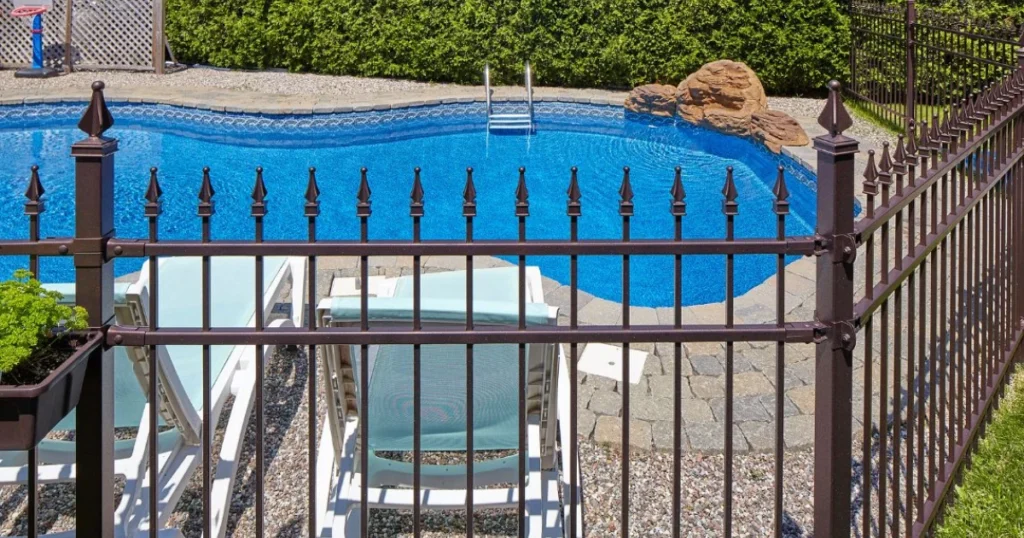
Wrought iron pool railings add a classic and decorative touch to the pool area. The metal designs often include patterns that make the railing look elegant.
Many traditional homes use wrought iron railings around pools to create a sophisticated outdoor space. The strong metal structure also provides excellent safety.
Applying protective coatings helps prevent rust and keeps the railing looking good for years.
7. PVC Pool Railing
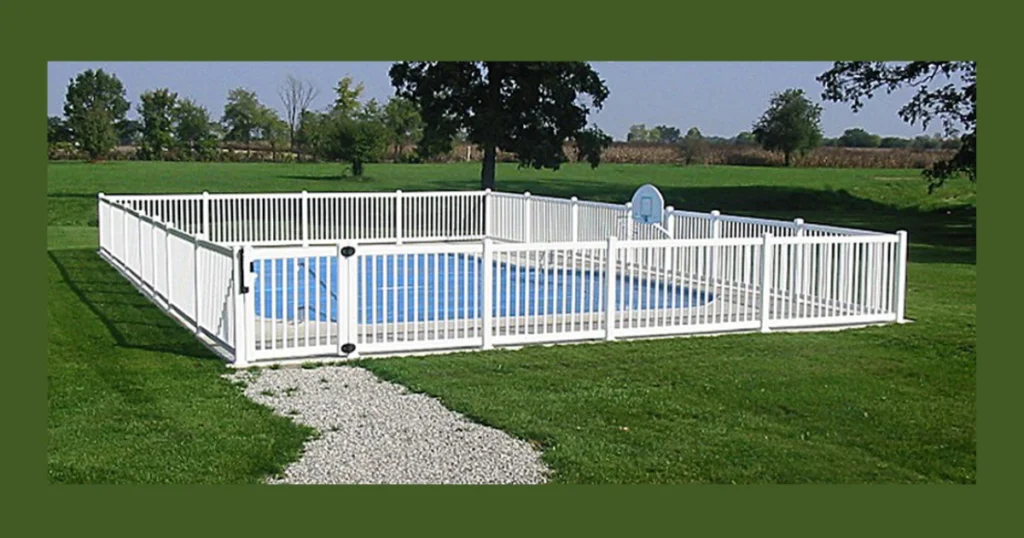
PVC pool railings provide a simple and low maintenance solution for pool safety. The material handles water exposure well and does not corrode.
Many homeowners choose PVC railings because they are easy to clean and require no painting. White PVC railings are very common around residential pools.
These railings work well in family pools where durability and simple maintenance matter more than decorative design.
8. Frameless Glass Pool Railing
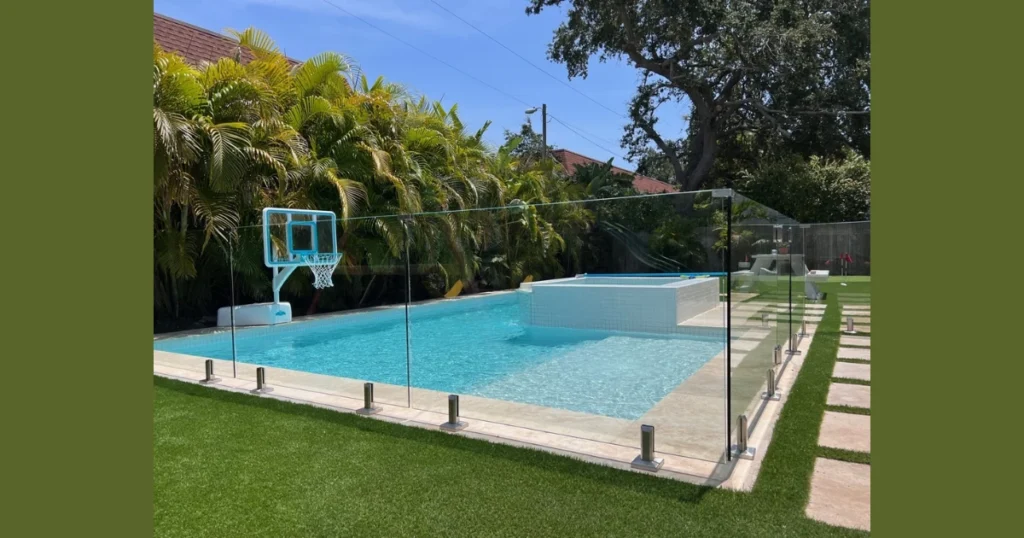
Frameless glass railings create a high end pool design that looks clean and modern. Thick tempered glass panels are installed with minimal hardware.
I have noticed that frameless glass railings are often used in luxury homes and resort style swimming pools. They keep the view completely open.
The design also improves visibility across the pool area, which helps parents monitor children while swimming.
9. Horizontal Metal Pool Railing
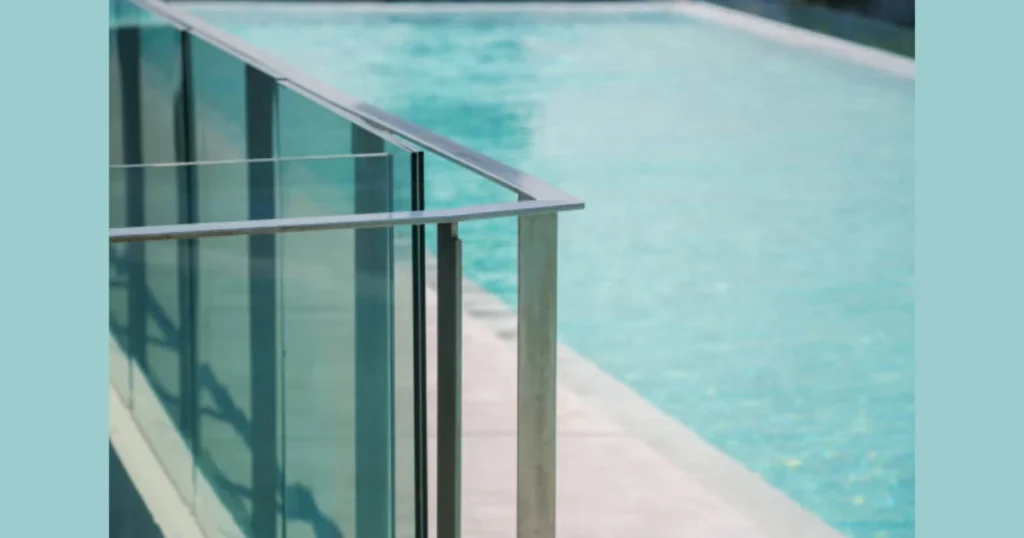
Horizontal metal railings provide a sleek design that fits contemporary outdoor spaces. Metal bars run parallel across the railing frame.
This style creates a balanced and symmetrical look around the pool deck. It also blends well with modern landscaping and outdoor lighting.
Many homeowners combine horizontal metal railings with steel or aluminum frames for durability.
10. Combination Glass and Metal Pool Railing
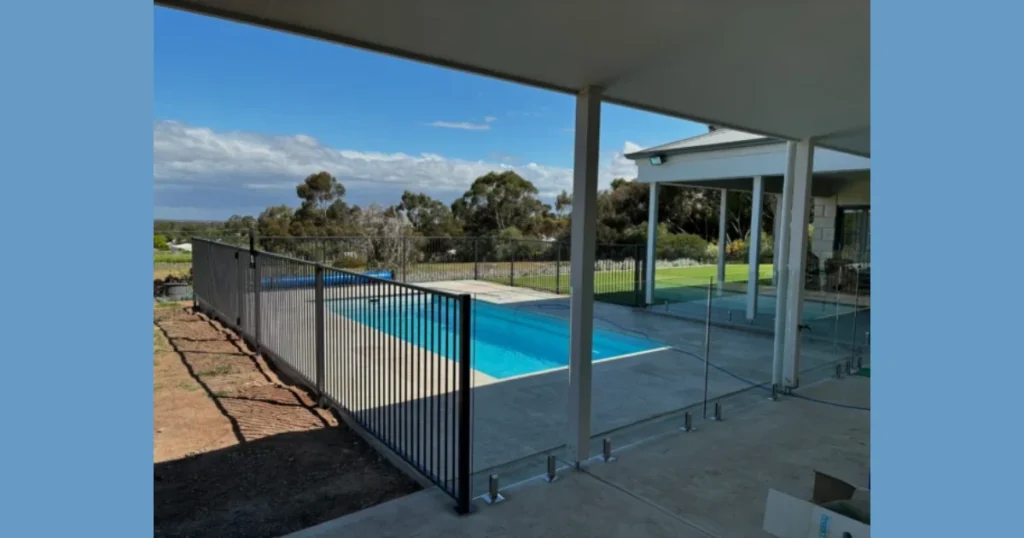
Glass and metal combination railings create a balanced mix of safety and style. Metal frames hold clear glass panels securely in place.
This design provides strong support while keeping the pool view visible. It works well for homeowners who want durability along with a modern appearance.
Combination railings also allow customization through different frame finishes and glass panel sizes.
11. Removable Pool Safety Railing
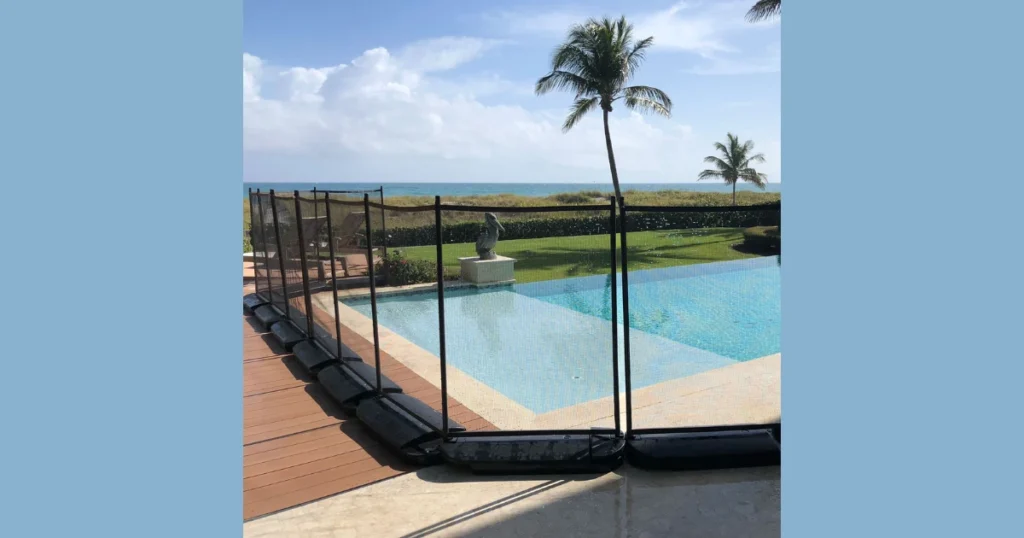
Removable pool railings offer flexibility for homeowners who want temporary safety around their swimming pool. These railings can be installed during pool use and removed when not needed.
Many families with young children prefer removable railings because they add an extra safety barrier. The railing sections usually attach to small deck anchors.
I have seen these railings used often in backyard pools where owners want both safety and an open look when the pool is not in use.
12. Pool Deck Guard Railings
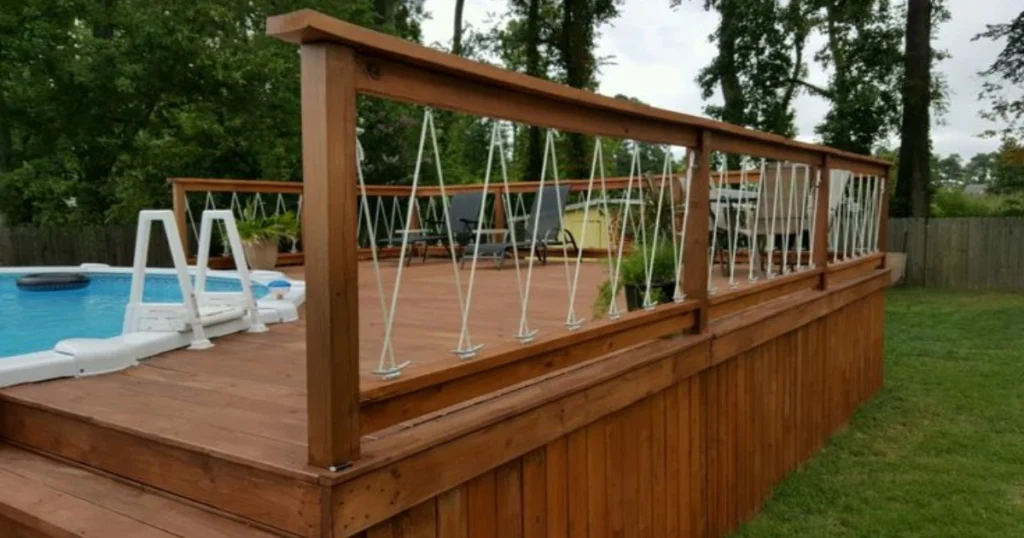
Pool deck guard railings help define the pool boundary and prevent accidental falls. These railings are especially useful when the pool sits on a raised deck.
In many homes with elevated pool decks, a guard railing becomes necessary for safety. It also helps separate the swimming area from seating or lounge spaces.
Common materials used for pool deck guard rails include aluminum, steel, wood, and glass panels.
13. Curved Pool Entry Railings
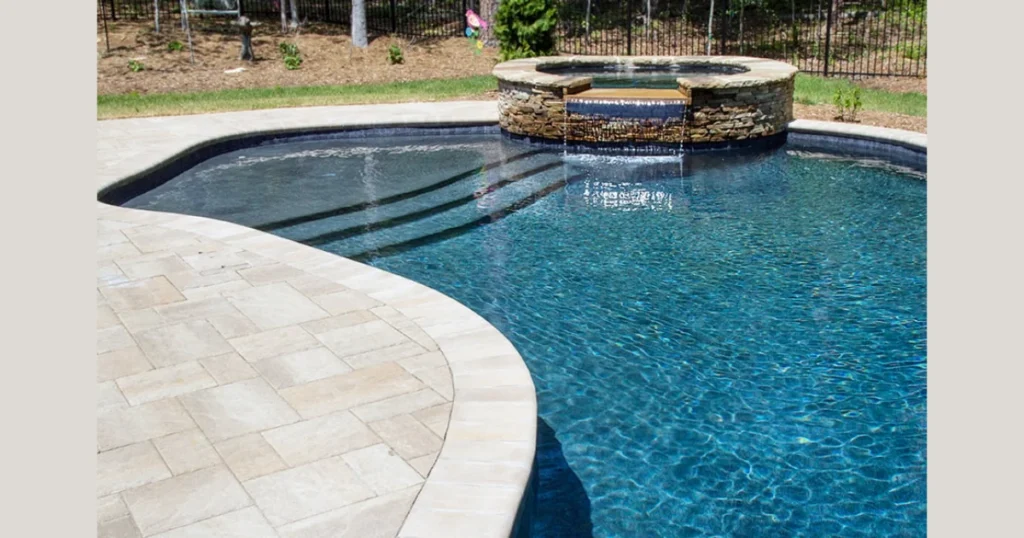
Curved pool railings provide comfortable support when entering or exiting the swimming pool. The curved shape follows the natural motion of the body.
Many in-ground pools include curved stainless steel railings near pool steps. They make it easier for swimmers to maintain balance.
I personally like this design because it looks clean and serves a clear purpose without making the pool area feel crowded.
14. Decorative Metal Pool Railings
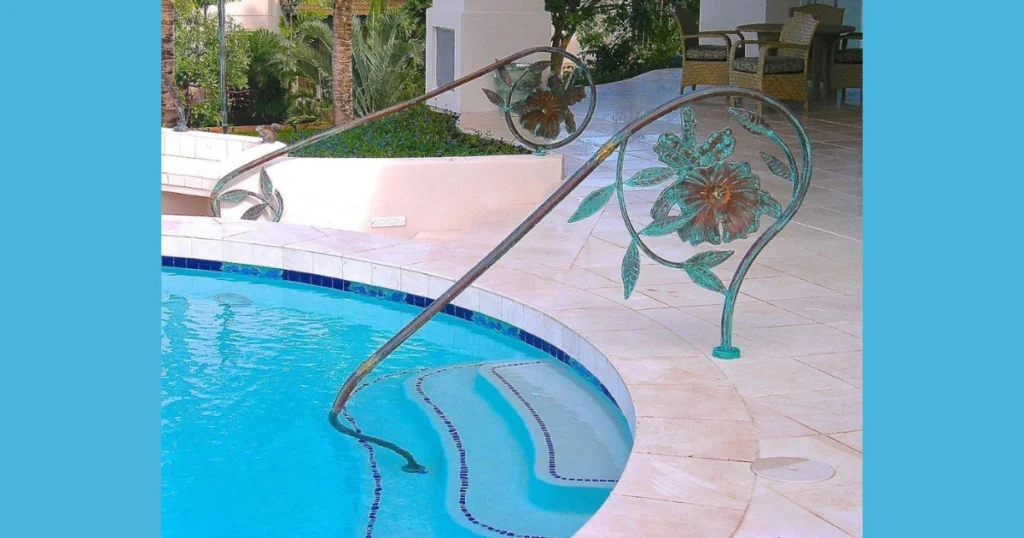
Decorative metal railings add character and personality to the pool area. These railings often include patterns, geometric designs, or artistic metalwork.
Homeowners who want their backyard pool to feel unique often choose decorative railings. They can match outdoor furniture, garden fencing, or balcony railings.
Powder coated finishes protect the metal from moisture and keep the design looking fresh for many years.
15. Minimalist Pool Railing Design
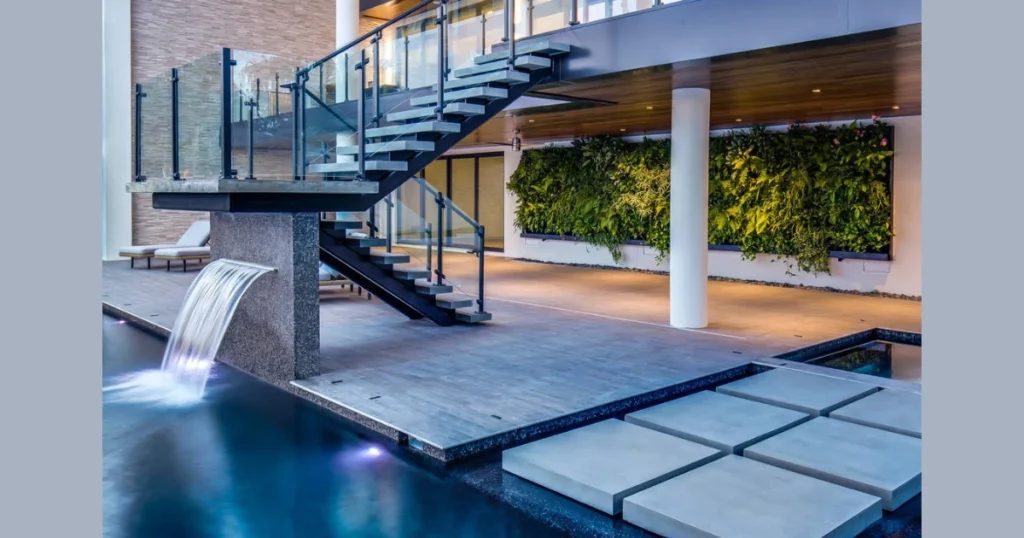
Minimalist pool railings focus on simple lines and clean structure. The design removes unnecessary details and keeps the railing light and subtle.
Many modern homes prefer minimalist railings because they blend easily with contemporary architecture. Thin metal bars or simple glass panels are common choices.
I like minimalist railings because they allow the pool itself to remain the center of attention.
How to Choose the Best Pool Railing for Your Backyard
Choosing the right pool railing depends on safety, durability, and how well the design matches your outdoor space. Every pool area has different needs.
When selecting a railing, I usually look at three things first: material durability, safety features, and overall appearance.
Below are some important points to consider before installing pool railings.
Key Factors When Selecting Pool Railings
- Material durability
Choose materials that resist water, chlorine, and outdoor weather. - Safety support
The railing should provide strong grip when entering or leaving the pool. - Maintenance needs
Some materials need regular sealing or painting while others require simple cleaning. - Design compatibility
The railing should match the pool deck, backyard landscape, and house style.
Pool Railing Material Comparison
| Material | Durability | Maintenance | Appearance |
|---|---|---|---|
| Stainless Steel | Very High | Low | Modern |
| Glass Panels | High | Medium | Luxury |
| Aluminum | High | Low | Contemporary |
| Wood | Medium | High | Natural |
| Wrought Iron | High | Medium | Classic |
Practical Tips for Installing Pool Railings
Proper installation ensures that pool railings remain safe and stable for years. Even a strong railing can become unsafe if installed poorly.
Here are a few practical tips that homeowners and contractors usually follow.
Helpful Pool Railing Installation Tips
- Measure the pool entry points carefully before installing railings.
- Use corrosion resistant hardware for outdoor installations.
- Keep railings at a comfortable grip height for swimmers.
- Ensure railings are securely anchored into the pool deck.
- Leave enough space for easy pool access.
These simple steps help maintain both safety and convenience around the swimming pool area.
Helpful Tips to Maintain Pool Railings for Long Term Use
Proper maintenance keeps pool railings safe, clean, and attractive for many years. Regular care prevents rust, damage, and loose fittings around the swimming pool area.
When I maintain my pool railings, I keep things simple. A quick inspection every few weeks helps me notice small problems before they become bigger issues.
Different railing materials require different care routines. Stainless steel and aluminum need simple cleaning, while wood railings require sealing and protection from moisture.
Simple Maintenance Checklist for Pool Railings
| Maintenance Task | Why It Matters | Recommended Frequency |
|---|---|---|
| Clean railing surface | Removes chlorine residue and dirt | Once every 2 weeks |
| Check bolts and anchors | Prevents loose railings | Once a month |
| Inspect for rust or corrosion | Maintains durability | Every 2 months |
| Apply protective coating for wood | Prevents moisture damage | Once a year |
Common Mistakes to Avoid When Installing Pool Railings
Many homeowners make simple mistakes when choosing or installing pool railings. Avoiding these mistakes improves both safety and appearance.
I have seen situations where people focus only on design and forget the safety aspect. A railing must always provide proper support near the pool entry.
Below are some mistakes that often cause problems in pool railing installations.
Mistakes Homeowners Should Avoid
- Installing railings without proper deck anchors
- Choosing materials that rust quickly in pool environments
- Placing railings too close to pool steps
- Ignoring grip comfort and railing height
- Selecting designs that block pool visibility
Key Takeaways from These Pool Railing Ideas
The best pool railing ideas combine safety, durability, and design. Every pool area requires a railing that supports swimmers and complements the outdoor space.
From my experience, stainless steel and aluminum railings work best for most residential pools because they resist moisture and require little maintenance.
Glass railings and cable railings work well when homeowners want a modern appearance with clear pool views.
Conclusion
The right pool railing improves both safety and the overall appearance of your swimming pool area. A strong railing supports swimmers, prevents slips, and creates a well organized outdoor space.
In this guide, I shared 15 practical pool railing ideas that homeowners commonly use for backyard pools, pool decks, and modern outdoor areas.
Whether you prefer glass railings, stainless steel designs, wooden railings, or minimalist styles, the goal remains the same. The railing should provide safety, durability, and a clean look that matches your pool design.
When I choose a pool railing, I always focus on materials that handle water exposure well and require minimal maintenance. This simple approach keeps the pool area safe and visually appealing for years.
FAQs
Stainless steel is one of the best materials for pool railings. It resists rust, handles moisture well, and provides strong support near pool steps.
Yes, glass pool railings use thick tempered glass panels. These panels are strong and designed to handle outdoor environments safely.
Yes, basic maintenance keeps railings safe and clean. Regular inspection, cleaning, and tightening of bolts help extend the life of the railing.
Most pool railings range between 30 to 36 inches depending on the design and local building guidelines.
Removable railings work well for families with children. They provide temporary safety while allowing flexibility when the pool area needs open space.
Yes, wooden railings can be used around pools. However, they require regular sealing or staining to protect the wood from moisture.
Glass railings, cable railings, and horizontal metal railings create a modern appearance around swimming pools.