
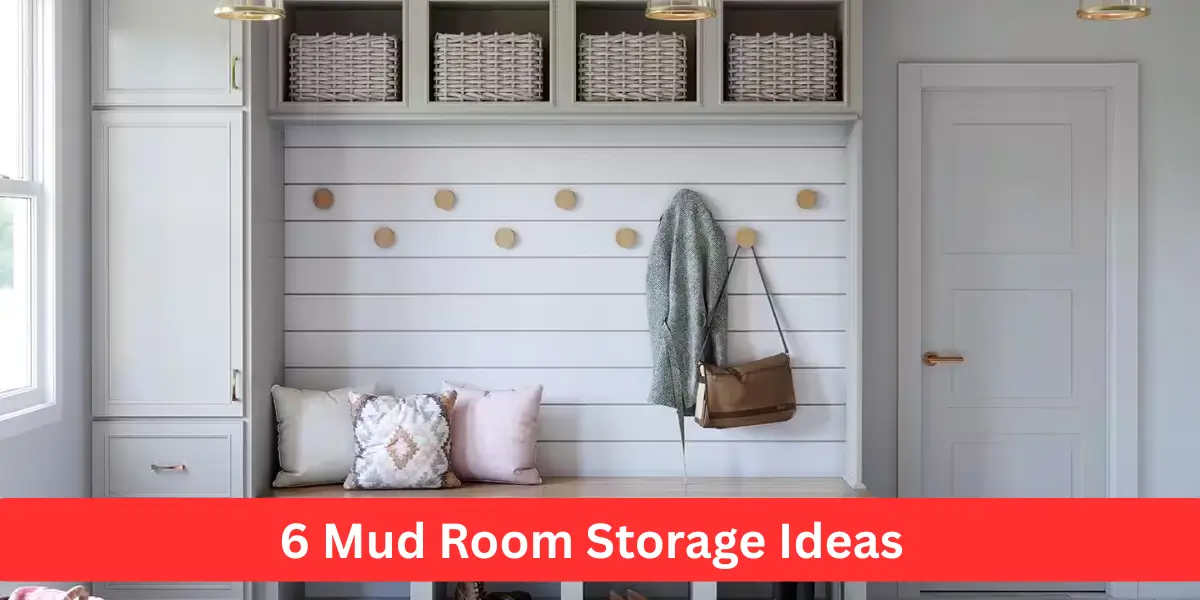

Mud room storage ideas can make or break how functional this space feels on a daily basis. From my experience, storage is often the missing piece that turns a messy entry into a calm, organized area.
A well-planned storage system supports real routines instead of forcing constant cleanup. I’ve noticed that when storage is easy to access and thoughtfully placed, clutter naturally stays under control.
The goal isn’t to add more storage, but to add the right kind. With smart design choices and practical solutions, a mud room can handle heavy use while still looking clean, efficient, and intentionally designed.
1. Floor-to-Ceiling Cabinet Storage
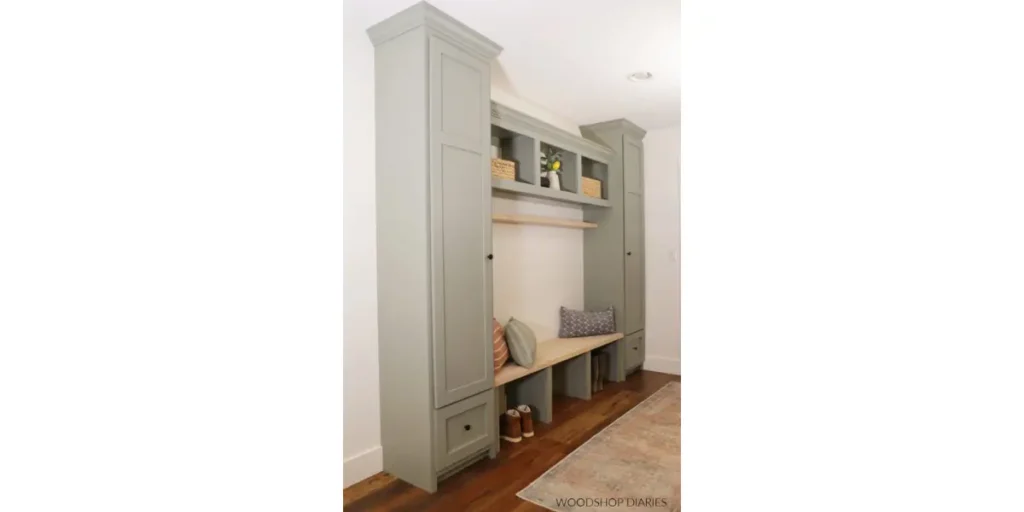
From my experience, floor-to-ceiling cabinets are one of the most effective ways to maximize mud room storage without creating visual clutter.
Using the full height of the wall allows you to store items that don’t need daily access, such as seasonal gear or cleaning supplies. This keeps the main area clear and easy to move through.
I’ve noticed that tall cabinets instantly make a mud room feel more built-in and intentional. When doors are kept simple and neutral, the space looks clean rather than bulky. Hidden storage also helps maintain a calm appearance, even in busy households.
The biggest advantage is long-term organization. Everything has a designated place, which reduces overflow and prevents random piles from forming near the entry.
2. Pull-Out Mud Room Drawers

Pull-out drawers completely change how usable deep storage becomes. From my experience, traditional shelves often waste space because items get lost at the back.
Drawers solve this problem by bringing everything forward in one smooth motion. This makes daily access easier and more efficient.
I often recommend pull-out drawers for shoes, bags, and sports gear. They keep items separated and prevent stacking, which reduces mess. I’ve noticed people are more likely to stay organized when storage feels effortless.
3. Under-Bench Sliding Storage Bins
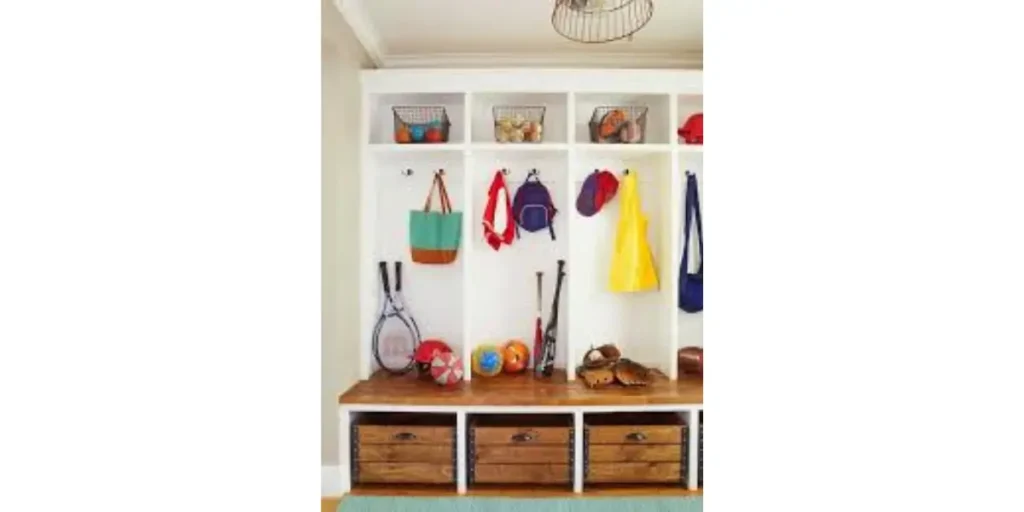
Under-bench sliding bins are one of my favorite flexible storage solutions. From my experience, benches are already a key feature in mud rooms, so using the space beneath them makes perfect sense. Sliding bins allow quick access without bending or digging through shelves.
I’ve noticed this setup works especially well for kids’ items, like shoes or outdoor gear. Bins can be labeled or color-coded, which helps everyone stay organized. They’re also easy to remove for cleaning or rearranging.
The real strength of this idea is adaptability. As needs change, bins can be swapped or reorganized without redesigning the entire space. This keeps the mud room practical over time.
4. Ceiling-Mounted Storage for Seasonal Items
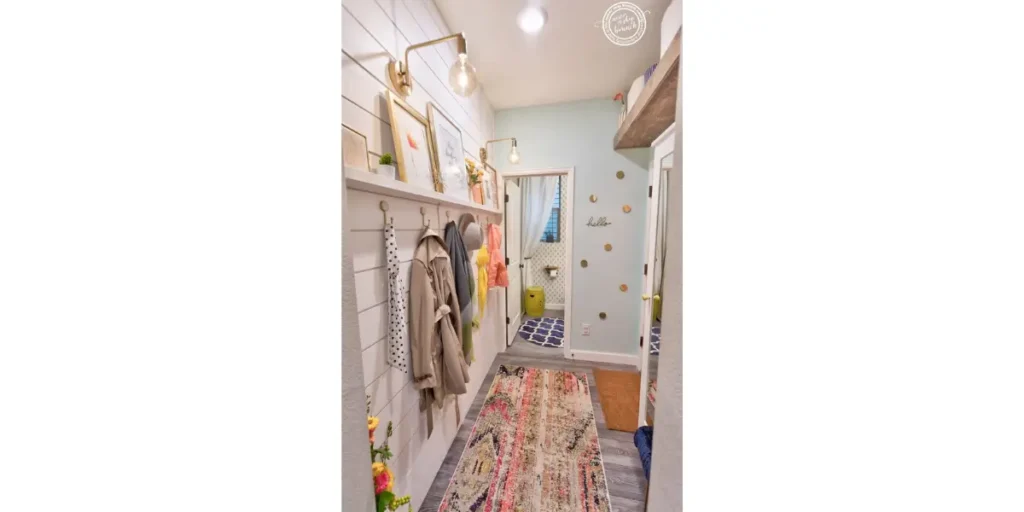
From my experience, ceiling-mounted storage is one of the most overlooked mud room solutions. Using overhead space keeps rarely used items completely out of the way while freeing up valuable wall and floor areas.
This works especially well for seasonal gear, travel bags, or bulky items that don’t need daily access.
I’ve noticed that installing sturdy overhead shelves or suspended cabinets instantly reduces visual clutter.
When these items are stored above eye level, the mud room feels more open and easier to navigate. This is particularly helpful in narrow or compact entry spaces.
5. Built-In Shoe Towers for Vertical Storage
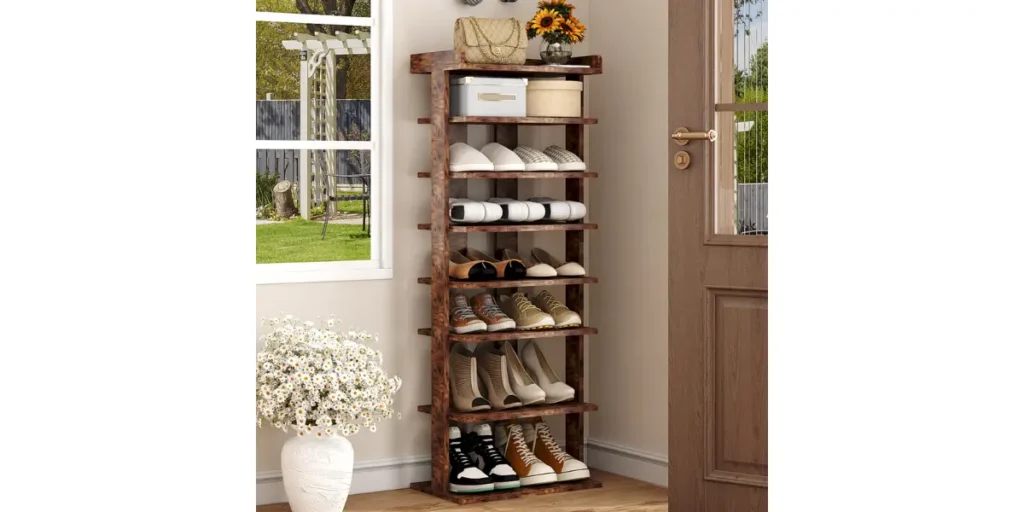
Shoe towers are one of the most efficient ways I’ve found to store large shoe collections. Instead of spreading shoes across the floor, vertical towers organize them in a compact footprint. This keeps footwear contained and easy to manage, even in busy households.
I’ve noticed that vertical shoe storage prevents overflow and keeps pairs from getting mixed up. Shoes stay upright and visible, which makes daily routines faster. This is especially useful in families where multiple people use the mud room at the same time.
What makes shoe towers effective is consistency. When shoes have a clear, dedicated place, the mud room stays cleaner and more organized with very little effort over time.
6. Mixed Open-and-Closed Storage System
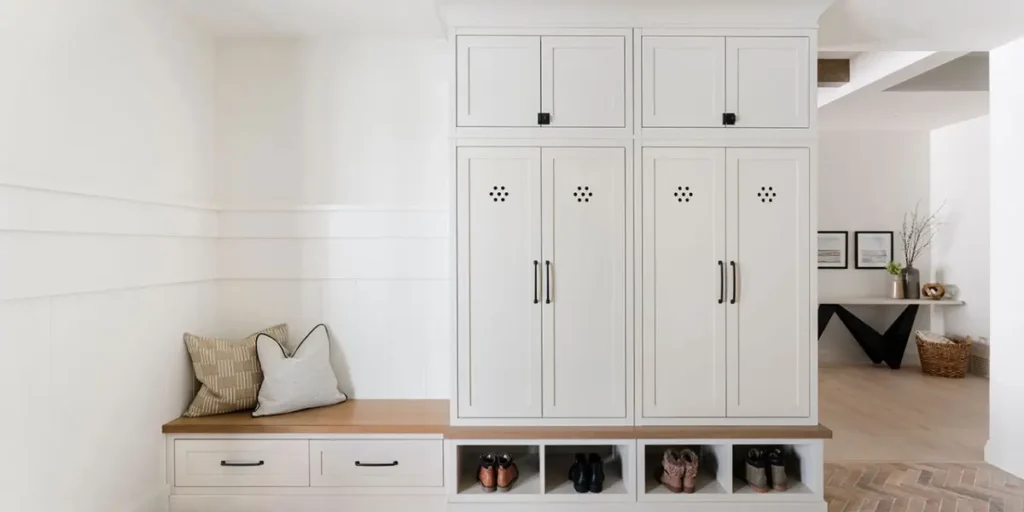
A mix of open and closed storage offers the best balance between access and appearance. From my experience, not everything in a mud room should be hidden, but not everything should be on display either. Combining shelves with cabinets allows you to choose what stays visible and what stays concealed.
I typically use open storage for daily essentials and closed cabinets for clutter-prone items. This keeps the space practical while maintaining a clean visual flow. I’ve noticed this system adapts well as routines change.
The biggest advantage is flexibility. A mixed system grows with the household and keeps the mud room organized without feeling rigid or overbuilt.
How to Select Mud Room Storage That Matches Everyday Routines
From my experience, the most successful mud room storage solutions are designed around how the space is actually used each day. I always start by identifying which items are accessed frequently and which are only needed seasonally.
Storage should support movement, not interrupt it. I’ve noticed that when high-use items are stored at eye level, and low-use items are placed higher or deeper, the mud room stays organized with minimal effort.
Planning storage based on habits rather than appearance alone creates a space that feels intuitive, efficient, and easy to maintain long-term.
FAQs
How do I maximize storage in a small mud room?
In small mud rooms, vertical and overhead storage make the biggest difference. I focus on wall-mounted units, tall cabinets, and multi-use furniture. Keeping the floor clear helps the space feel larger. Smart layout matters more than size.
Should mud room storage be open or closed?
Both have value when used intentionally. Open storage works well for everyday items that need quick access. Closed storage hides visual clutter and keeps the space calm. I’ve found that combining both creates the most flexible system.
How can I keep the mud room storage clutter-free over time?
Consistency is key to long-term organization. I recommend reviewing storage seasonally and removing unused items. Clear zones and labeled storage help everyone follow the system. When storage is easy to use, clutter stays under control.
Conclusion
Effective mud room storage is about making everyday life easier, not about adding complexity. From my experience, the most successful storage systems are those that feel natural to use and adapt as routines change.
When storage is planned thoughtfully, clutter stops accumulating, and the space becomes calmer and more functional. I’ve noticed that using a mix of vertical, hidden, and flexible storage solutions creates balance without overwhelming the room.
A mud room doesn’t need to be large to work well, it just needs the right structure. By focusing on practical layouts and intentional storage choices, any mud room can support daily routines while staying organized, efficient, and visually clean over the long term.