
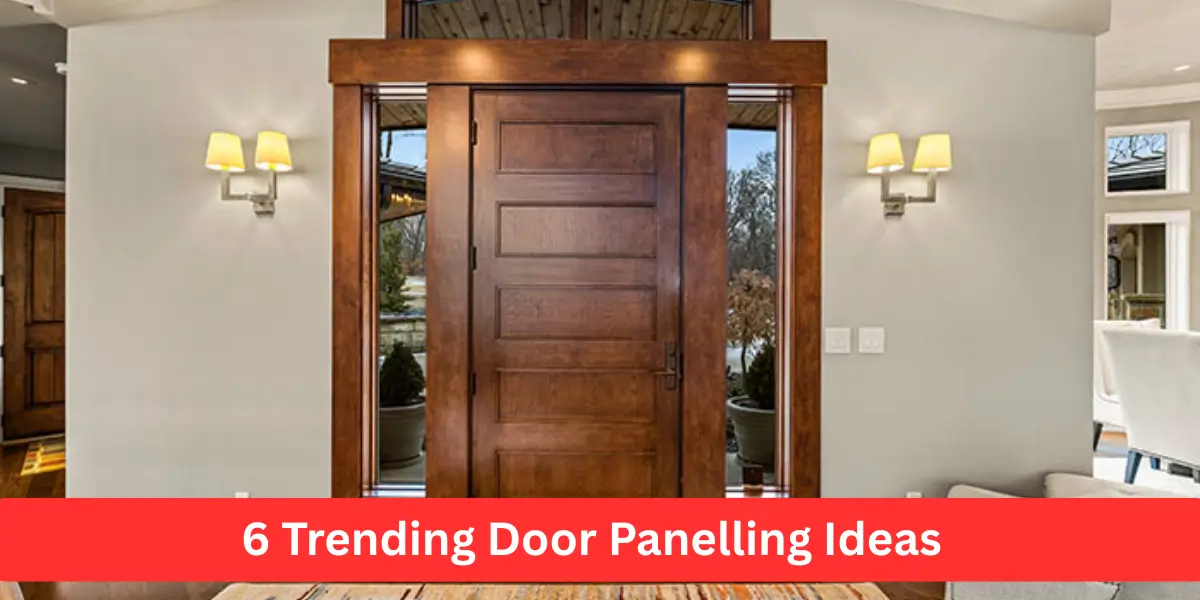

Door panelling ideas play a much bigger role in interior design than most people realize. From my experience, the right panelling can completely change how a room feels by adding structure, balance, and visual interest.
A plain door often fades into the background, while a thoughtfully panelled one becomes part of the design story. I’ve noticed that door panelling isn’t just about style, it also influences proportion, light, and flow within a space.
Whether the goal is to enhance a modern interior or bring warmth to a traditional home, panelling offers flexible design options.
When chosen carefully, door panelling becomes a subtle yet powerful upgrade that elevates the overall look of the home without overwhelming it.
1. Classic Raised Panel Door Design
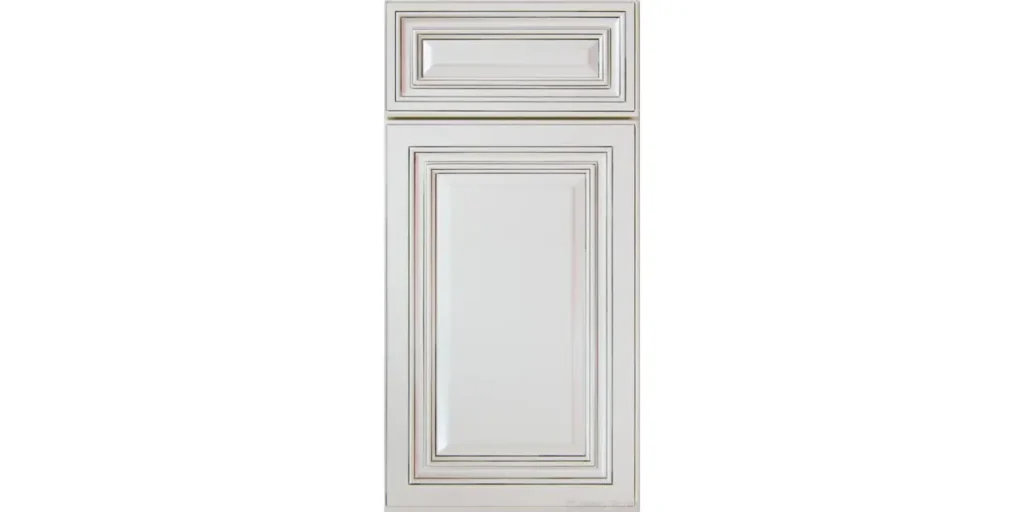
From my experience, classic raised panel doors bring instant elegance to a space. The depth created by raised sections adds architectural interest that flat doors simply don’t offer.
I’ve seen this style work especially well in traditional and transitional interiors where detail matters.
What I like most about raised panels is how they catch light and shadow. This subtle contrast gives the door dimension without needing bold colors or finishes. It naturally elevates hallways, bedrooms, and formal rooms.
Raised panel doors also age beautifully. I’ve noticed they don’t feel outdated quickly because they’re rooted in classic design principles. When paired with quality hardware, they add long-term value and character to a home.
2. Shaker Style Door Panelling
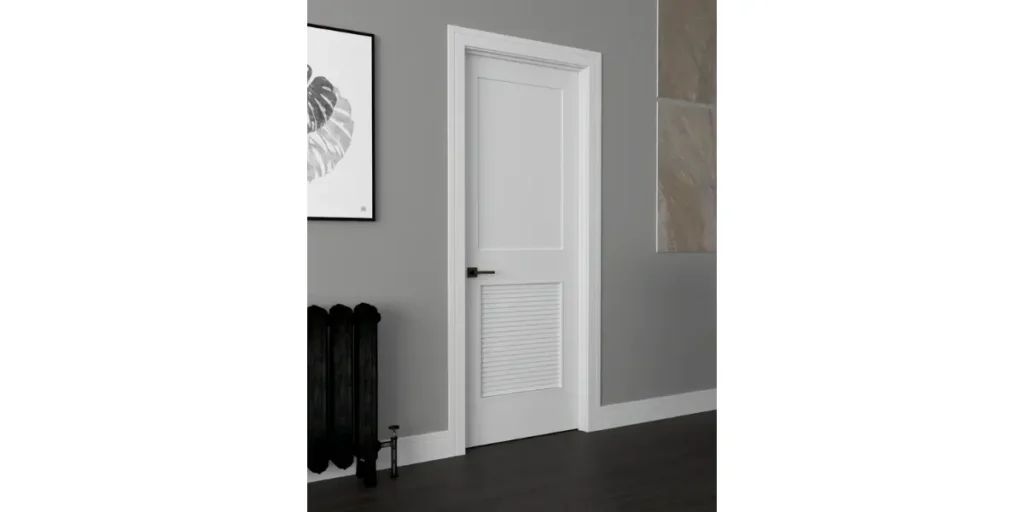
Shaker-style doors are one of my top recommendations for modern homes. Their clean lines and simple frames create a calm, balanced look. In my experience, this style blends effortlessly with both minimalist and transitional interiors.
What makes shaker panelling special is its restraint. The flat center panel keeps the door understated, while the surrounding frame adds just enough structure. I’ve found this balance ideal for spaces that need design clarity without decoration overload.
Another advantage is versatility. Shaker doors work well with neutral paints, bold colors, or even natural wood finishes. This flexibility makes them a safe yet stylish choice for long-term interior planning.
3. Vertical Panelled Door for a Modern Look
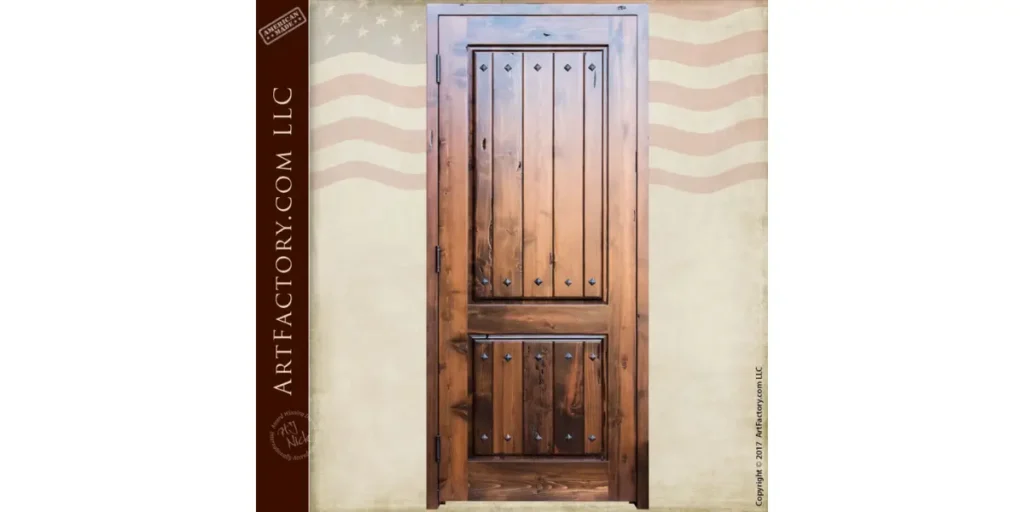
Vertical panelling is something I often suggest when a space feels visually low or compact. From my experience, vertical lines naturally draw the eye upward, making doors appear taller and more elegant. This creates a subtle sense of openness.
I’ve noticed this style works best in contemporary homes where clean geometry is appreciated. The panels add texture without heavy ornamentation, which keeps the design modern. It’s especially effective in apartments and smaller rooms.
Vertical panelled doors also feel intentional and architectural. When painted in soft neutrals or deep tones, they become a quiet statement piece that enhances the room without dominating it.
4. Flat Panel Door with Subtle Molding
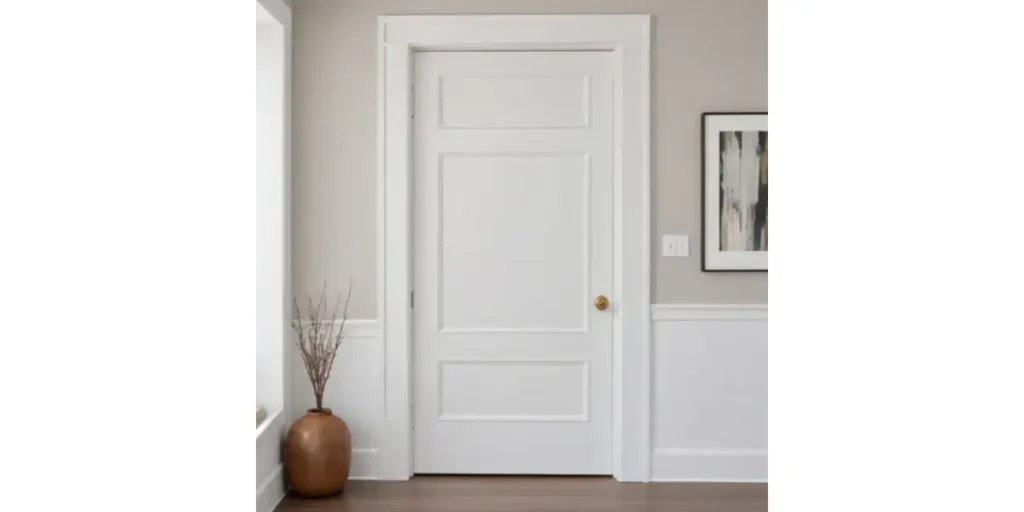
Flat panel doors with added molding strike a beautiful balance between simplicity and detail. In my experience, this style is perfect for homeowners who want refinement without complexity. The flat base keeps things clean, while molding adds character.
I often recommend subtle molding rather than heavy profiles. This ensures the door feels elegant instead of ornate. I’ve noticed that this approach works well in modern classic interiors where softness matters.
Another benefit is customization. You can adjust molding patterns to suit the room’s scale. This makes flat-panel doors with molding a flexible option that adapts well to different design styles.
5. Wood Slat Panelled Door
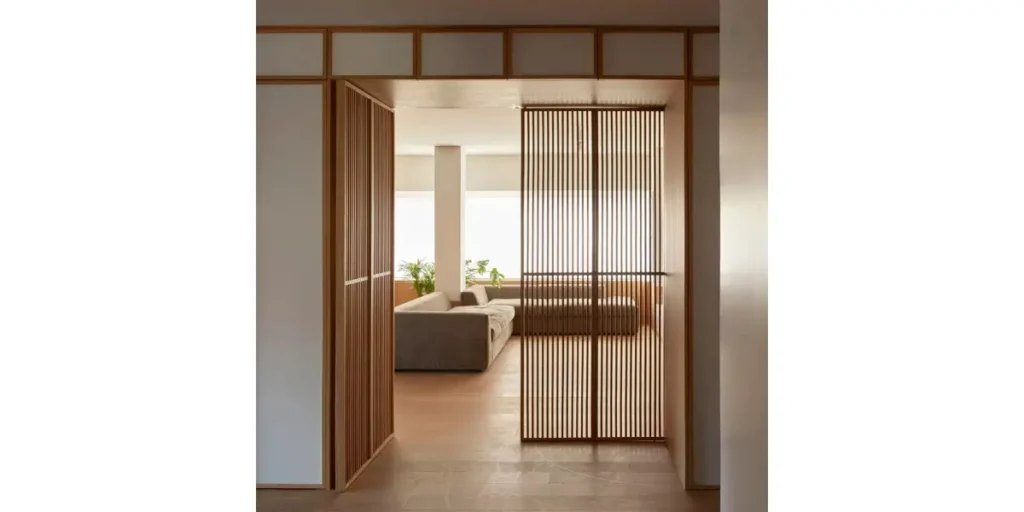
Wood slat panelled doors are ideal when warmth and texture are priorities. From my experience, natural wood instantly softens a space and makes it feel more welcoming. The slatted design adds rhythm and movement to the door surface.
I’ve seen this style work beautifully in Scandinavian and luxury interiors. The vertical or horizontal slats create visual interest without needing extra decoration. Natural grain becomes part of the design.
These doors feel modern yet organic. When finished properly, they add a high-end touch and become a standout feature that still feels connected to the overall interior design.
6. Painted Panelled Door as an Accent
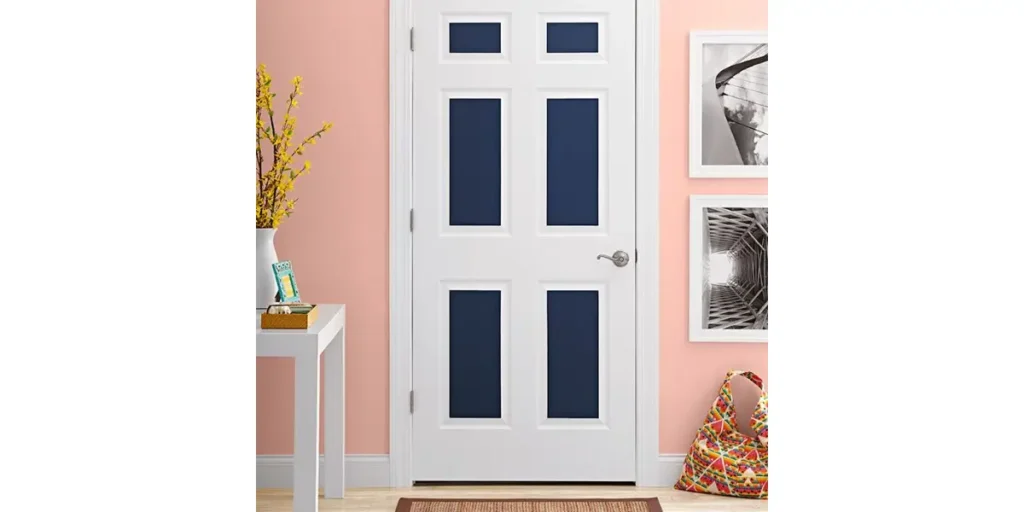
Using paint on panelled doors is one of the easiest ways I’ve seen to add personality. From my experience, a well-chosen color can turn a door into a design feature rather than a background element.
I usually suggest muted or deep tones for accent doors. These colors highlight the panelling without overwhelming the room. I’ve noticed this approach works especially well in home offices, bedrooms, and hallways.
Painted panelled doors are also budget-friendly. They allow homeowners to refresh existing doors instead of replacing them. When done thoughtfully, this simple update delivers a strong visual impact with minimal effort.
How Door Panelling Shapes the Look and Feel of a Room
From my experience, door panelling influences more than just appearance it changes how a space is perceived. The right panelling can make a room feel taller, wider, or more balanced, depending on the layout.
I’ve noticed that vertical panels add height, while detailed panels bring a sense of structure and formality. Panelling also interacts with light by creating subtle shadows, which adds depth and richness to interiors.
When chosen thoughtfully, door panelling becomes part of the room’s architecture rather than a separate design element, helping everything feel more intentional and cohesive.
FAQs
Is door panelling suitable for small rooms?
Yes, door panelling can work very well in small rooms when the design is chosen carefully. In my experience, vertical or simple shaker panels help create the illusion of height. Avoid overly heavy or complex designs that may feel overwhelming. Subtle panelling adds interest without crowding the space.
Can existing doors be upgraded with panelling?
Absolutely, and I’ve seen this done successfully many times. Flat doors can be enhanced with molding, slats, or panel kits. This approach is cost-effective and less disruptive than replacing doors. With proper measurements and finishing, upgraded doors can look custom-made.
Are panelled doors harder to maintain than flat doors?
Panelled doors require slightly more attention because of the grooves and edges. However, I’ve found that regular dusting and gentle cleaning keep them in good condition. Painted finishes are especially easy to maintain. With quality materials, upkeep remains manageable.
Conclusion
Door panelling is one of those design details that quietly transforms a space when done right. From my experience, the right panelling choice adds depth, structure, and character without needing dramatic changes elsewhere in the room.
Whether the style leans traditional, modern, or somewhere in between, thoughtful door panelling helps interiors feel more intentional and refined.
I’ve noticed that even simple updates, like adding subtle molding or a fresh coat of paint, can elevate a door significantly.
When selected with proportion, light, and overall design in mind, door panelling becomes more than a decorative feature, it becomes part of the home’s architectural language, enhancing both functionality and visual harmony for years to come.