
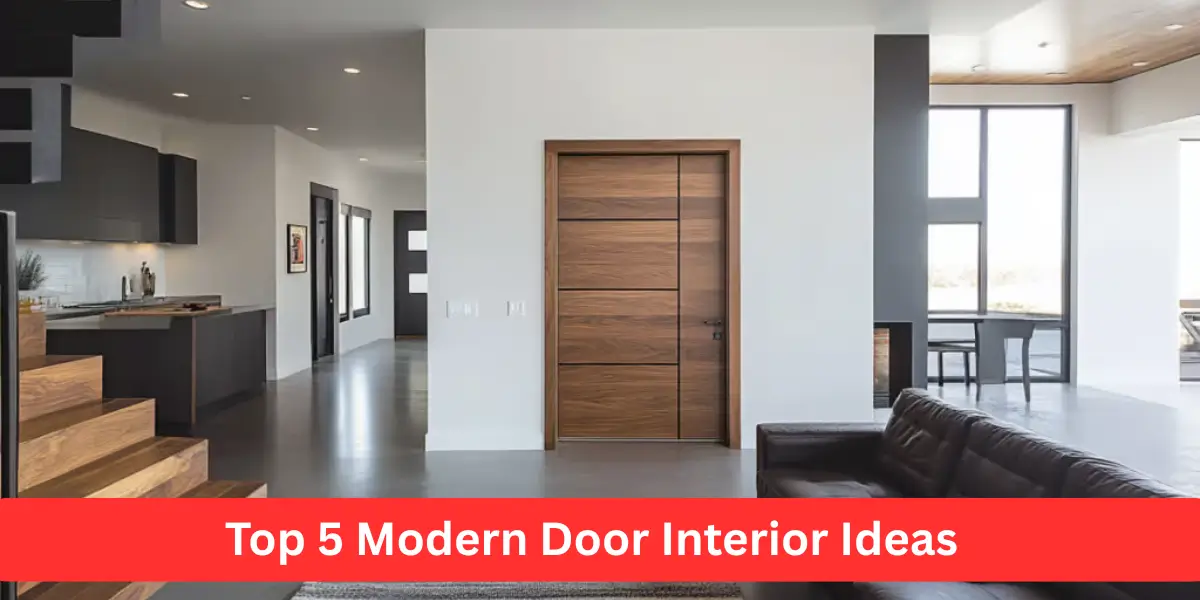

Door interior ideas play a much bigger role in home design than most people realize. From my experience, interior doors are not just functional elements, they quietly shape how a space feels, flows, and connects.
A well-chosen door can add warmth, improve light movement, or even become a design feature on its own. I’ve noticed that many homes feel incomplete simply because the doors were treated as an afterthought.
With the right material, finish, and style, an interior door can enhance both comfort and aesthetics.
Whether you prefer clean modern lines or rich natural textures, thoughtful door design can instantly upgrade the look and feel of your home without a major renovation.
1. Minimal Panel Door with a Neutral Finish
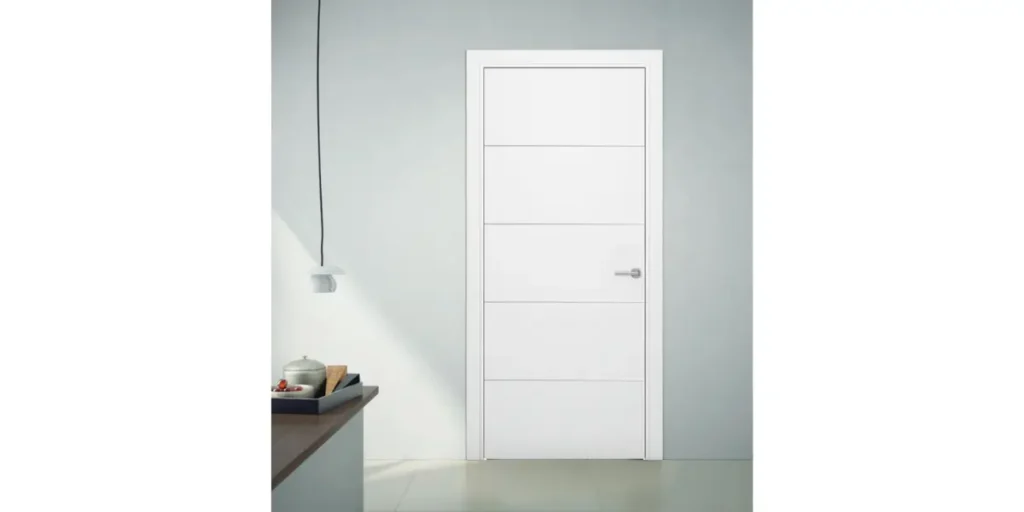
In my experience, minimal panel doors are one of the safest yet most effective interior upgrades. Their clean lines instantly bring order and calm to a space.
I usually recommend neutral finishes like soft white, beige, or light gray because they blend effortlessly with most wall colors and flooring styles. This makes the room feel larger and more cohesive.
What I appreciate most is how these doors don’t compete with other design elements. Instead, they support the overall interior by creating a quiet backdrop. This is especially helpful in modern or Scandinavian-inspired homes where simplicity matters.
Another advantage is longevity. Neutral panel doors don’t go out of style quickly. Even as décor trends change, these doors continue to look relevant, making them a practical long-term choice.
2. Wooden Interior Door with Natural Grain Texture
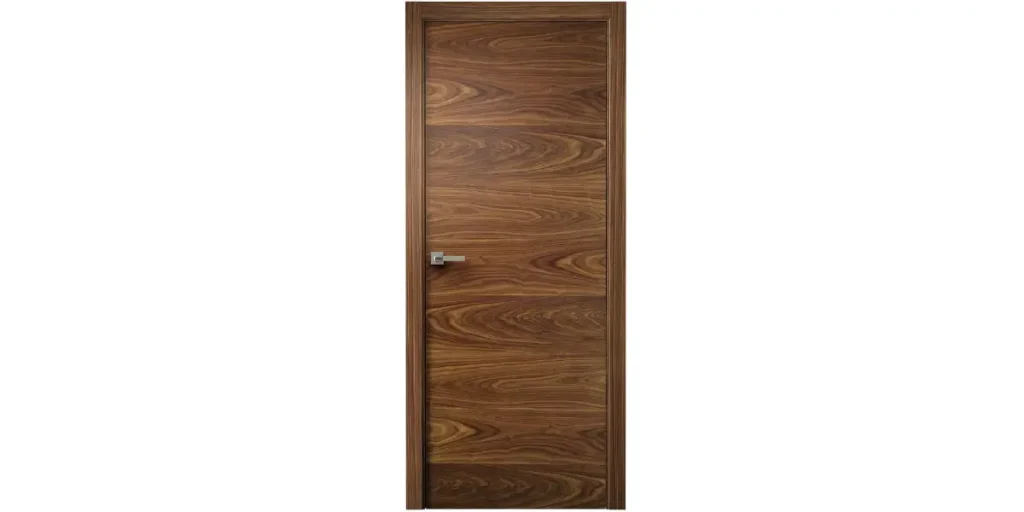
A wooden door with visible grain adds instant warmth, something I always value in interior spaces. From my experience, natural wood textures make rooms feel more inviting and grounded. Whether it’s oak, walnut, or teak, the grain pattern adds depth that paint simply can’t replicate.
I often suggest keeping the finish natural or lightly stained so the character of the wood remains visible. This works beautifully in living rooms and bedrooms where comfort is a priority. The door itself becomes a design element rather than just a divider.
What makes wooden doors special is their timeless appeal. Trends may change, but natural materials age gracefully. A well-maintained wooden door often looks better over time, adding character instead of wear.
3. Glass Panel Interior Door for Light and Openness
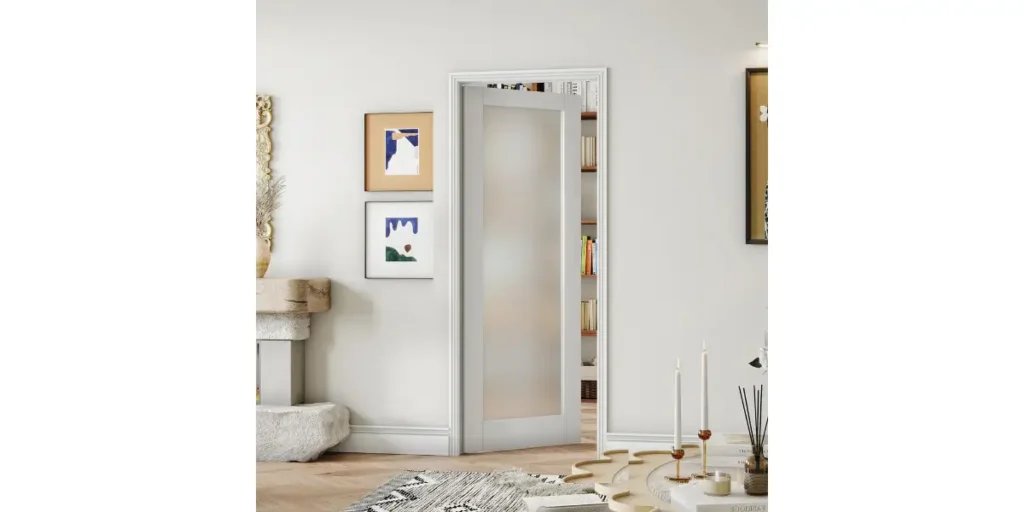
Glass panel doors are my go-to recommendation when a space feels dark or closed off. In my experience, they allow natural light to move freely between rooms while still defining boundaries. This makes interiors feel more open and connected without sacrificing structure.
I usually advise frosted, fluted, or ribbed glass for privacy. These options soften visibility while maintaining brightness. They work especially well for home offices, kitchens, and hallways where light is often limited.
Another benefit is visual flow. Glass doors help rooms feel larger and more breathable. When paired with slim frames and neutral finishes, they add a modern touch that feels both functional and stylish.
4. Bold Painted Interior Door as a Design Accent
Using a bold color on an interior door is one of my favorite ways to add personality without major changes. From my experience, a single painted door can transform a plain room into something memorable. Deep greens, navy blues, or charcoal tones work especially well as accents.
I usually recommend this approach in spaces with neutral walls. The contrast draws attention to the door and turns it into a focal point rather than something to hide. It’s a subtle way to experiment with color.
The best part is flexibility. If tastes change, repainting a door is easy and affordable. This makes bold doors a low-risk, high-impact design choice that allows creativity without commitment.
5. Sliding Interior Door for Modern and Flexible Living
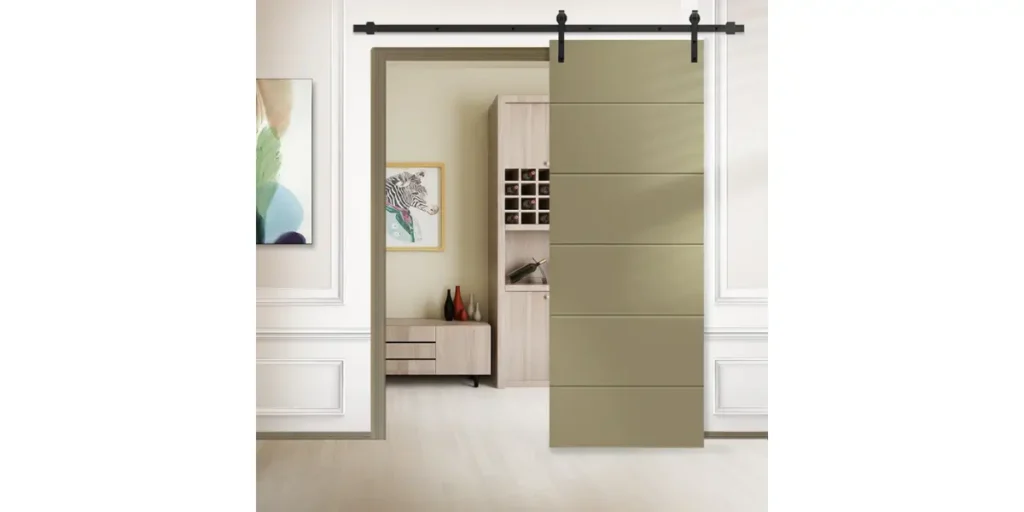
Sliding interior doors are both stylish and practical, especially in homes where space is limited. From my experience, they solve layout problems while adding architectural interest. Because they don’t swing open, they free up valuable floor space.
I often suggest sliding doors for kitchens, closets, or between living and dining areas. Materials can range from wood to glass, depending on whether privacy or openness is the priority. This flexibility makes them suitable for many interior styles.
What I like most is how sliding doors support modern living. They allow spaces to open and close as needed, giving homeowners more control over flow and function without compromising on design.
How Interior Doors Influence Space, Mood, and Daily Comfort
From my experience, interior doors quietly shape how a home feels on a daily basis. The right door can make a room feel calmer, brighter, or more private without changing furniture or layout.
I’ve noticed that doors with the right material and finish improve flow between spaces and reduce visual noise. Sound control, light movement, and ease of use all depend on door choice.
When doors are selected with intention, they support comfort and functionality rather than interrupting it. This is why interior door design should always be considered part of the overall interior planning, not an afterthought.
FAQs
How do I choose the right interior door for each room?
I always start by considering how the room is used. Bedrooms usually need privacy and sound control, while common areas benefit from light and openness. Material, swing direction, and finish all matter. Choosing based on function first leads to better long-term satisfaction.
Are solid doors better than hollow doors for interiors?
In my experience, solid doors offer better durability and sound insulation. They feel sturdier and more premium in daily use. Hollow doors are lighter and more budget-friendly, but may not suit high-traffic areas. The choice depends on usage and budget balance.
Can interior doors affect the brightness of a home?
Yes, interior doors have a big impact on light flow. Glass or light colored doors help natural light travel between rooms. I’ve seen darker doors absorb light and make spaces feel heavier. Choosing lighter finishes can noticeably brighten interiors.
Conclusion
Interior doors may seem like small details, but from my experience, they have a lasting impact on how a home looks and feels. When chosen thoughtfully, doors enhance flow, comfort, and visual balance without requiring major changes.
I’ve noticed that the right door style can make spaces feel brighter, calmer, or more connected, depending on the need.
Whether it’s a minimal panel door, natural wood texture, or a modern sliding design, each choice contributes to daily living in subtle ways.
Investing time in selecting interior doors is not just about design, but about improving how a home functions. When doors align with both style and purpose, they quietly elevate the entire interior.