
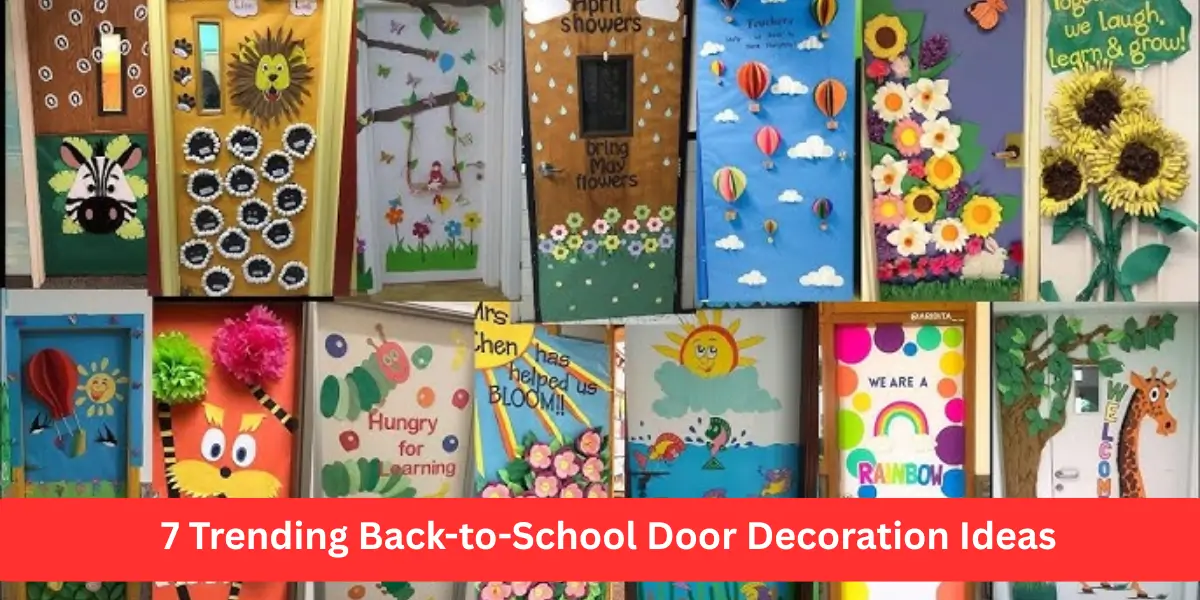

Back-to-school door decoration ideas set the emotional tone long before the first lesson begins. I’ve noticed that students respond instantly to what they see on the classroom door, it shapes their mood, curiosity, and sense of belonging from day one.
A thoughtfully decorated door can ease first-day nerves, spark excitement, and quietly communicate what kind of classroom environment awaits inside.
Rather than decorating just for appearance, effective door designs support motivation, positivity, and classroom culture.
I’ll share carefully chosen, widely used back-to-school door decoration ideas that teachers rely on year after year, ideas that feel welcoming, purposeful, and engaging for real classrooms.
1. Welcome Back to School Door Theme
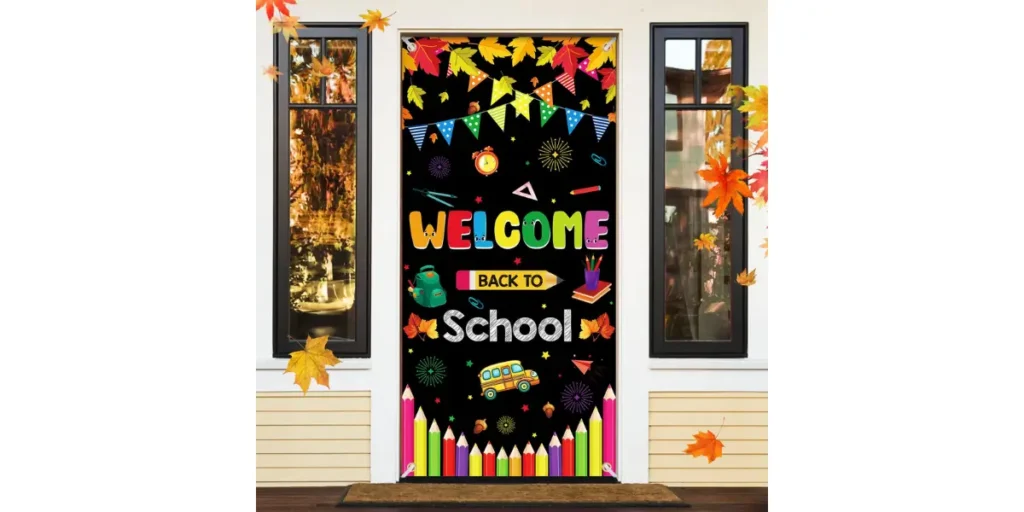
A welcome back to school door sets a positive tone before students even enter the classroom.
Bright colors, friendly lettering, and simple visuals immediately reduce first-day anxiety and help students feel safe. This theme works well across all grade levels.
Teachers often use phrases like “Welcome Back” or “We’re Glad You’re Here” to create warmth and approachability. Adding cheerful elements such as balloons, pencils, or smiling characters keeps the design inviting rather than overwhelming.
I’ve seen this theme work because it focuses on emotion first. When students feel welcomed, they walk into the classroom more relaxed and ready to engage.
2. Growth Mindset Back to School Door
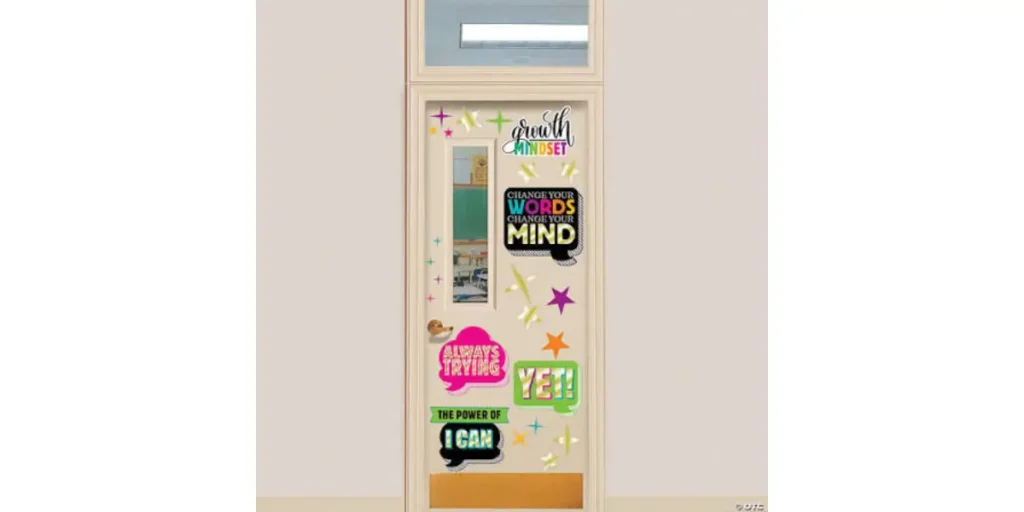
A growth mindset door reminds students that learning involves effort, mistakes, and progress. Messages like “Mistakes Help Us Learn” or “I Can Improve with Practice” reinforce positive thinking from the start of the year.
Designs often include symbols like ladders, light bulbs, or arrows pointing upward to visually represent growth. These visuals communicate the message quickly, even to younger learners.
This idea works because it supports confidence without pressure. Students see the message daily, which helps normalize challenges and encourages persistence throughout the school year.
3. Student Name or Class Family Door
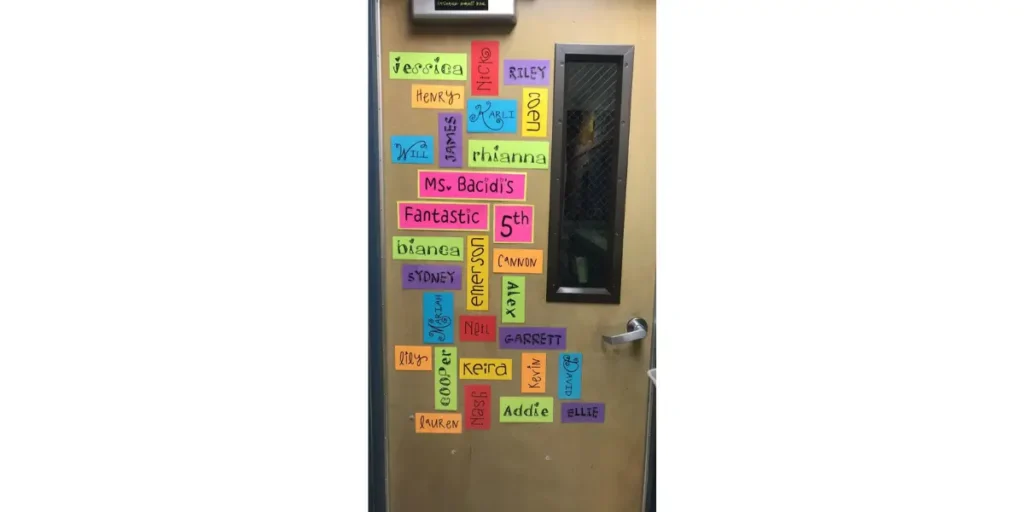
A student-name door creates an immediate sense of belonging. Displaying each student’s name on the door shows that everyone matters and has a place in the classroom community.
Teachers use creative formats such as backpacks, stars, or puzzle pieces to showcase names. This approach keeps the door visually engaging while remaining personal and meaningful.
I’ve noticed students feel proud when they see their names displayed. This simple recognition builds connection, strengthens classroom relationships, and helps students settle in more comfortably at the start of the year.
4. Reading or Learning Adventure Door
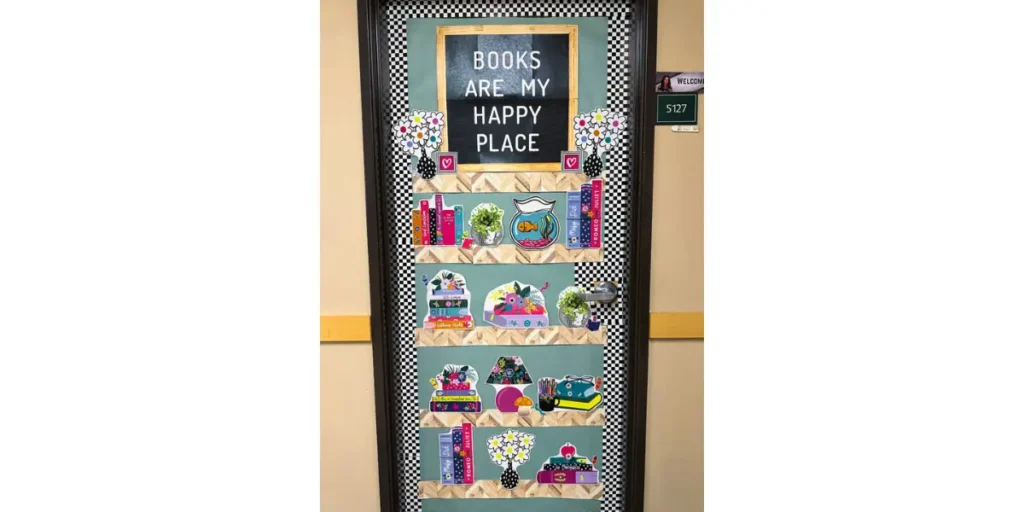
A learning adventure door turns school into a journey rather than a task. Visuals like books, maps, rockets, or paths with messages such as “Learning Is an Adventure” spark curiosity and excitement.
This theme works especially well for younger grades, where imagination plays a strong role in engagement. The door becomes a preview of discovery waiting inside the classroom.
Teachers often use this idea because it reframes learning positively. Instead of focusing on rules or expectations, it invites students to explore, imagine, and enjoy the learning process.
5. School Supplies Theme Door
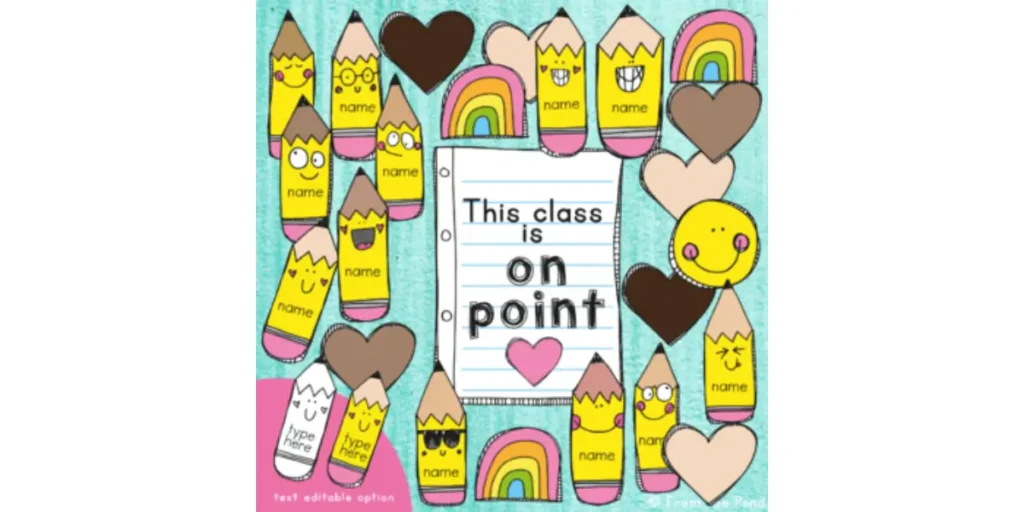
School supplies doors use familiar items like crayons, pencils, rulers, and notebooks to create a fun and relatable design. These visuals help students feel comfortable and excited about returning to school.
Bright colors and simple shapes make this theme especially effective for elementary classrooms. The door feels playful without becoming distracting or cluttered.
This idea works well because it connects learning with tools students recognize and use daily. It builds enthusiasm and helps younger students associate school with creativity and fun.
6. Goals and Dreams Back to School Door

A goals and dreams door encourages students to think positively about the year ahead. Words like “Dream Big” or “Reach Your Goals” inspire motivation and self-belief from day one.
Teachers often include stars, clouds, or ladders to represent aspirations and growth. Some classrooms even leave space for students to add their own goals later.
I’ve found this theme effective because it shifts focus toward possibility. It gently encourages students to see the school year as an opportunity rather than a challenge.
7. Kindness and Positivity Door Theme

A kindness-themed door promotes respect, empathy, and positive behavior. Messages like “Choose Kindness” or “Be Kind to One Another” help set classroom expectations visually.
Simple designs using hearts, smiles, or uplifting words keep the message clear and age-appropriate. This theme works well across all grade levels.
Teachers value this idea because it supports a safe and inclusive environment. When students see positive reminders daily, they become more mindful of how their actions affect others.
How Back-to-School Door Decorations Support Classroom Culture
Back-to-school door decorations do more than create a festive look; they quietly shape classroom culture from the very first day. A thoughtfully designed door helps students feel safe, welcomed, and emotionally prepared to learn.
Visual messages around kindness, effort, and belonging reinforce expectations without needing constant reminders. Over time, these cues help students associate the classroom with positivity and structure.
When the door design aligns with learning values, it becomes an extension of teaching rather than a simple decoration, supporting both behavior and engagement throughout the school year.
FAQs
How early should teachers decorate doors for back to school?
Most teachers decorate doors a few days before school starts so students walk into a welcoming environment on day one. Early preparation also reduces stress during the busy first week. A ready classroom helps teachers focus more on students instead of last-minute setup.
Are back to school door decorations suitable for older students?
Yes, but the design should match maturity levels. Older students respond better to clean layouts, motivational messages, and goal-focused themes rather than cartoon-style visuals. Age-appropriate designs help maintain respect and relevance.
Should students be involved in door decoration activities?
Involving students can be very effective, especially after the first few days of school. Allowing them to add names, goals, or artwork builds ownership and connection. This participation often increases pride and responsibility within the classroom.
Conclusion
Back to school door decorations may seem like a small detail, but they play a meaningful role in shaping how students experience the classroom.
A well-designed door welcomes learners, supports emotional comfort, and communicates values before a single lesson begins.
When teachers choose themes that focus on belonging, growth, and positivity, they create an environment where students feel encouraged to participate and learn.
From what I’ve seen, these visual cues help ease transitions and build stronger classroom connections.
With thoughtful planning, a classroom door becomes more than decoration it becomes the first step toward a positive, engaging, and supportive school year.