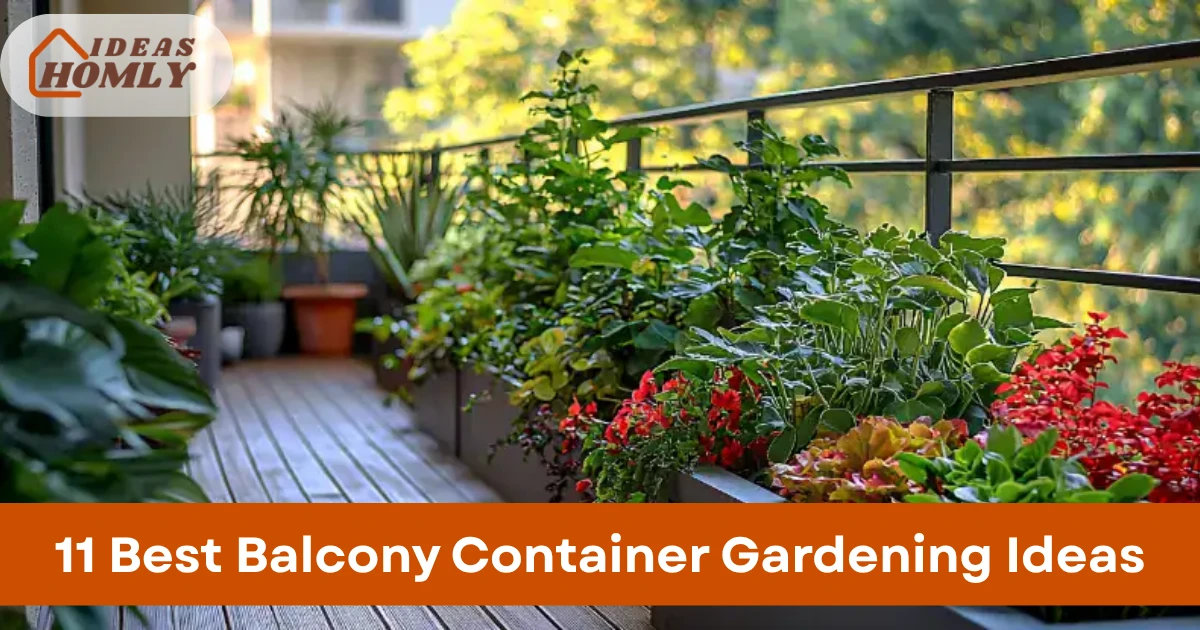

Balcony container gardening helps me turn a small outdoor space into a green and usable corner. I focus on simple container setups that fit easily in tight balconies without making things messy.
Container gardening on a balcony allows flexibility in design and plant choice. I can move pots around depending on the sunlight and the weather. It also makes maintenance easier compared to traditional garden beds.
Many people use balcony container gardening ideas to create a relaxing space at home. I do the same when I want a peaceful spot for morning tea or evening rest. It adds life to even the smallest apartment balcony.
This guide shares practical and real-life ideas that I personally find useful for container gardening. Every idea focuses on space-saving, plant health, and easy maintenance for daily use.
Step-by-Step Balcony Container Gardening Setup for Beginners
Balcony container gardening becomes easy when I follow a simple step-by-step setup instead of guessing everything at once. I always start with planning because a clear setup saves time and avoids mistakes later.
I focus on understanding my balcony space before placing any containers. I check sunlight direction, open space, and airflow because these factors decide plant health. Without this step, plants often struggle after setup.
I always begin with a limited number of containers to keep things manageable. Starting small helps me learn how plants react to my balcony conditions. It also prevents overcrowding in the early stage.
I prefer using lightweight containers at the beginning because they are easier to adjust. This flexibility helps me fix layout issues without disturbing plants too much. It makes the whole gardening process smoother.
1. Smart Container Layout Planning for Small Balconies
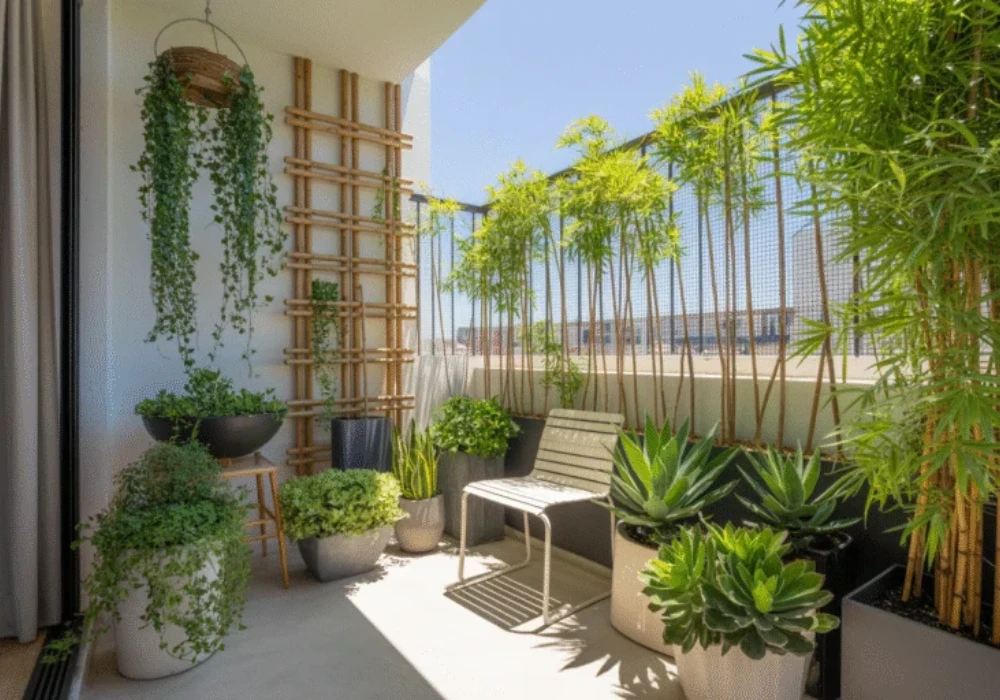
Balcony container gardening works best when I plan the layout before placing any pots. I always study the available space first, so I avoid clutter later. This helps me keep a clean walking area.
Container placement becomes easier when I divide the balcony into small zones. I usually assign one corner for flowers and another for herbs or vegetables. This simple zoning keeps everything organized.
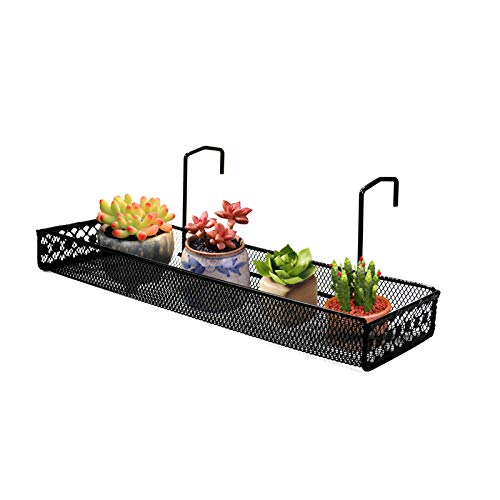
I also consider plant height while planning placement. Taller plants go at the back, and smaller ones stay in front. This improves visibility and sunlight access for all plants.
A well-planned layout saves time during watering and maintenance. I don’t need to move pots again and again, which reduces daily effort.
2. Vertical Container Gardening for Space Saving
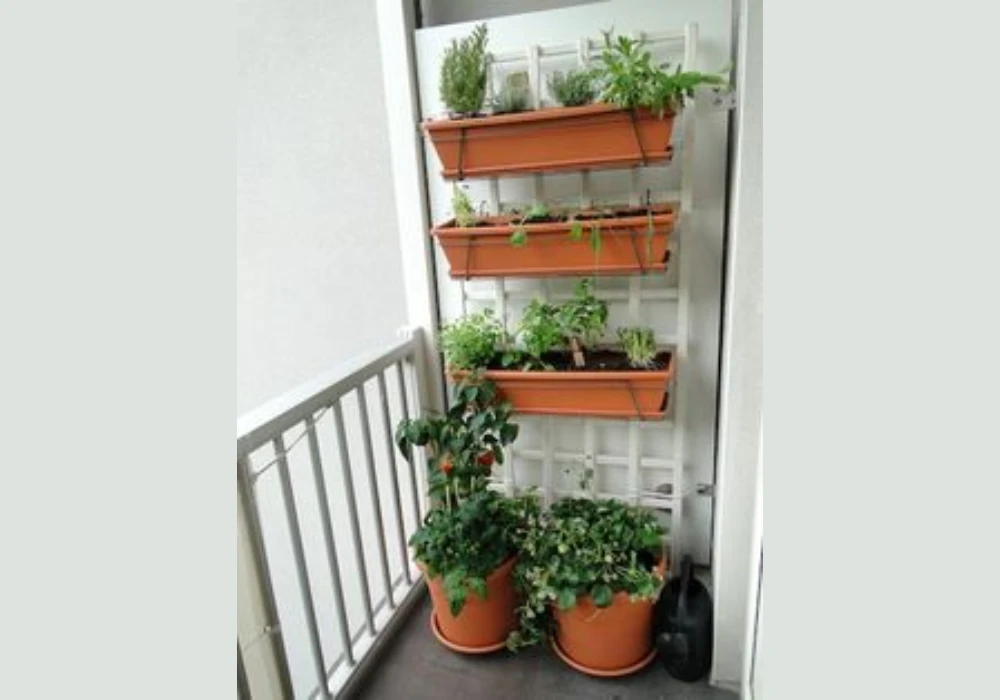
Vertical balcony container gardening helps me grow more plants without using floor space. I use wall-mounted pots and shelves to build layers of greenery. This works especially well in narrow balconies.
I often install vertical racks to hold multiple small containers. These racks help me maximize empty wall space. It also creates a neat and structured plant display.
Hanging planters are another method I use for vertical gardening. I place them at different heights to create a natural layered effect. This also improves airflow around plants.

Vertical setups reduce crowding on the floor and keep the balcony more open. I notice that plants stay healthier because they get better air circulation.
3. Herb and Edible Container Gardening for Daily Use
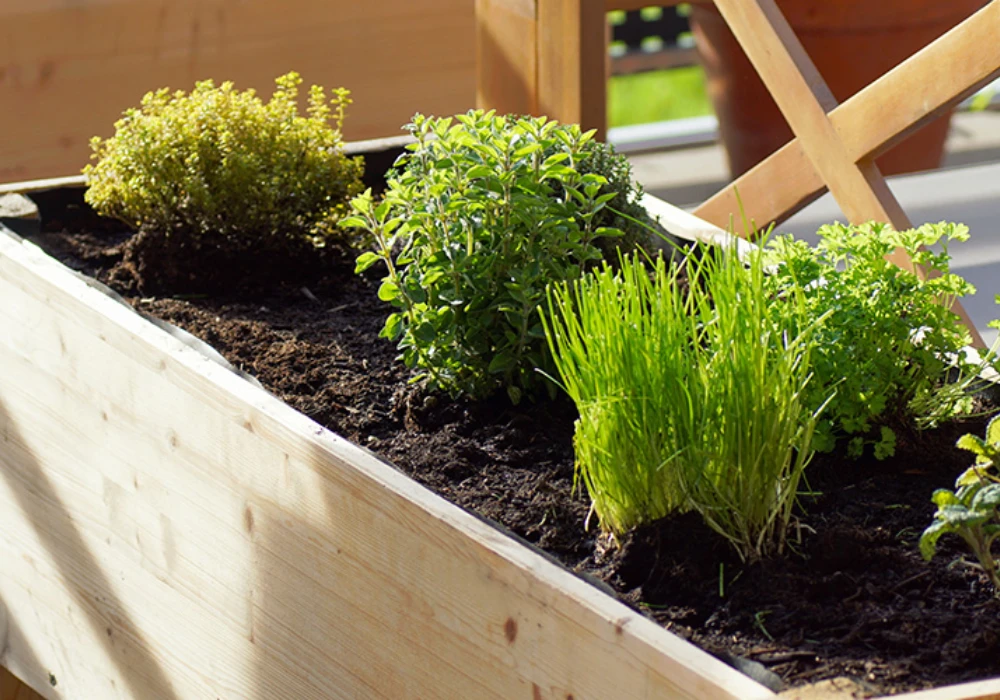
Balcony container gardening becomes more useful when I grow herbs and edible plants. I prefer mint, coriander, and basil because they grow well in small containers. These plants are easy to maintain.
I usually place herb containers near the kitchen side of the balcony. This makes it easy for me to pick fresh herbs while cooking. It saves both time and money.
Small vegetables like chilies and tomatoes also grow well in containers. I always choose medium-sized pots with proper drainage for them. This supports healthy root growth.
Growing edible plants gives me fresh ingredients at home. It also makes my balcony useful instead of just decorative.
4. Decorative Container Gardening for Balcony Styling
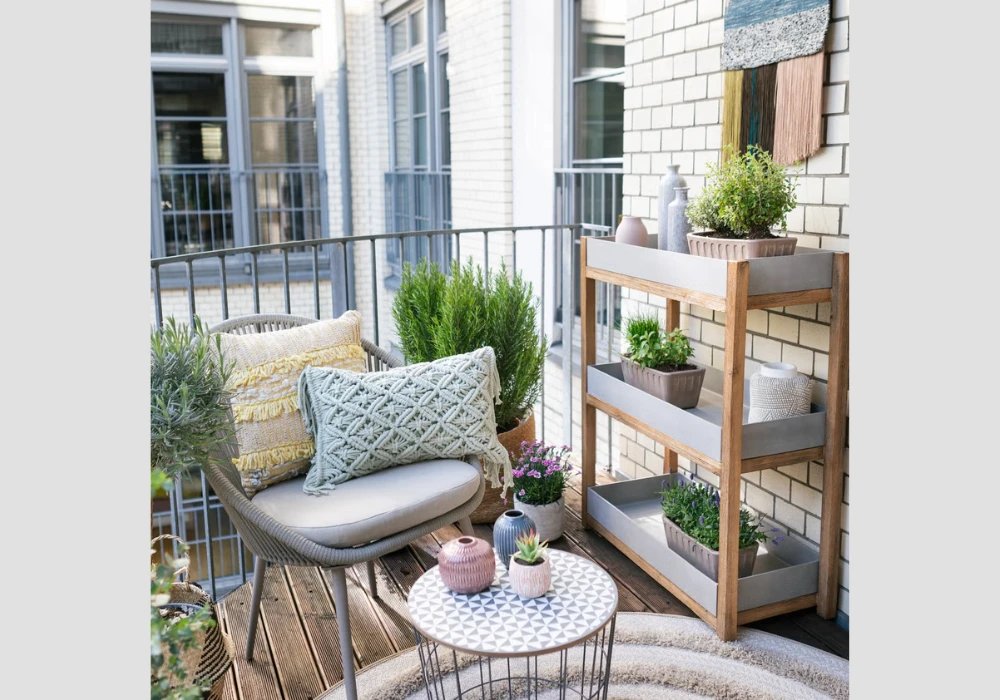
Decorative balcony container gardening helps me improve the visual appeal of my space. I use colorful pots to match the overall theme of my balcony. This makes the area more attractive.
I mix flowering plants like marigolds and petunias in decorative containers. These flowers bring natural color and brightness to the balcony. I place them in visible areas.

Hanging containers also help in decoration without taking up floor space. I arrange them at different heights to create a soft visual flow. This makes the balcony feel lively.
Sometimes I reuse old containers and repaint them. This simple trick saves money and adds a personal touch to my garden setup.
5. Soil Mix and Drainage Management for Containers
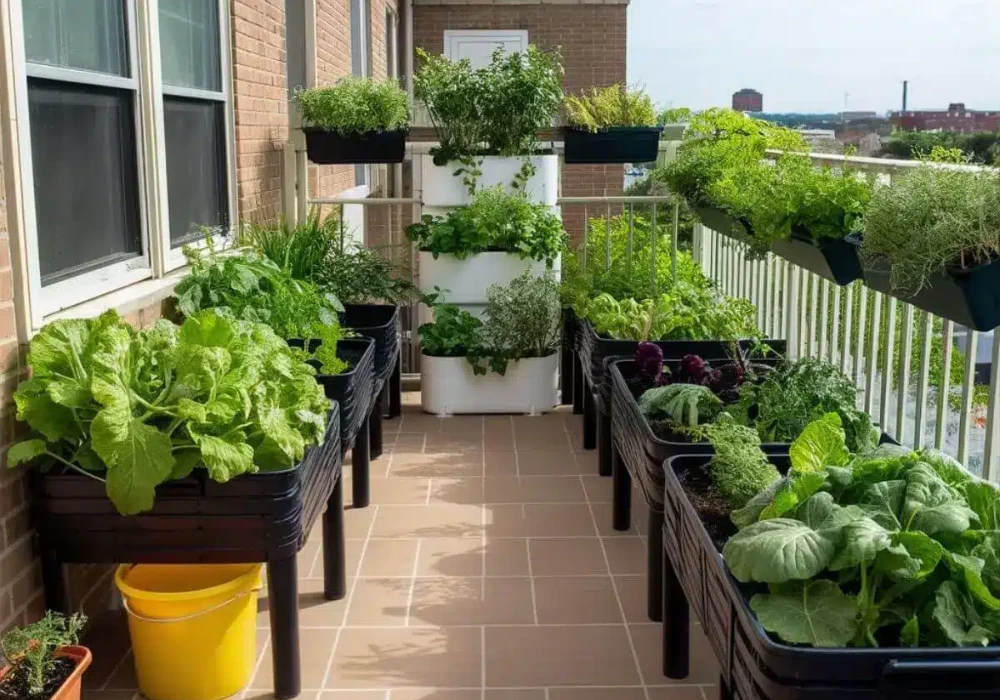
Soil quality plays a big role in balcony container gardening success. I always use a mix of garden soil, compost, and coco peat. This keeps the soil light and well-draining.
Good drainage prevents water from staying inside pots. I always check drainage holes before using any container. Without drainage, roots can rot quickly.
I avoid using heavy soil because it blocks root growth. Light soil allows plants to breathe better and grow faster.
Adding compost regularly improves soil fertility. I refresh the soil every few weeks to keep plants healthy.
6. Sunlight-Based Container Placement Strategy
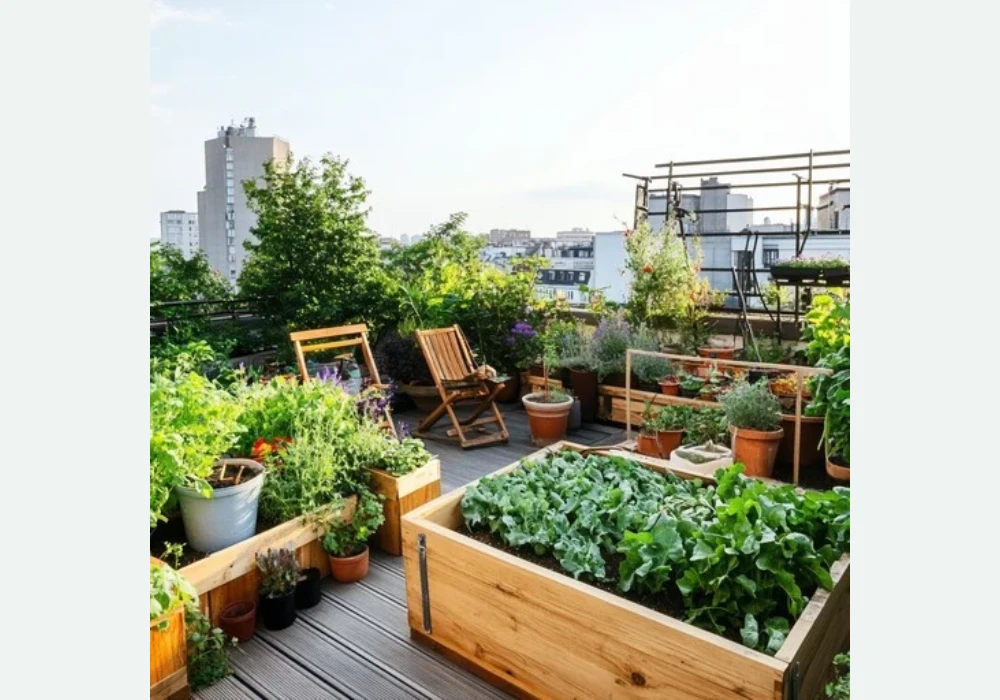
Sunlight plays an important role in plant health. I always observe how sunlight moves across my balcony before placing containers. This helps me avoid plant damage.
Sun-loving plants like flowers stay in bright areas. Shade-tolerant plants go in corners or partially covered spaces. This balance keeps all plants growing well.
I rotate containers sometimes so all plants get equal sunlight. This prevents uneven growth and bending.
Proper spacing between pots ensures sunlight reaches every plant. I avoid overcrowding because it blocks light and airflow.
7. Lightweight Container Choices for Balcony Safety
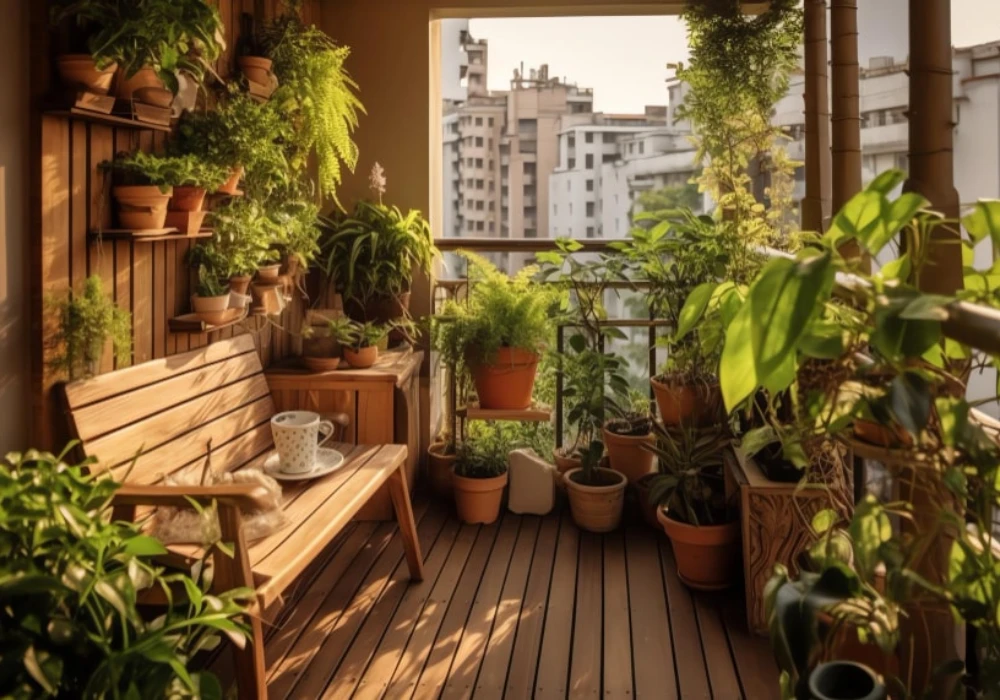
Balcony container gardening becomes safer when I choose lightweight containers instead of heavy ceramic or stone pots. I prefer plastic grow bags and fiber pots because they reduce the load on balcony floors. This matters a lot in apartment setups.
Light containers are also easier to move during cleaning or rearranging. I often shift plants based on sunlight changes, so mobility is important for me. Heavy pots make this process difficult and tiring.
I also check pot strength before buying because weak containers can crack in heat. I choose durable but light materials that can handle outdoor conditions. This keeps my setup stable for long-term use.

Using lightweight containers also helps prevent accidents in windy conditions. I always secure hanging pots properly to avoid falling issues. Safety stays my priority.
8. Mixed Plant Container Gardening for Better Growth
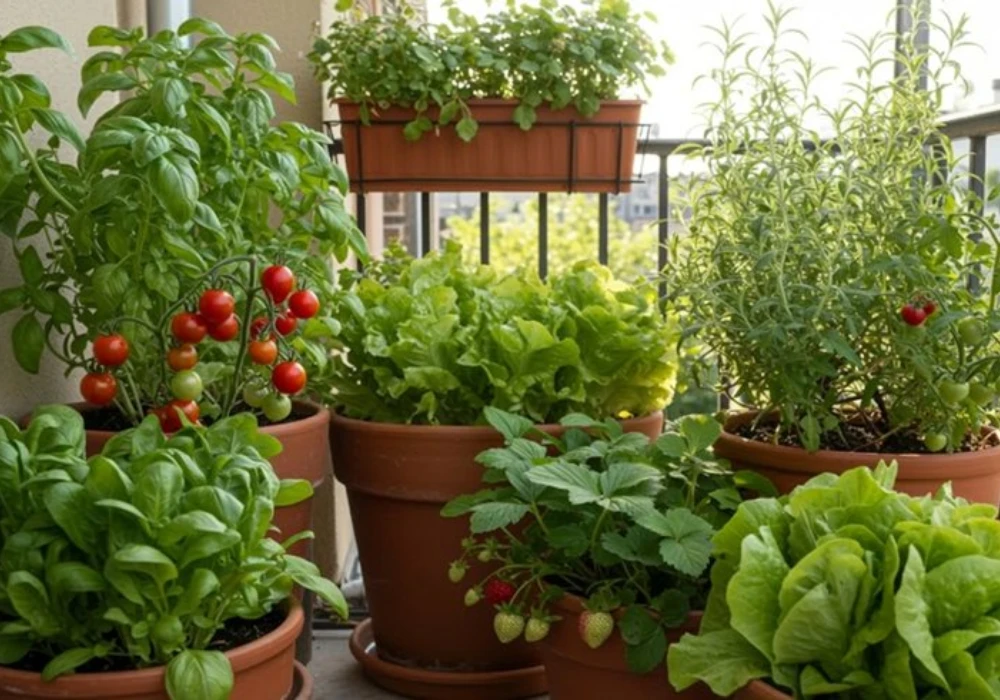
Balcony container gardening works better when I mix compatible plants in one container. I combine plants that have similar sunlight and water needs. This helps me manage care more easily.
I often grow herbs together in one container, like basil, parsley, and coriander. These plants grow well together and don’t compete aggressively. It also saves space in my balcony.
For flowers, I mix colors in one large container to create a natural display. I choose plants with similar growth speed to avoid imbalance. This keeps the arrangement visually stable.
I avoid mixing plants that need different soil or watering patterns. This prevents stress on plants and keeps growth consistent. Proper pairing is important for long-term success.
9. Seasonal Container Gardening Adjustments for Balcony Plants
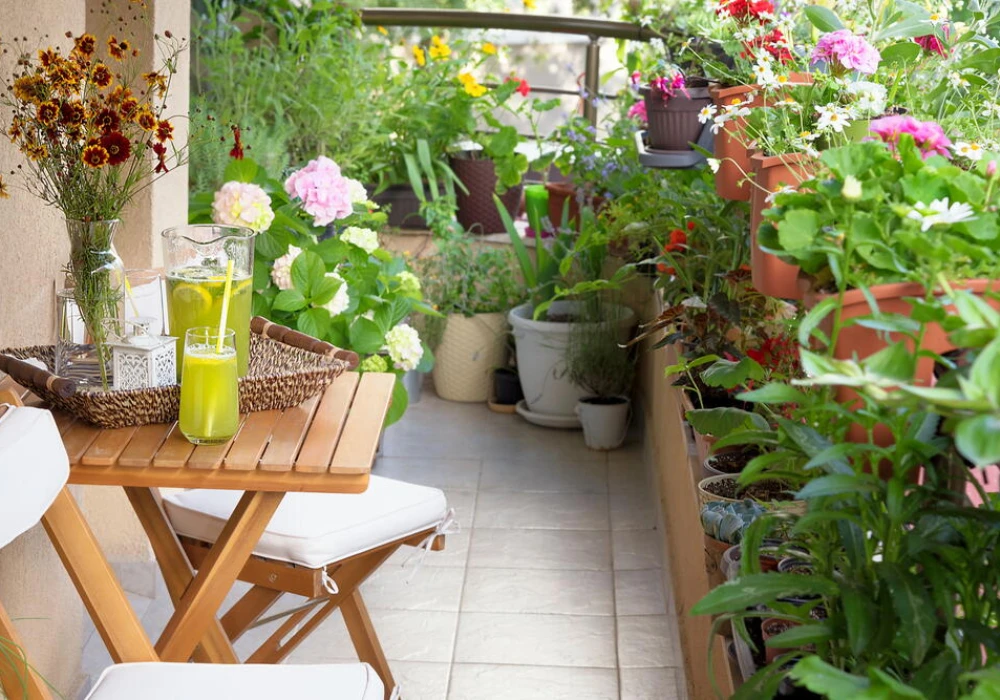
Balcony container gardening changes with the seasons, so I adjust my setup regularly. In summer, I shift plants to shaded areas to prevent heat damage. This helps plants survive high temperatures.
During winter, I move sensitive plants closer to sunlight. I also reduce watering frequency because soil stays moist longer. These small adjustments improve plant health.

Monsoon season requires extra drainage care. I always check pots for excess water buildup and clean drainage holes. This prevents root rot and fungal issues.
I also rotate seasonal plants based on weather conditions. Some plants grow better in cooler months, so I replace them accordingly. This keeps my balcony garden active year-round.
10. Low-Maintenance Container Gardening Ideas for Busy People
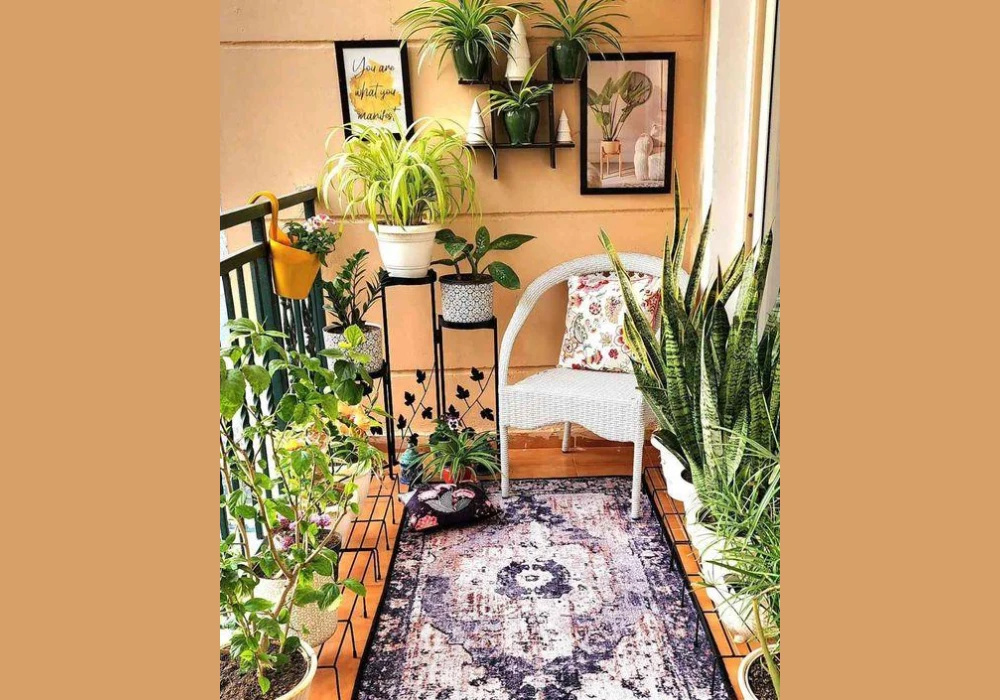
Balcony container gardening can still work even when I have limited time. I choose low-maintenance plants like succulents, snake plants, and money plants. These plants survive with minimal care.
I use self-watering containers sometimes to reduce daily watering effort. These containers store water and release it slowly to the roots. This helps during busy days or short trips.
I also group plants that need similar care, so maintenance becomes faster. This reduces confusion and saves time during watering and feeding. Simple grouping works very well for beginners.
Mulching the soil helps me reduce watering frequency. It keeps moisture inside the container for longer periods. This makes gardening easier, even with a busy schedule.
11. Watering Techniques for Balcony Container Gardening
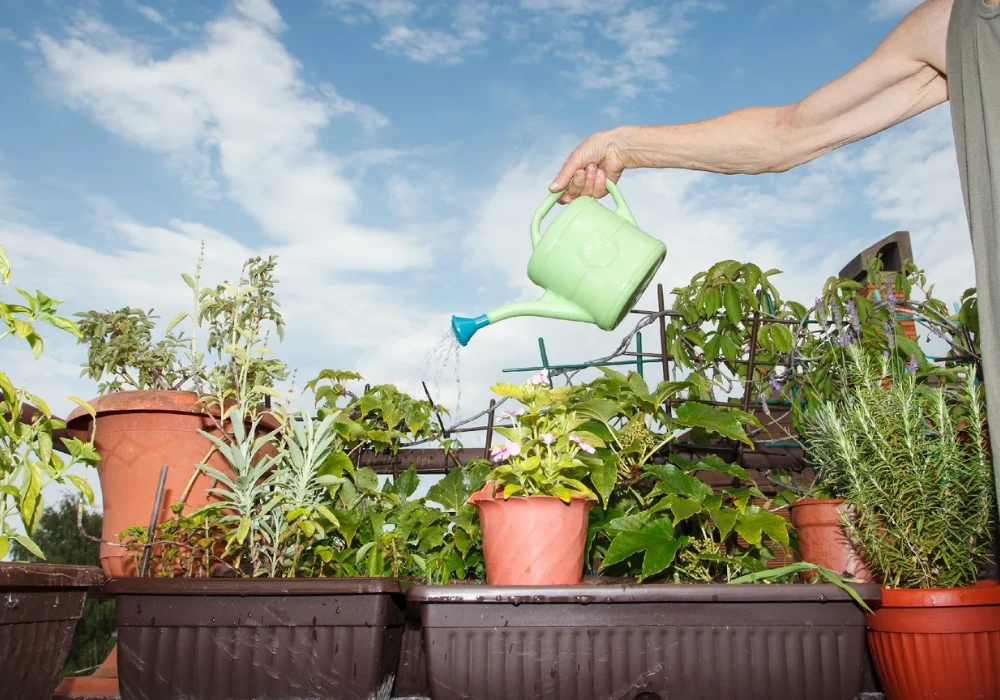
Balcony container gardening depends heavily on proper watering habits. I always water plants early in the morning because it helps reduce evaporation and keeps the soil moist for longer. This simple timing improves plant health.

I avoid overwatering because container plants suffer quickly from waterlogging. I check soil moisture with my finger before adding water. This helps me prevent root damage and fungal growth.
Different plants need different watering levels, so I group them based on water needs. Herbs usually need less water, while flowering plants need more frequent watering. This system makes care easier for me.
I also use watering cans with narrow spouts for better control. This prevents soil disturbance and ensures water reaches roots directly. Controlled watering keeps my balcony cleaner.
Quick Balcony Container Gardening Setup Checklist
| Space-saving setup | Purpose |
|---|---|
| Lightweight pots | Easy movement and arrangement |
| Quality soil mix | Healthy plant growth |
| Drainage trays | Prevent water damage |
| Vertical racks | Space saving setup |
| Watering can | Controlled watering |
Conclusion
Balcony container gardening helps me turn even a small space into a useful green corner. It gives me flexibility to grow flowers, herbs, and vegetables in simple containers.
I focus on proper planning, plant selection, and sunlight management to keep everything healthy. These small steps make a big difference in plant growth.
Container gardening also improves the beauty and comfort of my home environment. I enjoy spending time on my balcony because it feels fresh and natural.
Anyone can start balcony container gardening with basic tools and simple plants. It grows better with consistency and regular care.
FAQs
Balcony container gardening is growing plants in pots, grow bags, or containers on a balcony. It helps us use small areas efficiently.
Herbs, flowers, succulents, and small vegetables grow well in containers. Mint, basil, marigold, and chilies are common choices.
Watering depends on the weather and plant type. I usually check the soil daily and water when it feels dry on top.
Yes, I use organic compost or liquid fertilizer every two weeks to support healthy plant growth.
I use neem oil spray, clean the balcony regularly, and ensure proper airflow between plants.
Related Posts
- Top 12 Balcony Vegetable Garden Ideas
- 13 Best Balcony Plant Stand Ideas
- Top 14 Balcony Privacy Screen Ideas
- 15 Best Balcony Door Ideas
- Top 10 Balcony Flower Pots Ideas
- 11 Best Balcony Hanging Plants Ideas
Recommended for You