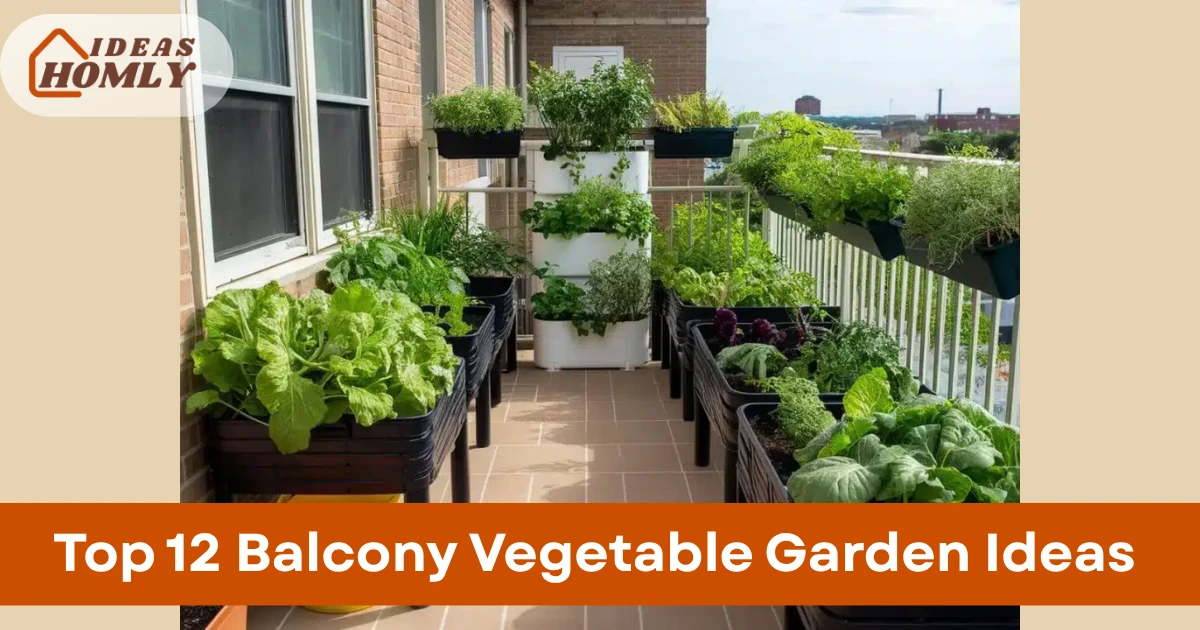

I use balcony vegetable garden ideas to turn small outdoor spaces into useful growing areas. This helps me grow fresh vegetables at home without needing a garden.
I focus on simple and practical setups that actually work in daily life. Even a tiny balcony can support healthy vegetable growth with the right planning.
How to Start a Balcony Vegetable Garden in Limited Space
I start my balcony vegetable garden in a limited space by first observing how much sunlight my balcony actually gets. This helps me decide what vegetables will survive and grow properly in that area.
I avoid rushing into buying plants without planning the layout first. A simple plan always saves space and prevents overcrowding later.
I usually sketch a small arrangement in my mind before placing anything. This helps me balance vertical space, floor space, and railing areas.
I always start small with a few easy vegetables instead of filling everything at once.
This makes maintenance easier and helps me learn step by step.
1. Vertical Balcony Vegetable Garden Ideas for Small Spaces
I use vertical balcony vegetable garden ideas to grow more vegetables in less space. This helps me use walls instead of crowding the floor with pots.
I usually install simple shelves, racks, or wall planters for this setup. These structures let me grow multiple plants in a clean and organized way.
I grow leafy vegetables like spinach, lettuce, and herbs in vertical setups. These plants grow fast and do not need deep soil space.
Strong support is very important in vertical gardening for safety. I always avoid overloading shelves to prevent damage or accidents.
2. Balcony Container Vegetable Garden Ideas Using Pots and Grow Bags
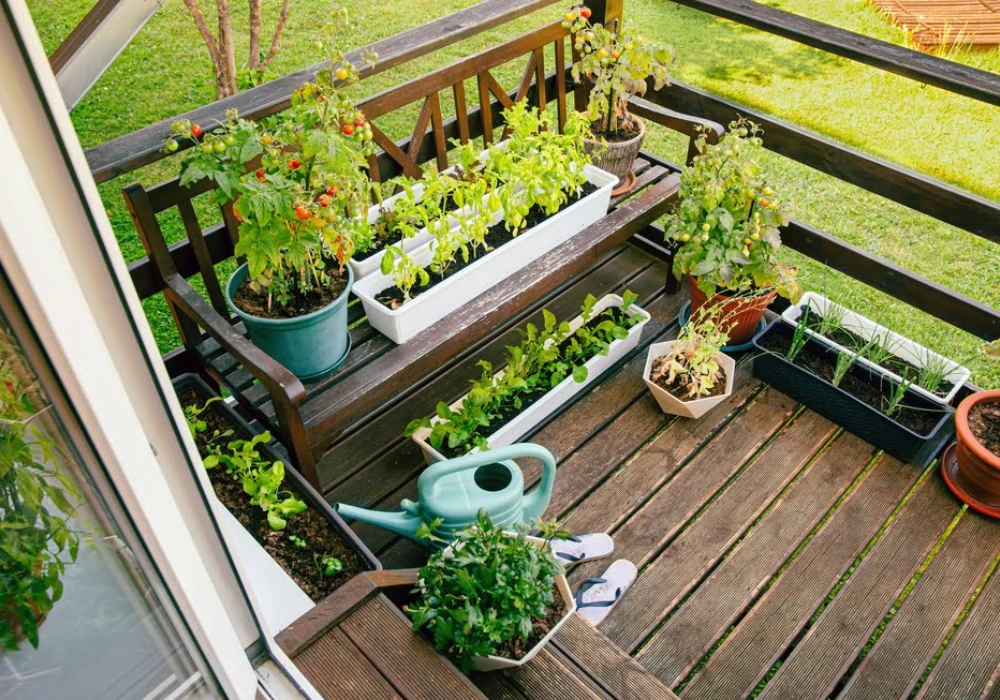
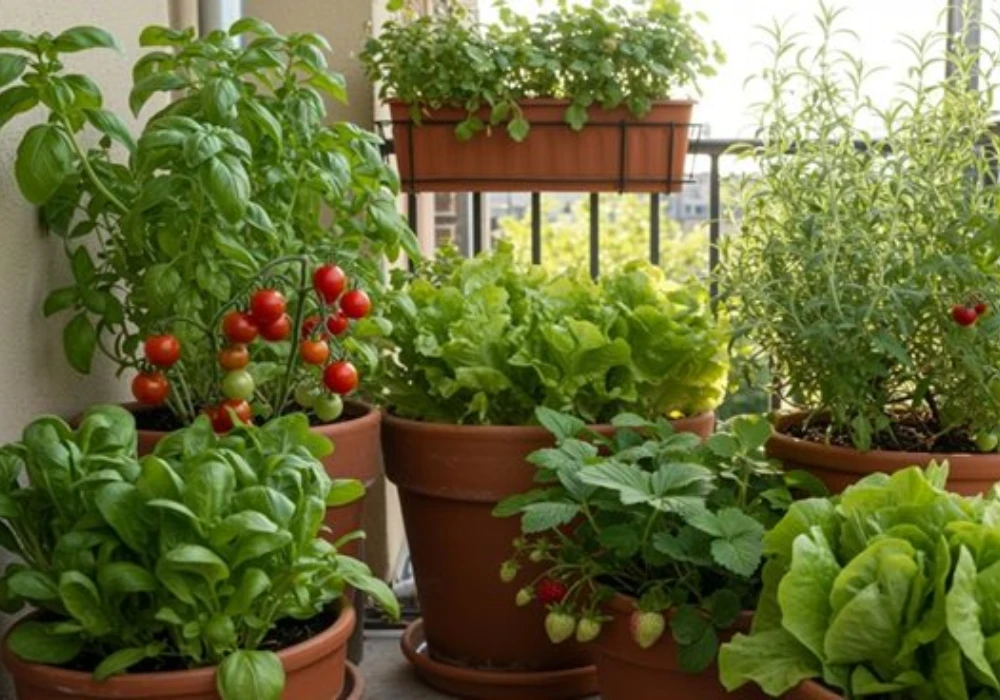
I use balcony container vegetable garden ideas to grow vegetables in flexible and movable setups. This makes it easy to shift plants based on sunlight and space.
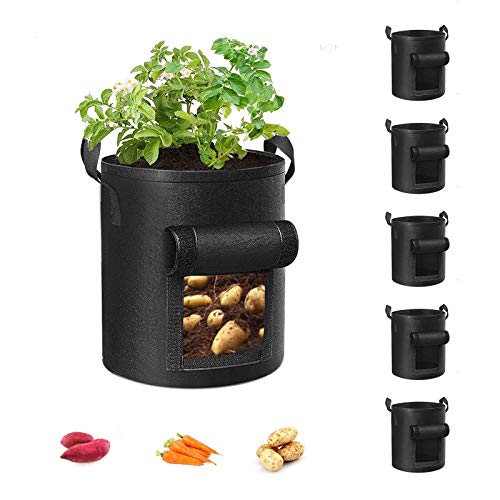
I prefer grow bags and clay pots because they support healthy root growth.
These containers also improve drainage and reduce waterlogging.
I grow tomatoes, chilies, radishes, and spinach in containers. These vegetables adapt well to limited soil conditions.
I always choose container size based on the plant root depth needs. This helps plants grow stronger and produce better yields.
3. Space Saving Balcony Vegetable Garden Layout Ideas
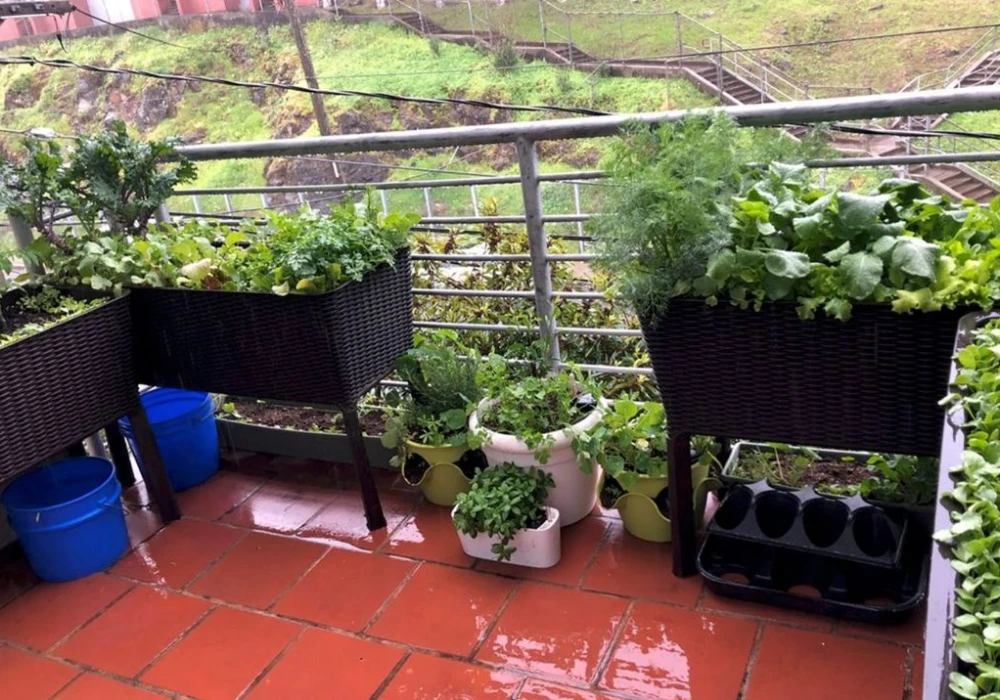
I use space-saving balcony vegetable garden ideas to keep my setup organized and practical. This helps me avoid overcrowding and messy plant placement.
I divide my balcony into small growing zones for better management. One area is for vertical plants, while another holds containers.

I arrange tall plants at the back and small plants in front. This improves sunlight exposure for all vegetables.
I also keep walking space clear for easy movement. A functional layout always makes gardening easier to maintain.
4. Hanging Basket Balcony Vegetable Garden Ideas
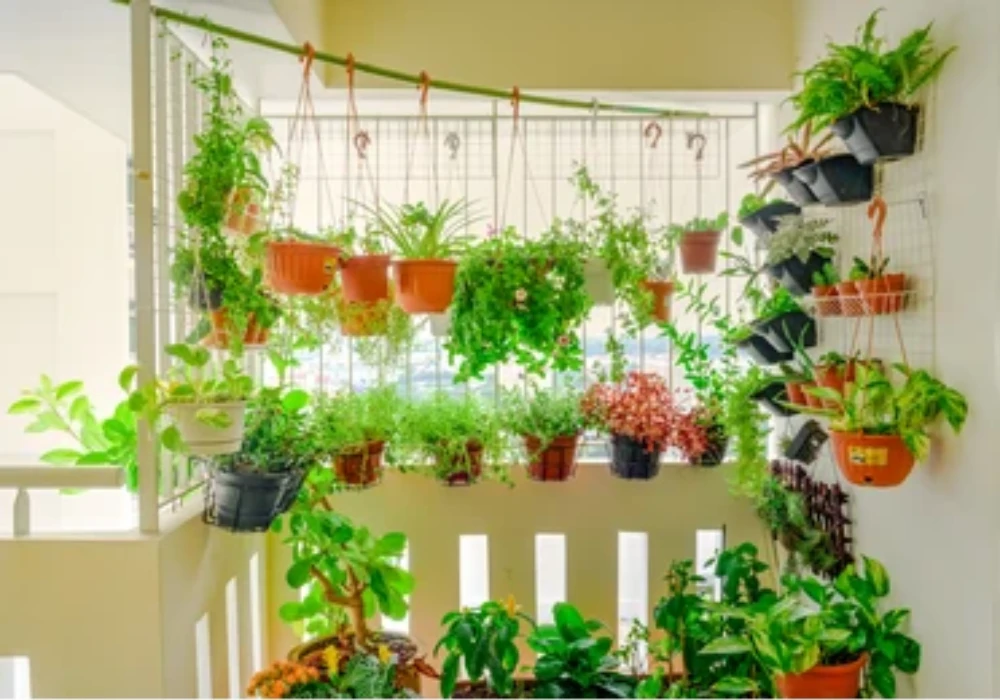
I use hanging basket balcony vegetable garden ideas to increase growing space without touching the floor area. This helps me use the ceiling and railing space that usually stays empty.
I grow light vegetables and herbs like mint, coriander, and lettuce in hanging baskets. These plants grow well in shallow soil and spread nicely over the edges.
I always use strong hooks and proper chains for safety and balance. Before hanging, I check the weight carefully to avoid damage or falling pots.

Hanging baskets also improve airflow around plants naturally. This keeps plants fresh and reduces moisture-related problems.
5. Balcony Vegetable Garden Ideas with Grow Bags
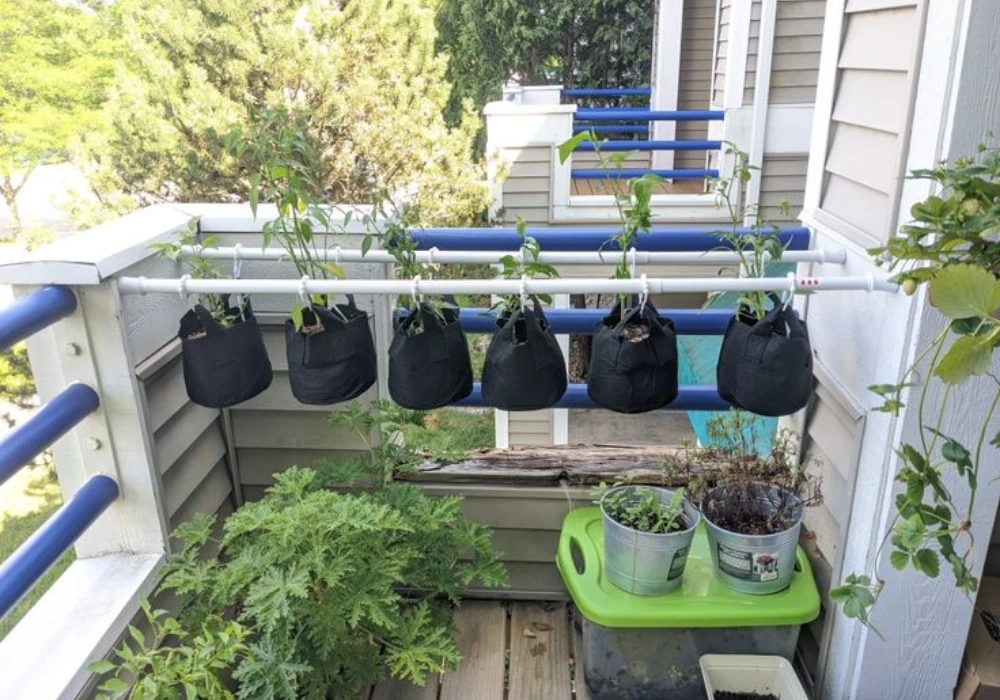
I use grow bags in a balcony vegetable garden because they feel flexible and easy to manage. This helps me shift plants whenever the sunlight direction changes.
Grow bags support healthy root breathing compared to hard plastic pots.
This improves plant growth and reduces root stress.
I grow tomatoes, chilies, and leafy greens in grow bags. These vegetables respond well to soft and well-drained soil.
I also like grow bags because they are lightweight and space-saving. They make balcony gardening easier for beginners and small homes.
6. Balcony Vegetable Garden Soil Mix Ideas
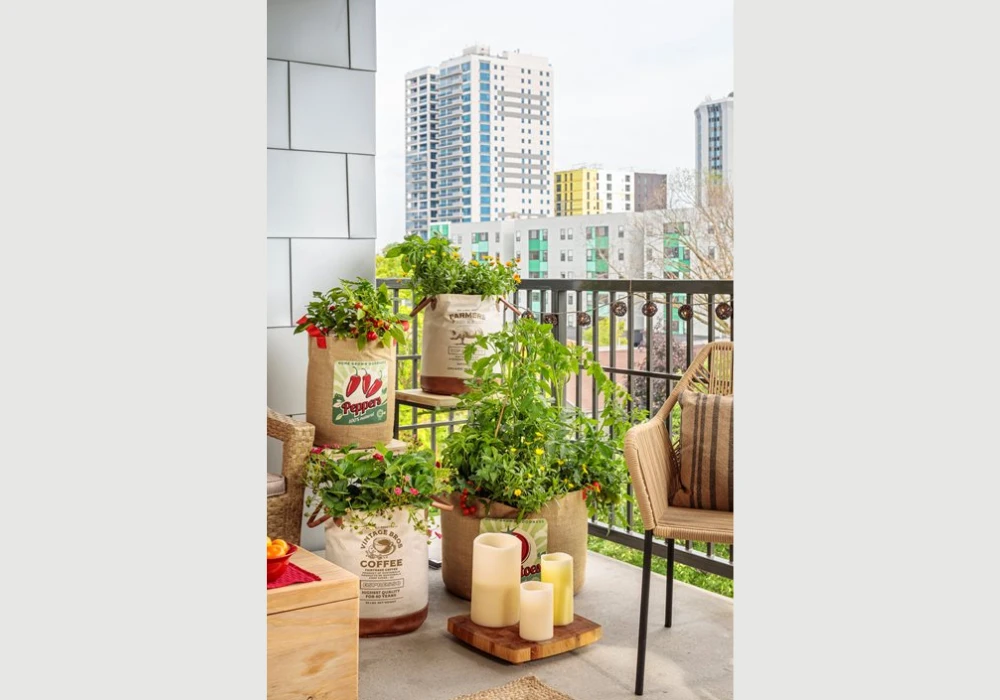
I use balanced soil mix ideas for balcony vegetable gardening to improve plant health. This helps me avoid heavy or compact soil that blocks root growth.
I mix garden soil with compost and coco peat for a better texture. This keeps soil light, airy, and full of nutrients.
I avoid using only regular soil because it reduces drainage quality. Poor drainage often leads to weak or unhealthy plants.
A good soil mix improves water retention and root development. This directly supports better vegetable yield in small spaces.
7. Balcony Vegetable Garden Watering Ideas
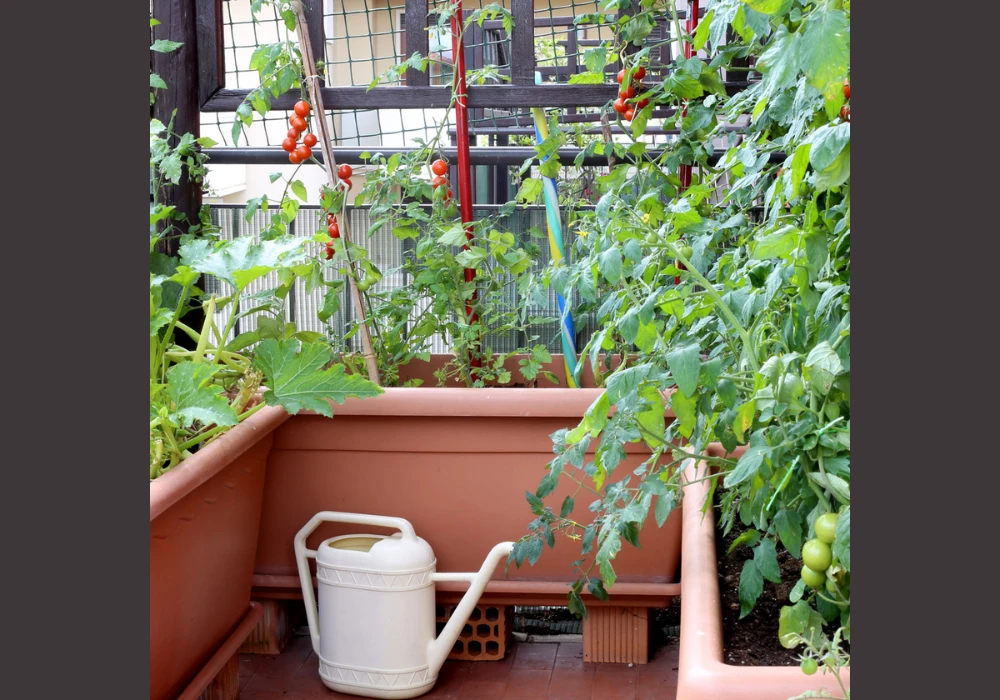
I use simple watering ideas in my balcony vegetable garden to avoid overwatering problems. This helps me keep soil moisture balanced throughout the week.
I usually check the soil with my finger before watering plants. This simple habit prevents unnecessary watering mistakes.
I prefer watering early morning or late evening for better absorption. This reduces water loss due to heat or evaporation.
Consistent watering helps vegetables like tomatoes grow healthier. Irregular watering often slows down plant development.
8. Balcony Vegetable Garden Sunlight Planning Ideas
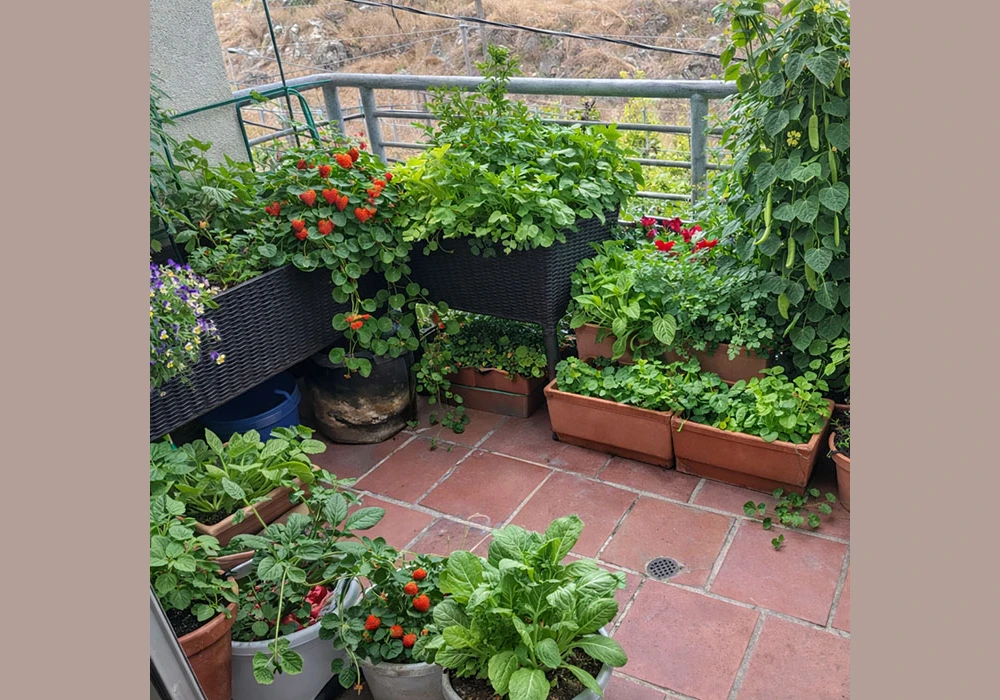
I use sunlight planning ideas in balcony vegetable gardening to match plants with light needs. This helps me place each plant in the right position.
I keep tomatoes and chilies in direct sunlight areas. These plants need strong light for better growth and fruiting.
I place leafy vegetables in partially shaded zones. This protects them from too much heat during peak hours.
I rotate pots sometimes to balance sunlight exposure. This helps plants grow evenly from all sides.
9. Balcony Vegetable Garden Composting Ideas
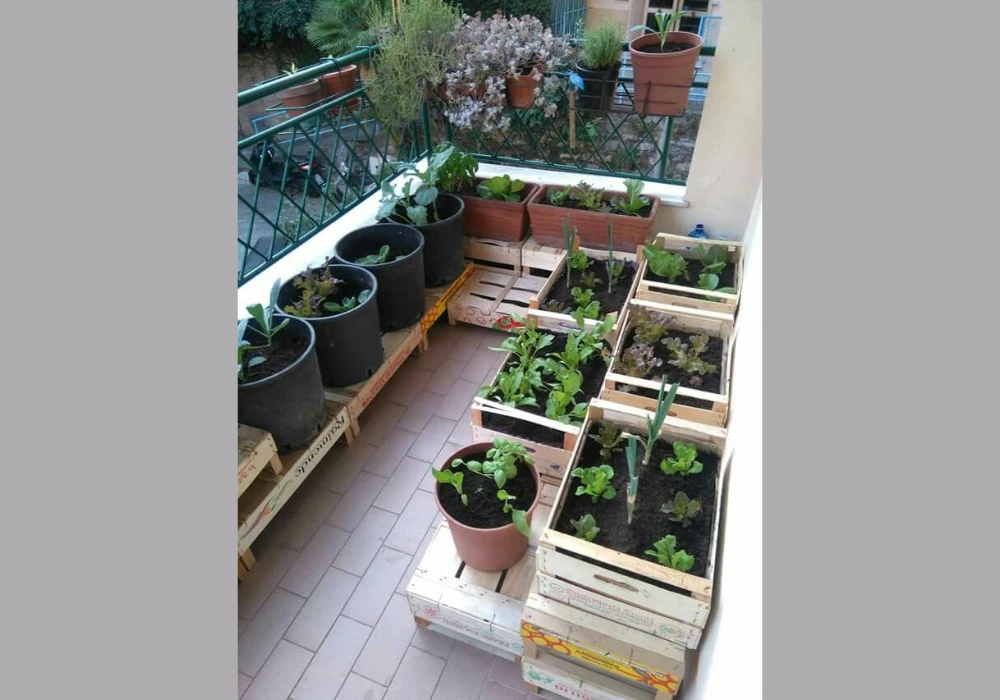
I use composting ideas in balcony vegetable gardening to create natural plant food at home. This helps me reduce kitchen waste and improve soil quality.
I collect vegetable peels, fruit waste, and tea leaves for composting. These materials slowly turn into nutrient-rich soil.
I avoid chemical fertilizers to keep gardening natural and safe. Organic compost improves the taste and growth of vegetables.
Compost also improves soil structure over time. This makes plants stronger and more productive.
10. Balcony Vegetable Garden Mistakes to Avoid
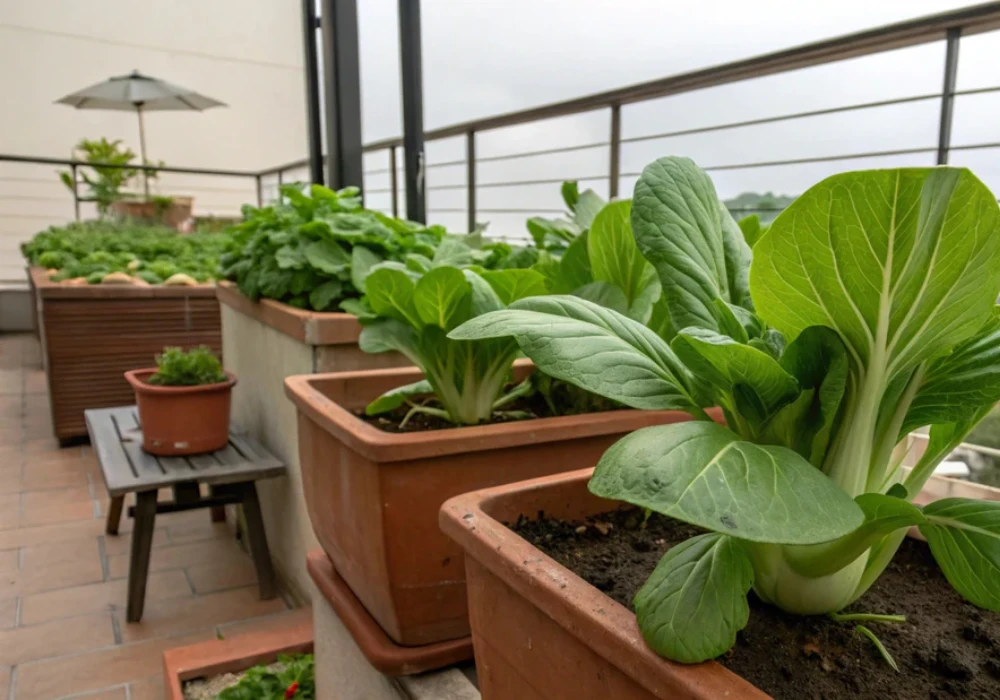
I avoid overplanting in my balcony vegetable garden because it creates space problems. Too many plants reduce airflow and slow down growth.
I also avoid using very small pots for deep-rooted vegetables. This limits root space and weakens plant development.
I never ignore sunlight needs when placing plants. Wrong placement often reduces vegetable yield.
I also avoid irregular watering habits in balcony gardening. Consistency always gives better results than random care.
11. Balcony Vegetable Garden Pest Control Ideas
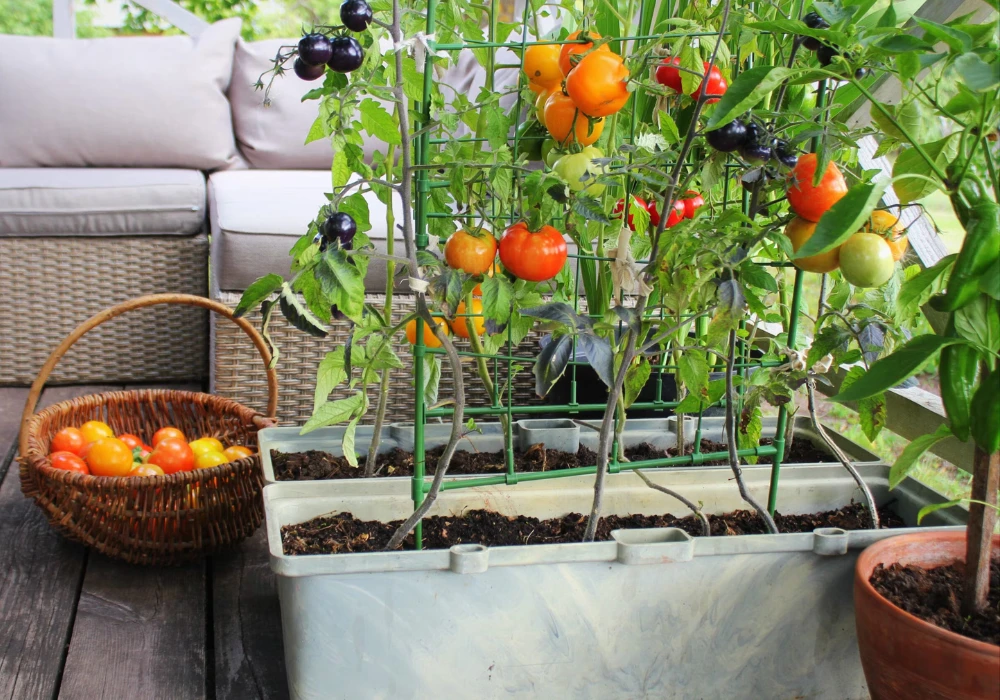
I use simple pest control ideas in my balcony vegetable garden to protect plants without chemicals. This helps me keep vegetables safe and healthy for home use.
I usually spray neem water solution when I notice small insects or leaf damage.
This natural method works well without harming plants.
I also keep plants spaced properly to reduce pest spread. Good airflow naturally lowers the chances of insect problems.
I regularly check leaves from both sides for early pest signs. Early action always saves plants from bigger damage later.
12. Balcony Vegetable Garden Harvesting and Maintenance Ideas
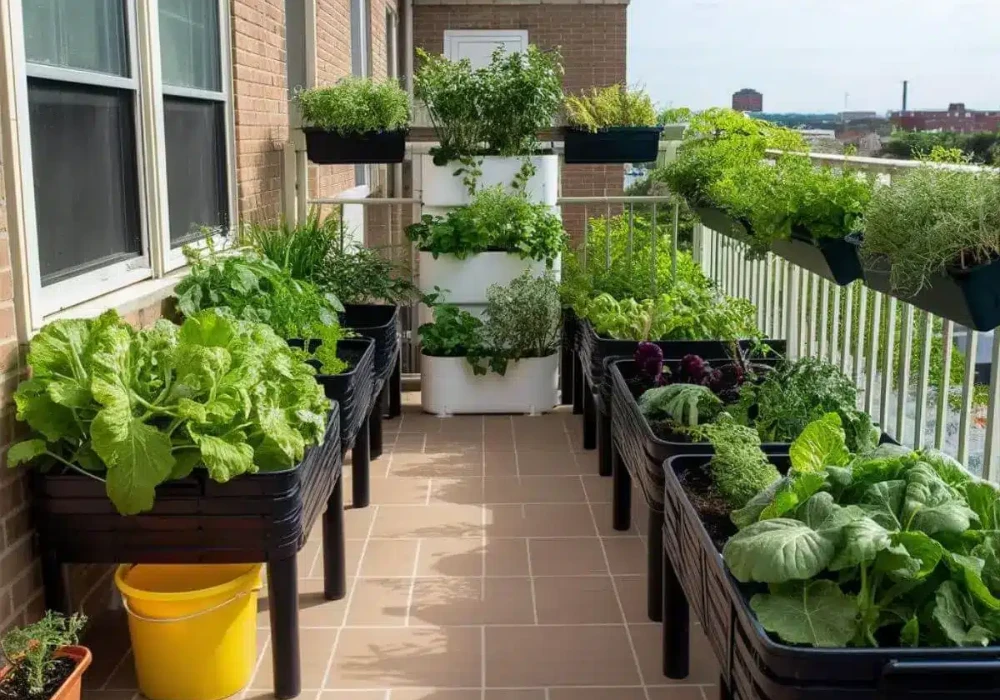
I use proper harvesting ideas in my balcony vegetable garden to keep plants productive for longer. This helps me get fresh vegetables regularly from the same plants.
I harvest leafy vegetables like spinach and mint by cutting the outer leaves first. This allows plants to keep growing new leaves continuously.
I also remove dry or yellow leaves to keep plants healthy. This improves airflow and reduces disease chances.
Regular maintenance keeps the balcony garden clean and productive. Small daily care always gives better results than occasional effort.
Information Table: Best Vegetables for Balcony Gardening
| Vegetable | Space Needed | Difficulty | Container Type |
|---|---|---|---|
| Tomato | Medium | Medium | Deep pot |
| Spinach | Low | Easy | Shallow pot |
| Chili | Low | Easy | Medium pot |
| Radish | Medium | Easy | Deep pot |
| Mint | Very Low | Very Easy | Small pot |
Conclusion
I use balcony vegetable garden ideas to grow fresh vegetables in small home spaces.
This makes gardening possible even without a backyard.
I focus on vertical systems, containers, and hanging baskets for better space use.
These methods work well in real-life balcony conditions.
I also maintain proper watering, sunlight, and soil balance regularly.
These small habits improve plant health and yield.
Balcony gardening becomes easy when I keep methods simple and consistent.
Even a small space can produce fresh vegetables with regular care.
FAQs
I find mint, spinach, and coriander are the easiest vegetables for balcony gardening.
Most vegetables need around 4 to 6 hours of sunlight daily for healthy growth.
Yes, I sometimes use hydroponic or coco peat methods for soil-less gardening.
I water only when the soil feels dry instead of following a fixed schedule.
I prefer grow bags and clay pots because they support better root growth.
Yes, I use organic compost occasionally to improve soil nutrients naturally.
Related Posts
- 13 Best Balcony Plant Stand Ideas
- Top 14 Balcony Privacy Screen Ideas
- 15 Best Balcony Door Ideas
- Top 10 Balcony Flower Pots Ideas
- 11 Best Balcony Hanging Plants Ideas
- Top 12 Balconi piccoli idee ideas
Recommended for You