
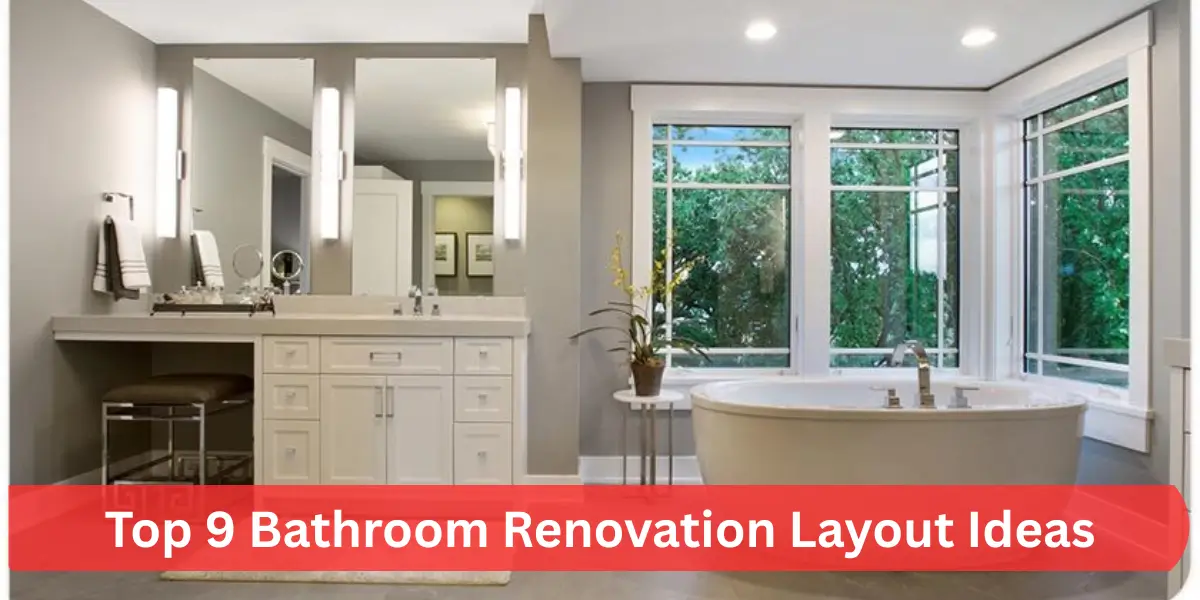

Bathroom renovation layout decisions shape how the space functions long after the tiles and fixtures are installed.
When I plan a renovation, layout always comes first because even the best materials cannot fix poor flow or awkward placement.
A smart layout improves movement, supports daily routines, and makes the bathroom feel balanced rather than crowded.
Whether the space is small, shared, or designed for comfort, layout choices determine long-term usability.
In this guide, I’ll break down practical bathroom renovation layout ideas based on real planning experience, helping you choose a layout that fits your space, plumbing limits, and everyday needs without costly mistakes.
1. One-Wall Bathroom Layout for Cost Efficiency
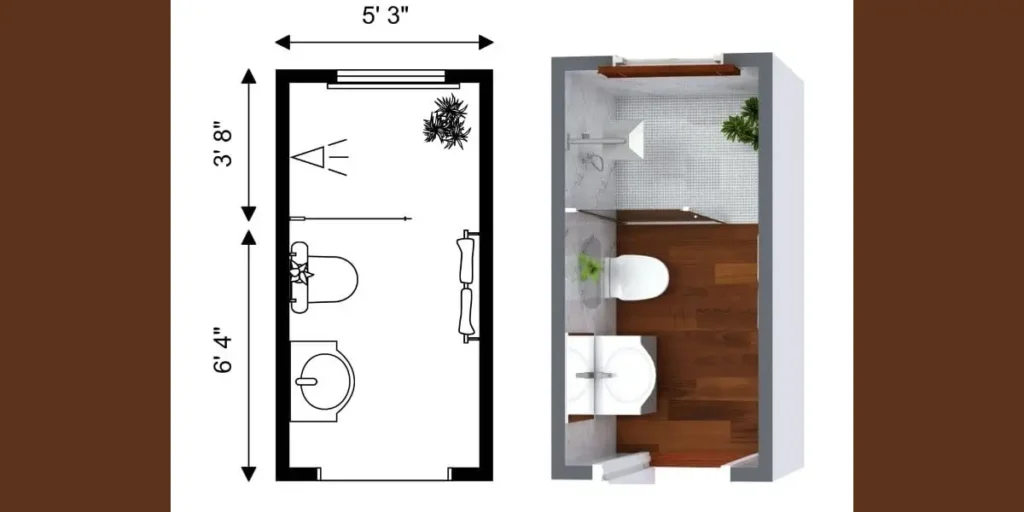
When I renovate compact bathrooms, the one-wall layout is often my first choice.
All fixtures align along a single wall, which simplifies plumbing and reduces renovation costs. This layout works especially well in apartments and narrow spaces.
I plan fixture spacing carefully to maintain comfortable movement.
A wall-mounted vanity and compact toilet help keep the layout clean and uncluttered. Visual simplicity is key here.
This layout succeeds because it focuses on efficiency. With fewer pipe changes and a straightforward plan, it delivers functionality without wasting space or budget.
2. Galley Bathroom Layout for Narrow Rooms
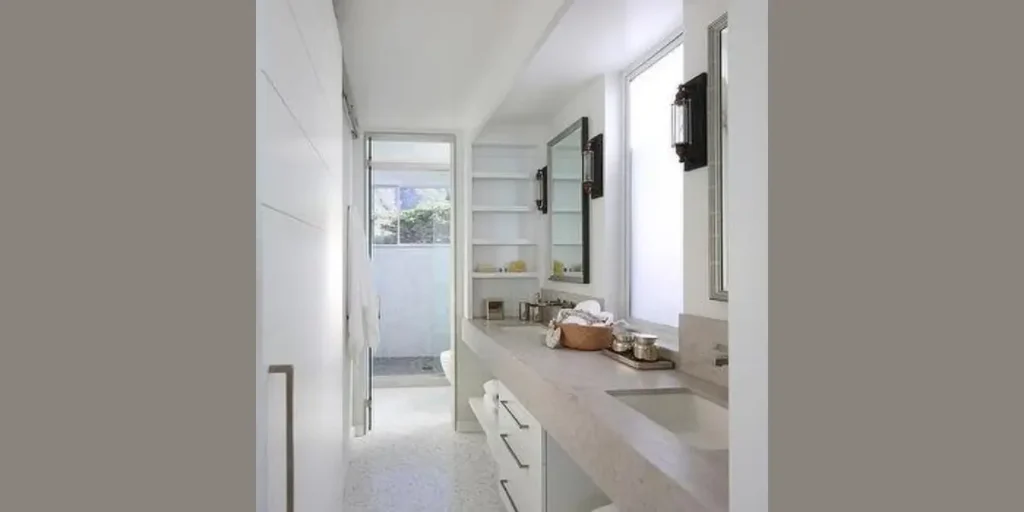
I use galley layouts in long, narrow bathrooms where side-to-side space is limited.
Fixtures are placed on parallel walls, creating a corridor-style flow that feels organized rather than cramped.
I keep walkways clear and avoid bulky cabinetry. Slim vanities and walk-in showers help maintain balance and usability.
This layout works because it respects the room’s shape. When designed thoughtfully, a galley bathroom feels intentional, efficient, and surprisingly comfortable for daily use.
3. L-Shaped Bathroom Layout for Better Zoning
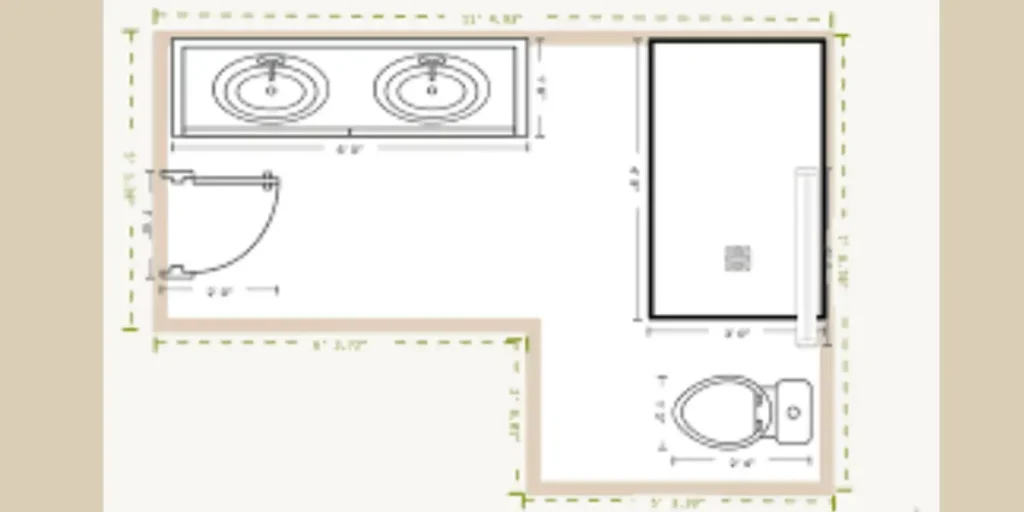
An L-shaped layout helps me divide bathroom functions naturally.
I often place the vanity on one side and the shower or toilet along the adjacent wall to create visual separation.
This layout allows better privacy and flow without adding walls. It works well in medium-sized bathrooms with awkward corners.
The strength of this layout is balance. By using corners effectively, it creates a sense of structure and makes the bathroom feel more thoughtfully planned.
4. Three-Quarter Bathroom Layout for Compact Homes
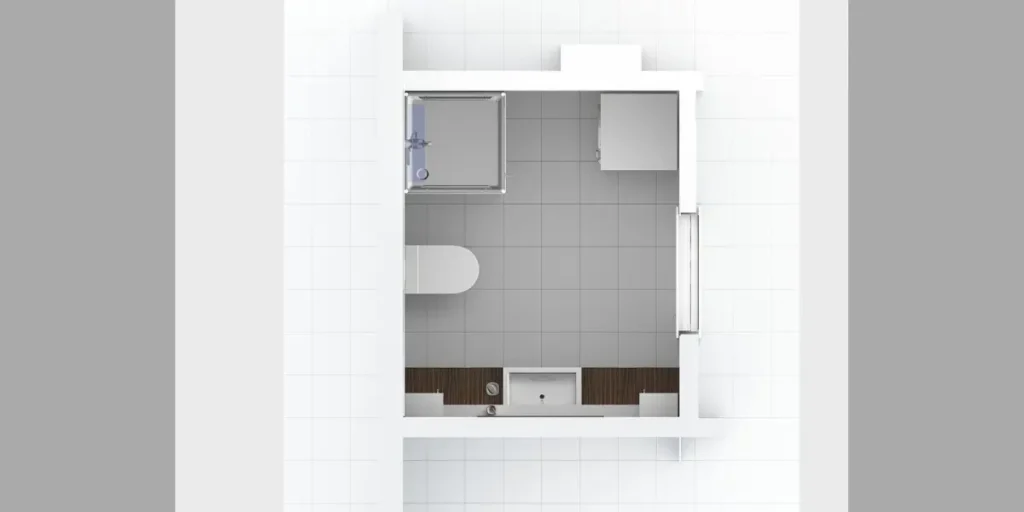
In guest bathrooms or renovations with limited space, I often recommend a three-quarter layout. It includes a sink, toilet, and shower but skips the bathtub entirely.
I design this layout to maximize open space and reduce clutter. Walk-in showers and wall-mounted fixtures work particularly well here.
This layout succeeds because it prioritizes daily use.
It offers full functionality while keeping the bathroom efficient and easy to maintain.
5. Full Bathroom Layout for Family Use
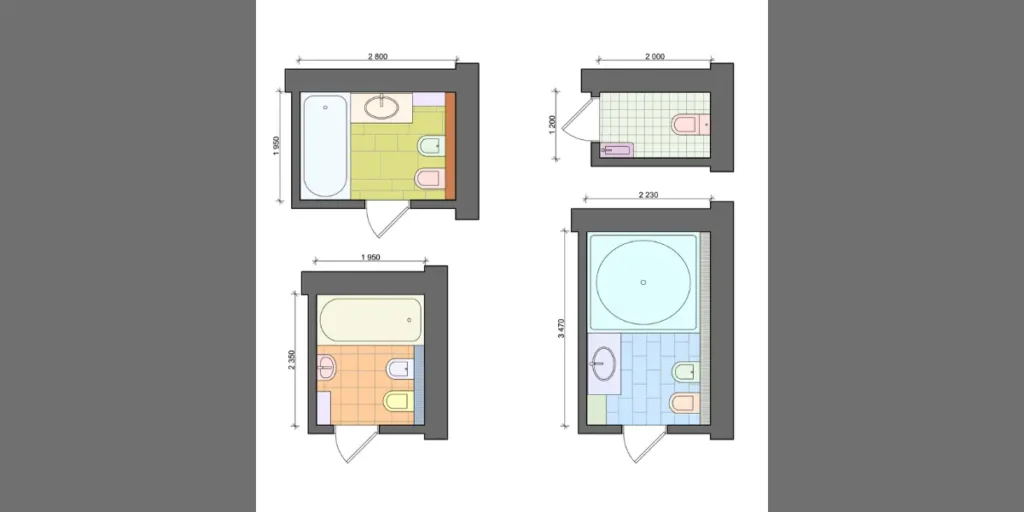
When space allows, a full bathroom layout provides maximum flexibility. It includes a bathtub, shower, toilet, and vanity, making it ideal for families.
I focus on clear zoning so the bathroom never feels crowded. Proper spacing between fixtures improves comfort and safety.
This layout works because it supports different needs.
With careful planning, it remains functional without feeling overwhelming, even during busy routines.
6. Walk-In Shower Layout for Modern Flow
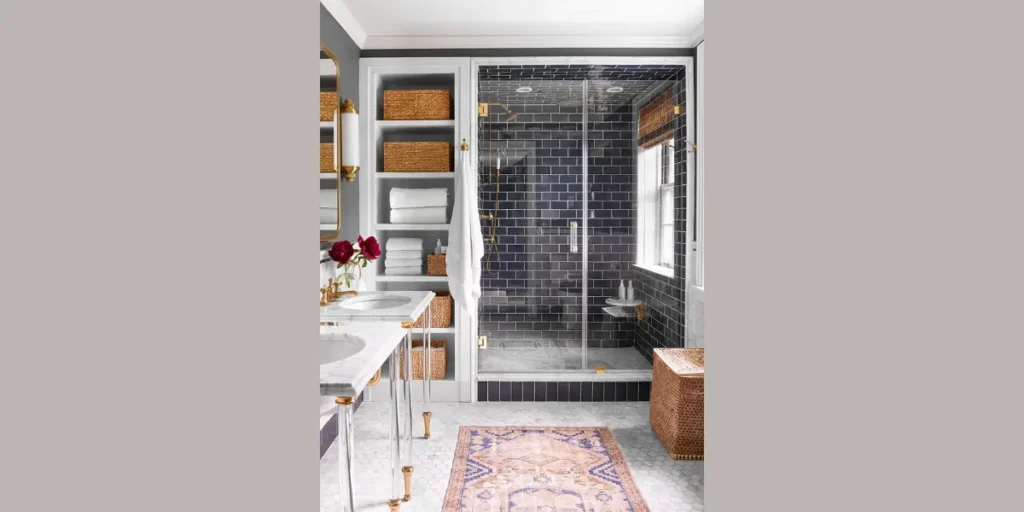
I often design walk-in shower layouts to modernize bathrooms. Removing tubs and using frameless glass instantly opens up the space visually.
I keep flooring consistent throughout to maintain flow. Proper drainage and waterproofing ensure long-term performance.
This layout works because it combines style and accessibility.
It feels open, clean, and practical for everyday use while enhancing the bathroom’s modern appeal.
7. Split Bathroom Layout for Shared Spaces
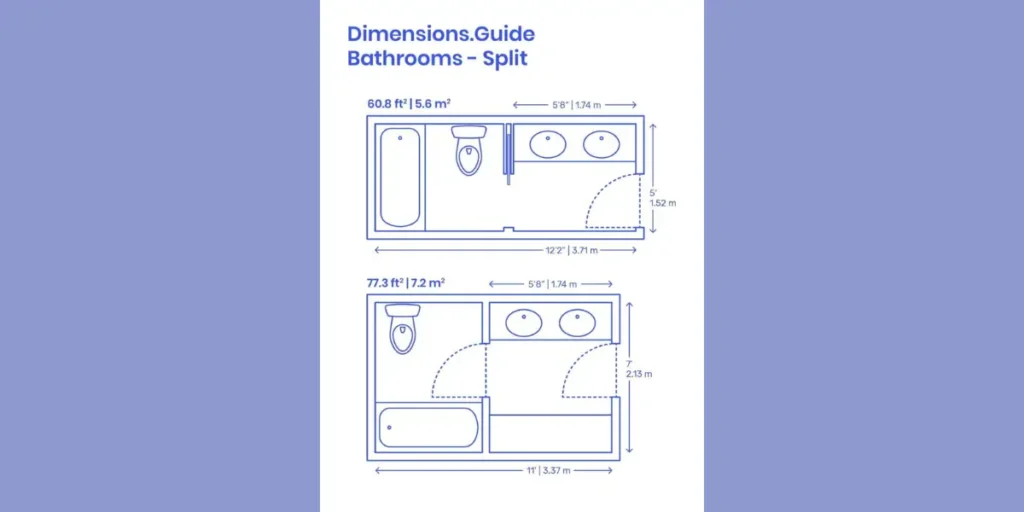
In shared or family bathrooms, I use split layouts to improve privacy. The toilet sits in a separate enclosure, while the sink and shower remain accessible.
I plan circulation carefully so multiple users can move comfortably. This layout reduces morning congestion significantly.
The split layout works because it supports real-life routines. It improves efficiency without increasing the bathroom’s footprint.
8. Wet Room Bathroom Layout for Seamless Design
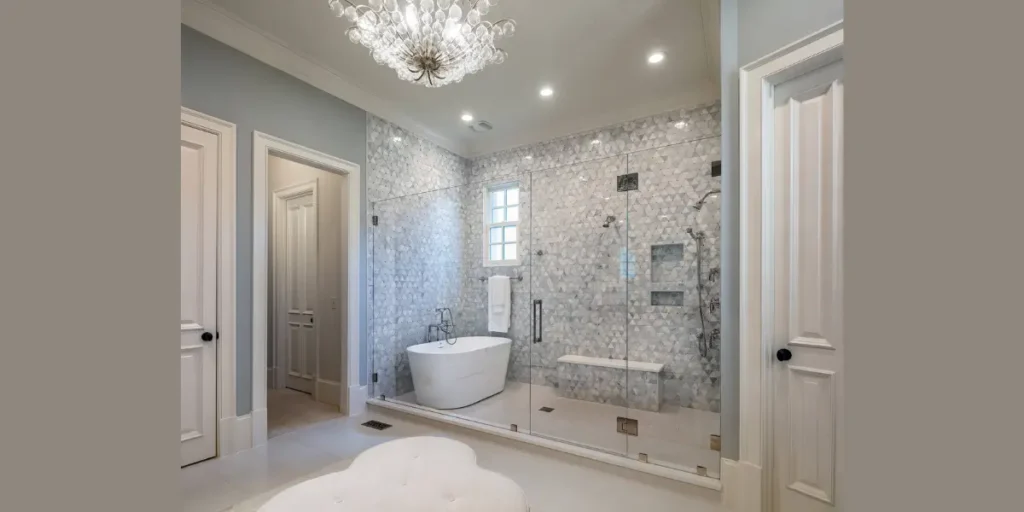
Wet room layouts allow the entire bathroom floor to function as a shower area. I use this design when accessibility and clean lines matter most.
I ensure professional waterproofing and subtle slope planning. Glass panels help define zones without blocking sightlines.
This layout succeeds because it removes barriers.
It feels modern, spacious, and easy to clean while supporting long-term usability.
9. Master Bathroom Layout for Comfort and Luxury
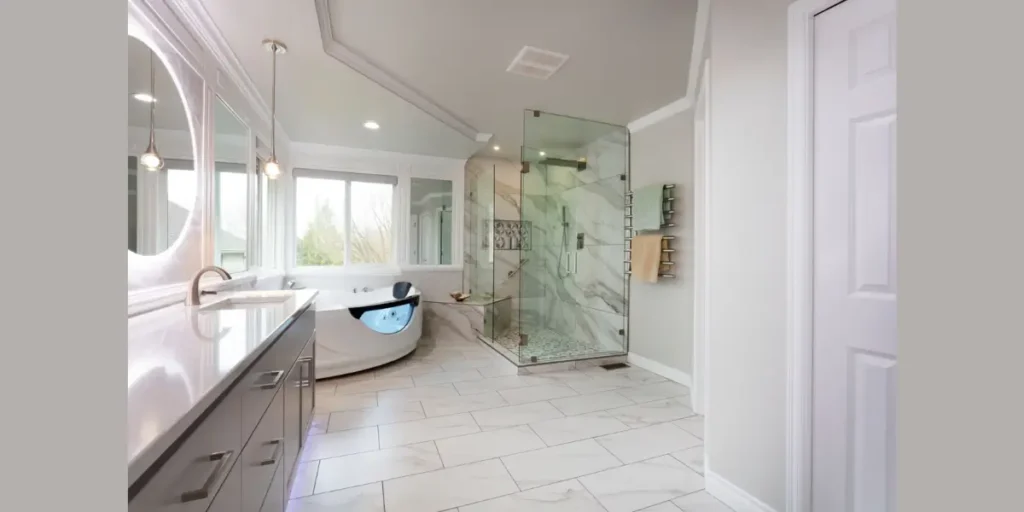
Master bathrooms require thoughtful zoning.
I design layouts with double vanities, separate showers, and tubs for comfort and privacy.
I space fixtures generously to avoid crowding. Clear pathways improve flow and daily ease.
This layout works because it supports relaxed routines. When planned correctly, it feels luxurious without sacrificing practicality.
How to Choose the Right Bathroom Layout for Your Renovation
When I choose a bathroom layout, I always start by understanding the size, shape, and existing plumbing of the space.
Layout decisions should support daily movement, storage needs, and the number of users rather than just aesthetics.
I also consider future use, such as aging needs or resale value, before finalizing a layout.
A well-chosen layout reduces long-term problems and makes the renovation feel successful beyond visual appeal.
When layout planning aligns with real usage, the bathroom feels comfortable, efficient, and easy to live with.
Conclusion
A successful bathroom renovation starts with the right layout, not just attractive finishes.
From my experience, a well-planned layout improves movement, storage, and daily comfort long before decorative elements come into play.
When fixtures are placed with purpose and flow is carefully considered, the bathroom feels natural and easy to use.
The best layouts also respect existing plumbing and future needs, helping avoid costly changes later.
By choosing a layout that matches your space and lifestyle, you create a bathroom that works efficiently today and continues to perform well for years to come.
FAQs
In my experience, one-wall and three-quarter bathroom layouts work best for small spaces. They reduce visual clutter and keep movement simple. These layouts also help control renovation costs by minimizing plumbing changes.
Changing a layout can be expensive if it involves moving plumbing lines. I usually recommend keeping major fixtures close to their original positions. Small layout adjustments often deliver better value than complete repositioning.
Plumbing placement is one of the most important factors in layout planning. I always design around existing pipes to avoid unnecessary costs. Smart layout choices respect plumbing while still improving functionality.
I avoid layouts that block movement or crowd fixtures too closely together. Poor lighting placement and lack of storage are also common mistakes. Careful planning prevents discomfort and costly corrections later.