


A well-designed dining space always begins with the right table. In my experience, nothing anchors a room quite like thoughtfully chosen classic dining table ideas that balance beauty and function.
These timeless pieces don’t just serve meals they shape conversations, celebrations, and everyday family moments.
I’ve seen how traditional craftsmanship, rich wood tones, and elegant silhouettes instantly elevate a dining room without feeling outdated.
In this guide, I’ll share refined inspirations that help you create a space that feels warm, sophisticated, and built to last.
Why Classic Dining Tables Still Define Elegant Interiors
I have worked with many dining spaces, and I always notice one thing: trends change, but classic forms remain relevant. A well-crafted traditional table instantly brings structure and refinement to a room. It creates a focal point without demanding attention.
Classic designs rely on proportion, material quality, and subtle detailing. Instead of chasing trends, they focus on balance and durability. That is why homeowners continue to invest in them.
When you choose timeless craftsmanship over temporary fashion, you create a dining room that matures beautifully over the years.
1. Victorian Carved Wooden Dining Table
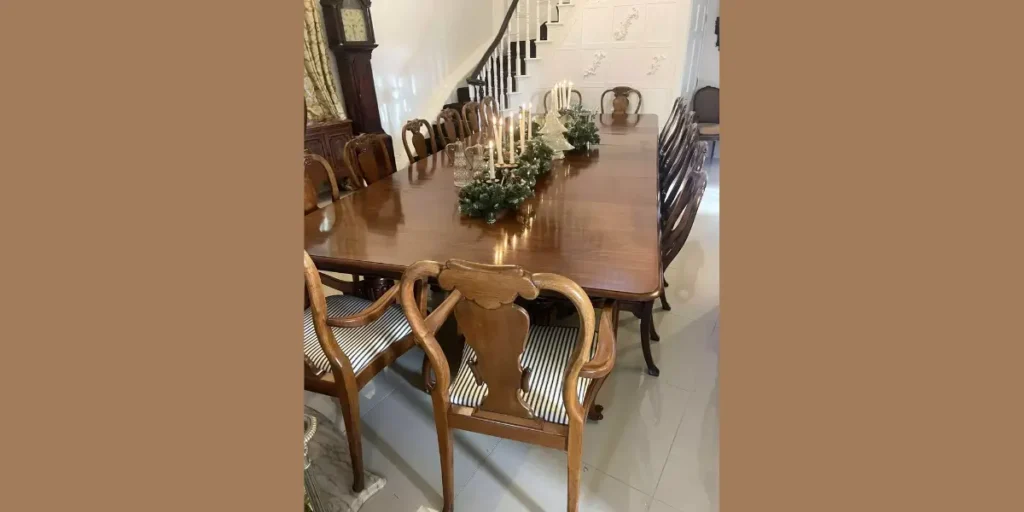
A Victorian carved wooden dining table makes a bold and sophisticated statement. I often recommend this style to homeowners who appreciate intricate craftsmanship and historical charm.
Skilled artisans shape solid mahogany or walnut into detailed floral carvings, curved legs, and dramatic edges that immediately capture attention.
This table works best in formal dining rooms with high ceilings, chandeliers, and rich wall colors. You can pair it with upholstered chairs in velvet or leather to enhance its regal presence. The darker wood tones create depth and warmth.
If you want your dining room to feel luxurious and rooted in tradition, this design delivers lasting elegance without compromise.
2. French Provincial Dining Table
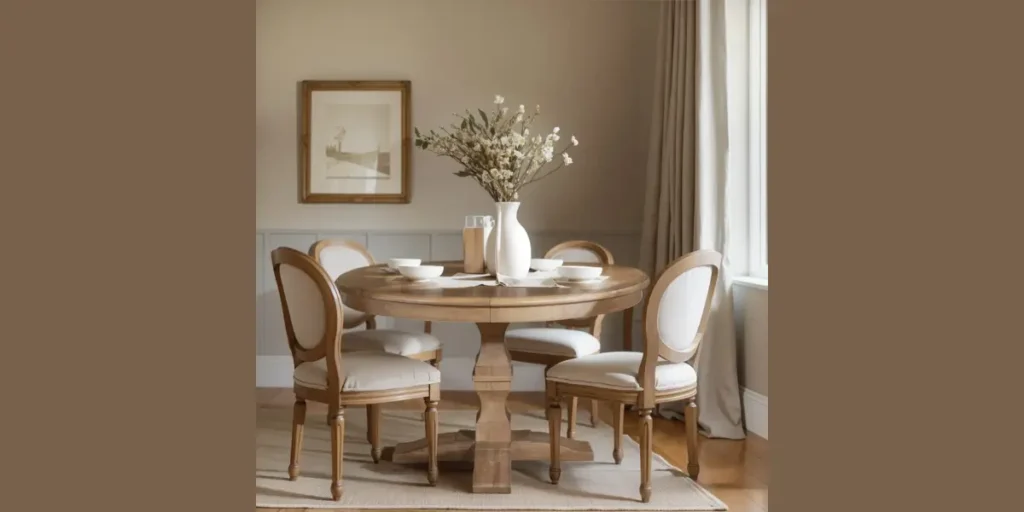
The French Provincial dining table offers elegance with softness. I like how its curved cabriole legs and light finishes create a refined yet welcoming atmosphere. Unlike heavier traditional styles, this design feels airy while still maintaining classical character.
Homeowners often choose distressed white, cream, or natural oak finishes to highlight its delicate detailing. You can combine it with linen-upholstered chairs and subtle floral accents to complete the look. The table works beautifully in both formal and semi-formal dining rooms.
If you want timeless sophistication without overwhelming the space, this style balances charm and grace perfectly.
3. Traditional Pedestal Dining Table
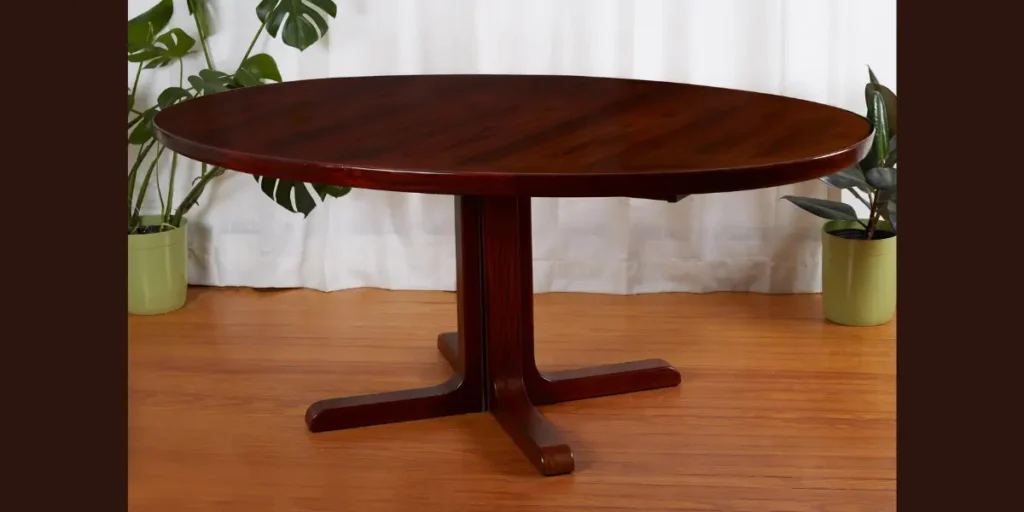
A pedestal dining table simplifies structure while enhancing elegance. Instead of four legs, it uses a central base that improves legroom and seating flexibility. I often suggest round pedestal tables for smaller dining areas because they encourage conversation.
Solid wood construction keeps the design grounded in tradition. Mahogany, oak, or cherry finishes strengthen its classic appeal. The symmetrical base adds architectural interest without cluttering the room visually.
This design suits homeowners who value both functionality and formal beauty. It keeps the dining area open, balanced, and comfortable for gatherings.
4. Farmhouse Classic Dining Table
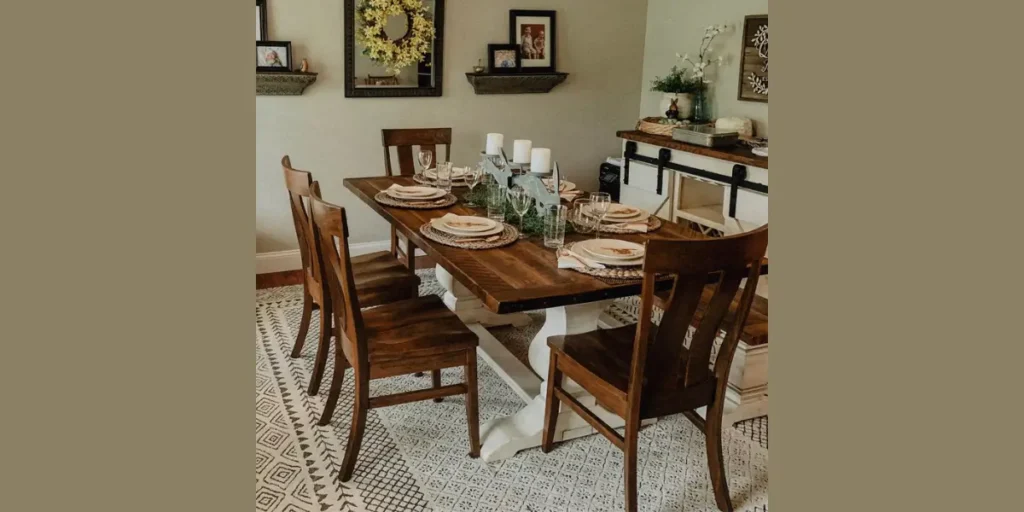
The farmhouse dining table combines rustic strength with timeless appeal. I appreciate how its thick wooden top and sturdy legs create a grounded, welcoming environment. While farmhouse style feels relaxed, it still carries traditional character through natural wood finishes.
You can choose reclaimed wood or lightly stained oak to enhance texture and warmth. Pair it with cross-back chairs or even a bench for a cohesive setting. Neutral décor and soft lighting complete the look.
If you want a dining space that feels inviting yet structured, this classic farmhouse approach creates durability and charm in equal measure.
5. Oval Mahogany Dining Table
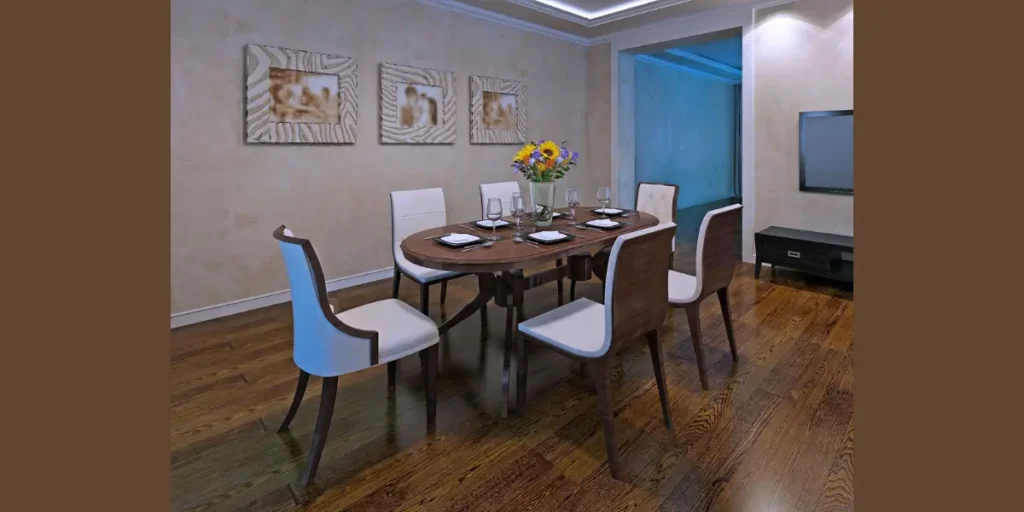
An oval mahogany dining table softens the formality of rectangular layouts. I often recommend this shape when clients want elegance without sharp edges dominating the room. The curved silhouette improves movement and creates a more intimate dining experience.
Mahogany’s deep tone adds richness and sophistication. High-back upholstered chairs complement the oval shape beautifully. This design works especially well in formal settings where symmetry and refinement matter.
When you need a table that feels polished but approachable, the oval mahogany option delivers visual balance and enduring style.
6. Georgian Style Dining Table
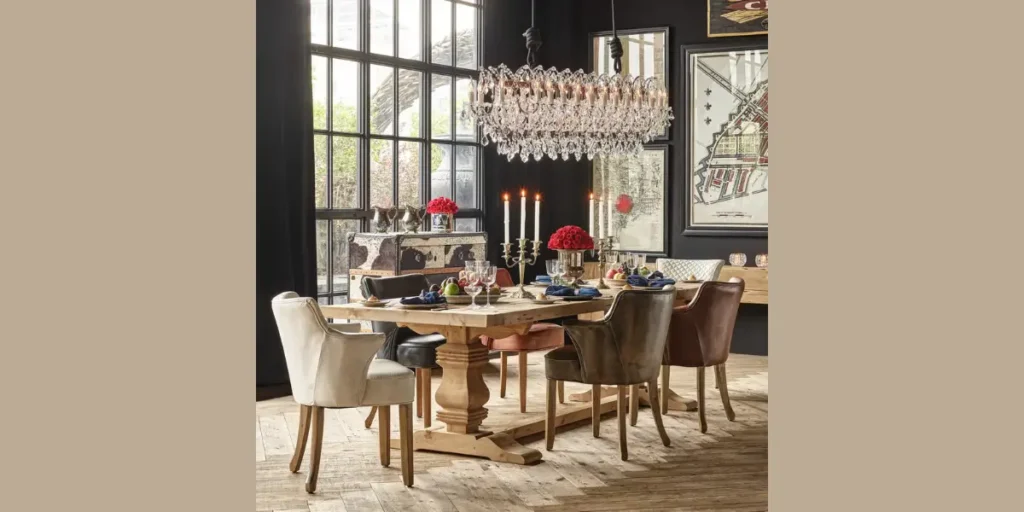
The Georgian style dining table emphasizes proportion and symmetry. I admire how its clean lines and restrained detailing communicate quiet confidence. Inspired by 18th-century British design, this table prioritizes balance over ornamentation.
Crafted mostly from mahogany, it often features straight legs and subtle decorative accents. You can place it in rooms with paneled walls or classic moldings to strengthen the traditional theme. Its structured form anchors the entire space.
For homeowners who value historical authenticity and refined simplicity, this design offers timeless credibility and long-term elegance.
7. Extendable Classic Dining Table
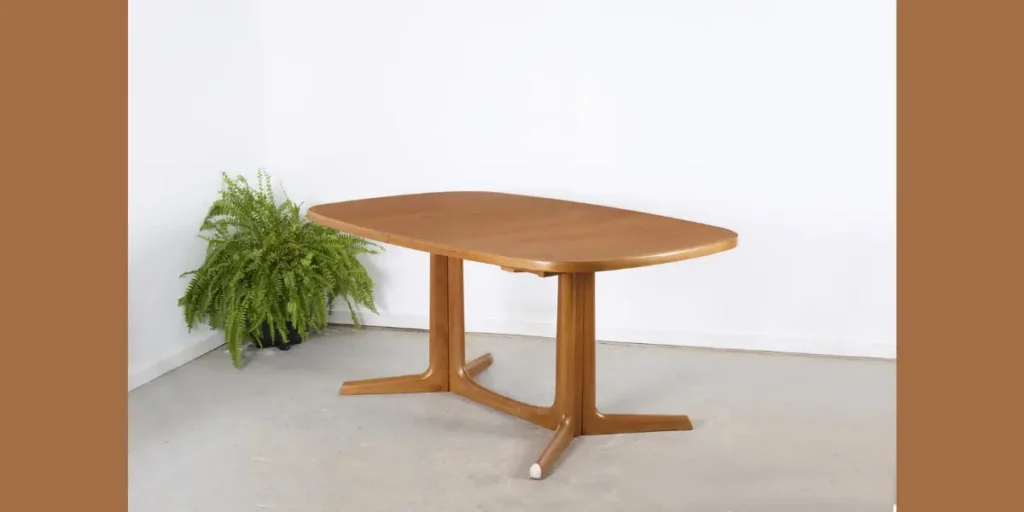
An extendable classic dining table solves space challenges without sacrificing style. I always encourage clients who host frequently to consider this practical design. Hidden extension leaves allow you to expand seating effortlessly when guests arrive.
Manufacturers craft these tables in solid wood, maintaining traditional finishes and detailing. When closed, the table looks compact and refined. When extended, it accommodates larger gatherings comfortably.
This design combines functionality with timeless aesthetics. You never compromise elegance for convenience, making it ideal for modern families who appreciate tradition.
8. Marble Top Classic Dining Table
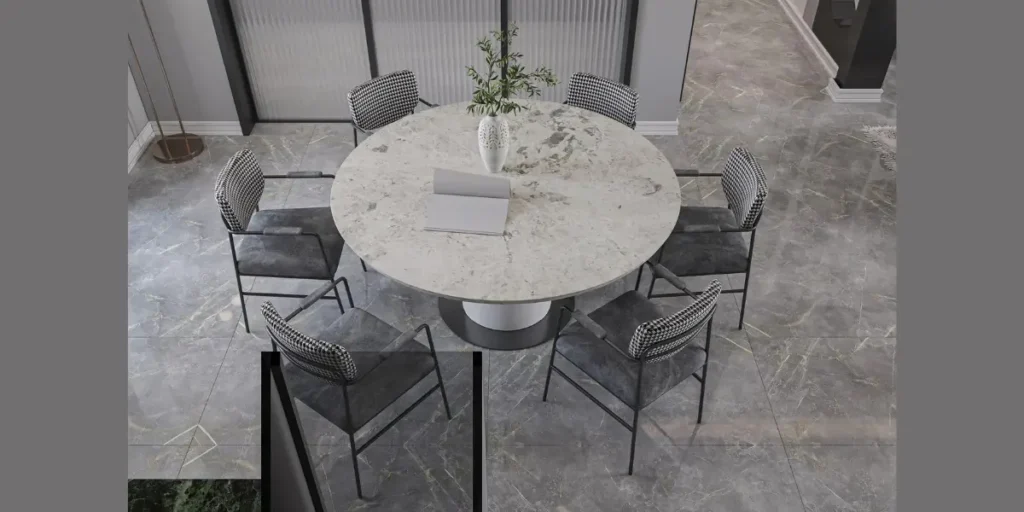
A marble top dining table introduces luxury through material contrast. I often recommend it for formal dining rooms where sophistication takes priority. The smooth stone surface reflects light beautifully while maintaining durability.
Designers typically pair marble with carved wooden or pedestal bases to preserve classical character. White marble brightens the room, while darker tones add dramatic presence. Proper sealing keeps the surface protected.
If you want a table that feels upscale and enduring, this combination of natural stone and traditional craftsmanship creates lasting visual impact.
9. Round Traditional Oak Table
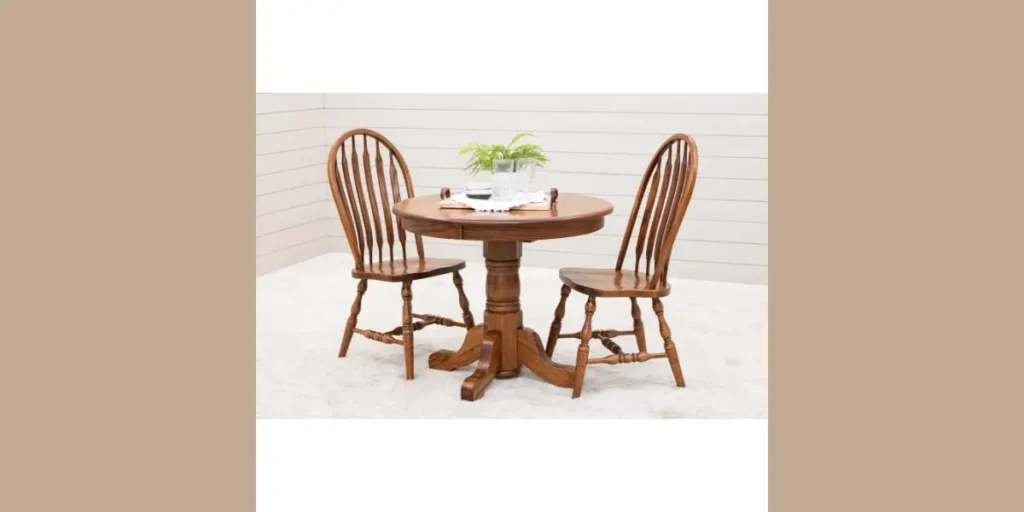
A round oak dining table creates intimacy and warmth. I find that round shapes naturally encourage conversation because everyone faces each other equally. Oak strengthens the design with durability and visible grain texture.
This table works particularly well in medium or smaller dining rooms. Its solid build withstands daily use while maintaining traditional appeal. Pair it with simple wooden chairs for a cohesive setting.
When practicality and timeless beauty matter equally, a round oak table provides both resilience and inviting charm.
10. Regency Style Dining Table
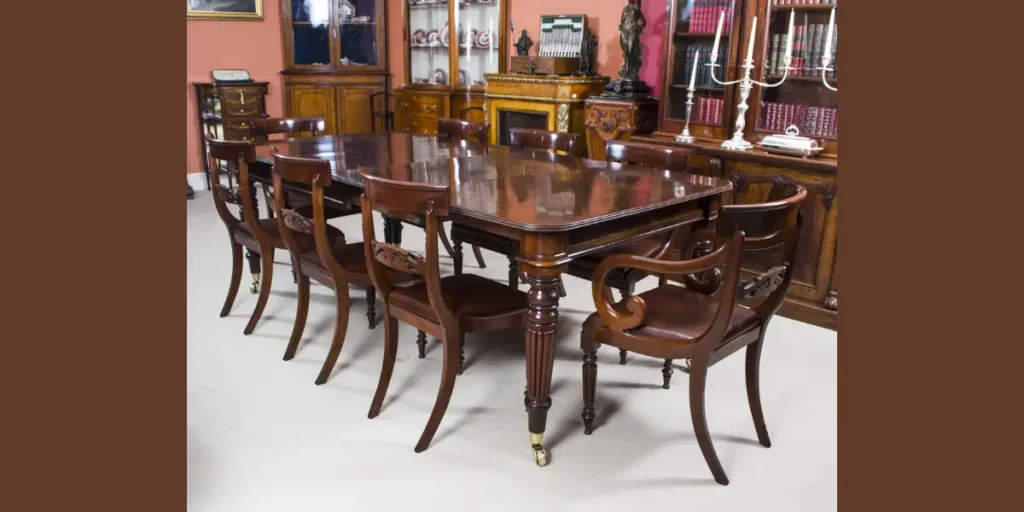
The Regency dining table blends elegance with refined simplicity. I appreciate its tapered legs and subtle brass accents that add sophistication without excess decoration. This early 19th-century style focuses on graceful proportions.
Mahogany finishes dominate this design, enhancing its polished appearance. It pairs well with decorative mirrors and classic artwork. The structure remains clean yet distinguished.
If you want understated luxury, the Regency style delivers formality without feeling heavy or outdated.
11. Glass Top with Classic Wooden Base
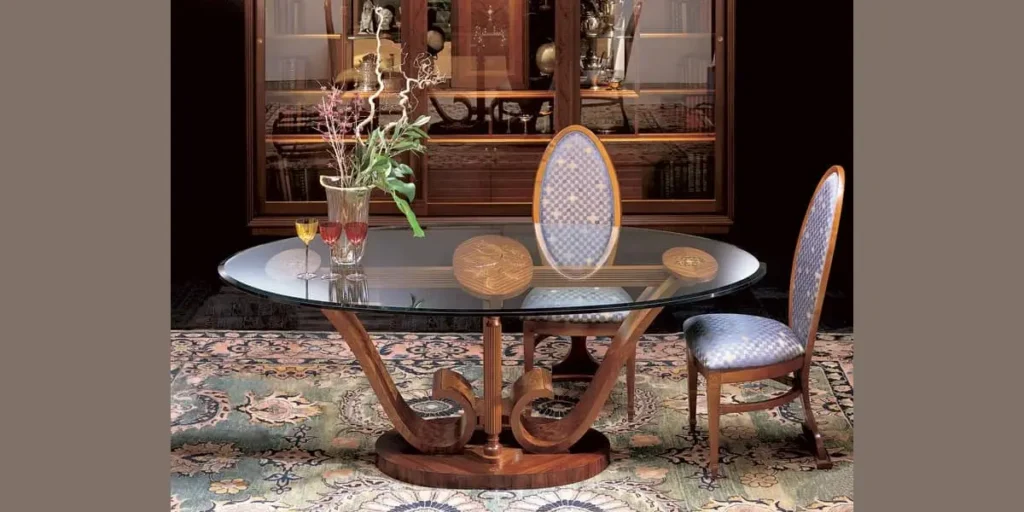
A glass-top table with a classic wooden base combines transparency with tradition. I often suggest this design when homeowners want to lighten the visual weight of solid wood furniture. The glass surface opens up the space immediately.
The carved or pedestal wooden base maintains a strong traditional foundation. This contrast allows the room to feel elegant yet not overcrowded. Upholstered chairs complete the balanced aesthetic.
This option suits transitional interiors where classic detailing meets modern openness, creating a dining space that feels fresh yet timeless.
How to Choose the Perfect Classic Dining Table
Choosing the right dining table requires more than selecting a beautiful design. I always advise homeowners to evaluate their space, lifestyle, and long-term needs before making a decision. A classic piece should serve you for years, not just match your current décor.
When you focus on size, shape, material, and harmony with the room, you make a smarter investment. A well-chosen table improves comfort, supports daily use, and strengthens the overall character of your dining area.
Consider Room Size
I always start by measuring the room carefully. You should allow at least 36 inches of clearance around the table so chairs move comfortably. Without proper spacing, even the most elegant table feels overwhelming.
Large rectangular rooms usually suit longer tables, while compact spaces benefit from round or pedestal designs.
The table should anchor the room, not dominate it. Proper scale keeps the dining area balanced and functional.
Choose the Right Shape
Shape directly influences how people interact at the table. I often recommend round tables for intimate family settings because they encourage natural conversation. Everyone sits at equal distance, which creates a welcoming atmosphere.
Rectangular tables work best for larger families or formal dining rooms. Oval shapes soften corners and improve flow. When you match the shape with your room layout, you improve both aesthetics and usability.
Select Quality Materials
Material defines both durability and visual appeal. I personally prefer solid wood such as oak, mahogany, or walnut because it ages beautifully. These woods resist wear and maintain structural integrity over time.
If you prefer a luxurious finish, marble adds sophistication but requires maintenance. Glass tops create openness but need frequent cleaning.
Choosing the right material ensures your classic dining table remains functional and elegant for years.
Match with Interior Theme
Your dining table should complement the room’s overall style. I always look at flooring, wall colors, lighting, and chair design before finalizing a table. Harmony creates a cohesive and intentional look.
For example, carved Victorian tables suit formal interiors, while farmhouse styles pair well with rustic décor.
When you align the table with your interior theme, the entire dining room feels thoughtfully curated rather than randomly assembled.
Conclusion
A dining table does far more than fill an empty space; it defines how a room feels and how people connect within it.
In my experience, investing in a timeless design always pays off because classic craftsmanship never loses its relevance.
Whether you prefer ornate Victorian detailing, refined Georgian symmetry, or a warm farmhouse presence, the right choice should reflect both your lifestyle and your taste.
When you focus on proportion, material quality, and harmony with your interior, you create a dining space that feels intentional and enduring. Choose wisely, and your table will serve not only meals but memories for decades.
FAQs
Solid hardwoods like oak, mahogany, and walnut are excellent choices. They offer strength, durability, and timeless appeal. I usually recommend hardwood because it withstands daily use while maintaining its structure and finish over time.
Yes, they can work beautifully in modern homes when styled correctly. I often blend classic tables with contemporary lighting or neutral décor to create balance. The key is maintaining proportion and avoiding excessive ornamentation.
You should seal the marble surface properly and clean spills immediately. Marble can stain if left untreated. I recommend using mild cleaners and avoiding acidic substances to protect its polished finish.
A rectangular table around 60–72 inches long usually seats six comfortably. However, room size also matters. I always measure both seating capacity and available space before recommending final dimensions.
High-quality extendable tables remain durable if built with strong hardware and solid wood. I advise checking the extension mechanism before purchasing. With proper care, they function smoothly for many years.