
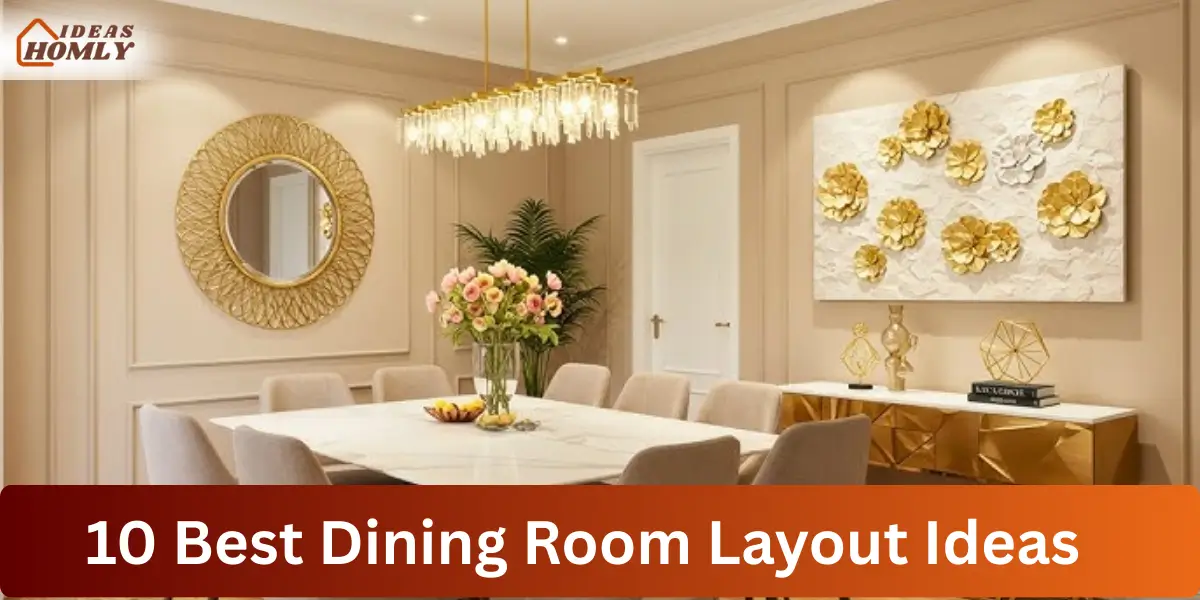

Dining room layout ideas play a major role in how comfortable and functional the space feels every day. I’ve seen beautifully furnished dining rooms fail simply because the layout didn’t support easy movement or seating comfort.
A well-planned layout helps the room feel open, balanced, and inviting, no matter its size. In this guide, I’ll share practical layout ideas that improve circulation, seating arrangement, and visual flow.
Each idea focuses on real dining habits and spatial planning, helping you design a dining room that works naturally for daily meals and special gatherings without feeling crowded or awkward.
Why Dining Room Layout Planning Matters
A dining room layout directly affects how the space feels and functions. Good planning ensures people can move comfortably, pull out chairs easily, and sit without feeling cramped. Layout mistakes often make even large dining rooms feel awkward.
The right layout also supports how the room is used daily. Whether it’s family meals or gatherings, proper spacing and alignment improve comfort and usability.
When layout planning comes first, furniture and décor naturally fall into place. The dining room feels balanced, intentional, and easy to live with.
1. Classic Centered Dining Table Layout
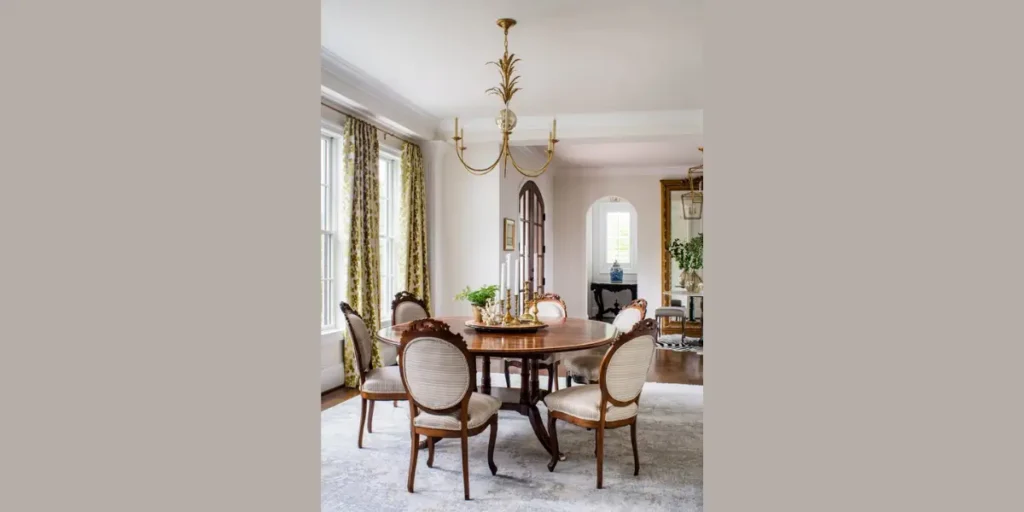
This layout places the dining table at the center of the room, creating balance and symmetry. It works especially well in dedicated dining rooms where space allows equal circulation on all sides.
I focus on keeping enough clearance between the table and walls so chairs can move freely. This layout supports smooth movement and prevents the room from feeling tight.
Centered layouts suit both casual and formal dining. When paired with a centered light fixture, the dining room feels structured, calm, and visually complete.
2. Open-Concept Dining Room Layout
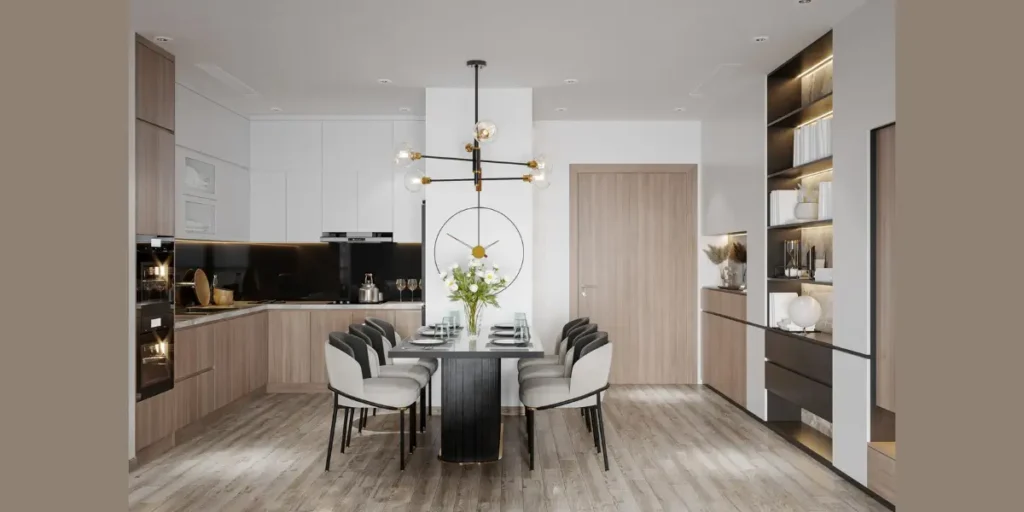
Open-concept layouts connect the dining area with the kitchen or living room. Instead of walls, furniture and lighting define the dining zone.
I use rugs, pendant lights, or table placement to visually separate the dining space without blocking flow. This keeps the area open while maintaining purpose.
This layout encourages interaction and makes the home feel larger. It works best when furniture scale and placement are carefully planned to avoid clutter.
3. Small Dining Room Layout for Compact Spaces
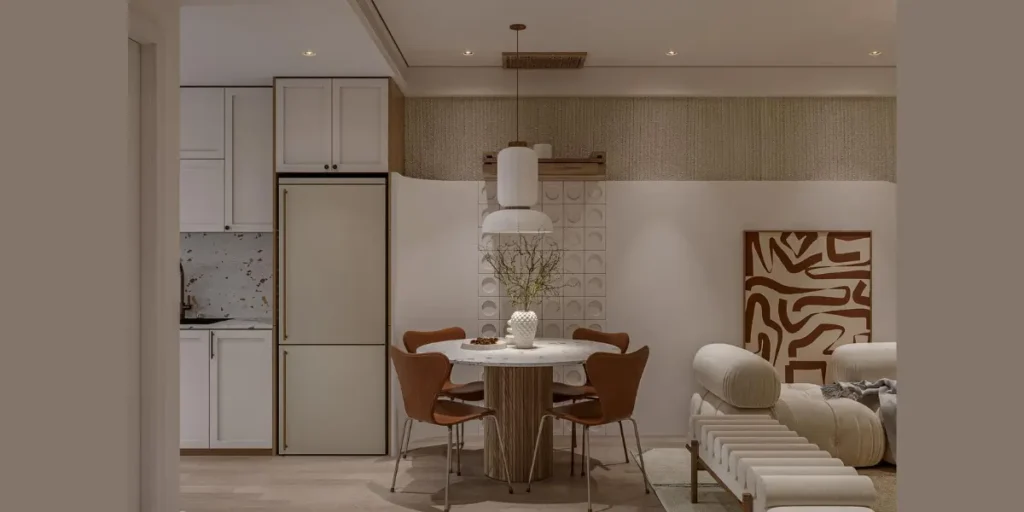
Small dining rooms require precise layout planning. I focus on slim tables and chairs that don’t overwhelm the space.

YLKHOME Rattan Dining Chairs Set of 4, Wicker Dining Chairs with Upholstered Boucle Fabric, Cane Dining Chairs with PE Rattan Backrest,Rattan Back Dining Chairs for Dining Room, Kitchen, Set of 4
YLKHOME Rattan Dining Chairs Set of 4, Wicker Dining Chairs with Upholstered Boucle Fabric, Cane…
Keeping walkways clear is essential. I avoid pushing furniture against every wall and instead allow breathing room for movement.
With the right layout, even compact dining rooms feel comfortable. Smart placement improves functionality without sacrificing style or seating capacity.
4. Square Dining Room Layout
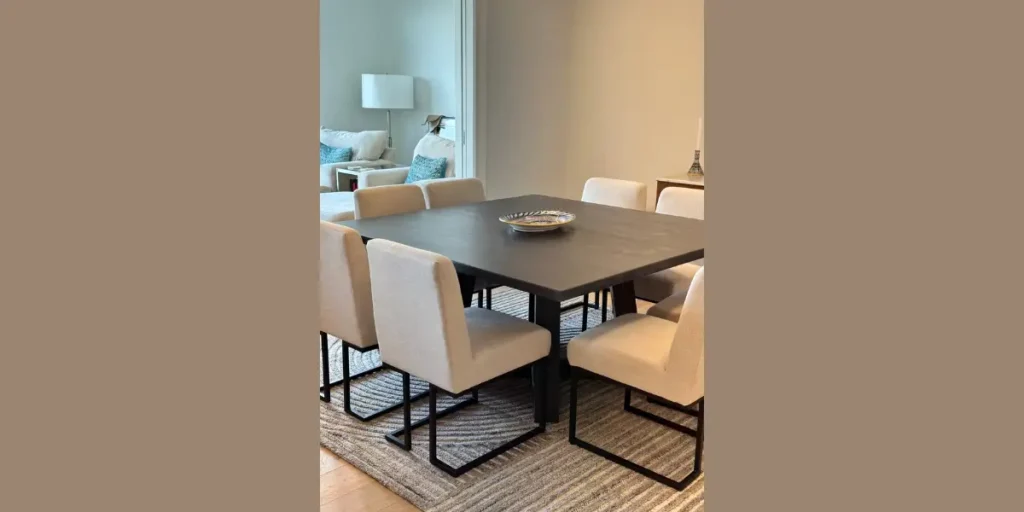
Square dining rooms benefit from symmetrical layouts. A centered or round table keeps the room visually balanced.
I ensure equal spacing around the table so chairs feel comfortable on all sides. This creates a natural flow and prevents awkward corners.
This layout works well for family dining. The room feels cohesive and easy to navigate without wasted space.
5. Rectangular Dining Room Layout
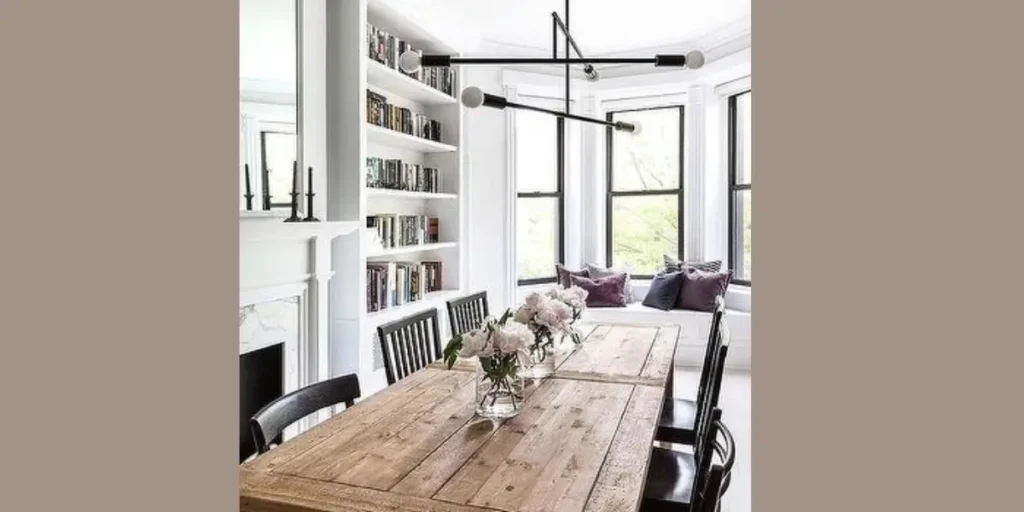
Rectangular rooms work best with lengthwise table placement. This aligns the furniture with the room’s shape.
I position lighting and sideboards along the longer walls to maintain proportion. This keeps the layout organized and visually pleasing.
This arrangement suits formal dining rooms. It supports larger tables while maintaining clear circulation paths.
6. Dining Room Layout with a Sideboard
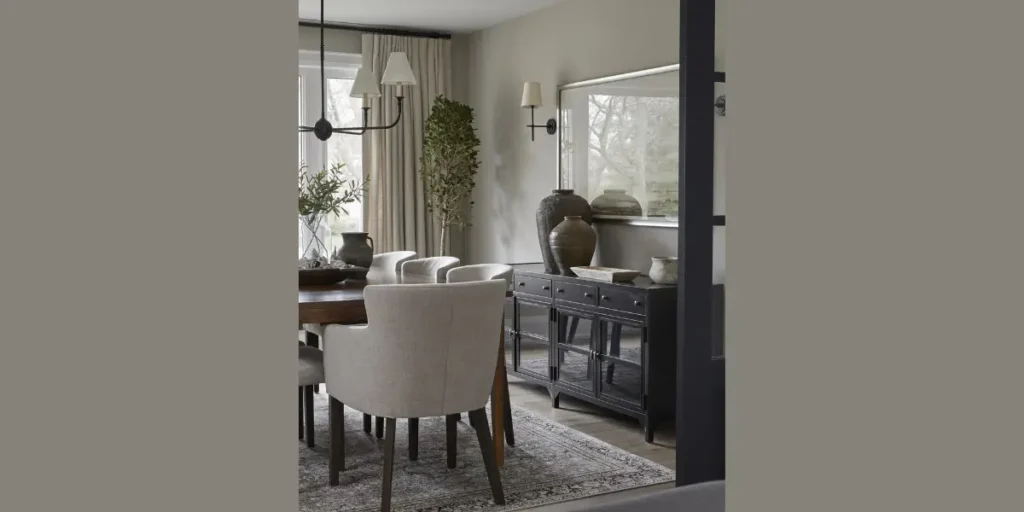
Adding a sideboard improves both layout and function. I place it along a wall where it doesn’t interrupt movement.
This layout supports serving, storage, and décor without crowding the dining table area. It keeps essentials within reach.

New Kitchen Idea Book: Idea-packed kitchen renovation book with layouts, finishes, and storage tricks.
New Kitchen Idea Book: Idea-packed kitchen renovation book with layouts, finishes, and storage tricks.
When planned well, the dining room feels organized and intentional. Storage blends seamlessly into the layout.
7. Round Table Dining Room Layout
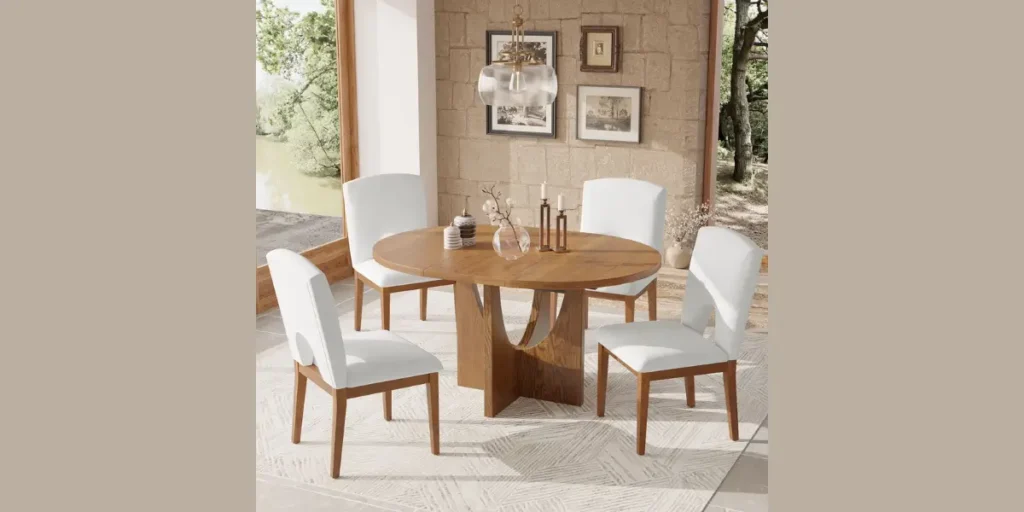
Round tables improve flow by removing sharp corners. This layout works especially well in smaller dining rooms.
I keep enough space around the table so chairs move easily. The circular shape encourages conversation and flexibility.
This layout feels relaxed and social. It’s ideal for casual dining and family use.
8. Dining Room Layout with Window Focus
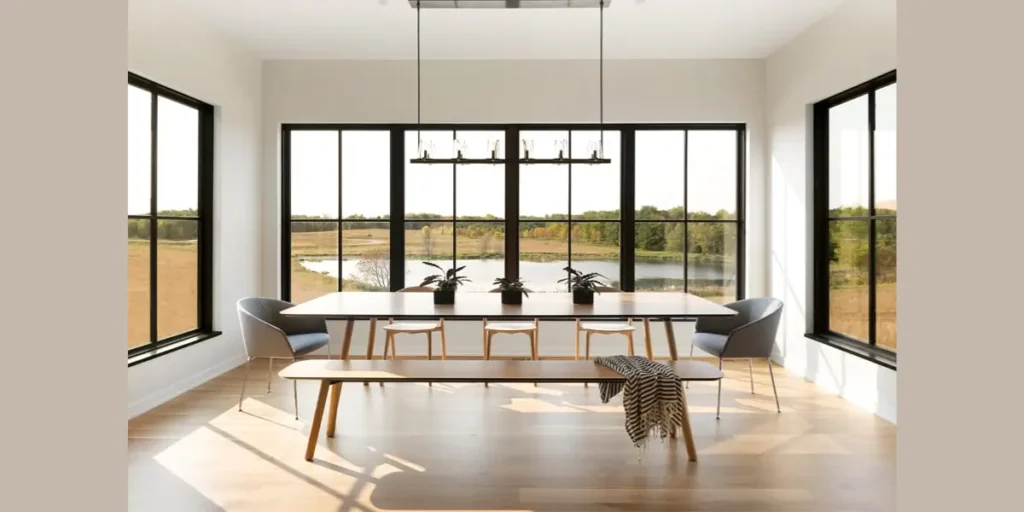
Placing the dining table near a window enhances natural light. This layout makes meals feel brighter and more enjoyable.
I ensure sunlight doesn’t cause glare by balancing placement with window treatments. Comfort remains a priority.
This layout creates a pleasant dining experience. Natural light adds openness and warmth to the room.
9. Formal Dining Room Layout
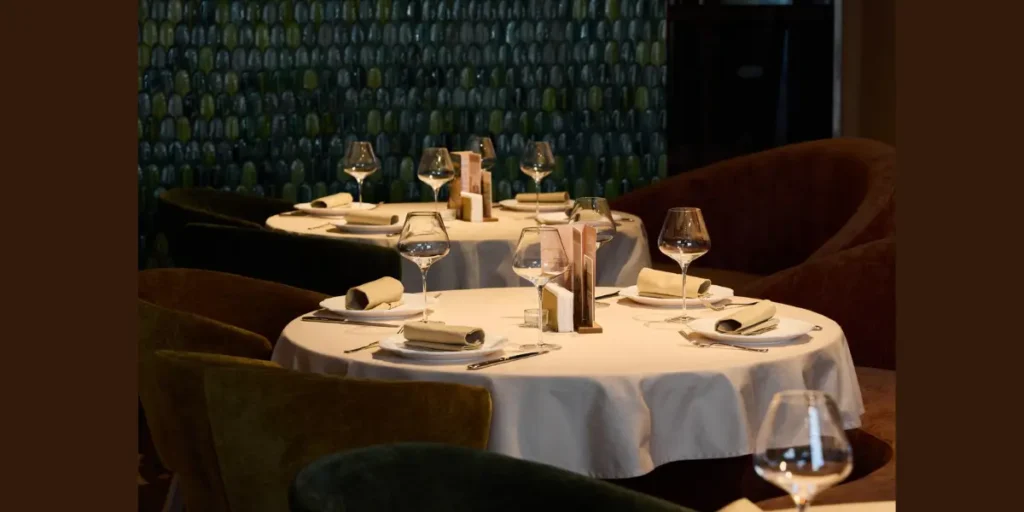
Formal layouts emphasize symmetry and structure. Matching chairs and centered placement define the space clearly.
I keep circulation generous so guests move comfortably. Lighting and décor align with the table for a polished look.
This layout suits special occasions. The dining room feels elegant and thoughtfully arranged.
10. Multi-Functional Dining Room Layout
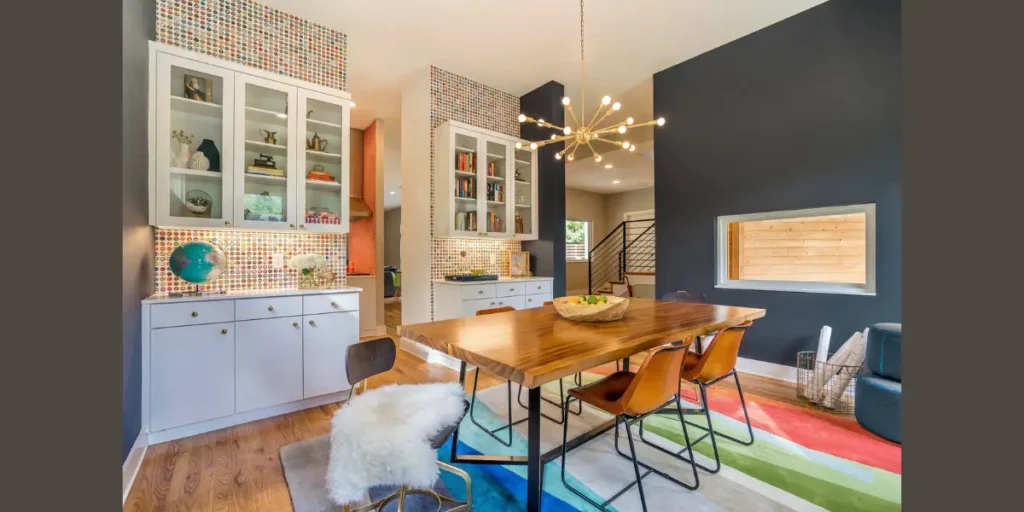
Modern homes often need dining rooms to serve multiple purposes. This layout supports dining alongside work or study.
I use flexible furniture and clear zones to maintain order. Each function has its own space.
This approach keeps the room practical without losing its dining identity. It adapts easily to daily life.
How to Choose the Right Dining Room Layout for Your Space
Choosing the right dining room layout starts with understanding how the room is actually used. Layout decisions affect movement, comfort, and how natural the space feels during everyday meals and gatherings. A good layout supports both function and flow.
I always look at room size, furniture scale, and access points before finalizing any arrangement. When these elements align, the dining room feels effortless instead of forced.
Key Layout Planning Tips
I begin by measuring the room accurately and allowing enough clearance around the dining table. Chairs should slide out comfortably without hitting walls or furniture.
I also pay attention to lighting placement. The table and light fixture should align naturally to avoid visual imbalance or awkward shadows.
Common Dining Layout Mistakes to Avoid
One common mistake is overcrowding the room with oversized furniture. This restricts movement and makes the dining area feel tight.
Another issue is ignoring walkways. Blocking natural paths disrupts flow and makes the dining room uncomfortable during regular use.
FAQs
The best layout depends on room size and how the space is used. I usually recommend a layout that allows clear movement around the table while keeping seating comfortable and accessible.
I suggest leaving at least 36 inches of clearance around the table. This allows chairs to move freely and people to walk comfortably without feeling cramped.
For small dining rooms, compact layouts with slim furniture work best. I often use round or smaller tables to improve flow and maximize usable space.

Best Choice Products 3-Piece Modern Dining Set, Space Saving Dinette for Kitchen, Dining Room, Small Space w/Steel Frame, Built-in Storage Rack - Gray/Black
Best Choice Products 3-Piece Modern Dining Set, Space Saving Dinette for Kitchen, Dining Room, Small…
Yes, many modern dining rooms serve more than one purpose. I design layouts with flexible furniture so the space can adapt without losing its dining function.
Conclusion
A well-planned dining room layout shapes how comfortable, functional, and welcoming the space feels every day. The right layout allows people to move freely, sit comfortably, and enjoy meals without feeling restricted.
When furniture placement, spacing, and circulation work together, the dining room feels natural rather than forced.
Thoughtful layout choices also help the space adapt to different needs, whether it’s daily family dinners or larger gatherings.
By focusing on balance, flow, and practicality, you can create a dining room layout that supports real living while maintaining a clean, organized, and visually appealing environment.
Related Post
- 12 Best Dining Room Paneled Wall Ideas
- Top 15 Farmhouse Dining Room Lighting Ideas
- Dining Room Furniture Ideas for Small Spaces
- Dining Room Furniture Ideas
- Dining Room Lighting Ideas
- Top 12 Dining Room Table Ideas