
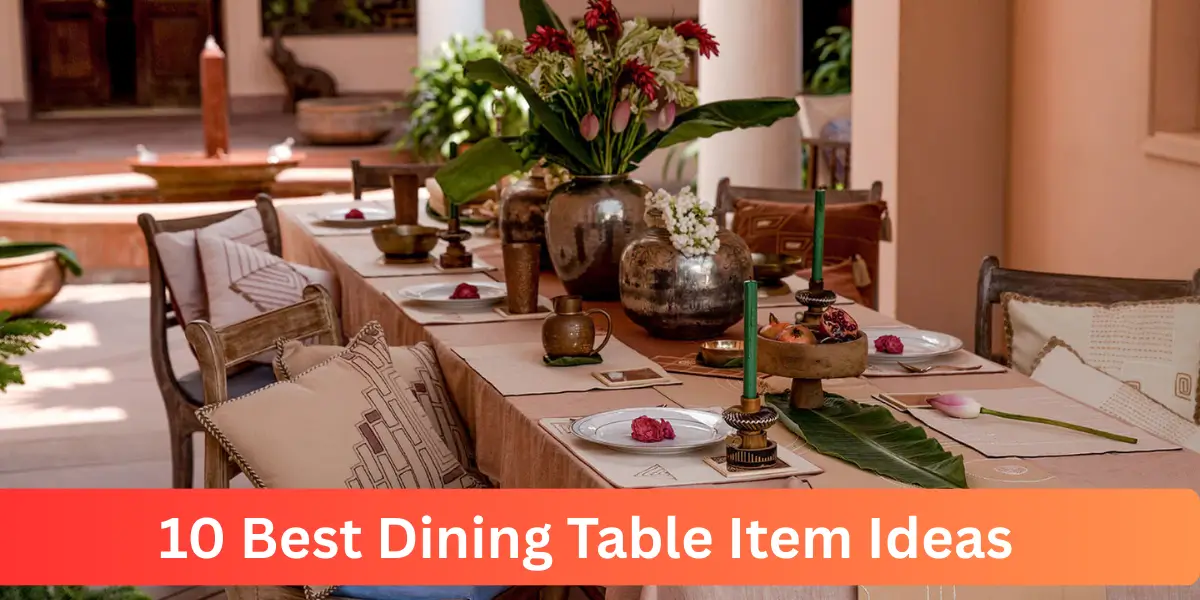

A dining table can easily become the centerpiece of your home, yet it often feels incomplete without the right finishing details. I have seen how a few carefully chosen accents can completely transform the mood of a room.
The goal is not to overcrowd the surface but to add items that create balance and character. When exploring dining table item ideas, I always focus on proportion, texture, and how each piece complements the table itself.
Thoughtful styling turns an ordinary setup into a refined and welcoming focal point.
How the Right Items Elevate Your Dining Table
A dining table should feel intentional, not accidental. I always approach styling as a way to enhance the table’s natural beauty rather than hide it. The right combination of items adds structure, texture, and personality without overwhelming the surface.
When I select pieces, I focus on balance and proportion. Each item must contribute either visual interest or practical function. Below are ten dining table item ideas that create a refined and thoughtfully layered look.
1. Statement Floral Centerpiece
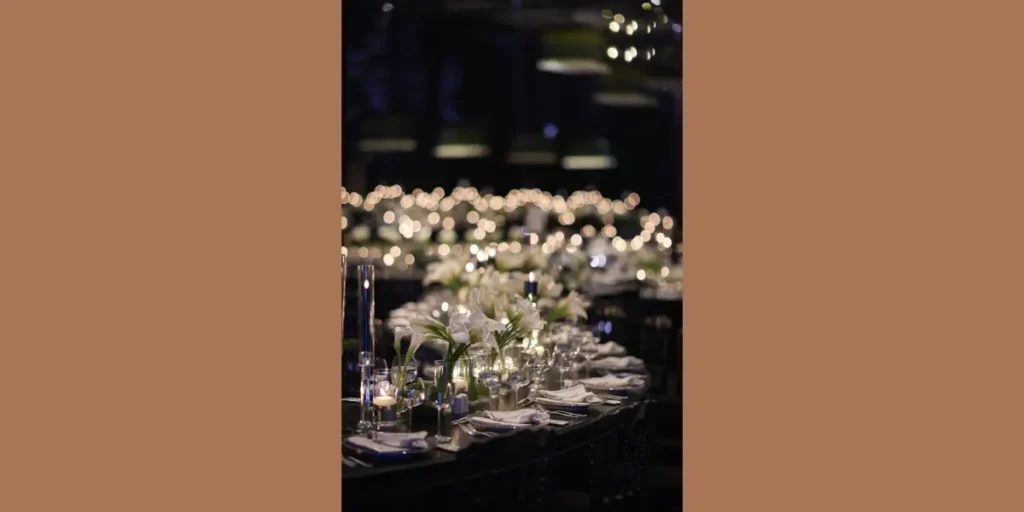
A floral centerpiece instantly introduces color and freshness. I often choose seasonal blooms to keep the arrangement relevant and cohesive with the room’s palette. Fresh flowers create movement and soften rigid table lines.
I trim stems carefully so the height allows comfortable conversation. A well proportioned vase prevents the arrangement from dominating the table.
This item creates a natural focal point. It transforms everyday dining into a more inviting and elevated experience without excessive decoration.
2. Decorative Candle Set
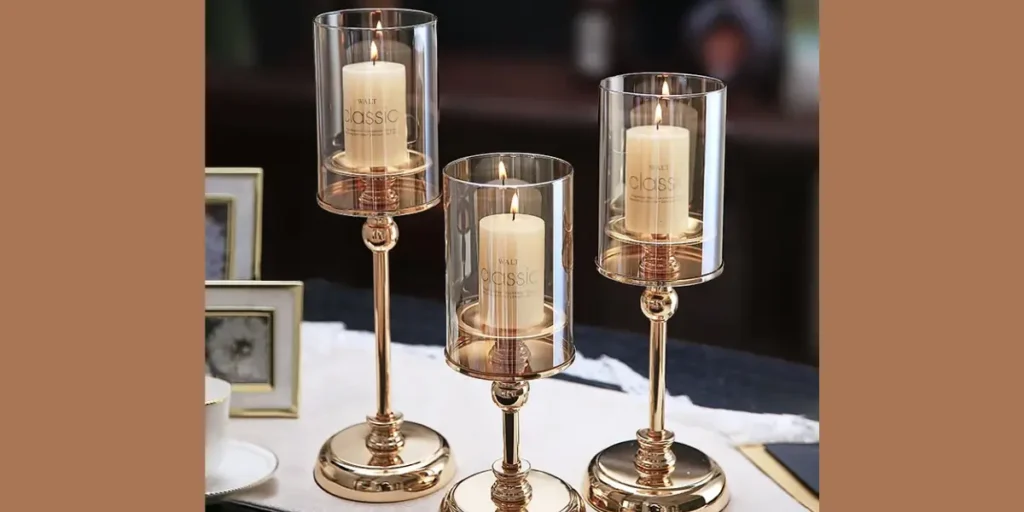
Candles provide warmth and subtle drama. I layer different heights of candle holders to create rhythm across the table surface. The soft glow enhances wood grain and reflects beautifully off glassware.
I typically select neutral tones or metallic finishes to maintain elegance. Placement in odd numbers keeps the arrangement balanced.
This idea works especially well for evening meals. It adds atmosphere and depth while maintaining simplicity and refinement.
3. Textured Table Runner
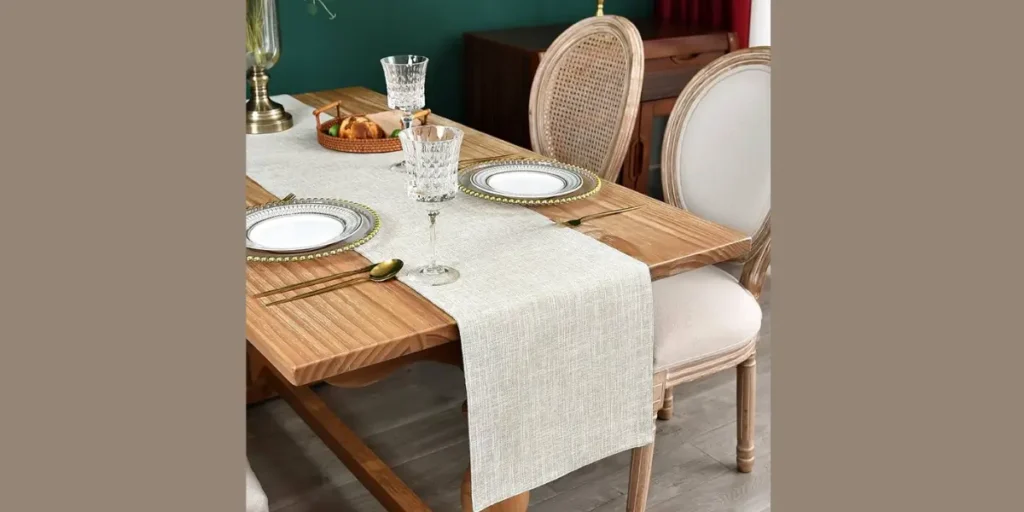
A table runner introduces structure and anchors other items. I choose linen or woven fabrics that add tactile interest without appearing heavy.
The runner defines the center visually and creates a base for additional accessories. I ensure the overhang feels proportional to the table length.
This item enhances cohesion. It frames decorative elements and keeps the table styling intentional rather than scattered.
4. Decorative Tray Arrangement
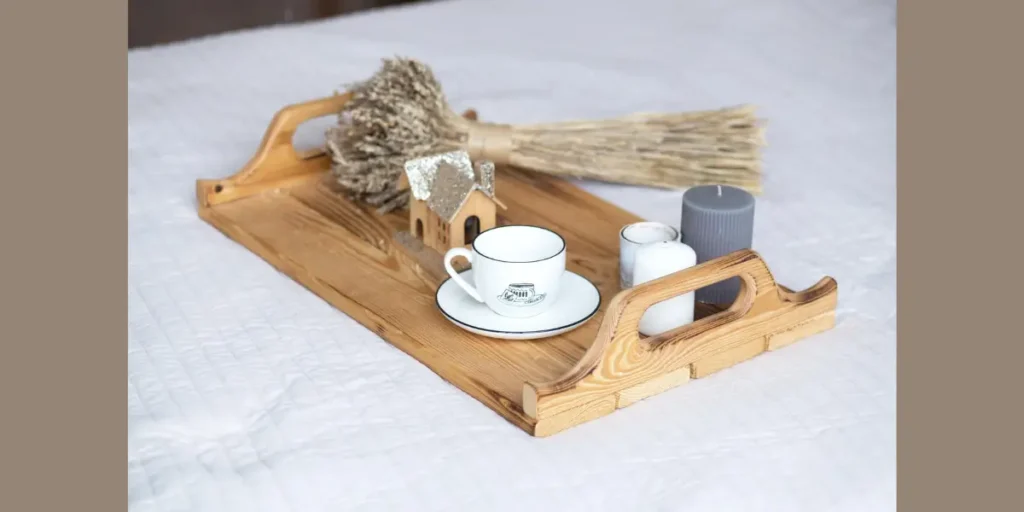
A tray organizes smaller pieces into a unified display. I often use wood or marble trays to add subtle contrast against the table surface.
Grouping items within a tray prevents clutter and creates clear boundaries. I balance height variation inside the tray carefully.
This approach adds order and sophistication. It allows flexibility while maintaining a polished, structured presentation.
5. Sculptural Decorative Object
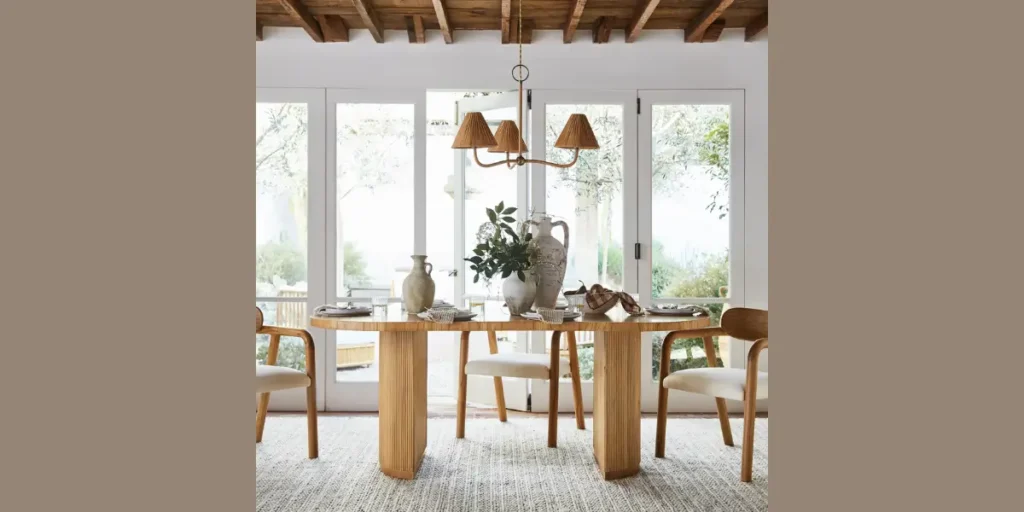
A sculptural object brings artistic character to the table. I select abstract forms in ceramic or metal to introduce visual intrigue.
These pieces work best when the rest of the table remains minimal. I leave adequate negative space around them.
This item reinforces a contemporary aesthetic. It turns the dining surface into a curated display while preserving functionality.
6. Elegant Placemats and Chargers
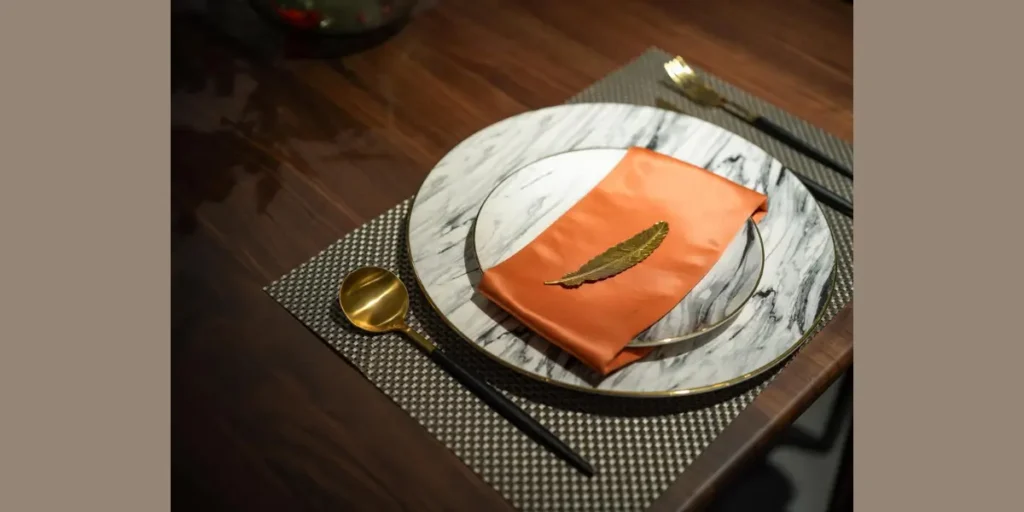
Placemats define individual settings and protect the table surface. I prefer woven or fabric styles that complement the overall palette.
Chargers add an extra layer of sophistication beneath dinner plates. I align them carefully to maintain symmetry.
This combination enhances everyday meals. It introduces texture and structure while elevating the table’s overall presentation.
7. Decorative Bowl with Fruit
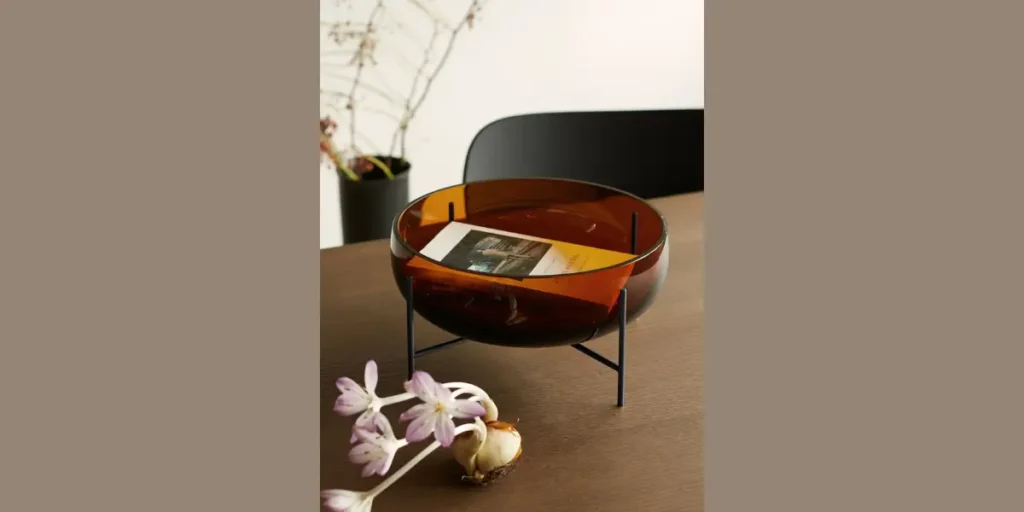
A decorative bowl offers both beauty and utility. I often use ceramic or wooden bowls to introduce organic texture.
Seasonal fruit adds color and freshness without appearing staged. I position the bowl slightly off center for a relaxed feel.
This item balances practicality with design. It keeps the table lively and approachable while maintaining elegance.
8. Greenery Garland
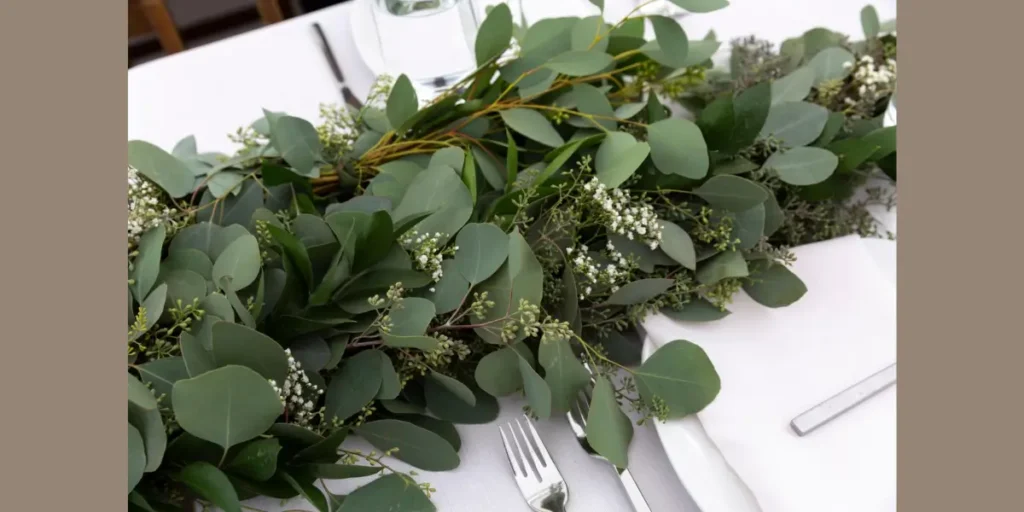
A greenery garland introduces softness and natural movement. I typically use eucalyptus or olive branches for subtle fragrance and texture.
The elongated form works beautifully on rectangular tables. I keep the arrangement loose and organic.
This item adds warmth year round. It creates visual continuity across the table without overwhelming other elements.
9. Glass Cloche Display
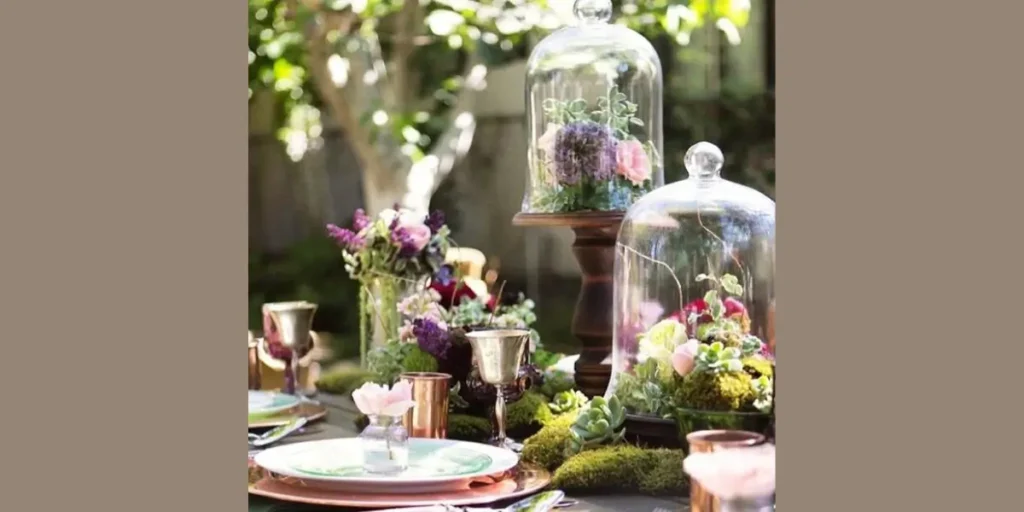
A glass cloche elevates small decorative pieces. I use it to highlight a candle or seasonal accent beneath the transparent dome.
The glass reflects light gently and introduces height variation. I avoid overcrowding the interior display.
This accessory adds refinement and structure. It feels curated and intentional, especially in modern or transitional interiors.
10. Metallic Accent Pieces
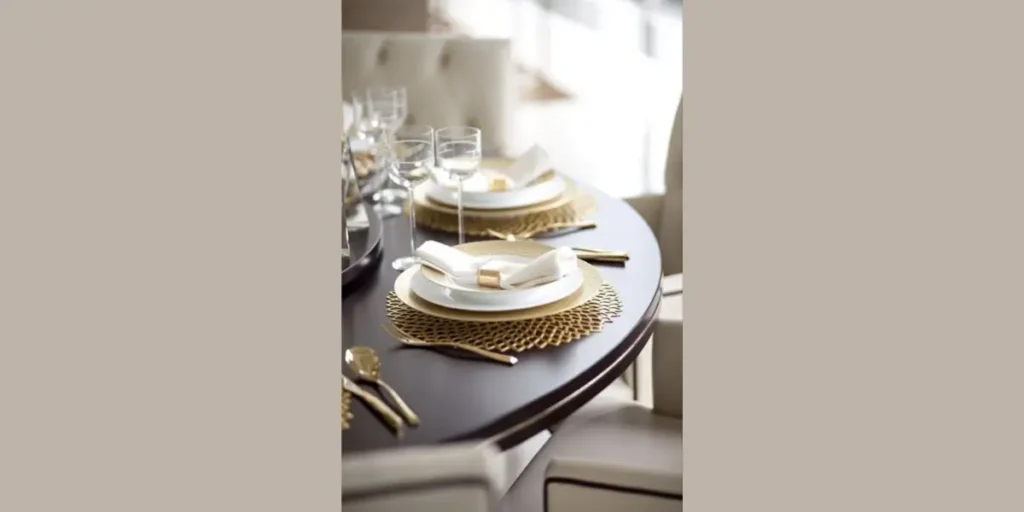
Metallic accents introduce subtle luxury. I choose brass or matte black finishes to create contrast against wood or linen.
Reflective surfaces catch ambient light and enhance depth. I use them sparingly to maintain balance.
This item completes the table with polish and cohesion. It ties together surrounding décor elements and strengthens the overall aesthetic.
Practical Styling Strategies for Dining Table Items
Styling dining table items requires a clear sense of proportion and restraint. I always begin by evaluating the table size and how much usable space must remain for daily meals. A well styled table should feel balanced, not crowded.
Layering works best when textures vary but colors stay coordinated. I mix wood, glass, metal, and fabric carefully so each element complements the others.
Leaving intentional empty space keeps the arrangement breathable and refined. When every item has purpose and placement, the table naturally feels curated and cohesive.
Key Styling Considerations
Maintaining proportion is essential. I avoid oversized centerpieces on compact tables and ensure the arrangement allows comfortable movement around plates and glassware.
Combining textures thoughtfully creates visual depth. For example, pairing smooth ceramic with woven fabric introduces contrast without chaos.
Varying height adds rhythm. I balance low elements with taller accents to keep the eye engaged while preserving open sightlines.
Aligning colors with the room palette ensures cohesion. Subtle repetition of tones makes the table feel intentionally styled rather than randomly decorated.Ree
Material Comparison Guide
| Material | Best For | Visual Effect |
|---|---|---|
| Glass | Modern dining rooms | Light and reflective |
| Wood | Rustic interiors | Warm and grounded |
| Metal | Contemporary spaces | Bold and polished |
| Ceramic | Neutral settings | Soft and structured |
| Fabric | Layered styling | Cozy and textured |
Selecting the right material strengthens the overall aesthetic. I always consider durability alongside appearance to ensure practicality for daily use.
Conclusion
A dining table should feel intentional, not accidental. I always remind myself that the most refined spaces are not overloaded with décor but thoughtfully edited.
The right items add depth, warmth, and personality while still allowing the table to function comfortably. Whether you choose a sculptural object, layered candles, or a simple bowl of seasonal fruit, each piece should serve a purpose.
When proportion, texture, and balance align, even a modest arrangement can look elevated.
By selecting dining table items carefully and styling them with restraint, you create a space that feels welcoming, polished, and naturally curated.
FAQs
I recommend limiting accessories to a few intentional pieces. Too many items create visual clutter and reduce functionality. A balanced arrangement feels curated and leaves enough open space for dining comfort.
Yes, blending styles can create depth and personality. I focus on maintaining a cohesive color palette or shared material element so the combination feels harmonious rather than disjointed.
Compact centerpieces, low vases, or a simple tray arrangement work well. I avoid tall or bulky pieces that block conversation or dominate limited surface area.
Seasonal updates keep the table fresh and engaging. I often rotate greenery, fruit, or accent colors while keeping foundational pieces consistent for cohesion.