
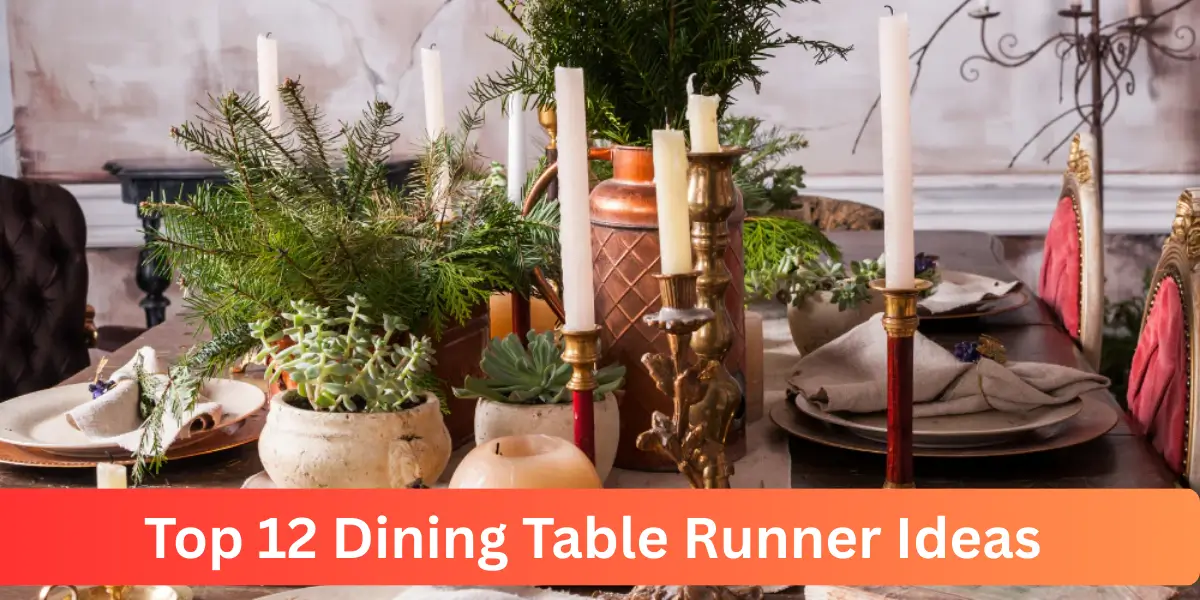

A dining table often sets the tone for the entire room, and even a simple fabric accent can redefine its presence. I have found that the right runner adds structure without covering the beauty of the table itself.
Texture, color, and proportion all influence how polished the setting feels. When exploring dining table runner ideas, I always consider how the material interacts with lighting and surrounding décor.
A thoughtfully chosen runner can elevate everyday meals and make gatherings feel more intentional without overwhelming the space.
How a Table Runner Defines the Dining Space
A table runner does more than protect the surface. I see it as a visual guide that draws attention to the center of the table and frames the overall setting. The right fabric and length can instantly make a dining room feel styled and intentional.
When I choose a runner, I always consider proportion, texture, and how it complements the table material. A balanced runner anchors centerpieces, softens hard edges, and introduces subtle contrast without overwhelming the space.
Below are the first eight dining table runner ideas that combine practicality with refined style.
1. Neutral Linen Table Runner
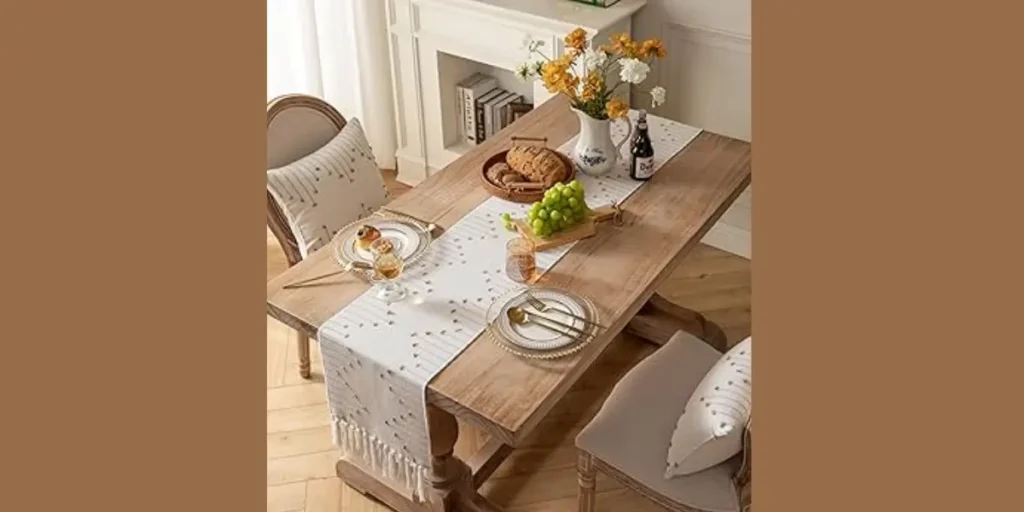
A neutral linen table runner creates effortless elegance and versatility. I often select soft beige, ivory, or light gray tones because they blend seamlessly with most dining palettes. Linen adds natural texture without appearing heavy.
The breathable fabric drapes beautifully and softens wooden or marble tables. I keep the overhang moderate to maintain proportion and prevent visual clutter.
This option works well for everyday dining and formal occasions alike. It feels refined, timeless, and adaptable across seasons without demanding constant updates.
2. Rustic Burlap Runner
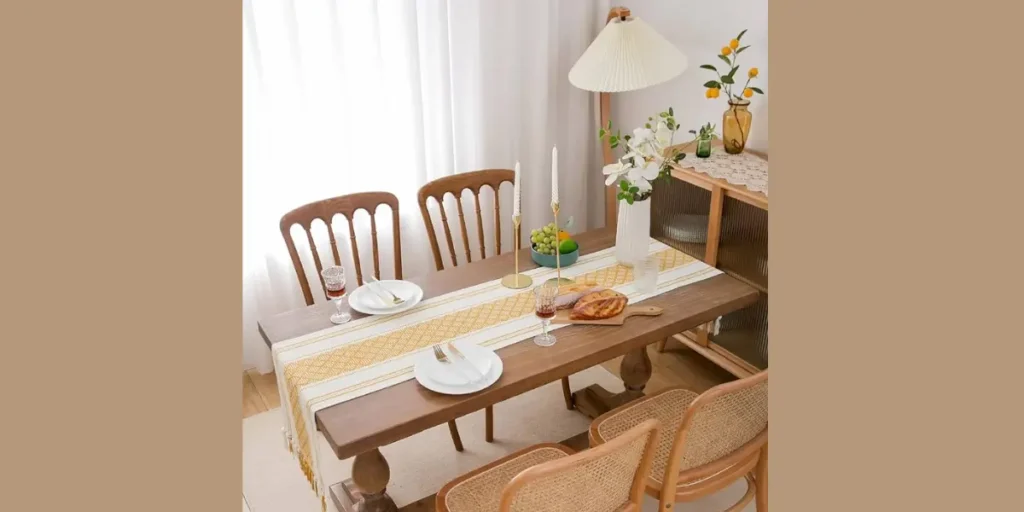
A burlap runner introduces texture and farmhouse warmth. I prefer this material when styling rustic or country inspired dining rooms. Its woven finish adds character and depth.
The natural fibers pair beautifully with wooden tables and ceramic centerpieces. I balance burlap’s rough texture with softer elements like candles or greenery.
This style feels grounded and inviting. It enhances cozy interiors while maintaining durability for regular use, especially in family focused dining spaces.
3. Bold Patterned Runner
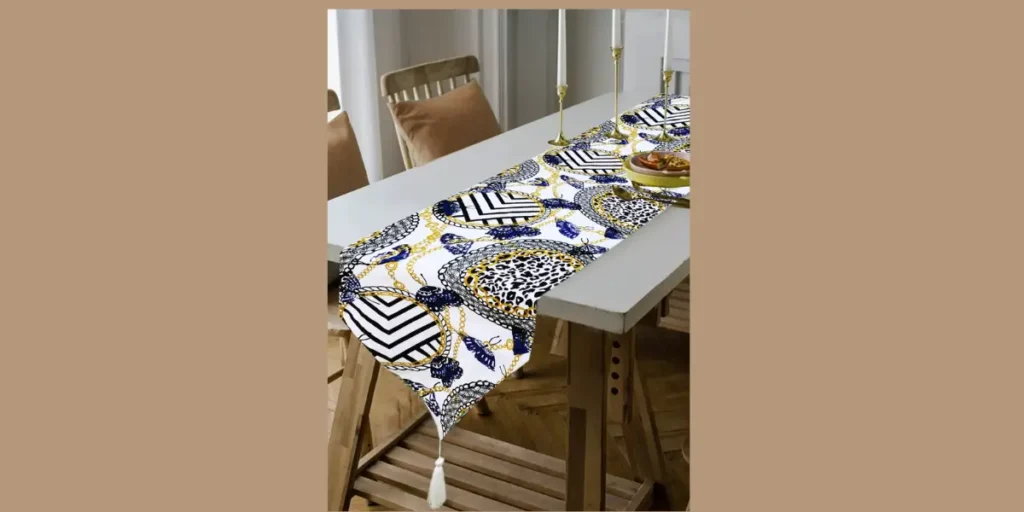
A bold patterned runner injects personality into a simple dining setup. I use geometric or floral prints when the surrounding décor remains neutral. The pattern becomes the focal point.
Colorful designs create energy and visual movement across the table surface. I ensure the scale of the pattern complements the table size to maintain balance.
This choice suits modern and eclectic interiors. It adds vibrancy without requiring additional decorative elements, making the table feel dynamic yet cohesive.
4. Layered Runner with Placemats
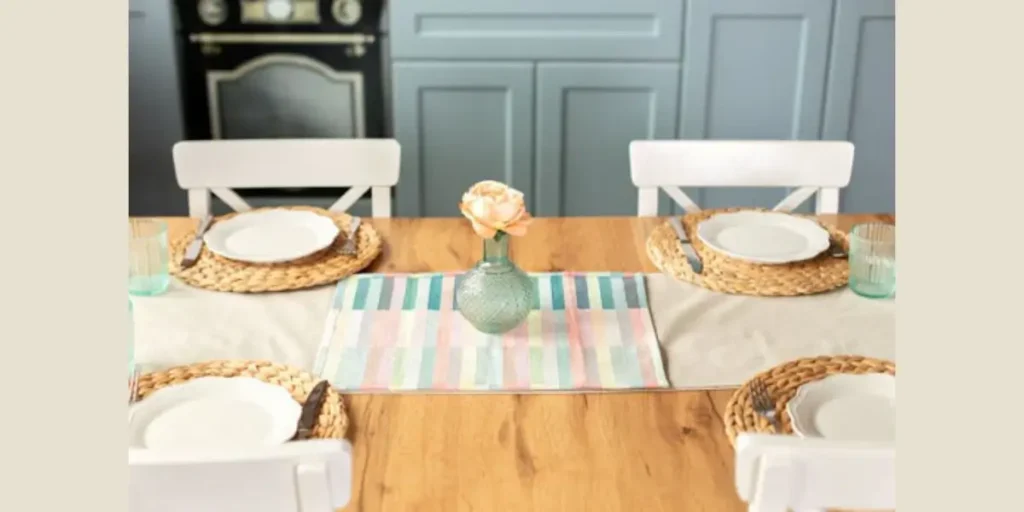
Layering a runner with placemats creates dimension and structure. I often combine contrasting textures, such as linen with woven mats, to introduce depth.
This method allows each place setting to feel intentional while keeping the center visually unified. I align colors carefully to avoid clashing tones.
Layered styling works beautifully for gatherings or formal dinners. It enhances the overall presentation and creates a curated dining experience that feels thoughtfully arranged.
5. Seasonal Decorative Runner
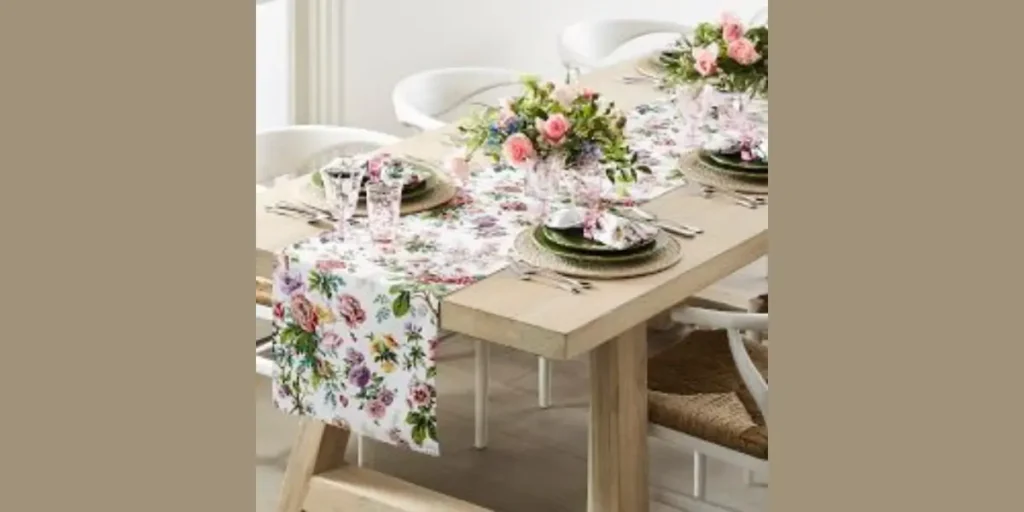
A seasonal runner refreshes the dining room throughout the year. I rotate fabrics and colors based on holidays or seasonal transitions to keep the space engaging.
Light florals suit spring, warm tones complement autumn, and subtle metallics enhance winter gatherings. I maintain consistency in tableware to avoid excess.
This approach prevents décor from feeling stagnant. It keeps the dining table lively and adaptable without requiring a complete redesign.
6. Boho Macramé Runner
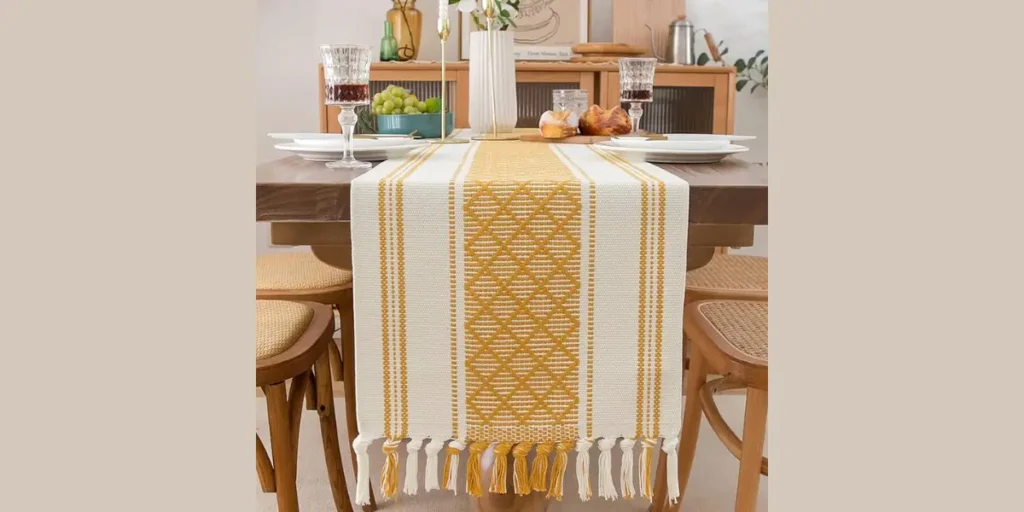
A macramé runner adds handcrafted charm and softness. I appreciate its intricate woven patterns that introduce texture without overwhelming the table.
This style pairs beautifully with rattan chairs, natural wood finishes, and neutral color palettes. I keep centerpieces simple to highlight the detailing.
Boho runners create a relaxed yet styled atmosphere. They work especially well in casual dining spaces that embrace organic and artistic elements.
7. Velvet Luxe Runner
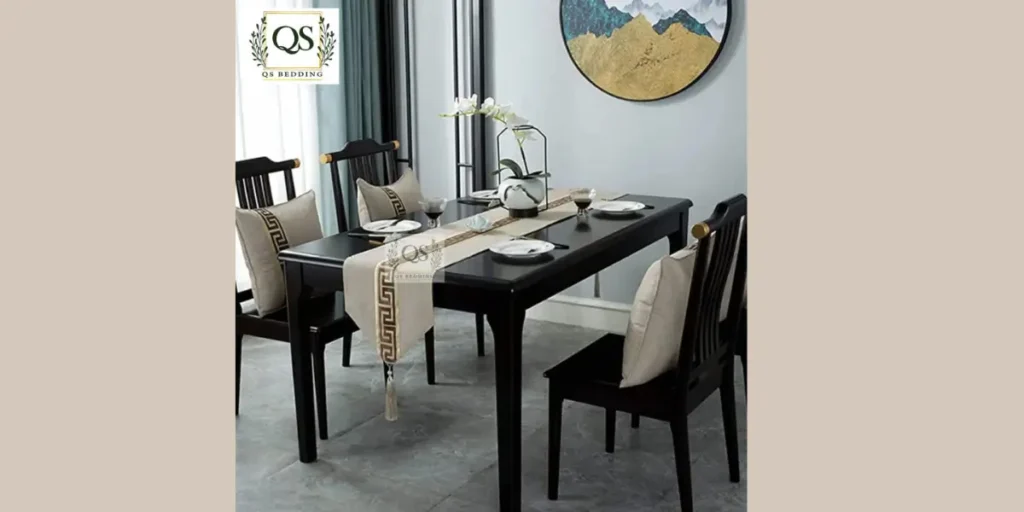
A velvet runner introduces richness and sophistication. I often choose deep tones such as emerald, navy, or burgundy for evening gatherings.
The plush texture reflects light subtly and enhances formal table settings. I pair it with metallic accents to emphasize luxury.
Velvet works best in elegant dining rooms where ambiance matters. It creates depth and drama while maintaining a polished and refined aesthetic.
8. Minimal Black and White Runner
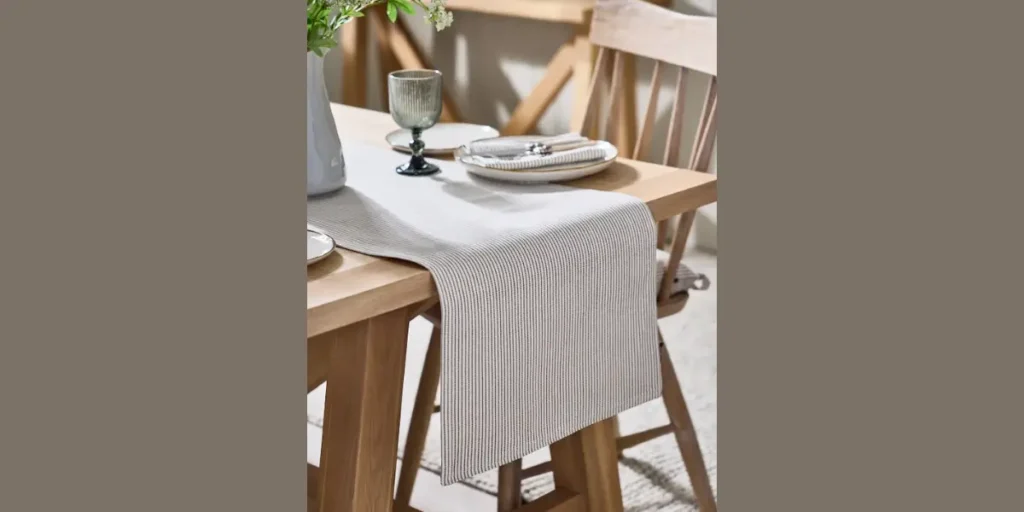
A black and white runner delivers strong contrast and modern clarity. I use this style when I want the dining table to feel crisp and structured.
Stripes or simple patterns maintain balance without overpowering the design. I align the runner precisely to preserve symmetry.
This option suits contemporary interiors beautifully. It reinforces clean lines and creates a visually striking yet controlled dining presentation.
9. Sheer or Gauze Runner
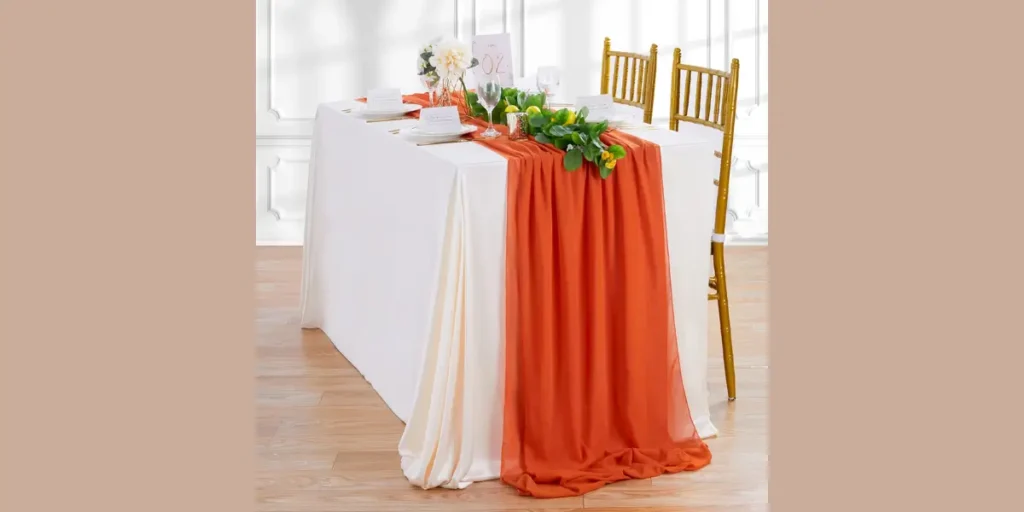
A sheer or gauze runner creates softness and movement across the dining table. I often use this style when I want a romantic or airy atmosphere, especially for special gatherings. The lightweight fabric drapes naturally and adds subtle texture.
Because the material feels delicate, I keep the rest of the table styling minimal. Simple candles or a low floral arrangement complement the look without overpowering it.
This runner works beautifully in light filled dining rooms. It enhances elegance while maintaining a relaxed and effortless aesthetic.
10. Jute or Woven Runner
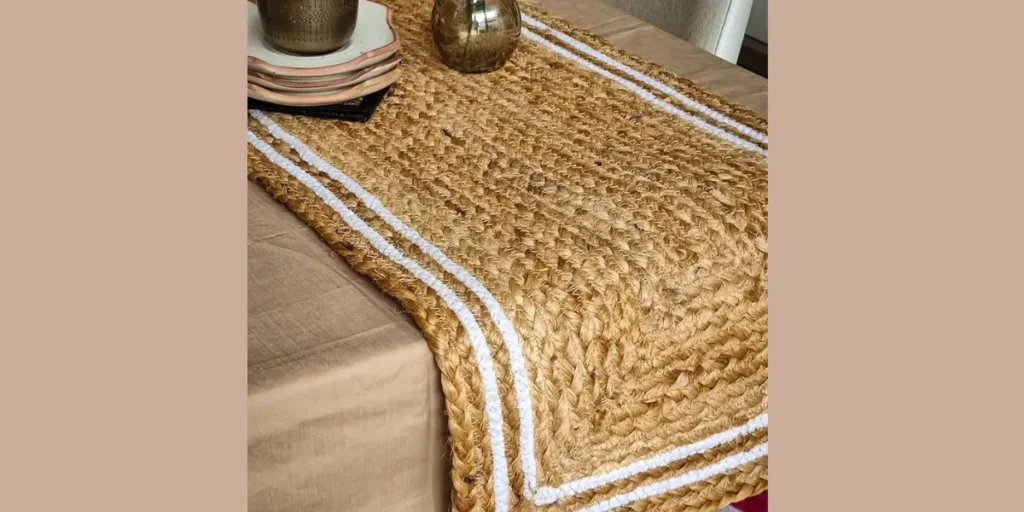
A jute or woven runner introduces earthy texture and durability. I prefer this option in homes that embrace organic materials and natural tones. The woven pattern adds depth without excessive decoration.
It pairs exceptionally well with wooden tables, ceramic vases, and greenery. I often use neutral shades to maintain cohesion with the overall décor.
This runner feels grounded and practical. It withstands daily use while reinforcing a warm, nature inspired dining environment.
11. Floral Embroidered Runner
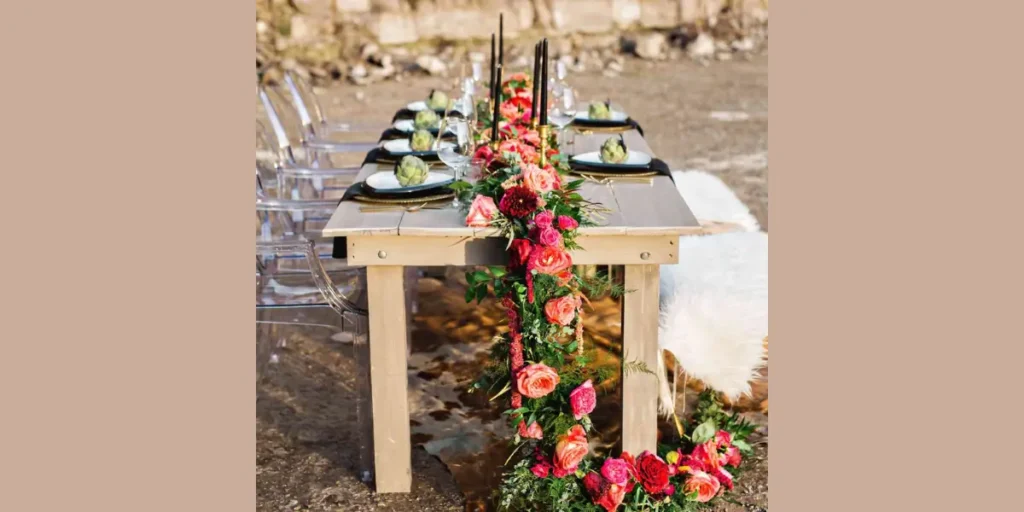
A floral embroidered runner adds subtle detail and classic charm. I choose this style when the dining room leans traditional or vintage inspired. The stitched patterns introduce refinement without overwhelming the surface.
Soft pastel embroidery works well for spring and summer settings. I coordinate tableware carefully to prevent competing patterns.
This design enhances formal meals and intimate gatherings. It brings personality and elegance while maintaining a polished and graceful presentation.
12. Metallic Accent Runner
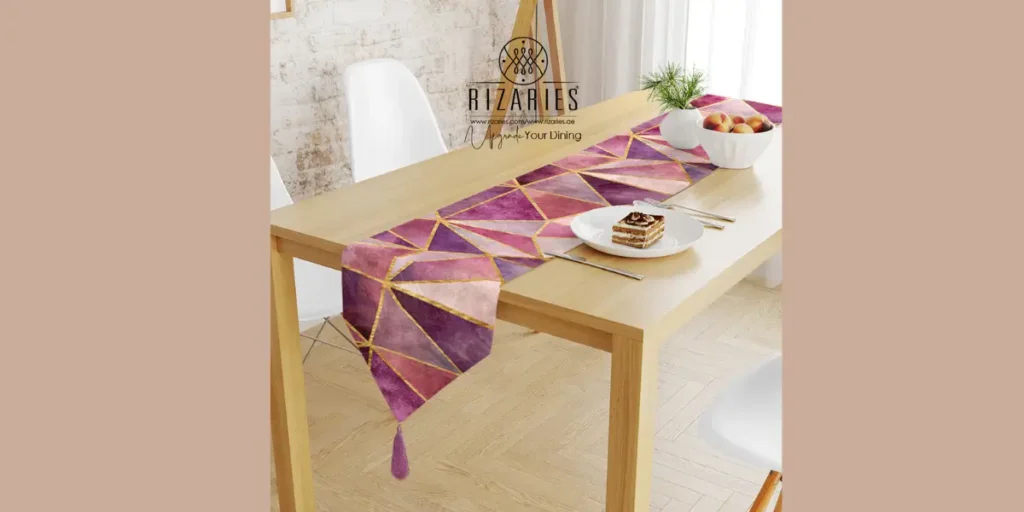
A metallic accent runner introduces understated glamour. I use runners with gold or silver threading when I want to reflect light and elevate the table setting.
Metallic elements pair beautifully with glassware and candlelight. I balance the shine with neutral dinnerware to maintain harmony.
This option suits festive occasions and formal dining spaces. It adds sophistication and sparkle without overwhelming the overall design.
Smart Styling Tips for the Perfect Table Runner
Choosing the right table runner involves more than selecting a fabric you like. I always begin by measuring the table length and ensuring the runner extends evenly on both ends without appearing too short or excessive. Proportion plays a key role in maintaining balance.
Fabric durability matters just as much as appearance. For everyday use, I prefer materials like linen or cotton that handle frequent cleaning.
For formal settings, richer textures such as velvet or embroidered fabrics create depth and refinement. Matching the runner’s tone with tableware and surrounding décor helps the entire space feel cohesive rather than disconnected.
Layering also enhances presentation. I sometimes pair a runner with placemats or centerpieces, but I avoid overcrowding the surface.
Negative space allows the runner to stand out naturally. When styled thoughtfully, a table runner frames the dining setup, highlights the centerpiece, and subtly elevates the entire room without overwhelming it.
Conclusion
A thoughtfully chosen table runner can completely redefine the character of your dining space. I always see it as the finishing detail that connects furniture, tableware, and centerpieces into one cohesive setting.
Whether you prefer neutral linen, textured jute, or a bold patterned design, the key lies in proportion and material harmony. A runner should enhance the table’s natural beauty rather than conceal it.
By balancing color, fabric, and seasonal updates, you can keep your dining area feeling fresh and intentional.
Even a simple change in texture can elevate everyday meals into a more polished and inviting experience.
FAQs
A runner should typically hang six to ten inches over each end of the table. I always measure carefully to maintain symmetry and avoid a runner that looks either too short or disproportionately long.
Yes, a runner alone can create a clean and minimalist look. I often use this approach when the table surface is attractive and deserves visibility while still benefiting from a centered accent.
Yes, runners can work on round tables when placed across the center. I ensure the length does not overpower the table and that the proportions feel balanced within the circular layout.
I usually update runners seasonally or when the décor feels repetitive. Rotating fabrics or colors keeps the dining space fresh without requiring major design changes.