
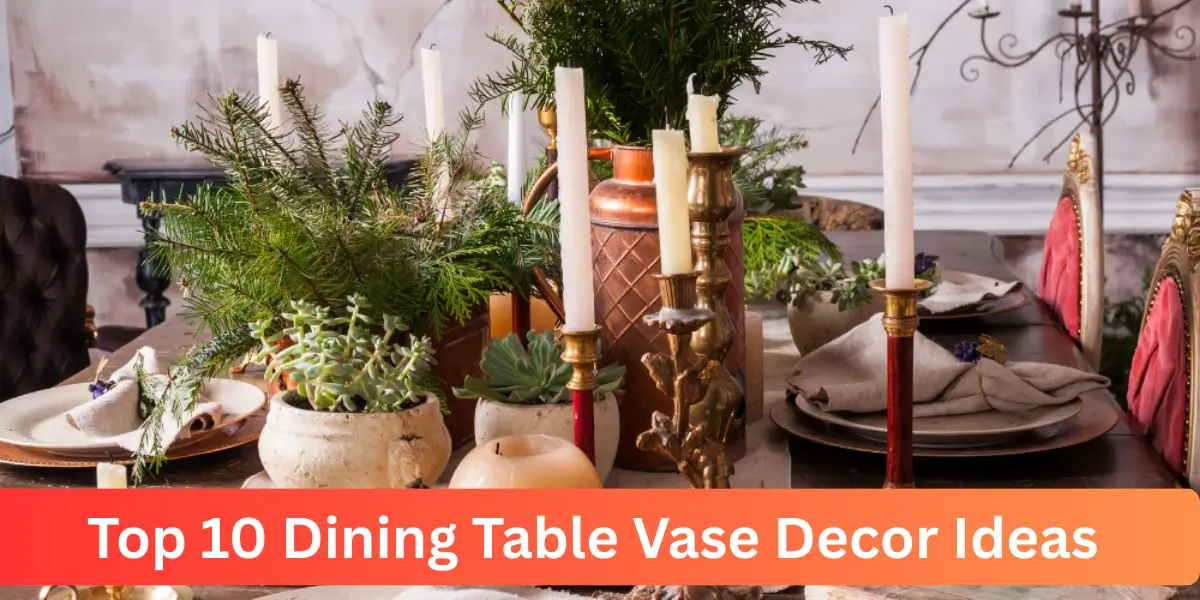

A dining table can feel unfinished until the right centerpiece brings it to life. I have noticed that even the most beautifully designed rooms gain warmth and personality with a thoughtfully styled vase.
The key lies in proportion, material choice, and how the arrangement interacts with light and table shape. When exploring dining table vase decor ideas, I always focus on balance rather than excess.
A well chosen vase can soften hard surfaces, introduce texture, and create a refined focal point that enhances both everyday meals and special gatherings.
Why a Vase Centerpiece Transforms the Dining Table
A dining table often serves as the visual heart of the room. I always see how a simple vase arrangement can shift the atmosphere from plain to intentional. It introduces height, texture, and subtle movement without overwhelming the setting.
When styled thoughtfully, a vase centerpiece softens hard surfaces like wood, marble, or glass.
It also helps define the table zone, especially in open concept spaces. Now let me share ten carefully curated ideas that bring personality and balance to your dining table.
1. Minimalist Single Stem Vase
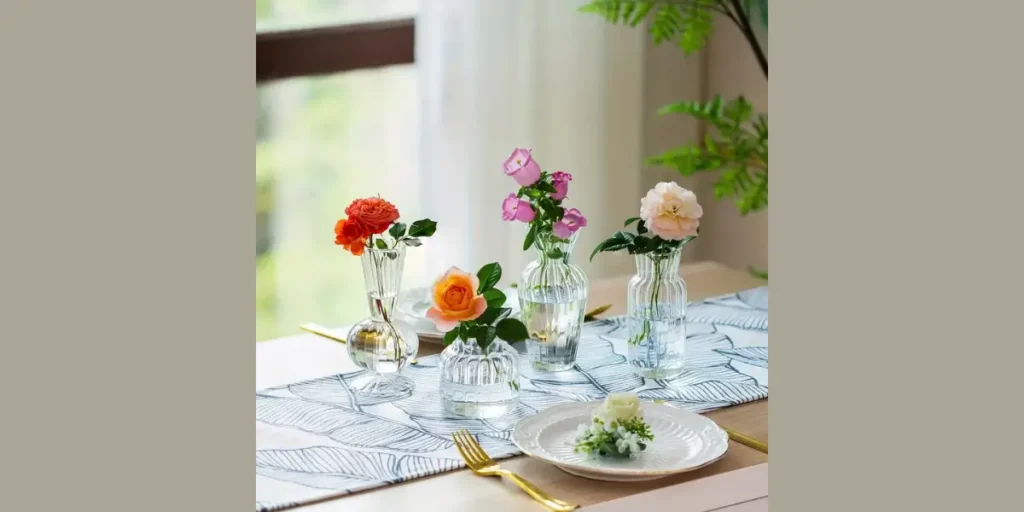
A single stem in a slim vase creates quiet elegance. I often choose this approach when the dining table already features strong lines or bold materials. The simplicity allows the table’s design to remain the focal point.
Selecting one sculptural branch or fresh bloom keeps the arrangement intentional. I prefer neutral or clear glass vases to maintain visual lightness.
This idea works beautifully in modern interiors. It feels refined, uncluttered, and effortlessly stylish while still adding warmth to the dining experience.
2. Tall Statement Ceramic Vase
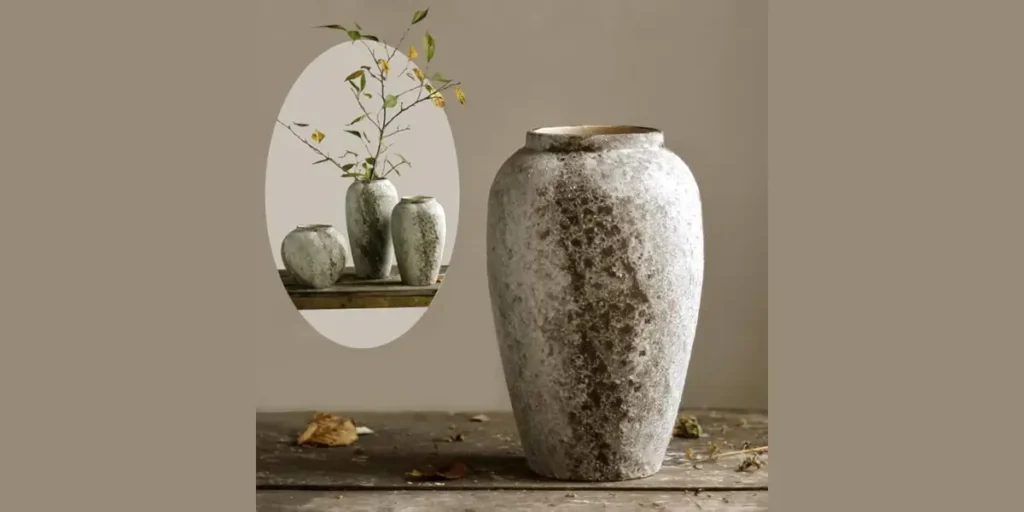
A tall ceramic vase adds vertical presence and structure. I use this style when the dining table needs a strong anchor, especially in rooms with high ceilings.
Neutral tones such as matte white, beige, or charcoal enhance sophistication. I often fill the vase with dried branches or pampas grass to emphasize height.
This arrangement creates drama without clutter. It draws the eye upward and balances spacious dining rooms with confidence and elegance.
3. Cluster of Small Vases
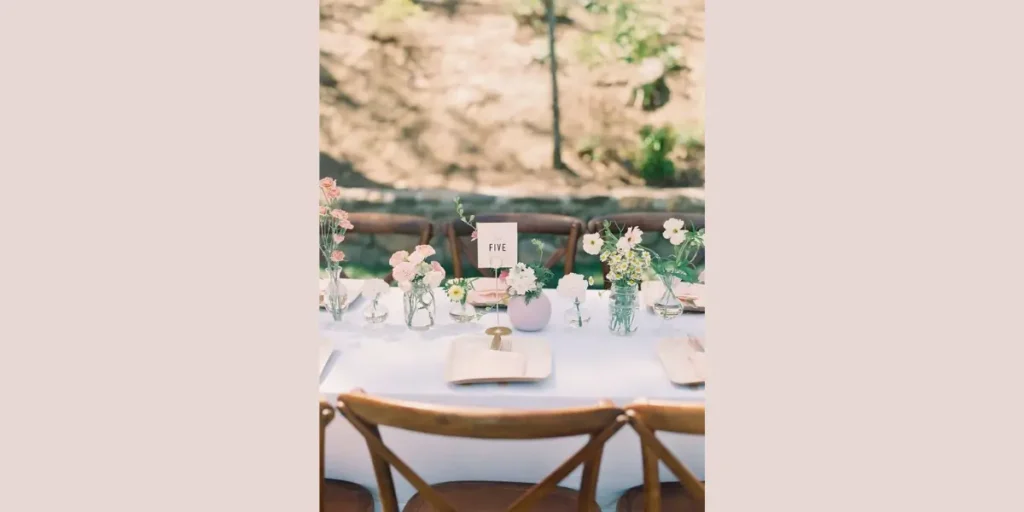
Grouping multiple small vases creates visual rhythm. I typically arrange them in odd numbers to maintain a natural flow across the table.
Mixing subtle shapes within the same color family adds texture while keeping cohesion. I ensure spacing remains balanced to avoid crowding.
This layered look works well on longer dining tables. It feels curated and dynamic while preserving an organized aesthetic.
4. Rustic Wooden Tray with Vase
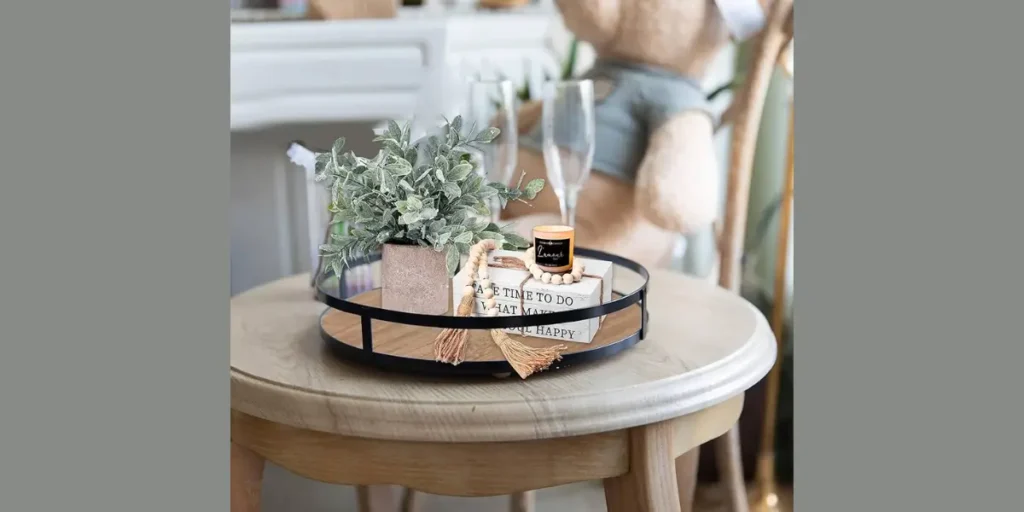
Placing a vase on a wooden tray grounds the arrangement. I like this method because it defines the centerpiece area clearly.
The tray also allows you to add complementary elements such as candles or small decorative accents. I choose natural wood finishes to enhance warmth.
This styling approach suits farmhouse and rustic dining rooms. It feels intentional, cozy, and structured without overwhelming the table surface.
5. Clear Glass Vase with Fresh Flowers
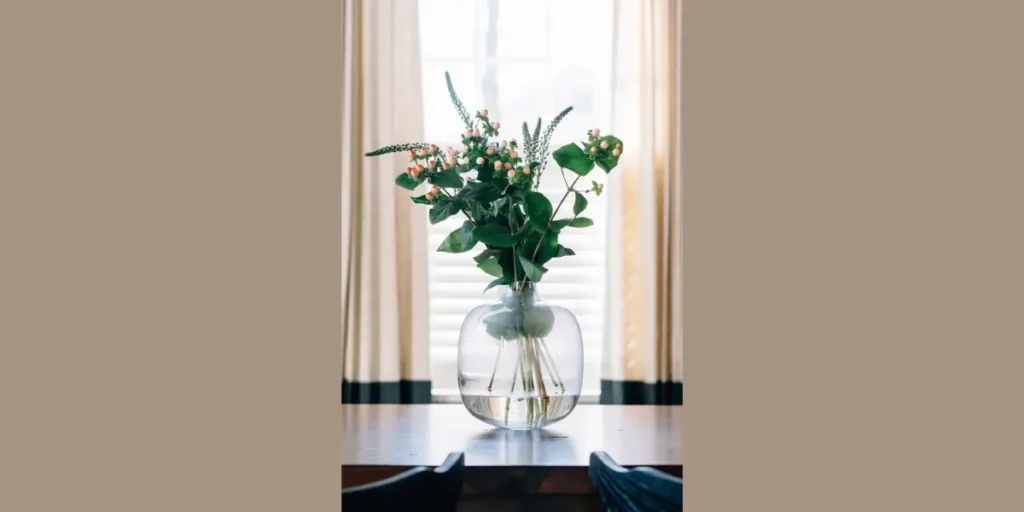
Fresh flowers instantly energize a dining space. I often use a clear glass vase to keep the arrangement light and airy.
Seasonal blooms introduce color and fragrance. I trim stems carefully to maintain proportion and avoid blocking sightlines.
This timeless idea works in nearly any interior style. It brings life and vibrancy to everyday meals while maintaining elegant simplicity.
6. Sculptural Modern Vase
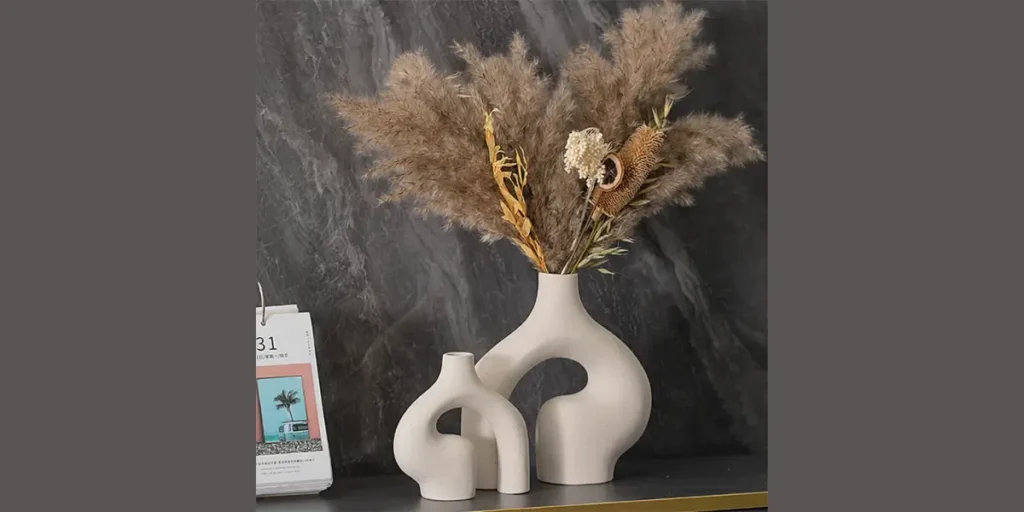
A sculptural vase acts as functional art. I select this option when I want the centerpiece to stand out even without floral elements.
Abstract shapes or textured ceramic finishes create strong visual interest. I position the vase centrally for maximum impact.
This concept suits contemporary dining rooms. It blends design and practicality while reinforcing a curated, gallery inspired atmosphere.
7. Pampas Grass Arrangement
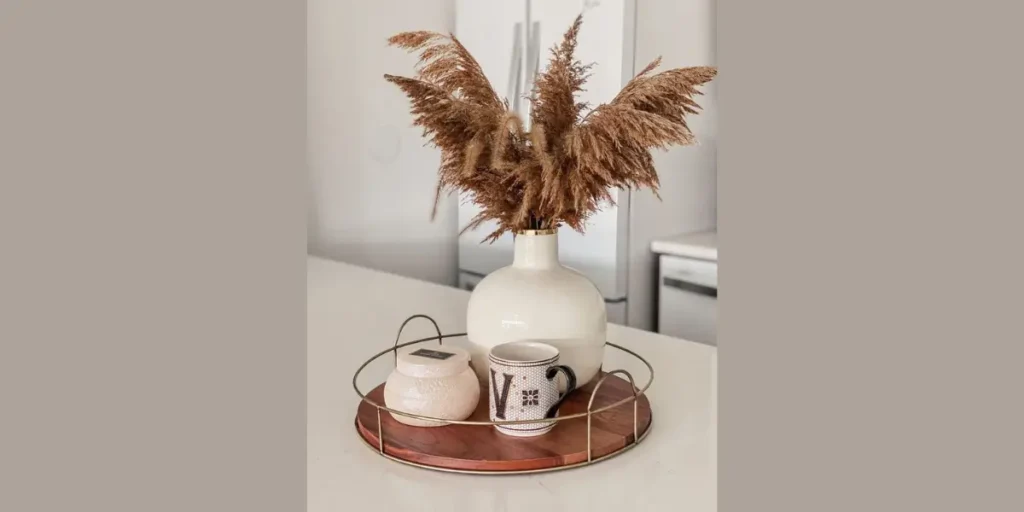
Pampas grass adds softness and organic texture. I use this arrangement to create movement and warmth without bold color.
Neutral beige tones pair beautifully with minimalist or boho interiors. I ensure the height complements ceiling proportions.
This styling choice feels relaxed yet refined. It introduces natural texture while maintaining a calm and cohesive aesthetic.
8. Low Wide Vase for Conversation
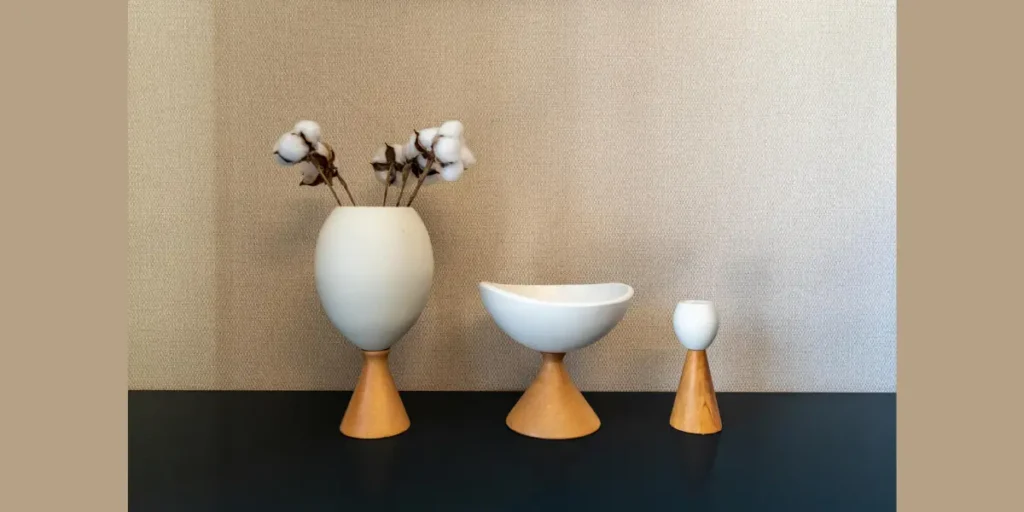
A low, wide vase ensures unobstructed conversation across the table. I recommend this design for smaller dining areas where sightlines matter.
Compact floral arrangements keep the table practical for daily use. I often choose rounded shapes for balance.
This approach combines beauty and functionality. It enhances the table without interfering with comfort or interaction.
9. Seasonal Decorative Vase Display
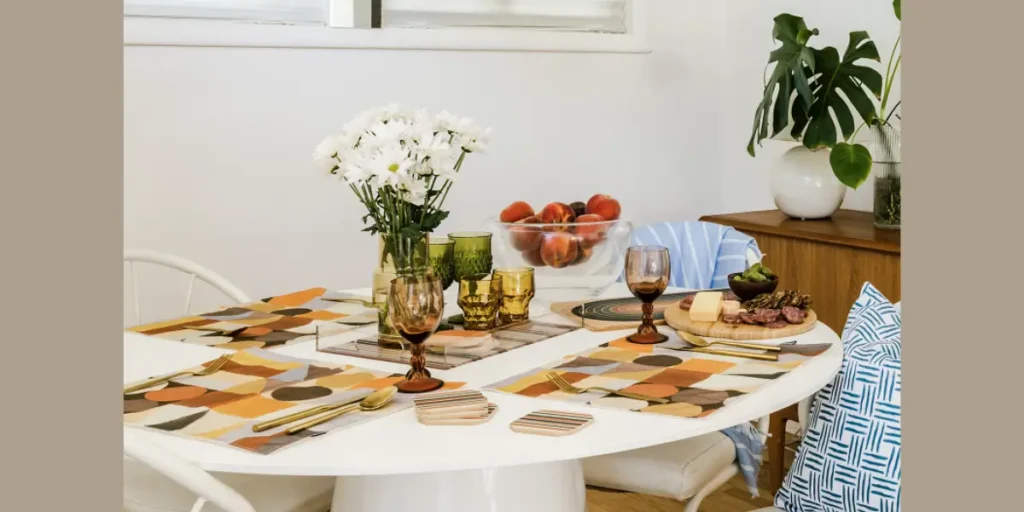
Changing vase contents with the seasons keeps the dining area fresh. I rotate arrangements to reflect natural elements such as autumn branches or spring blossoms.
Seasonal updates prevent décor from feeling static. I maintain consistent vase style while adjusting the contents.
This strategy adds variety and personality. It keeps the dining table visually engaging throughout the year.
10. Metallic Accent Vase
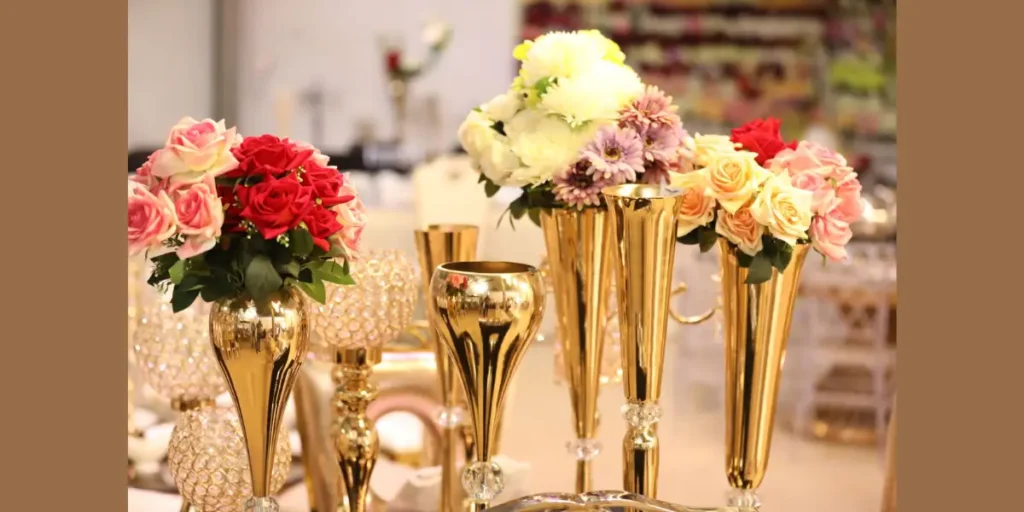
A metallic vase introduces subtle luxury. I choose brass or gold finishes when the dining room needs warmth and light reflection.
Metallic surfaces catch ambient lighting and add dimension. I keep surrounding décor minimal to maintain balance.
This idea works especially well in modern or transitional interiors. It elevates simple tablescapes with polished elegance and understated glamour.
How to Style a Vase Centerpiece Like a Designer
Styling a vase centerpiece requires more intention than simply placing flowers on the table.
I always begin by evaluating table size, room scale, and how the arrangement interacts with lighting. A well styled vase should complement the dining setting rather than dominate it.
Balance plays a central role. I focus on proportion, color harmony, and negative space to ensure the table feels curated and breathable. When done correctly, the centerpiece enhances conversation, mood, and visual flow without causing clutter.
Tips for Styling a Vase Centerpiece
Proper height proportion ensures the vase does not obstruct eye contact across the table. I typically keep arrangements under eye level unless the dining space is formal and rarely used for daily meals.
Color balance matters equally. I align floral tones with the dining room palette to create cohesion. Subtle contrast adds depth without overwhelming the setting.
I also avoid overcrowding the surface. Leaving open space around the arrangement allows the table to feel organized and refined. Odd number groupings often create a more natural visual rhythm.
Conclusion
A well styled vase can completely redefine how a dining table feels. I always view the centerpiece as the finishing touch that ties the entire room together.
Whether you choose a minimalist single stem, a bold ceramic statement, or a seasonal floral display, the key lies in proportion and balance.
The right arrangement should enhance conversation, reflect your personal style, and complement the table’s material.
When you focus on thoughtful placement and cohesive color choices, dining table vase decor becomes more than decoration. It becomes a subtle yet powerful element that elevates everyday meals and special gatherings alike.
FAQs
The ideal size depends on your table dimensions. I recommend choosing a vase that occupies no more than one third of the table width. This keeps the arrangement proportional and prevents overcrowding.
Not necessarily. Sculptural vases or dried arrangements can look equally elegant. I often use empty ceramic pieces as art objects when I want a minimalist aesthetic.
Yes, but maintain a consistent color palette or material theme. I recommend grouping vases in odd numbers to create cohesion without visual chaos.
I like updating arrangements seasonally or whenever the room feels stagnant. Small changes such as new stems or textures keep the dining area feeling fresh and intentional.