
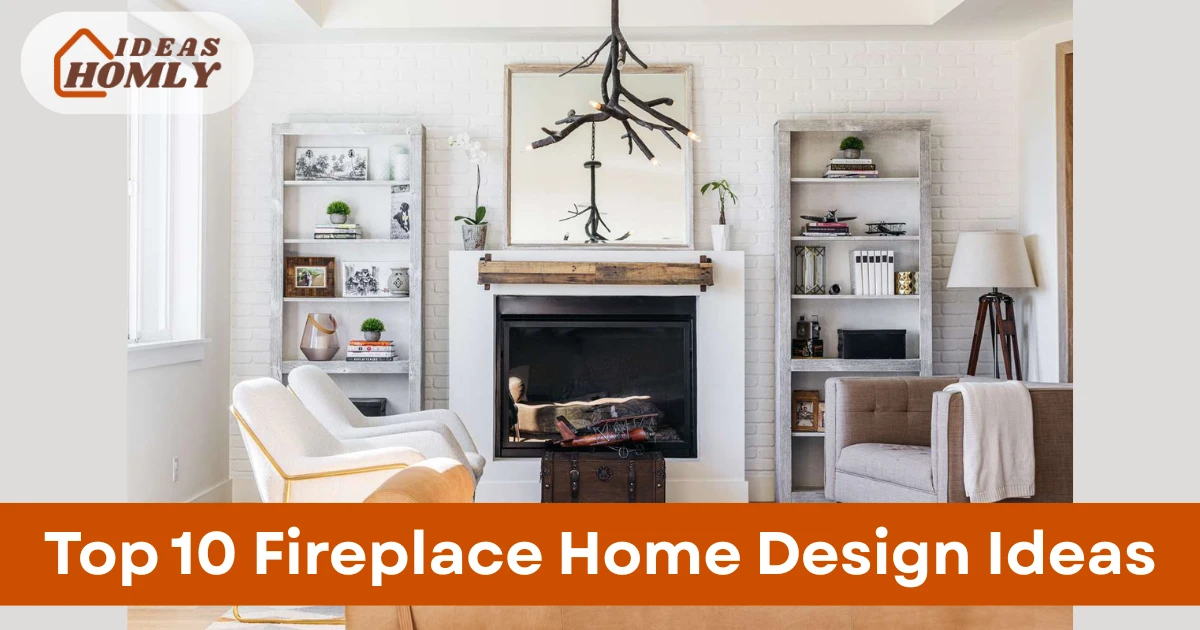

A well-designed fireplace acts as the visual anchor of a house, bridging the gap between functional heating and high-end architectural art. I find that the most successful homes in 2026 are the ones that treat the hearth as a permanent piece of furniture rather than just a hole in the wall.
You should consider how the fireplace layout influences the flow of traffic and the placement of your seating area to maximize comfort. My experience shows that integrating smart technology and sustainable materials early in the planning phase leads to a much more satisfying long-term result.
Choosing a fireplace design today means looking beyond the living room to discover how fire can enhance a master suite or even an outdoor transition space. I am here to help you navigate the latest trends to ensure your home feels cozy, sophisticated, and perfectly tailored to your lifestyle.
Selecting the Right Fireplace Layout for Your Home
Choosing the perfect location for your fireplace requires a deep understanding of your home’s structural limits and your daily family habits. I believe that a fireplace should be visible from multiple angles to ensure you get the most visual value out of your investment.
You need to decide early on whether you want a traditional wood-burning setup or a modern, ventless electric model that offers more installation flexibility. Gas units are great for those who want instant heat with a real flame, while electric options are perfect for apartments and media walls.
I suggest looking at the vertical scale of your room to decide if a floor-to-ceiling surround or a compact floating unit fits the space better. A massive stone chimney looks incredible in a vaulted great room, but it might overwhelm a small, cozy den or a narrow master bedroom.

New Bathroom Idea Book: Style, Lighting, Storage, Fixtures (Taunton Home Idea Books)
New Bathroom Idea Book: Style, Lighting, Storage, Fixtures (Taunton Home Idea Books)
Think about how the fireplace will interact with your television and sound system to avoid a cluttered and disorganized entertainment area. Most homeowners in 2026 are opting for integrated media walls that handle all their tech needs while keeping the fireplace as the primary star.
1. Modern Linear Media Wall Integration
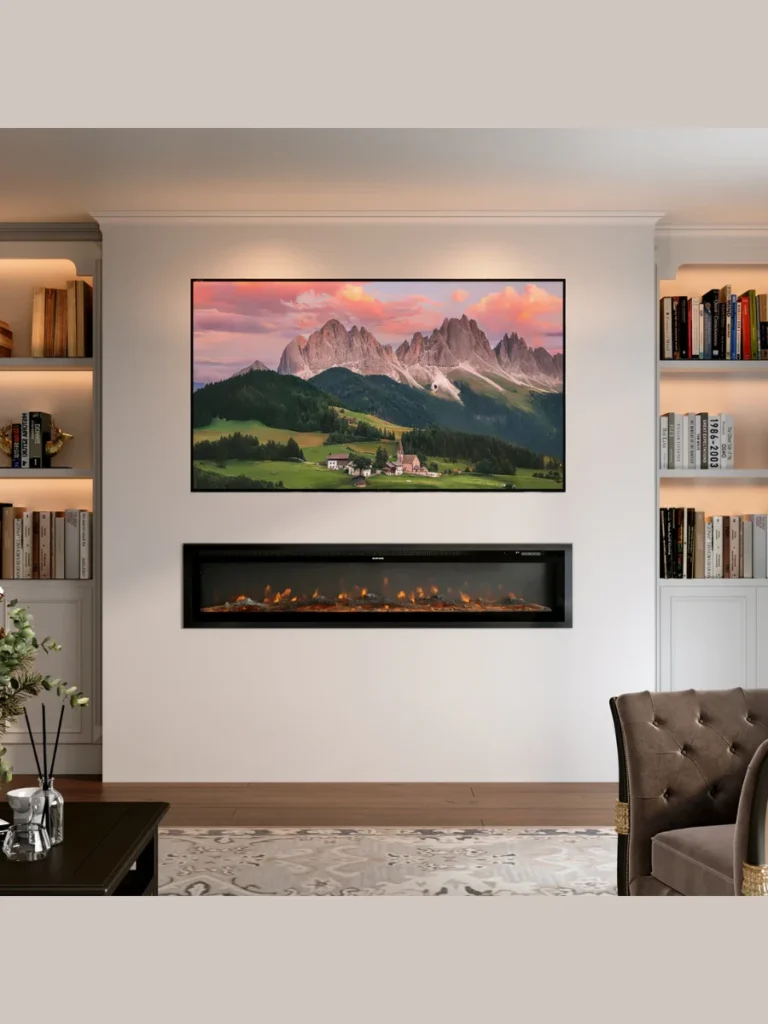
A linear media wall combines a long horizontal fireplace with a flush-mounted television to create a sleek and organized entertainment hub. I find that this design is the best way to stop the “TV vs. Fireplace” battle that ruins so many living room layouts.
The elongated shape of a linear firebox matches the proportions of modern wide-screen televisions, creating a very balanced and harmonious visual line. You can use recessed shelving on either side to hide your gaming consoles and soundbars for a completely clutter-free look.
I suggest using a non-combustible material like microcement or large porcelain slabs to ensure your electronics stay cool while the fire is burning. It creates a seamless, gallery-like feel that works perfectly in open-concept homes where the wall is visible from the kitchen.
Lighting plays a huge role here, so I recommend adding hidden LED strips behind the TV or inside the shelves to add extra mood. This setup turns your fireplace into a multifunctional piece of architecture that serves your family during movie nights and quiet winter evenings alike.
2. Double-Sided Glass Fireplace Partition
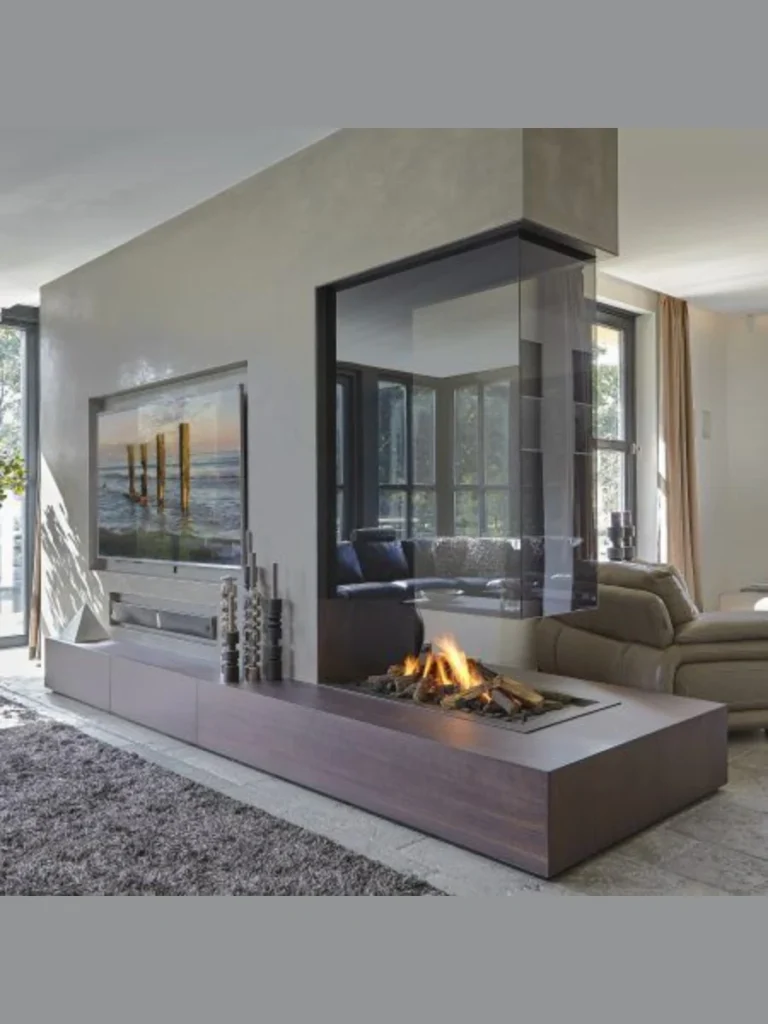
Double-sided fireplaces are a genius way to divide a large open-plan space without blocking the flow of light or the line of sight. I love how these “see-through” units can connect a dining room and a living room, providing warmth and ambiance to both sides simultaneously.

Paladone Disney Stitch Motion Sensor Room Guard and Night Light, Officially Licensed LED Lamp and Security Alarm for Kids Bedrooms, Teenagers, Home, Gift Idea
Paladone Disney Stitch Motion Sensor Room Guard and Night Light, Officially Licensed LED Lamp and…
Using frameless glass allows the fire to look like it is floating in mid-air, which adds a massive “wow” factor to any modern home build. It acts as a transparent wall that defines different zones of the house while maintaining a sense of openness and airy luxury.
I often see these used in master suites to create a romantic connection between the sleeping area and a private spa-like bathroom. It is a sophisticated design move that makes a house feel twice as expensive because of the complex engineering and high-end visual impact.

LIFESTYLO Ceramic Vase Set of 3 with Handles, Green White Neutral Rustic Modern Farmhouse Boho Decor, Versatile as Table Centerpiece or Mantel & Shelf Accent - Unique Home Gift Idea
LIFESTYLO Ceramic Vase Set of 3 with Handles, Green White Neutral Rustic Modern Farmhouse Boho…
You can choose a peninsula style that juts out from a wall or a fully central island unit that people can walk all the way around. Either way, it becomes the undisputed social heart of the home where everyone naturally gathers during a dinner party or a family event.
3. Sustainable Bioethanol Floating Fireplace
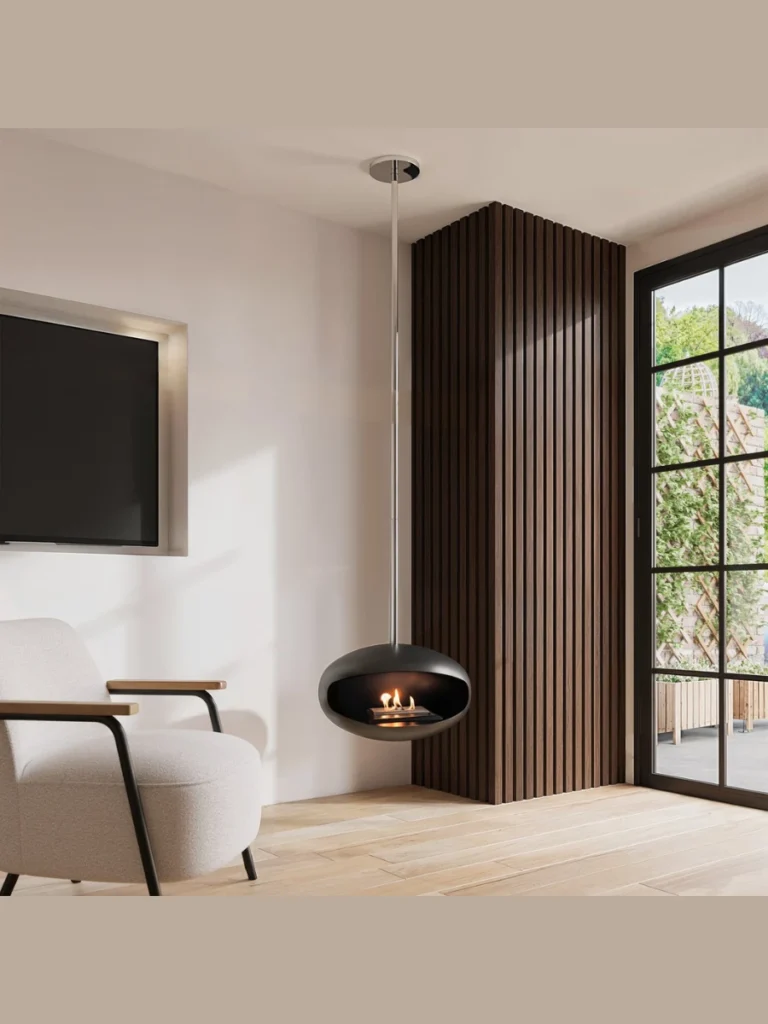
Bioethanol fireplaces are the ultimate design solution for homeowners who want a real flame without the hassle of a chimney or gas line. I find that these units are perfect for urban apartments or modern renovations where traditional venting is simply not a physical possibility.
Because they produce no smoke or soot, you can install them in creative places like under a wooden shelf or even inside a library. The fuel burns clean and provides a beautiful, flickering orange flame that looks identical to a traditional gas fire but with zero emissions.
I am a big fan of the floating or “suspended” models that hang from the ceiling, as they take up zero floor space and look like modern art. It gives you the freedom to place a fire in the middle of a room or in a corner that would otherwise be wasted.
Smart bioethanol burners can even be controlled via an app on your phone, allowing you to adjust the flame height from your sofa. It is a futuristic and eco-friendly way to enjoy a fire that aligns perfectly with the sustainable home trends we are seeing for 2026.
4. Indoor-Outdoor Transition Fireplace
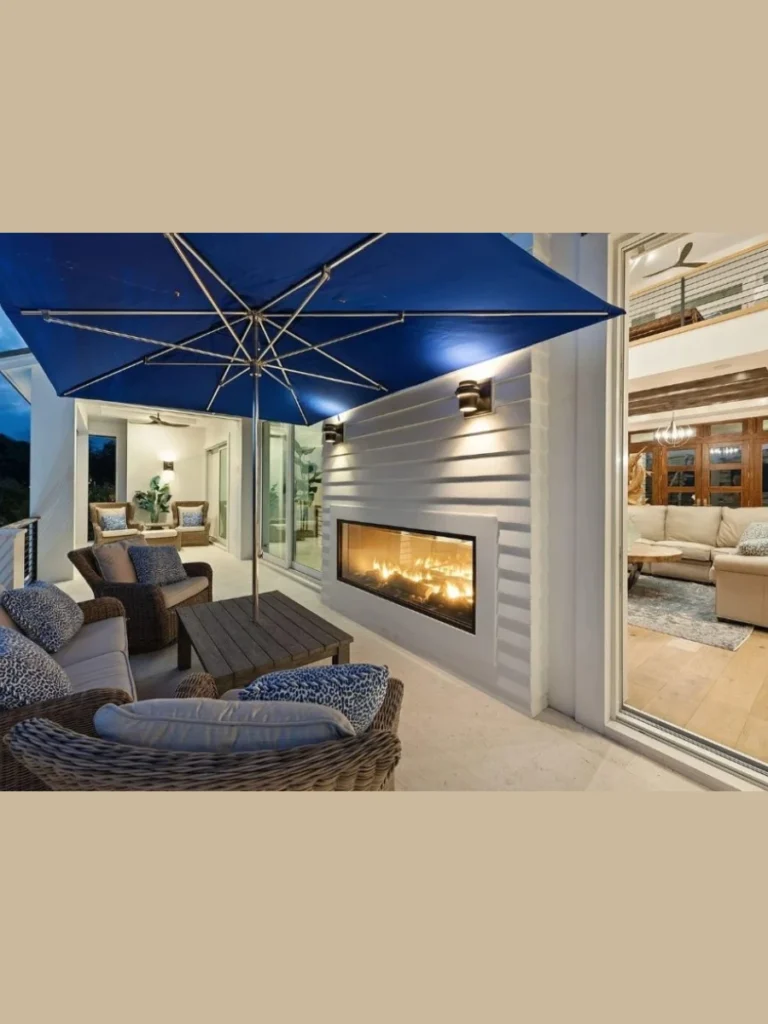
An indoor-outdoor fireplace allows you to extend your living space onto a patio or deck while staying warm during the cooler shoulder seasons. I believe this is the best way to make a backyard feel like a true extension of your interior design and home comfort.
Blue Door Hanging Accessory - Decorative Home Entrance Ornament, refined Design for Welcoming Guests, Adds Charm to Entryways, Suitable for Indoor and Outdoor Use, Unique Gift Idea
Blue Door Hanging Accessory - Decorative Home Entrance Ornament, refined Design for Welcoming Guests, Adds…
These units often feature a glass pane on the interior side and a rugged stone or metal finish on the exterior side for durability. It creates a stunning visual portal that draws your eyes toward your garden or pool area even when you are sitting inside.
I suggest pairing this design with large sliding glass doors to create a seamless flow between your indoor lounge and your outdoor kitchen. It is a fantastic feature for those who love to host summer BBQs and want to keep the party going long after the sun goes down.
You should ensure the exterior side is built with weather-resistant materials like stainless steel or high-density concrete to handle the rain and snow. It is a high-value upgrade that significantly increases the “livable” square footage of your property without building a full addition.
5. Cozy Scandinavian Corner Fireplace Design
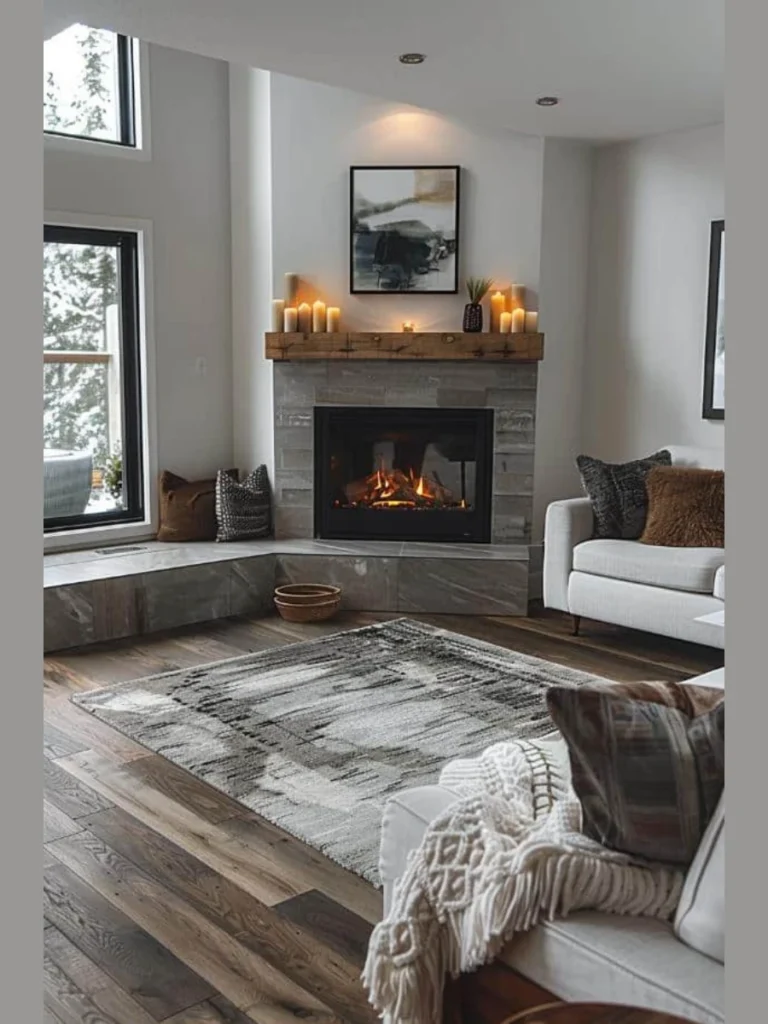
Corner fireplaces are a brilliant way to utilize dead space in smaller rooms without interrupting the main furniture layout. I find that a tall, cylindrical Scandinavian-style stove adds an effortless sense of “hygge” to a minimalist apartment or a small cottage.
The vertical shape draws the eye upward, which helps to make low ceilings feel much higher and the room feel more spacious. You can tuck these units into a corner near a window to create the perfect reading nook for rainy Sunday afternoons.

LMAOSS Fireplace Mantel Surround, 41.34" Freestanding MDF Fireplace Mantel with 3D Design, Classic Decorative Fireplace Surround for 23" Electric Fireplace Insert,White
LMAOSS Fireplace Mantel Surround, 41.34" Freestanding MDF Fireplace Mantel with 3D Design, Classic Decorative Fireplace…
I suggest using a white or light grey ceramic finish for the stove to keep the aesthetic clean and bright. These units heat up quickly and radiate warmth for hours, making them as functional for your heating bill as they are for your decor.
Adding a small stack of neatly cut firewood next to the unit provides an organic texture that balances the smooth metal or ceramic. It is a simple and effective design that proves you do not need a massive wall to make a big impression.
6. Luxury Master Bathroom Fireplace Oasis
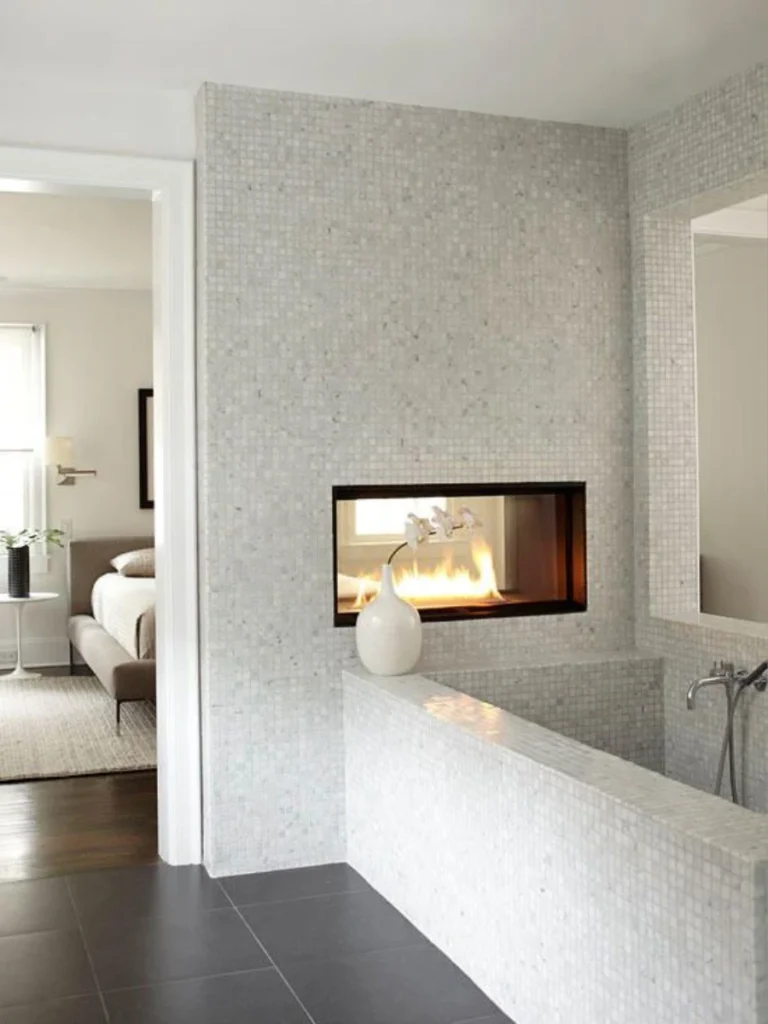
Installing a fireplace in the bathroom is the ultimate way to turn a functional space into a private, five-star home spa. I believe there is nothing more relaxing than soaking in a deep tub while watching a soft flame flicker across the room.

You Have No Idea How Amazing Life is Bar Aluminum Metal Sign 8 x 12 Inch
You Have No Idea How Amazing Life is Bar Aluminum Metal Sign 8 x 12…
Electric or bioethanol units are best here because they don’t require heavy venting and can be built directly into a tiled wall. I love seeing a small linear fire placed at eye level next to a freestanding soaking tub for maximum visual impact.
You should choose moisture-resistant materials like porcelain or natural stone for the surround to handle the high humidity levels in a bathroom. It creates a warm and inviting atmosphere that makes your morning routine feel like a luxury vacation every single day.
Adding a fireplace also helps to keep the room warm after you step out of the shower, which is a practical bonus. It is a daring design choice that significantly boosts the luxury appeal and overall market value of your master suite.
7. Industrial Concrete Floating Hearth Style
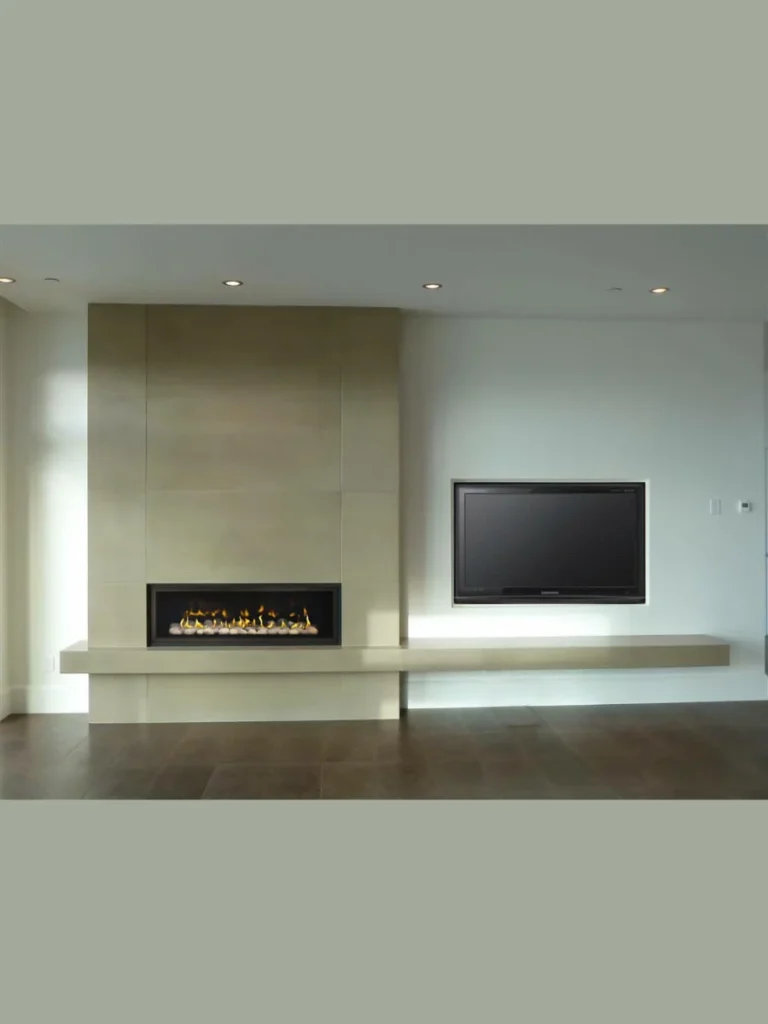
Raw concrete fireplaces offer an industrial and edgy look that feels incredibly grounded and permanent in a modern loft or home. I love how the cool grey tones of the concrete provide a neutral backdrop that lets the orange fire take center stage.
A floating concrete hearth creates a clean horizontal line that can also serve as a sturdy bench for extra guest seating. It is a minimalist approach that removes the need for a traditional wooden mantel, keeping the focus on the materials and the fire.
You can have the concrete cast with different textures, from smooth and polished to a rough-board form that shows the wood grain. I find that the slight imperfections in the concrete add a layer of “wabi-sabi” charm that makes the home feel more authentic.
This material is virtually indestructible and handles heat exceptionally well, making it a very safe and low-maintenance choice for a busy family. It pairs perfectly with black metal accents and large windows for a sophisticated, urban home aesthetic that never goes out of style.
8. Traditional Library Floor to Ceiling Shelving
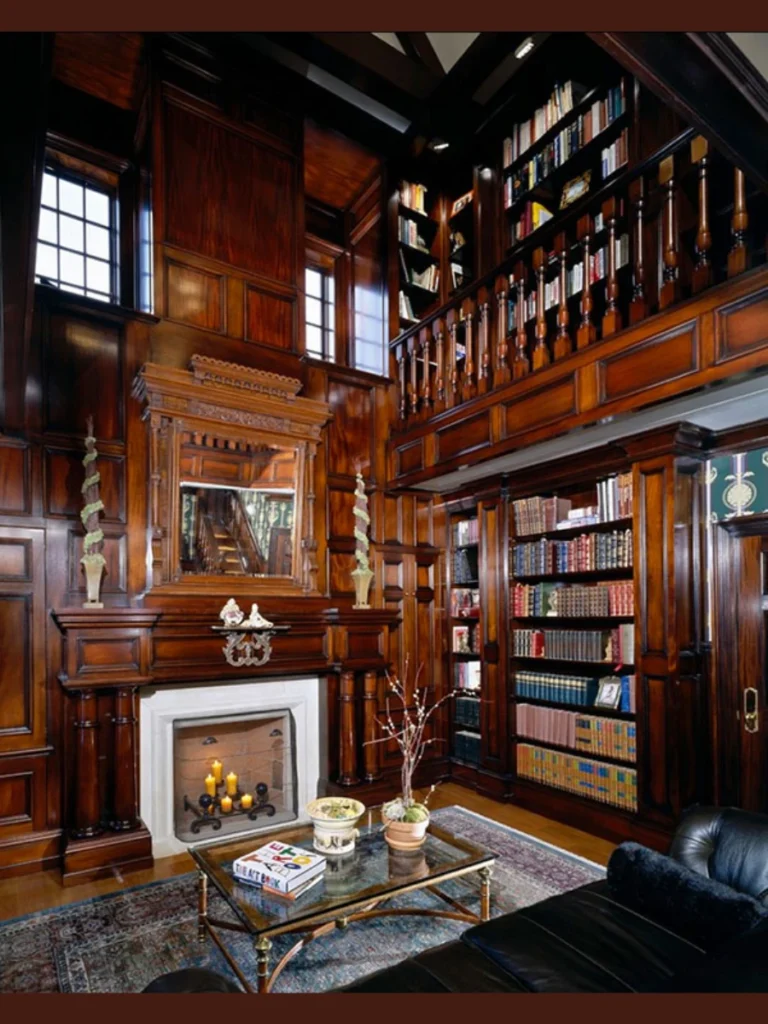
Integrating a fireplace into a wall of floor-to-ceiling bookshelves creates the classic “gentleman’s library” vibe that many homeowners still crave. I think the combination of books and fire creates an intellectual and cozy atmosphere that is perfect for a home office.

SQGGZH Moody Christmas Tree Wall Art, Vintage Dark Academia Farmhouse Trees Forest Oil Painting Canvas Print, Neutral Rustic Winter Landscape for Home Decor, Holiday Gift Idea - 8x10inch Unframed
SQGGZH Moody Christmas Tree Wall Art, Vintage Dark Academia Farmhouse Trees Forest Oil Painting Canvas…

Baitiane Metal Wall Art Decor- Pine Tree Rustic Cabin Decoration - Modern Home Hanging for Living Room, Bedroom, Office, Farmhouse - Elegant Gift Idea for Housewarming Indoor & Outdoor (S) 15.8"x8.7"
Baitiane Metal Wall Art Decor- Pine Tree Rustic Cabin Decoration - Modern Home Hanging for…
You can use a traditional dark wood mantel to match the shelving or go for a marble surround to add a touch of contrast. It turns a functional storage wall into a grand architectural feature that anchors the entire room and provides a sense of history.
I suggest adding a rolling library ladder to the shelves to lean into the classic aesthetic while making every book easily accessible. The soft glow of the fireplace illuminates the book spines in the evening, creating a warm and scholarly sanctuary for your work.
Ensure there is enough clearance between the firebox and the books to prevent any heat damage to your precious collection over time. It is a timeless design that works just as well in a historic townhouse as it does in a modern suburban house.
9. Modern Sunken Conversation Pit Fireplace
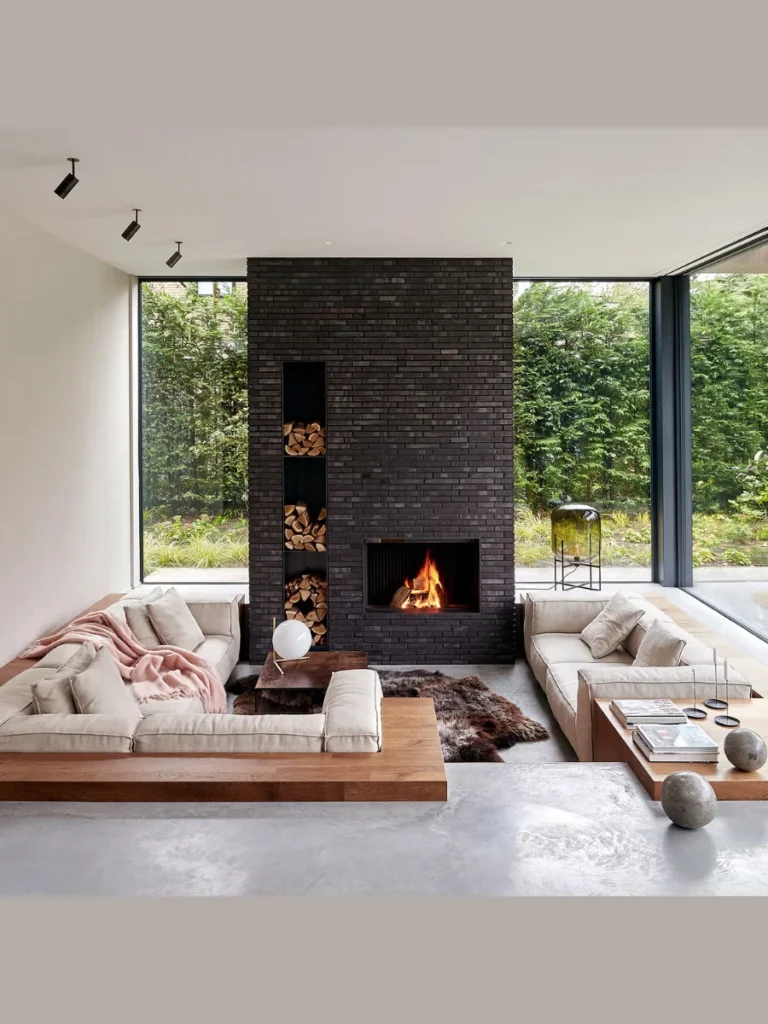
Sunken conversation pits are making a huge comeback in 2026, and they almost always center around a magnificent fireplace focal point. I love how this retro design encourages people to put down their phones and actually talk to each other in a cozy setting.
The fireplace is usually placed in the center of the pit or along one wall to create a warm and intimate “campfire” feeling indoors. It defines the lounge area as a separate zone from the rest of the open-plan house without using any actual walls.
I recommend using soft, plush seating and plenty of throw pillows to make the pit feel like the most comfortable spot in the house. It is a fantastic feature for homeowners who love to host large groups and want a dedicated space for deep conversations.
Because the pit is lower than the rest of the floor, the heat from the fire stays trapped in the seating area longer. It is a bold and nostalgic design move that adds a playful yet sophisticated element to any mid-century modern home.
10. Minimalist Recessed Wall Niche Fireplace
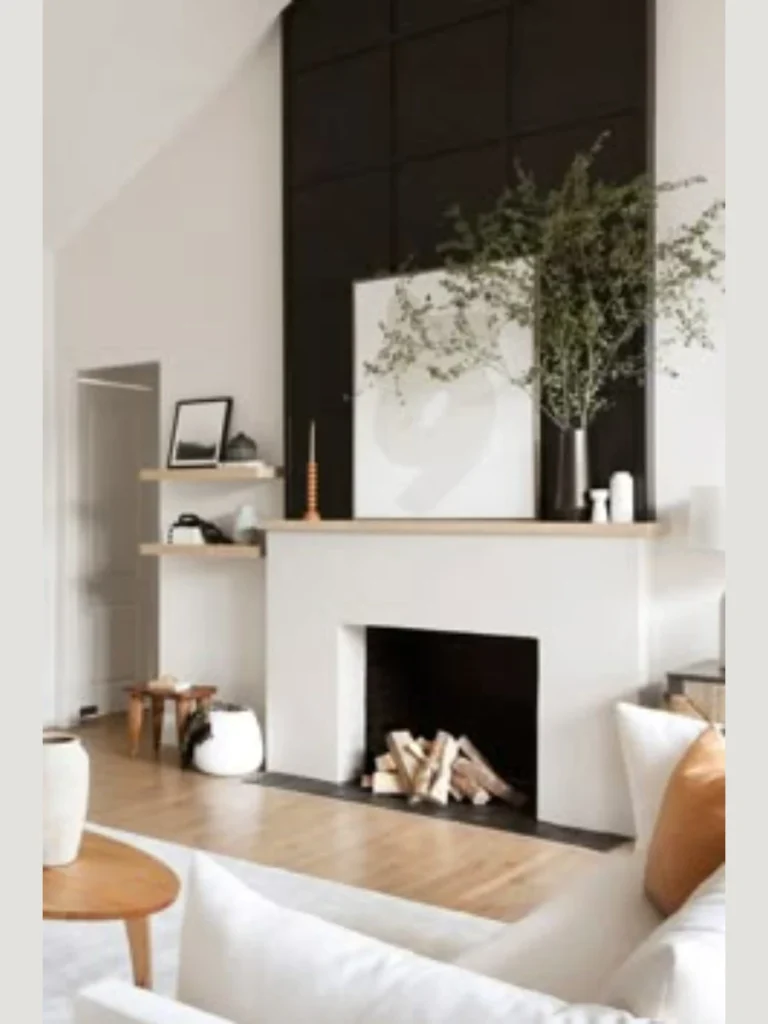
A recessed fireplace niche involves carving out a section of the wall so the fire sits flush with the surface for a very clean look. I find that this is the best option for narrow rooms where you don’t want a mantel sticking out into the walking path.
This design eliminates all the visual clutter and allows the fire to look like a moving piece of art framed by the wall itself. You can paint the inside of the niche a contrasting color to add depth or keep it white for a true minimalist feel.
I often suggest placing the TV in a separate, matching niche above or to the side to create a very organized and balanced wall. It is a sleek solution that works incredibly well with electric or gas units that don’t require a traditional stone hearth.

Welcome Sign for Front Door - Welcome To My Cube Wooden Hanger Sign, Housewarming Gift Idea, Farmhouse Decorations for Indoor Outdoor Home Porch Garden Window 11Inch /17
Welcome Sign for Front Door - Welcome To My Cube Wooden Hanger Sign, Housewarming Gift…
Cleaning is a breeze with this setup since there are no ledges or mantels for dust to collect on over the months. It is a professional and polished design that proves that sometimes less is definitely more when it comes to modern home aesthetics.
Key Considerations for Your Fireplace Design
Planning a fireplace project requires balancing your personal style with the technical requirements of your house. I suggest looking at these factors before you buy any materials to ensure your project goes smoothly from start to finish.
- Heat Output: Ensure the unit you choose is rated for the square footage of your room so it doesn’t get too hot or stay too cold.
- Fuel Access: Plan for your gas lines, electrical outlets, or wood storage locations early in the framing stage to avoid expensive changes later.
- Venting Paths: Double-check where your chimney or vent pipe will exit the house to ensure it meets all safety codes and aesthetic goals.
- Safety Clearances: Maintain the required distance between the fire and any combustible materials like wood mantels, rugs, or nearby furniture.
Final Thoughts on Modern Fireplace Home Design
I believe that adding a fireplace is the most effective way to turn a basic house into a warm and inviting home for your family. It provides a natural gathering spot that draws people together and creates a sense of peace in our busy, digital world.

Gray Gold Marble Mantle Scarf for Fireplace, 60 x 17 Inch, Modern Abstract Luxury Ink Texture Fireplace Top Runner Mantel Cover Fireplace Decorations for Home Party Holiday
Gray Gold Marble Mantle Scarf for Fireplace, 60 x 17 Inch, Modern Abstract Luxury Ink…
Whether you choose a sleek media wall or a rustic concrete hearth, the most important thing is that the design reflects how you live. Don’t be afraid to try something unique like a bathroom fireplace or a sunken pit if it fits your personal vision.
Remember that a high-quality fireplace is a long-term investment that adds both financial value and daily joy to your living space for years. I hope these ideas help you find the perfect design to light up your home and create lasting memories with your loved ones.
I invite you to explore more home improvement guides and design inspiration at homlyideas.com as you begin your next renovation project. A beautiful home starts with a great idea, and the right fireplace is the perfect place to start your design journey today.
FAQs
Electric fireplaces are generally much cheaper to install because they don’t require any venting, gas lines, or professional masonry work for the home. You can simply plug most models into a standard outlet, whereas gas units require specialized labor and piping that can cost thousands of dollars.
You can build a fireplace into a bookshelf as long as you use a zero-clearance firebox and follow the manufacturer’s specific instructions for surrounding materials. I always recommend using non-combustible headers and maintaining a safe distance between the fire and your books to prevent any fire hazards.
Electric fireplaces are the most energy-efficient option because 100% of the heat they produce stays in the room rather than escaping through a chimney. Bioethanol units are also very efficient as they are ventless, but they do require you to purchase fuel regularly which adds to the long-term cost.
I suggest mounting the TV so the middle of the screen is at eye level when you are sitting, which usually means about 60 inches from the floor. If the fireplace is tall, you may need to tilt the TV downward slightly to avoid neck strain while you are watching your favorite shows.
Modern gas and electric fireplaces require very little cleaning, usually just a quick wipe of the glass and dusting the exterior every few weeks. Wood-burning units require much more work, including ash removal after every fire and a professional chimney sweep once a year to prevent dangerous creosote buildup.
Related Posts
- 11 Best Fireplace Accent Wall Ideas
- Top 12 Marble Fireplace Ideas
- 13 Best Fireplace Lights Ideas
- Top 14 Fireplace Trends Ideas
- 15 Best Fireplace Stone Ideas
- Top 10 Fireplace Shelves Ideas
Recommended for You

Wine Red Linen Fireplace Mantel Scarf Farmhouse Pure Color Country Farm Decorative Mantel Scarf for Fireplace Mantle Scarves Shelf Top Runner for Home Holiday Party Supplies 60 x 17 Inch
Wine Red Linen Fireplace Mantel Scarf Farmhouse Pure Color Country Farm Decorative Mantel Scarf for…