
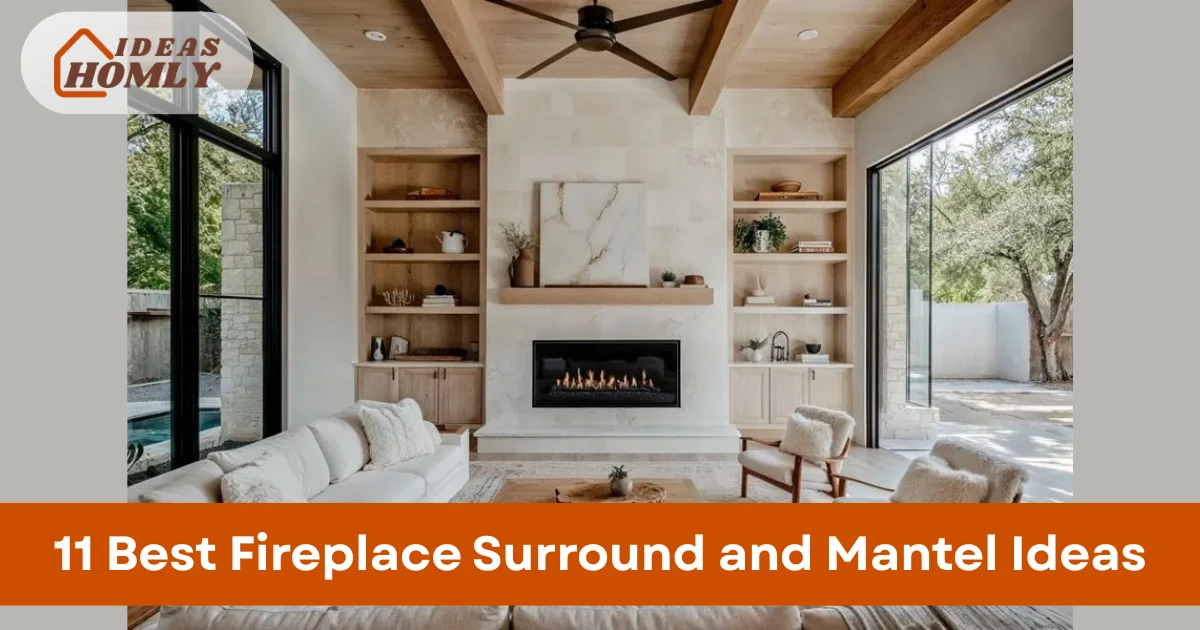

I spent the last few months staring at my living room wall and realized that a fireplace without a proper surround and mantel looks like a face without eyebrows. It is the one spot in your house where you can actually combine architecture and personality into a single focal point.
Why 2026 Interior Styles Focus on Integrated Surround and Mantel Systems
You probably think that buying these two pieces separately is the best way to save a few dollars but it usually ends up looking like a messy accident. Modern trends are shifting toward unified systems where the stone or plaster continues all the way from the floor to the ceiling.
I find that treating the surround and mantel as a single project helps you avoid those awkward gaps that collect dust and pet hair. It is much easier to create a high-end look when the materials speak the same language instead of shouting over each other.
Choosing a professional pairing ensures that your television or artwork hangs at the correct height without melting from the heat of the fire. I personally love how a well-proportioned mantel acts as a shield that protects your electronics while looking incredibly stylish at the same time.
1. Monolithic Stone Surrounds with Matching Ledge Mantels
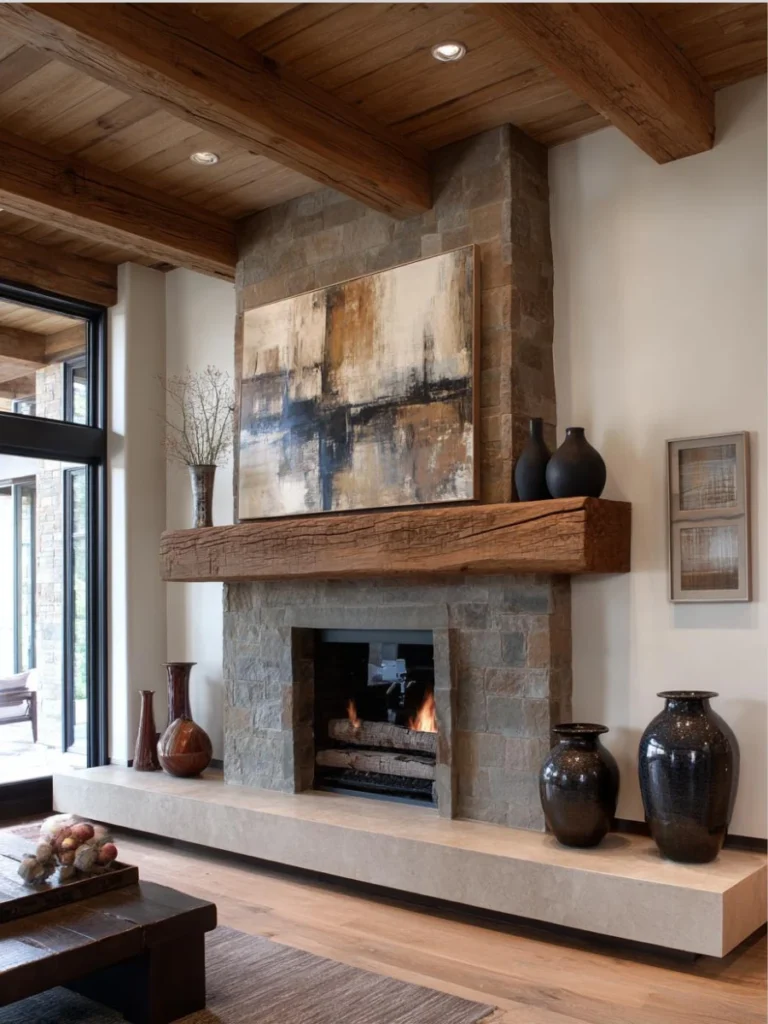
I love the “all-one-piece” look that comes from using a single giant slab of stone for both the wall surround and the protruding mantel. It creates a seamless architectural feature that makes your living room feel like it was carved out of a luxury hotel lobby.
You can pick a moody charcoal soapstone or a white marble with heavy gray veins to act as a piece of natural art for your home. I find that skipping the wooden mantel altogether and using a stone shelf keeps the aesthetic very clean and professional looking.

WEIDPHL Modern Simple Fireplace Surround, Wooden Home Decorative Cabinet Mantel Surround, Decorative Fireplace Shelf, Traditional Wood Console-Table, Rectangular Entryway Table,White,Large
WEIDPHL Modern Simple Fireplace Surround, Wooden Home Decorative Cabinet Mantel Surround, Decorative Fireplace Shelf, Traditional…
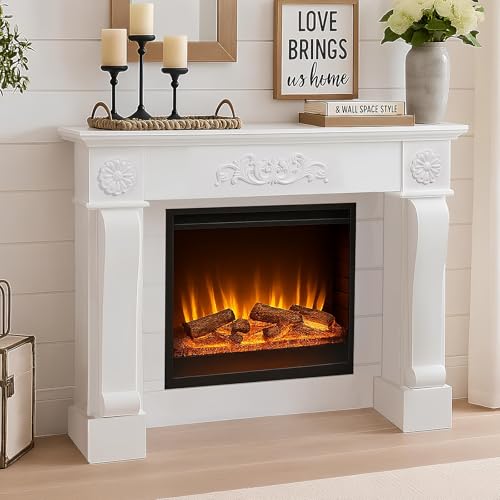
HOMEDIARY 44.5" Fireplace Mantel, Freestanding Fireplace Surround with Leg for Electric Fireplaces, MDF Mantel Surround with Shelf for Living Room with Decorative Pattern, Anti-Tipping & Waterproof
HOMEDIARY 44.5" Fireplace Mantel, Freestanding Fireplace Surround with Leg for Electric Fireplaces, MDF Mantel Surround…
This design works best in large open-plan spaces where you need a massive focal point to anchor all your different furniture pieces. I suggest extending the stone slightly onto the floor to create a matching hearth that ties the whole vertical stack together perfectly.
It is a very durable choice because you never have to worry about the mantel warping or catching fire from the heat of the hearth. I personally think the lack of visible seams makes the room look much larger and significantly more expensive to anyone visiting.
2. Fluted Plaster Surrounds with Recessed Metal Mantels
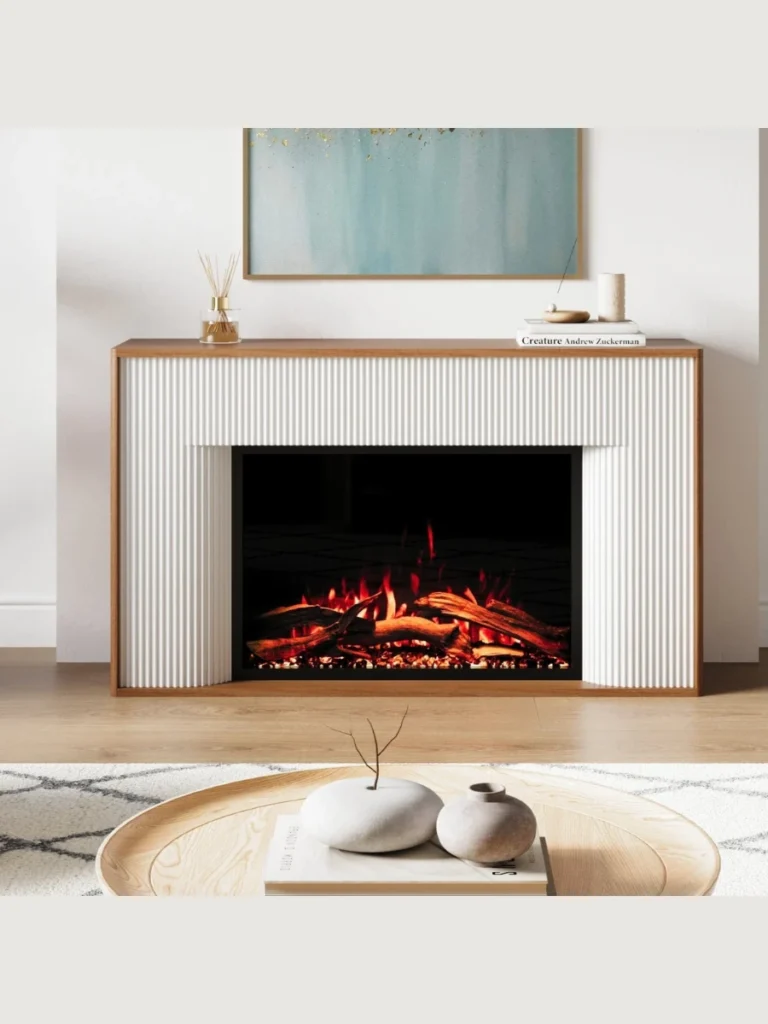
I am a huge fan of the vertical texture that fluted plaster provides because it uses shadows to make your wall look three-dimensional. It is a fantastic way to add some “quiet luxury” to your home without needing to use bright colors or distracting patterns.
Pairing this textured surround with a very thin black steel mantel provides a sharp industrial edge that balances out the soft plaster. I love how the thin metal line acts like a razor-sharp border that perfectly separates the fire from your favorite decorative objects.
This style is perfect for modern apartments where you want to maximize the ceiling height and create a sense of vertical movement. I find that the soft matte finish of the plaster feels much more inviting and organic than cold tile or shiny plastic.
You can paint the plaster the same color as your walls to create a subtle sculptural effect that feels very intentional and calm. I suggest using a matte paint to keep the focus on the rhythmic grooves of the fluted surface rather than any distracting reflections.
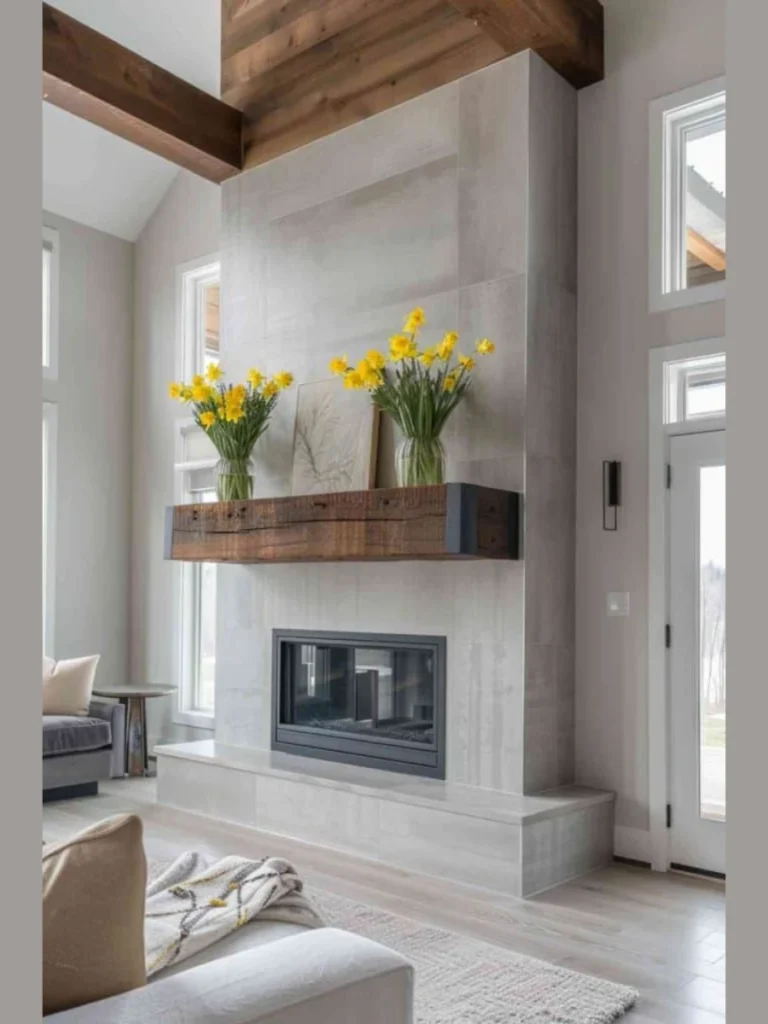
3. Reclaimed Timber Beams over Dark Slate Tile Surrounds
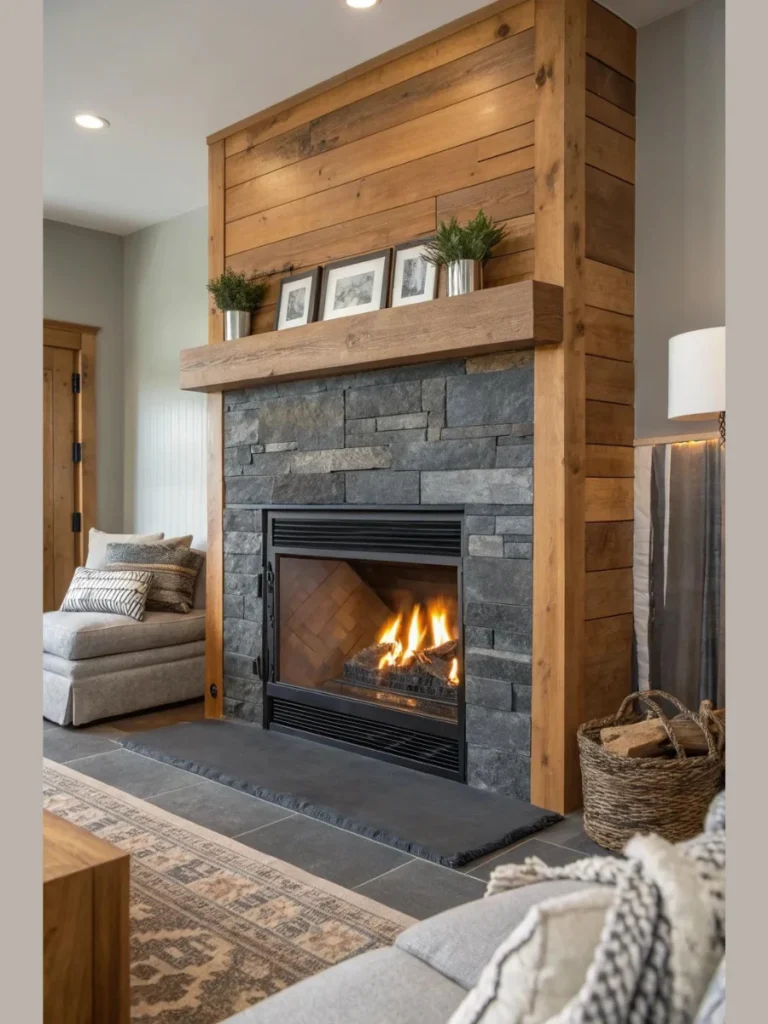
I think there is nothing more classic than the combination of raw weathered wood and cold dark stone for a cozy living area. This modern farmhouse evolution uses the chunky texture of the timber to provide a warm contrast against the sleek matte slate.
You can find beams at salvage yards that still have the original nail holes and deep grain patterns from over a hundred years ago. I think it adds a level of history and trust to your home that you just cannot get from a factory mantel.

HOMEDIARY 44.5" Fireplace Mantel, Freestanding Fireplace Surround with Leg for Electric Fireplaces, MDF Mantel Surround with Shelf for Living Room with Decorative Pattern, Anti-Tipping & Waterproof
HOMEDIARY 44.5" Fireplace Mantel, Freestanding Fireplace Surround with Leg for Electric Fireplaces, MDF Mantel Surround…
The dark slate surround is incredibly practical because it hides any stray soot or ash that might escape from a real wood fire. I find that the charcoal tones of the stone make the orange glow of the flames look much more vivid and exciting.
Installing a heavy beam requires some serious hardware but the visual payoff is worth the extra effort for a professional finish. It provides a solid and grounded feeling that makes your fireplace the undisputed heart of the room for family gatherings and winter nights.

HOMEDIARY Fireplace Mantel Surround, Modern White Fireplace Mantel Frames with Legs for Living Room, Premium MDF with Solid Wood, Decorative Fireplace Surround for Holidays, Anti-Tipping & Waterproof
HOMEDIARY Fireplace Mantel Surround, Modern White Fireplace Mantel Frames with Legs for Living Room, Premium…
4. Floor-to-Ceiling Paneled Surrounds with Hidden Floating Mantels
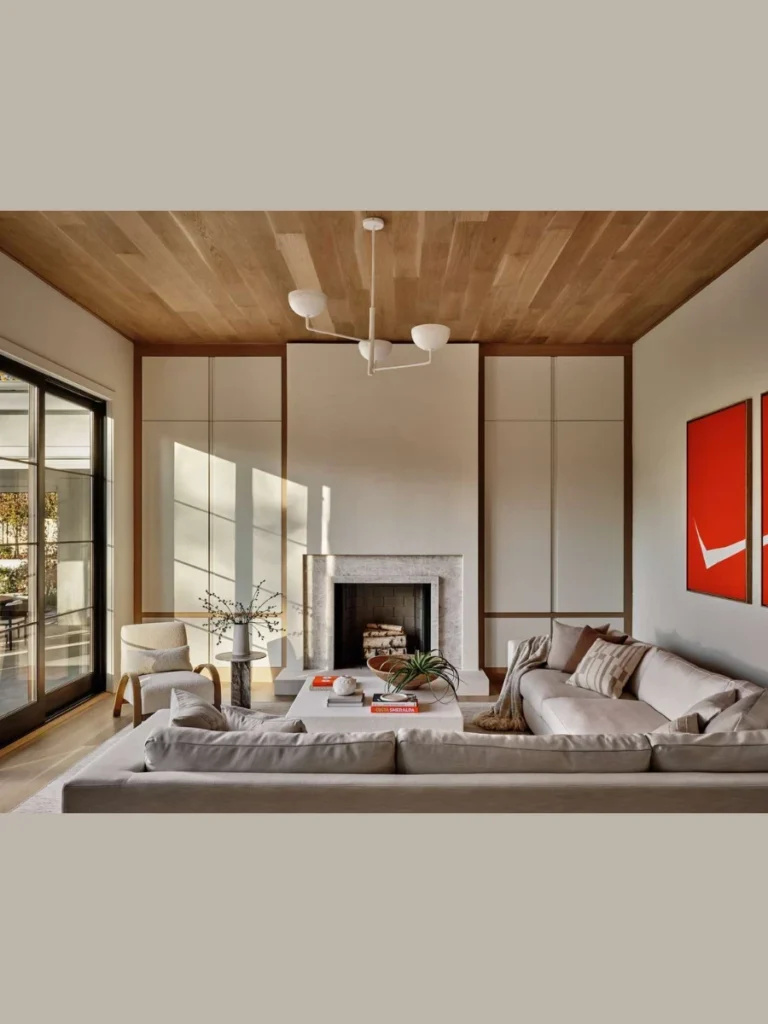
I love the look of a fireplace that is built into a massive wall of custom cabinetry or vertical wood slats for a seamless finish. It allows you to hide all your wires and electronics inside the wall while the fireplace sits flush with the surface.
You can integrate a floating mantel that is made of the same material as the panels to make it look like it is just hovering. I find that this minimalist approach keeps the room feeling very airy and organized instead of having a bulky box sticking out.
This idea is perfect for people who want to mount a television above the fire without it looking like a cluttered black rectangle. I suggest adding a small heat shield under the floating shelf to ensure your screen stays cool while the fire is roaring below.
It creates a very cohesive architectural look that makes your living room feel like it was custom-designed by a high-end firm. I personally think that the hidden storage possibilities make this the most practical choice for modern families who have a lot of gadgets.
5. Industrial Concrete Surrounds with Blackened Steel Mantels
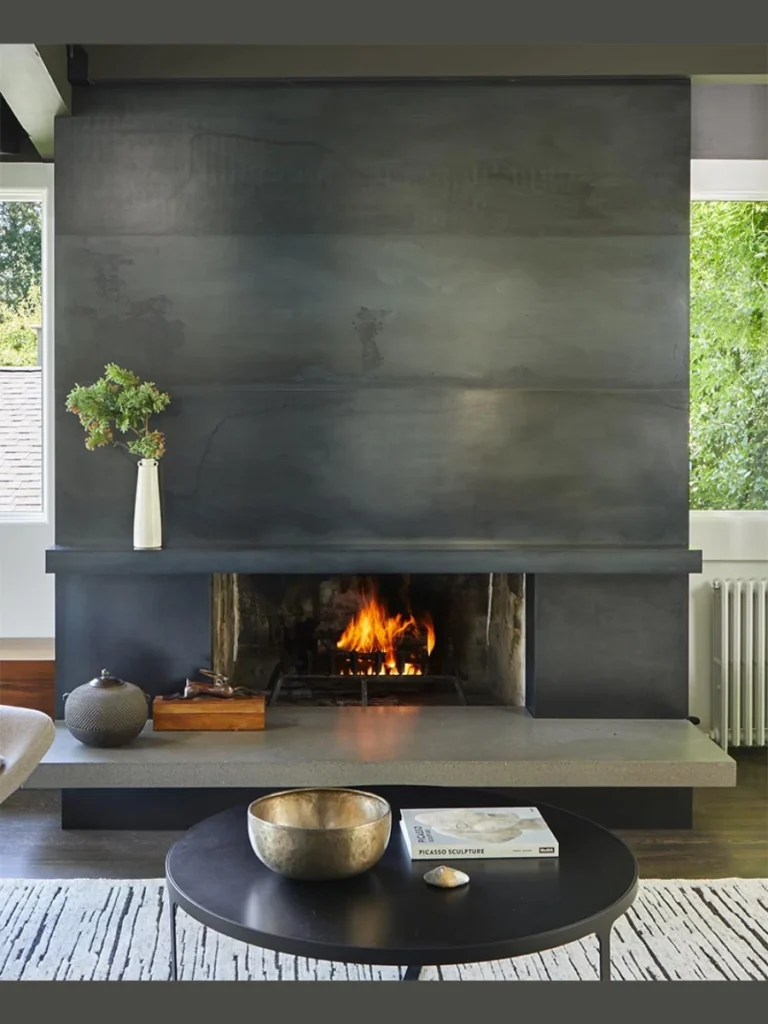
I think a raw concrete surround provides a very cool and masculine energy that works perfectly in urban lofts or modern industrial homes. Concrete is a fantastic material because it holds onto the heat of the fire and releases it slowly throughout the evening.
Combining the gray stone texture with a heavy blackened steel mantel adds a layer of “city grit” that feels very professional and bold. I love how the dark metal creates a sharp frame around the firebox that draws your eye directly into the flames.
This pairing is nearly indestructible and only looks better as the metal develops a bit of a natural patina over several years. I find that it is a great way to balance out soft velvet sofas or colorful rugs with something that feels solid and permanent.
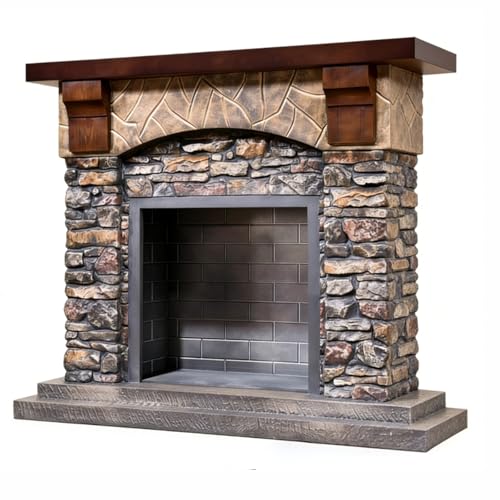
hezhuhe2258 Fireplace surrounds Faux Stone Fireplace with Mantel Freestanding Rustic Stacked Surround Display Shelves
hezhuhe2258 Fireplace surrounds Faux Stone Fireplace with Mantel Freestanding Rustic Stacked Surround Display Shelves
You can mold the concrete into custom shapes like curved edges or built-in benches to add extra seating near the warmth of the hearth. I suggest keeping the finish slightly rough to show off the natural variations and bubbles that make real concrete so interesting.
6. Whitewashed Brick Surrounds with Natural Pine Mantels
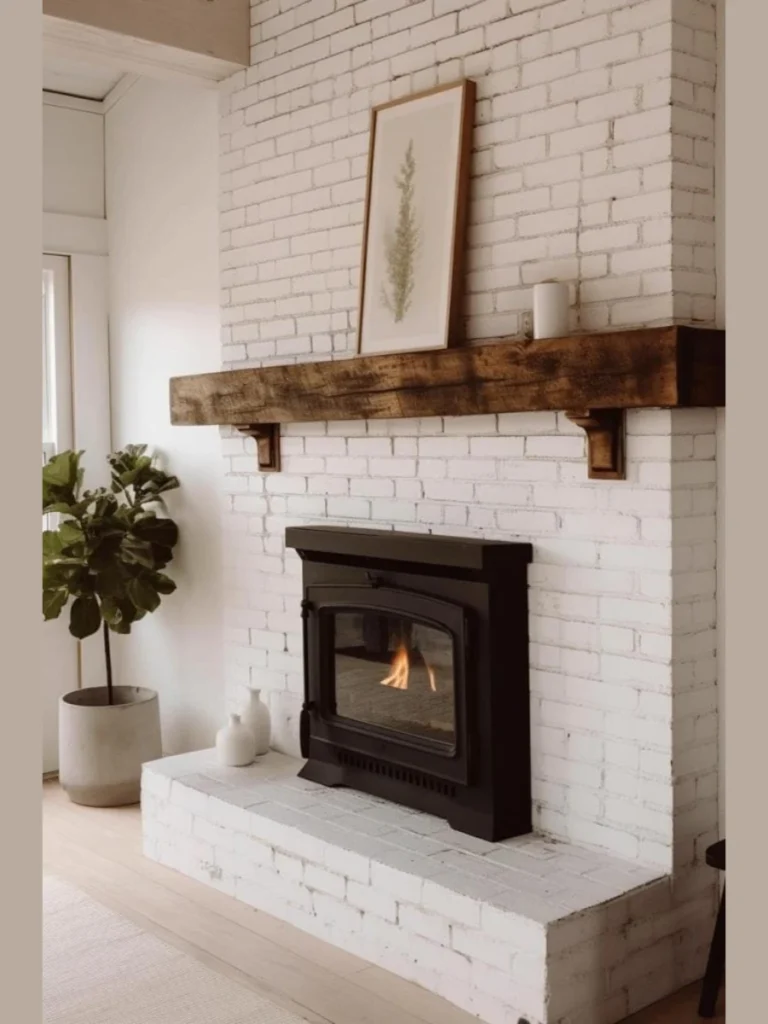
I find that a whitewashed brick finish is the best way to lighten up a room without losing the classic texture of masonry. This look provides a bright and airy coastal vibe that makes your living room feel much larger and more approachable for guests.
Pairing the light bricks with a natural pine mantel adds a soft organic warmth that feels very fresh and updated for 2026. I love how the visible knots in the pine wood give the fireplace a handcrafted personality that feels authentic rather than mass produced.

HOMEDIARY Fireplace Mantel Surround, Modern White Fireplace Mantel Frames with Legs for Living Room, Premium MDF with Solid Wood, Decorative Fireplace Surround for Holidays, Anti-Tipping & Waterproof
HOMEDIARY Fireplace Mantel Surround, Modern White Fireplace Mantel Frames with Legs for Living Room, Premium…
This combination works perfectly in homes that get a lot of natural sunlight and feature light colored furniture pieces or linen curtains. I think the light tones of the brick and wood make the fireplace feel like a cheerful part of the room all year round.
You can easily achieve this look on a budget by applying a simple lime wash over your existing red brick structure in one weekend. I personally think that the matte finish of the lime wash looks much more professional and sophisticated than standard glossy white paint.
7. Moody Dark Charcoal Surrounds with Integrated Stone Mantels
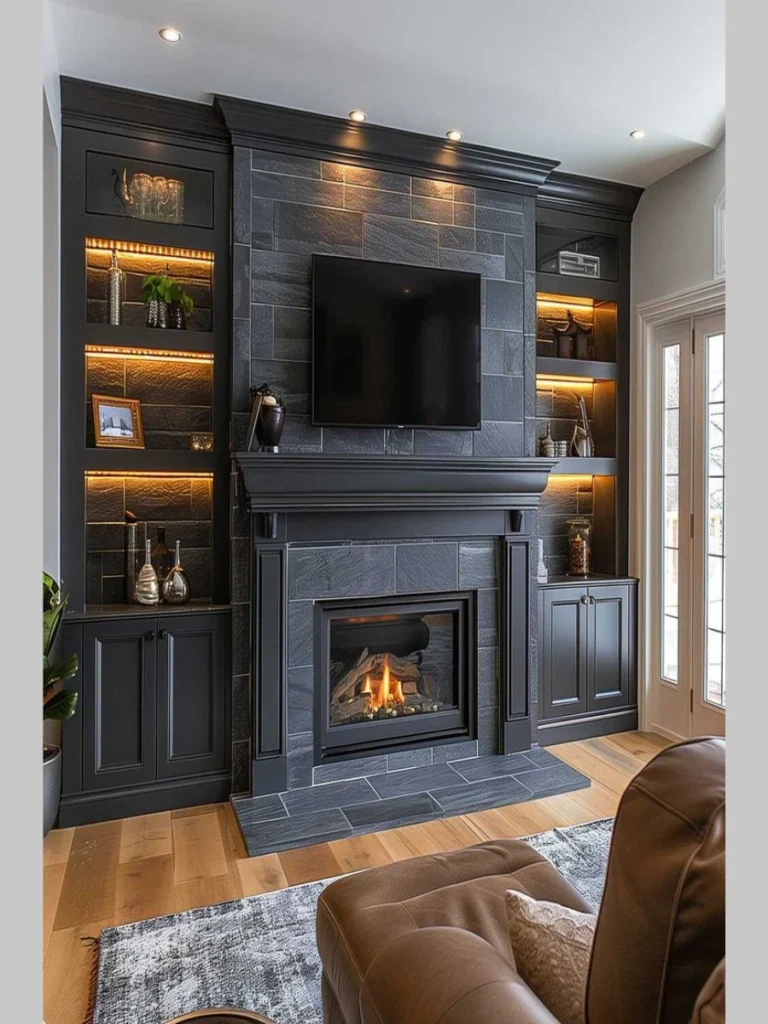
I am a huge fan of the “color drenching” trend where you paint your fireplace surround the exact same dark shade as your walls. It makes the firebox almost disappear when it is not in use, creating a very mysterious and high-end look for your house.
Using a matching charcoal stone for the mantel ledge ensures that the monochromatic aesthetic remains perfectly consistent from the floor to the ceiling. I find that this style allows the bright orange of the fire to be the only real color in the entire room.
This idea is perfect for a cozy den or a bedroom where you want to create a sense of intimacy and “quiet luxury” for yourself. I love how the dark surfaces absorb the light, making the flickering flames look like they are floating in the middle of a void.
You should choose a soft eggshell or matte finish for the surround to prevent any distracting reflections from the television or overhead lights. I suggest adding a few brass accessories on the mantel to provide a tiny hint of sparkle against the deep black background.

hezhuhe2258 Fireplace surrounds Solid Birch Wood White Fireplace Mantel Decorative Surround with Paneling Display Shelves
hezhuhe2258 Fireplace surrounds Solid Birch Wood White Fireplace Mantel Decorative Surround with Paneling Display Shelves
8. Mid-Century Geometric Tile Surrounds with Walnut Mantels
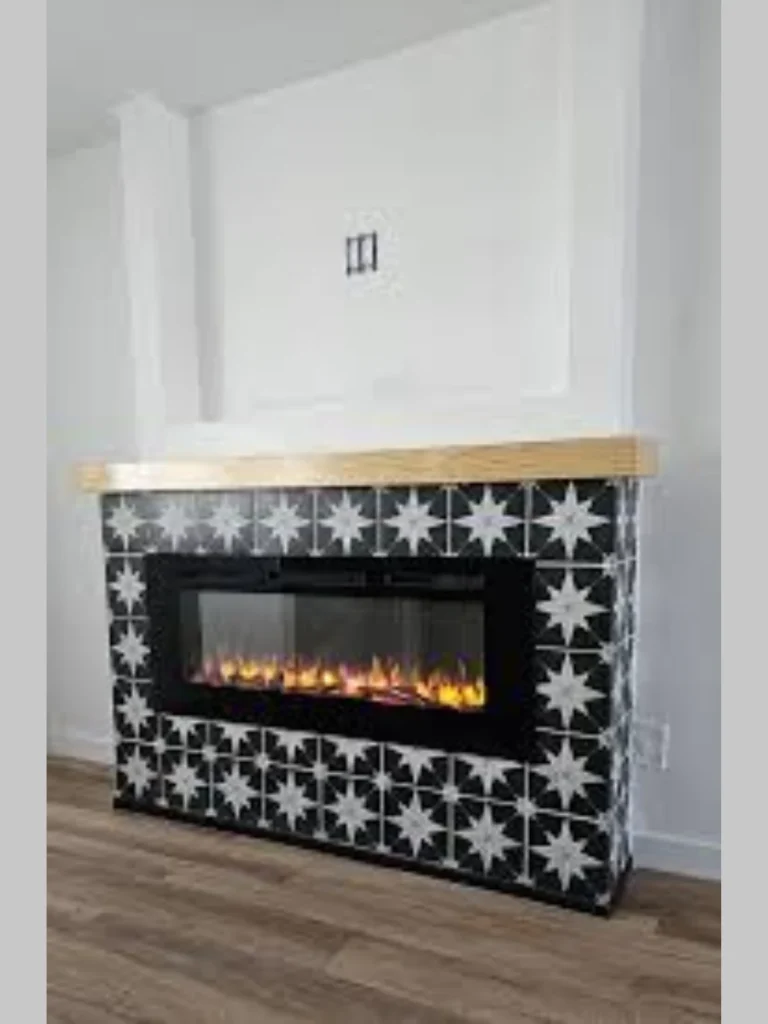
I think using bold geometric tiles in a stacked bond pattern is a fantastic way to bring some vintage energy into a modern house. These tiles add a rhythmic visual interest that frames the firebox with a sense of playful architectural precision and very clean lines.
A rich walnut mantel provides the perfect mid-century anchor, offering a dark and luxurious wood grain that balances the repetitive tile pattern. I find that walnut is the best wood for this style because it feels both retro and incredibly sophisticated at the same time.
This pairing works best in homes that feature tapered furniture legs and colorful abstract art to create a unified 1960s inspired interior. I love how the sharp corners of the tiles contrast with the soft and rounded edges of a custom carved wood mantel.
You can choose a muted teal or a soft terracotta tile color to add some personality without making the room feel too overwhelming or busy. I personally think that keeping the grout color similar to the tile makes the geometric pattern look more like a subtle texture.
9. Arched Plaster Surrounds with Floating Oak Ledge Mantels
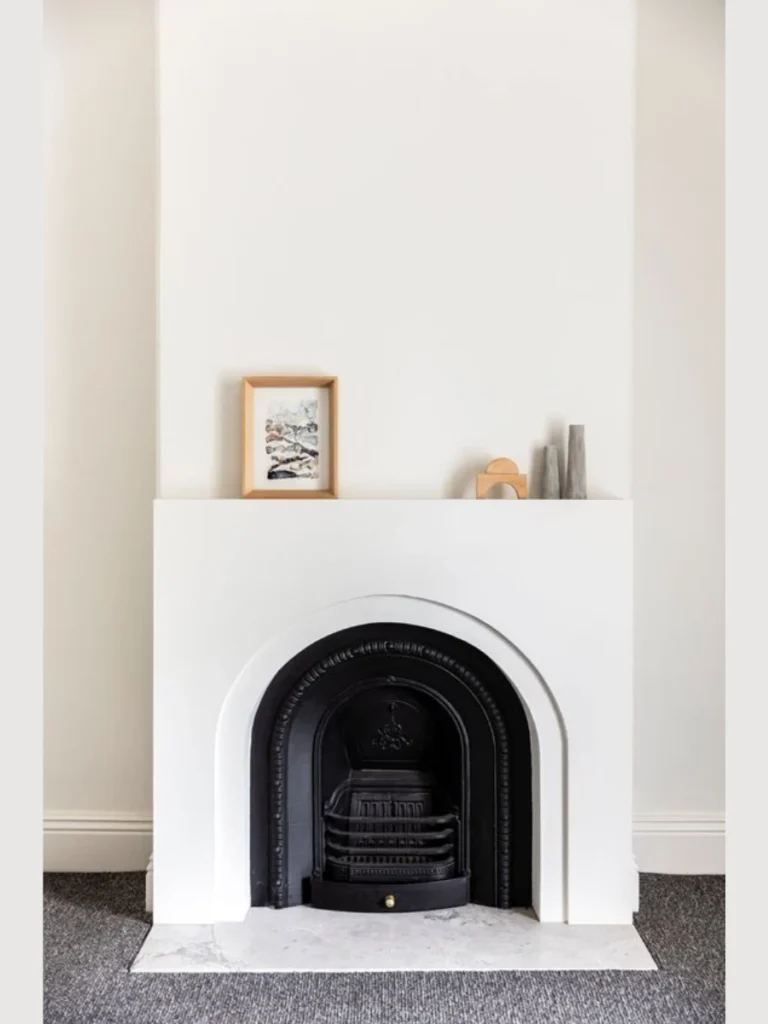
I love the “soft” architectural look of an arched surround because it breaks up all the hard straight lines of a typical living room. The curve adds a sense of grace and elegance that makes the fireplace feel like a permanent part of the home’s structure.

HOMEDIARY Fireplace Mantel Surround, Modern White Fireplace Mantel Frames with Legs for Living Room, Premium MDF with Solid Wood, Decorative Fireplace Surround for Holidays, Anti-Tipping & Waterproof
HOMEDIARY Fireplace Mantel Surround, Modern White Fireplace Mantel Frames with Legs for Living Room, Premium…
Adding a simple floating oak ledge halfway up the arch provides a functional spot for decor without interrupting the beautiful curved silhouette. I find that the light oak wood adds just enough warmth to keep the white plaster from feeling too cold or sterile.
This style is a top choice for Mediterranean or Spanish inspired homes where organic shapes and natural materials are the main priority for design. I think the smooth transition from the wall to the fireplace creates a very calming and peaceful energy for your living space.
You should use a high-heat plaster finish to ensure the curve remains perfectly smooth and free of any cracks over many years of use. I suggest keeping the mantel decorations to a minimum to allow the unique shape of the arch to remain the primary focus.
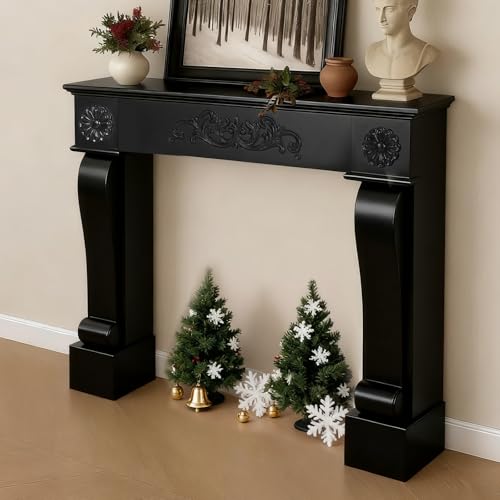
HOMEDIARY Rustic Black Freestanding Fireplace Mantel, Modern Painted Fireplace Surround with Mantel for Living Room, Grade A MDF Mantel Surrounds with Legs for Home Decor/Wall Decor, Anti-Tipping
HOMEDIARY Rustic Black Freestanding Fireplace Mantel, Modern Painted Fireplace Surround with Mantel for Living Room,…
10. Mixed Metal Surrounds with Industrial Brass Mantels
I think there is something very bold and professional about mixing different metal finishes like blackened steel and brushed brass on one hearth. It creates an industrial look that feels like a piece of custom jewelry for your living room wall and draws every eye.
Using a heavy brass mantel over a dark steel surround provides a massive amount of visual “pop” that looks incredibly expensive and very unique. I love how the warm tones of the brass reflect the firelight, creating a golden glow that fills the entire room.
This design is nearly indestructible and is a great option for people who want a low-maintenance fireplace that still makes a big statement. I find that the metal surfaces are very easy to wipe down and they never suffer from the warping issues of wood.
You can use industrial bolts or visible seams to lean into the “raw” aesthetic of the materials for a very cool city loft vibe. I suggest pairing this with leather seating and concrete floors to complete the high-end industrial look that is so popular right now.
11. Minimalist Glass Surrounds with Floating Stone Mantels
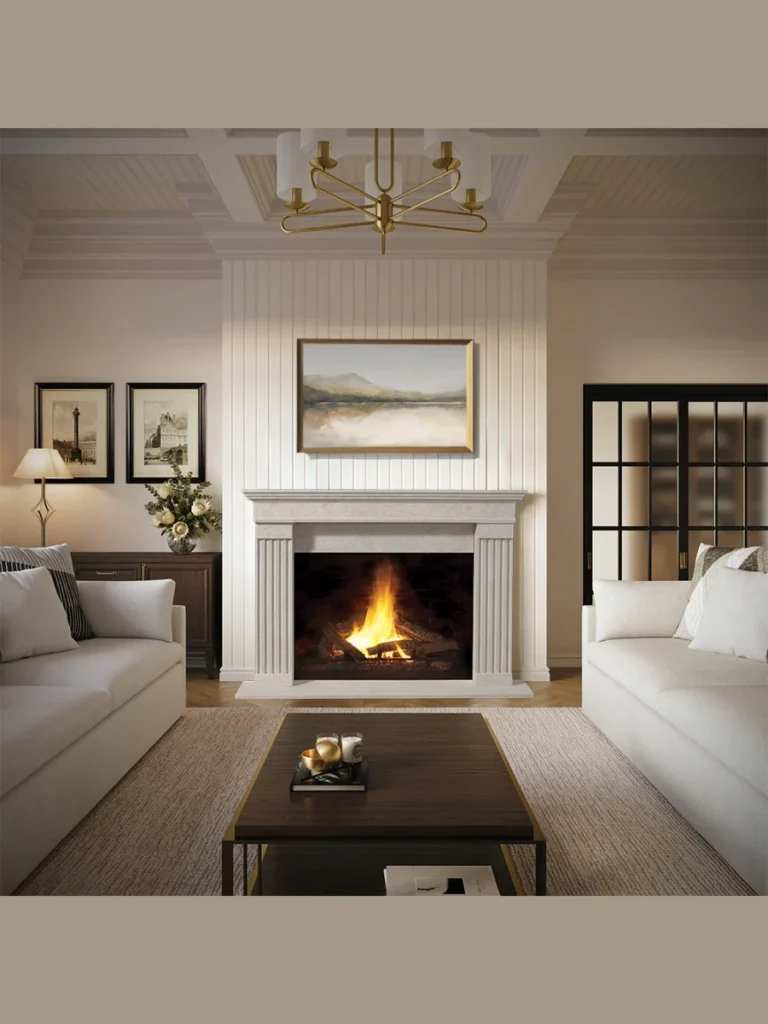
I am currently obsessed with the “frameless” look where the fireplace glass is surrounded by nothing but smooth, clean drywall or plaster. It makes the fire look like a moving piece of art that is trapped inside your wall, which feels very futuristic.
Adding a thick floating stone mantel several inches above the glass provides a necessary visual break and a practical shelf for your remote controls. I find that using a light limestone or white quartz for the mantel keeps the whole setup looking very airy.
This idea is perfect for minimalist homes where you want the fireplace to be functional but almost invisible when it is not being used. I love how the lack of a traditional “box” surround makes the room feel much more spacious and significantly less cluttered.
You should ensure that the wall behind the plaster is properly insulated so that the heat doesn’t cause any discoloration to your white paint over time. I personally think that this is the cleanest way to integrate a modern gas fireplace into a contemporary living room layout.
Expert Guide to Styling Your Surround and Mantel
I always tell my friends that a mantel is not just a shelf; it is a stage where you tell the story of your home’s personality. If you crowd it with too many tiny objects, your beautiful new surround will start to look like a messy bargain bin.
You should start by choosing one “anchor” piece, like a large mirror or a piece of art, and placing it slightly off-center for a modern look. I find that asymmetrical styling feels much more relaxed and “professional” than the old-fashioned way of balancing everything perfectly in pairs.

Modern Ember Lakeport Traditional Wood Fireplace Mantel Surround Kit, White with 48 Inch Opening | Elegant Design with Decorative Trim Molding; Includes Wooden Mantel Surround & Shelf
Modern Ember Lakeport Traditional Wood Fireplace Mantel Surround Kit, White with 48 Inch Opening |…
I also suggest varying the heights of your objects by using tall candlesticks next to low books to create a visual “rhythm” for your eye. It is much easier to appreciate a beautiful stone surround when the decorations on top are not fighting for all of your attention.
| Styling Rule | The “Old” Way | The 2026 “New” Way | Result |
| Balance | Perfectly Symmetrical | Layered & Asymmetrical | Relaxed & Modern |
| Quantity | Filled with tiny knick-knacks | Three to five bold pieces | Clean & Focused |
| Height | Everything at the same level | Varying heights and textures | Dynamic & Interesting |
| Color | Matching the walls exactly | Contrasting tones and metals | Bold & Professional |
5 Pro Tips for a Cohesive Fireplace Look
- The 60-30-10 Rule: Use 60 percent of one material for the surround, 30 percent for the mantel, and 10 percent for the small decor accents.
- Check Your Clearances: Ensure your wooden mantel is high enough above the firebox so it doesn’t get scorched or dried out by the heat.
- Use Natural Textures: Mix in something organic like a dried branch or a stone bowl to soften the hard lines of a modern surround.
- Hide the Cords: If you have a TV above the mantel, use a recessed “media box” to hide all those ugly black wires inside the wall.
- Scale the Art: Make sure your artwork is at least two-thirds the width of the mantel so it doesn’t look like a tiny postage stamp.
Conclusion
I hope this helped you realize that the surround and mantel are the two most important tools for defining your home’s unique architectural style. Whether you choose a massive stone slab or a simple arched plaster finish, the goal is to create a unified and professional look.

EPICOZY White Freestanding Fireplace Mantel Surround with Legs, Modern MDF Wooden Surround Mantel for Electric Fireplaces, Waterproof & Anti-Tipping, Wood Fireplace Surround for Living Room Home Decor
EPICOZY White Freestanding Fireplace Mantel Surround with Legs, Modern MDF Wooden Surround Mantel for Electric…
Don’t be afraid to mix and match materials like cold metal and warm wood to give your fireplace a sense of depth and handcrafted character. I find that the best designs are the ones that reflect your actual lifestyle and the way you use your living room.
Take the time to plan your storage and media needs before you start building so that your new focal point is as practical as it is beautiful. I am definitely leaning toward the fluted plaster look for my next house because it adds so much texture without being loud.
I will be keeping a close eye on these 2026 fireplace trends to see how they continue to evolve toward more organic and “integrated” systems for our homes. If you pick a pairing that you truly love, it will remain the heart of your house for many cozy winters to come.
FAQs
I always explain that the surround is the material that covers the wall area immediately around the firebox, while the mantel is the shelf that sits on top. Think of the surround as the frame of a picture and the mantel as the decorative ledge that holds the art in place for your room.
I typically recommend placing a mantel about 12 to 15 inches above the top of the firebox, but you must check your specific unit’s local safety codes. This height allows enough space for a heat shield while keeping your decorations at a comfortable eye level for anyone sitting on the sofa.
You can definitely mount a new wood or metal mantel over an old stone or brick surface using heavy-duty masonry anchors and a bit of professional patience. I find that this is the fastest way to update a dated fireplace without having to tear down the entire wall and start from scratch.
I suggest choosing a honed stone or a large-format porcelain slab because they have very few grout lines and can be wiped down with a simple damp cloth. Avoid rough, unsealed bricks or porous stones if you use a real wood fire, as they can absorb soot and become permanently stained over time.

Modern Ember Sabine Wood Fireplace Mantel Surround Kit, White 48" x 42" Opening | 72" x 54" Overall | Minimal Modern Aesthetic; Includes Wooden Mantel Surround & Shelf
Modern Ember Sabine Wood Fireplace Mantel Surround Kit, White 48" x 42" Opening | 72"…
I never recommend placing a TV directly on a mantel because the heat from the fireplace can slowly cook the internal electronics and ruin your expensive screen. It is much better to wall-mount the TV several inches above the mantel to allow for proper airflow and a better viewing angle for your guests.
Related Posts
- Top 12 Fireplace Frame Ideas
- 13 Best Fireplace with Wood Ideas
- Top 14 Fireplace Trending Ideas
- 15 Best Fireplace Reno Ideas
- Top 10 Fireplaces Remodel Before And After Ideas
- 11 Best Fireplace Inserts Ideas
Recommended for You

LMAOSS Fireplace Mantel Surround, 41.34" Freestanding MDF Fireplace Mantel with 3D Design, Classic Decorative Fireplace Surround for 23" Electric Fireplace Insert,White
LMAOSS Fireplace Mantel Surround, 41.34" Freestanding MDF Fireplace Mantel with 3D Design, Classic Decorative Fireplace…

Modern Fireplace Mantel, Surround Mantels for Fireplace with Decorative Pattern Interior Width 29" White
Modern Fireplace Mantel, Surround Mantels for Fireplace with Decorative Pattern Interior Width 29" White
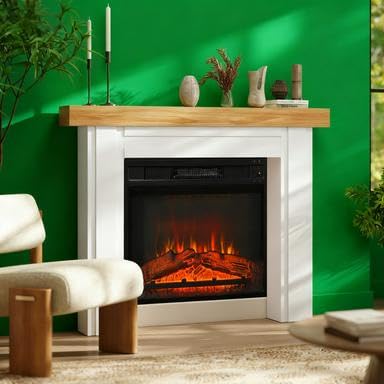
Fireplace Mantel Surrounds, Freestanding Fireplace Surround Frame with Leg and Wood Top, Surround Mantels for Electric Fireplaces with Decorative Pattern, for Holiday/Living Room, White and Wood
Fireplace Mantel Surrounds, Freestanding Fireplace Surround Frame with Leg and Wood Top, Surround Mantels for…