
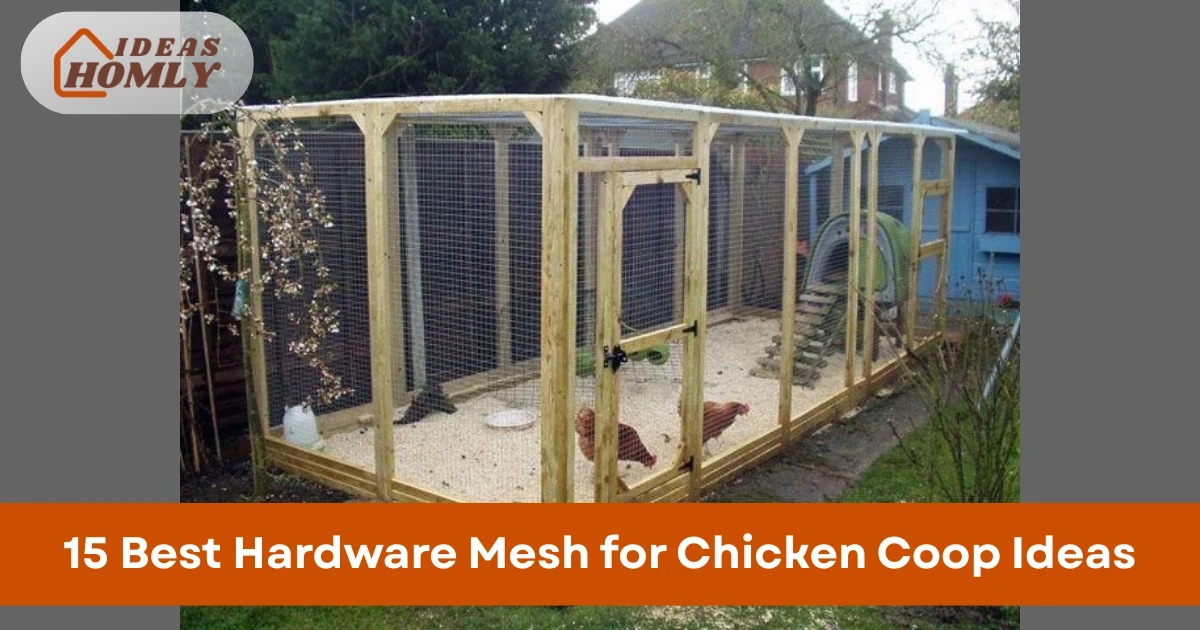

I want to help you build an impenetrable backyard fortress that keeps your poultry flock completely safe from hungry nocturnal predators. You should never trust flimsy standard chicken wire when a heavy duty galvanized steel grid offers the ultimate survival defense for your birds.
Designing a Secure and Predator Proof Backyard Poultry Run
I believe that choosing a thick wire gauge is the absolute secret to stopping aggressive raccoons from tearing into your coop at night. You should install hot dip galvanized steel mesh after welding to ensure your outdoor fencing panels never rust or weaken in the rain.
A tight half inch metal grid provides excellent security against sneaky weasels, rats, and snakes that love to steal fresh eggs. I suggest stretching your wire fabric tightly across heavy wooden frames to keep the entire structure solid and looking highly professional.
You can combine different grid sizes to create targeted defense zones around your nesting boxes and main outdoor run walls. My favorite backyard coop layouts always use a deep buried perimeter barrier to stop tunneling dogs and foxes from digging inside.

I find that fastening your mesh with heavy structural screws and wide washers creates a permanent hold that no animal can pull apart. Focus on covering every single ventilation window and gap to give your birds a happy, stress free living environment.
1. Horizontal Flat Predator Apron Skirts
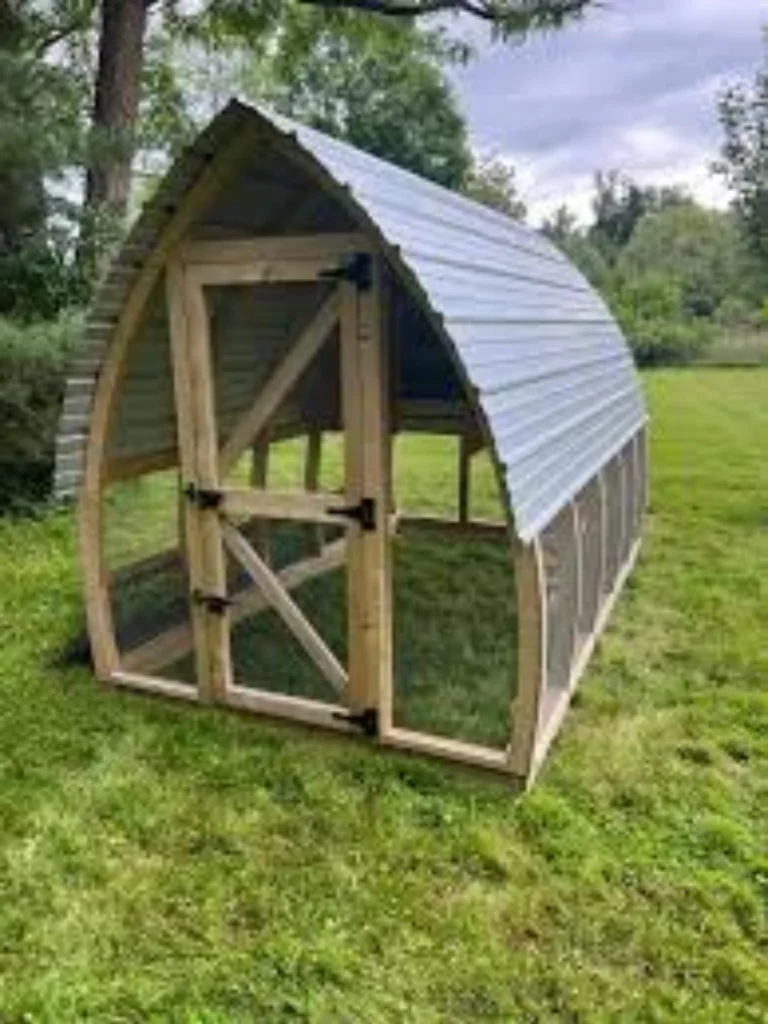
I think laying a flat horizontal mesh skirt around the outer base of your run is the best way to stop digging predators. It creates a physical barrier right on top of the grass that stops foxes and stray dogs from tunneling beneath your wooden frame.
Animals always start digging right at the fence line, so hitting this tough steel grid stops their progress instantly before they can get deep. I find that extending the hardware mesh outward about twenty four inches gives you complete protection without needing to dig deep trenches.
Pin the flat wire fabric down into the dirt using heavy duty metal landscape staples every few feet to keep it flush. I love how the grass grows right up through the square openings within a few weeks, making your hidden predator defense completely invisible.
I suggest this method if your backyard has rocky soil or thick tree roots that make digging deep trenches impossible for you. It is a highly practical and clever shortcut that saves your muscles while keeping your poultry flock perfectly secure today.
2. Deep Buried Vertical Perimeter Barriers
I recommend burying your galvanized metal mesh twelve inches straight down into the earth if you want a permanent underground defense system. This vertical wall intercepts persistent burrowing pests like rats and gophers before they can ever surface inside your clean poultry run.

You get a clean edge around your coop that allows you to trim your backyard lawn easily without snagging your lawnmower blades. I find that a half inch 19 gauge wire cloth handles wet underground moisture beautifully without rusting out for many years.
Trenching around your building site is easier if you plan this step before assembling your main wooden corner posts and walls. I prefer bending the bottom six inches of the buried wire outward into an L shape to confuse digging paws completely.
I suggest using this deep method if you live in an area with a high population of clever wild coyotes or badgers. It is a professional construction technique that creates a truly solid foundation for any long lasting outdoor animal enclosure.
3. Sandwich Method Wood Trim Framing
I use the clever sandwich framing method to hide the sharp cut edges of your wire mesh between two pieces of lumber. This technique prevents your chickens from cutting their sensitive feet or combs on the exposed wire tips while they explore their run.

You get an incredibly clean and polished look that makes your backyard poultry setup look like a beautiful custom designer kit. I find that clamping the mesh between a two by four post and a thin trim board adds immense structural strength.
Drive your exterior wood screws through both layers of lumber to lock the wire grid tightly into place against heavy winds. I love how this framing style prevents the mesh from sagging or bagging out when your heavy birds fly against it.
I suggest using this clean method on the front facing panels of your coop where guests and neighbors will see your handiwork. It is a smart design choice that balances high end backyard aesthetics with total physical safety for your beloved birds.
4. Heavy Duty Window Ventilation Screens
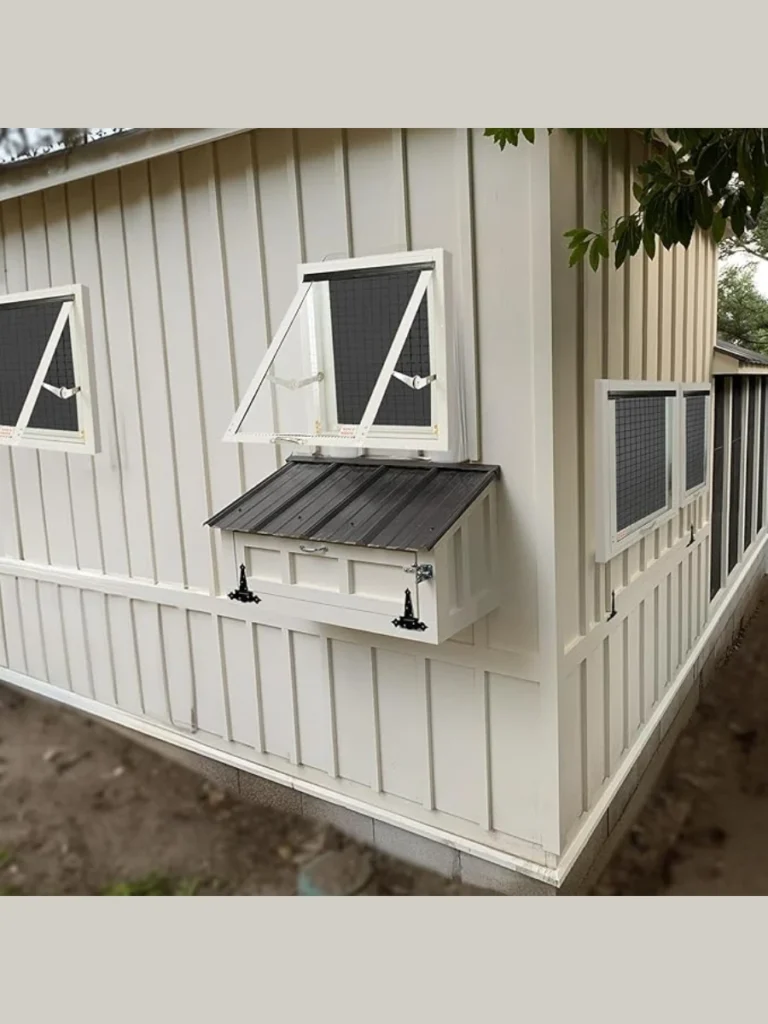
I believe covering your high coop ventilation windows with a quarter inch wire mesh is essential for keeping small weasels out. These sleek predators can squeeze through surprisingly tiny gaps to target your sleeping birds during the dark winter and summer nights.
You can open your main wooden window shutters to let fresh air circulate freely without worrying about airborne hawks or climbing cats. I find that the tight quarter inch grid also stops small field mice from entering to steal your expensive poultry feed.
Secure the small mesh panels to the inside of the window frame using heavy galvanized poultry staples for a flush fit. I prefer this double layered protection because it ensures your coop stays cool and breezy without compromising on absolute flock safety.
I suggest checking these window screens every autumn to clear away any spiderwebs or feathers that might block the fresh airflow. It is a simple maintenance habit that keeps your coop smelling fresh while keeping your birds completely safe from hidden harm.
5. Overhead Flying Predator Run Covers
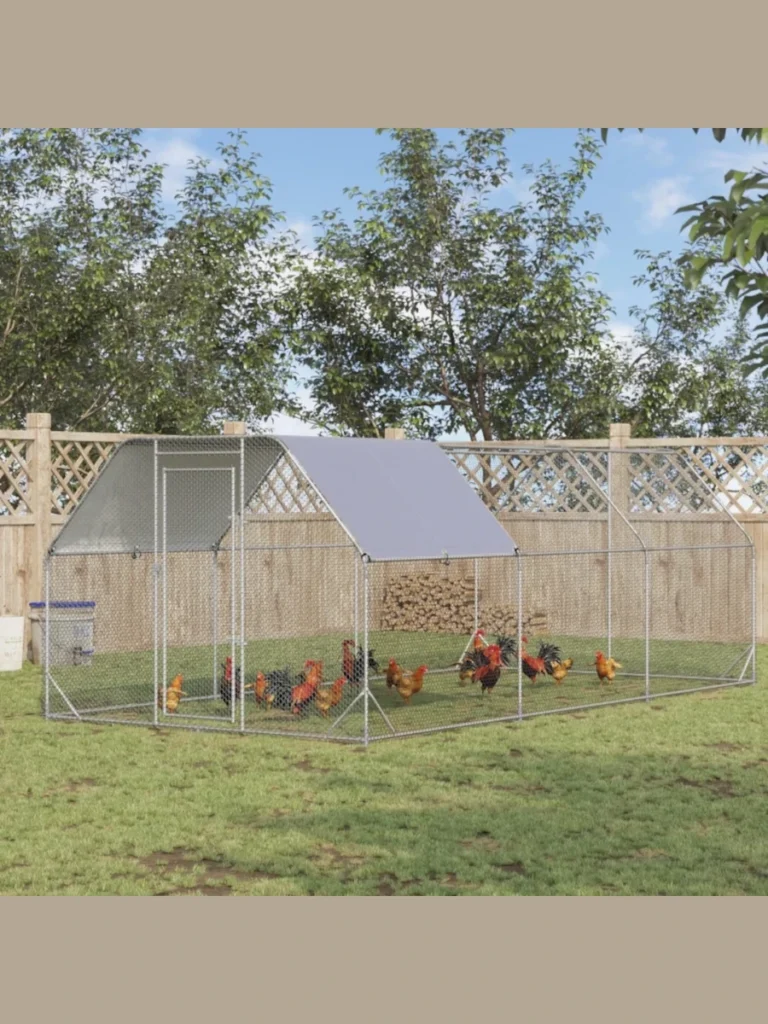
I think enclosing the entire top of your outdoor poultry run with heavy wire mesh is the best way to stop hawks. Aerial predators will watch your flock from nearby trees and dive down at incredible speeds to target young chicks during the day.

You create a completely enclosed outdoor sanctuary that allows your birds to scratch in the dirt safely while you are away. I find that a half inch steel grid handles falling leaves and small twigs much better than cheap nylon netting alternatives.
Support the heavy overhead wire panels with central wooden rafter beams to prevent sagging during heavy winter snow or rain storms. I love how this total enclosure allows you to raise small bantams and chicks without constantly watching the sky for danger.
I suggest this full coverage if your backyard is surrounded by tall pine trees where eagles and owls like to hunt. It is a sturdy security upgrade that turns an open run into a completely safe outdoor playground for your birds.
6. Raised Floor Slatted Mesh Liners
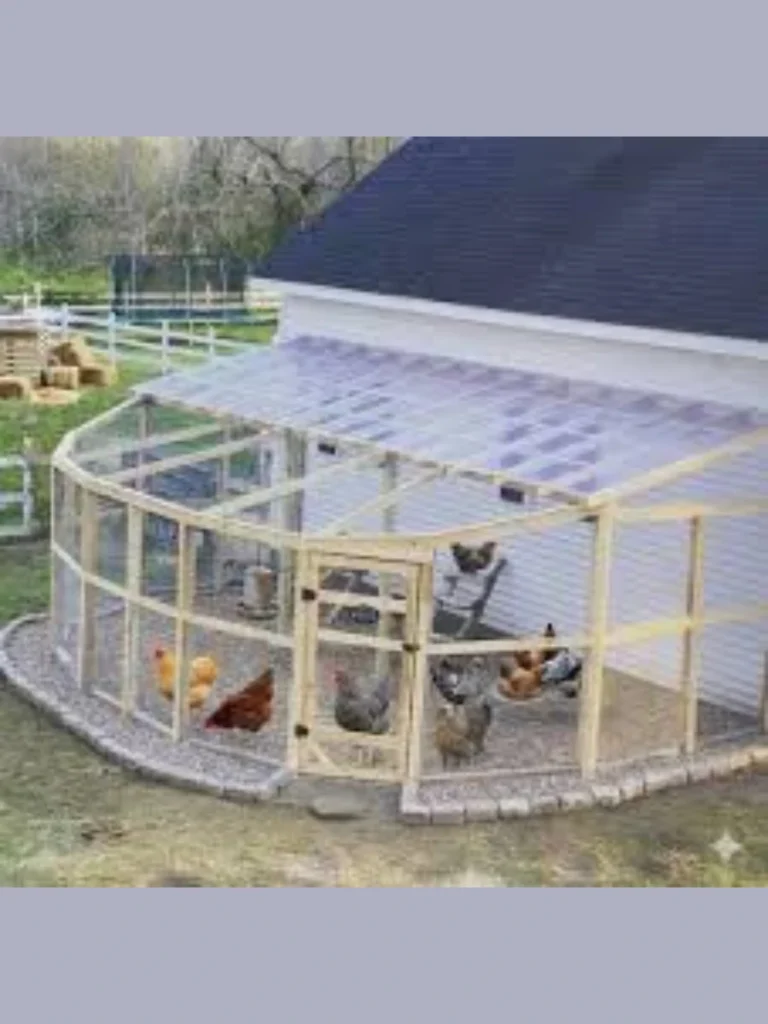
I recommend lining the elevated floor of your wooden coop with a strong half inch wire mesh beneath your straw bedding. This technique prevents nocturnal rats and mice from chewing through your soft plywood floors to access the warm interior space.

You get an extra layer of defense that keeps burrowing rodents from nesting directly under your nesting boxes where food spills often collect. I find that the steel grid adds nice reinforcement to older wooden structures that have seen better days around the yard.
Cover the wire liner with a thick layer of pine shavings to keep the interior cozy and easy to clean out. I love how this hidden shield stops pests from creating secret entry holes that you might not notice until it is too late.
I suggest this floor upgrade if you are retrofitting an old garden shed or a recycled wooden playhouse into a new coop. It is an affordable way to secure the bottom of your building without needing to replace all the original lumber.
7. Integrated Anti Broody Breaking Cages
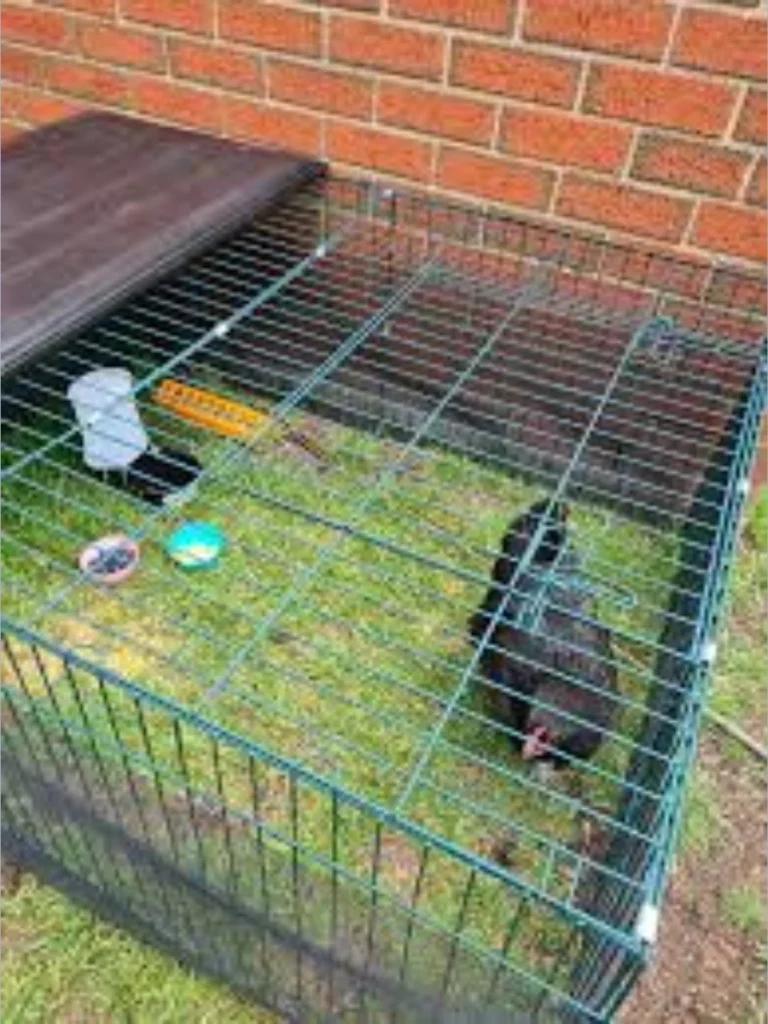
I use leftovers of your wire mesh to build a small, elevated broody breaking cage inside the main chicken coop space. The open mesh floor allows cool air to circulate beneath your stubborn hen, which naturally lowers her high nesting body temperature.
You can break her stubborn broody cycle within a few days without needing to separate her completely from her familiar flock friends. I find that a half inch square grid provides a safe and stable surface that lets droppings fall through cleanly.
Hang the small wire cage a few inches off the ground and equip it with its own compact food and water cups. I love how this simple DIY accessory saves you from fighting with grumpy hens every time you try to collect eggs.
I suggest keeping this handy wire cage in your tool shed so it is always ready for the spring nesting season. It is a highly practical homesteading tool that uses scrap workshop materials to solve a common and annoying poultry behavior problem.
8. Secure Wire Egg Collection Chutes
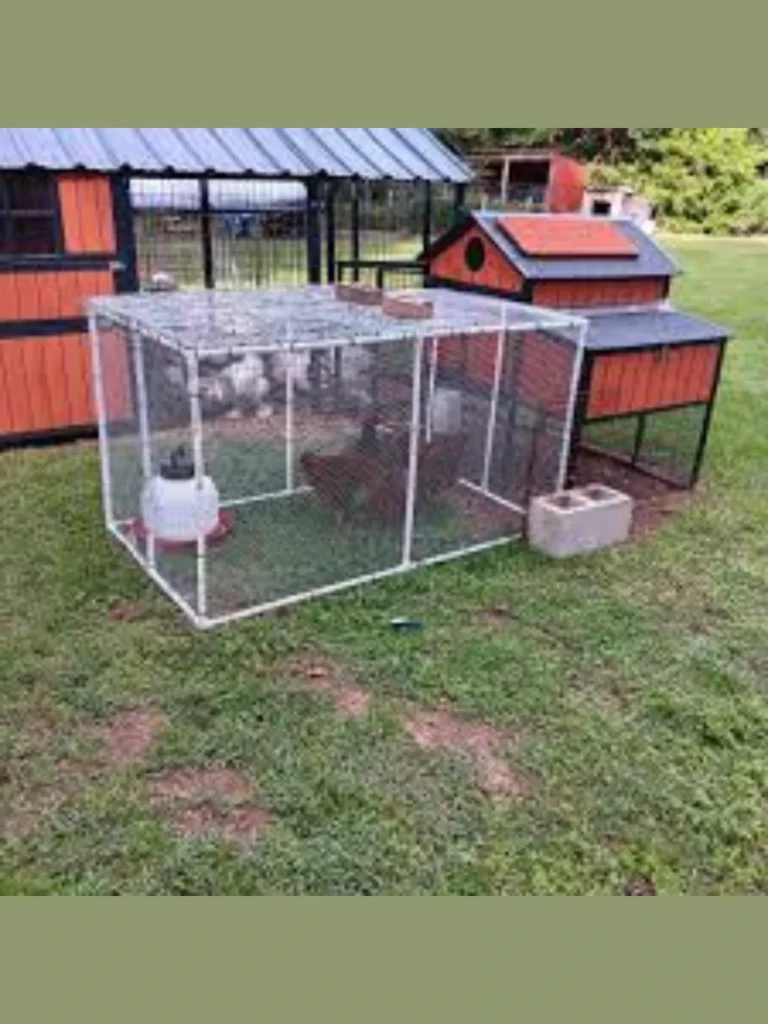
I think building an external egg collection box with a slanted wire mesh bottom is the cleanest way to gather breakfast. The gentle slope allows freshly laid eggs to roll safely away from the hen into a secure, padded exterior compartment.

You can collect your fresh eggs from outside the coop without stepping into the muddy run or disturbing your resting birds. I find that a fine quarter inch mesh wrapped in soft cloth provides a smooth roll that prevents dirty cracked shells.
This smart design prevents bored or curious chickens from developing the bad habit of pecking and eating their own fresh eggs. I love how it keeps the nesting area incredibly clean by keeping the eggs away from muddy chicken feet and droppings.
I suggest this setup for busy hobby farmers who want to speed up their daily morning chore routines before heading to work. It is an efficient upgrade that keeps your harvest safe, clean, and perfectly separated from the active poultry flock.
9. Heavy Duty Feed Station Shields
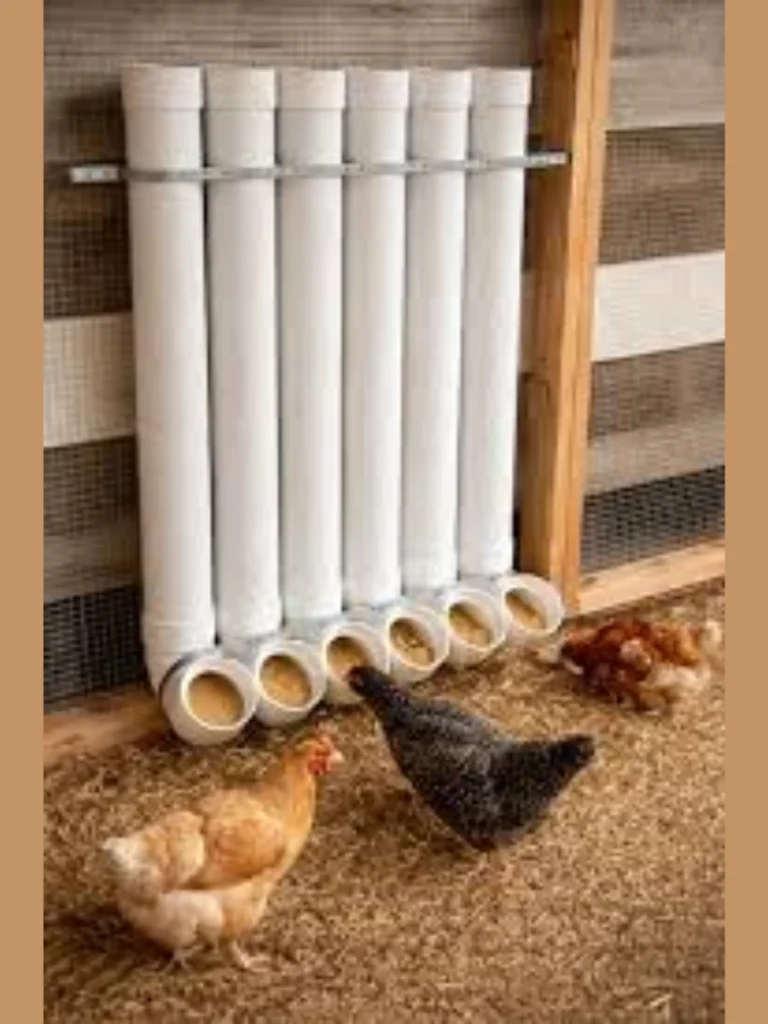
I recommend wrapping your outdoor poultry feeding stations in a protective cage made of one inch wire mesh panels. This larger grid size allows your adult chickens to stick their heads through to eat while keeping wild birds out.

You can stop expensive turkey vultures, crows, and wild pigeons from landing inside your run to steal your high quality poultry feed. I find that blocking wild birds is critical for maintaining excellent biosecurity and preventing the spread of nasty avian diseases.
Mount the wire feeding shield on a raised platform to keep the grain completely dry and away from damp ground dirt. I love how this simple trick slashes your monthly feed bill by ensuring only your domestic flock can access the food.
I suggest this feeding layout if you live near open fields where wild bird populations constantly swarm around your property lines. It is a clever way to protect your feed investment while keeping your poultry environment clean, healthy, and highly professional.
10. Divided Chick Brooder Safety Walls
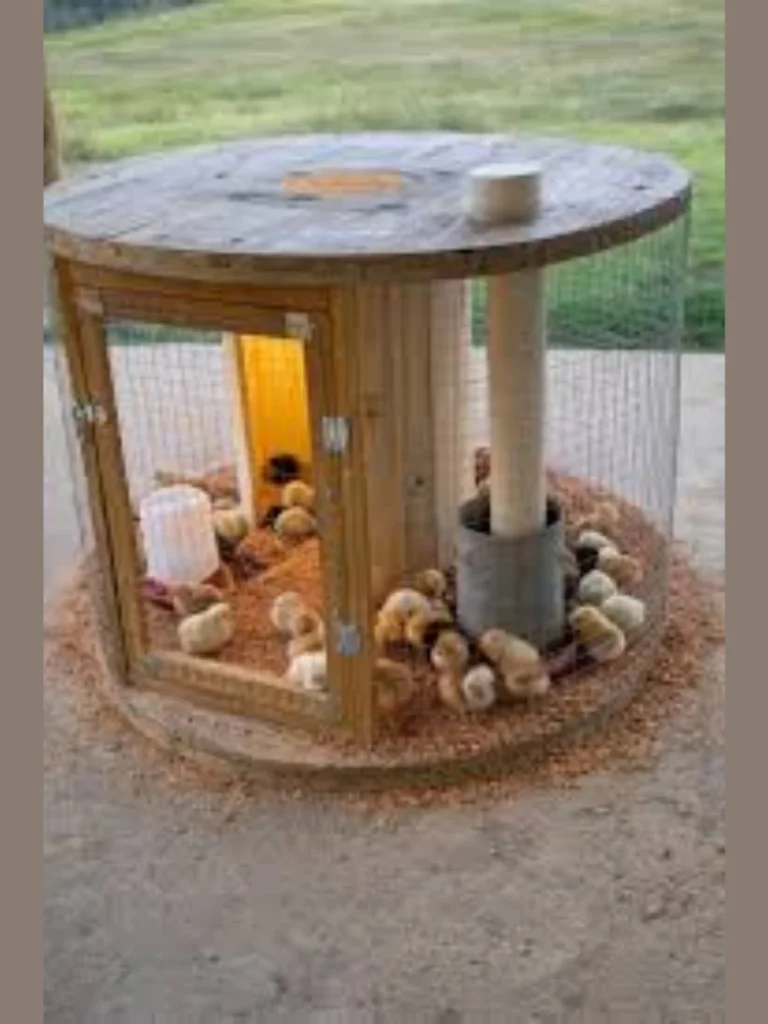
I use a fine quarter inch wire mesh to create temporary internal divider walls inside my main flock chicken coop run. This allows your newly hatched chicks to see and smell the adult birds safely without any risk of being pecked.
You can introduce young pullets to the older hens gradually, which reduces stressful flock bullying and fighting during the integration phase. I find that the tight quarter inch openings prevent small chicks from slipping through into the main adult territory.
The clear visibility helps the birds get used to each other’s presence over a week or two of close contact. I love how this simple divider panel eliminates the need to run an entirely separate brooder coop in your garage.
I suggest using removable wooden frames fitted with the mesh so you can slide the dividers out once integration succeeds. It is a gentle and highly effective way to manage your flock growth without causing chaos in the backyard coop.

11. Low Profile Duck and Poultry Ramps
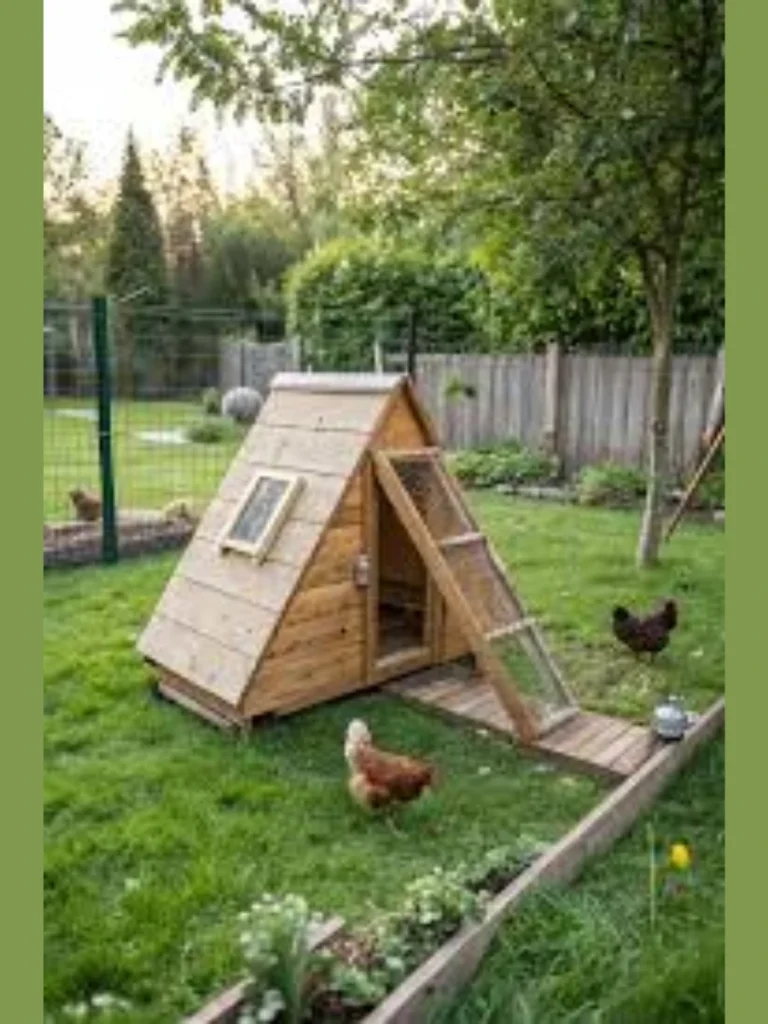
I think wrapping your smooth wooden entry ramps in a layer of half inch metal mesh provides the best winter traction. Chickens and ducks often struggle to walk up slick, muddy ramps after a heavy rainstorm or an unexpected morning freeze.
You get a durable, texturized surface that gives their claws a perfect grip without holding onto thick layers of wet mud. I find that the wire mesh cleans itself naturally as the birds walk up and down throughout the busy day.
Staple the wire cloth flat against the ramp surface and fold the sharp edges underneath the wood for maximum foot safety. I prefer this clean method over nailing down wooden cleats because it is much easier to scrape clean during deep coop cleanings.
I suggest this ramp upgrade for older or heavier chicken breeds that tend to injure their joints when slipping on wet wood. It is a minor detail that prevents painful bumblefoot infections by keeping their walking surfaces safe, dry, and highly reliable.
12. Heavy Wire Safety Door Screen Latches
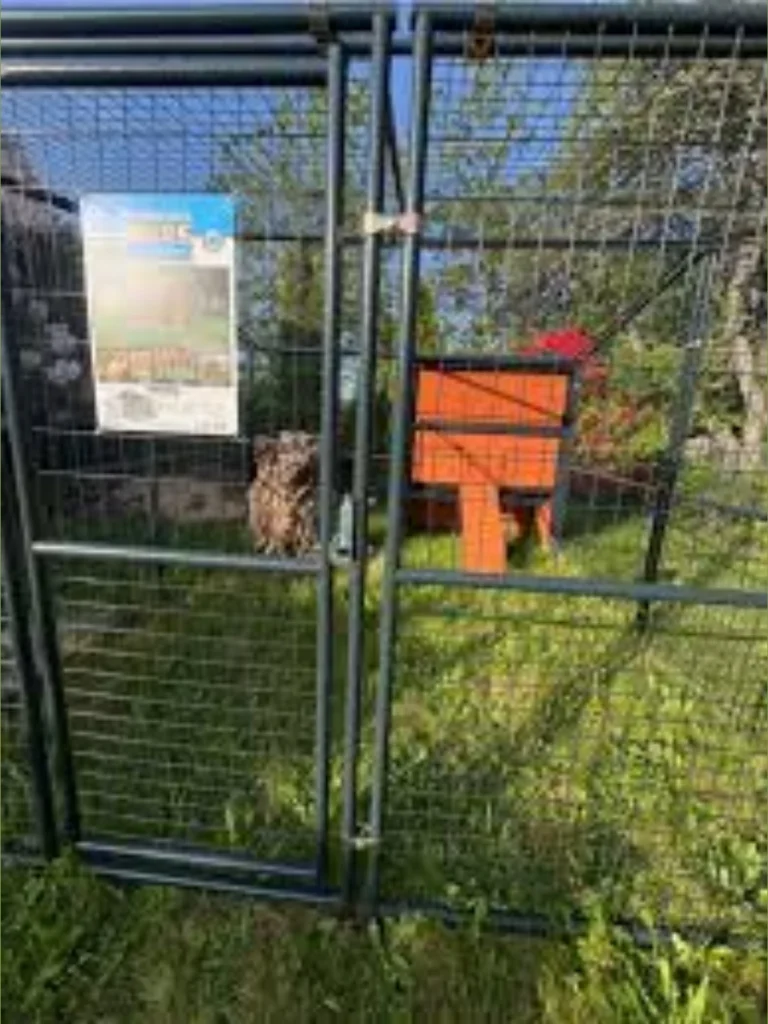
I use heavy wire mesh panels to reinforce the screen doors on my walk in chicken coops for extra nighttime security. Standard window screen material is easily shredded by curious cats or playful family dogs looking to take a peek inside.
You can leave your solid wooden main doors open on hot summer nights to maximize cooling airflow while keeping the coop secure. I find that pairing the wire mesh with a heavy duty locking latch creates an impenetrable shield against nocturnal raccoons.

Attach the metal grid to the inside frame of the screen door using wide washers and heavy duty wood screws. I love how this dual layer design lets you check on your birds without opening the main secure door frame.
I suggest this setup for large walk in coops where summer heat can cause dangerous heat stress for your crowded poultry flock. It is a professional security balance that keeps the fresh air moving in while keeping dangerous predators locked outside.
13. Secure Treat and Scratch Forage Baskets
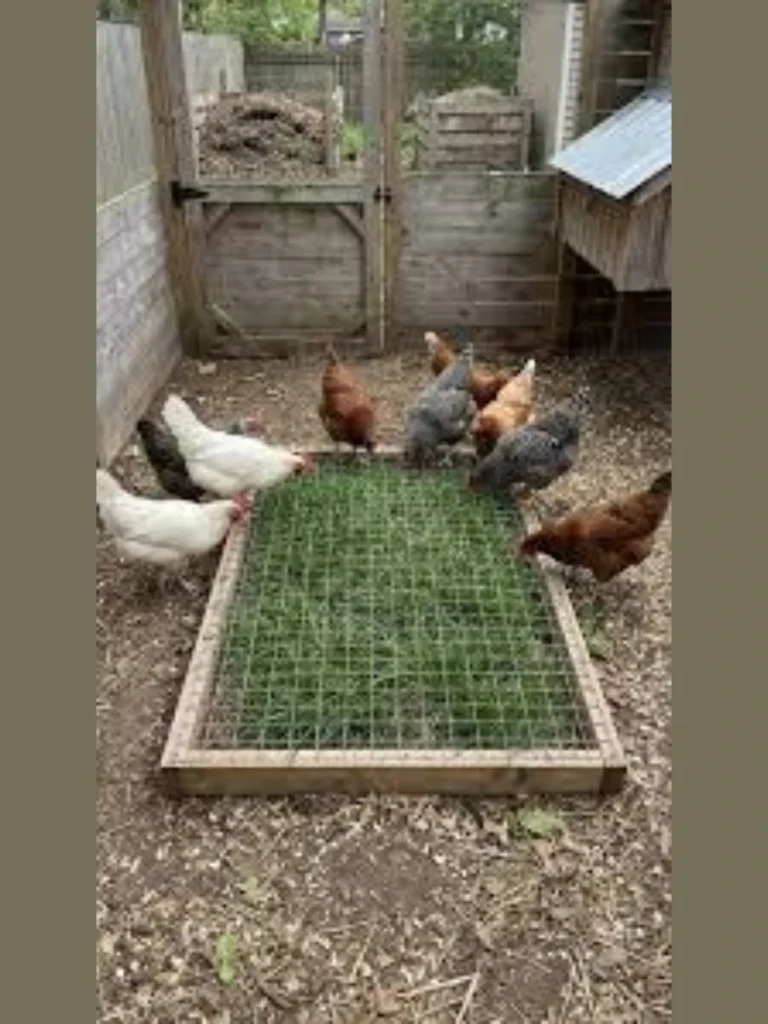
I believe building a hanging forage basket out of one inch wire mesh is the best way to feed fresh greens. You can stuff the wire basket with whole heads of cabbage, lettuce, or fresh weeds from your organic backyard garden plot.
The chickens have to peck the leaves through the wire grid, which keeps the food clean and off the dirty coop floor. I find that this interactive feeding method prevents your birds from trampling their treats into the muddy ground and wasting them.
Hanging the basket at head height forces your birds to stretch and jump slightly, providing excellent indoor exercise during rainy winter days. I love how it keeps them entertained for hours, which stops bad behaviors like feather pecking among bored hens.
I suggest using this simple feeder helper to turn daily treat times into a fun, clean, and highly engaging game for your flock. It is an inexpensive project that keeps your run looking tidy while improving the health and energy of your birds.
14. Reinforcing Flimsy Chain Link Fencing
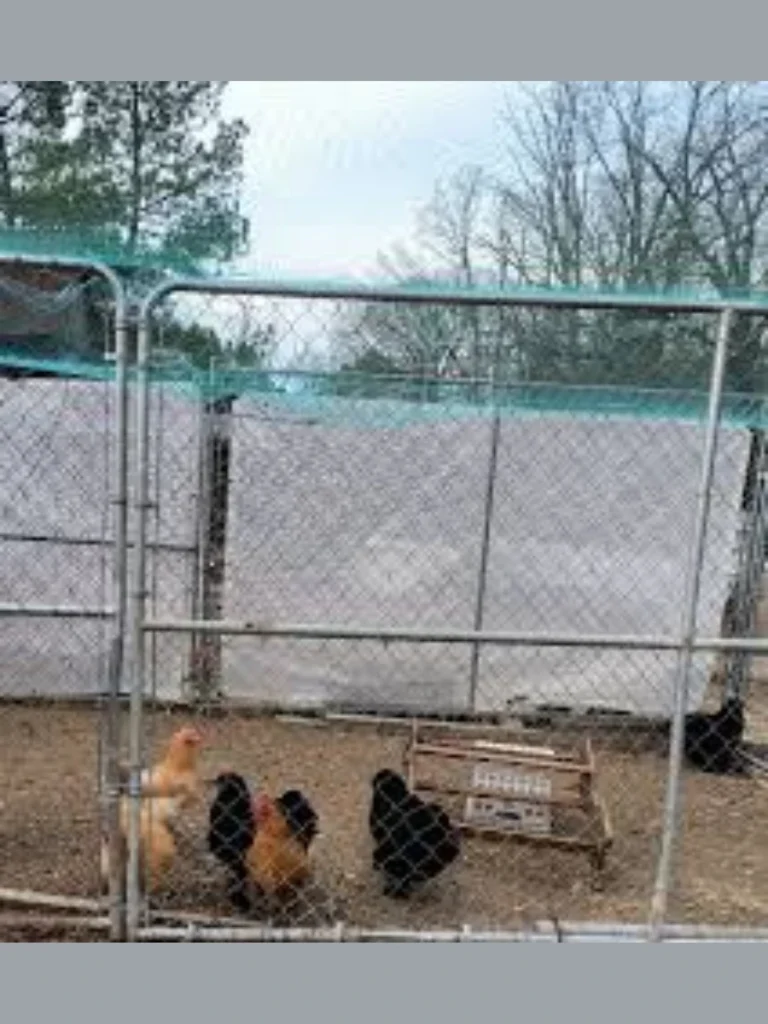
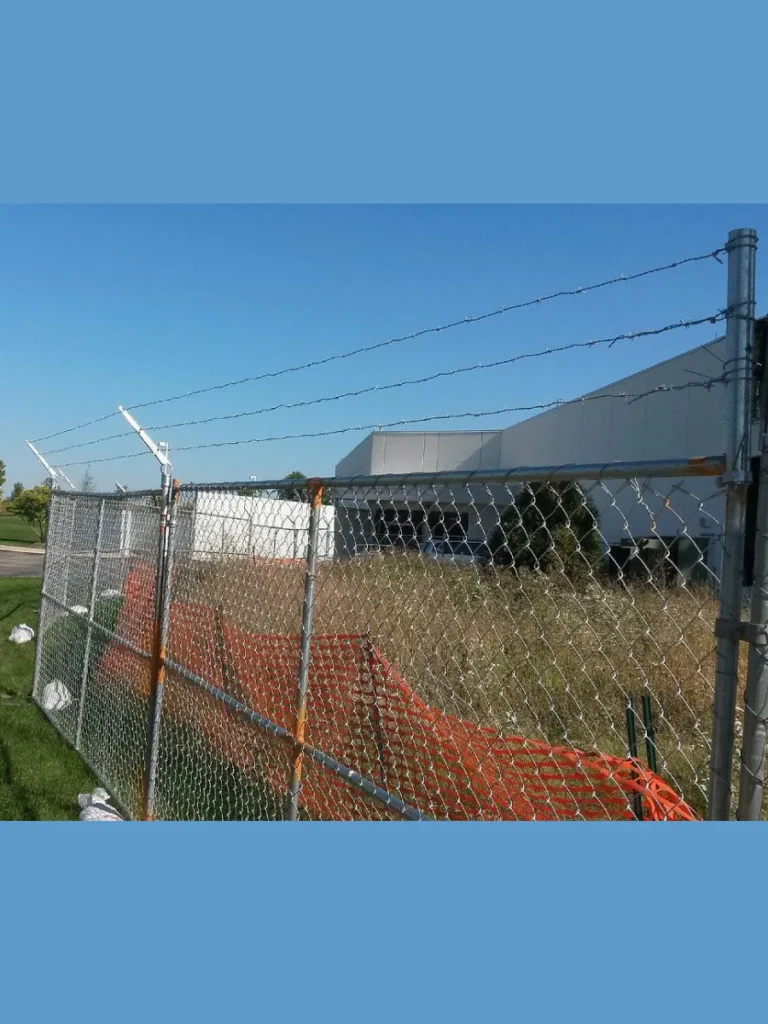
I recommend lining the bottom four feet of an existing chain link fence with a roll of half inch metal wire mesh. Standard chain link holes are large enough for small weasels to slip through and for raccoons to reach their paws inside.

You can upgrade an old dog run or a basic yard fence into a highly secure poultry space without buying expensive new panels. I find that weaving zip ties through both layers locks the hardware mesh tightly to the chain link wire frame.
This double layer barrier prevents small chicks from escaping through the large links while keeping dangerous wild animals locked on the outside. I love how it saves you from replacing a sturdy existing fence just to start your new poultry hobby.
I suggest this hybrid fencing strategy if you are building a large free range zone for your birds on a tight budget. It is a clever compromise that uses your existing property structures to achieve maximum safety and professional security results.
15. Double Layered Nesting Box Backs
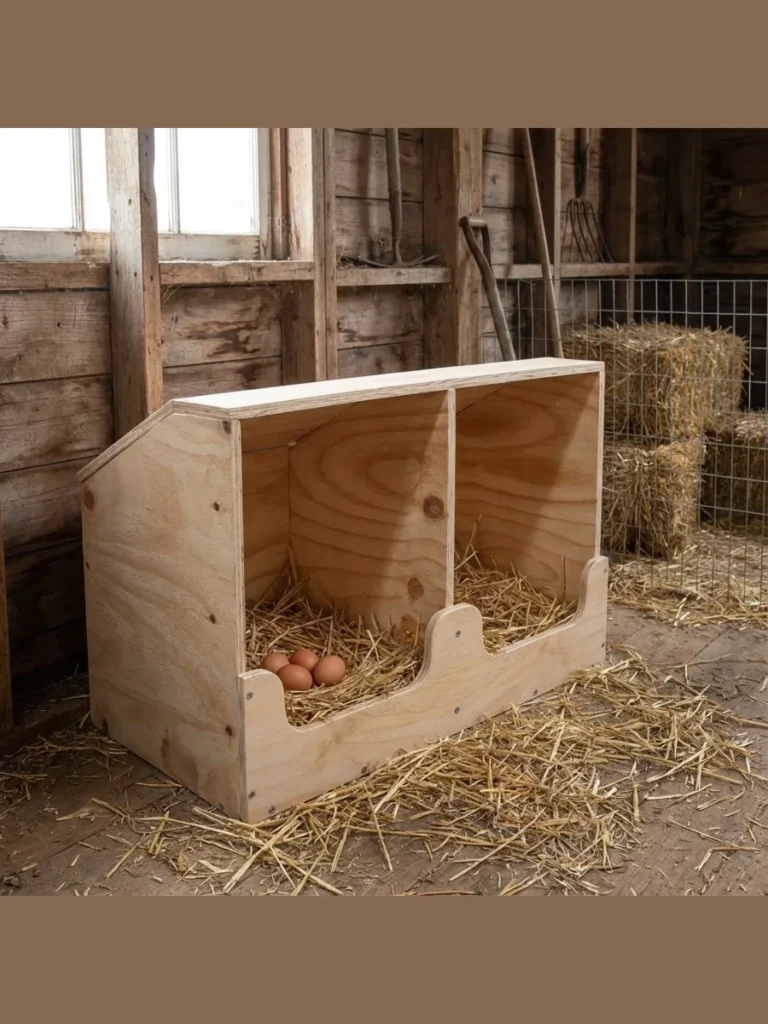
I think adding a double layer of wire mesh behind your wooden nesting boxes provides the ultimate defense against clever egg thieves. Rats can easily chew through thin rear wooden panels over time if they smell fresh eggs waiting inside the coop.

You block their entry completely even if they manage to bite through the outer decorative siding of your outdoor building structure. I find that a tight quarter inch mesh keeps the smallest pests from slipping into the cozy nesting straw at night.
Staple the metal cloth directly to the framing studs before you mount the pre-made wooden nesting boxes into place against the wall. I love how this extra layer of hidden protection ensures your morning harvest stays perfectly intact and ready for your kitchen.
I suggest this reinforcing step if your coop sits near an old barn or a woodpile where rodents naturally like to breed. It is a professional and proactive construction detail that protects your future egg supply from annoying and destructive backyard pests.
Professional Guide to Installing and Tensioning Hardware Mesh
I have found that the overall longevity of your predator defenses relies entirely on getting a tight, drum-like tension across your wire sheets during construction. You should always fix your metal panels to your main vertical corner studs using heavy-duty structural washers combined with exterior star-drive wood screws.
Consistency in your fastening schedule prevents large, hungry animals from finding a loose buckle or a soft spot to rip open with their teeth. I recommend using a pair of heavy locking pliers to pull the wire fabric completely taut before driving home your final rows of galvanized u-nails.
You can make your daily homestead construction work much simpler by cutting your wire rolls flat on a solid plywood workbench panel. My favorite backyard setups always feature straight, vertical seam lines that line up perfectly with the underlying structural lumber to prevent any ugly sagging.
I suggest using a manual hand bender or a straight wooden block to create crisp, ninety-degree angles when shaping your underground predator apron skirts. It is a simple step that ensures your wire panels sit perfectly flush against the soil surface to block digging pests instantly.
| Construction Area | Recommended Wire Gauge | Fastener Selection | Security Benefit |
| Main Run Enclosure | 19-Gauge Thick Steel | Star-Drive Screws with Washers | Resists pulling and tearing from large dogs |
| Ventilation Windows | 23-Gauge Fine Mesh | Heavy Galvanized Narrow Staples | Blocks tiny weasels and mice from sneaking inside |
| Underground Apron | 16-Gauge Extra Heavy | Heavy-Duty Metal Landscape Pins | Stops burrowing foxes from digging near the frame |
| Nesting Box Backing | 19-Gauge Hot-Dip Steel | Crown Industrial Wood Staples | Prevents rats from chewing through rear wood panels |
Final Thoughts on Chicken Coop Hardware Mesh Success
I believe that wrapping your backyard flock enclosure in high-quality galvanized metal mesh is the absolute best way to ensure long-term homestead success. You do not need to spend your mornings dealing with the heartbreak of predator attacks when a solid structural wire shield keeps your birds safe.
The best backyard setup choices are always those that merge high-utility building techniques with the daily behavioral habits of your specific poultry breeds. I find that investing your time in proper framing and deep buried aprons pays off beautifully every time you collect a full basket of clean eggs.
You can build a highly professional, secure, and beautiful chicken sanctuary by using matching exterior wood trim to cover up your sharp wire edges. I hope these practical construction suggestions give you the confidence needed to upgrade your backyard property layouts this weekend.

I am completely certain that your newly reinforced coop walls will handle the harshest seasonal weather elements while keeping wild pests completely locked out. Your journey toward raising a happy, productive, and stress-free backyard poultry flock starts with selecting your heavy-duty wire rolls today.
FAQs
I suggest skipping standard chicken wire because its thin, flexible metal loops are easily torn apart by hungry raccoons, foxes, and stray neighborhood dogs. Chicken wire is only designed to keep chickens inside a space, not to keep strong, persistent predators outside.
I recommend installing a tight half-inch or quarter-inch wire mesh around the entire lower perimeter and nesting box zones of your coop. These small grid dimensions prevent sleek snakes and mice from squeezing through the gaps to steal your daily harvest.
I find that using the sandwich framing method, where you clamp the wire edges between two pieces of exterior lumber, works best for foot safety. This clean method hides the sharp metal tips entirely, preventing your chickens from scratching their sensitive feet or combs.
I suggest extending your flat wire fabric skirt at least twenty-four inches outward from the main wooden frame of your poultry run. This distance forces digging animals to start tunneling too far back, causing them to give up before reaching the inside.
I believe using hot-dip galvanized steel after welding is critical because standard un-coated wire will rust out completely within a single season underground. The thick zinc coating shields the steel from soil moisture, ensuring your buried defenses last for many years.
Related Posts
- Top 10 Hardware Tools Ideas
- 11 Best Hardware Cloth Ideas
- Top 12 Hardware Cabinets Ideas
- 13 Best Hardware Kitchen Cabinets
- Top 14 Hardware Design Ideas
- 15 Best Fireplace Accessory Ideas
Recommended for You


