
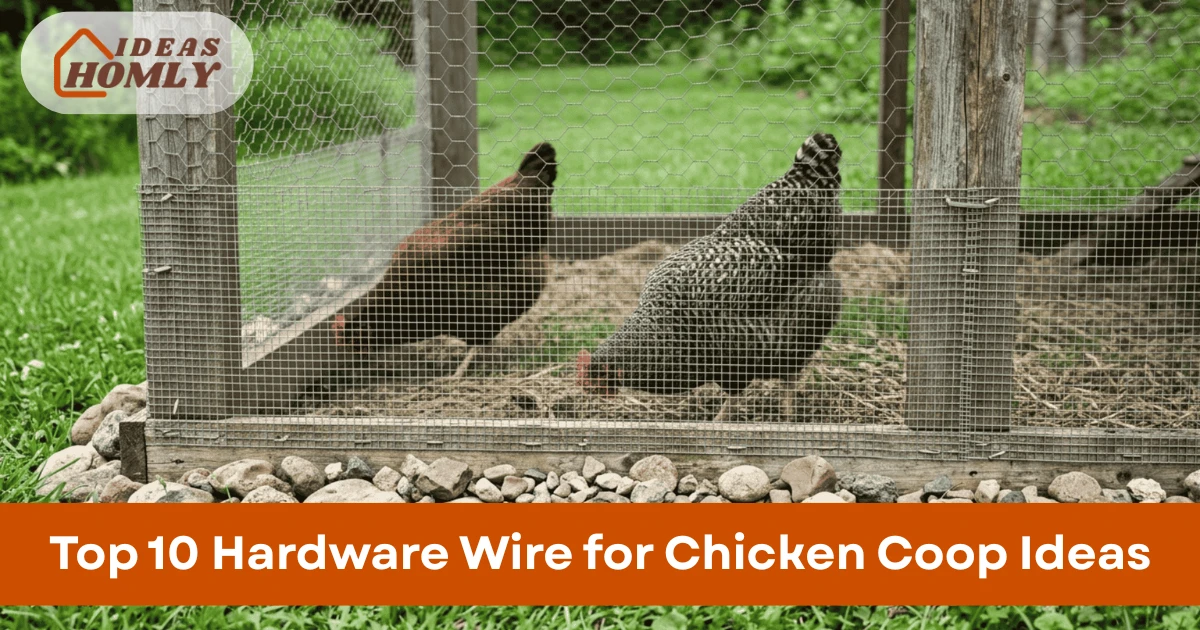

I want to help you protect your backyard poultry flock using heavy duty steel mesh rolls that block hungry predators completely. You do not need to tolerate tragic nighttime coop raids when the right metal security fence keeps your birds safe and sound.
Fortifying Your Poultry Enclosure Against Persistent Wildlife Threats
I believe that selecting the right structural steel grid is the most critical decision you will make for your birds. You should avoid flimsy traditional hexagonal chicken wire because large dogs and foxes can rip those thin loops apart easily.
Thicker wire gauges and tighter square openings provide the physical strength needed to resist sharp teeth, strong claws, and clever paws. I suggest planning a comprehensive perimeter defense shield that covers your main run walls, ventilation windows, and underground boundaries.
You can prevent small tunneling pests from burrowing under your wooden frame by extending a flat horizontal apron across your grass. My favorite backyard coop builds always feature these rugged wire barriers to create a true fortress against airborne and underground attacks.
I find that investing in hot dip galvanized steel rolls saves you from replacing rusted panels after a single wet winter season. Focus on choosing high performance materials that elevate your homestead layout while providing absolute peace of mind for your family.
1. Hot Dip Galvanized After Welding Steel Sheets
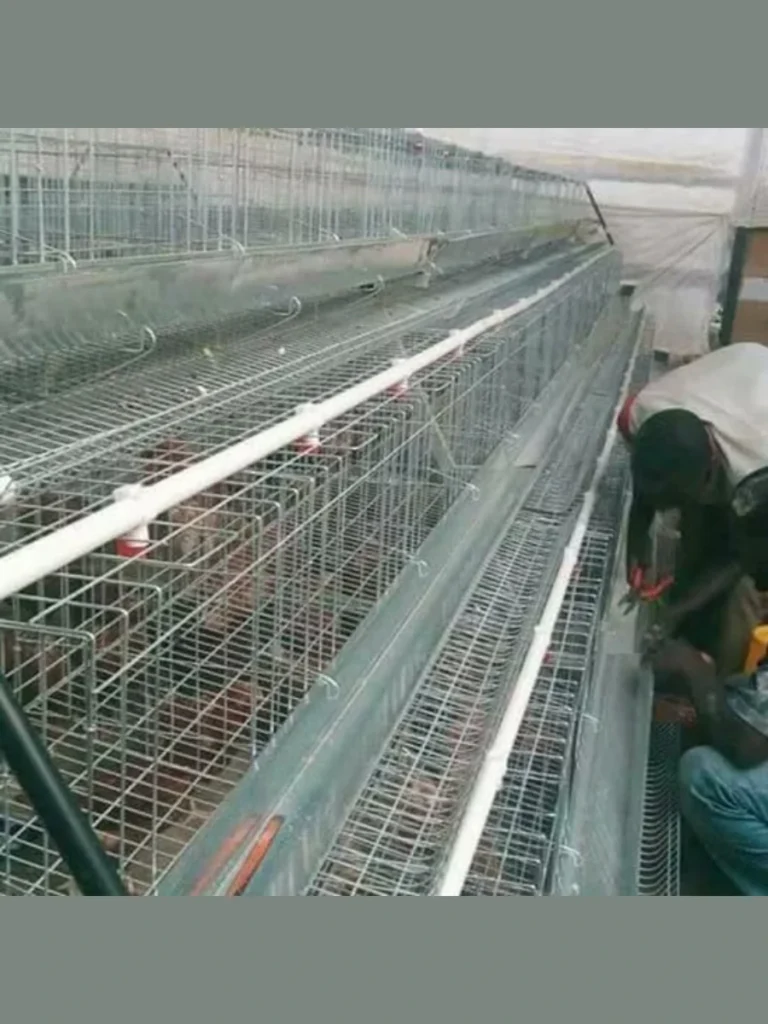
I think hot dip galvanized after welding steel wire is the finest choice for building long lasting poultry runs. The manufacturing process coats the entire metal sheet in a thick layer of liquid zinc after the individual joints are fused.

This technique seals every tiny weld seam completely to block moisture from starting rust pockets when rain hits your outer walls. I find that this heavy duty wire handles years of intense outdoor weathering without losing its structural strength or shape.
Mount these rigid panels straight to your main vertical timber studs using structural washers and exterior star drive wood screws. I love how the tough zinc coating resists the persistent chewing and clawing attempts of large neighborhood stray dogs.
I suggest this premium wire type if you live in a rainy climate where standard un-coated fencing rusts out quickly. It is a highly reliable security asset that keeps your main backyard flock enclosure fully protected over the long haul.
2. Half Inch Square Openings for Multi Threat Defense
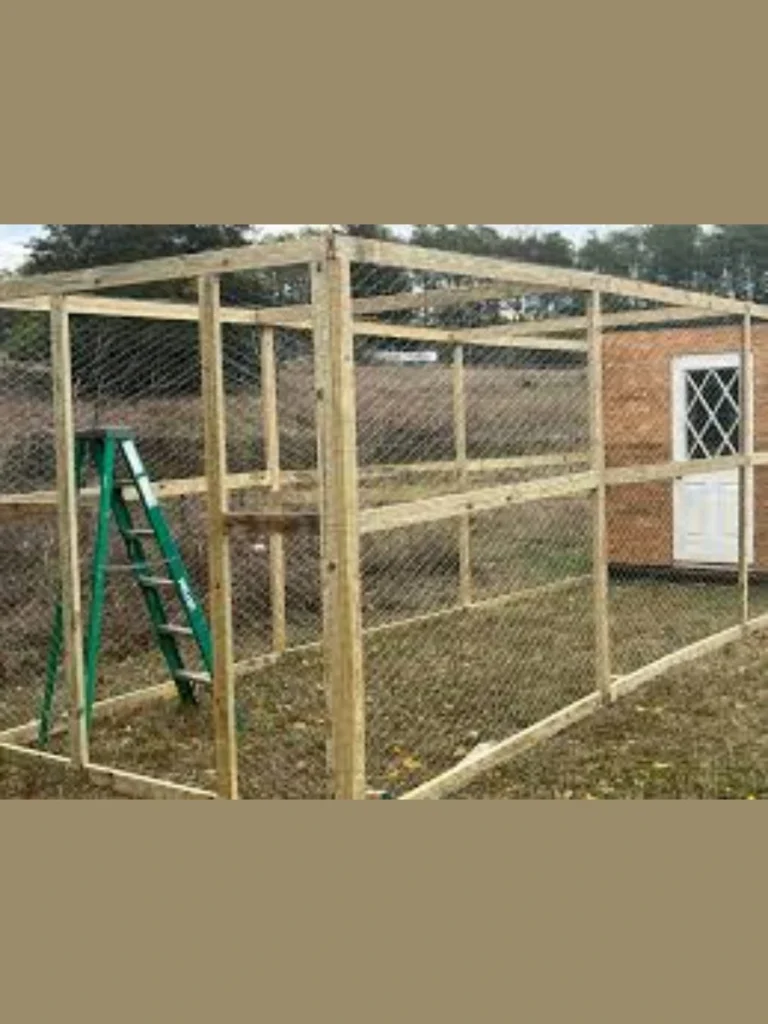
I recommend using a half inch square mesh grid to form the primary defense shield around your main chicken run. This specific dimension is the absolute sweet spot for poultry safety because it balances high visibility with excellent physical protection.
The openings are far too small for a raccoon to stick its clever paws through to grab your resting birds. I find that this tight spacing also prevents larger wild birds from flying inside to steal your expensive chicken feed.
Staple the half inch fabric securely across your open wooden frame lines using heavy duty galvanized industrial crown staples. I love how the clean square pattern creates a neat professional appearance that looks fantastic in any backyard property layout.
I suggest this universal grid size for the upper sections of your run where you need constant fresh air circulation. It is a highly practical and protective design idea that handles the majority of common land and aerial predators.
3. Quarter Inch Dense Mesh for Brooder Boxes
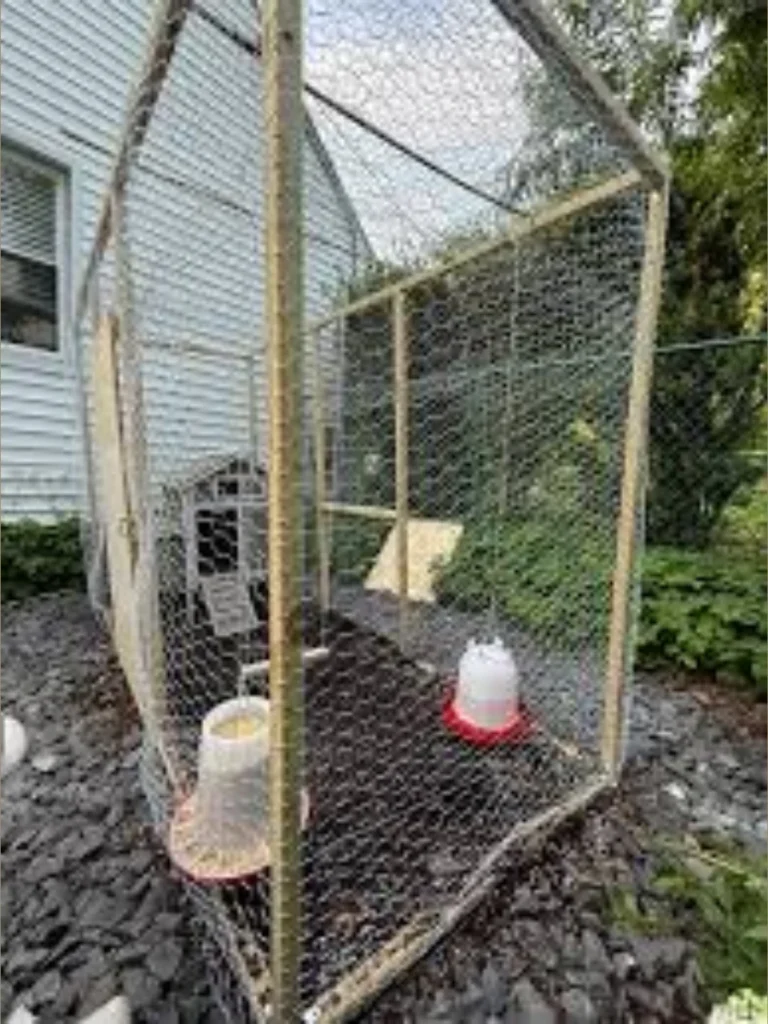
I believe installing a super dense quarter inch wire mesh is the best way to safeguard your newborn baby chicks. This ultra fine grid size creates an absolute barrier that prevents even the smallest mice and slinky weasels from squeezing inside.

Use this tight fabric to line the ventilation gaps and floor panels of your specialized baby chick brooder boxes. I find that the miniature openings keep tiny hatchling feet from getting caught or injured in the wire spaces.
Fasten the fine mesh panels over your wooden seams using wide metal washers to prevent the wire from pulling loose. I love how this dense screen completely blocks snakes from slipping into your nesting boxes to steal fresh eggs.
I suggest this fine gauge wire for the lowest two feet of your coop where small rodents try to chew inside. It is a smart defensive strategy that keeps your most vulnerable young birds safe from sneaky nighttime pests.
4. Black PVC Coated Steel Wire Rolls
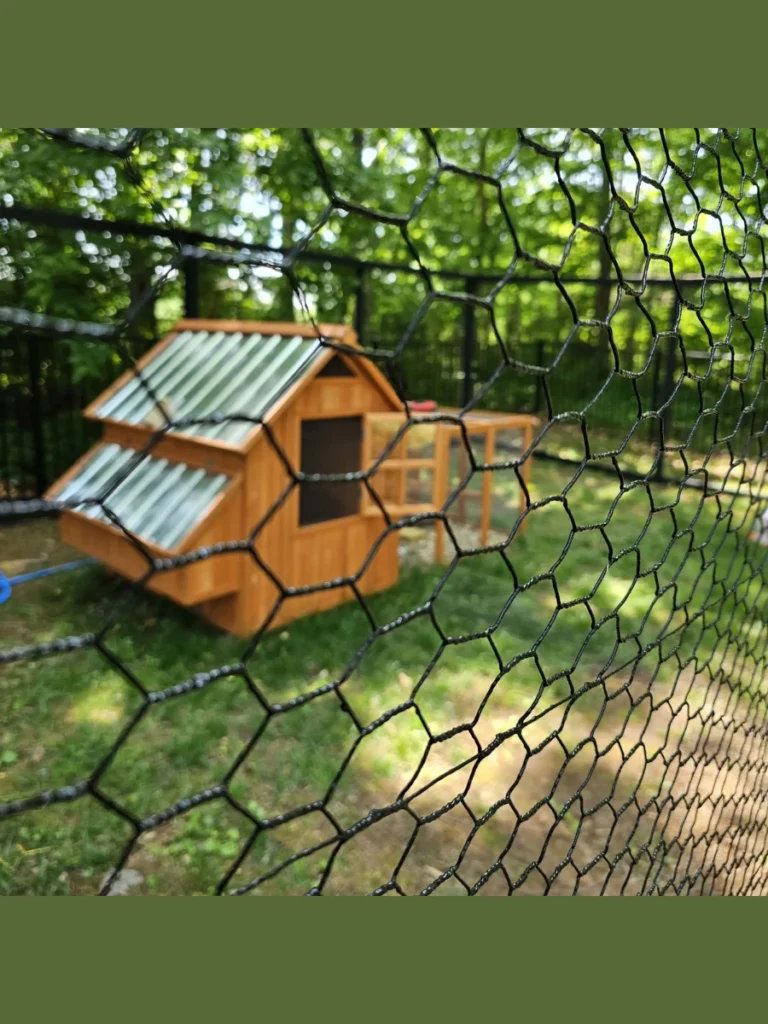
I love using black PVC coated steel wire rolls because they blend into your garden landscape beautifully while providing double protection. The thick vinyl outer layer shields the inner galvanized steel from acidic chicken manure and harsh morning dew drops.

The dark black color eliminates the bright metallic glare of raw silver wire, making it incredibly easy to see your birds. I find that this smooth plastic coating prevents your chickens from scratching their sensitive combs against sharp cut wire tips.
Wrap this flexible coated fabric tightly around your large outdoor runs to create a sleek modern looking sanctuary area. I prefer this luxury option because it combines long term chemical rust resistance with a very clean backyard design aesthetic.
I suggest this vinyl coated option if your poultry run sits in full view of your main outdoor patio dining space. It is an excellent property upgrade that keeps your flock secure while maintaining the beautiful look of your landscaping.
5. Heavy Nineteen Gauge Wire Thickness
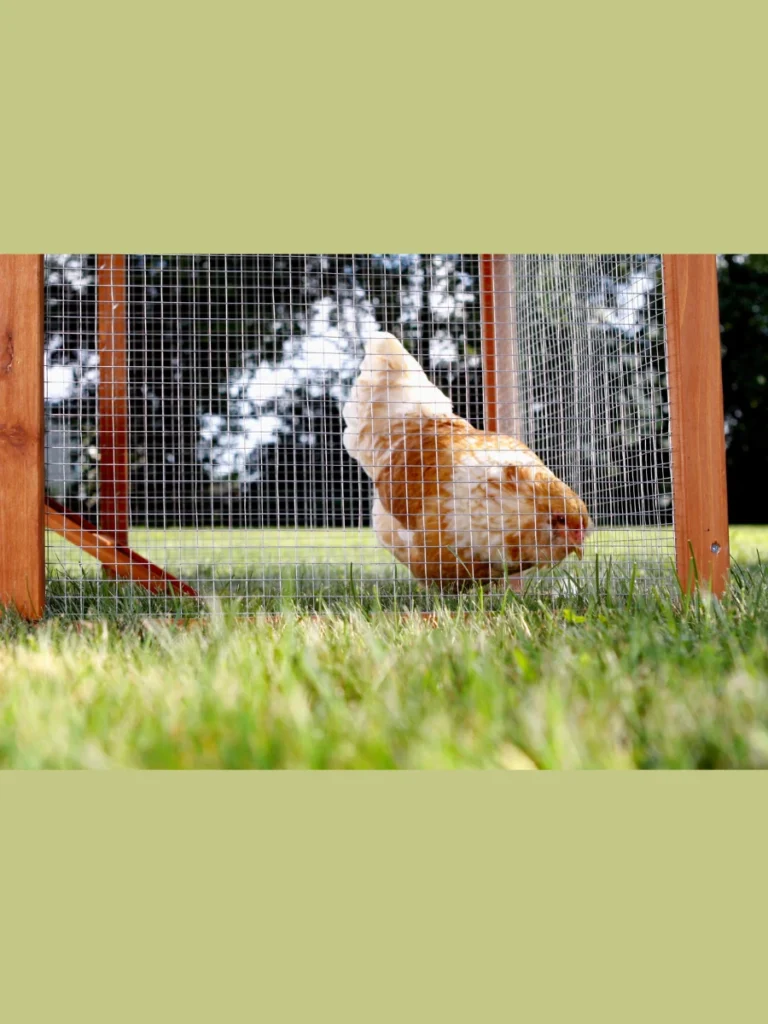
I recommend choosing a thick nineteen gauge wire to ensure your coop walls can withstand heavy physical impacts without bowing. In the fencing industry a lower gauge number means the individual steel strands are significantly thicker and much stronger.

This heavy metal thickness prevents large predators like coyotes from bending the wire fabric out of shape with their weight. I find that nineteen gauge steel stays perfectly flat and rigid when you unroll it on your workbench.
Drive your fasteners into the wood every six inches to lock this strong wire fabric permanently onto your frame. I love how the thick steel wires resist cutting attempts from basic wire snips that casual intruders might use.
I suggest using this heavy nineteen gauge standard for all your main boundary walls that face open woodland areas. It is an industrial strength material choice that delivers top tier physical defense for your valuable backyard poultry investment.
6. Sixteen Gauge Extra Heavy Duty Ground Barriers
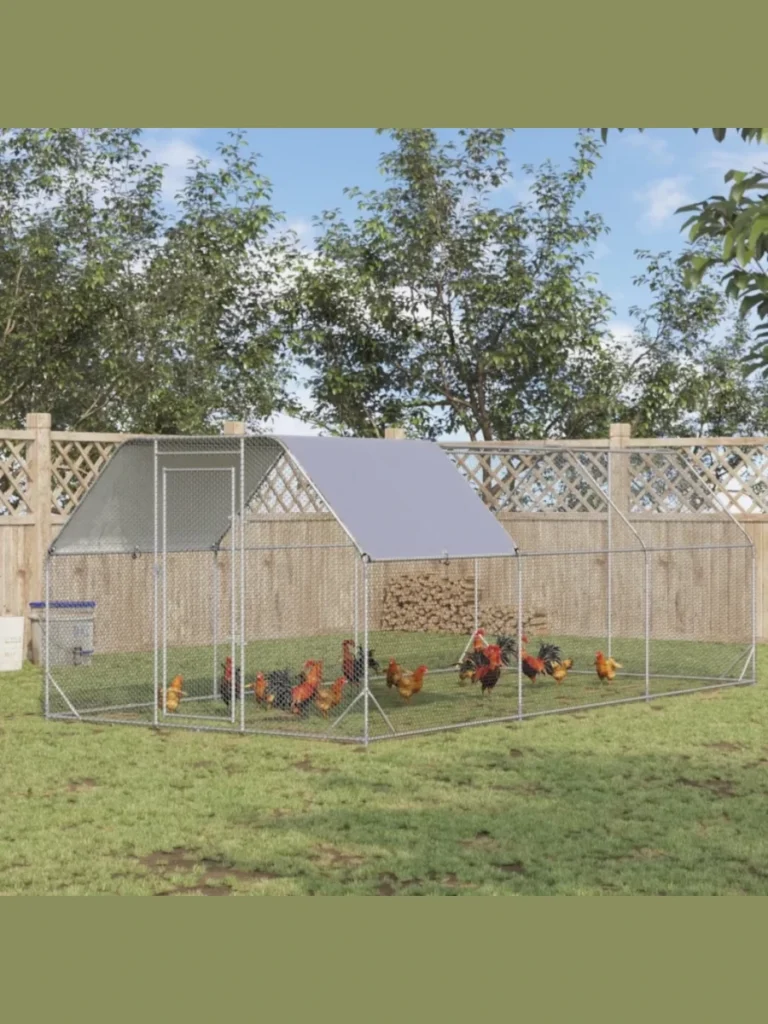
I use sixteen gauge extra heavy duty steel mesh specifically for areas that require ultimate structural resistance against large digging animals. This ultra thick wire is nearly impossible for a wild animal to bend or distort using muscle power alone.

It provides a massive physical barrier that stands up to the crushing bite forces of large aggressive dog breeds. I find that the rigid nature of sixteen gauge wire makes it ideal for building self supporting fence panels.
Secure this thick wire along the bottom perimeter of your run using heavy duty timber screws and metal clamping plates. I love how this rugged steel shield handles the constant scraping of heavy shovels during your seasonal coop cleaning chores.
I suggest this maximum strength option if you live in an area with high populations of large apex predators. It is a serious security upgrade that guarantees your flock stays completely safe behind an unbreakable metal wall.
7. Continuous Horizontal Underground Predator Apron Skirts
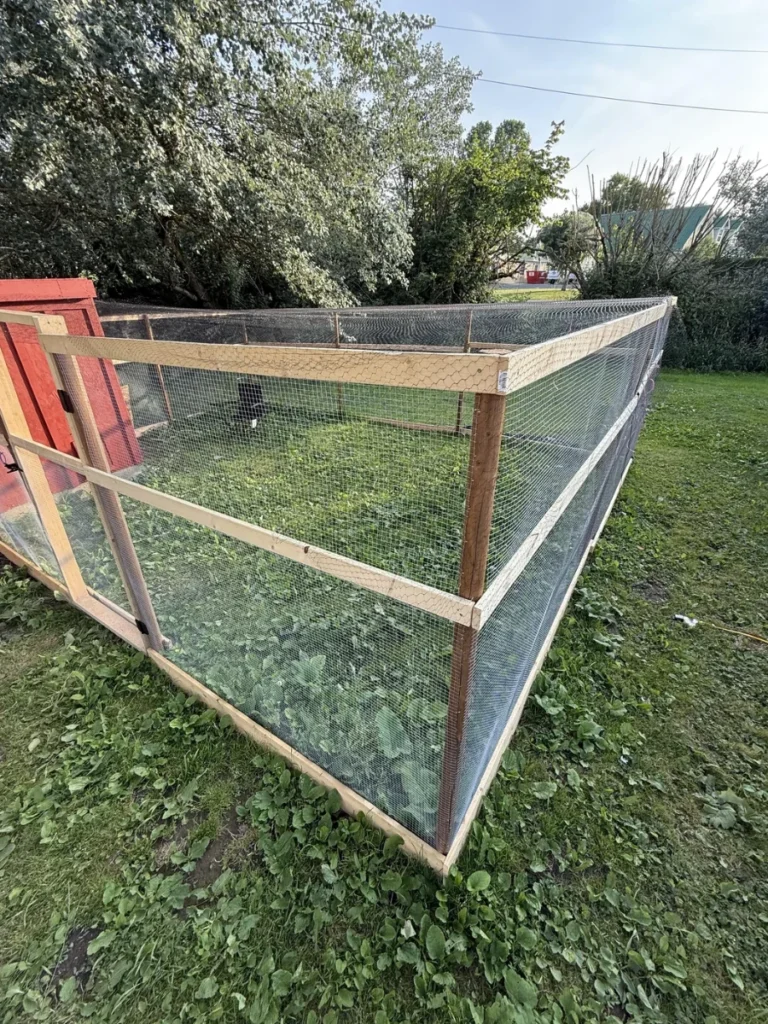
I build a twenty four inch wide flat horizontal wire apron skirt extending outward from the base of my coop frame. This clever layout stops digging predators like foxes and skunks the moment they try to tunnel under your walls.
An animal will walk right up to the wooden boundary and begin digging down, only to hit the metal mesh. I find that predators do not understand that they need to back up two feet to start a tunnel.
Pin the flat wire fabric flat against the dirt using heavy duty metal landscape staples before covering it with grass. I love how this simple landscaping trick completely eliminates the need to dig deep tiring trenches into rocky backyard soil.
I suggest this horizontal apron setup for any mobile chicken tractor or fixed coop built on uneven grassy ground. It is a highly effective and time saving installation method that provides instant underground defense for your birds.
8. Deep Vertical Buried Trench Fencing
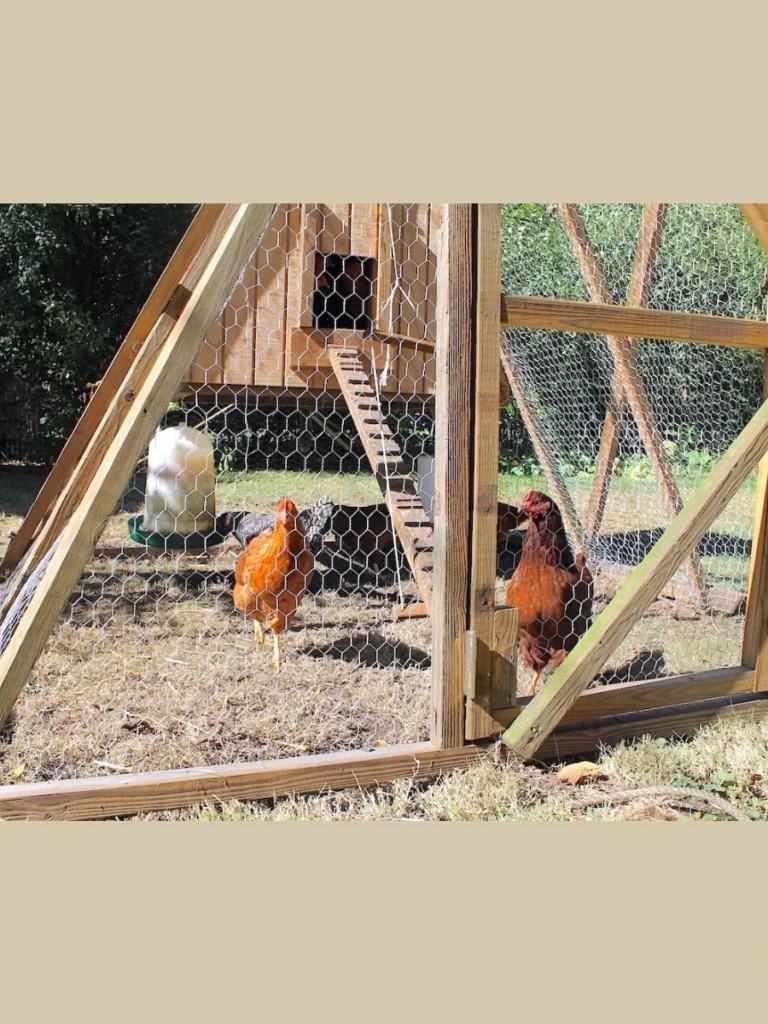
I recommend burying your heavy duty hardware wire twelve inches straight down into the dirt if you have loose soil. This vertical installation method forms a continuous subterranean wall that blocks burrowing rats from tunneling up inside your run.
Curve the bottom three inches of the buried wire outward at a right angle to create a protective metal hook. I find that this hidden hook design confuses digging pests, causing them to abandon their tunneling efforts completely out of frustration.
Backfill the deep trench with a mixture of packed gravel and dirt to add extra physical weight above the wire. I love how this permanent underground barrier keeps your chicken feed station entirely free from destructive rodent populations.

I suggest this traditional deep trenching method for permanent wooden coops built on flat sandy layouts where rats burrow easily. It is a highly thorough construction technique that ensures your birds remain completely safe from hidden underground intruders.
9. Wood Sandwich Wire Clamping Methods
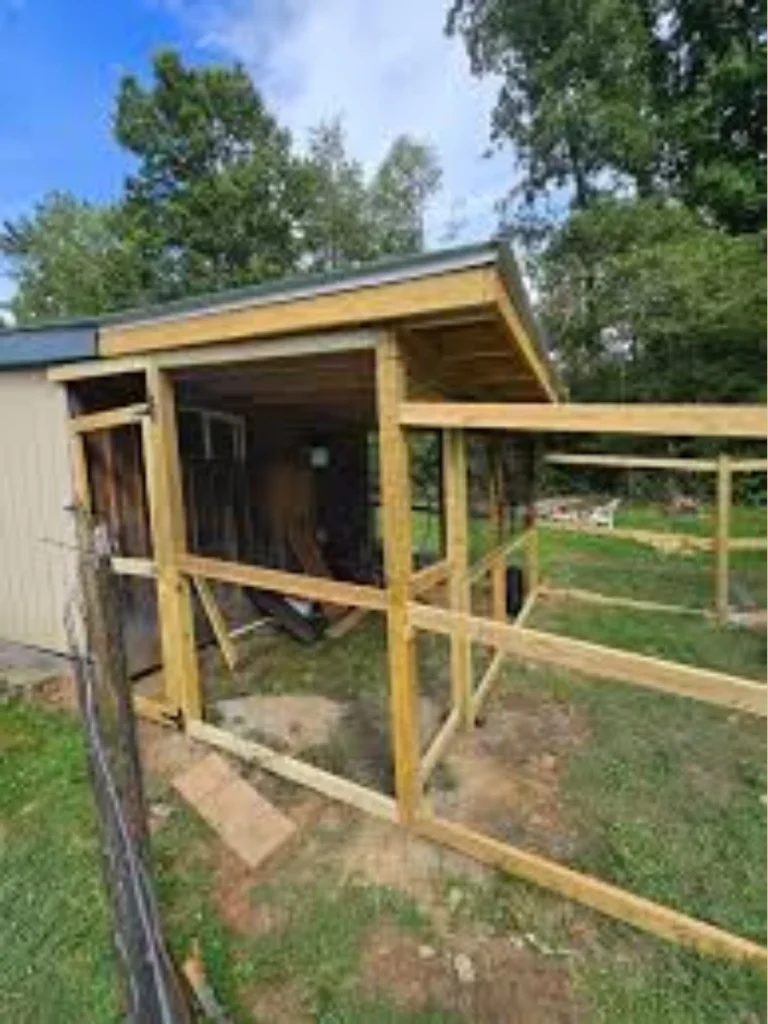
I use the wood sandwich framing method to hide the sharp cut edges of my heavy duty wire sheets. This layout involves stapling the wire onto your main frame stud and then screwing a second piece of trim directly over it.
You clamp the sharp metal tips securely between two thick layers of exterior lumber to create a perfectly clean edge. I find that this technique prevents your chickens from scratching their sensitive feet when they walk near the walls.
Drive long star drive screws through both wooden layers to create an incredibly rigid joint that resists warping in the sun. I love how this professional carpentry detail makes your backyard poultry setup look like a beautiful custom built structure.
I suggest using this clean sandwich method around your main entry doors and low windows where family members walk daily. It is a smart styling choice that prioritizes family safety while adding excellent structural wind resistance to your coop.
10. Overhead Roof Welded Wire Covers
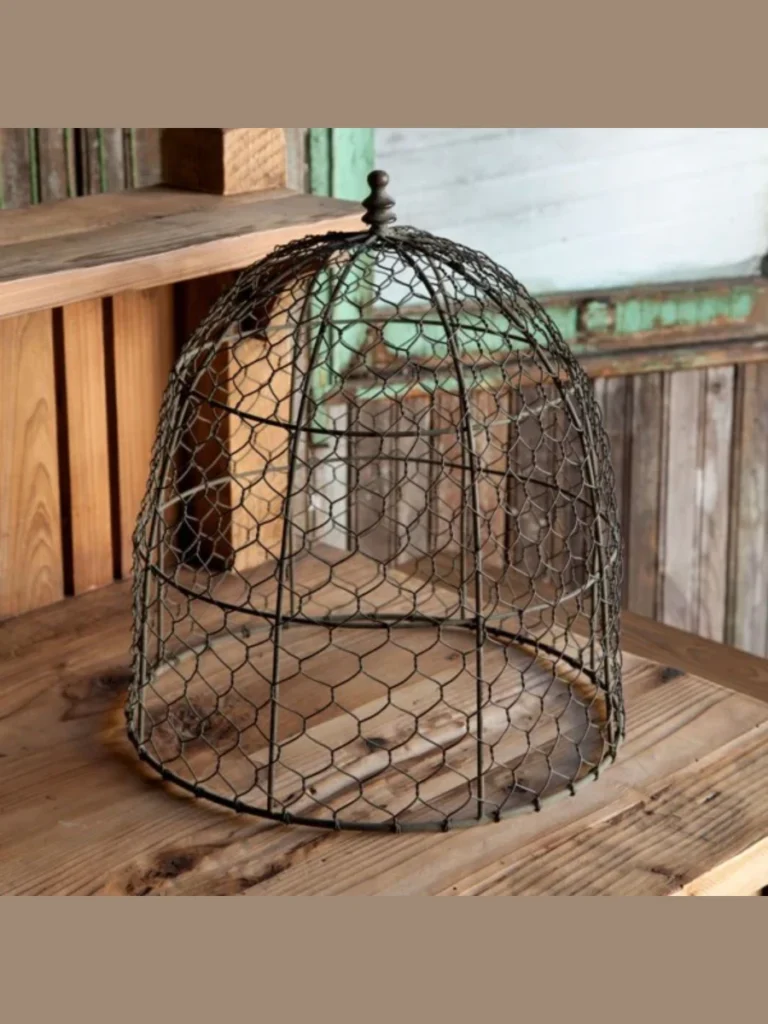
I think installing a full overhead roof cover made of heavy duty welded wire is critical for open top runs. This aerial shield protects your flock from swooping hawks, climbing raccoons, and wild birds that carry dangerous avian diseases.
Fasten the wire sheets securely across your top ceiling rafters using galvanized metal pipe straps for maximum holding power. I find that a wire roof allows healthy sunlight and fresh air to pour into your run space naturally.

Overlap the edges of your wire sheets by at least three inches and lace them together tightly using steel tie wire. I love how this complete enclosure design allows you to drink your morning coffee without worrying about airborne hawk attacks.
I suggest this top coverage layout if your property contains large mature trees where predatory birds love to sit and watch. It is a comprehensive safety step that turns your open outdoor run into a fully enclosed sanctuary for your birds.
Professional Guide to Fastening and Installing Hardware Cloth
I have found that the ultimate security of your backyard poultry setup depends entirely on using the correct metal fasteners. You should always avoid using thin manual staple gun staples because large wild dogs can pull those weak wires straight out of soft wood.
Consistency in your fastening habits ensures that your heavy-duty steel mesh sheets remain completely anchored during intense storm winds. I recommend driving wide-rim zinc-coated washers and exterior star-drive timber screws every six inches along your main framing lines.
You can achieve a perfectly clean and professional finish by stretching your wire rolls tightly using a manual hand winch tool. My favorite homestead construction layouts always feature a solid three-inch overlap between adjacent wire sheets to eliminate dangerous gaps.
I suggest lacing overlapping seams together tightly using a thick sixteen-gauge galvanized steel tie wire every few inches. It is a simple step that binds separate panels into a single, continuous, and highly secure metal shield that no predator can breach.
| Coop Structural Area | Recommended Fastener Type | Spacing Frequency | Main Structural Benefit |
| Main Timber Studs | Star-drive screws with washers | Every 6 Inches apart | Resists powerful pulling from large dogs |
| Overlapping Seams | Galvanized steel tie wire | Continuous lacing stitch | Closes small gaps to block slinky weasels |
| Ventilation Frames | Heavy-duty crown staples | Every 2 Inches apart | Holds fine mesh tightly against small rodents |
| Buried Ground Aprons | U-shaped landscape pins | Every 12 Inches apart | Anchors flat wire sheets down into the soil |
Final Thoughts on Chicken Coop Hardware Wire Selection
I believe that choosing a premium hot-dip galvanized wire roll is the absolute best investment you can make for flock safety. You do not need to constantly worry about nocturnal predators when a thick nineteen-gauge metal shield stands guard over your birds.
The best backyard layout choices are always those that combine heavy-duty physical strength with long-term rust resistance in damp earth. I find that extending a horizontal underground apron saves immense physical energy while stopping tunneling foxes right at your property boundaries.
You can build a highly professional, secure, and beautiful backyard sanctuary by simply paying close attention to your metal framing steps. I hope these practical building suggestions give you the immediate confidence needed to upgrade your enclosure walls this weekend.
I am completely confident that your newly fortified half-inch steel mesh panels will keep your chickens safe for years. Your journey toward an unbreakable, highly durable, and perfectly managed backyard poultry fortress starts with unrolling your first security wire sheet today.
FAQs
I suggest restricting cheap traditional chicken wire to indoor sorting gates because it is far too thin to stop persistent predators. Raccoons can reach through the wide holes easily, and large dogs can tear the light metal loops apart within seconds.
I recommend using a pair of sharp aircraft style compound action wire snips to slice through the thick steel strands smoothly. Wearing thick leather work gloves during this process is a smart safety step that protects your hands from sharp cut metal points.
I prefer choosing specialized galvanized after welding steel wire because the complete zinc bath seals every single joint against moisture damage. This industrial-grade coating allows your buried underground predator aprons to resist soil rust and corrosion for over a decade.
You can lay a straight piece of heavy timber directly over the wire sheet along your intended fold line to create a guide. Press down firmly on the wood while pulling the wire upward to form a crisp, perfectly square ninety-degree corner fold.
I find that small baby snakes and thin garter snakes can slip through half-inch spaces if they are hunting for fresh eggs. If snakes are a major problem in your local area, use a dense quarter-inch mesh screen around your nesting boxes.
I always recommend using the classic wood sandwich method to secure your cut metal tips firmly out of reach of your birds. Fastening a smooth piece of wooden trim directly over your stapled wire edges ensures a perfectly safe interior environment.
Related Posts
- 11 Best Hardwaring Hall Runner Ideas
- Top 12 Hardwares for Home Ideas
- 13 Best Hardware Storage Ideas
- Top 14 Hardware Cloth for Chicken Coop Ideas
- 15 Best Hardware Mesh for Chicken Coop Ideas
- Top 10 Hardware Tools Ideas
Recommended for You

