


A kitchen rarely feels complete until the cabinet colors truly complement the space. I have noticed that even a small change in cabinet color can completely transform how a kitchen looks and feels.
From calm natural tones to bold modern shades, the right choice can add warmth, depth, and personality to the room.
While exploring design trends and expert recommendations, I found that many homeowners search for practical yet stylish kitchen cabinet color ideas that balance beauty with functionality.
In this guide, I’ll walk through some inspiring options that designers often use to create kitchens that feel both modern and timeless.
Inspiring Kitchen Cabinet Color Ideas That Elevate Your Space
Cabinet color often sets the entire mood of a kitchen. When I plan a kitchen layout, I always start by thinking about the color palette because it influences lighting, materials, and even the atmosphere of the room.
Over the years, designers have moved beyond traditional wood cabinets and embraced more creative shades. These ideas highlight colors that not only look beautiful but also work well with modern kitchen designs.
1. Classic White Kitchen Cabinets
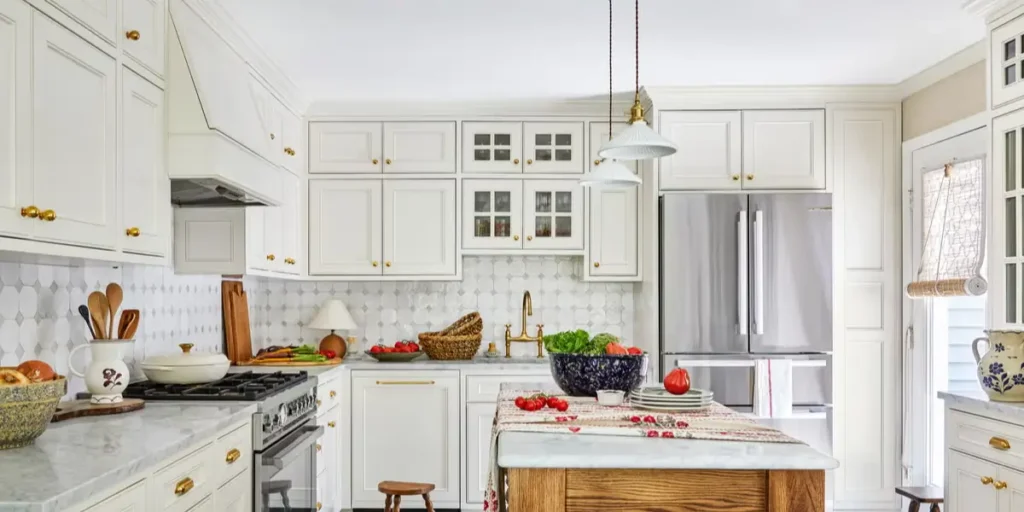
Classic white cabinets remain one of the most trusted choices in kitchen design. I often recommend white cabinets when homeowners want a kitchen that feels bright, open, and timeless.
White naturally reflects light, which makes even compact kitchens appear more spacious and welcoming. This simple color creates a clean background that allows other elements in the kitchen to stand out.
Another advantage of white cabinets is their flexibility. They pair effortlessly with marble countertops, quartz surfaces, or even warm wooden accents. Designers frequently combine them with black handles or brushed brass hardware to add contrast and personality.
White cabinets also adapt well to changing design trends. If someone wants to refresh the kitchen later, they can easily update lighting, backsplash tiles, or décor without replacing the cabinets themselves.
2. Navy Blue Kitchen Cabinets
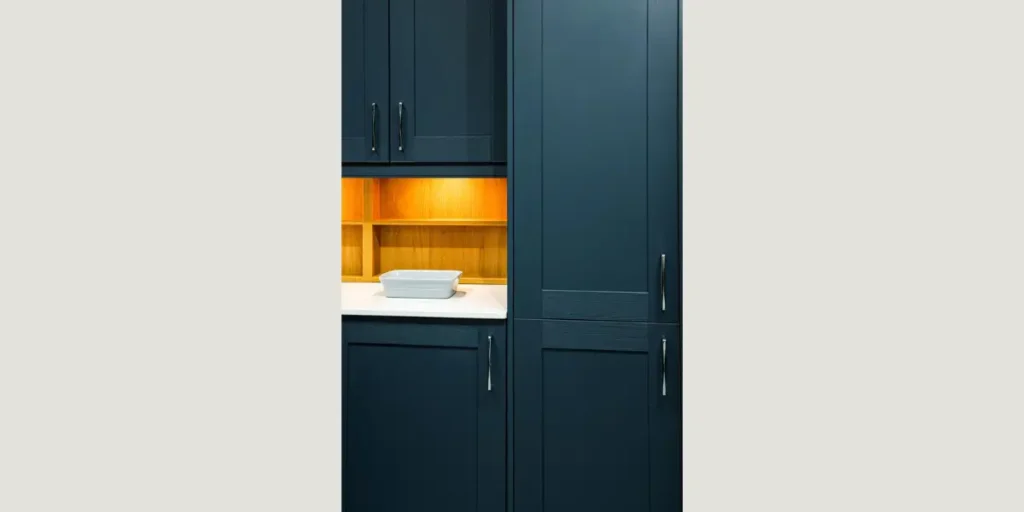
Navy blue cabinets introduce depth and sophistication into a kitchen. I often notice that this color creates a strong visual statement without feeling overwhelming. The deep tone gives cabinets a refined look, especially when the kitchen receives enough natural light to balance the darker shade.
Many designers love pairing navy cabinets with white marble countertops and warm metallic hardware. Brass or gold handles instantly elevate the appearance and create a luxurious contrast against the dark blue surface.
Navy cabinets also work well in both modern and transitional kitchens. They anchor the design and make the space feel structured and elegant while still allowing lighter elements like backsplashes and walls to brighten the room.
3. Sage Green Kitchen Cabinets
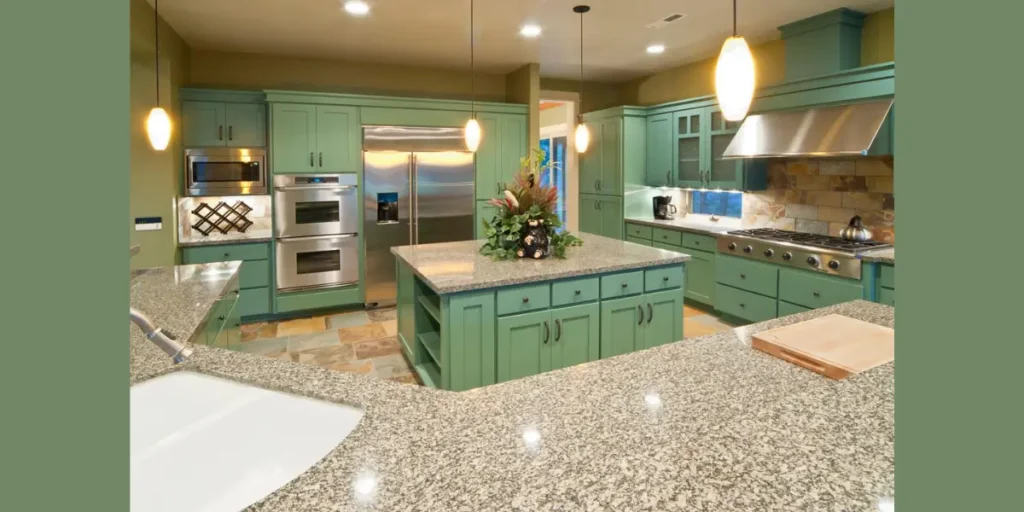
Sage green cabinets have quickly become a favorite among modern designers. I like how this muted green tone brings a calm and natural feeling into the kitchen. Instead of overpowering the room, it softly blends with other materials and creates a relaxed environment.
Homeowners often combine sage cabinets with wooden countertops or light oak flooring. These natural textures enhance the earthy character of the color and make the kitchen feel warm and inviting.
Sage green also works beautifully with brass hardware and neutral backsplashes. The overall design feels balanced and refreshing, which is why this shade frequently appears in modern farmhouse and contemporary kitchens.
4. Matte Black Kitchen Cabinets
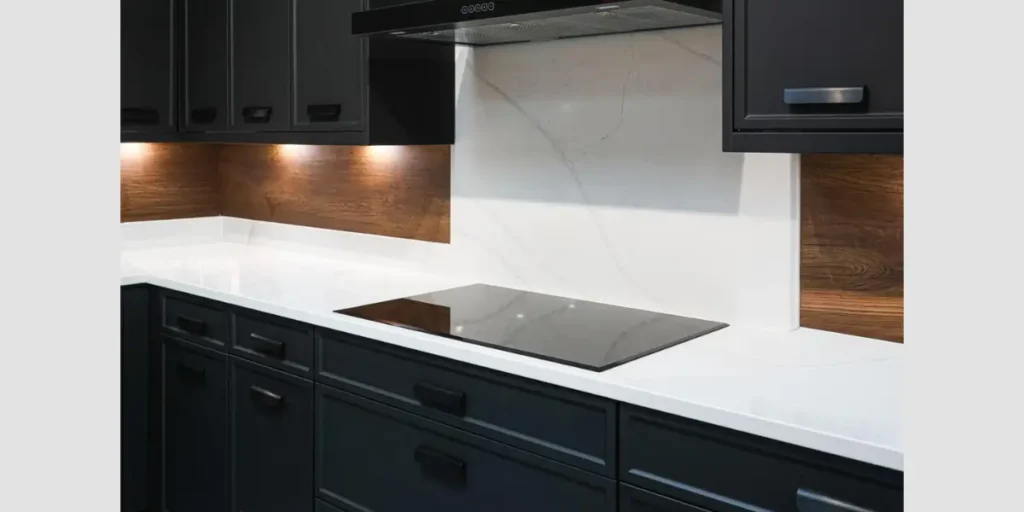
Matte black cabinets create one of the boldest kitchen looks. I usually suggest this color to homeowners who want a dramatic and modern design. The matte finish absorbs light slightly, which gives the cabinets a sleek and sophisticated appearance.
To prevent the kitchen from feeling too dark, designers often combine black cabinets with light countertops and bright backsplashes. White marble surfaces or quartz countertops help maintain balance and visual contrast.
Black cabinets also highlight metallic hardware beautifully. Gold, brass, or stainless steel handles stand out against the dark surface, adding a refined touch that makes the entire kitchen feel more luxurious.
5. Warm Beige Kitchen Cabinets
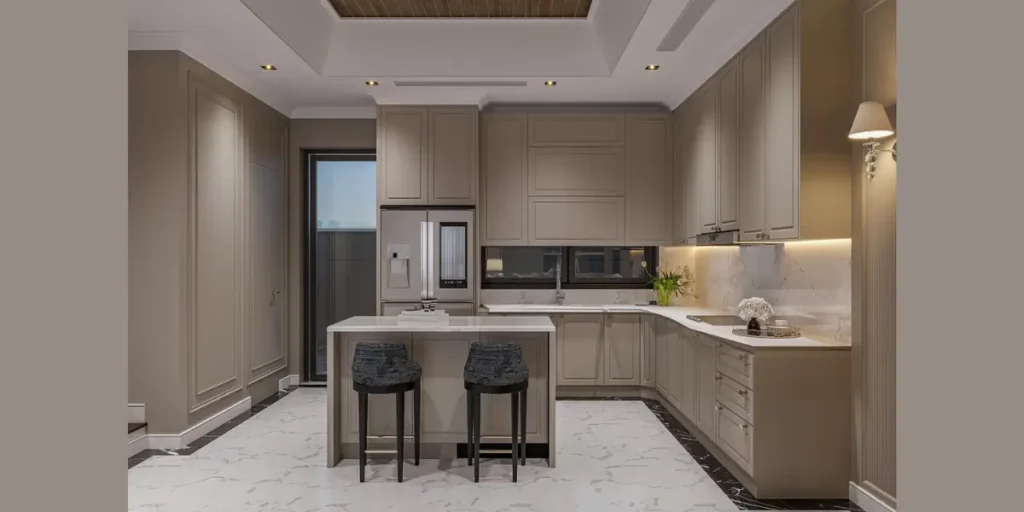
Warm beige cabinets offer a softer alternative to bright white kitchens. I often recommend this color when homeowners want a neutral palette that still feels cozy and welcoming. Beige adds warmth without dominating the design, which makes the kitchen feel comfortable and balanced.
Designers frequently pair beige cabinets with natural stone countertops and warm lighting. These combinations enhance the inviting atmosphere and create a space where people naturally gather and spend time.
Another reason beige cabinets remain popular is their timeless appeal. The color blends well with both traditional and modern design elements, which allows homeowners to update décor later without clashing with the cabinetry.
6. Forest Green Kitchen Cabinets
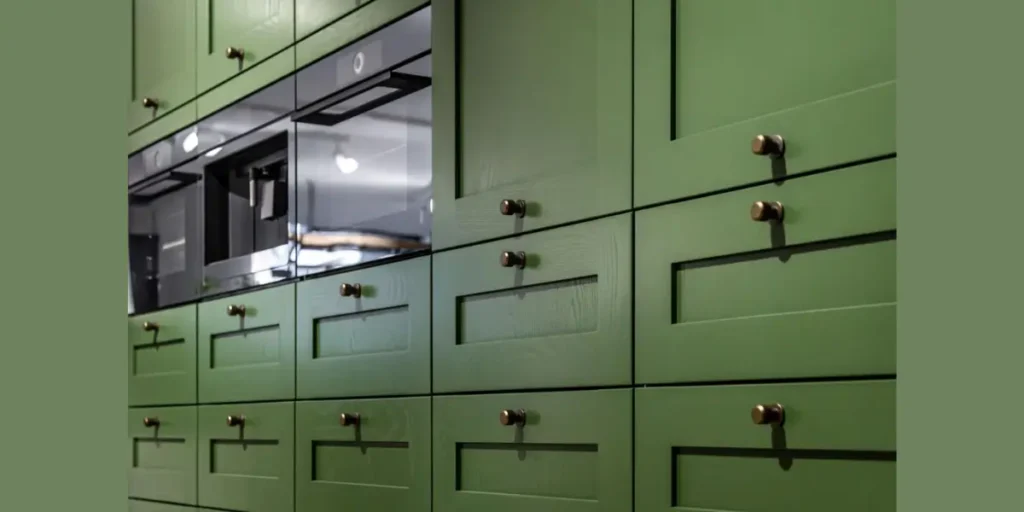
Forest green cabinets bring richness and depth into the kitchen. I appreciate how this deep shade instantly adds character while still maintaining a natural feel. It creates a striking visual anchor, especially when the kitchen features lighter walls or countertops.
Designers often combine forest green cabinets with marble countertops and brass hardware. This pairing creates a luxurious contrast that highlights the richness of the color while keeping the overall design elegant.
Forest green also connects beautifully with natural materials. Wooden shelves, stone backsplashes, and warm lighting enhance the organic feel and make the kitchen appear both stylish and grounded.
7. Light Gray Kitchen Cabinets
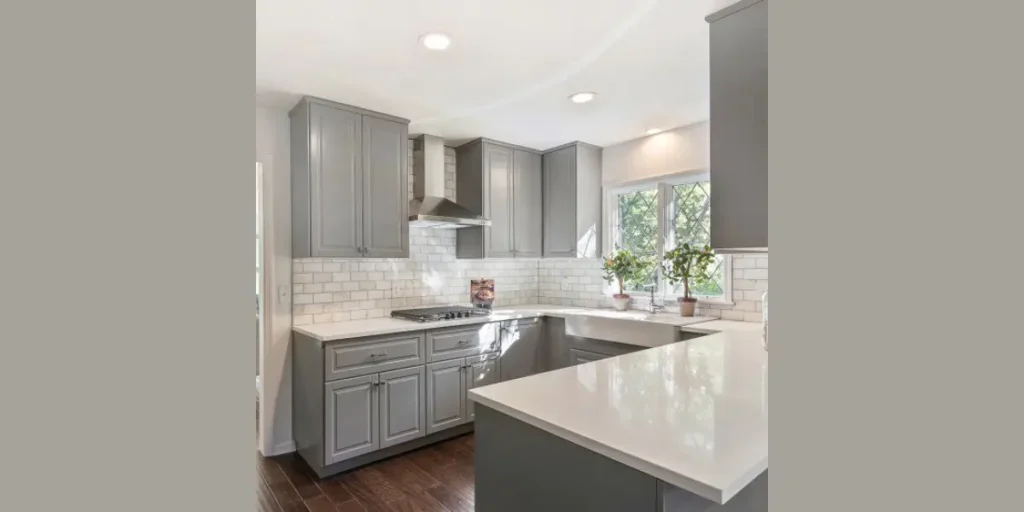
Light gray cabinets offer a balanced and modern look. I often see homeowners choose gray when they want something more distinctive than white but still neutral enough to work with many design styles. The subtle tone keeps the kitchen feeling calm and polished.
Gray cabinets pair exceptionally well with stainless steel appliances and marble countertops. This combination creates a contemporary aesthetic that feels clean and sophisticated.
Another advantage of gray cabinets is their practicality. They tend to hide fingerprints and small marks better than white cabinets, which makes them a practical option for busy kitchens where durability matters.
8. Charcoal Gray Kitchen Cabinets
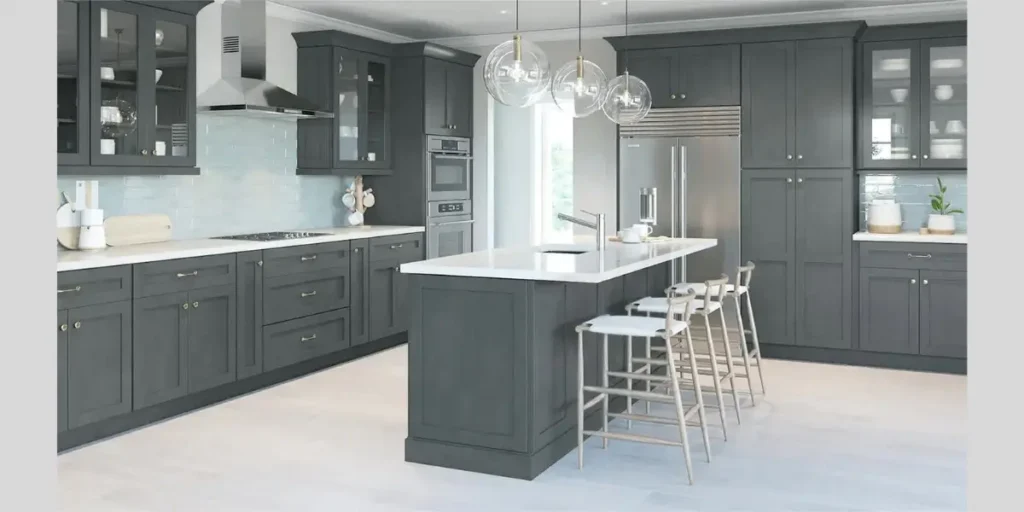
Charcoal gray cabinets provide a deeper and more dramatic alternative to light gray tones. When I design kitchens with charcoal cabinetry, I often notice how the darker shade adds instant elegance and structure to the space.
Designers usually balance charcoal cabinets with lighter countertops or backsplashes. White quartz, marble, or even light concrete surfaces create contrast that prevents the room from feeling heavy.
Charcoal gray also works beautifully in contemporary kitchens with minimalist décor. The color highlights clean lines and modern appliances, helping the entire space feel refined and cohesive.
9. Soft Pastel Blue Kitchen Cabinets
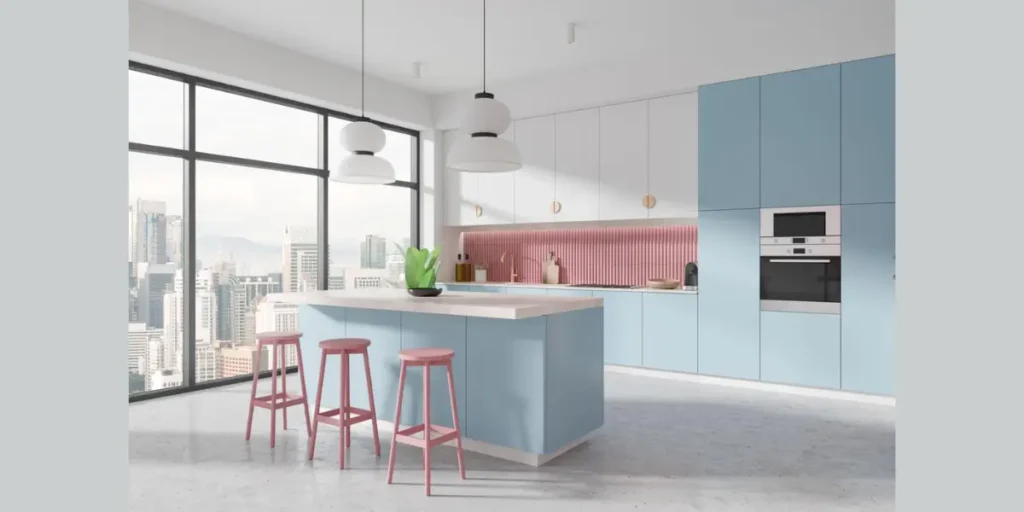
Soft pastel blue cabinets introduce a refreshing and cheerful mood into the kitchen. I find that this gentle shade works especially well in kitchens that aim to feel light and airy. The color subtly brightens the room while still maintaining a calm atmosphere.
Designers often pair pastel blue cabinets with white walls and light wood finishes. This combination creates a balanced palette that feels both modern and relaxed.
Pastel blue also works beautifully in coastal or Scandinavian-inspired kitchens. The shade reflects natural light softly and gives the kitchen a welcoming character that feels comfortable for everyday living.
10. Natural Wood Tone Kitchen Cabinets
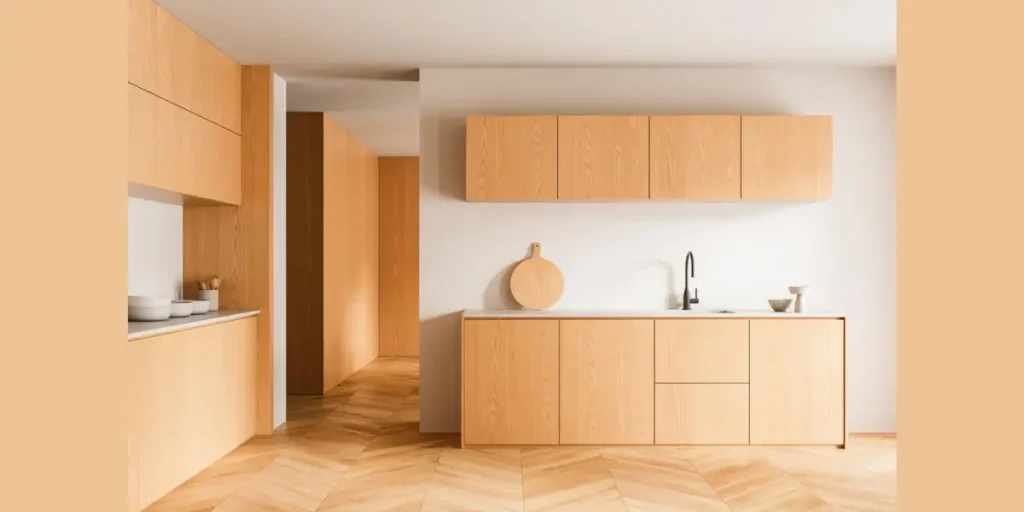
Natural wood cabinets remain one of the most authentic design choices. I appreciate how real wood grain adds warmth and texture that painted cabinets cannot replicate. The organic appearance instantly makes a kitchen feel more grounded and inviting.
Designers often use oak, walnut, or maple cabinets to highlight the beauty of natural materials. When paired with stone countertops and modern lighting, wood cabinets create a balanced blend of tradition and contemporary style.
Wood cabinetry also ages beautifully over time. Instead of looking outdated, the natural texture often develops more character, which makes the kitchen feel richer and more personal as the years pass.
11. Cream Kitchen Cabinets
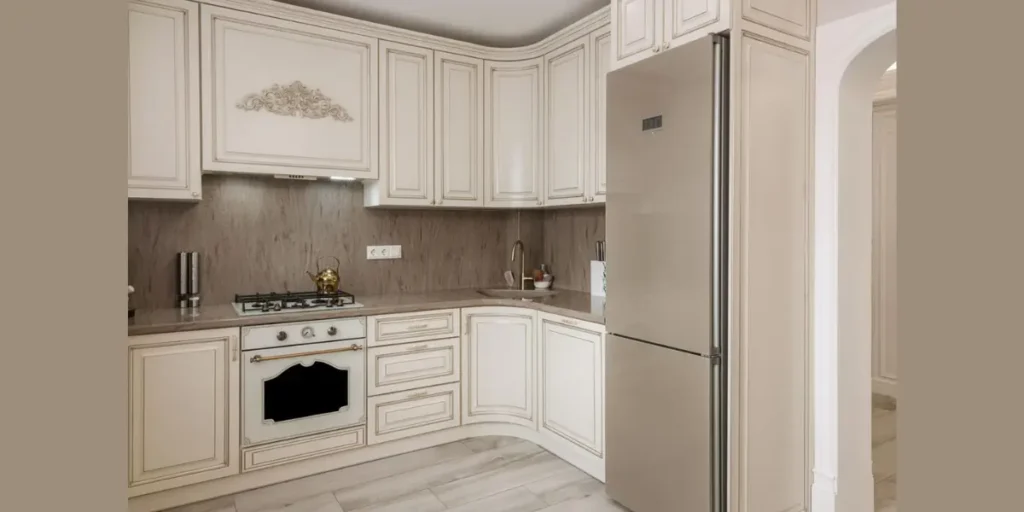
Cream cabinets create a softer and warmer alternative to bright white kitchens. I often recommend this color when homeowners want a light kitchen but prefer something that feels more inviting and less stark. The gentle warmth of cream tones naturally softens the overall space and helps the kitchen feel comfortable and elegant.
Designers frequently combine cream cabinets with natural stone countertops and warm lighting. These elements enhance the cozy character of the kitchen while still maintaining a clean and refined appearance.
Cream cabinets also work beautifully with traditional details such as crown molding, farmhouse sinks, and classic hardware. Because the color feels timeless, it allows the kitchen to stay stylish even as other design trends evolve.
12. Two-Tone Kitchen Cabinets
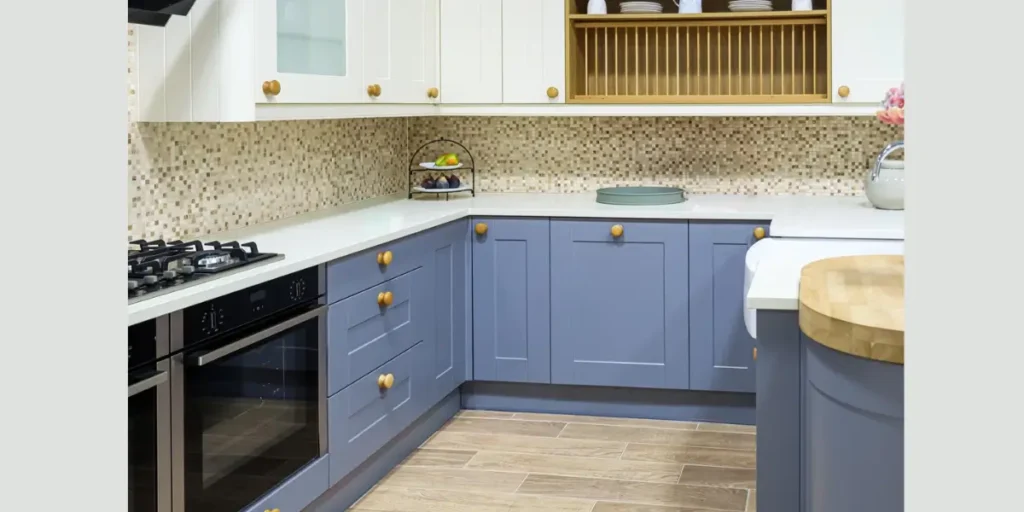
Two-tone cabinets have become one of the most creative ways to design a modern kitchen. I often see homeowners use this style when they want visual contrast without committing to one bold color throughout the entire kitchen. By mixing two complementary shades, the cabinetry immediately feels more dynamic.
A common approach pairs lighter upper cabinets with darker lower cabinets. For example, white upper cabinets combined with navy or gray bases create balance while keeping the kitchen bright.
Two-tone cabinets also help highlight specific areas like kitchen islands. Designers often paint the island in a contrasting color to make it a focal point while maintaining harmony with the rest of the cabinetry.
13. Terracotta Kitchen Cabinets
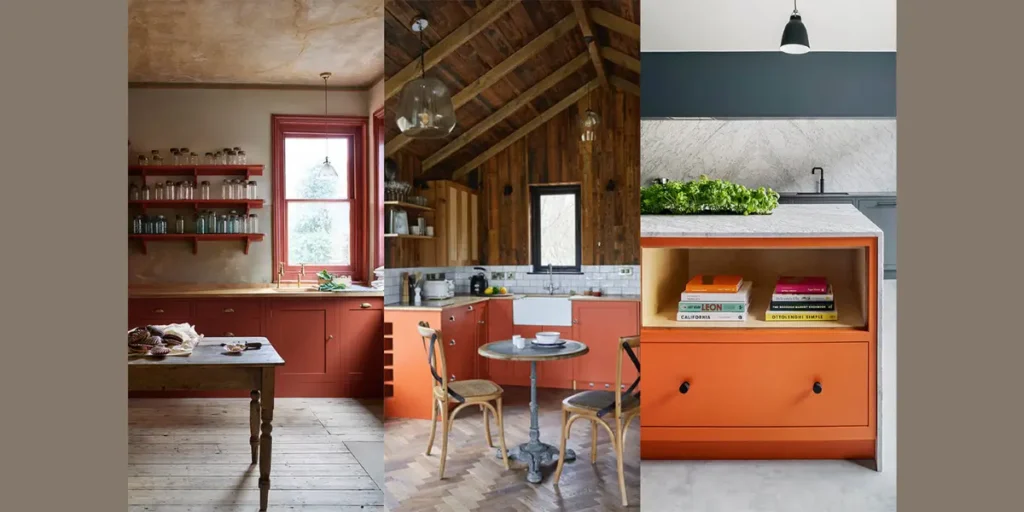
Terracotta cabinets bring warmth and earthy character into the kitchen. I appreciate how this rich clay-inspired tone instantly creates a welcoming atmosphere. Unlike cooler colors, terracotta introduces a natural warmth that makes the space feel grounded and full of personality.
Designers often pair terracotta cabinets with natural wood shelves, stone countertops, and textured backsplashes. These materials reinforce the organic feeling of the color and create a balanced, rustic-inspired kitchen.
This color works particularly well in Mediterranean or modern rustic interiors. When natural light hits terracotta surfaces, the cabinets develop a soft glow that makes the entire kitchen feel warm and inviting.
14. Olive Green Kitchen Cabinets
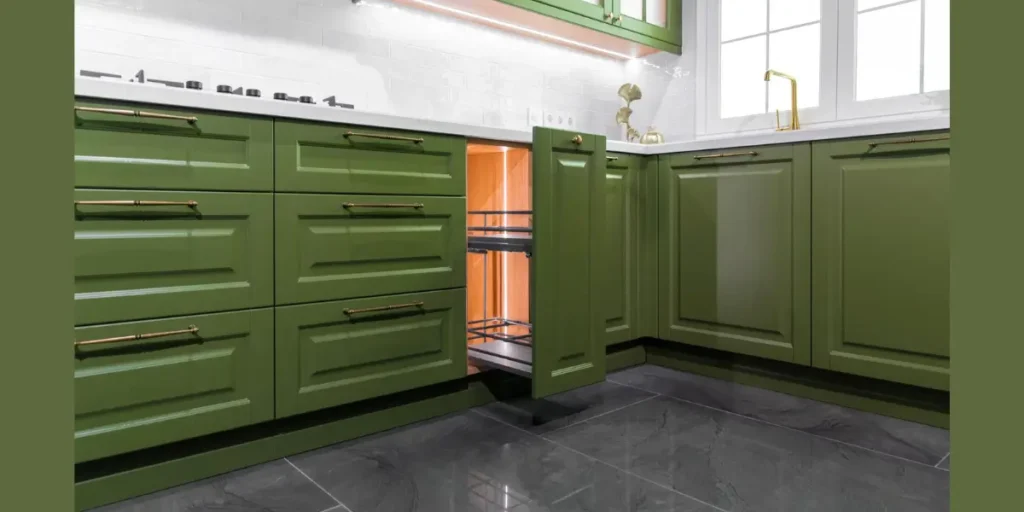
Olive green cabinets offer a beautiful balance between bold color and natural subtlety. I often notice that this shade feels sophisticated without appearing overly dramatic. The muted green tone blends effortlessly with natural materials and creates a calm, grounded kitchen environment.
Designers frequently combine olive cabinets with marble countertops and brushed brass hardware. This combination highlights the richness of the color while maintaining an elegant and polished appearance.
Olive green also pairs nicely with wood flooring and neutral backsplashes. These elements enhance the earthy palette and help the kitchen feel both stylish and relaxed at the same time.
15. Dusty Pink Kitchen Cabinets
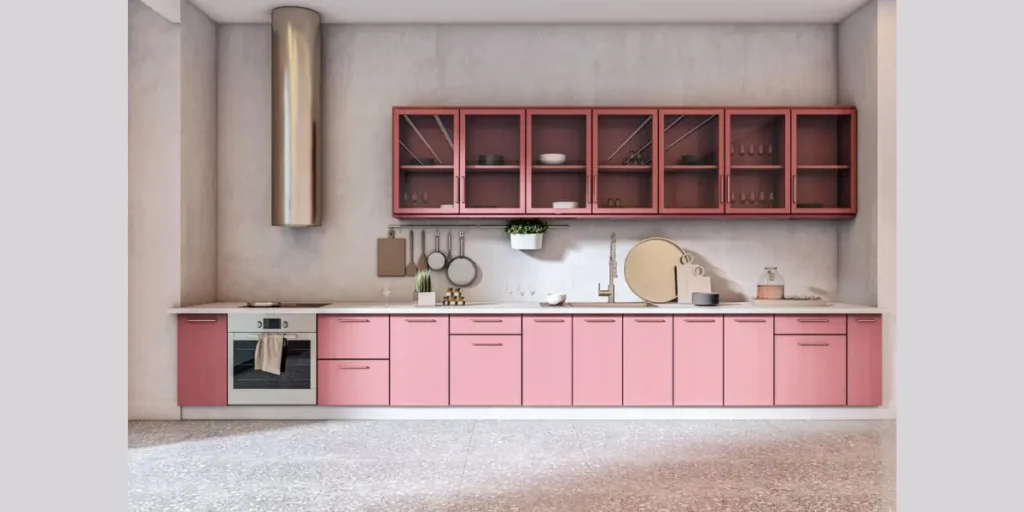
Dusty pink cabinets bring a surprisingly elegant touch to modern kitchens. I like how this muted pink tone adds personality while still remaining subtle and refined. Instead of feeling overly bold, dusty pink introduces a gentle warmth that softens the entire space.
Designers often combine dusty pink cabinets with white marble countertops and warm metallic hardware. Gold or brass accents complement the soft pink tone and create a balanced, sophisticated design.
This color works especially well in contemporary kitchens where homeowners want something unique. When paired with neutral walls and minimal décor, dusty pink cabinets become a stylish focal point without overwhelming the space.
How to Choose the Perfect Kitchen Cabinet Color
Choosing the right cabinet color can completely influence how a kitchen looks and feels. I always consider lighting, kitchen size, and existing materials before selecting a cabinet shade. A thoughtful color choice helps create harmony between cabinets, countertops, flooring, and appliances.
Many homeowners focus only on trends, but practical factors matter just as much. The right color should enhance the space, complement other elements, and remain visually pleasing for years. Keeping these simple design principles in mind helps create a kitchen that feels balanced and well planned.
Consider Kitchen Size
Smaller kitchens often benefit from lighter cabinet colors because they reflect more light and make the space feel open. Shades like white, cream, and light gray visually expand the room. In larger kitchens, darker colors such as navy or forest green can create depth and character without making the space feel crowded.
Match Countertops and Backsplash
Cabinet color should work naturally with the countertop and backsplash materials. I usually recommend choosing cabinets that either complement or gently contrast these surfaces. For example, darker cabinets pair beautifully with white marble or quartz countertops.
Think About Lighting
Lighting greatly affects how cabinet colors appear throughout the day. Kitchens with plenty of natural light can support deeper tones like charcoal or navy. In spaces with limited lighting, lighter cabinet shades help brighten the room and prevent the kitchen from feeling heavy.
Follow Interior Design Style
Every kitchen style supports different cabinet colors. Modern kitchens often use bold tones or two-tone cabinets, while traditional spaces lean toward neutral shades. Choosing a color that aligns with the overall design style ensures the kitchen feels cohesive.
Use Hardware for Contrast
Cabinet hardware can enhance the cabinet color and add visual interest. Brass, matte black, and brushed nickel handles create contrast and help highlight the cabinetry. Even simple hardware choices can significantly elevate the final look of the kitchen.
Quick Cabinet Color Guide
| Kitchen Style | Recommended Cabinet Colors | Why It Works |
|---|---|---|
| Modern Kitchen | Navy, Charcoal, Two-Tone | Creates bold contrast and a sleek appearance |
| Traditional Kitchen | Cream, Beige, White | Keeps the kitchen warm and timeless |
| Scandinavian Kitchen | Light Gray, Soft Blue, Wood | Maintains a light and airy atmosphere |
| Rustic Kitchen | Terracotta, Forest Green, Wood | Adds warmth and natural character |
| Contemporary Kitchen | Matte Black, Olive Green | Creates a stylish and dramatic look |
Conclusion
Choosing the right cabinet color can completely reshape how a kitchen feels and functions. When I look at well-designed kitchens, I notice that cabinet color often becomes the foundation that ties every element together, from countertops to lighting and décor.
A thoughtful color choice not only improves visual appeal but also creates a space that feels comfortable and practical for everyday use.
Whether someone prefers timeless neutrals like white and cream or richer tones like navy, olive, or forest green, the key is balance. The color should complement the kitchen’s size, lighting, and overall style.
By exploring different kitchen cabinet color ideas, homeowners can discover options that reflect their personality while keeping the kitchen elegant and inviting for years to come.
FAQs
White cabinets remain one of the most timeless choices in kitchen design. They brighten the space, reflect natural light, and easily match different countertop materials. Many homeowners prefer white because it allows them to update décor and accessories later without needing to replace the cabinets.
Dark cabinets can work in smaller kitchens if the space receives enough natural or artificial light. Designers often balance darker cabinets with light countertops, backsplashes, and walls to keep the room from feeling too heavy.
Many designers currently favor natural tones like sage green, olive green, and warm wood cabinets. Deep shades such as navy blue and charcoal gray also remain popular because they add depth and sophistication to modern kitchens.
Yes, cabinet color can influence how buyers perceive a kitchen. Neutral tones like white, gray, and beige generally appeal to a wider range of buyers. These colors create a clean and timeless appearance that helps the kitchen feel more attractive.
Two-tone cabinets have become a popular design choice because they add depth and visual interest. Many kitchens use lighter upper cabinets and darker lower cabinets to create balance while keeping the space bright and stylish.