
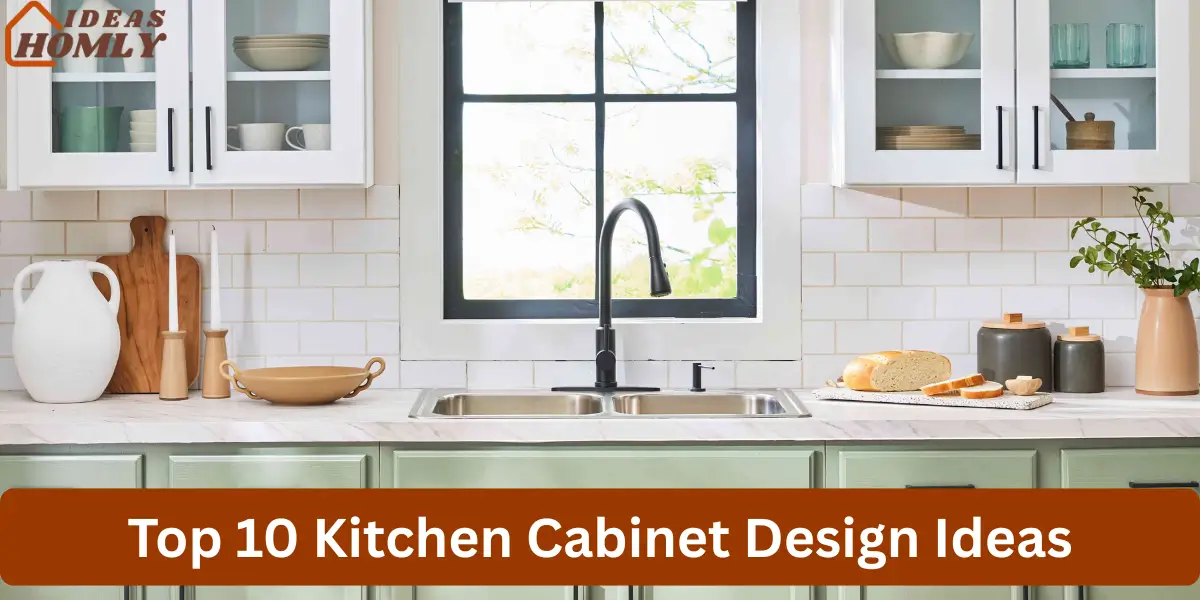

The design of kitchen cabinets can completely shape the look and feel of a kitchen. I have often noticed that even a simple change in cabinet style can transform an ordinary kitchen into a more refined and functional space.
From modern minimalist designs to classic styles that never go out of trend, cabinets play a huge role in both storage and visual appeal.
When exploring different kitchen cabinet design ideas, I usually focus on styles that balance beauty with practicality, so the kitchen not only looks impressive but also supports everyday cooking and organization.
Stylish Kitchen Cabinet Design Ideas for Modern Kitchens
The right cabinet design can completely change how a kitchen looks and functions. I often notice that when cabinet style, color, and layout work together, the kitchen instantly feels more organized and visually appealing.
From modern minimalist designs to classic cabinet styles, each option offers a different character. These kitchen cabinet design ideas highlight styles that combine practicality with timeless aesthetics.
1. Modern Flat-Panel Cabinets
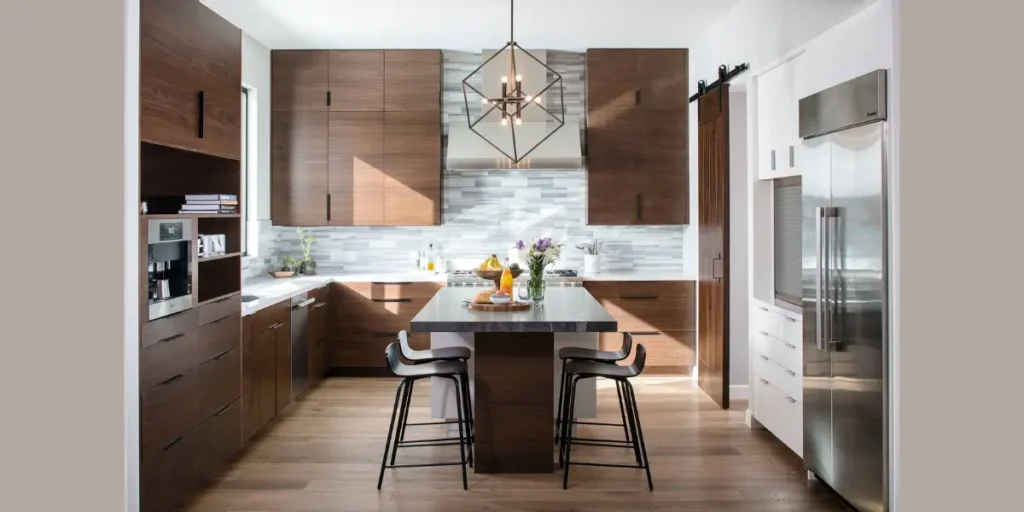
Flat-panel cabinets are one of the most popular choices for modern kitchens. I often recommend this design because its smooth surfaces and simple lines create a clean and uncluttered appearance. Without raised panels or decorative details, the cabinets look sleek and contemporary.
This design works especially well in kitchens that focus on minimalism. Neutral colors such as white, gray, and matte black enhance the modern feel while keeping the space bright and balanced.
Flat-panel cabinets also pair well with handleless designs or slim hardware. Together, these features create a streamlined kitchen that feels both stylish and practical.
2. Shaker Style Cabinets
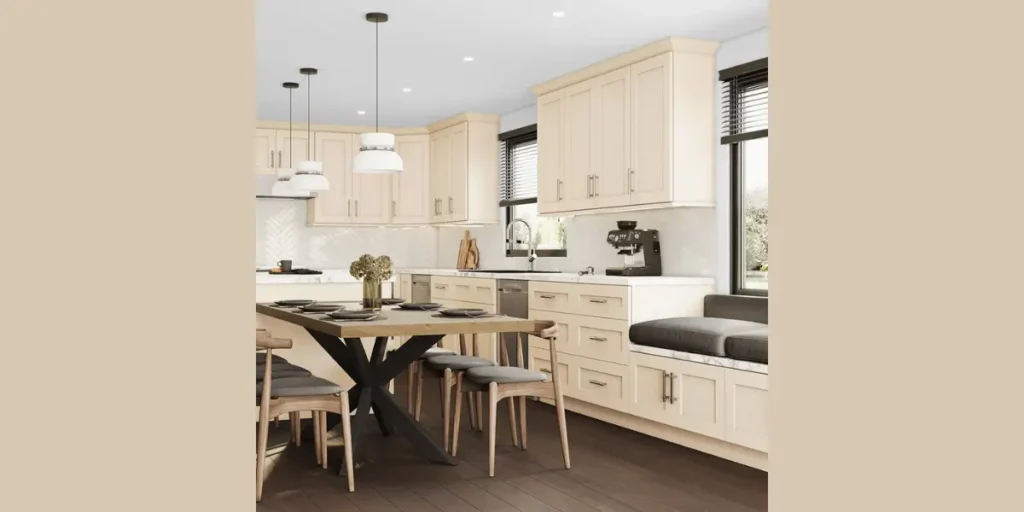
Shaker cabinets remain one of the most timeless kitchen cabinet designs. I often suggest them because their simple frame and recessed panel provide a balanced appearance that works in many kitchen styles.
This cabinet design blends traditional charm with modern simplicity. White shaker cabinets are especially popular because they brighten the kitchen and create a clean look.
Another advantage of shaker cabinets is their versatility. They pair easily with various countertops, backsplashes, and hardware finishes, making them a reliable design choice.
3. Two-Tone Kitchen Cabinets
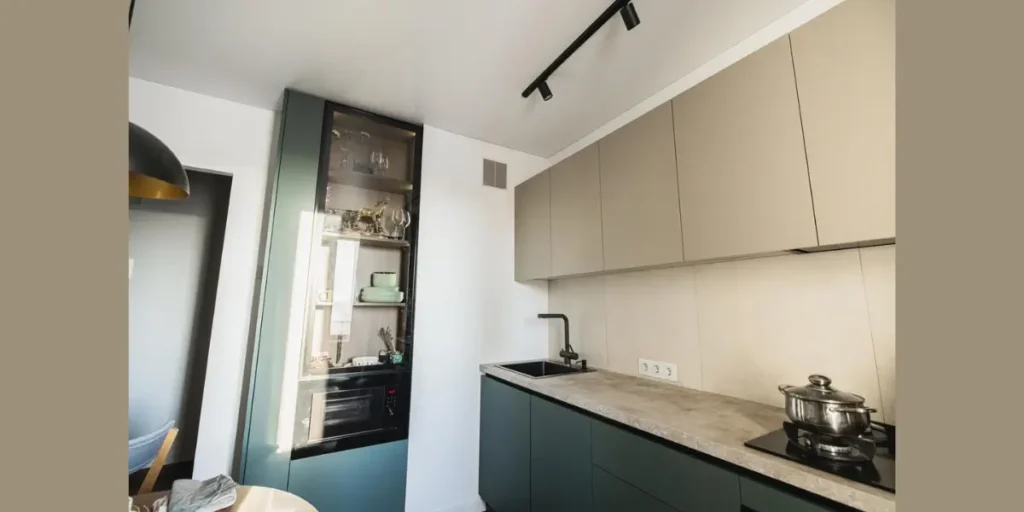
Two-tone cabinets introduce contrast and depth into the kitchen design. Instead of using the same color for every cabinet, upper and lower cabinets feature different shades.
I often recommend lighter colors for upper cabinets and darker tones for base cabinets. This combination keeps the kitchen bright while adding visual interest.
Popular combinations include white and navy, beige and forest green, or gray and natural wood. These contrasts help define different areas of the kitchen while maintaining balance.
4. Glass Front Cabinet Design
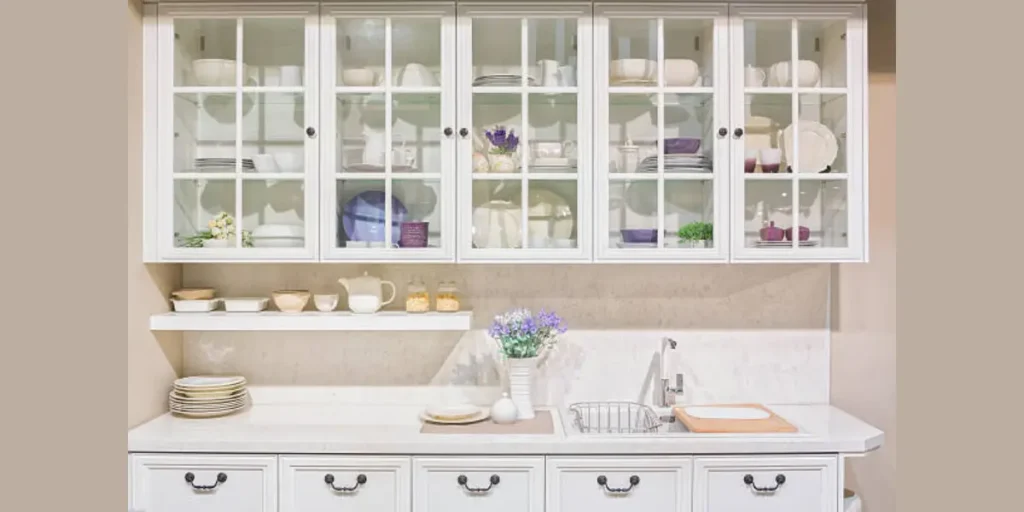
Glass-front cabinets can make a kitchen feel more open and elegant. I often use this design to break up long rows of solid cabinet doors.
The glass panels allow dishes, glassware, or decorative items to become part of the kitchen’s design. This creates a lighter visual effect compared to traditional cabinets.
Frosted or textured glass can also provide a softer look while still maintaining some privacy for stored items.
5. Open Shelf Cabinet Design
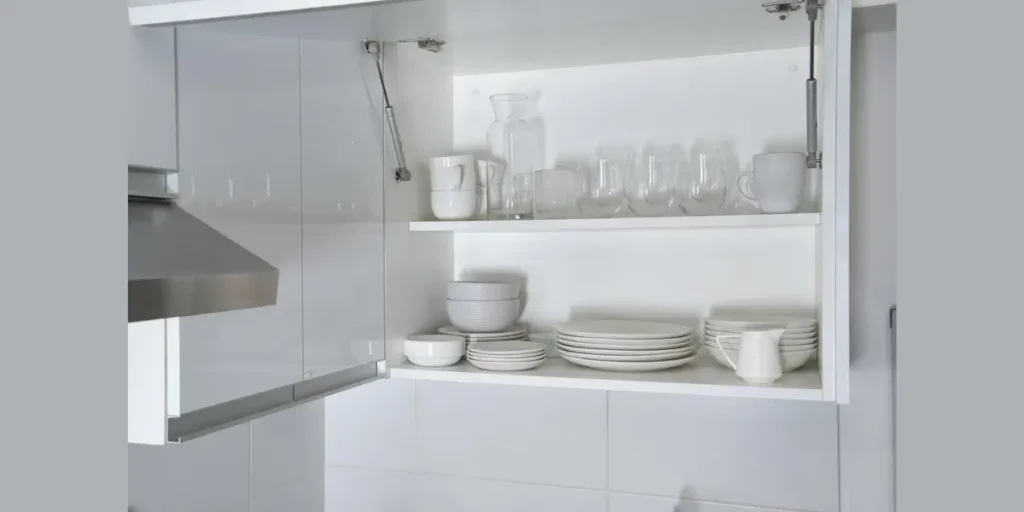
Open shelving provides a modern alternative to traditional cabinets. Instead of closed doors, floating shelves display everyday dishes, jars, or decorative pieces.
I often see this design used in contemporary kitchens where homeowners want a more relaxed and airy feel.
However, maintaining organization becomes important with open shelves. When items remain neatly arranged, the kitchen feels stylish rather than cluttered.
6. Handleless Cabinet Design
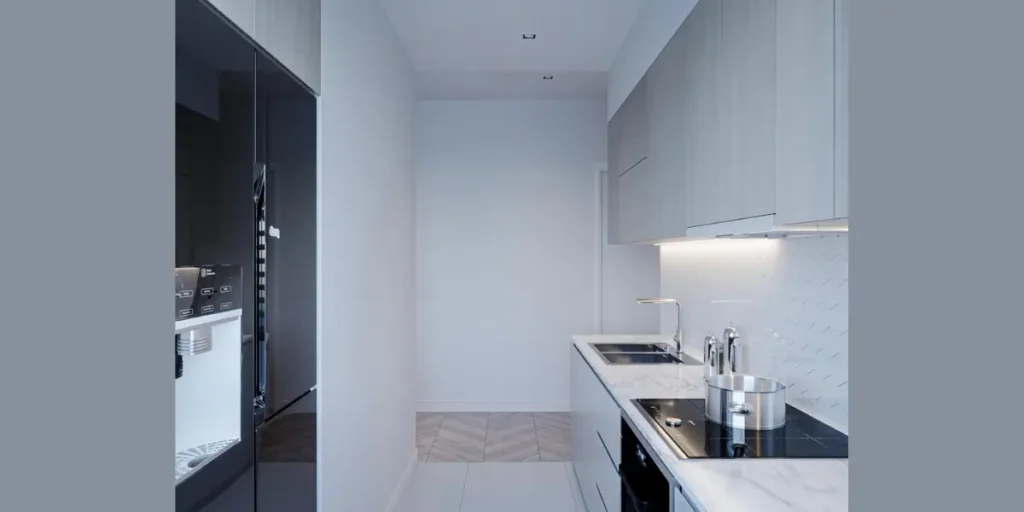
Handleless cabinets create a sleek and seamless kitchen appearance. Instead of traditional knobs or handles, these cabinets use push-to-open systems or hidden grooves.
I often recommend this design for minimalist kitchens because it keeps the cabinet surfaces clean and uninterrupted.
Handleless cabinets also improve safety in busy kitchens. Without protruding handles, movement around the kitchen becomes smoother.
7. Natural Wood Cabinet Design
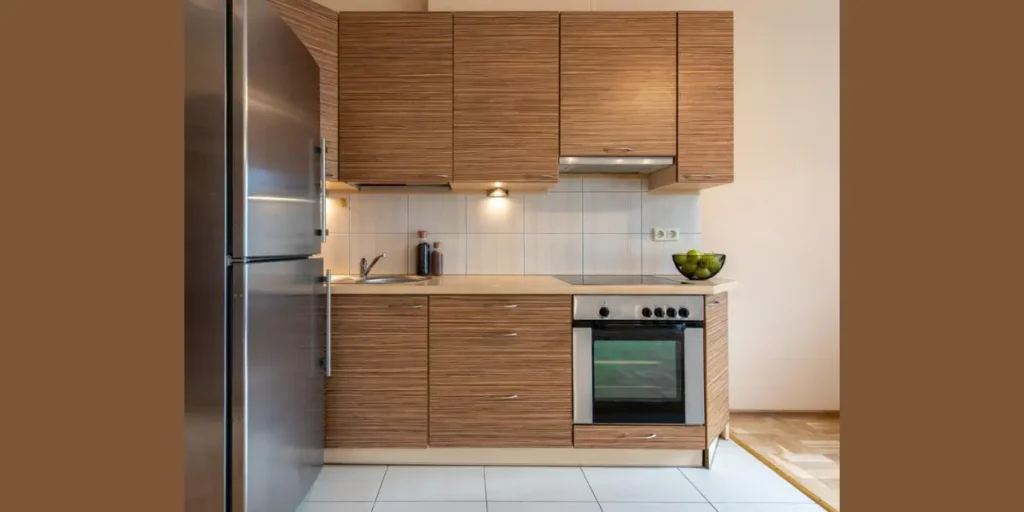
Natural wood cabinets add warmth and texture to the kitchen. I often choose wood finishes when I want the space to feel more inviting and organic.
Wood grain patterns bring a unique visual element that painted cabinets cannot replicate. Popular options include oak, walnut, and maple finishes.
These cabinets work well in many styles, including Scandinavian, rustic, and modern kitchens.
8. Floor-to-Ceiling Cabinets
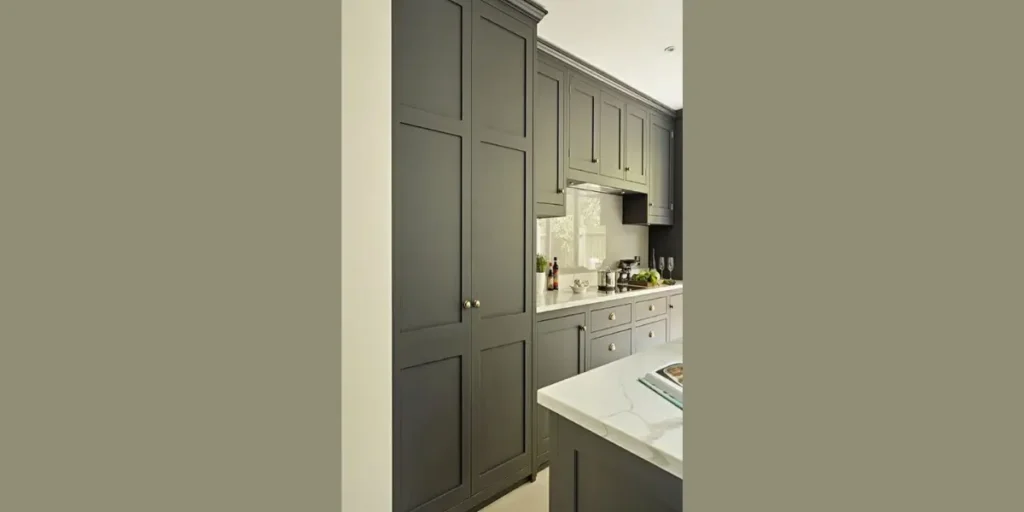
Floor-to-ceiling cabinets maximize storage space and create a clean built-in appearance. I often recommend this design for kitchens that need extra storage without increasing floor space.
These tall cabinets allow rarely used items to remain on higher shelves while everyday items stay within easy reach.
The continuous cabinet height also gives the kitchen a more polished and structured appearance.
9. Bold Color Cabinet Design
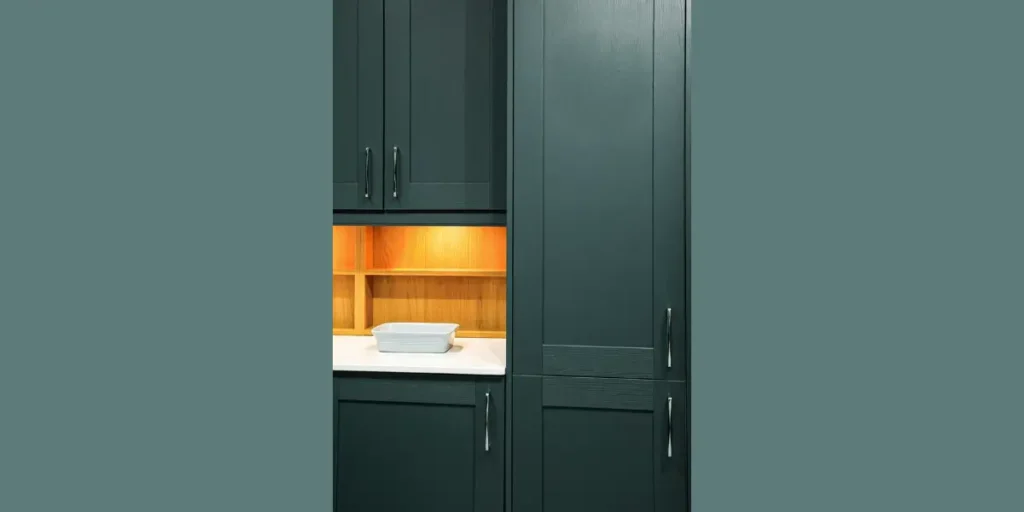
Bold cabinet colors can bring personality and character into the kitchen. Deep shades such as navy blue, forest green, or charcoal gray have become increasingly popular.
I often recommend bold colors for lower cabinets or kitchen islands. This approach creates a focal point without overwhelming the space.
When paired with light countertops and neutral walls, bold cabinets can make the kitchen look sophisticated and modern.
10. Decorative Molding Cabinet Design
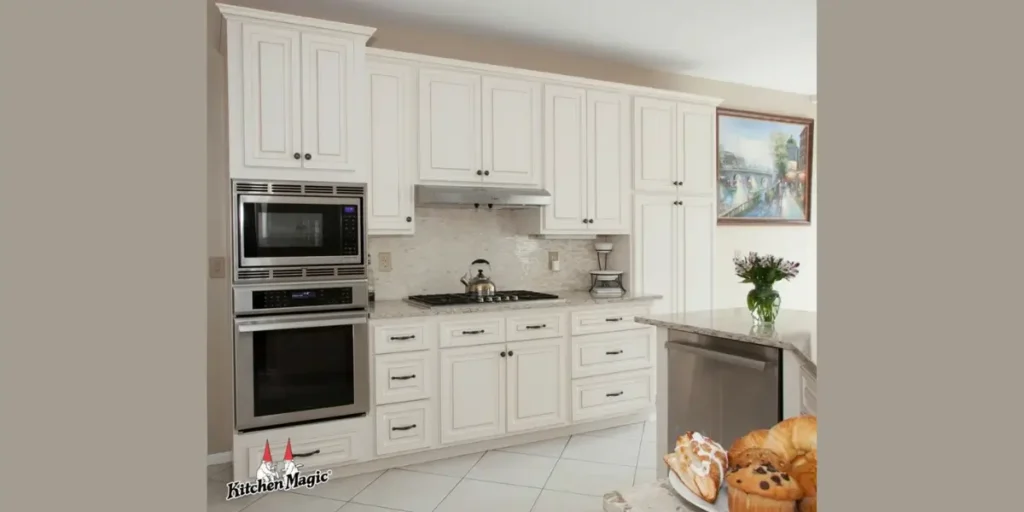
Decorative molding can add elegance and detail to kitchen cabinets. Crown molding installed at the top of cabinets creates a finished and custom appearance.
I often see this feature used in traditional or transitional kitchen designs. The added trim helps cabinets look more refined and complete.
Molding can also help bridge the space between cabinets and the ceiling, giving the kitchen a more cohesive and polished design.
Expert Tips for Choosing the Right Kitchen Cabinet Design
Choosing the right cabinet design requires balancing appearance, storage, and durability. I often begin by considering how the cabinets will support daily cooking habits while still complementing the overall kitchen style.
The best cabinet designs combine practical storage with visual harmony. When cabinet color, materials, and layout work together, the kitchen feels organized and visually appealing.
Consider the Overall Kitchen Style
I always try to match cabinet style with the overall kitchen theme. Modern kitchens often suit flat-panel or handleless cabinets, while traditional spaces look better with shaker or decorative molding designs.
Choose Durable Materials
Cabinets face daily use, so material quality matters. Solid wood, plywood, and durable engineered panels usually last longer and maintain their appearance over time.
Focus on Functional Storage
A good cabinet design should improve organization. Deep drawers, tall cabinets, and smart shelving systems help keep kitchen tools and ingredients easy to access.
Balance Color and Texture
I often combine cabinet colors with countertop materials and backsplash textures. This balance creates a kitchen design that feels cohesive rather than overwhelming.
Use Lighting to Highlight Cabinets
Under-cabinet lighting or interior cabinet lighting can highlight cabinet textures and colors. Proper lighting also improves visibility during food preparation.
Kitchen Cabinet Design Comparison
| Cabinet Style | Best For | Design Benefit |
|---|---|---|
| Flat-Panel Cabinets | Modern kitchens | Clean minimalist appearance |
| Shaker Cabinets | Traditional or modern | Timeless and versatile |
| Two-Tone Cabinets | Contemporary kitchens | Visual contrast |
| Glass Front Cabinets | Smaller kitchens | Lighter visual effect |
| Floor-to-Ceiling Cabinets | Compact kitchens | Maximum storage space |
Conclusion
The design of kitchen cabinets can shape the entire personality of a kitchen. I have often seen how the right cabinet style can transform a simple cooking space into something much more functional and visually appealing.
From modern flat-panel cabinets to classic shaker designs and bold color choices, each style offers its own unique character.
The key is choosing a design that matches both your kitchen layout and daily cooking habits. When cabinet style, storage, and color work together, the kitchen feels more organized and welcoming.
With thoughtful planning and the right design ideas, kitchen cabinets can become one of the most impressive features in the entire space.
FAQs
Shaker-style cabinets remain one of the most popular designs because they combine simplicity with timeless appeal. Their clean lines allow them to work well in both modern and traditional kitchens.
Two-tone cabinets can add depth and visual interest to the kitchen. Using lighter upper cabinets and darker lower cabinets helps maintain brightness while creating contrast.
Handleless cabinets can be very practical in modern kitchens. Push-to-open systems or integrated grooves allow easy access while maintaining a smooth cabinet surface.
Light colors such as white, cream, or soft gray often work best in small kitchens. These shades reflect light and help make the space appear larger.