
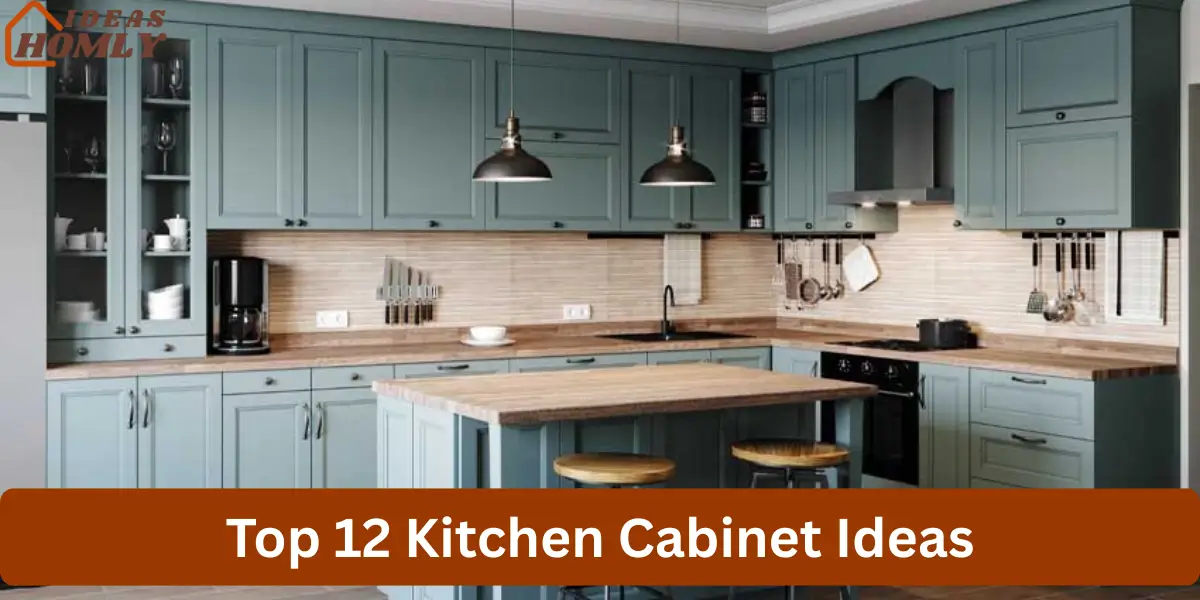

Kitchen cabinets do much more than store dishes and cookware. I have often seen how the right cabinet style can completely change the character of a kitchen.
Sometimes a simple change in color, material, or layout makes the space feel brighter and more organized. Instead of focusing only on storage, I always consider how cabinets influence the overall design.
When exploring different kitchen cabinet ideas, it becomes easier to find options that balance functionality with visual appeal while creating a kitchen that feels practical, stylish, and comfortable for everyday use.
Stylish Kitchen Cabinet Ideas to Upgrade Your Space
When I plan a kitchen design, cabinets usually become the first element I think about. They influence both storage and the visual personality of the space.
A well-chosen cabinet style can make the kitchen feel brighter, more organized, and easier to use. These cabinet ideas show how different styles can transform the overall kitchen design.
1. Classic White Kitchen Cabinets
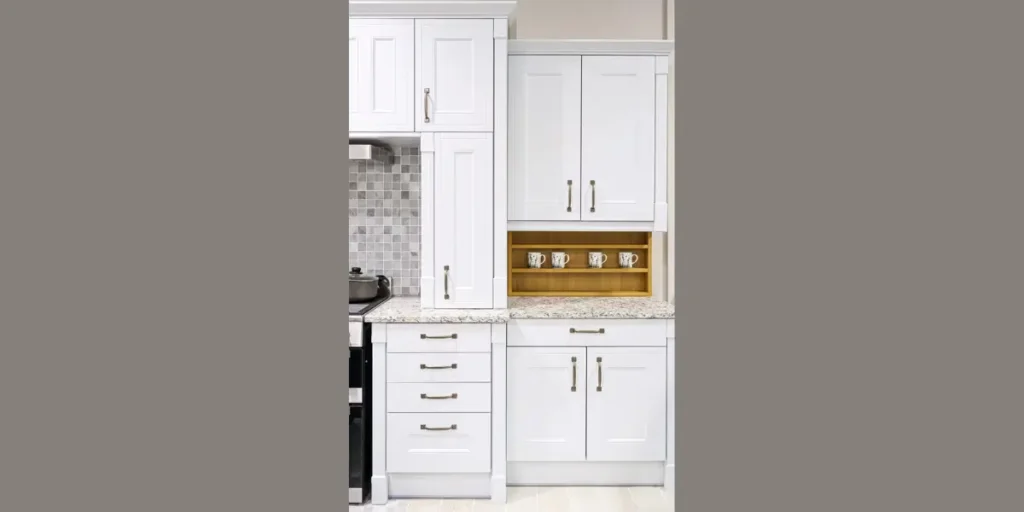
White cabinets remain one of the most reliable choices in kitchen design. I often recommend them because they instantly make the kitchen feel brighter and more open. Light surfaces reflect natural and artificial light, which helps smaller kitchens appear larger.
Another reason I like white cabinets is their versatility. They work well with many countertop materials such as marble, quartz, or wood. The neutral color also pairs beautifully with different backsplash styles.
Even when kitchen trends change, white cabinets usually remain timeless. Their clean appearance keeps the kitchen feeling fresh and organized for many years.
2. Two-Tone Kitchen Cabinets
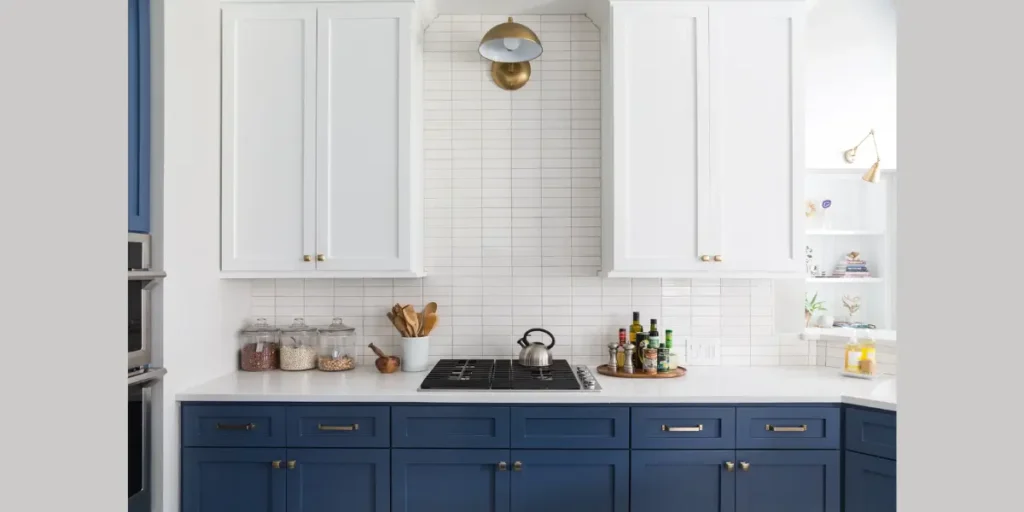
Two-tone cabinets add visual depth to the kitchen without making the design feel overwhelming. I often see designers combine light upper cabinets with darker lower cabinets.
This contrast creates a balanced look that prevents the kitchen from appearing too uniform. It also helps anchor the lower part of the design while keeping the upper section bright.
Popular combinations include white and navy, gray and wood tones, or beige and deep green. These color pairings create an interesting yet harmonious kitchen environment.
3. Glass Front Kitchen Cabinets
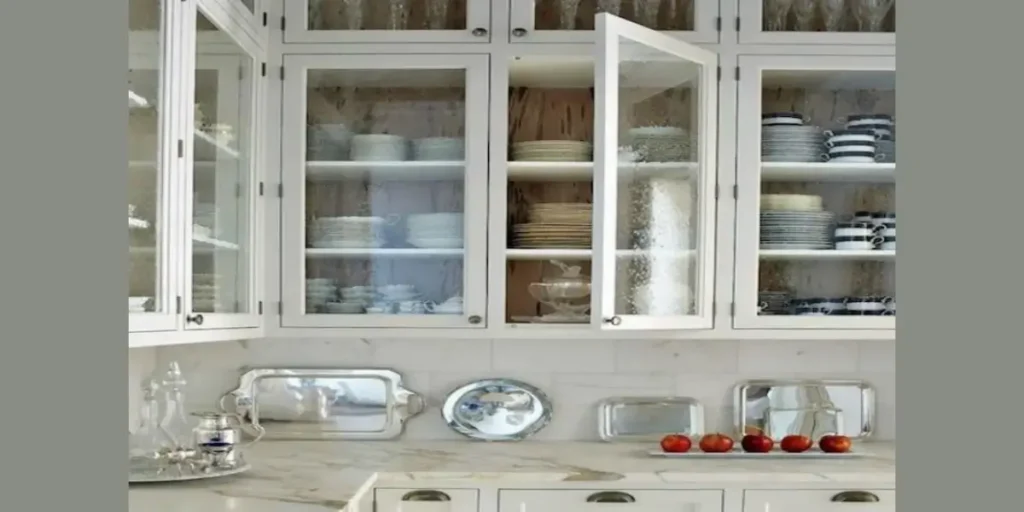
Glass-front cabinets introduce elegance and openness to the kitchen. Instead of solid doors, transparent panels allow you to display dishes, glassware, or decorative items.
I usually recommend placing glass cabinets on the upper sections of the kitchen wall. This placement helps reduce the visual heaviness that sometimes comes from solid cabinetry.
When combined with soft interior lighting, glass cabinets can create a warm and refined atmosphere that enhances the overall kitchen design.
4. Open Shelf Cabinet Design
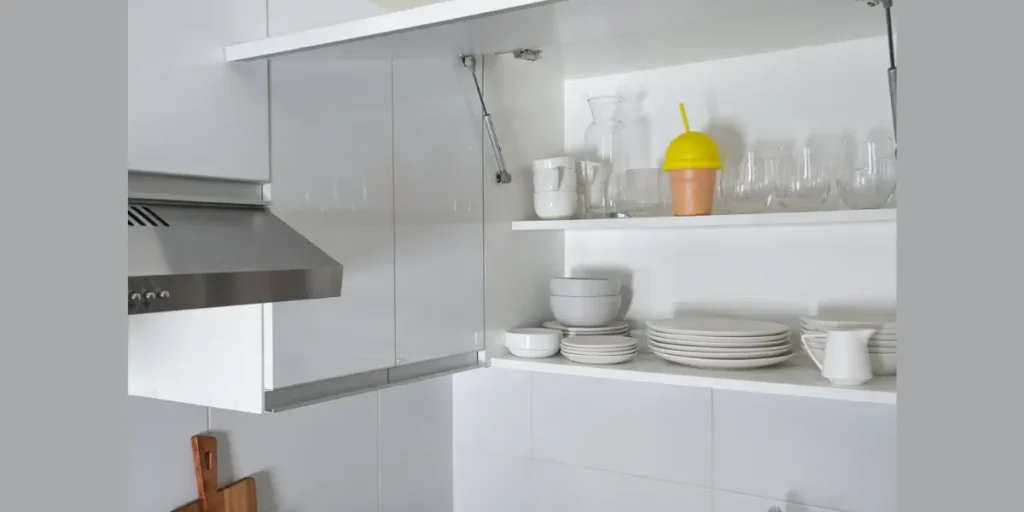
Open shelving offers a relaxed and modern alternative to traditional cabinet doors. I often suggest replacing a few upper cabinets with floating shelves.
These shelves allow everyday items such as dishes, jars, and bowls to become part of the kitchen decor. They also make frequently used items easier to access.
However, organization remains important. When the shelves stay tidy and balanced, open shelving adds personality while keeping the kitchen visually light.
5. Floor-to-Ceiling Cabinets
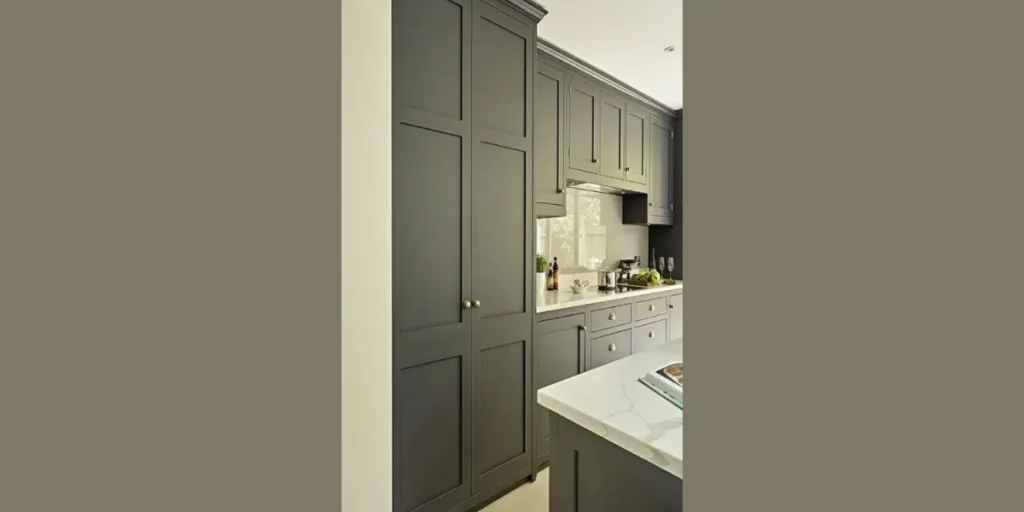
Floor-to-ceiling cabinets maximize vertical storage and create a seamless kitchen wall. I often recommend this design in kitchens where storage space is limited.
These tall cabinets can hold pantry items, appliances, and cookware without occupying extra floor space. As a result, the kitchen feels more organized.
Another advantage is the visual effect. Full-height cabinets create a clean and modern appearance that makes the kitchen feel more structured.
6. Natural Wood Kitchen Cabinets
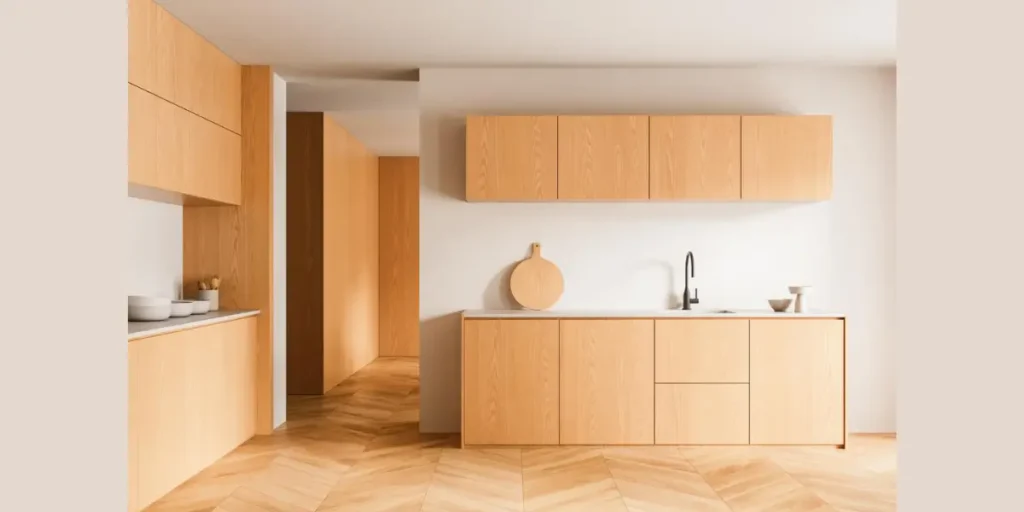
Natural wood cabinets bring warmth and texture into the kitchen. I often appreciate how wood grain patterns add character that painted cabinets cannot replicate.
Light oak, walnut, or maple finishes create a calm and welcoming environment. These materials work particularly well in Scandinavian or farmhouse kitchens.
Wood cabinets also age gracefully over time. Their natural appearance helps the kitchen feel comfortable and timeless.
7. Matte Black Kitchen Cabinets
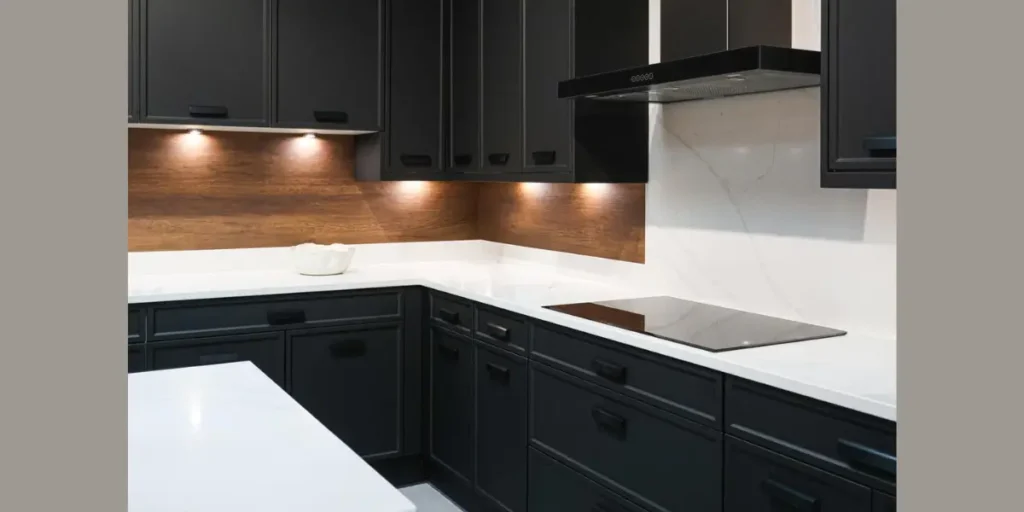
Matte black cabinets create a bold and sophisticated kitchen design. I usually recommend them in kitchens with good lighting and lighter countertops.
The matte finish reduces glare while maintaining a sleek appearance. This creates a dramatic yet elegant contrast within the kitchen.
Black cabinets often pair well with brass hardware or marble countertops. Together, these elements create a modern and luxurious kitchen atmosphere.
8. Handleless Cabinet Design
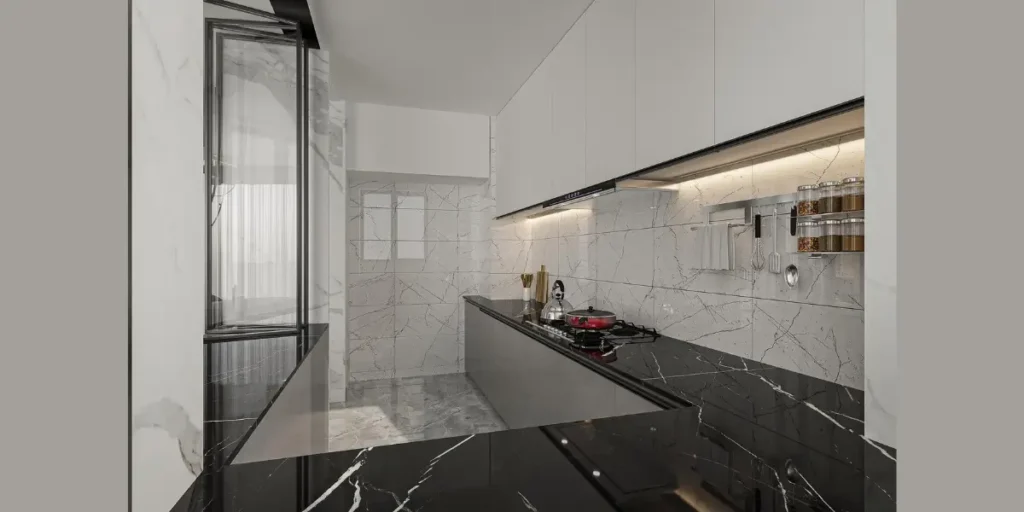
Handleless cabinets offer a clean and minimalist aesthetic. Instead of traditional handles, these cabinets use push-to-open mechanisms or recessed grips.
I often see this design used in modern kitchens where smooth surfaces and simple lines are important.
The absence of visible hardware keeps the kitchen looking uncluttered. This design approach works especially well in contemporary spaces.
9. Glass Display Cabinets with Lighting
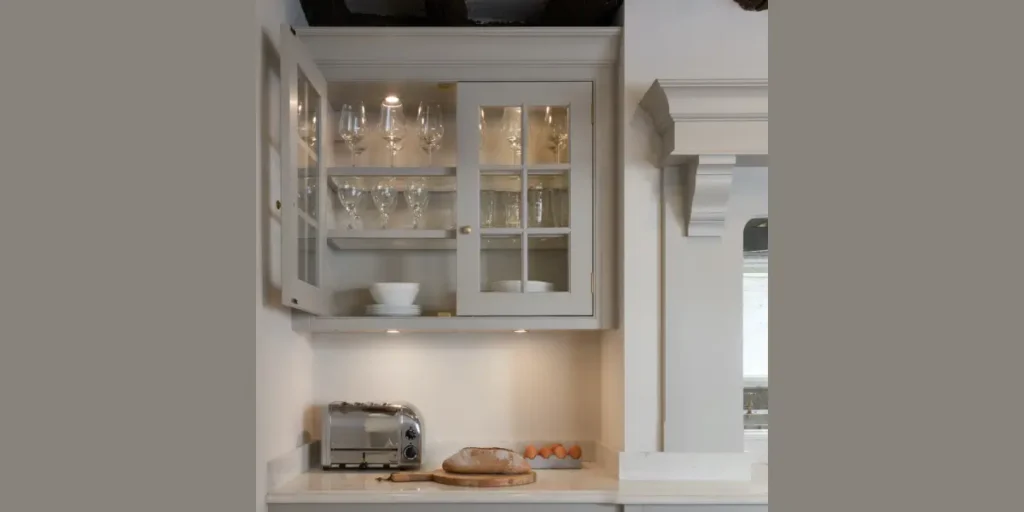
Glass display cabinets with built-in lighting can elevate the kitchen’s visual appeal. I like how LED lighting highlights dishes or decorative pieces behind the glass.
These cabinets add depth to the kitchen wall and create a subtle focal point.
When used in moderation, illuminated cabinets bring a sophisticated and welcoming glow to the kitchen environment.
10. Corner Kitchen Cabinets with Pull-Out Storage
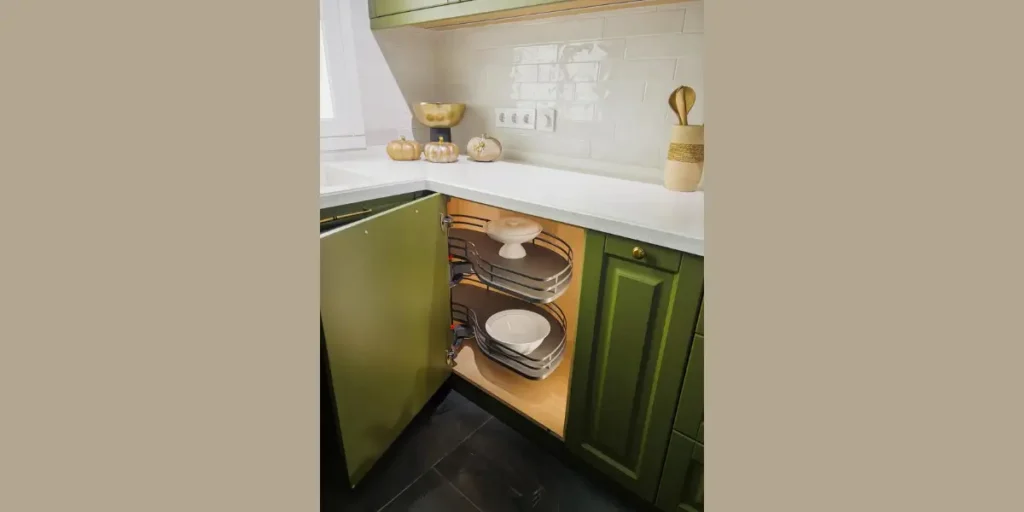
Corner cabinets often become wasted space if they are not designed properly. I usually recommend installing pull-out shelves or rotating organizers.
These storage systems allow easy access to items that would otherwise remain hidden in the back.
Improving corner storage makes the kitchen more efficient. It also helps maintain better organization in everyday cooking.
11. Vintage Style Kitchen Cabinets
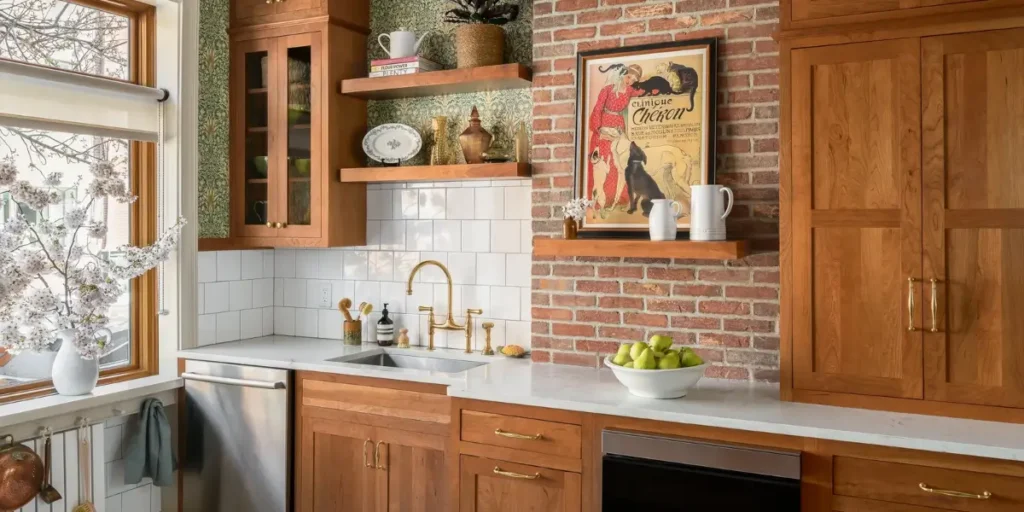
Vintage cabinets bring nostalgic charm into the kitchen. I often notice pastel colors, decorative handles, and classic panel designs in this style.
These cabinets create a cozy and distinctive atmosphere that feels warm and personal.
Vintage designs work especially well in traditional homes where homeowners want a kitchen that reflects character and history.
12. Bold Color Kitchen Cabinets
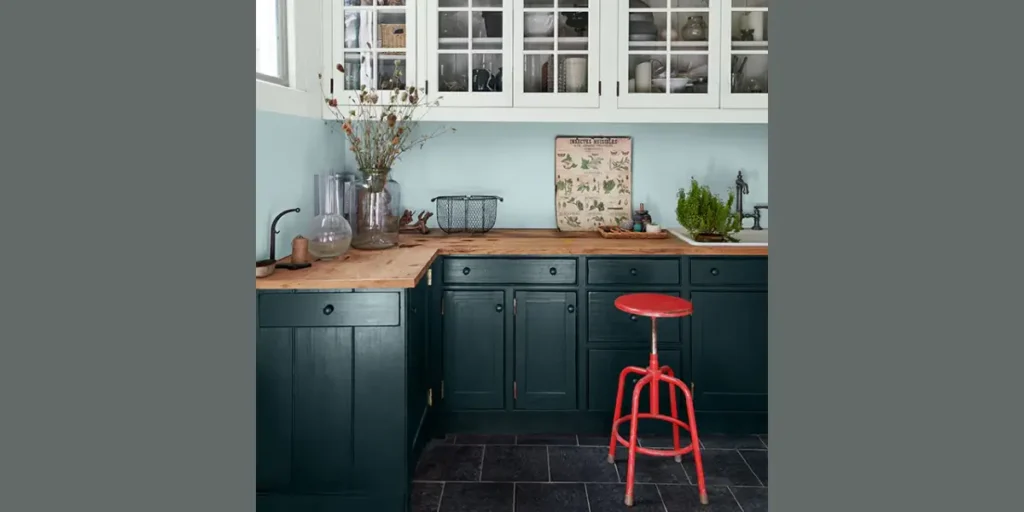
Bold cabinet colors can transform the kitchen into a vibrant and memorable space. Deep green, navy blue, or burgundy cabinets often create strong visual impact.
I usually recommend pairing bold cabinets with neutral countertops and walls. This balance prevents the design from feeling overwhelming.
When used thoughtfully, colorful cabinets add personality and make the kitchen stand out while still maintaining harmony.
Smart Tips for Choosing the Right Kitchen Cabinets
Choosing the right kitchen cabinets requires more than selecting a color or style. I usually focus on features that improve storage, durability, and visual balance. Cabinets should support everyday cooking while also complementing the kitchen’s overall design.
A well-planned cabinet design can keep the kitchen organized and comfortable to use. When materials, layout, and color choices work together, the entire space feels more polished and functional.
Focus on Storage Efficiency
Efficient storage is one of the most important factors when choosing kitchen cabinets. I often recommend cabinets with pull-out shelves, deep drawers, and vertical compartments.
These features help organize cookware, utensils, and pantry items more effectively. When everything has a place, the kitchen becomes easier to maintain.
Choose Durable Materials
Kitchen cabinets experience daily use, so strong materials are essential. Solid wood, plywood, and high-quality engineered boards usually provide better durability.
These materials can handle moisture, heat, and frequent use while maintaining their appearance for many years.
Select a Complementary Color Palette
Cabinet colors should blend well with countertops, flooring, and backsplash designs. I often suggest neutral tones when homeowners want a timeless kitchen style.
However, bold cabinet colors can also work well when balanced with lighter surfaces.
Consider Lighting Integration
Cabinet lighting can improve both function and atmosphere in the kitchen. Under-cabinet lighting helps illuminate countertops during cooking.
Interior cabinet lighting can also highlight decorative dishes or glassware.
Balance Style and Functionality
While cabinet style matters, practicality should always remain a priority. Cabinets should offer enough storage while still maintaining a comfortable layout.
A design that looks beautiful but lacks storage can make the kitchen less efficient.
Conclusion
Kitchen cabinets influence far more than just storage. I often see how the right cabinet style can completely reshape the character of a kitchen.
From classic white designs to bold color cabinets and smart storage solutions, each choice contributes to a space that feels both practical and visually balanced.
The most effective cabinet designs combine durability, organization, and style so the kitchen works smoothly every day. When cabinet colors, materials, and layout align with the overall kitchen design, the space becomes more comfortable and efficient.
With thoughtful planning and the right inspiration, kitchen cabinets can transform an ordinary cooking area into a stylish and highly functional part of the home.
FAQs
White kitchen cabinets remain one of the most popular choices because they create a bright and timeless appearance. Many homeowners also choose two-tone cabinets to add contrast and visual interest while maintaining balance in the kitchen design.
Yes, floor-to-ceiling cabinets are very useful in small kitchens. They maximize vertical storage and reduce wasted wall space while keeping the kitchen organized and visually clean.
Glass-front cabinets can work well in both modern and traditional kitchens. They add depth and elegance while allowing homeowners to display dishes or decorative items.
Handleless cabinets are practical and popular in modern kitchens. Push-to-open systems and recessed handles provide convenience while maintaining a clean and minimalist design.