
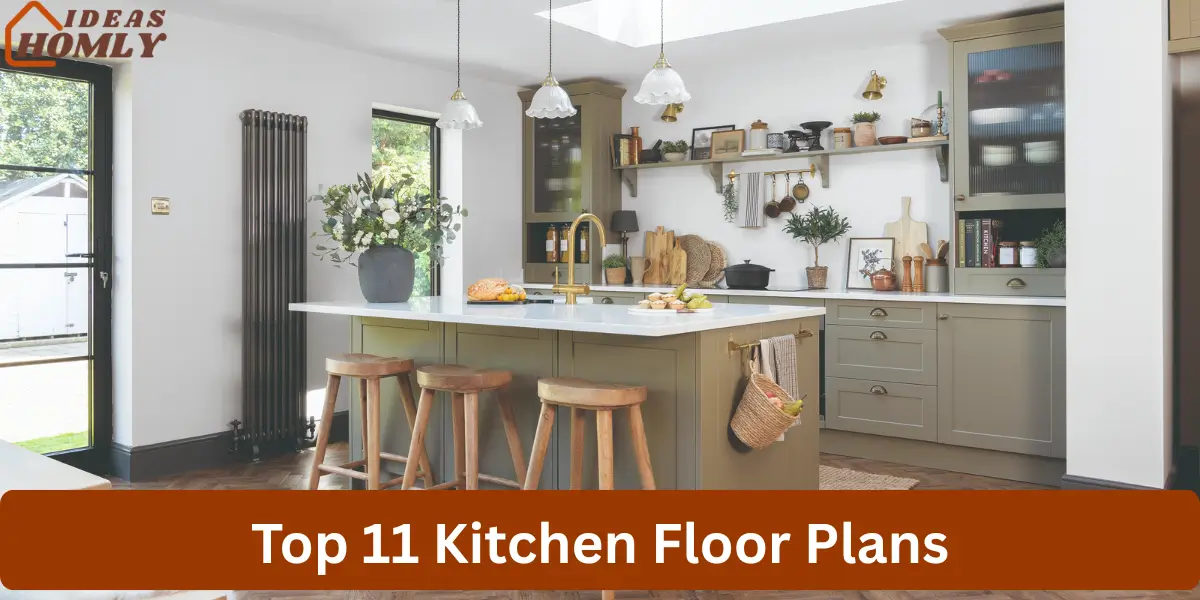

A well-planned kitchen layout can make everyday cooking smoother and more enjoyable. I often notice that the way appliances, counters, and storage are arranged affects how easily people move and work in the space.
Many homeowners focus on cabinets or colors, but the layout quietly determines how practical the kitchen feels. When designed thoughtfully, it can improve efficiency and reduce clutter.
In this guide, I will explore several kitchen floor plans that help create a functional layout while keeping the space comfortable and organized for daily use.
Practical Kitchen Floor Plans That Improve Layout and Efficiency
A well-designed kitchen layout can make cooking easier and daily tasks more efficient. I often notice that the right floor plan helps homeowners move comfortably between preparation, cooking, and cleaning areas.
When the layout supports natural movement and good organization, the kitchen becomes a far more functional and enjoyable space to use every day.
1. One-Wall Kitchen Floor Plan
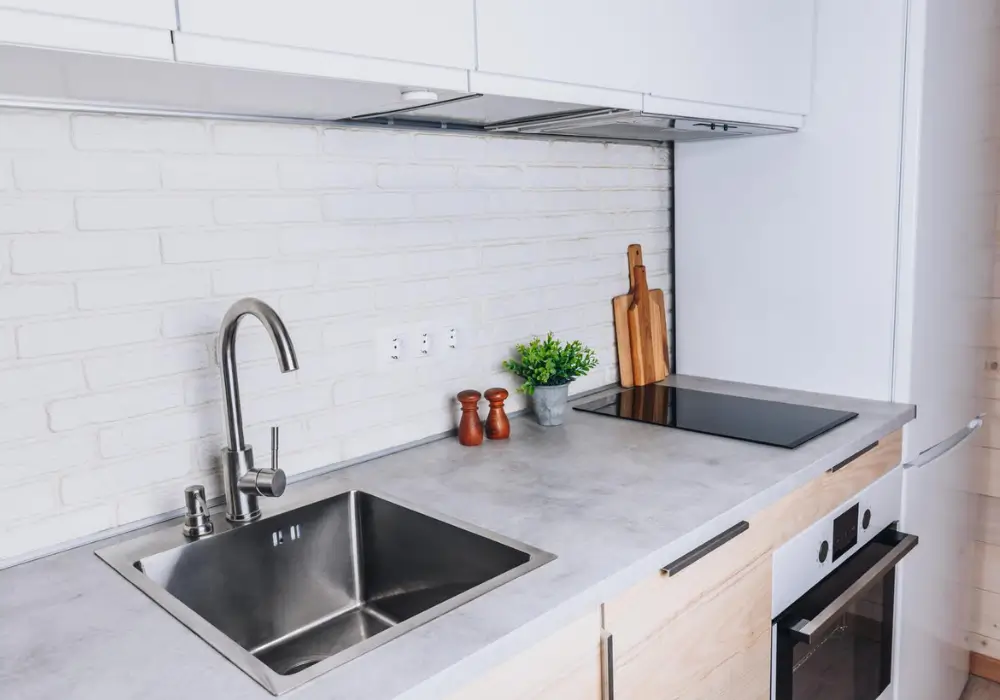
The one-wall kitchen floor plan arranges cabinets, appliances, and counters along a single wall. I often recommend this layout for smaller apartments or homes where space is limited. By keeping everything on one side, the kitchen stays simple and organized.
This design allows homeowners to maintain a clean and uncluttered appearance. With careful planning, cabinets and appliances can still provide enough storage and workspace even in a compact area.
I also like how this layout blends easily with open living spaces. When the kitchen shares space with a dining or living area, the one-wall design keeps the room feeling open rather than crowded.
2. Galley Kitchen Floor Plan
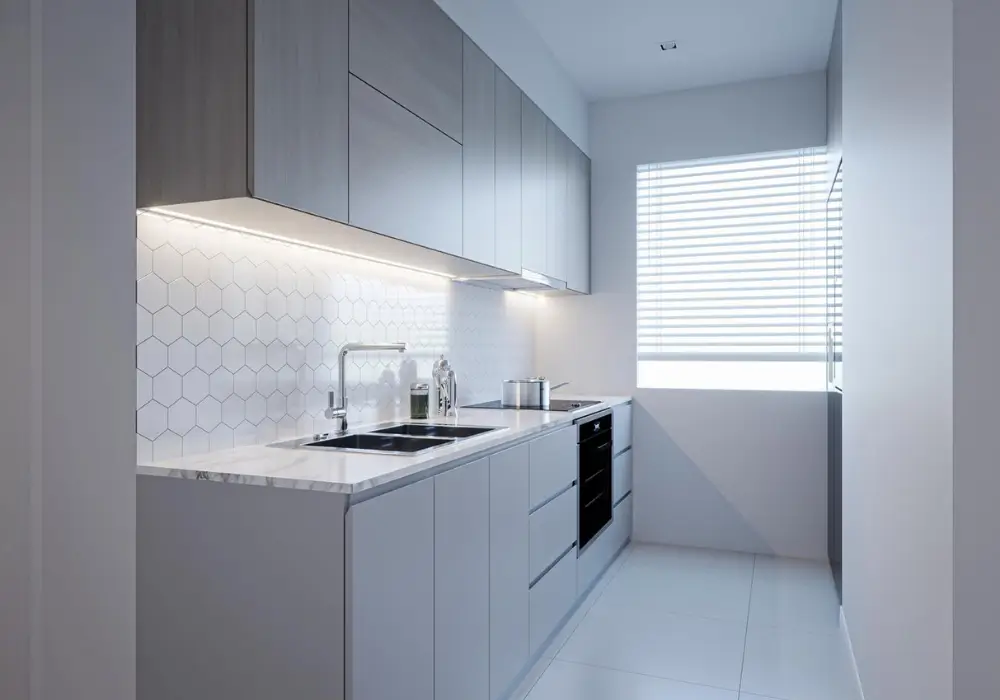
The galley kitchen floor plan places cabinets and appliances along two parallel walls. I often see this design used in narrow spaces where efficiency matters more than size.
This layout creates a working corridor where everything remains within reach. The stove, sink, and refrigerator often form a compact triangle that improves cooking efficiency.
Many professional kitchens use the galley layout because it minimizes unnecessary movement. In homes, this plan works particularly well when homeowners want an organized and focused cooking space.
3. L-Shaped Kitchen Floor Plan
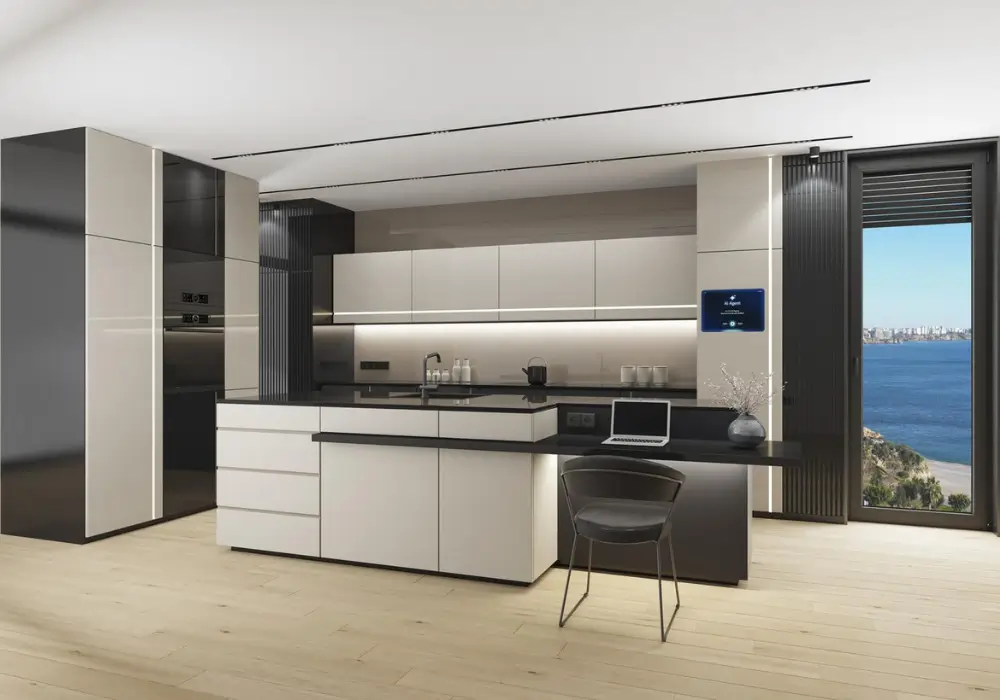
An L-shaped kitchen floor plan places cabinets along two connected walls. I frequently recommend this layout because it creates an open working area while still providing plenty of storage.
The design naturally forms a comfortable working triangle between the main appliances. This arrangement allows homeowners to move easily between cooking, cleaning, and food preparation tasks.
Another advantage is flexibility. The open side of the L-shaped layout often allows space for a small dining table, island, or additional storage unit.
4. U-Shaped Kitchen Floor Plan
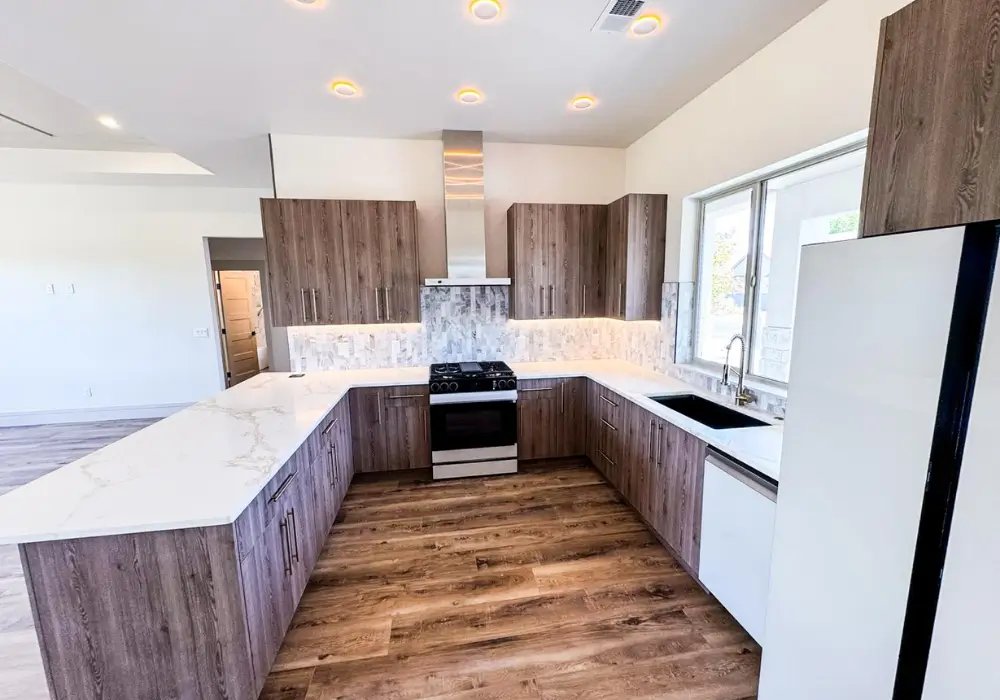
The U-shaped kitchen layout surrounds the cooking area with cabinets on three sides. I often suggest this design when homeowners want maximum storage and workspace.
Because everything stays within a short distance, this layout supports efficient cooking routines. It allows homeowners to reach appliances and tools without walking across the room.
Many kitchens benefit from the strong organization this layout provides. The three-wall arrangement creates clear work zones for cooking, preparation, and cleaning.
5. Island Kitchen Floor Plan
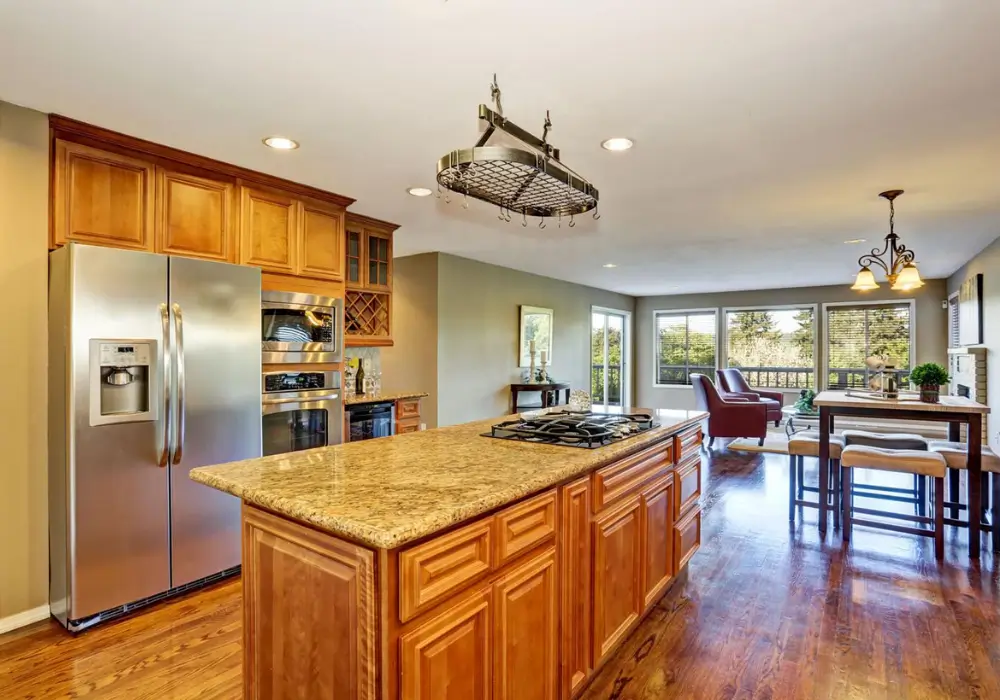
An island kitchen floor plan includes a central island placed between surrounding cabinets and appliances. I often recommend this layout for larger kitchens that need additional workspace.
The island can serve several purposes. It may provide extra counter space for food preparation, storage for utensils, or seating for casual dining.
From my experience, islands also encourage social interaction. Family members or guests can gather around the island while someone cooks, making the kitchen feel more connected to the rest of the home.
6. Peninsula Kitchen Floor Plan
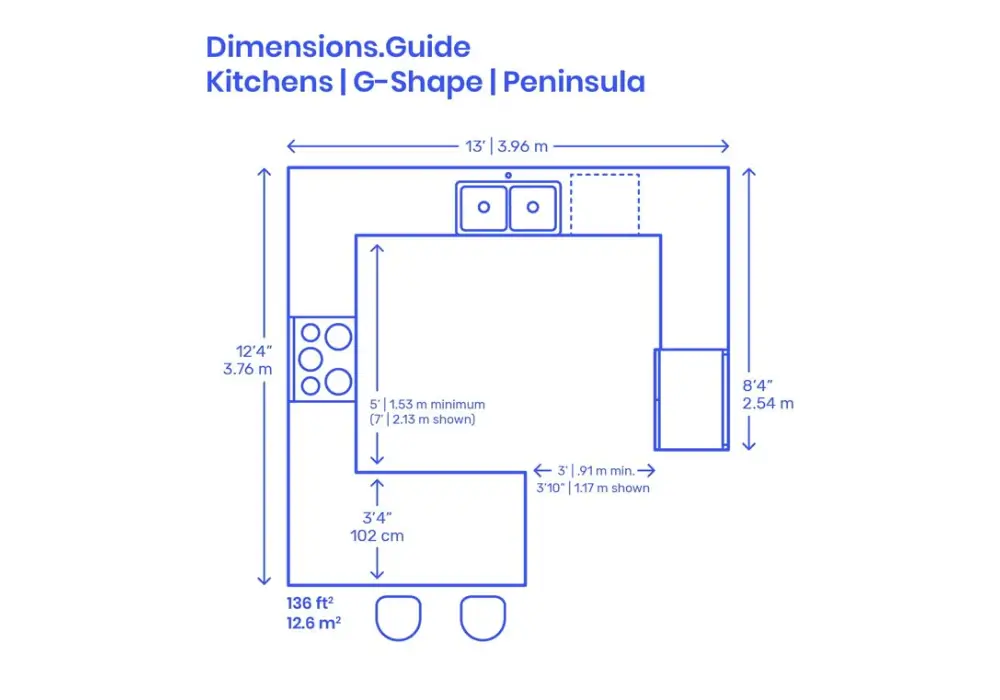
A peninsula kitchen layout adds a connected counter that extends from a wall or cabinet run. I usually recommend this design for kitchens that do not have enough space for a full island.
The peninsula creates additional workspace and often includes seating for quick meals. It also helps define the boundary between the kitchen and nearby living areas.
This layout works particularly well in open-plan homes. It keeps the kitchen connected to other spaces while still maintaining a functional cooking area.
7. Open-Concept Kitchen Floor Plan
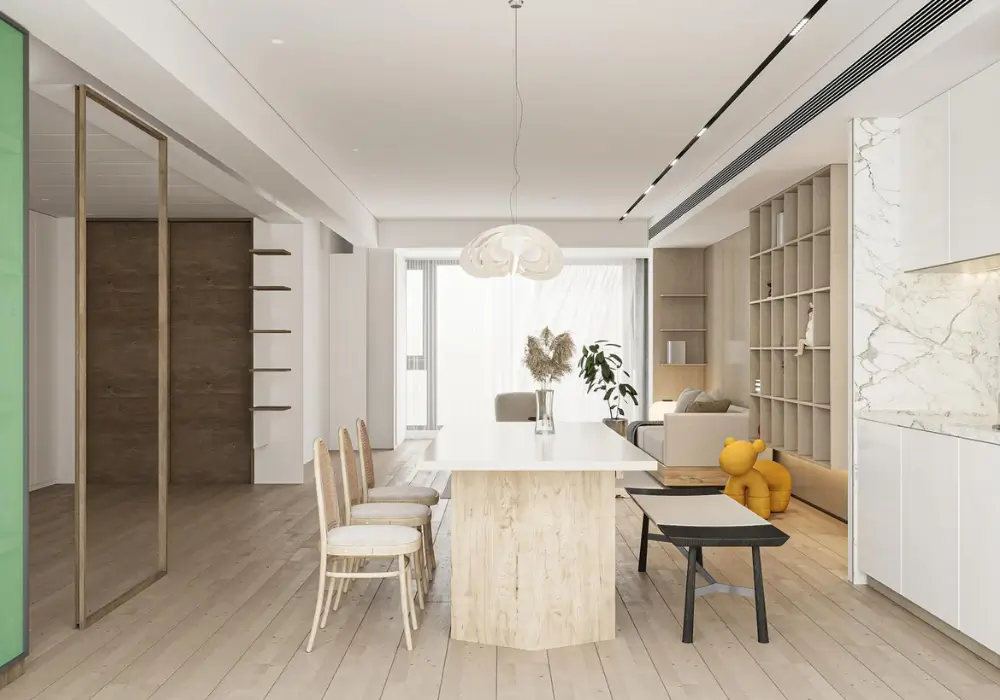
An open-concept kitchen removes walls that separate the kitchen from dining or living spaces. I often notice that this design makes homes feel larger and more welcoming.
Without barriers, natural light flows more easily across the room. This helps the kitchen feel brighter and more integrated with the rest of the home.
Homeowners also appreciate the social benefits. An open layout allows people to cook while still interacting with family members or guests in nearby areas.
8. G-Shaped Kitchen Floor Plan
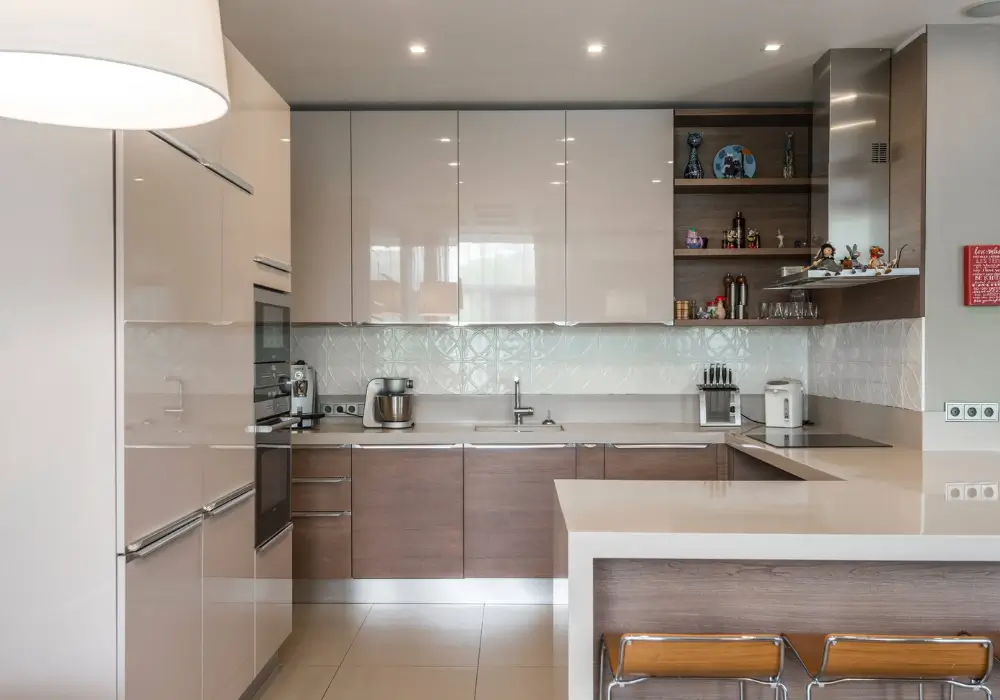
The G-shaped kitchen layout expands the U-shaped design by adding an extra counter or peninsula. I usually recommend this layout for kitchens that need additional storage and preparation space.
This design creates multiple work zones within the kitchen. Each section can support different tasks such as cooking, washing, or food preparation.
Although it requires more space, the G-shaped layout can be very efficient. The extra counter also provides opportunities for seating or additional storage.
9. Small Compact Kitchen Floor Plan
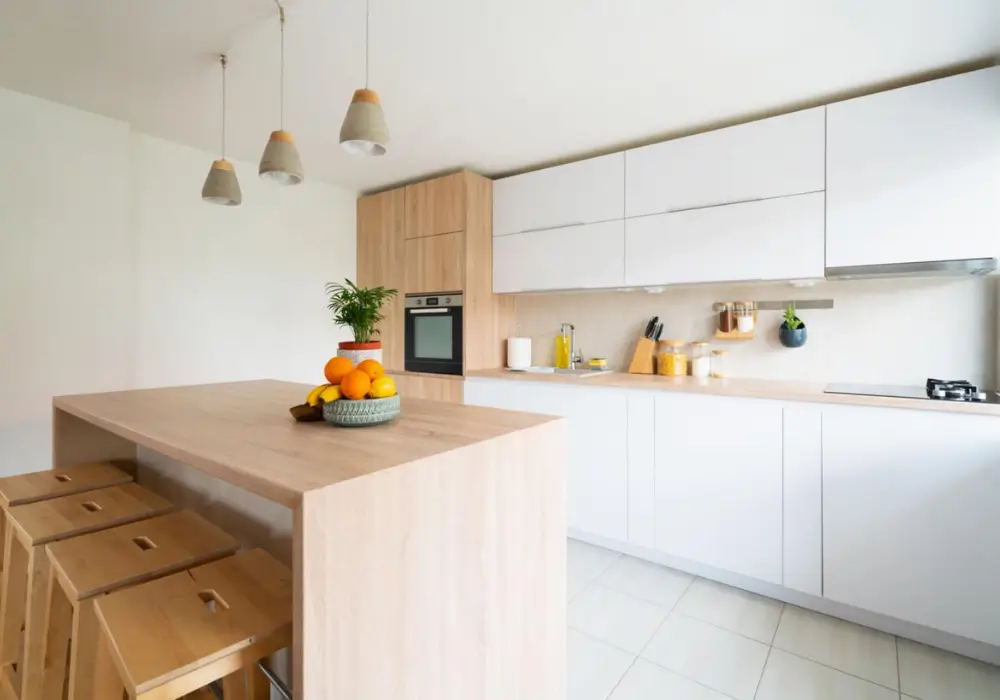
Compact kitchen floor plans focus on making the most of limited space. I often suggest these layouts for apartments, studio homes, or smaller houses.
Designers typically combine cabinets, appliances, and storage into efficient arrangements that minimize wasted space. Smart storage solutions often play an important role in these kitchens.
Despite the smaller size, a well-planned compact kitchen can remain highly functional. With thoughtful organization, even limited spaces can support comfortable cooking routines.
10. Kitchen with Dining Area Floor Plan
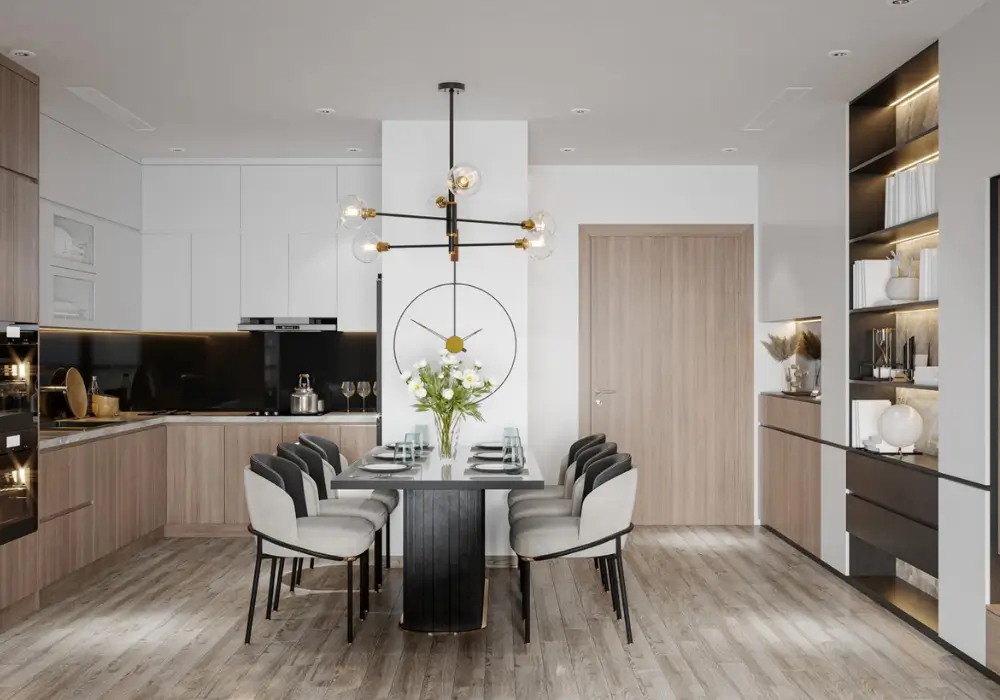
A kitchen with a dining area integrates cooking and dining spaces within the same layout. I often recommend this plan for families who enjoy gathering in the kitchen.
The design usually includes a table, breakfast nook, or extended countertop that serves as a dining spot. This arrangement keeps meals convenient and accessible.
This layout also encourages conversation and interaction. Family members can sit nearby while meals are prepared, which creates a warm and welcoming atmosphere.
11. Smart Modular Kitchen Floor Plan
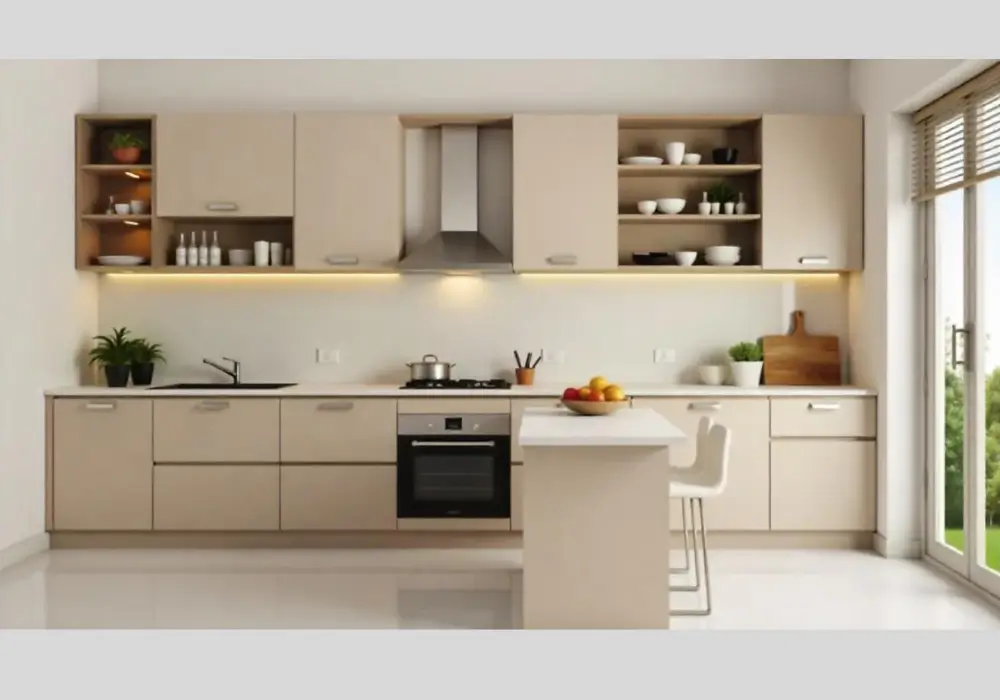
A modular kitchen floor plan uses customizable cabinet units arranged according to available space. I often suggest this design for homeowners who want flexibility in their kitchen layout.
Modular systems allow cabinets, drawers, and shelves to be arranged in different configurations. This makes it easier to adjust the kitchen to specific storage or cooking needs.
Another advantage is adaptability. If the layout needs to change in the future, individual modules can often be rearranged or replaced without redesigning the entire kitchen.
Guide to Choosing the Right Kitchen Floor Plan
Selecting the right kitchen floor plan requires careful thinking about how the space will function every day. I often recommend focusing on how easily you can move between the cooking, cleaning, and preparation areas. A good layout should reduce unnecessary movement while keeping everything within comfortable reach.
Another factor I always consider is how the kitchen connects with the rest of the home. Some floor plans work best in compact spaces, while others suit larger open areas. When the layout fits the available space and daily routine, the kitchen becomes far more efficient and comfortable.
Understand Your Kitchen Space and Dimensions
Before choosing any layout, I usually suggest measuring the available space carefully. Kitchen dimensions determine which floor plans will work properly. A layout that fits the room comfortably helps prevent overcrowding and improves movement within the kitchen.
Follow the Kitchen Work Triangle Principle
The kitchen work triangle connects the sink, stove, and refrigerator. I often recommend arranging these three elements so movement between them feels natural and efficient. This principle helps reduce unnecessary steps while cooking.
Consider Storage and Appliance Placement
Good floor plans always include well-planned storage areas. Cabinets, drawers, and pantry units should sit close to the areas where they will be used most often. Proper appliance placement also improves workflow.
Plan for Comfortable Movement and Workflow
A kitchen should allow people to move comfortably without bumping into cabinets or appliances. I usually recommend leaving enough space between counters and walkways to support smooth movement while cooking.
Match the Floor Plan with Your Lifestyle
Different households use kitchens in different ways. Some families prefer open layouts for social interaction, while others need compact designs for efficiency. Choosing a layout that supports daily habits helps create a more practical kitchen.
Kitchen Floor Plan Comparison
| Floor Plan | Best For | Key Advantage |
|---|---|---|
| One-Wall Kitchen | Small apartments | Saves space and keeps layout simple |
| Galley Kitchen | Narrow kitchens | Highly efficient cooking workflow |
| L-Shaped Kitchen | Open kitchens | Flexible layout with good movement |
| U-Shaped Kitchen | Larger kitchens | Maximum storage and counter space |
| Island Kitchen | Spacious homes | Adds workspace and social area |
| Peninsula Kitchen | Medium kitchens | Extra counter space without full island |
Conclusion
A thoughtful kitchen layout can completely change how comfortable and efficient the space feels. I often notice that when appliances, counters, and storage follow a clear floor plan, everyday cooking becomes much easier.
Whether it is a compact one-wall design or a spacious island layout, the right plan helps improve movement and organization.
The key is choosing a layout that fits the kitchen size and daily routine of the household. When a kitchen floor plan balances functionality with good design, the space becomes more practical, welcoming, and enjoyable for everyday use.
FAQs
The galley and U-shaped kitchen floor plans are often considered the most efficient because they keep appliances and work areas close together. I often see these layouts reduce unnecessary movement while cooking. They also help maintain a clear and organized workflow.
For smaller kitchens, layouts like the one-wall or galley kitchen usually work best. These designs maximize limited space while keeping essential appliances accessible. I often recommend them for apartments or compact homes.
The kitchen work triangle connects the stove, sink, and refrigerator in a triangular layout. This arrangement allows cooks to move quickly between the three main work areas. I often suggest following this principle because it improves kitchen efficiency.
Start by considering the size of the kitchen and how you use the space daily. I usually recommend choosing a layout that supports cooking routines and movement. The right floor plan should balance storage, accessibility, and comfort.