


The floor you choose can quietly define how your kitchen looks and feels every day. I often notice that the right flooring not only improves durability but also ties the entire kitchen design together.
From modern tiles to natural materials, flooring influences comfort, maintenance, and visual balance. Many homeowners focus on cabinets and countertops, yet the floor carries daily traffic and deserves equal attention.
In this guide, I will share practical kitchen flooring ideas that can help create a kitchen that feels both functional and visually appealing.
Popular Kitchen Flooring Ideas That Improve Style and Durability
Kitchen flooring must handle daily movement, spills, and heavy use. I often see the entire kitchen design improve when homeowners choose flooring that balances durability with visual appeal.
The right flooring material also affects comfort, maintenance, and the overall atmosphere of the kitchen. Thoughtful choices can make the space feel warmer, cleaner, and more practical.
1. Classic Ceramic Tile Flooring
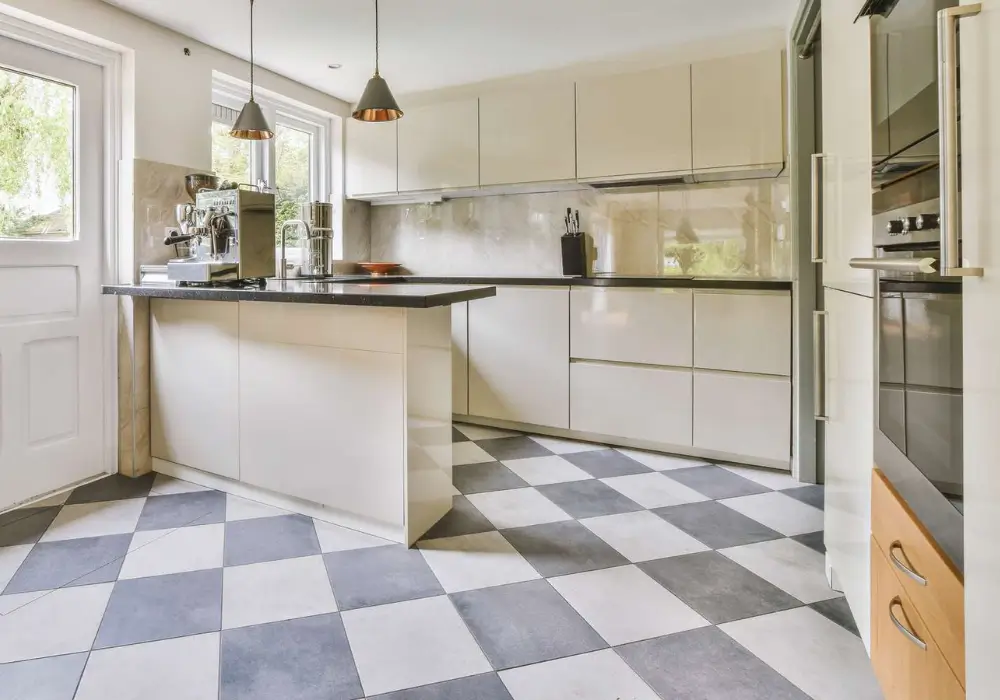
Ceramic tile remains one of the most dependable kitchen flooring options. I often recommend it because it handles moisture, stains, and frequent foot traffic without showing much wear. Many kitchens benefit from the durability that ceramic tiles provide.
Another advantage is the wide variety of styles available. Ceramic tiles come in many colors, shapes, and patterns, which allows homeowners to match them with different cabinet finishes and countertops.
Maintenance is also simple. With regular sweeping and occasional cleaning, ceramic tile floors can stay in good condition for many years. This combination of durability and style makes them a reliable flooring choice.
2. Natural Wood Kitchen Flooring
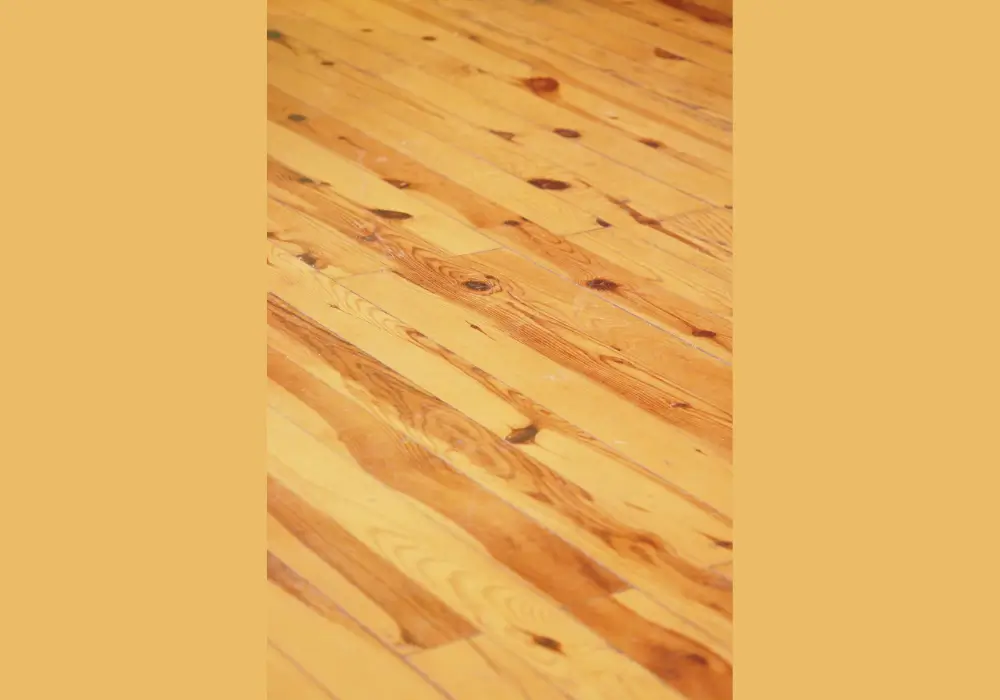
Wood flooring adds warmth and character to a kitchen space. I often notice that kitchens with wood floors feel more inviting and comfortable compared to colder materials.
Hardwood surfaces work particularly well in homes where the kitchen connects with living or dining areas. The natural texture of wood helps maintain a consistent look across multiple rooms.
Although wood requires proper care, sealed hardwood can perform well in kitchens. When homeowners maintain the finish and clean spills quickly, wood floors can last for decades while aging beautifully.
3. Vinyl Plank Kitchen Flooring
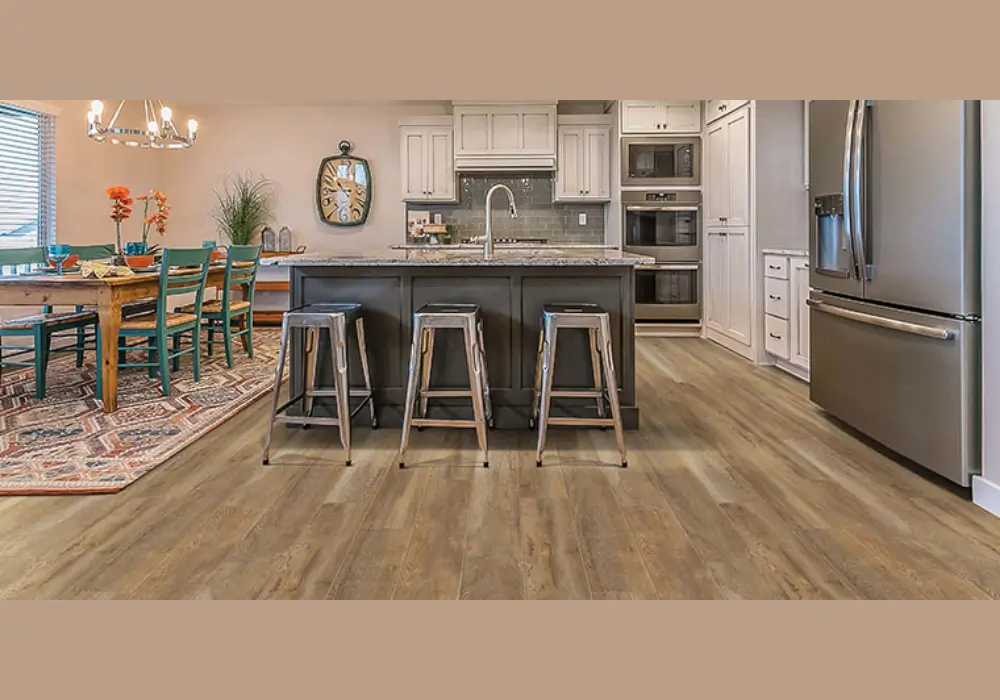
Vinyl plank flooring has become extremely popular for modern kitchens. I frequently suggest it when homeowners want the appearance of wood without the higher cost or maintenance requirements.
Many vinyl planks are waterproof and resistant to scratches. This makes them ideal for kitchens where spills and heavy use are common.
Another benefit is installation flexibility. Many vinyl flooring systems use click-lock designs that make installation easier and faster. The result is a practical and budget-friendly flooring option.
4. Patterned Tile Kitchen Floor
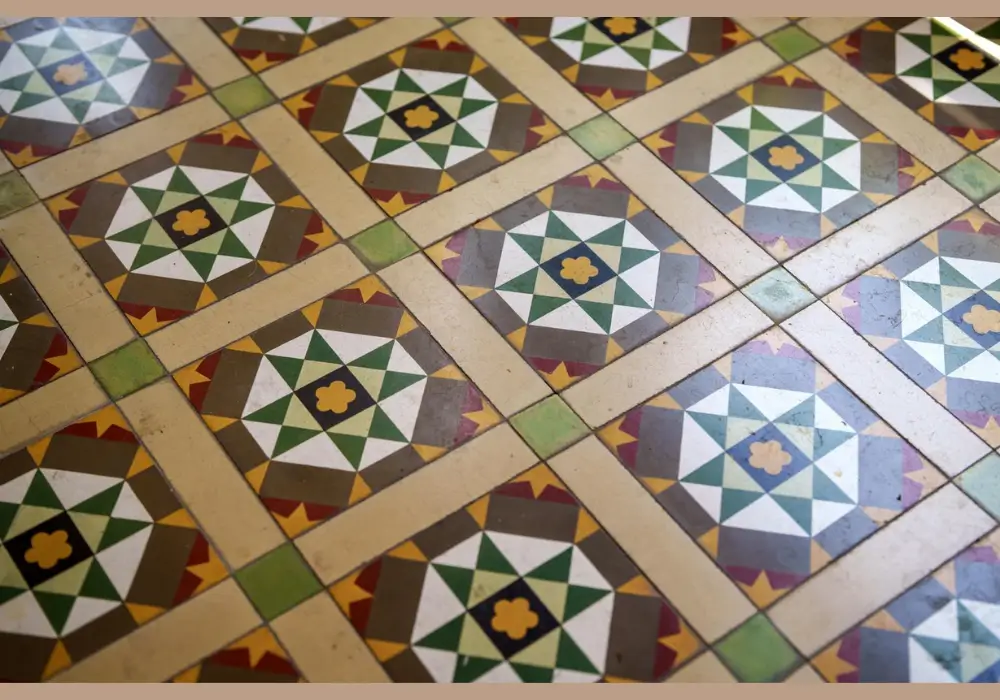
Patterned tile floors create a strong visual statement in the kitchen. I often recommend this option for homeowners who want the floor to become a decorative feature.
Geometric or vintage-style patterns add personality and movement to the space. These designs work particularly well in kitchens with simple cabinets or neutral walls.
Despite their decorative appearance, patterned tiles still offer the durability of standard tile flooring. They combine long-term performance with a distinctive design element.
5. Marble Kitchen Flooring
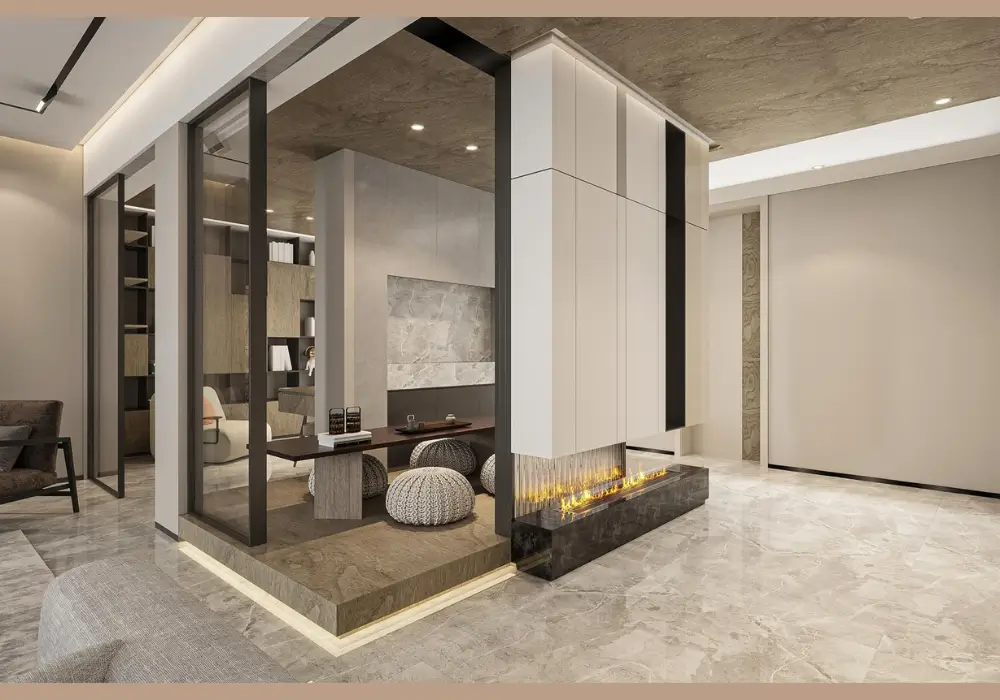
Marble flooring brings elegance and sophistication to kitchen interiors. I often see marble used in kitchens that aim for a refined and timeless appearance.
The natural veining in marble creates unique patterns across the floor. No two marble surfaces look exactly the same, which adds individuality to the kitchen.
Although marble requires careful maintenance, many homeowners appreciate its luxurious appearance. When properly sealed and maintained, marble floors can remain beautiful for many years.
6. Concrete Kitchen Flooring
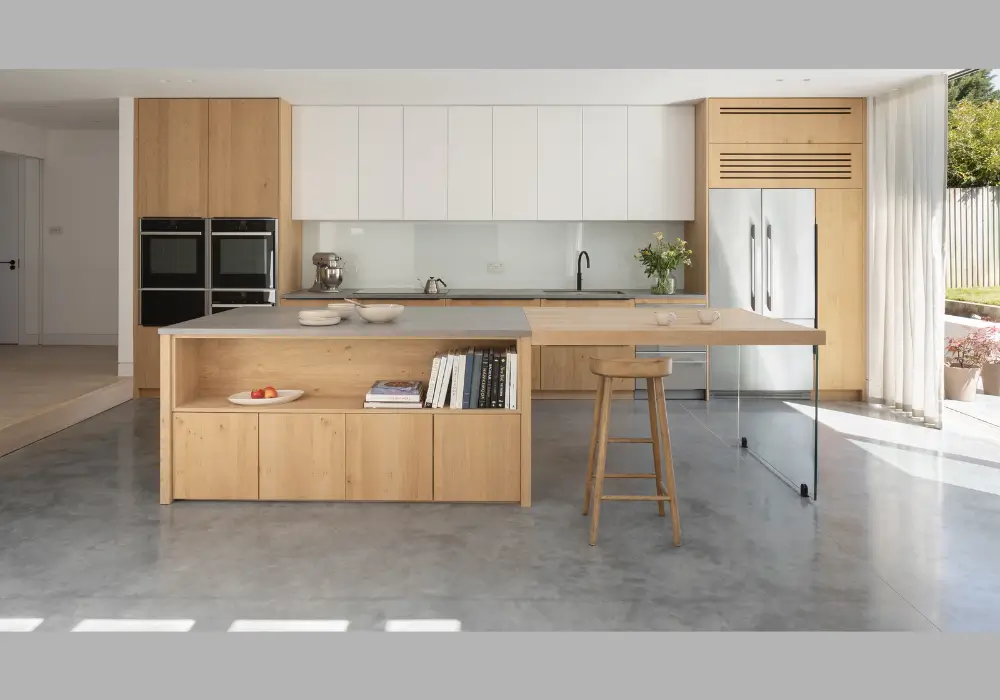
Concrete flooring creates a modern and minimalist kitchen environment. I usually suggest this material for homes that prefer a contemporary or industrial design style.
Polished concrete surfaces appear smooth and clean while offering excellent durability. They resist heavy use and require relatively simple maintenance.
Another advantage is design flexibility. Concrete floors can be stained, polished, or textured to create different finishes. This allows homeowners to customize the appearance according to their kitchen style.
7. Laminate Kitchen Flooring
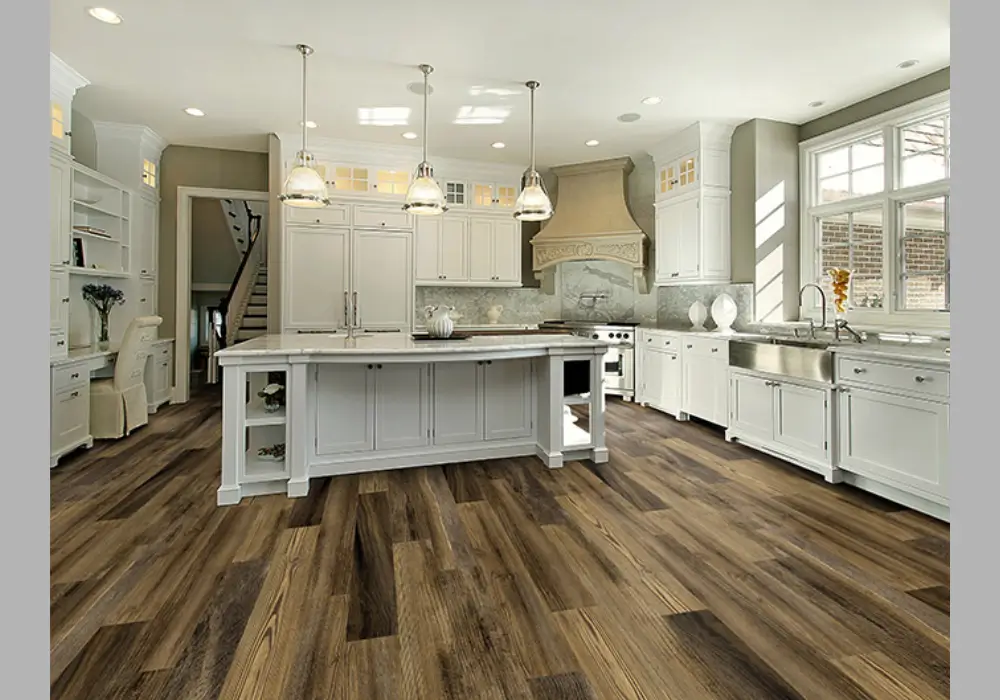
Laminate flooring offers the appearance of natural materials at a lower cost. I often recommend laminate when homeowners want the look of wood without the higher price.
Modern laminate designs replicate wood grain and stone textures surprisingly well. This allows kitchens to achieve a stylish appearance while staying within budget.
Laminate flooring also resists scratches and daily wear. With proper installation and care, it can serve as a practical and affordable flooring solution for busy kitchens.
8. Stone Tile Kitchen Flooring
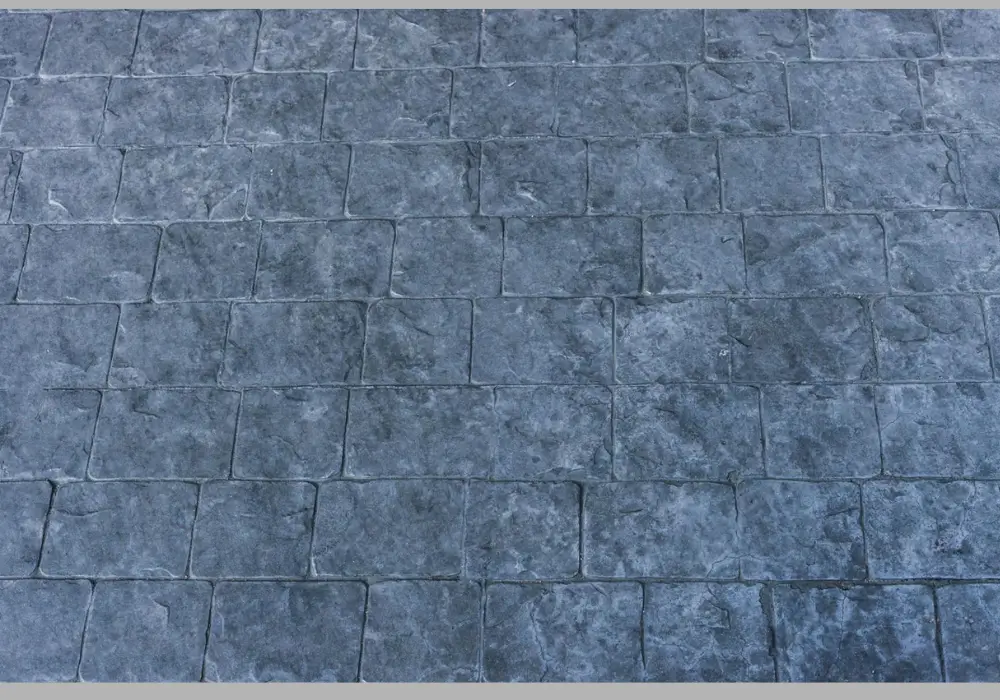
Natural stone flooring adds depth and texture to a kitchen. I often see homeowners choose materials such as slate, travertine, or granite for a more natural design.
Stone surfaces provide exceptional durability and long-lasting performance. Many kitchens with stone flooring maintain their character for decades.
The natural variation in stone patterns also gives the kitchen a unique appearance. Each tile contributes to a floor that feels authentic and visually rich.
9. Checkerboard Kitchen Flooring
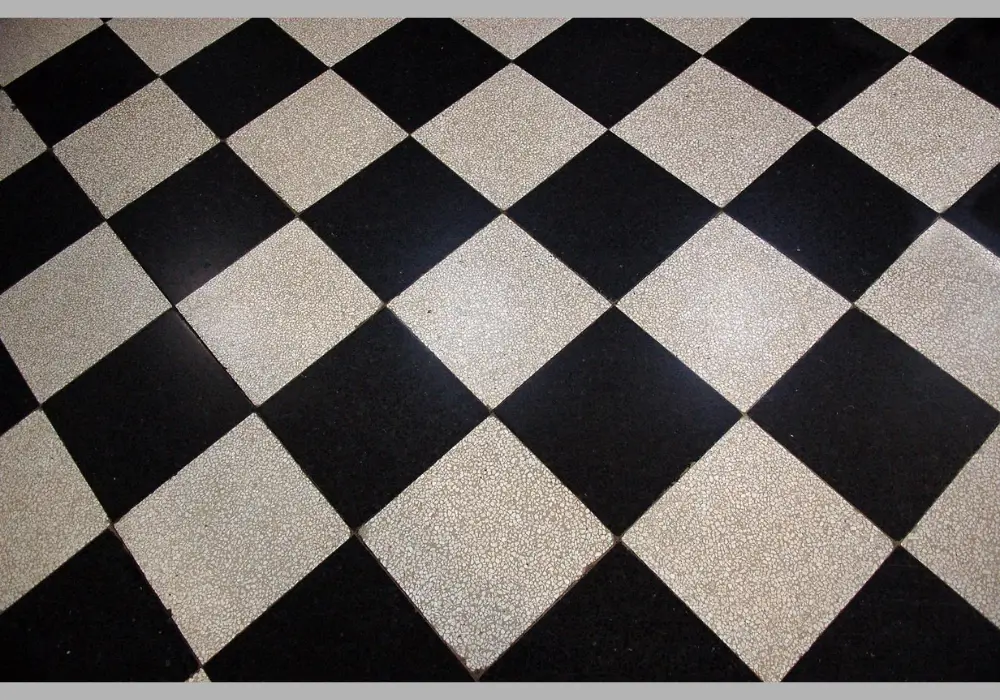
Checkerboard flooring creates a classic and recognizable kitchen style. I frequently notice this pattern used in kitchens that want a vintage or retro-inspired design.
The contrast between light and dark tiles adds energy to the space. It also helps define the kitchen floor visually, especially in open layouts.
Many homeowners choose this flooring because it feels timeless. The pattern has remained popular for decades while still fitting modern kitchen designs.
10. Herringbone Pattern Kitchen Flooring
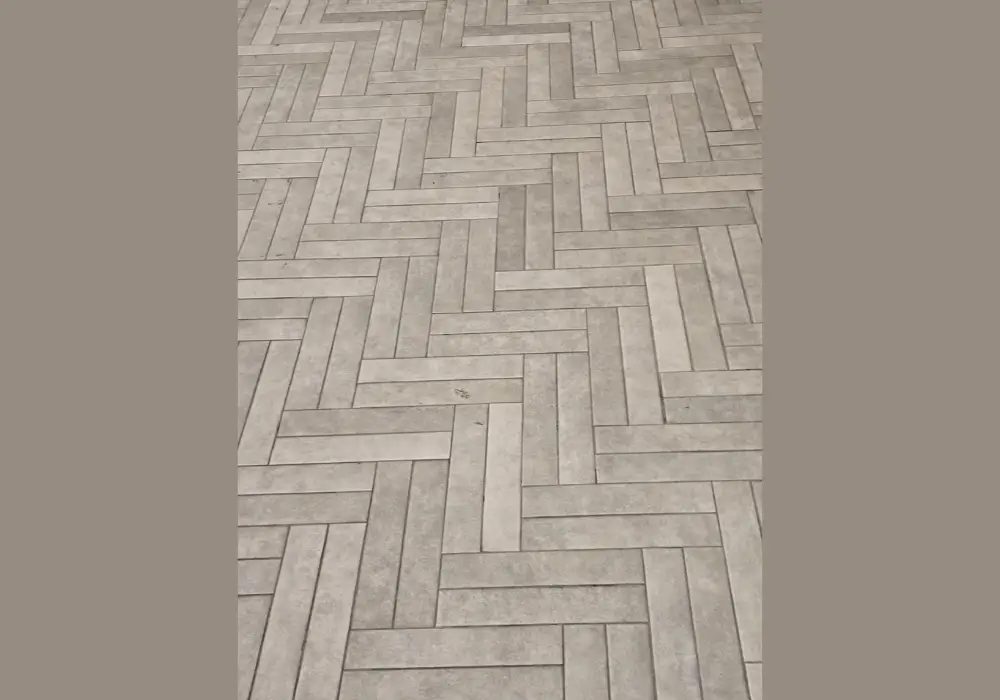
Herringbone flooring introduces movement and elegance into the kitchen design. I often suggest this pattern when homeowners want something more visually dynamic than traditional straight layouts.
The angled arrangement of tiles or wood pieces creates a distinctive pattern that draws attention without overwhelming the room.
This style works well with several materials, including wood, tile, and vinyl. When installed carefully, herringbone flooring adds sophistication while maintaining practical durability.
Practical Guide to Choosing the Right Kitchen Flooring
Selecting the right kitchen flooring requires careful consideration because the floor experiences daily wear, moisture, and frequent movement.
I often suggest focusing on materials that combine durability with visual balance. A good flooring choice should support everyday kitchen activities while also complementing cabinets, walls, and countertops.
Another factor I always recommend thinking about is long-term maintenance. Some materials look beautiful but require regular care, while others offer easier cleaning and stronger resistance to spills.
When homeowners choose flooring with both durability and practicality in mind, the kitchen becomes far more comfortable and reliable.
Consider Durability and Water Resistance
Kitchen floors experience spills, dropped utensils, and heavy foot traffic every day. I usually recommend materials such as ceramic tile, vinyl plank, or stone because they resist moisture and wear. Durable flooring ensures the kitchen remains functional for many years.
Match Flooring with Kitchen Style
Flooring should complement the overall kitchen design. I often suggest selecting materials and colors that work well with cabinets, countertops, and wall colors. When the floor blends naturally with other elements, the entire kitchen feels visually balanced.
Choose Easy-to-Clean Materials
Kitchens require frequent cleaning, so practical flooring matters. Surfaces like tile, vinyl, or sealed stone allow homeowners to clean spills quickly. I often advise avoiding materials that absorb stains or require complicated maintenance.
Think About Comfort Underfoot
Comfort plays a bigger role than many homeowners expect. Floors that feel too hard or cold may become uncomfortable during long cooking sessions. Materials like vinyl or laminate often provide slightly softer surfaces that improve everyday comfort.
Balance Budget with Long-Term Value
While budget always matters, I suggest thinking about long-term durability as well. Investing in quality flooring can prevent frequent repairs or replacements. The goal is finding a balance between affordability and lasting performance.
Kitchen Flooring Material Comparison
| Flooring Type | Best For | Key Advantage |
|---|---|---|
| Ceramic Tile | Busy kitchens | Highly durable and water resistant |
| Vinyl Plank | Budget-friendly kitchens | Waterproof and easy to install |
| Hardwood | Open kitchen layouts | Adds warmth and natural character |
| Laminate | Affordable renovations | Stylish look with lower cost |
| Stone Tile | Luxury kitchens | Natural texture and long lifespan |
| Concrete | Modern kitchens | Strong and minimalist appearance |
Conclusion
Choosing the right kitchen flooring can make a significant difference in both the appearance and practicality of the space. I often notice that homeowners focus on cabinets and appliances, yet the floor quietly supports the entire kitchen design.
Durable materials such as tile, vinyl, wood, or stone not only handle daily use but also shape the overall atmosphere of the room. When the flooring matches the kitchen style and withstands everyday activity, the space feels more balanced and comfortable.
By selecting flooring carefully, you can create a kitchen that looks attractive while remaining reliable for years of cooking and family use.
FAQs
Ceramic tile and natural stone are among the most durable kitchen flooring materials. They handle moisture, heat, and heavy foot traffic very well. I often recommend them for busy kitchens because they maintain their appearance for many years with proper care.
Vinyl plank, ceramic tile, and laminate flooring usually work well in busy kitchens. These materials resist scratches and spills while remaining easy to clean. Many homeowners prefer them because they combine durability with relatively simple maintenance.
Wood flooring can work in kitchens if it is properly sealed and maintained. I usually suggest wiping spills quickly and keeping the protective finish in good condition. With the right care, hardwood floors can remain attractive and durable.
Light-colored flooring such as pale tiles, light wood, or neutral vinyl planks can help a kitchen feel larger. These colors reflect more light and create a sense of openness. I often recommend simple patterns for smaller kitchens.