
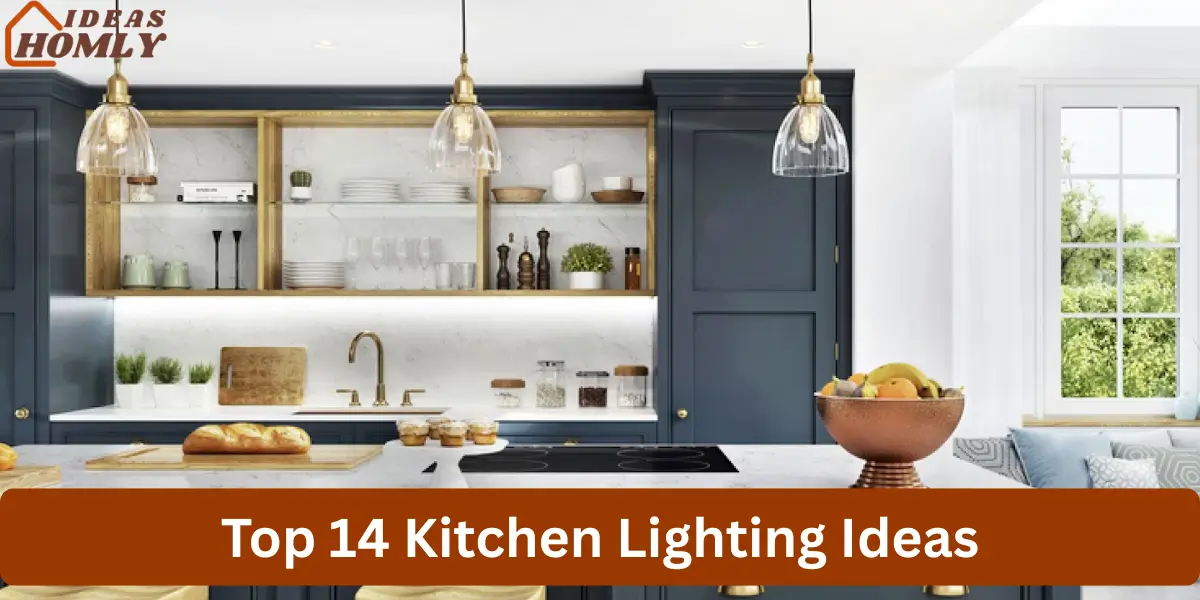

A kitchen can feel completely different depending on how it’s lit. I’ve noticed that even a beautifully designed kitchen can look dull if the lighting isn’t planned properly.
The right lights not only improve visibility for cooking but also create warmth and character in the space. When I explore modern designs, I often see homeowners focusing more on layered lighting rather than relying on a single fixture.
That’s why thoughtful kitchen lighting ideas have become an essential part of modern kitchen planning, helping transform everyday kitchens into spaces that feel brighter, more welcoming, and easier to use.
Modern Kitchen Lighting Ideas to Enhance Style and Function
Good lighting does more than brighten a room. In a kitchen, it supports daily tasks, highlights design details, and creates a welcoming atmosphere.
When I plan lighting for a kitchen, I always think about how different layers of light can work together to make the space both practical and visually balanced.
Instead of relying on a single ceiling fixture, modern kitchens combine several lighting styles. Task lights help with cooking, ambient lights brighten the room, and decorative fixtures add personality.
The following ideas show how thoughtful lighting choices can completely transform the kitchen experience.
1. Pendant Lighting Over the Kitchen Island
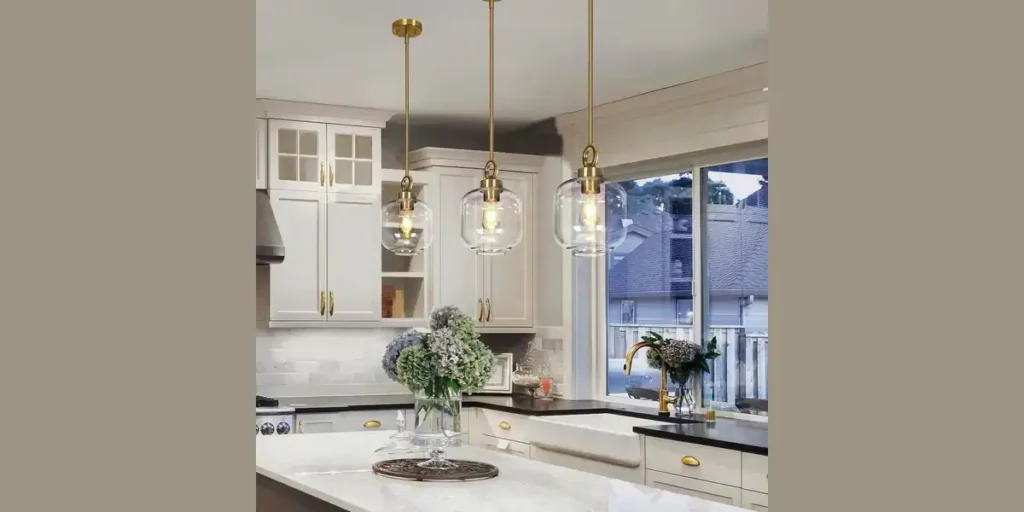
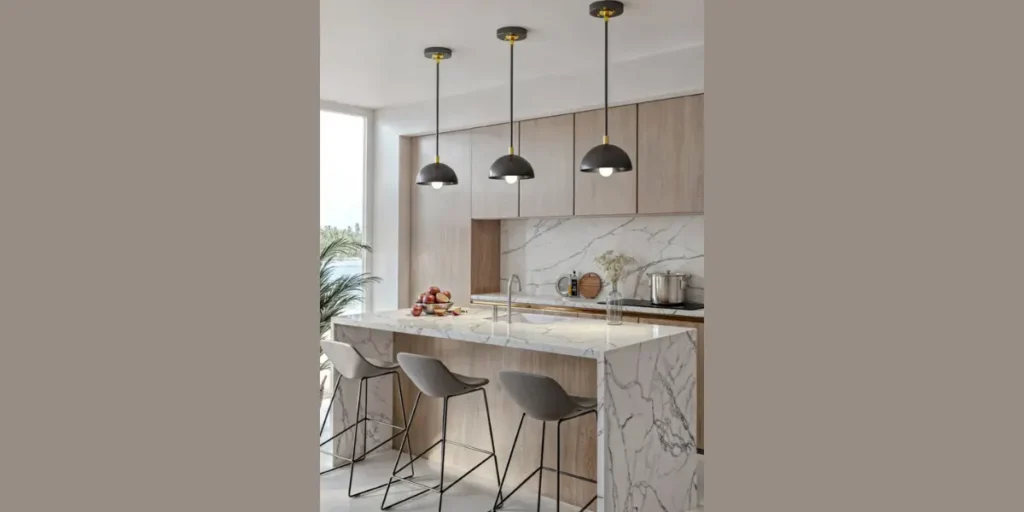
Pendant lighting remains one of the most popular choices for kitchen islands. I often recommend this option because it combines focused task lighting with strong visual appeal. When pendants hang above the island, they direct light exactly where people prepare food or gather for casual meals.
Designers usually install two or three pendants in a row to create balance. This arrangement spreads light evenly across the island and prevents dark spots on the countertop.
Pendant lights also serve as decorative elements. Glass, metal, or matte finishes can match the kitchen style, helping the lighting fixture become an attractive focal point.
2. Under-Cabinet LED Lighting
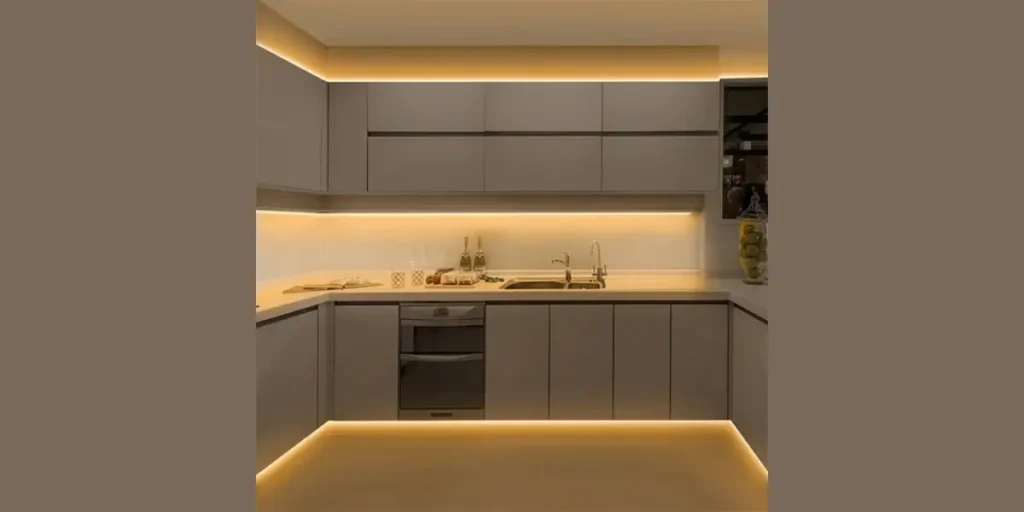
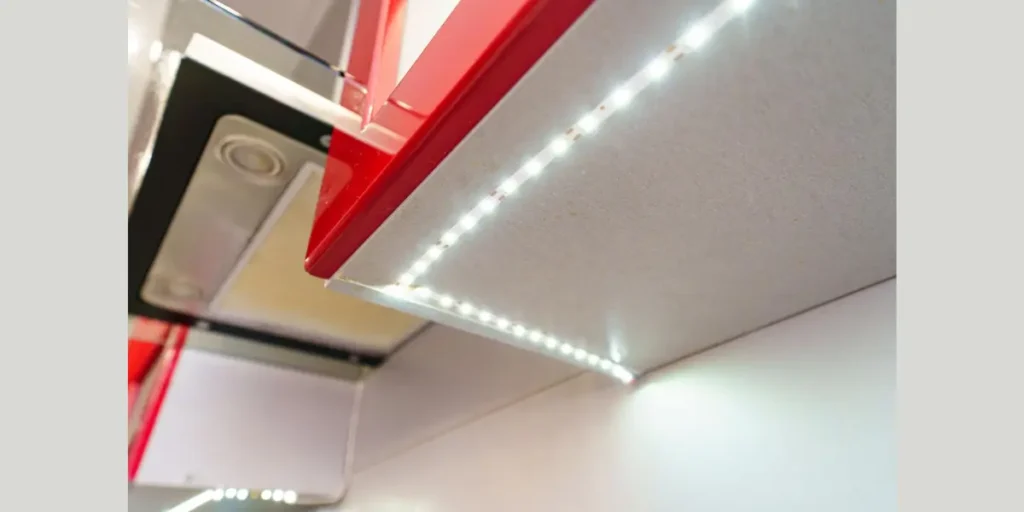
Under-cabinet lighting improves visibility on countertops where most kitchen work happens. I find this lighting extremely practical because it eliminates shadows created by upper cabinets. When installed correctly, the light spreads evenly across the work surface.
LED strips are the most common option for this setup. They provide bright illumination while using very little electricity and producing minimal heat.
Another advantage is subtle elegance. Under-cabinet lighting creates a soft glow that highlights backsplashes and countertops, making the kitchen appear more modern and refined.
3. Recessed Ceiling Lighting
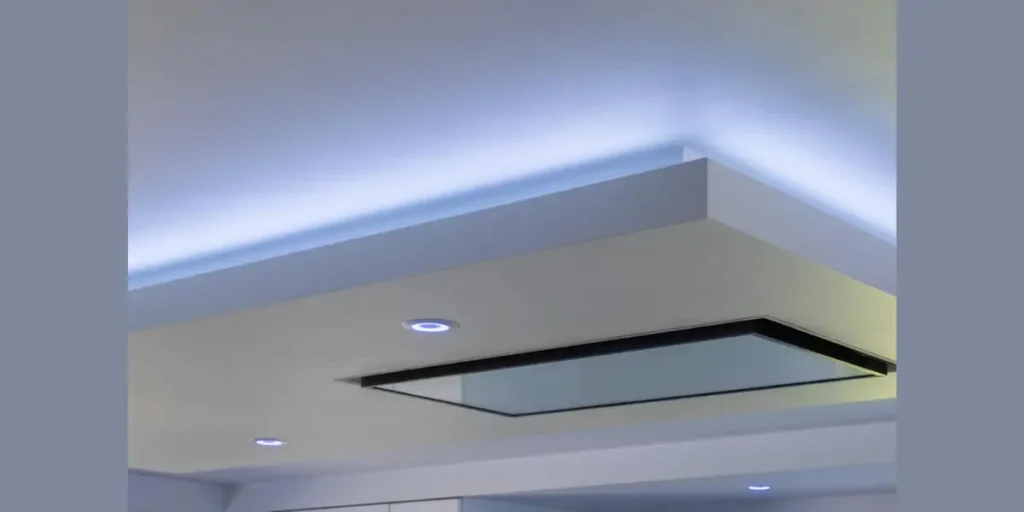
Recessed lighting offers a clean and minimal look that works in almost any kitchen style. I often use this lighting to provide general illumination throughout the room without adding bulky fixtures to the ceiling.
These lights sit flush with the ceiling and distribute light evenly across the space. This helps eliminate dark areas and keeps the kitchen consistently bright.
Recessed lights also blend easily with other lighting types. They work well alongside pendant lights or under-cabinet lighting to create a balanced layered lighting system.
4. Statement Chandelier Lighting
A chandelier can instantly elevate the visual impact of a kitchen. I like using chandeliers in kitchens with islands or dining areas because they introduce elegance while providing ambient lighting.
Modern kitchen chandeliers come in many styles, from minimalist metal designs to crystal fixtures. The right choice can complement the entire interior design.
When placed correctly, a chandelier draws attention upward and becomes a design centerpiece. It transforms the kitchen from a purely functional space into a stylish gathering area.
5. Adjustable Track Lighting
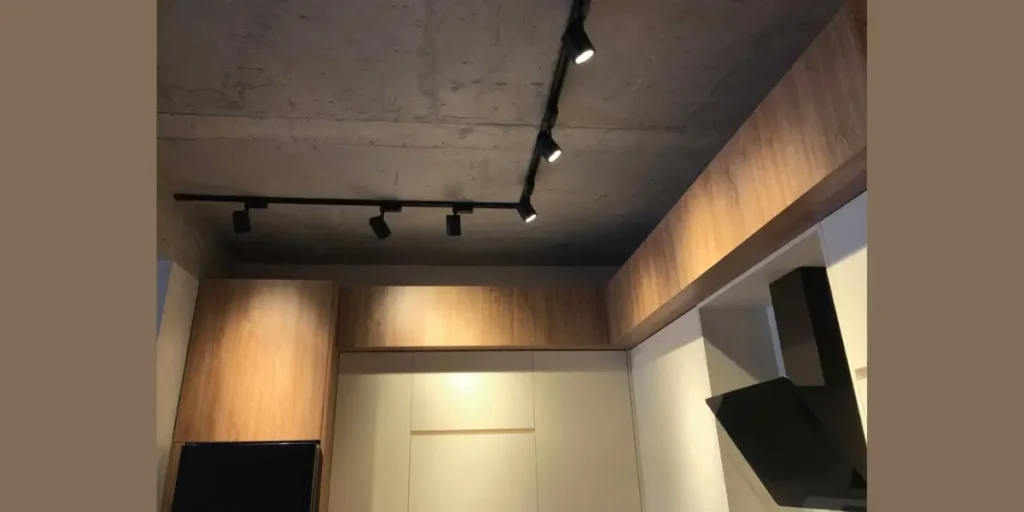
Track lighting provides excellent flexibility for kitchen illumination. I often recommend this option when homeowners want the ability to direct light toward specific areas such as countertops, shelves, or artwork.
Each light head can rotate or tilt in different directions. This allows the lighting layout to adapt as kitchen needs change.
Track lighting also works well in contemporary kitchens. Its clean lines and adjustable design create a modern appearance while offering highly practical lighting control.
6. Glass Globe Lighting Fixtures
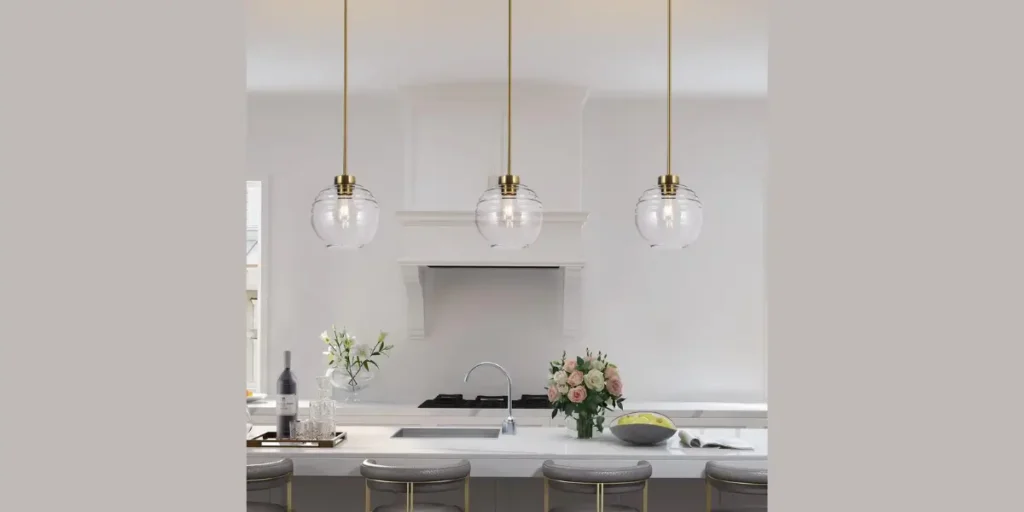
Glass globe lighting adds softness and elegance to the kitchen environment. I appreciate how the transparent glass diffuses light evenly while maintaining a light and airy look.
These fixtures work particularly well above islands or dining corners. Their rounded shape introduces visual contrast against the straight lines of cabinets and countertops.
Because the glass allows light to spread freely, globe fixtures brighten the space without feeling harsh. This makes them ideal for kitchens that aim for a calm and welcoming atmosphere.
7. LED Strip Lighting Inside Cabinets
Interior cabinet lighting improves both convenience and visual appeal. I often suggest adding LED strips inside glass-front cabinets or pantry shelves because they illuminate stored items clearly.
This lighting helps people find dishes, ingredients, or cookware quickly without turning on the main lights.
Cabinet lighting also creates a subtle decorative effect. When shelves glow softly, the kitchen gains depth and a slightly luxurious appearance that enhances the overall design.
8. Industrial Cage Pendant Lighting
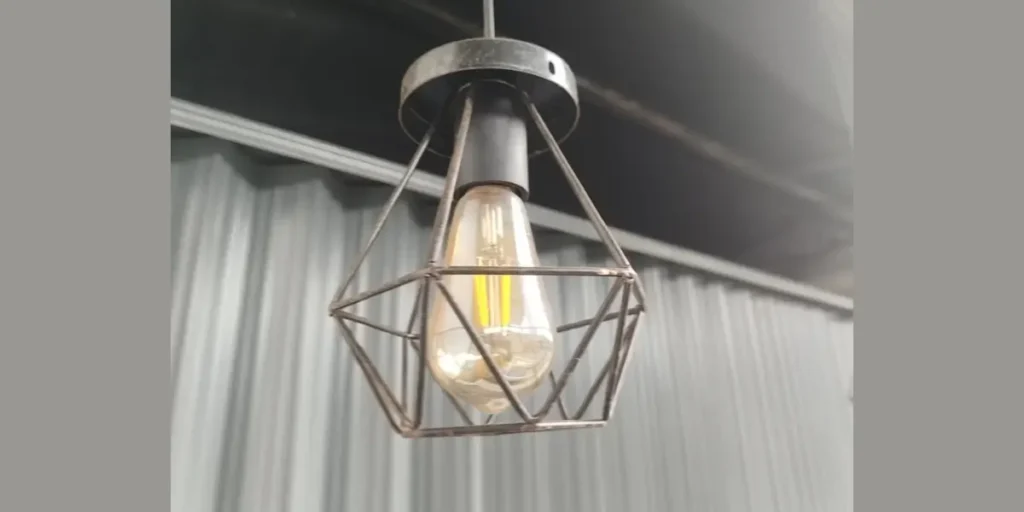
Industrial cage lighting brings a bold and distinctive style to the kitchen. I like this option for kitchens that feature modern industrial or rustic design themes.
The metal cage structure surrounds an exposed bulb, creating a striking visual effect while allowing light to spread freely.
These fixtures often appear above kitchen islands or dining spaces. Their strong design character makes them stand out, giving the kitchen a unique personality.
9. Toe-Kick Lighting
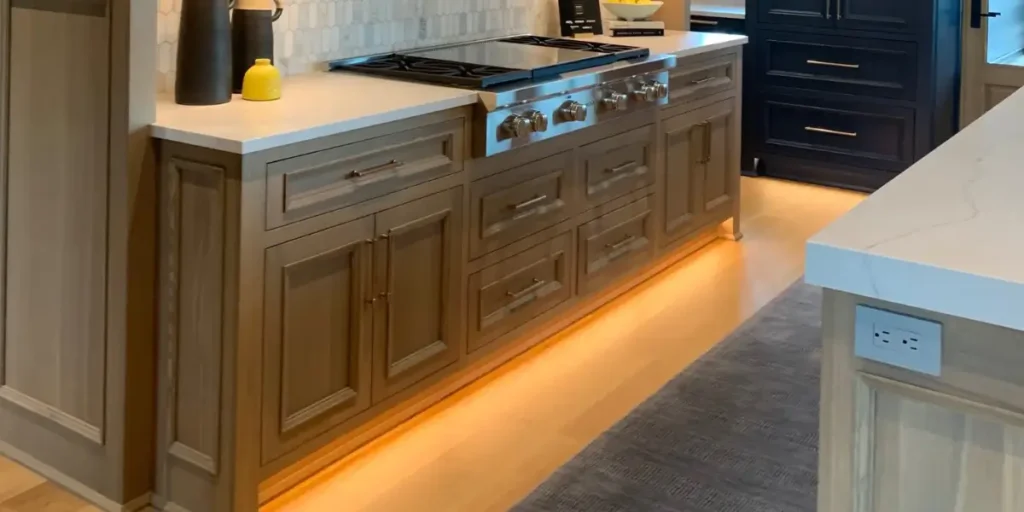
Toe-kick lighting sits beneath lower cabinets near the floor. I find this subtle lighting surprisingly useful because it gently illuminates the kitchen at night without turning on bright overhead lights.
This lighting also highlights the outline of cabinetry, adding a modern architectural effect to the kitchen design.
Many homeowners appreciate toe-kick lighting for safety. It helps people move around the kitchen during nighttime hours while keeping the atmosphere calm and comfortable.
10. Skylight Natural Lighting
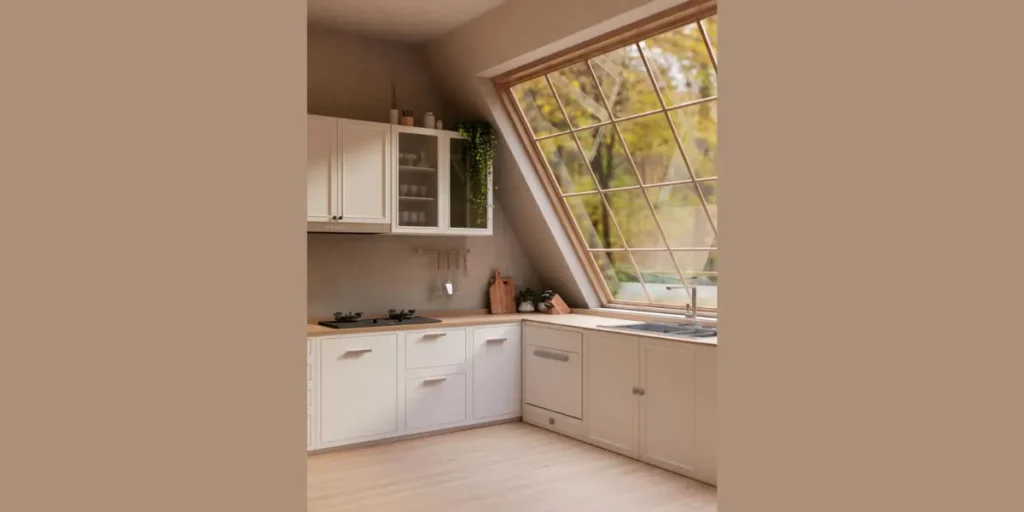
Natural lighting can dramatically improve how a kitchen feels during the day. When a skylight sits above the kitchen area, sunlight fills the room and reduces the need for artificial lighting.
I often notice that kitchens with skylights feel larger and more open. Natural daylight enhances colors and materials, making cabinets and countertops appear more vibrant.
Skylights also support energy efficiency. By allowing sunlight to illuminate the room, they reduce electricity usage while creating a refreshing environment.
11. Wall Sconce Kitchen Lighting
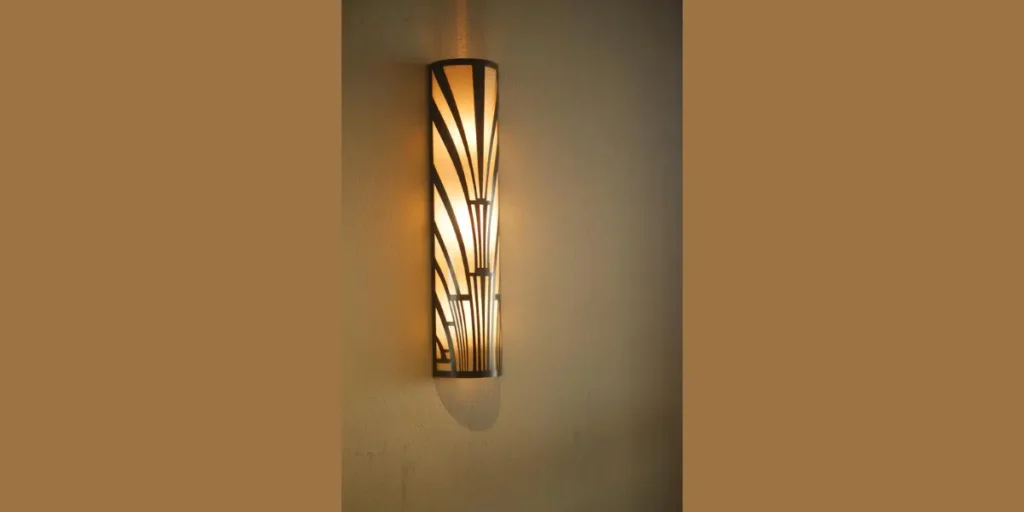
Wall sconces add a decorative layer of lighting that many kitchens overlook. I like installing them near open shelving, around windows, or beside dining areas to introduce warm accent lighting.
Unlike overhead lights, sconces create a softer glow along the walls. This effect adds depth and makes the kitchen feel more welcoming.
Wall sconces also offer an opportunity to introduce stylish design details. Brass, matte black, or glass fixtures can enhance the overall aesthetic of the kitchen.
12. Dimmable Kitchen Lighting
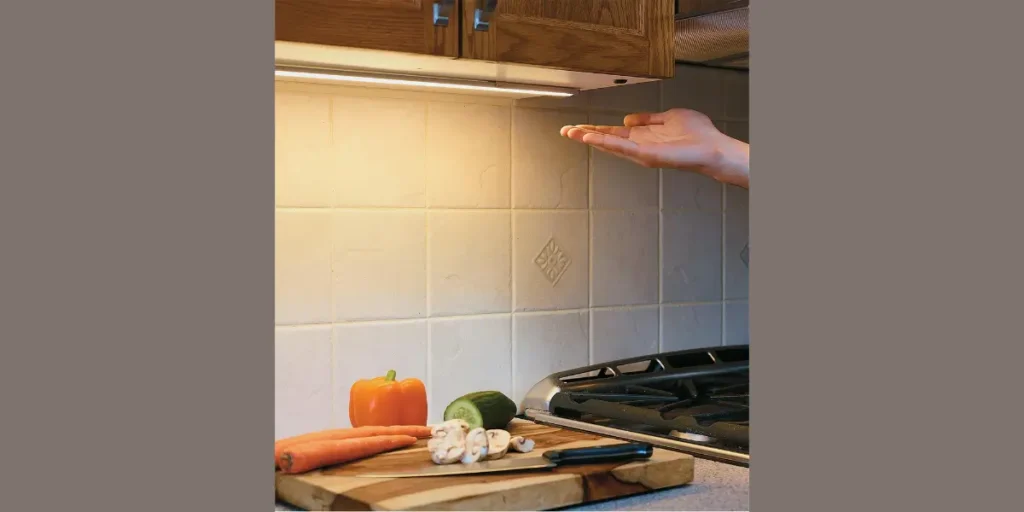
Dimmable lighting gives homeowners greater control over the kitchen environment. I consider this feature essential because lighting needs change throughout the day.
Bright lighting works best while preparing meals, but softer lighting creates a relaxed mood during evening dining or gatherings.
By installing dimmer switches, it becomes easy to adjust brightness instantly. This flexibility helps the kitchen shift from a practical workspace to a comfortable social space.
13. Lantern Style Kitchen Lighting
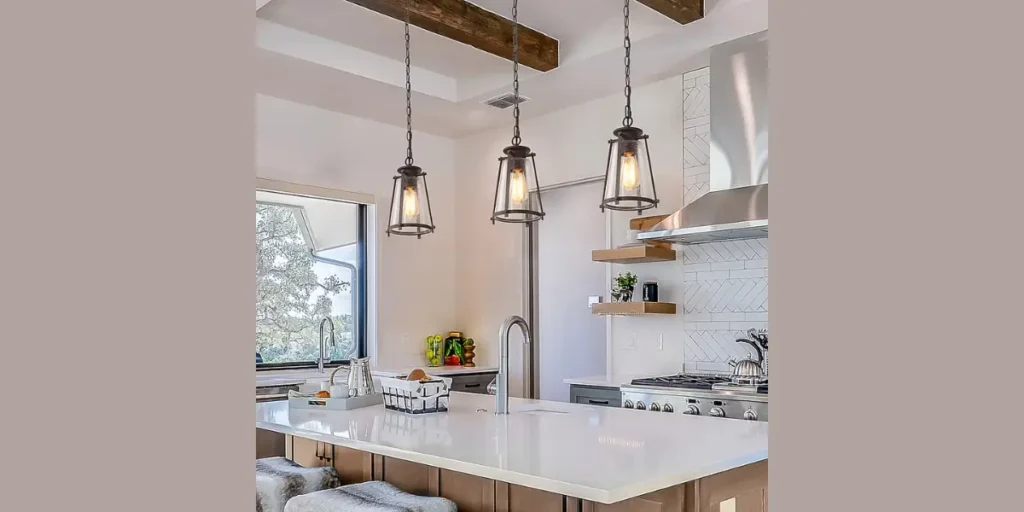
Lantern style lighting adds character and timeless charm to a kitchen. I often suggest this option for kitchens that blend modern and traditional elements because lantern fixtures bring structure without looking overly decorative.
Their open frame design allows light to spread evenly while still creating a noticeable design statement.
Many designers install lantern lights above kitchen islands or dining areas. The geometric frames create visual interest and help define the space beneath them.
Lantern lighting also works beautifully in farmhouse, transitional, and classic kitchens. When paired with warm bulbs, these fixtures produce a soft glow that makes the kitchen feel comfortable and inviting.
14. Smart LED Kitchen Lighting
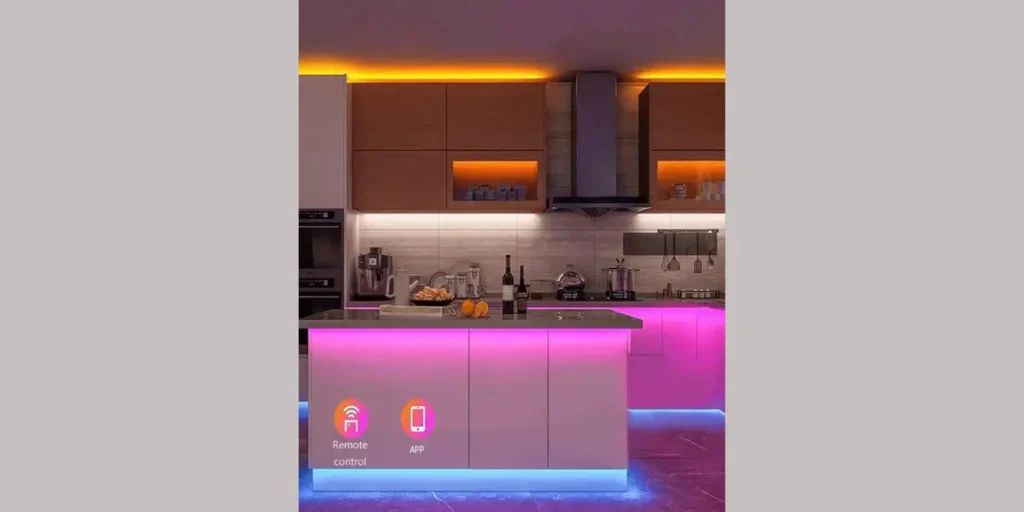
Smart LED lighting brings modern convenience into the kitchen. I find this option particularly useful for homeowners who want greater control over brightness and lighting schedules. With smart systems, you can adjust lighting using a phone app or voice commands.
Many smart lights also allow color temperature adjustments. This means you can switch from bright white light for cooking to softer warm lighting for evening gatherings.
Smart lighting also improves energy efficiency. Because you can control lights remotely and automate schedules, it becomes easier to reduce unnecessary energy use while keeping the kitchen perfectly illuminated.
Kitchen Lighting Design Tips
Good kitchen lighting requires more than installing a few fixtures. I usually focus on creating a balanced lighting plan that supports cooking tasks while also improving the overall atmosphere. When lighting works in layers, the kitchen becomes both practical and visually appealing.
A thoughtful lighting setup combines brightness for work areas with softer light for comfort. By placing fixtures strategically and choosing the right type of lighting, it becomes easier to create a kitchen that feels welcoming and functional throughout the day.
Use Layered Lighting
Layered lighting means combining multiple lighting sources instead of relying on one fixture. I often recommend mixing ambient, task, and accent lighting so every area of the kitchen receives proper illumination. This approach helps eliminate shadows and creates a balanced lighting environment.
Focus on Work Areas
Kitchen workspaces need direct and reliable lighting. Countertops, cooking areas, and sinks should always have task lighting that improves visibility. Installing lights directly above these areas ensures safer and more comfortable food preparation.
Choose the Right Color Temperature
Lighting color temperature affects the mood of the kitchen. Warm white lights create a cozy atmosphere, while neutral white lighting offers clearer visibility. I usually suggest choosing a tone that matches the overall design and daily kitchen activities.
Install Dimmer Switches
Dimmer switches allow you to control brightness easily. Bright lighting works well for cooking tasks, but softer lighting creates a relaxed environment for dining or evening gatherings. This flexibility helps the kitchen adapt to different situations.
Highlight Key Design Elements
Accent lighting can highlight unique kitchen features such as backsplashes, open shelves, or decorative cabinets. This technique adds depth and visual interest while making the kitchen feel more thoughtfully designed.
Conclusion
Kitchen lighting has a powerful impact on both the functionality and atmosphere of the space. I’ve often seen that the right lighting setup can make a kitchen feel brighter, more organized, and far more inviting.
When different lighting layers work together, they improve visibility for cooking while also highlighting the kitchen’s design features.
The key is choosing fixtures that balance practicality with style. Pendant lights, recessed lighting, and under-cabinet LEDs each serve a purpose and help create a well-lit environment.
By exploring these kitchen lighting ideas, homeowners can design a kitchen that feels comfortable, visually appealing, and perfectly suited for everyday use.
FAQs
A combination of ambient, task, and accent lighting works best in a kitchen. Ambient lighting brightens the room overall, while task lighting focuses on cooking areas like countertops and sinks. Accent lighting highlights design details and adds depth to the space.
LED lights are one of the best choices for kitchen lighting because they are energy efficient and long lasting. They also produce bright, consistent illumination while using less electricity than traditional bulbs.
Neutral white or soft white lighting usually works best in kitchens. These tones provide clear visibility for cooking while still maintaining a comfortable atmosphere that feels natural and inviting.
Yes, pendant lights are both functional and decorative. They provide focused lighting for kitchen islands or dining areas while also adding a stylish design element to the room.