
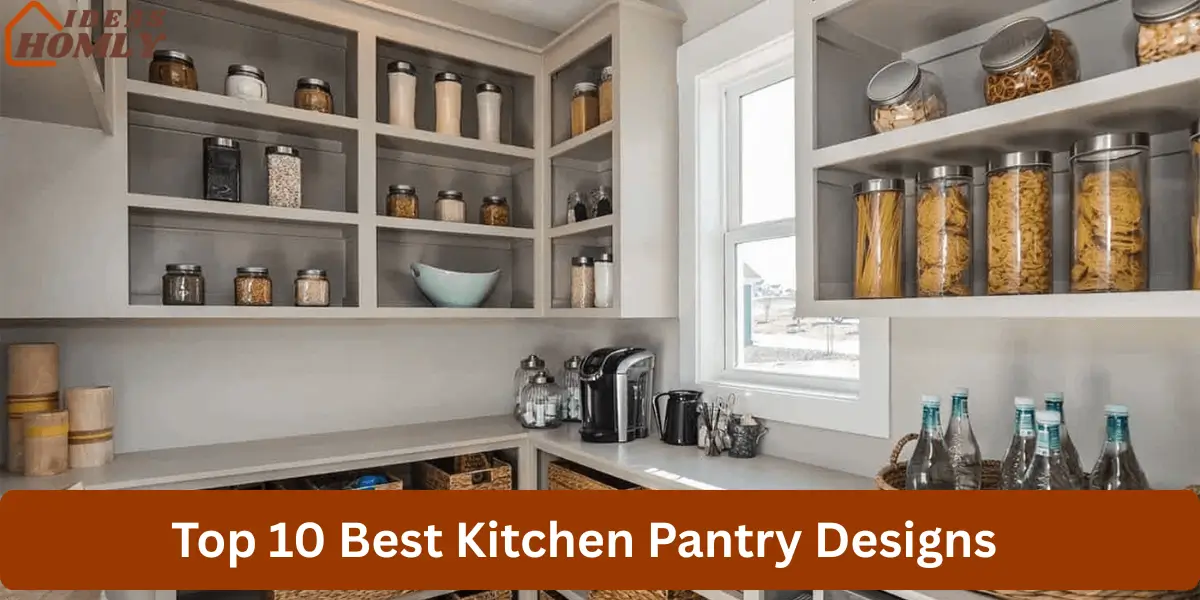

A well-planned pantry can quietly change how a kitchen works every day. When ingredients, jars, and supplies stay properly arranged, cooking becomes faster and far less stressful.
I often notice that many kitchens feel cluttered simply because the pantry layout does not use the space wisely. Exploring different kitchen pantry designs can help solve this problem by improving both storage and accessibility.
With the right design, it becomes easier to keep groceries organized, maintain a clean kitchen, and find what you need without searching through crowded shelves.
Functional Kitchen Pantry Designs for Organized Storage
A well-designed pantry improves both storage and daily kitchen workflow. I have noticed that when a pantry layout is practical, the entire kitchen feels more organized and easier to use.
Different homes require different pantry solutions. Some kitchens benefit from spacious walk-in storage, while others work better with compact cabinet designs.
Below are several kitchen pantry designs I often recommend for homeowners who want better organization, efficient storage, and a cleaner cooking environment.
1. Walk-In Pantry Design
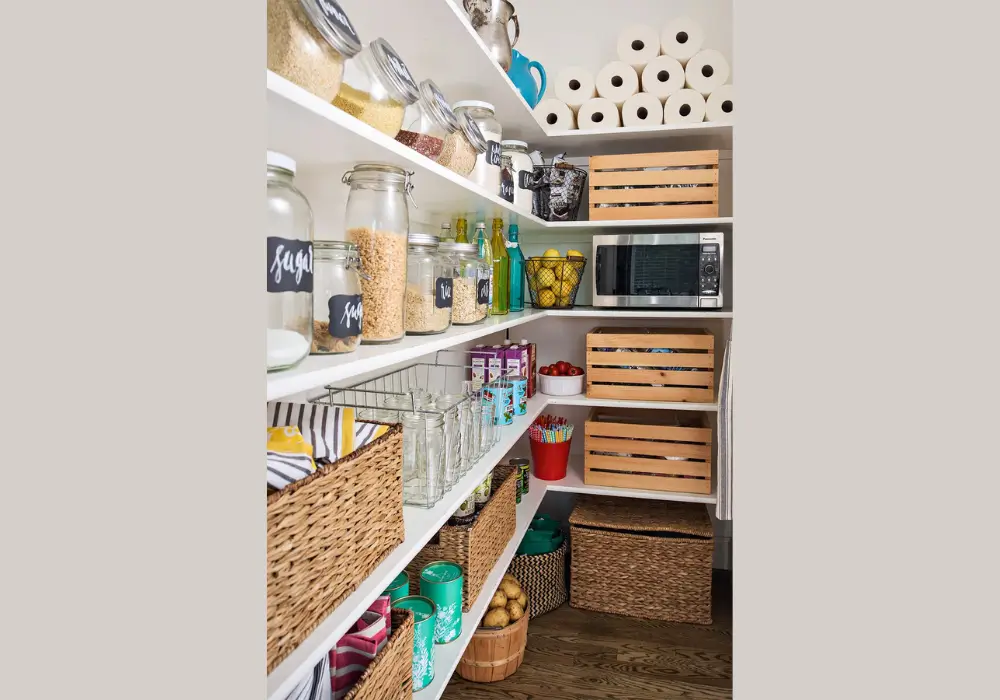
A walk-in pantry remains one of the most practical kitchen storage solutions. I often suggest this design for homes with enough extra space because it provides a dedicated area for storing groceries and kitchen supplies.
This pantry usually includes multiple open shelves that keep ingredients visible and easy to access. I like organizing items by categories such as baking supplies, snacks, and canned foods.
Adding baskets, containers, and small drawers can improve organization even more. With the right layout, a walk-in pantry keeps the kitchen less crowded and far more functional.
2. Pull-Out Pantry Cabinet Design
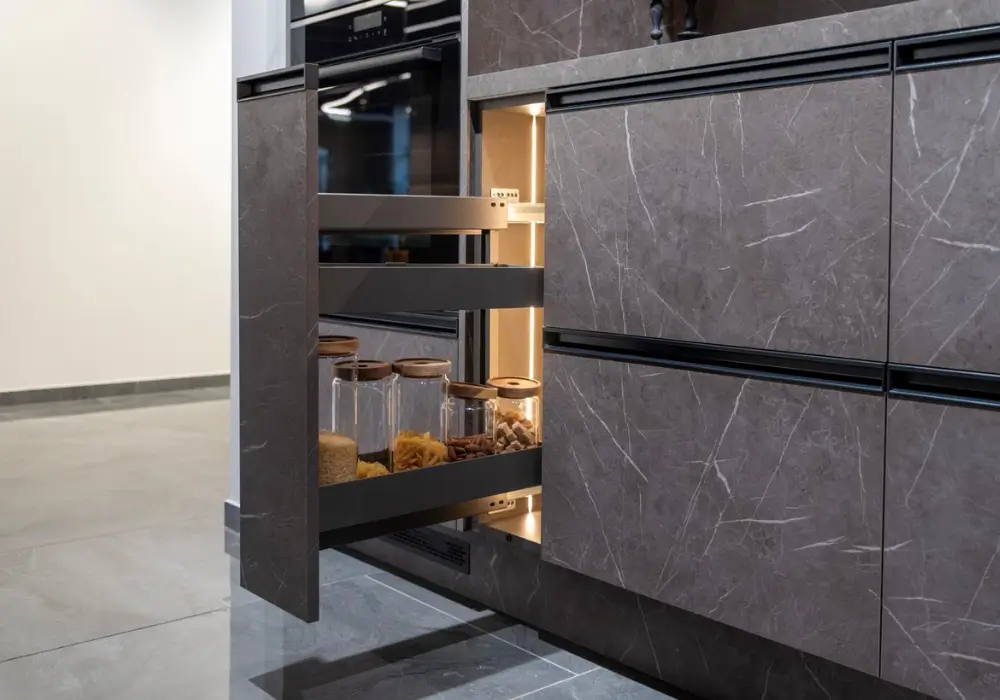
Pull-out pantry cabinets offer an efficient storage solution for smaller kitchens. I often recommend this design when homeowners want to maximize storage without adding large cabinets.
These tall cabinets include sliding shelves that extend outward when opened. The design allows you to see every item clearly instead of reaching deep into shelves.
I usually place these cabinets near the cooking area for quick access to ingredients. This setup keeps the kitchen organized while saving valuable floor space.
3. Butler’s Pantry Design
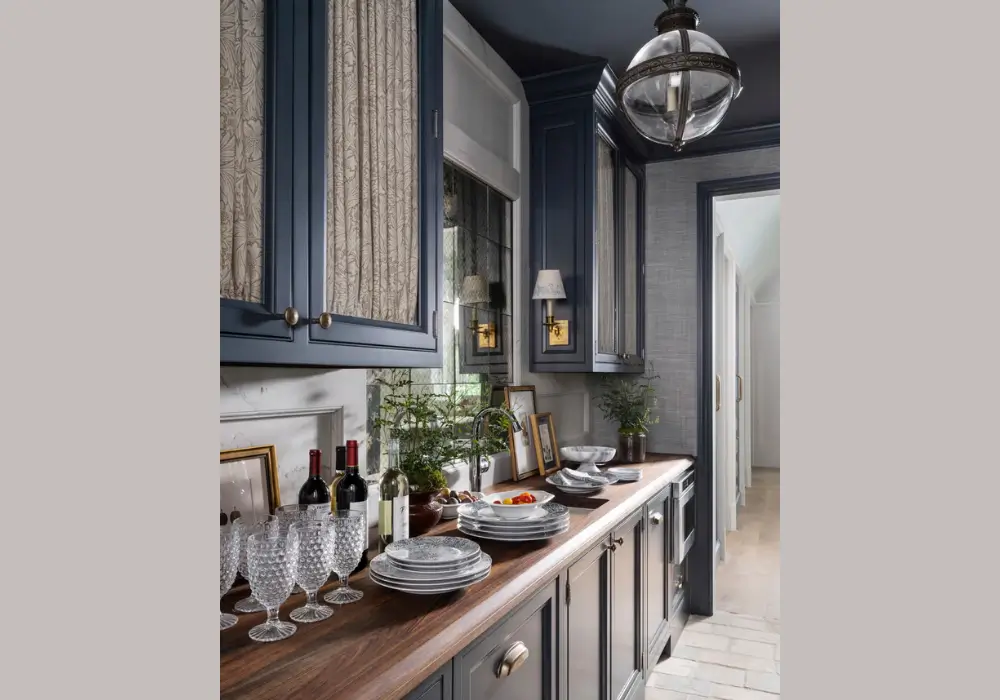
A butler’s pantry acts as an extension of the main kitchen. I frequently see this design placed between the kitchen and dining room to create additional storage and preparation space.
This pantry often includes cabinets, countertops, and sometimes a sink. Homeowners commonly use it to store serving dishes, glassware, and small appliances.
I like how this design keeps the main kitchen less cluttered during cooking or gatherings. It also provides a convenient space for organizing kitchen equipment.
4. Corner Pantry Design
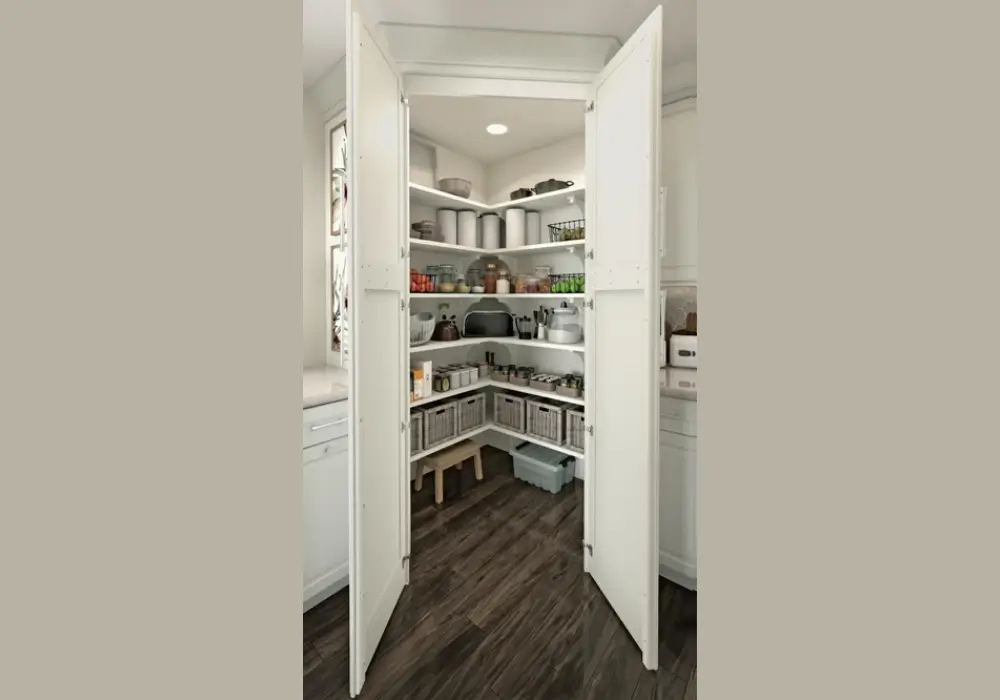
A corner pantry makes use of areas that many kitchens leave unused. I often recommend this design when wall space feels limited but extra storage is needed.
The layout usually includes angled shelves that extend deep into the corner. These shelves can hold dry foods, jars, and cooking ingredients.
I prefer placing frequently used items near the front and less used items toward the back. This arrangement helps keep the pantry practical and easy to manage.
5. Open Shelf Pantry Design
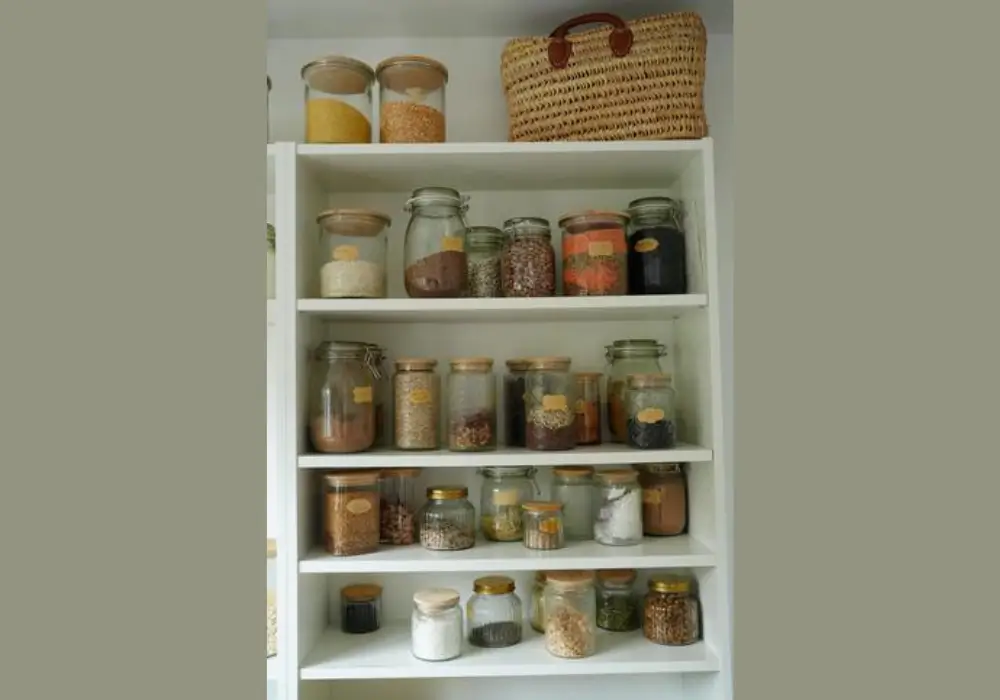
Open shelf pantries create a simple and accessible storage system. I often recommend this style for homeowners who prefer seeing ingredients at a glance.
Instead of cabinet doors, open shelves display jars, containers, and baskets. This design encourages better organization because everything remains visible.
Using matching containers and labeled jars helps maintain a neat appearance. The pantry then becomes both functional and visually appealing.
6. Hidden Pantry Design
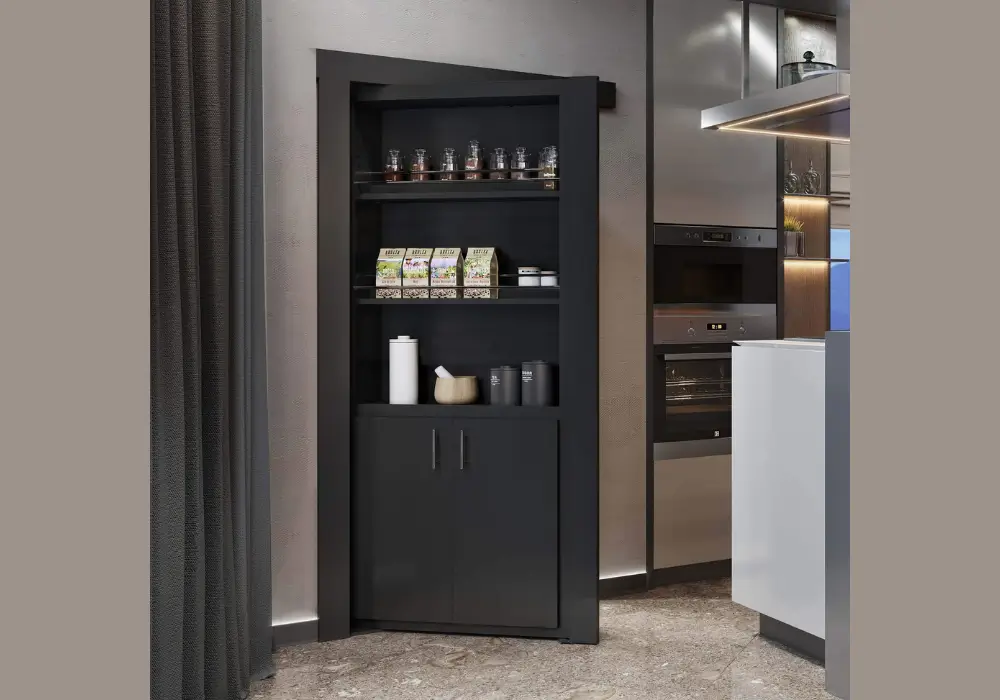
A hidden pantry design keeps storage completely concealed within the kitchen layout. I recommend this style when homeowners want a sleek and modern appearance.
The pantry door usually blends with surrounding cabinets, making it appear almost invisible. When closed, it looks like part of the wall.
Inside, the pantry may include shelves, drawers, and storage containers. This design keeps the kitchen organized while maintaining a clean and minimal look.
7. Pantry with Glass Door Design
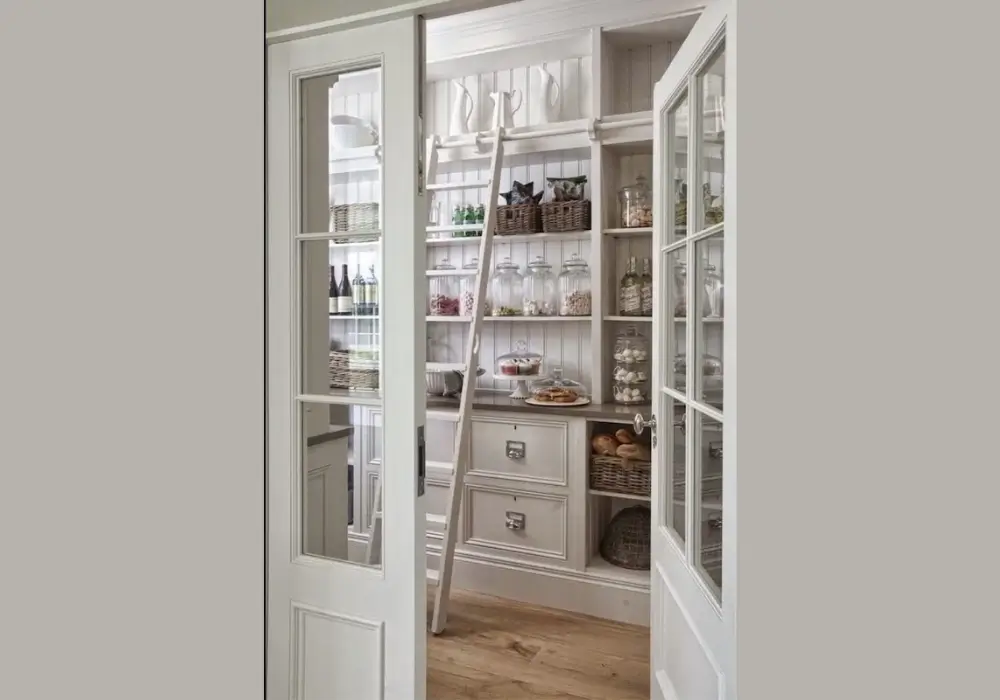
Glass door pantries combine storage with visual display. I often recommend this design for kitchens where organization becomes part of the decor.
Transparent doors allow you to see neatly arranged jars and containers. This encourages maintaining a tidy pantry.
Using uniform containers and labels behind the glass improves the appearance even more. The result is a pantry that looks both organized and stylish.
8. Floor-to-Ceiling Pantry Design
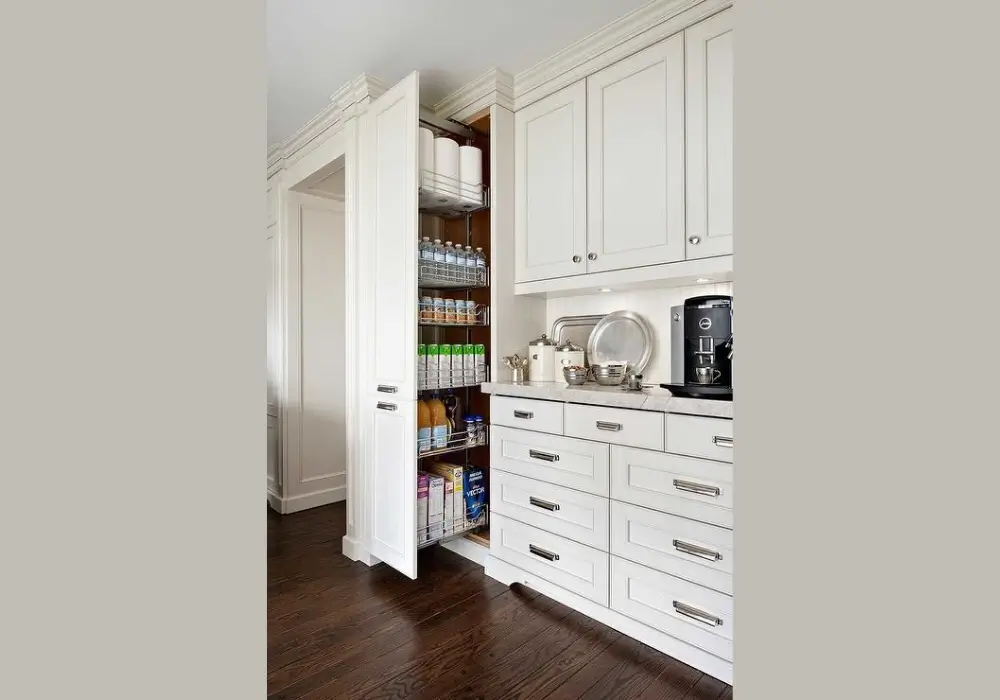
A floor-to-ceiling pantry maximizes vertical storage space. I recommend this design when homeowners want to store a large number of items efficiently.
Shelves extend from the floor all the way to the ceiling. This layout creates additional room for groceries, appliances, and storage baskets.
I usually place frequently used items at eye level and store less used items higher up. This keeps the pantry organized and easy to access.
9. Pantry Drawer Storage Design
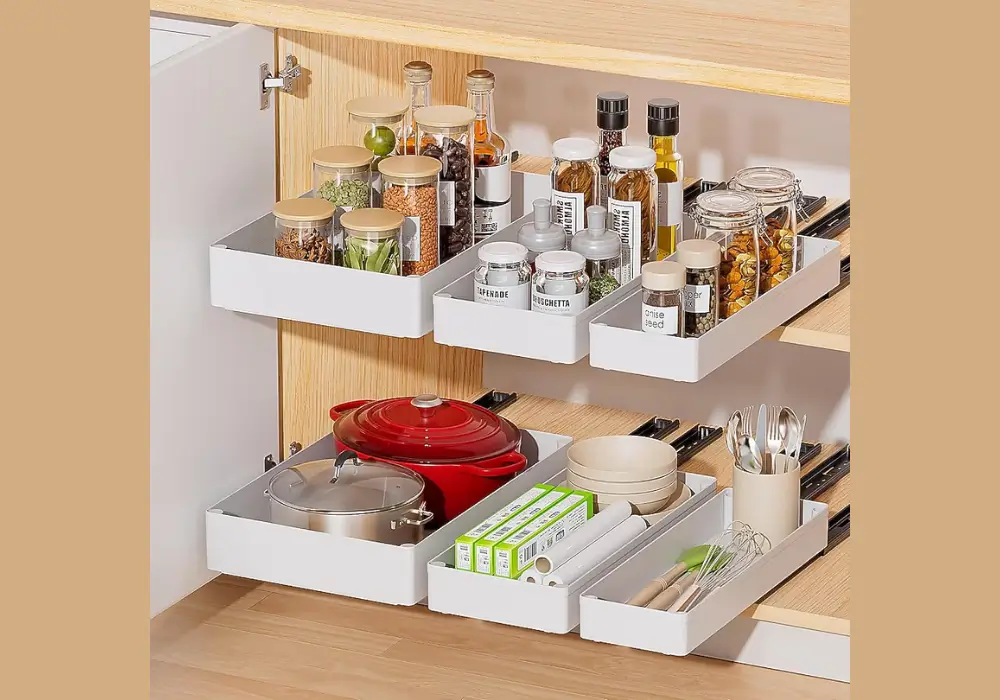
Pantry drawers provide a practical alternative to traditional shelves. I often suggest this design for people who struggle to reach items stored deep in cabinets.
Large pull-out drawers allow every item to remain visible. Snacks, packaged foods, and dry ingredients can stay neatly arranged.
This system reduces clutter and prevents items from getting lost in the back of shelves. It also makes organizing the pantry far easier.
10. Minimalist Pantry Design
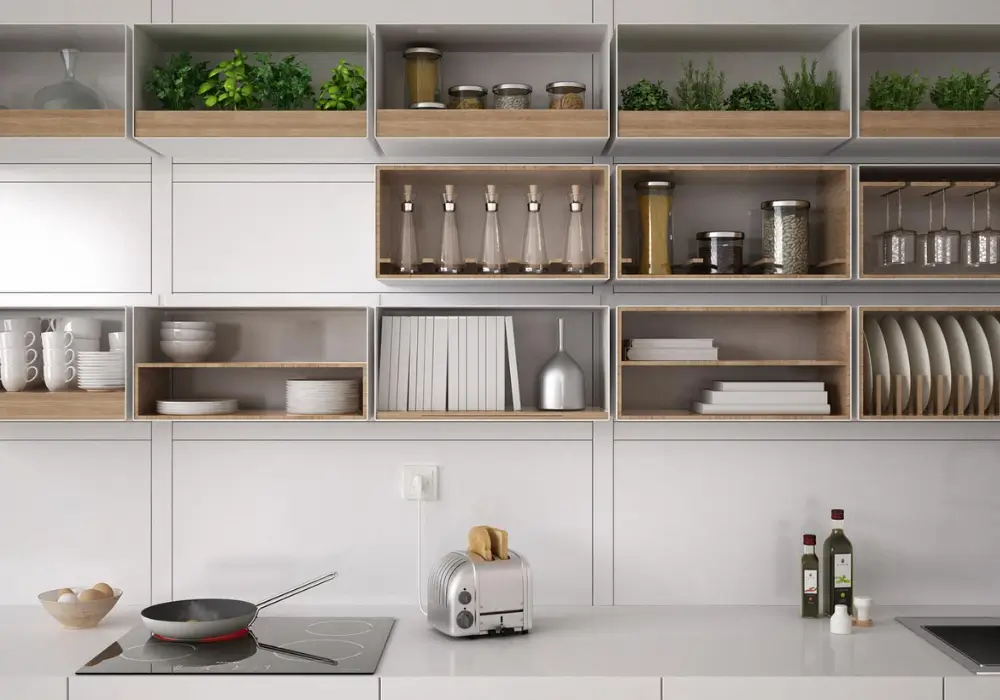
A minimalist pantry focuses on simplicity and order. I usually recommend this design for modern kitchens that emphasize clean lines and organized storage.
The layout often includes neutral shelves and matching storage containers. Everything stays arranged in a clear and structured way.
I prefer using clear jars and simple labels to maintain consistency. This approach keeps the pantry calm, uncluttered, and easy to maintain.
Smart Ways to Plan an Efficient Pantry Layout
Designing a pantry carefully makes daily kitchen tasks much easier. I often notice that when the layout is planned well, ingredients stay visible and cooking becomes more organized.
A practical pantry layout focuses on accessibility, storage balance, and proper organization. Small changes like grouping items or using clear containers can improve the entire space.
Choose the Right Pantry Size
The pantry should match the size and layout of the kitchen. In my experience, larger kitchens can support walk-in pantries, while smaller kitchens benefit from cabinet or pull-out pantry designs.
Choosing the right size prevents overcrowding and keeps storage manageable.
Use Clear Containers and Labels
Clear containers help keep dry ingredients organized and easy to identify. I often recommend storing items like rice, pasta, and flour in airtight jars.
Labels also make it easier for everyone in the household to find items quickly.
Create Storage Zones
Grouping similar foods together keeps the pantry efficient. I usually create separate zones for snacks, baking ingredients, canned foods, and cooking essentials.
This simple system prevents clutter and makes grocery storage much easier.
Add Proper Pantry Lighting
Good lighting improves visibility inside the pantry. I often recommend soft LED lights so every shelf remains easy to see.
Lighting helps prevent items from getting lost in darker corners.
Pantry Design Features and Benefits
| Pantry Feature | Best Use | Benefit |
|---|---|---|
| Walk-In Pantry | Large kitchens | Maximum storage capacity |
| Pull-Out Pantry | Small kitchens | Easy access to ingredients |
| Glass Door Pantry | Decorative kitchens | Stylish storage display |
| Floor-to-Ceiling Shelves | Compact spaces | Maximizes vertical storage |
| Drawer Pantry | Snacks and packaged foods | Better organization |
Conclusion
A well-designed pantry can transform how a kitchen functions every day. When storage is planned carefully, ingredients remain easy to find and the entire space feels more organized.
I have often seen that the right pantry layout reduces clutter and makes cooking far more enjoyable. Whether you prefer a spacious walk-in pantry or a compact cabinet design, the key is creating a system that keeps everything accessible.
Simple details like clear containers, proper shelving, and good lighting can make a noticeable difference.
By choosing thoughtful kitchen pantry designs, you can build a storage space that supports both efficiency and a cleaner, more comfortable kitchen.
FAQs
A functional pantry focuses on accessibility and organization. I recommend using clear containers, grouping similar items, and keeping frequently used ingredients at eye level. Good lighting and proper shelf spacing also improve usability.
Pantry shelves work best when they are sturdy and not too deep. I usually recommend shelves around 12 to 16 inches deep. This depth allows items to remain visible without getting lost in the back.
A walk-in pantry is helpful but not always necessary. Many modern kitchens work perfectly with cabinet or pull-out pantry designs. The most important factor is creating an organized system that suits your space
Soft LED lighting usually works best in a pantry. It brightens shelves without producing excess heat. I often recommend installing lights under shelves or along pantry walls for better visibility.